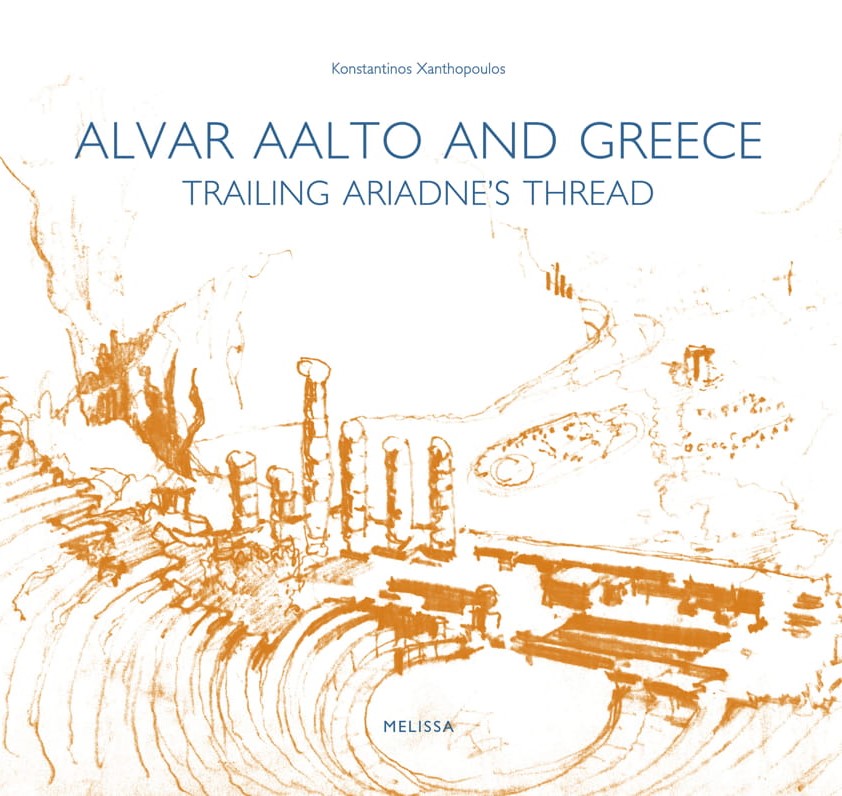
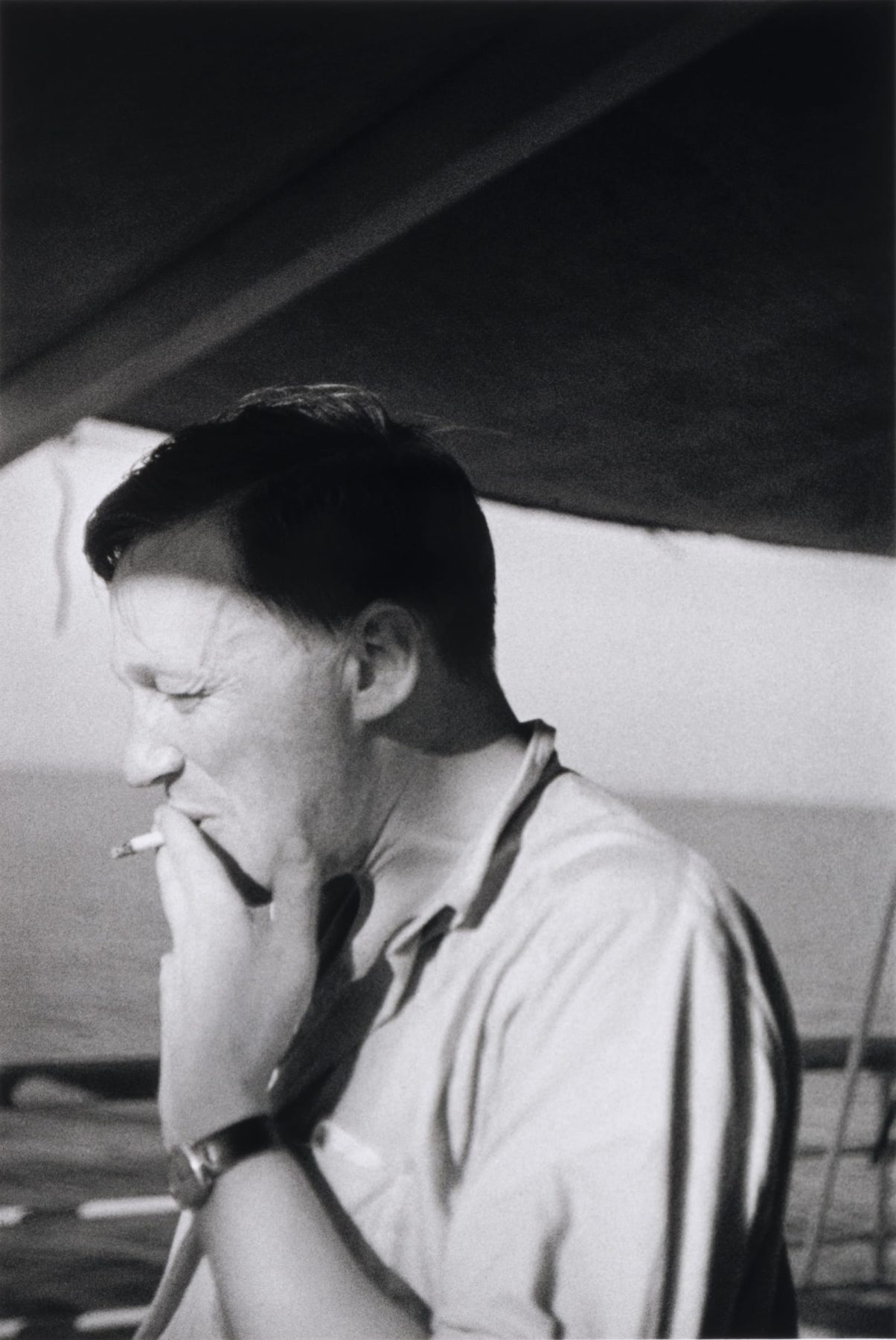
Το βιβλίο ‘Alvar Aalto and Greece, Trailing Ariadne’s Thread’ επιχειρεί μια ιδιότυπη αρχαιολογία μνήμης: να ανιχνεύσει τα λιγοστά και ενίοτε αμφίσημα ίχνη που άφησε ο Alvar Aalto στην Ελλάδα, και να τα μετατρέψει σε συνεκτική αφήγηση για το πώς ο ελληνικός τόπος—ως τοπίο, ως ερείπιο, ως ιδέα, ως θεσμική μνήμη—συνάντησε, άγγιξε ή έστω διέσχισε για λίγο τη σκέψη του αρχιτέκτονα. Πρόκειται για μια «ιστορία» που, σε αντίθεση με τις πληθωρικές καταγραφές των ιταλικών του περιηγήσεων, παραμένει γι’ αυτόν σχεδόν σιωπηλή: δύο επισκέψεις, τον Αύγουστο του 1933 και στα τέλη Απριλίου–αρχές Μαΐου του 1953, χωρίς ημερολόγιο, χωρίς εκτεταμένες προσωπικές εξομολογήσεις, χωρίς τη βεβαιότητα μιας πλήρους τεκμηρίωσης.
Κι όμως, ακριβώς αυτή η έλλειψη—η απουσία του «συνεχούς»—είναι που γεννά το ερευνητικό πάθος του βιβλίου: να διαβάσει την Ελλάδα του Aalto όχι ως απλό επεισόδιο ταξιδιού, αλλά ως λαβύρινθο όπου γεγονός και υπόθεση, πραγματικότητα και μεταφορά, φωτογραφία και σκίτσο, συνθέτουν μια αφήγηση που θυμίζει μύθο: ένα νήμα που άλλοτε φαίνεται και άλλοτε χάνεται, αλλά πάντα υπόσχεται διέξοδο.
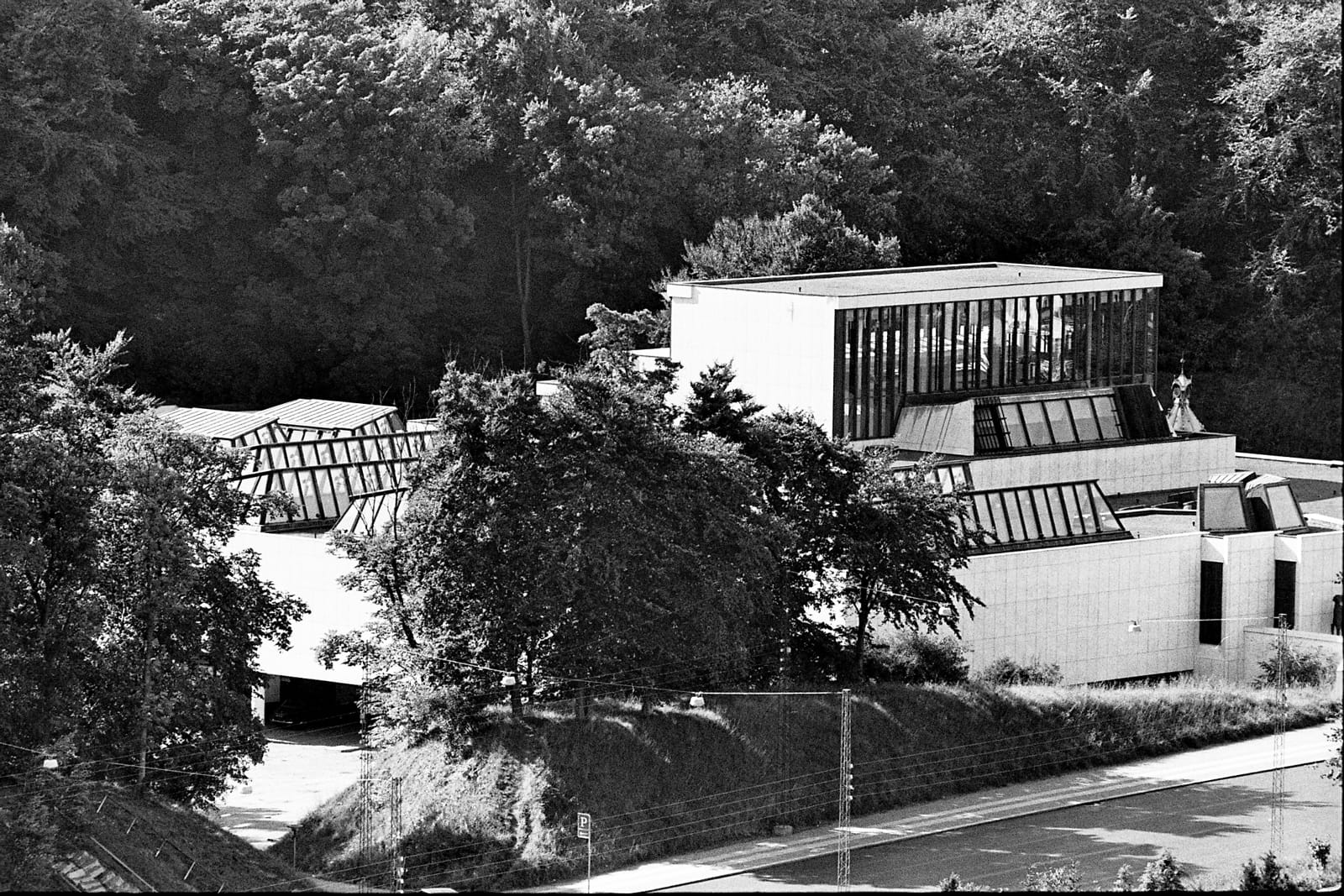
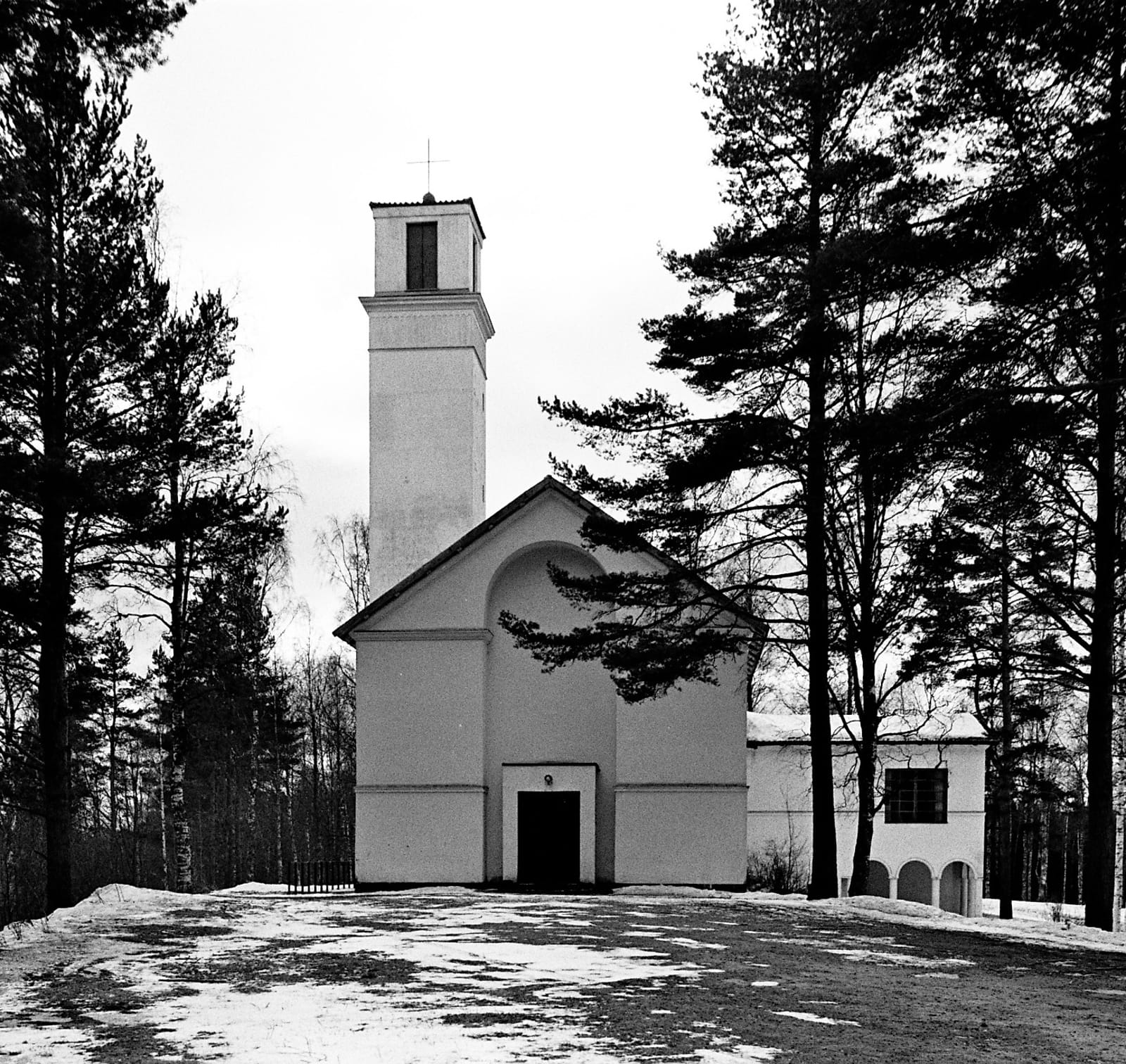
Η έρευνα στην οποία στηρίζεται το βιβλίο είναι, κατά κάποιο τρόπο, μια έρευνα στα περιθώρια. Εφόσον ο Aalto «δεν κράτησε ποτέ ημερολόγιο» στα ταξίδια του, η τεκμηρίωση αντλείται από περιστασιακά σημειώματα, επιστολές, τηλεγραφήματα, και από διάσπαρτες αναφορές που αναζητήθηκαν κυρίως στα Αρχεία Aalto στη Jyväskylä, αλλά και σε άλλα αρχεία στην Ελλάδα, στη Σουηδία και στον Καναδά. Παράλληλα, κρίσιμος άξονας τεκμηρίωσης είναι το 4ο CIAM (1933)—το συνέδριο που σφράγισε συμβολικά την αθηναϊκή σκηνή του μοντερνισμού—μέσα από καταγραφές σε διεθνείς πηγές, αλλά και μέσα από σχετικά τεύχη των Δελτίων του Τεχνικού Επιμελητηρίου Ελλάδος. Η συγγραφή δεν περιορίζεται όμως στην αρχειακή «πληροφορία»: συνομιλεί με τον πυκνό κόσμο της βιβλιογραφίας γύρω από τον Aalto, από τον κατεξοχήν βιογράφο του Göran Schildt μέχρι τον Sigfried Giedion και άλλους συνεργάτες ή μελετητές (Pallasmaa, Curtis, Pearson κ.ά.), ενώ αξιοποιεί και την πολύτιμη διάσταση του Aalto «με τα ίδια του τα λόγια» και «με τα σκίτσα του».
Εδώ το βιβλίο αποκτά έναν δεύτερο, σχεδόν αισθητηριακό πυρήνα: τα ίχνη δεν είναι μόνο λέξεις· είναι και εικόνες—και μάλιστα εικόνες που δεν λειτουργούν απλώς ως τεκμήρια αλλά ως τρόποι σκέψης.
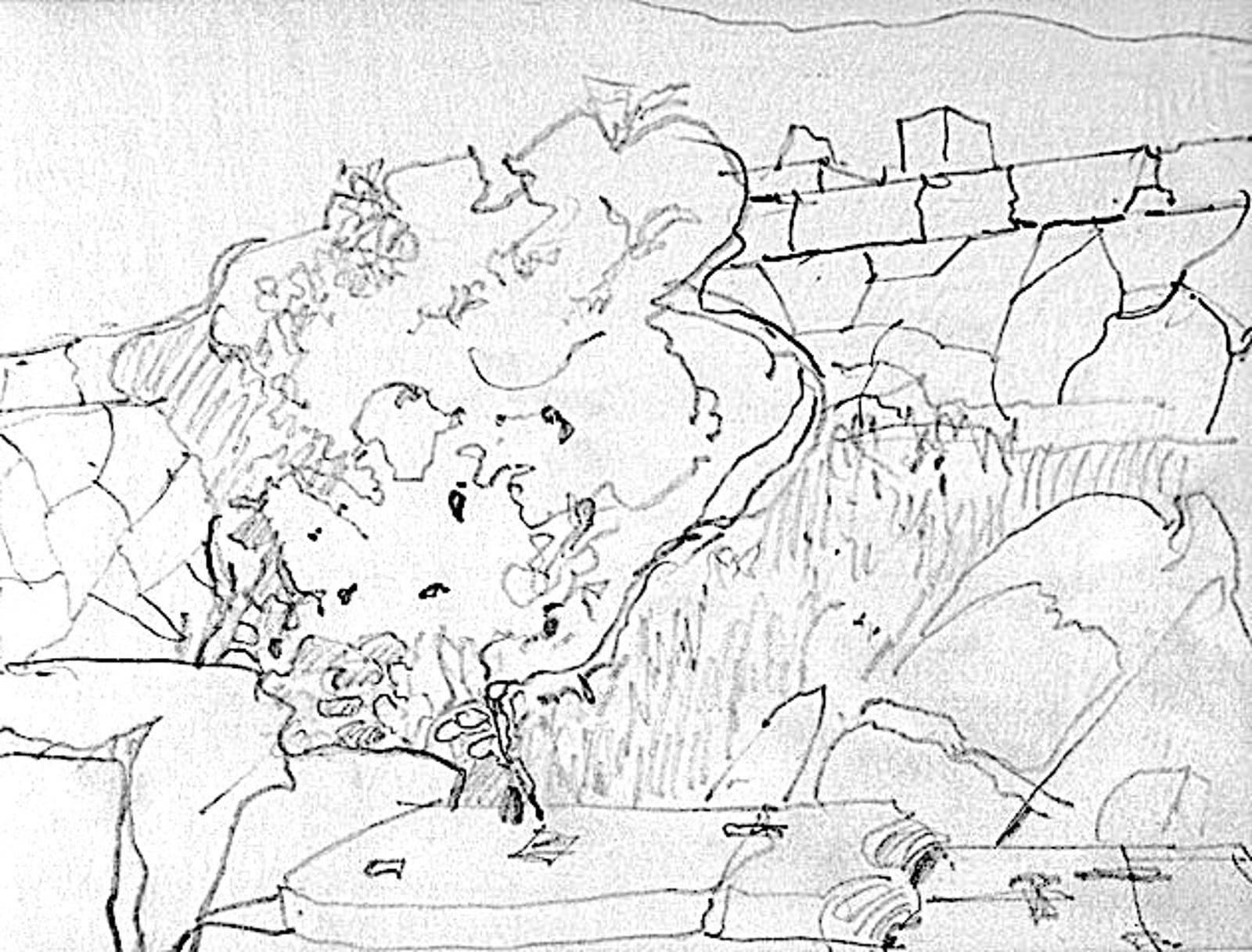
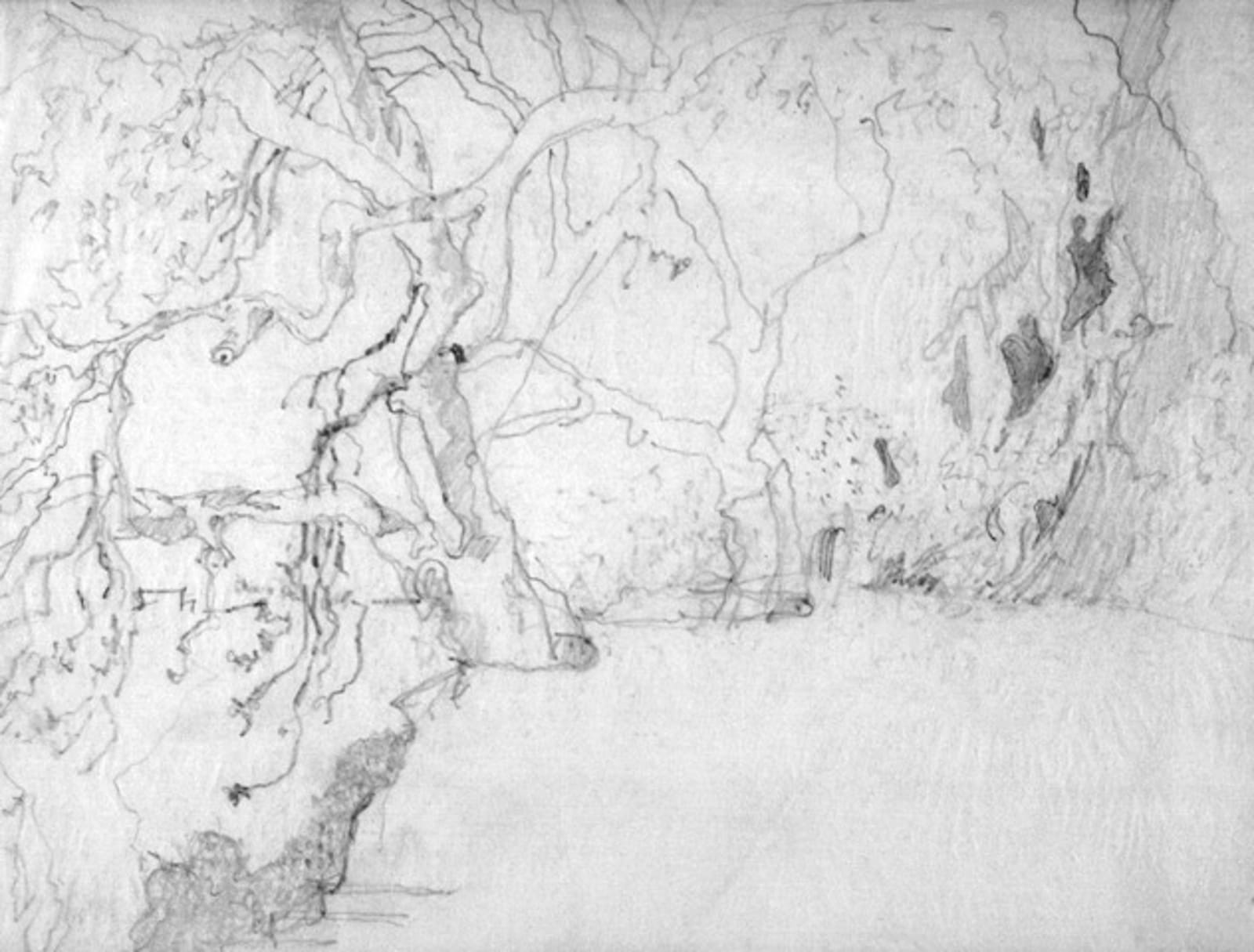
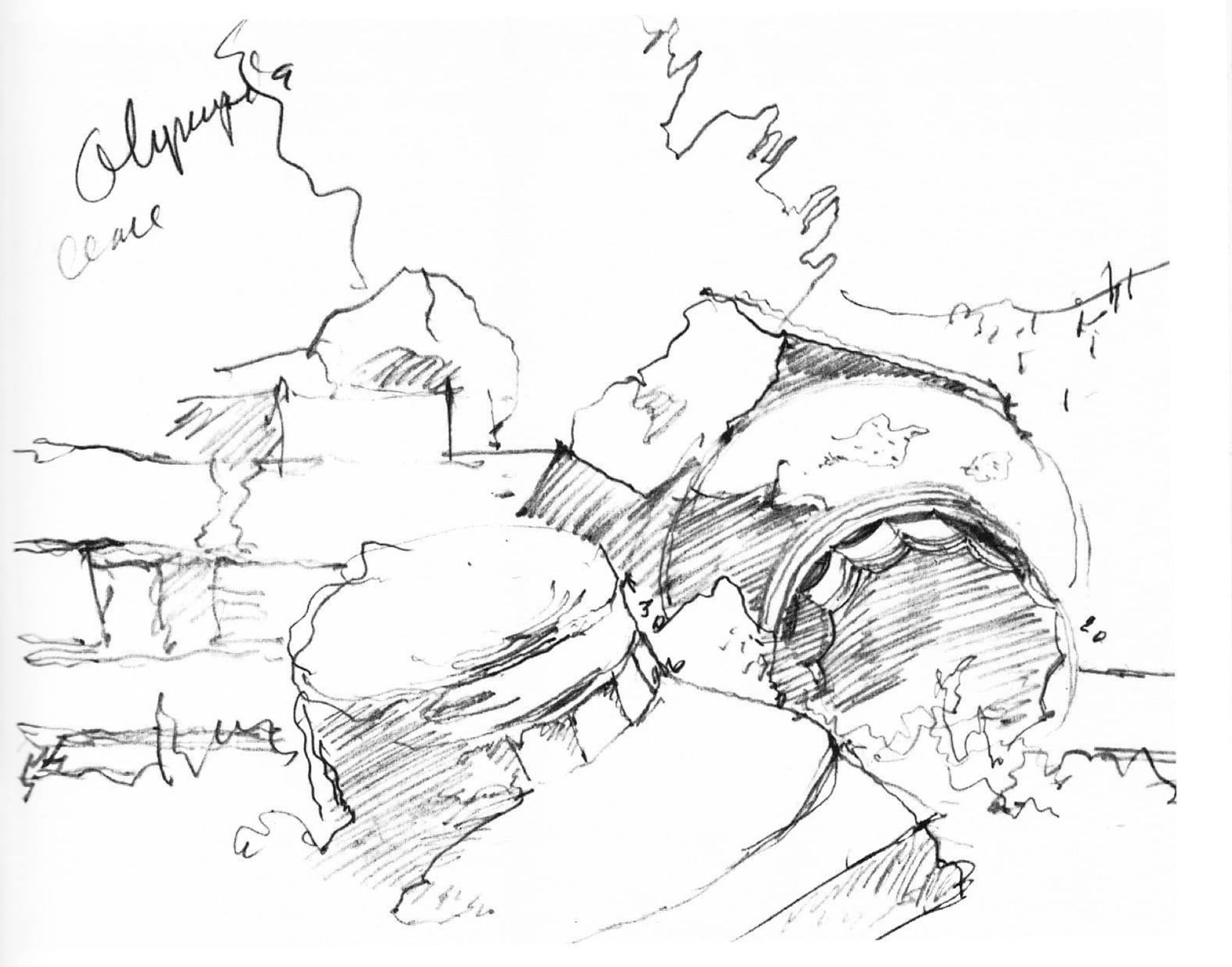
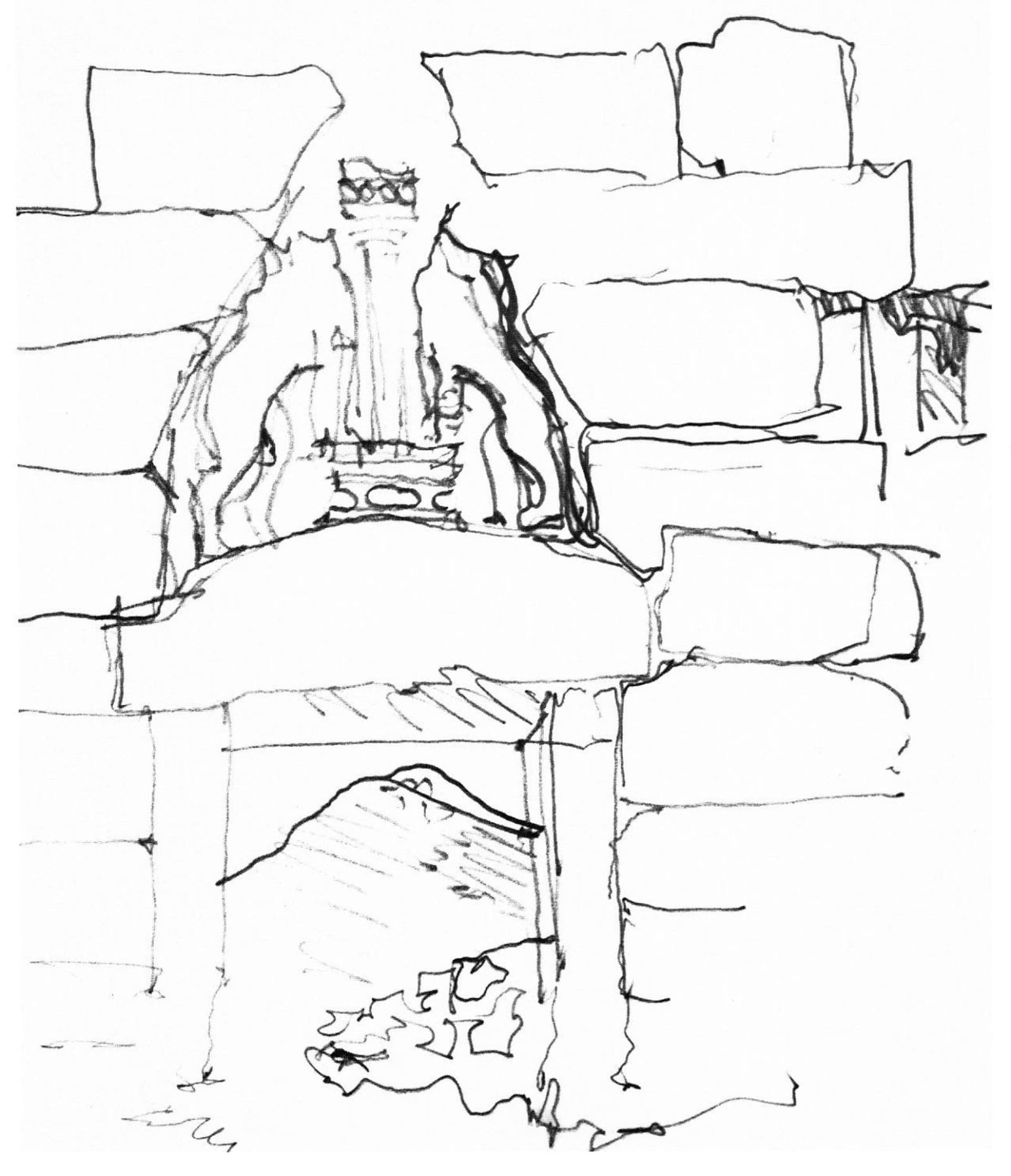
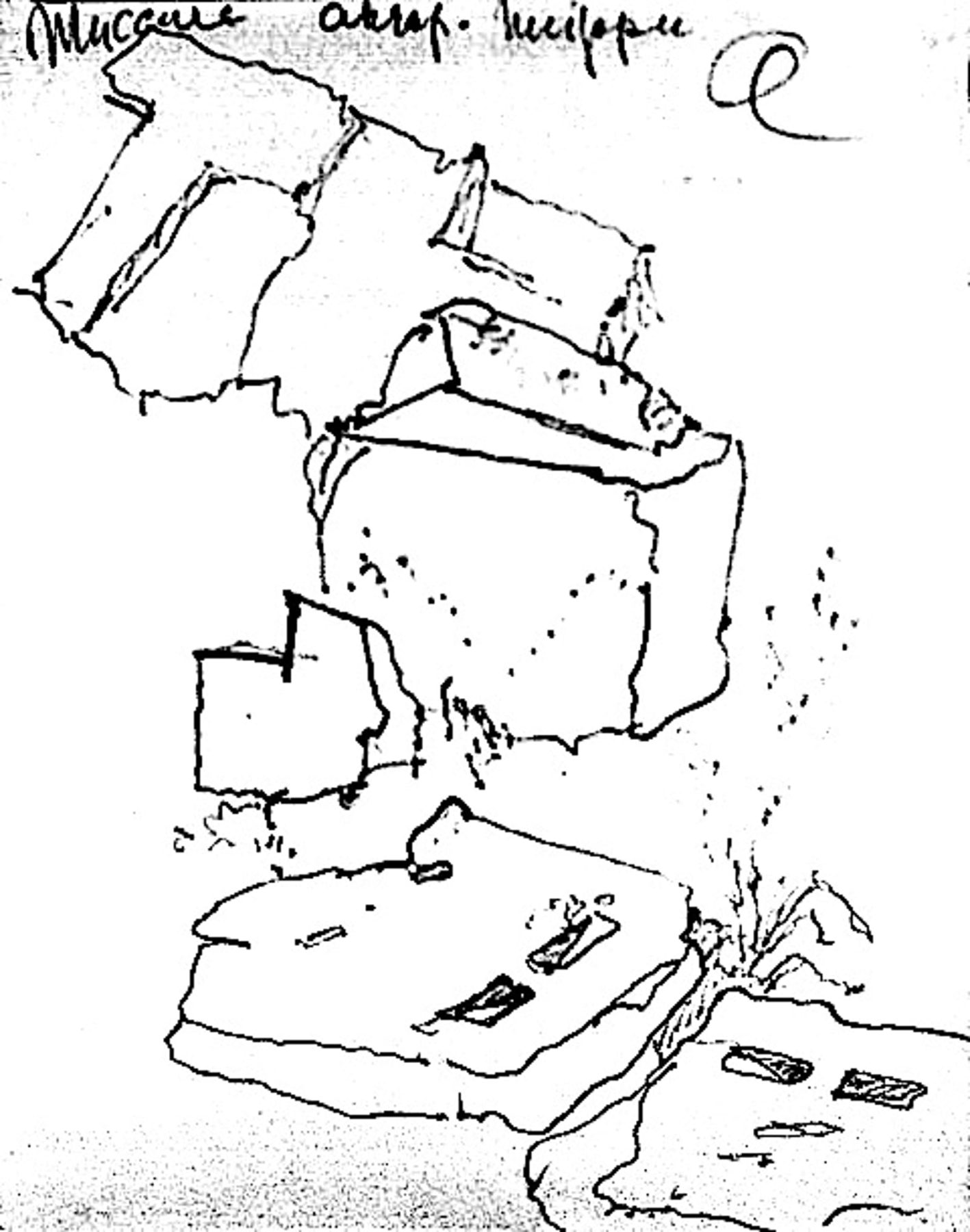
Ιδιαίτερη σημασία έχει η διάκριση που αναδύεται ανάμεσα στα δύο ελληνικά ταξίδια: στο πρώτο, ο Aalto χρησιμοποιεί κυρίως τη φωτογραφία, σαν να επιθυμεί να παγώσει στιγμιότυπα μιας γρήγορης εμπειρίας, επιλέγοντας μάλλον εσκεμμένα τα θέματα (χαρακτηριστική η διήμερη περιπλάνηση στην Ακρόπολη). Στο δεύτερο, ο ώριμος Aalto στρέφεται στα σκίτσα, σαν να χρειάζεται πλέον το «χέρι» του για να αφομοιώσει το νόημα, τη δομή, τη μορφή, όχι μόνο των μνημείων αλλά και της σχέσης τους με τη φύση, με τη μνήμη, με το πνευματικό περιεχόμενο του τόπου. Η Ελλάδα, έτσι, δεν αποδίδεται ως τουριστική εντύπωση, αλλά ως αίνιγμα που απαιτεί εσωτερική θέαση—μια «μέσα βλέψη», θα έλεγε ο Πικιώνης, απέναντι στην ιστορική υλικότητα των ερειπίων.
Το βιβλίο οργανώνει αυτή τη σύνθετη αφήγηση σε έξι μεγάλες ενότητες, που λειτουργούν σαν διαδοχικοί θάλαμοι ενός λαβύρινθου: από την παιδεία του βορρά και τις κλασικές καταβολές, μέχρι τις ελληνικές επαφές του CIAM, και από τις αναγνώσεις της Ακρόπολης μέχρι το δεύτερο ταξίδι ως πνευματική αναζήτηση. Κάθε ενότητα δεν αποτελεί απλώς ιστορικό κεφάλαιο αλλά ερευνητικό πεδίο μεταφορών και αναλογιών, όπου ο συγγραφέας ισορροπεί διαρκώς ανάμεσα στη βεβαιότητα του τεκμηρίου και στην εύλογη υπόθεση.
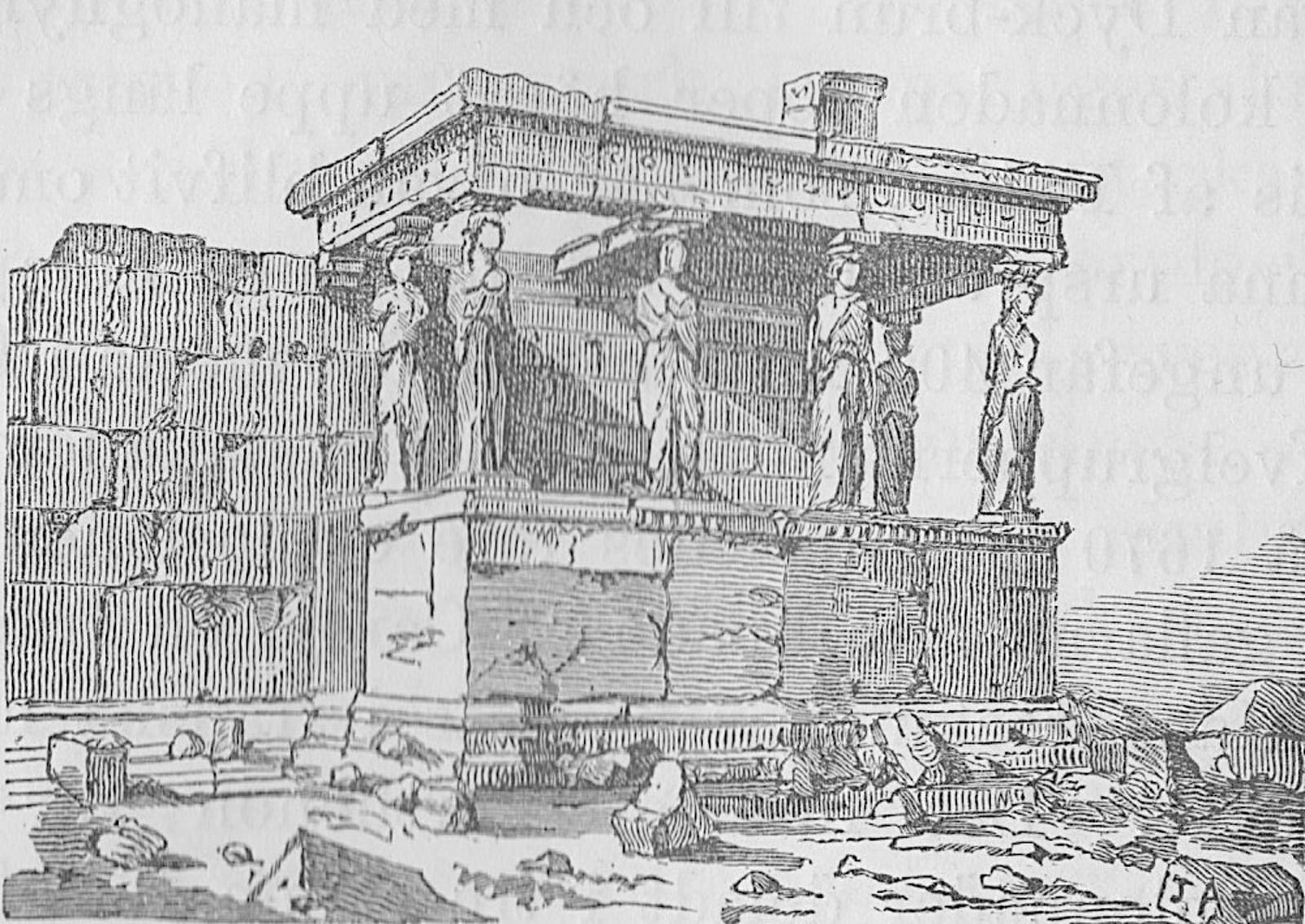
1. Η αναβίωση του κλασικού πνεύματος στον ευρωπαϊκό βορρά και η παιδεία του Aalto
Η πρώτη ενότητα τοποθετεί τον Aalto μέσα σε μια ευρύτερη παράδοση κλασικισμού που είχε διαμορφώσει την παιδεία φινλανδών και άλλων αρχιτεκτόνων του ευρωπαϊκού βορρά ήδη από τα μέσα του 19ου αιώνα. Η ελληνική αρχαιότητα δεν ήταν γι’ αυτούς εξωτικό επεισόδιο· υπήρξε θεμέλιο εκπαιδευτικής συγκρότησης. Στην περίπτωση του Aalto, σημαντικό μέρος των σπουδών του στο Τεχνολογικό Πανεπιστήμιο του Ελσίνκι σχετιζόταν με την αρχαία ελληνική ιστορία, αρχιτεκτονική και τέχνη, ενώ μαρτυρίες και επιστολές του υπογραμμίζουν τον ενθουσιασμό του για την προϊστορική Κρήτη και τις Μυκήνες ήδη από το 1916.
Στη συνέχεια, το βιβλίο αναδεικνύει μια δεύτερη παράδοση: την επιθυμία των νέων φινλανδών αρχιτεκτόνων να μαθητεύσουν πλάι σε σουηδούς κλασικιστές όπως ο Gunnar Asplund. Για τον Aalto, η έλξη προς τον Asplund δεν αφορούσε έναν στεγνό ακαδημαϊκό κλασικισμό, αλλά μια αντισυμβατική συγχώνευση κλασικών αναφορών με λαϊκή/τοπική αρχιτεκτονική—τον «Nordic Classicism»—που έμοιαζε να γεφυρώνει σκανδιναβικό και μεσογειακό κόσμο. Το βιβλίο βλέπει στα πρώιμα έργα του Aalto μια σχετική αντήχηση αυτής της στάσης: ένα κλασικό-λαϊκό ιδίωμα με ιταλογενείς αναφορές, που δεν εξαντλείται στη μορφή αλλά δοκιμάζει τρόπους πολιτισμικής μετάφρασης.
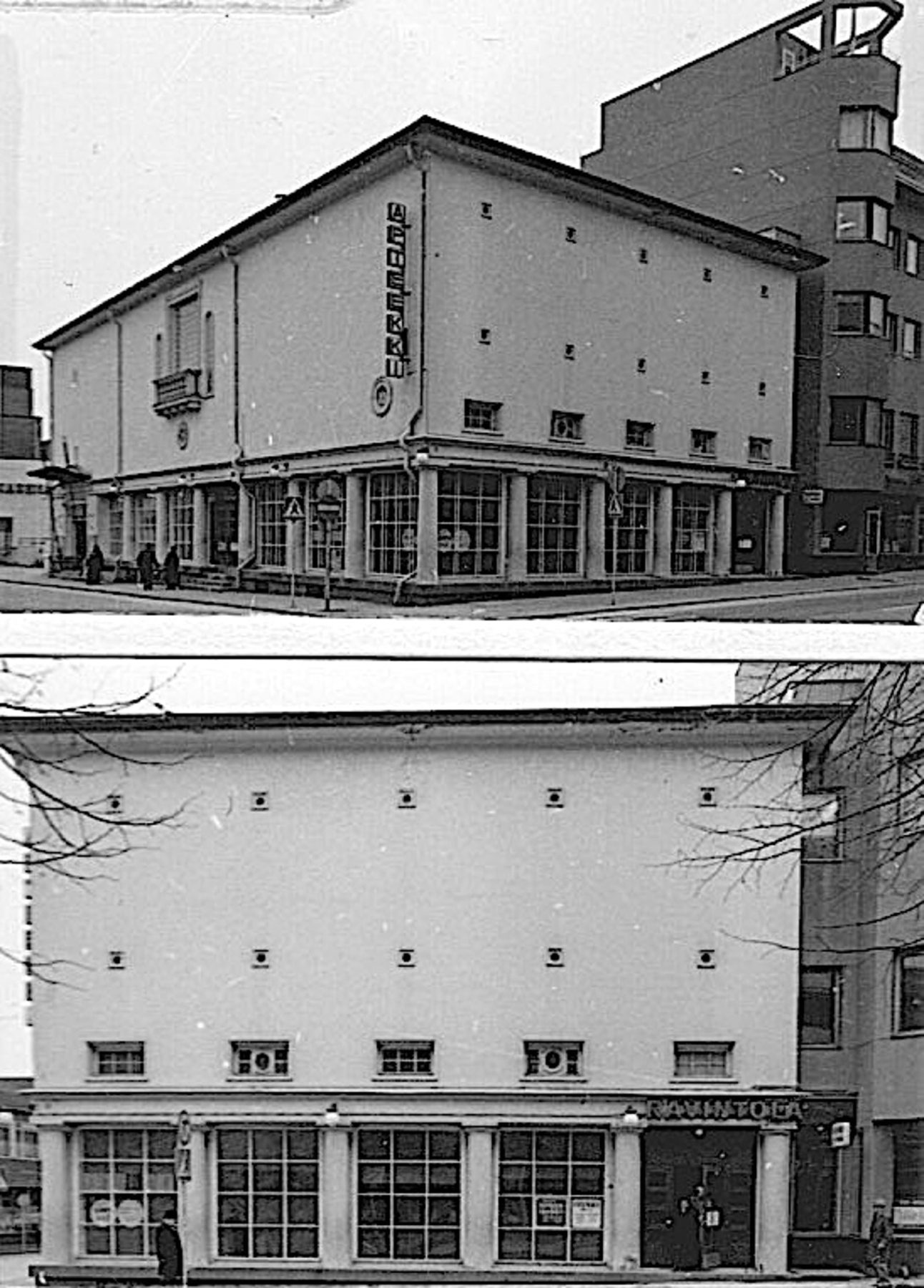
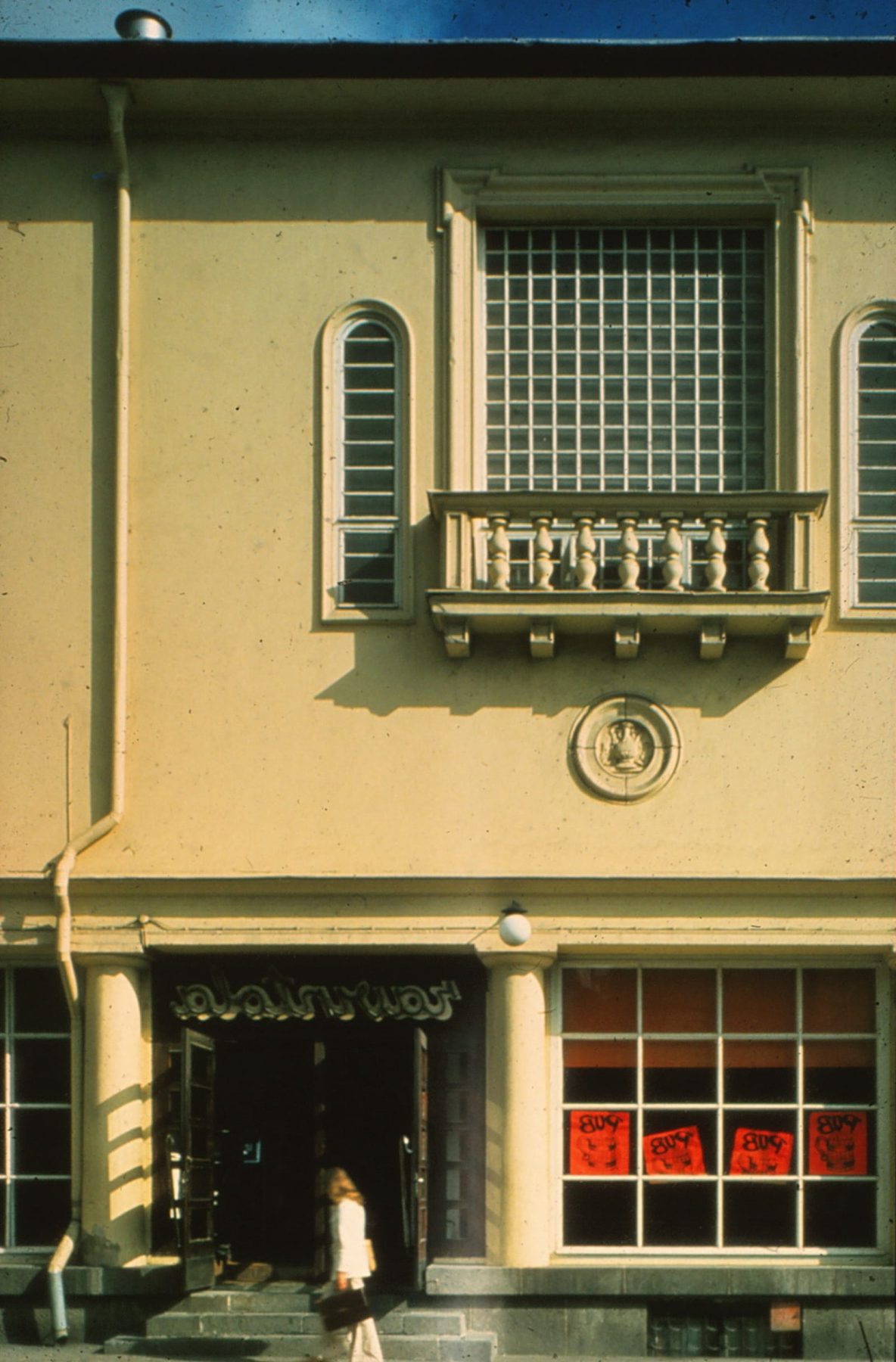
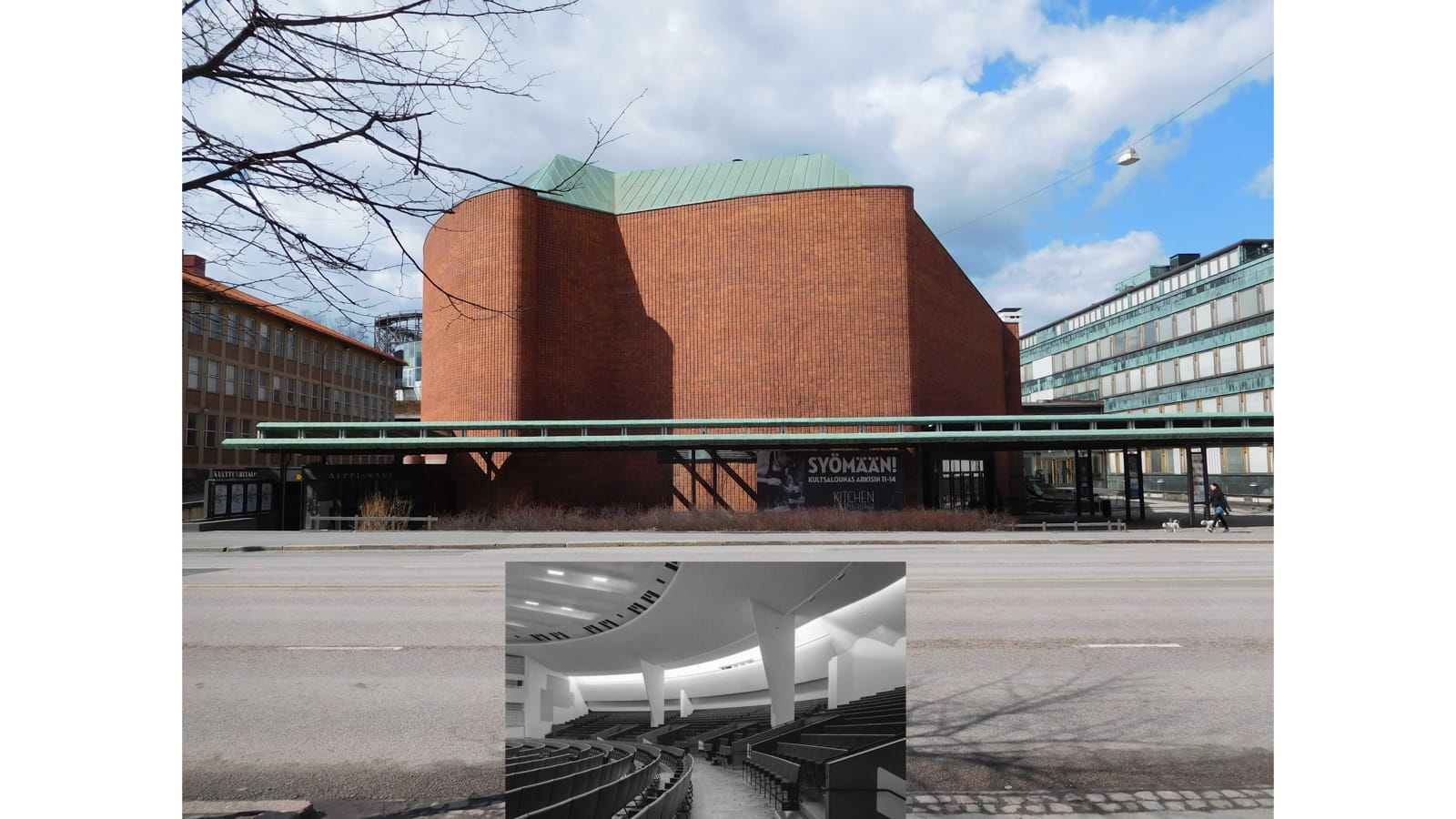
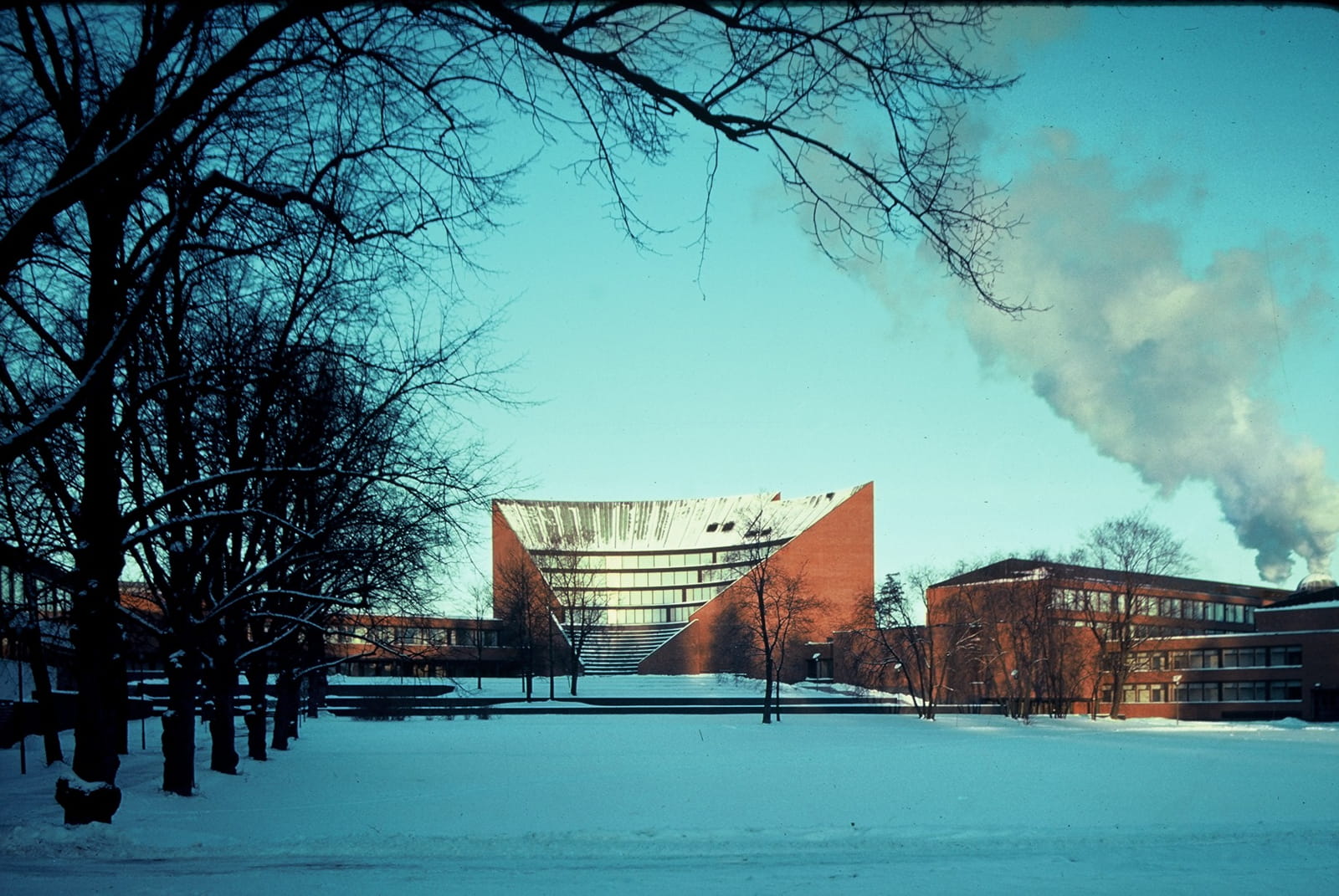
Και εδώ εμφανίζεται ο τρίτος μεγάλος άξονας της βορειοευρωπαϊκής παράδοσης: το σχεδόν «υποχρεωτικό» πολιτισμικό ταξίδι στον Μεσογειακό Νότο—ιδίως στην Ιταλία του ύστερου Μεσαίωνα και της Αναγέννησης. Με την υποστήριξη δασκάλων όπως ο Armas Lindgren, ο Aalto τρέφει έναν πρόωρο θαυμασμό για τον Brunelleschi, τον Alberti, τον Palladio, τη Βενετία, τις «αναρριχόμενες» πόλεις της Τοσκάνης. Η Ιταλία γίνεται γι’ αυτόν υπόδειγμα μιας αρμονίας ανάμεσα σε φυσικό τοπίο και κτίσμα, με αποδείξεις «παρούσες» και ολοκληρωμένες, ικανές να προκαλέσουν μιμητικές και μεταφορικές αναζητήσεις. Η Ελλάδα, αντίθετα, προβάλλει συχνά ως δευτερεύουσα επιλογή για τον βορρά: τα ερείπια δεν προσφέρονται εύκολα για μίμηση· απαιτούν ενδοσκόπηση, πνευματική ενόραση, ηθικό αναλογισμό.
Ωστόσο, το βιβλίο επιμένει ότι ο Aalto δεν εγκατέλειψε ποτέ το ελληνικό πεδίο. Αντιθέτως, επέστρεφε σε ελληνικούς θεσμούς και ετυμολογίες αναζητώντας μια «άλλη αλήθεια», τη δική του. Η σύγκριση ανάμεσα στο φινλανδικό “rakennustaide” (τέχνη του κτίζειν) και στην οικουμενικότητα που εμπεριέχει ο όρος «αρχιτεκτονική»—όπως ο ίδιος τον έγραφε με ελληνικούς χαρακτήρες—γίνεται στο βιβλίο ένας κρίσιμος υπαινιγμός: η Ελλάδα λειτουργεί ως γλωσσικό και εννοιολογικό αρχέτυπο, όχι ως στυλιστική δεξαμενή. Στην ίδια γραμμή, ο παραλληλισμός που κάνει ο Aalto για τη λειτουργία του Μουσείου Φινλανδικής Αρχιτεκτονικής με το πνεύμα των Δελφικών Αμφικτυονιών αποκαλύπτει ότι η Ελλάδα, στον ώριμο στοχασμό του, σημαίνει κυρίως θεσμούς, ανταλλαγές, δημόσιο πνεύμα—μια μορφή πολιτισμικής κοινότητας, όχι συλλογή αντικειμένων.
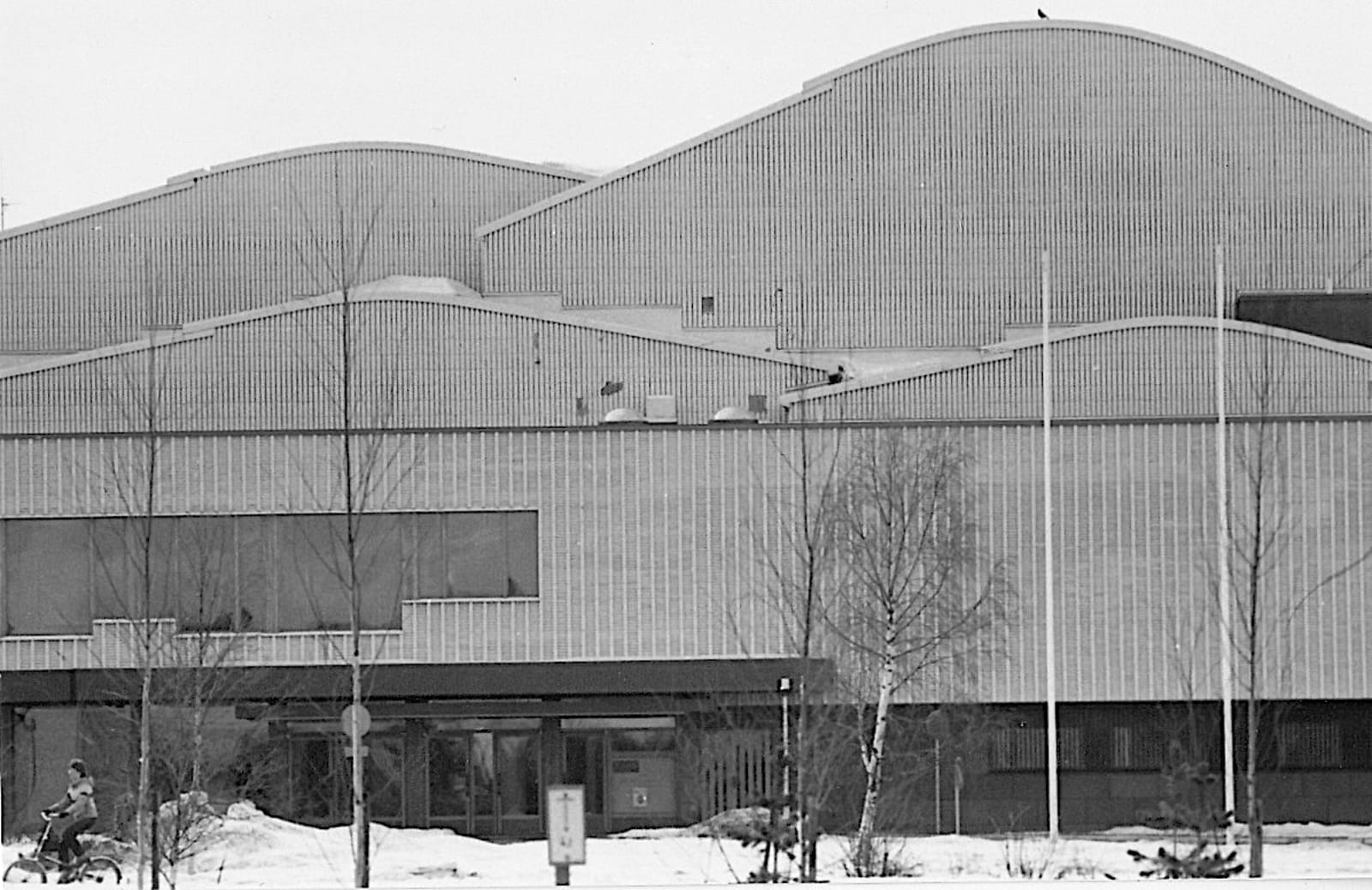
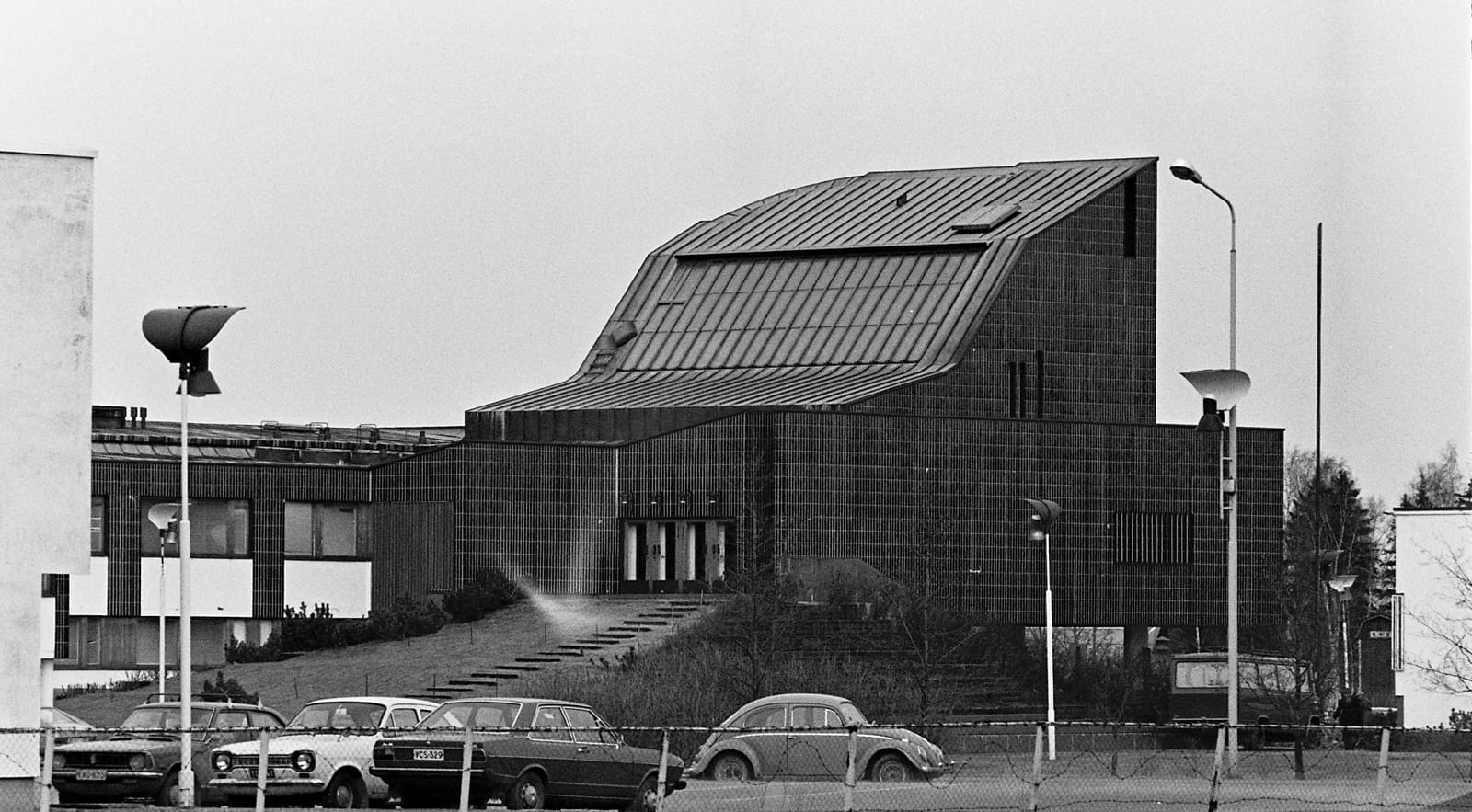
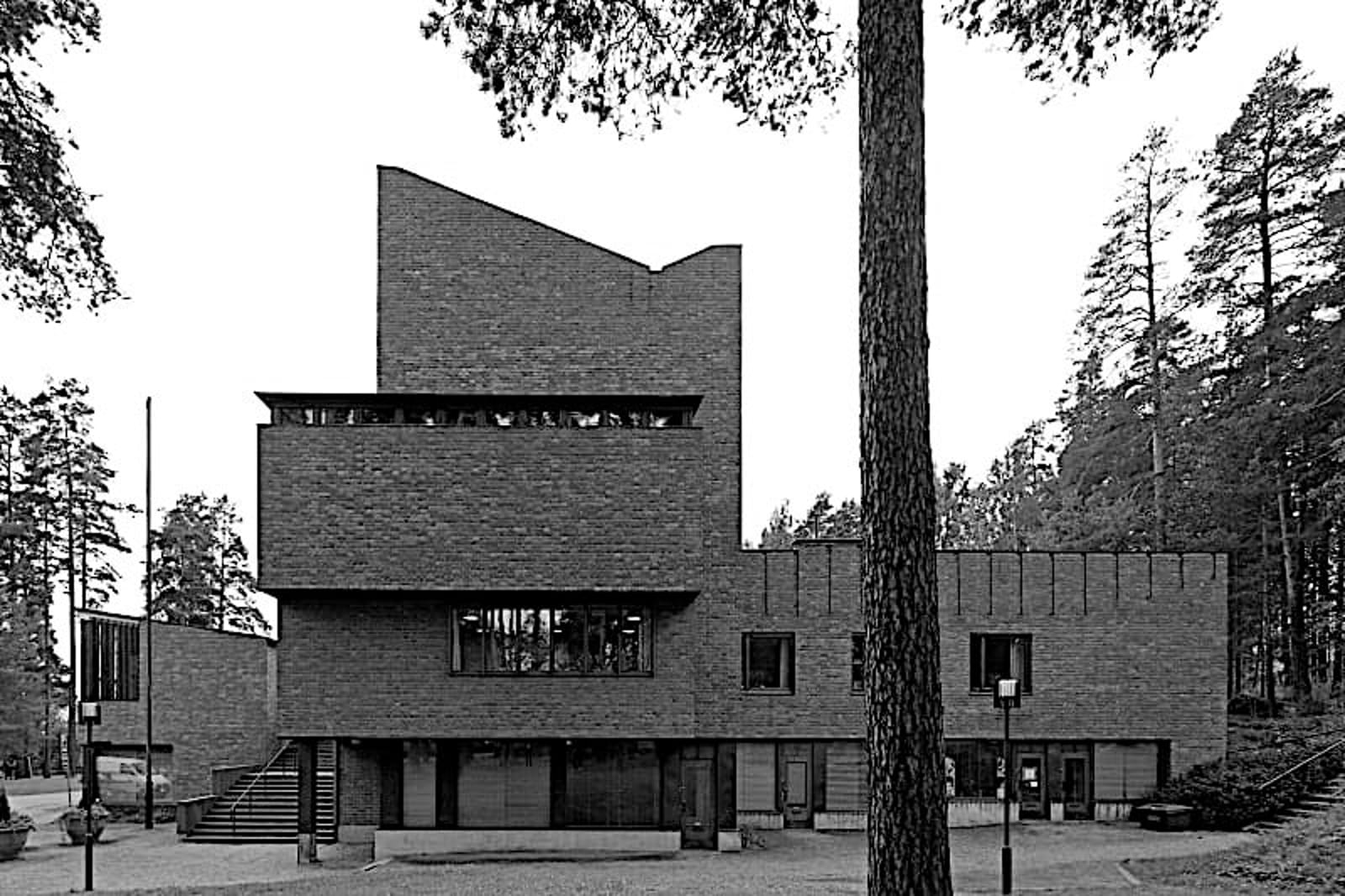
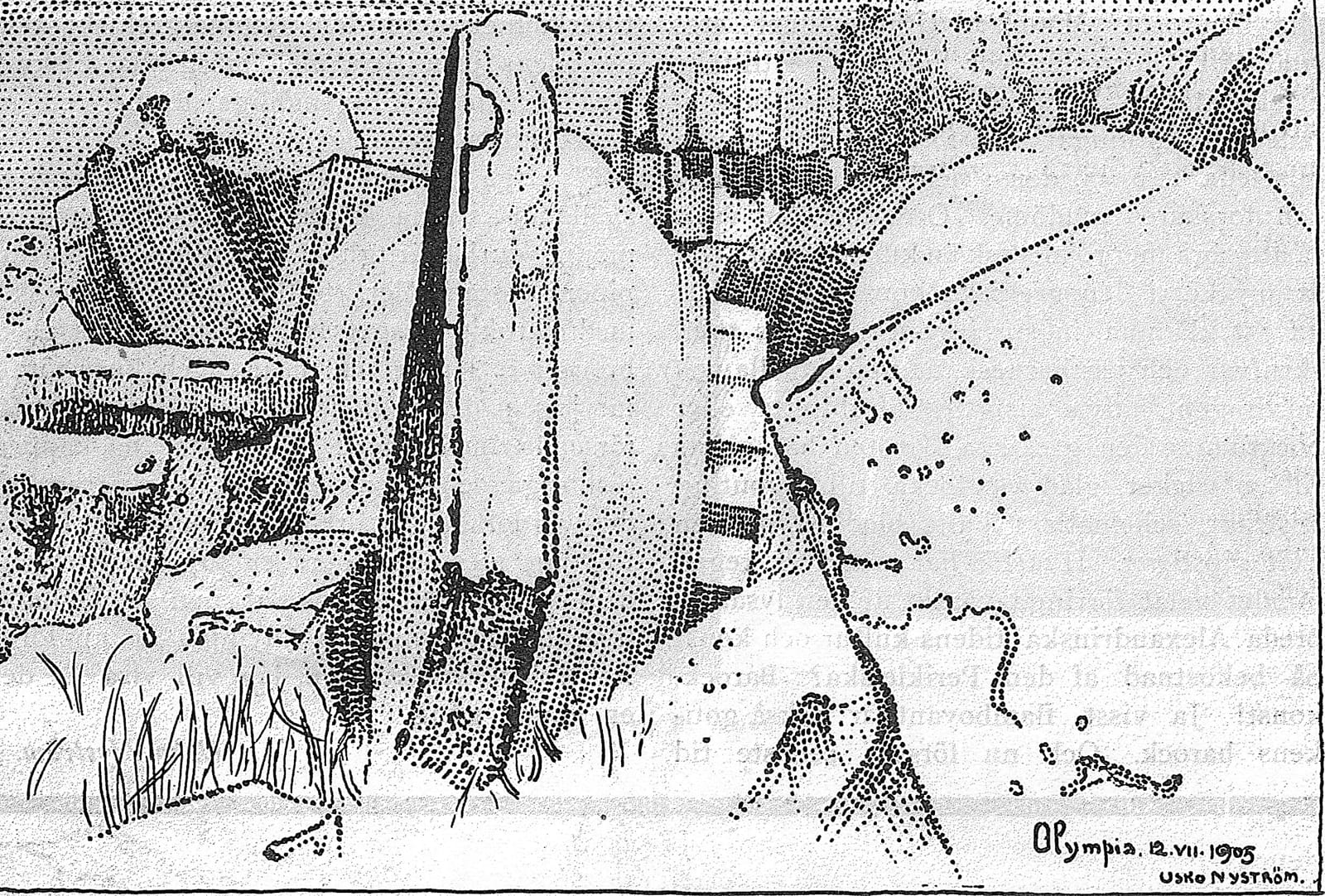
Η δεύτερη ενότητα διευρύνει το πλαίσιο: πριν από τον Aalto, είχαν προηγηθεί φινλανδοί αρχιτέκτονες, δάσκαλοι και σύγχρονοί του που ταξίδεψαν στην Ελλάδα—ο Jacob Ahrenberg (1875), ο Usko Nyström (1905), ο Hilding Ekelund με την Eva Kuhlefelt (1926) κ.ά. Αυτοί κατέγραψαν εντυπώσεις από την ενδοχώρα και τα νησιά, από την κοινωνία και τους κατοίκους, αλλά κυρίως από τα μνημεία, συχνά με ενθουσιασμό και ποιητικό ρομαντισμό. Με γραπτά, σκαριφήματα, φωτογραφίες, συνέβαλαν στη δημιουργία ενός «θετικού κλίματος» και μιας επίσης ενδεδειγμένης ταξιδιωτικής «αποστολής» προς την Ελλάδα. Το βιβλίο υπονοεί ότι αυτή η συσσώρευση προγενέστερων μαρτυριών δεν μπορεί παρά να έδρασε και στην αντίληψη του Αalto: ακόμα και αν δεν το δηλώνει ρητά, ο ίδιος ταξιδεύει σε ένα τοπίο που έχει ήδη περιγραφεί και αγαπηθεί από οικείους του κύκλους.
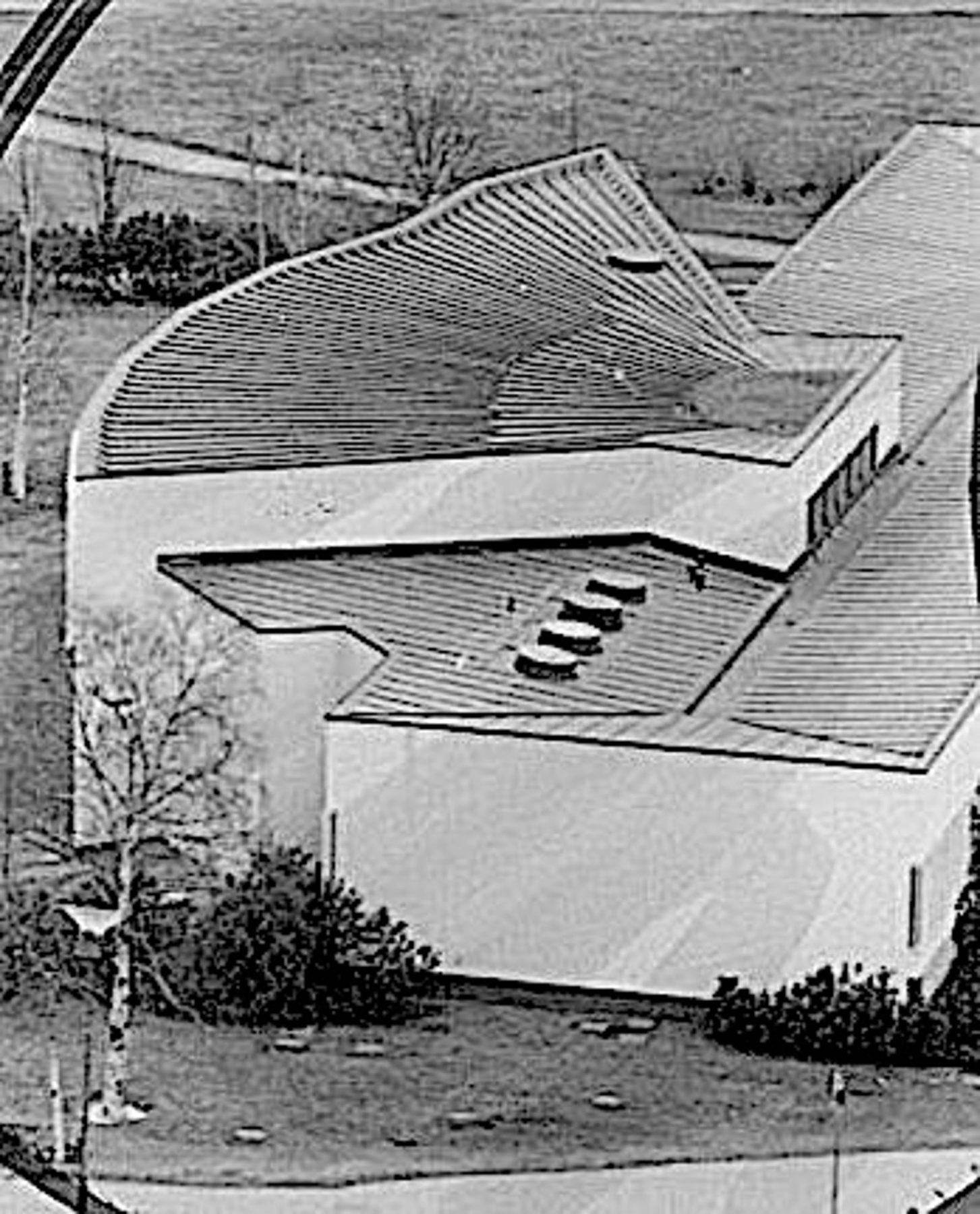
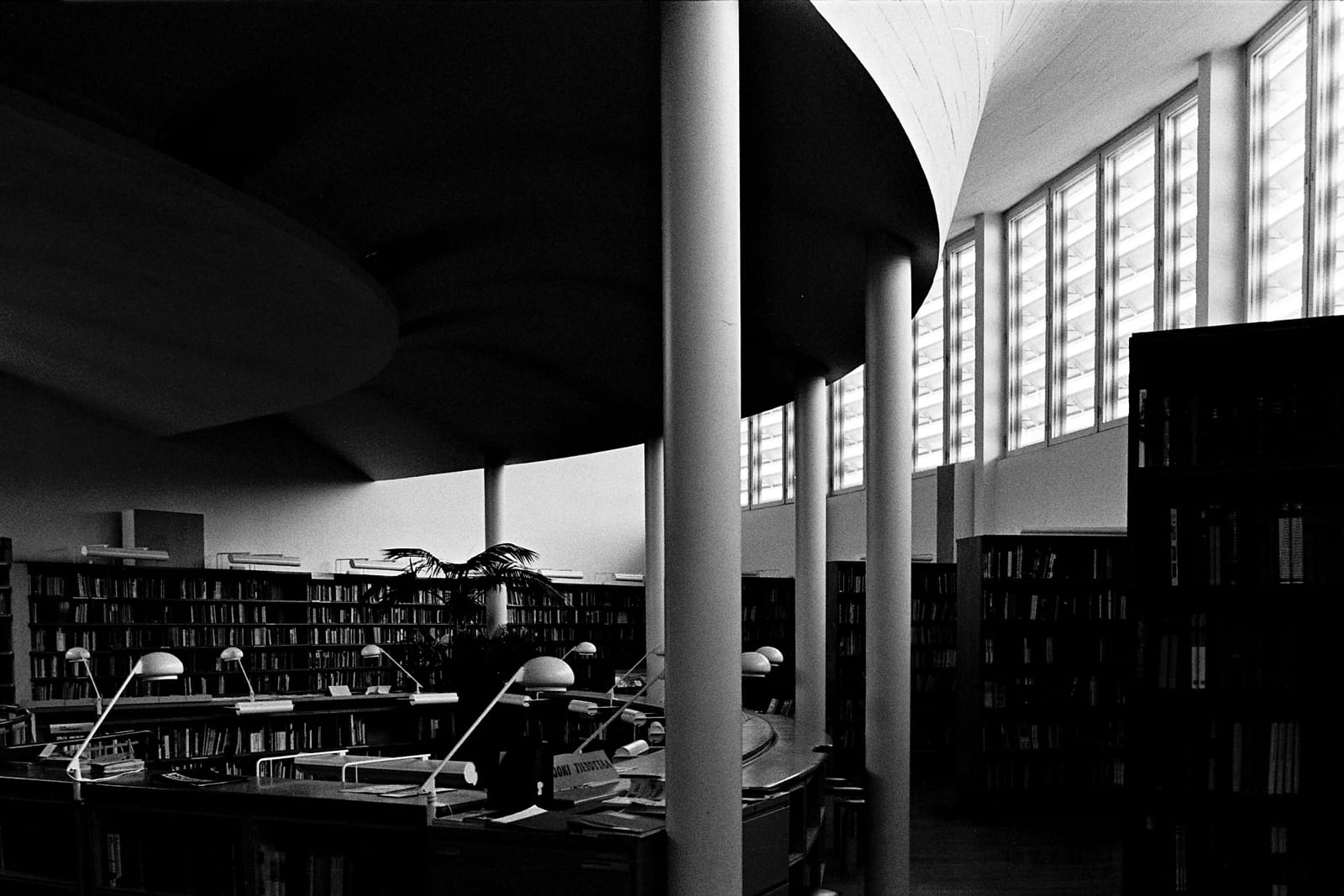
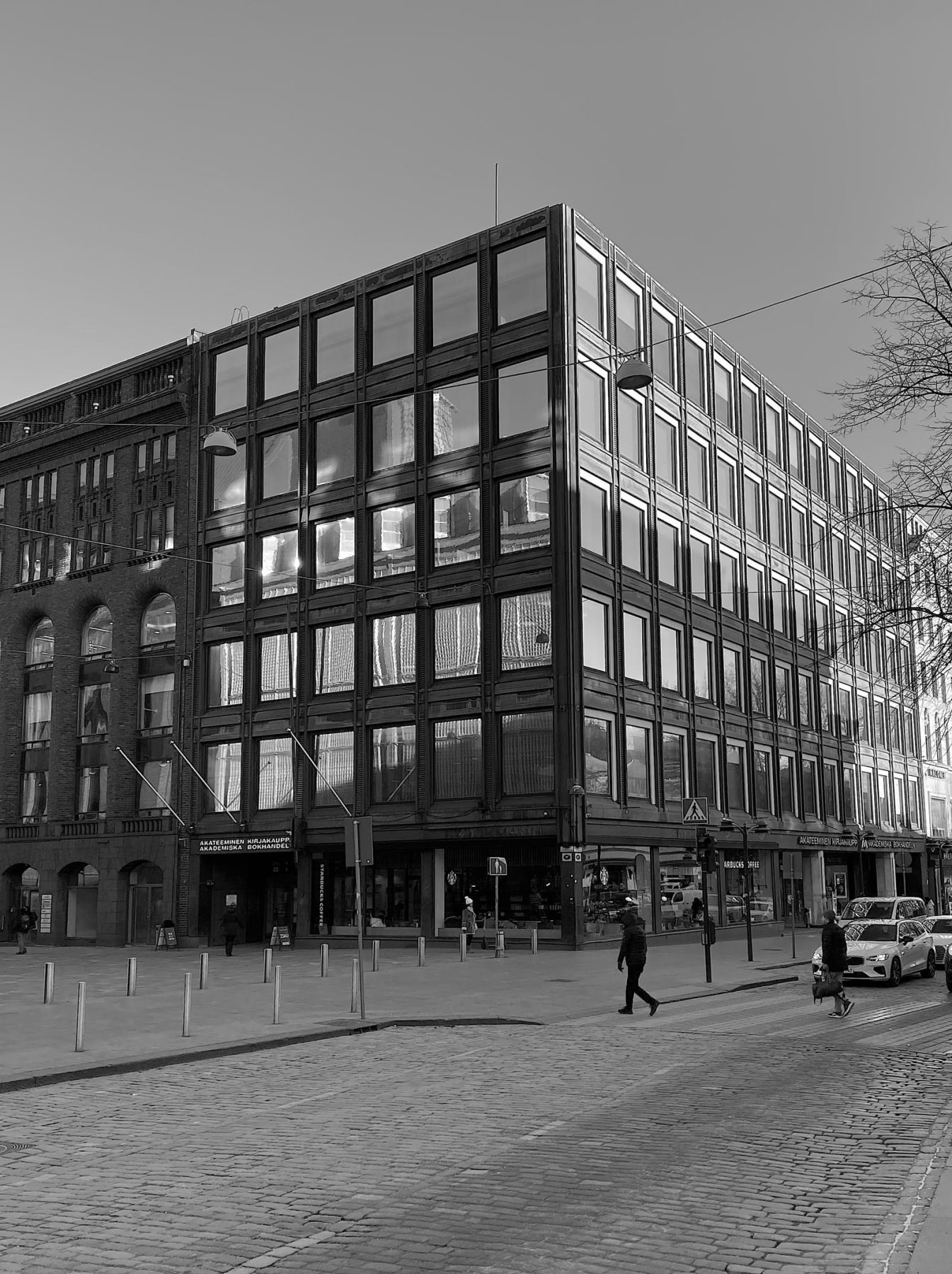
3. Το 4ο CIAM (Αθήνα 1933) και η επιλεκτική παρουσία του Aalto
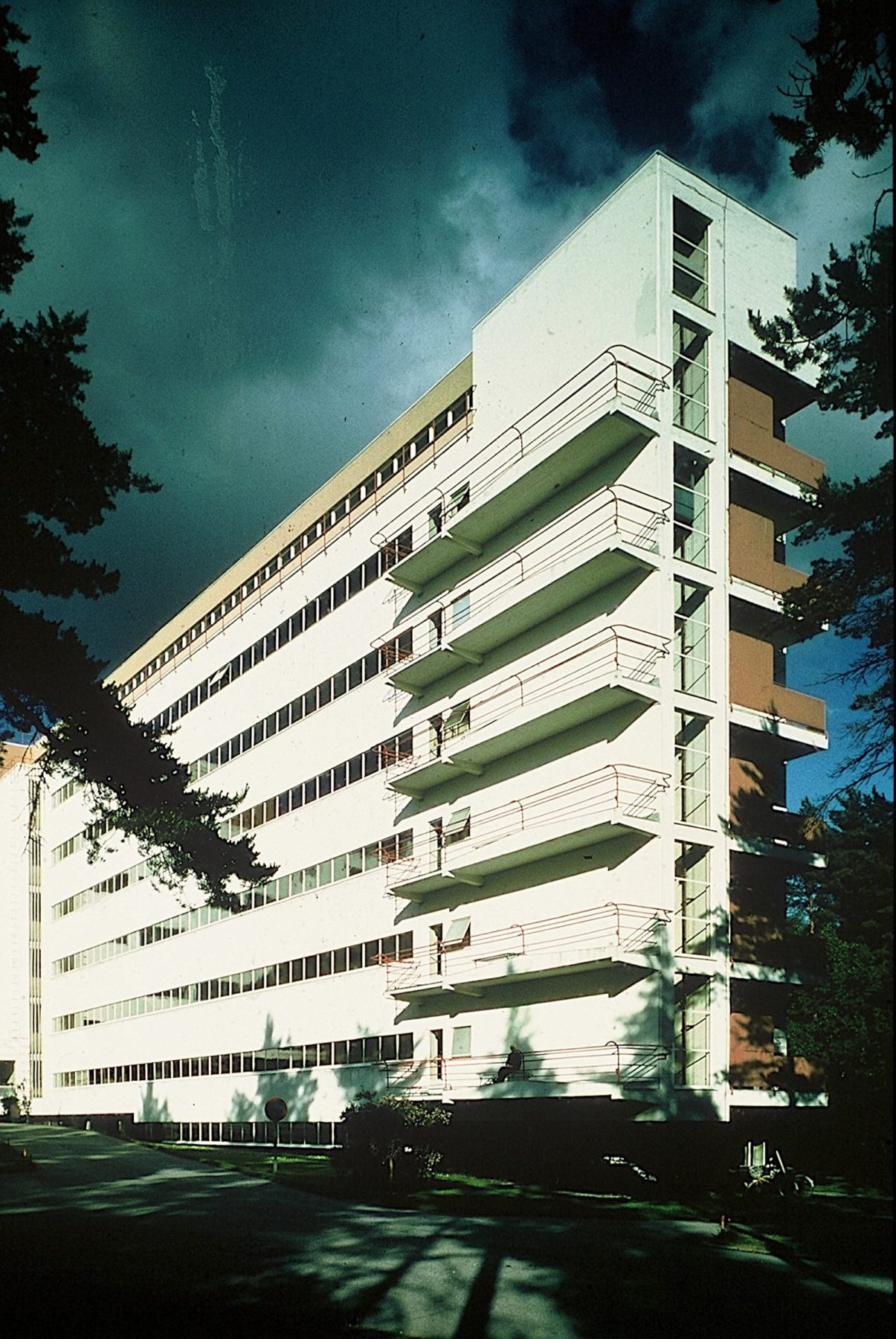
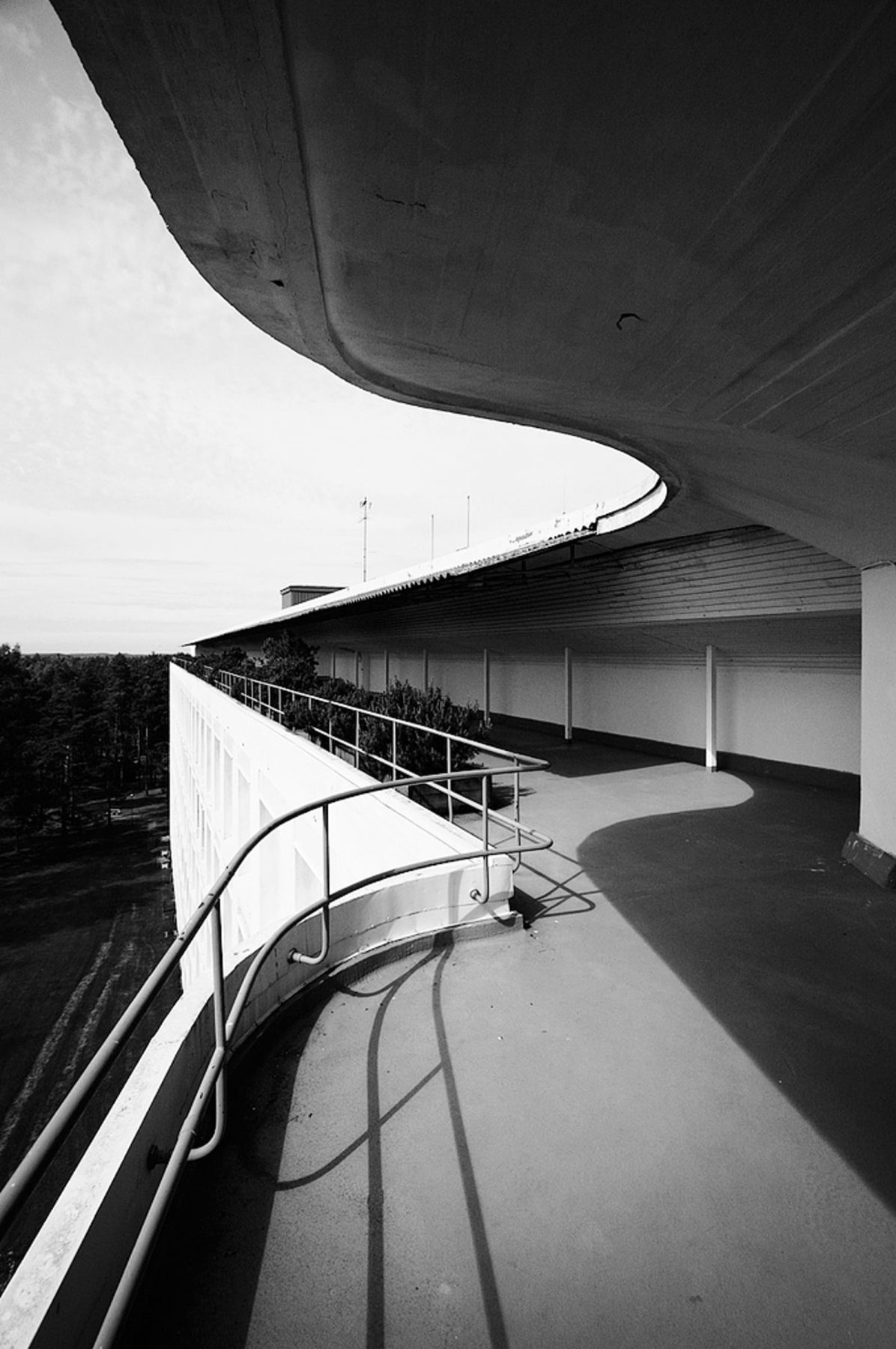
Στην τρίτη ενότητα, το βιβλίο περνά από την ευρεία πολιτισμική προϊστορία στο συγκεκριμένο ιστορικό γεγονός: την παρουσία του Aalto στο 4ο CIAM. Η στιγμή είναι κρίσιμη: ο Aalto βρίσκεται ήδη υπό έντονη επαγγελματική πίεση, με κορυφαία έργα του φινλανδικού λειτουργισμού να εξελίσσονται (Viipuri, Turun Sanomat, Paimio κ.ά.), ενώ το γραφείο του μετακινείται από το Turku στο Ελσίνκι. Το ταξίδι στην Αθήνα, λοιπόν, δεν είναι άνετη περιπλάνηση· είναι στοίχημα χρόνου, και γι’ αυτό χρειάζεται κίνητρο: διεθνής αναγνώριση, επαφή με την αρχιτεκτονική και καλλιτεχνική ελίτ, πιθανότητα συνάντησης με τον Le Corbusier, και γενικότερα συμμετοχή στο διεθνές δίκτυο ιδεών.
Το βιβλίο υπογραμμίζει ότι ο Aalto δεν συμμετείχε στο πρώτο, θαλάσσιο σκέλος του συνεδρίου—τον διάπλου του Patris II από τη Μασσαλία στον Πειραιά—όπου οργανώθηκαν παρουσιάσεις πόλεων με βάση το σύστημα ISOTYPE. Φτάνει στην Αθήνα στις αρχές Αυγούστου 1933, μετά από κοπιαστικό ταξίδι μέσω Κεντρικής Ευρώπης και Θεσσαλονίκης, όταν πολλοί σύνεδροι βρίσκονται ήδη σε νησιά και αρχαιολογικούς χώρους. Η απουσία του από τις πρώτες εργασίες συνυπάρχει όμως με μια εντυπωσιακή αντίφαση: ο Giedion, ως γενικός γραμματέας του CIAM και φίλος του, εξυμνεί την «ιδιοφυΐα του Aalto» κατά την ομιλία του—σαν να προαναγγέλλει την παρουσία του ακόμη κι όταν εκείνος δεν βρίσκεται στο κέντρο της σκηνής.
Παράλληλα, ο Schildt τον περιγράφει ως «αντιφρονούντα» και παρατηρητή: ο Aalto δεν ταυτίζεται πλήρως με την ομοιομορφία των συνεδριακών αξιωμάτων. Και εδώ το βιβλίο αρχίζει να ξεδιπλώνει την κεντρική μεταφορά του: η Αθήνα του CIAM, με τις θεωρίες και τις «Χάρτες», είναι ένας λαβύρινθος ορθολογικής κανονιστικότητας· απέναντί του, η Ακρόπολη—ως μνημειακή εμπειρία, ως ανθρώπινο μέτρο, ως λειτουργική αξιοπρέπεια—προσφέρει άλλο νήμα, άλλη διέξοδο.
4. Η Ακρόπολη ως πρώτη ανάγνωση: φωτογραφία, σκιά και μνημειακή αξιοπρέπεια
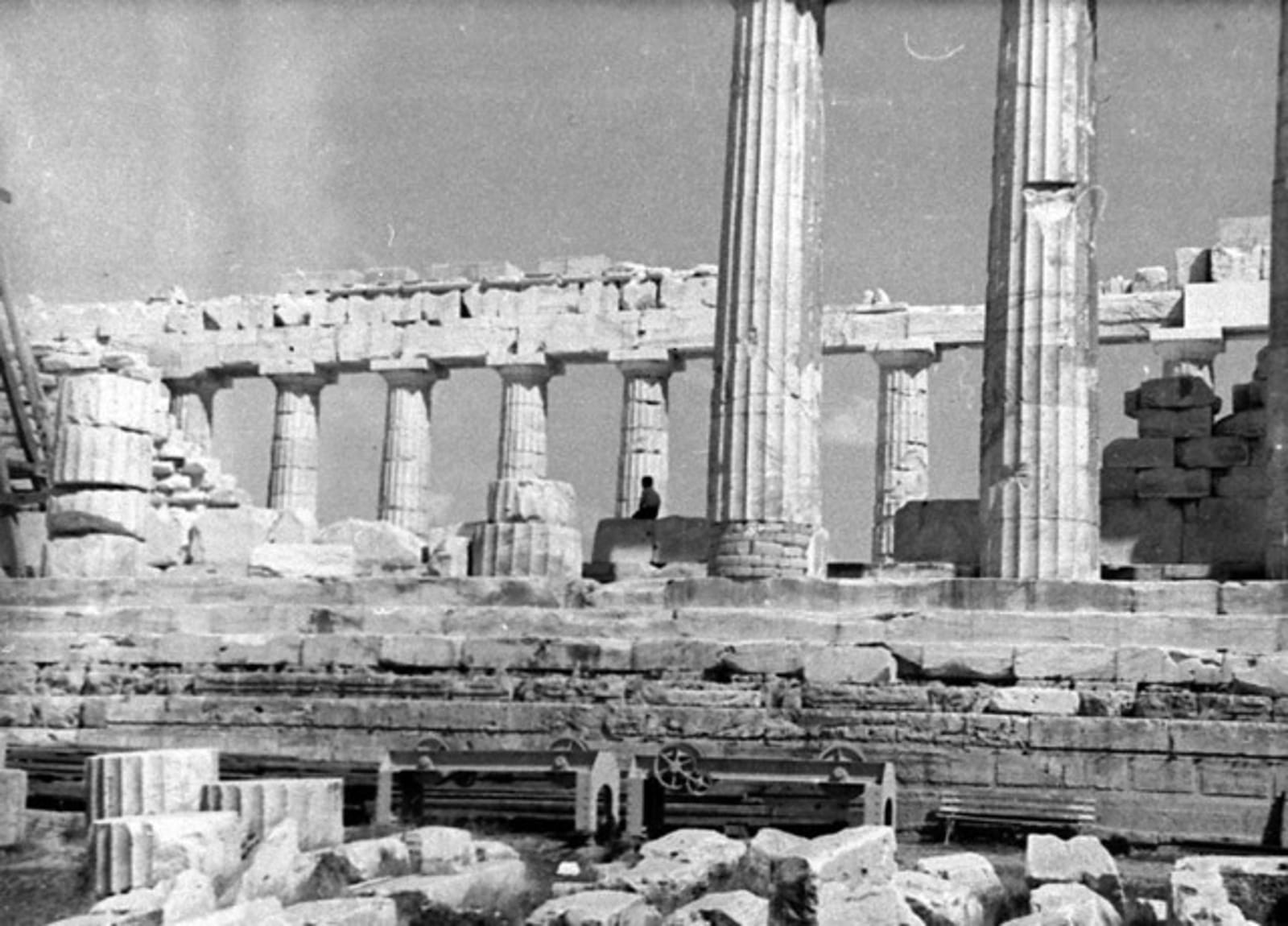
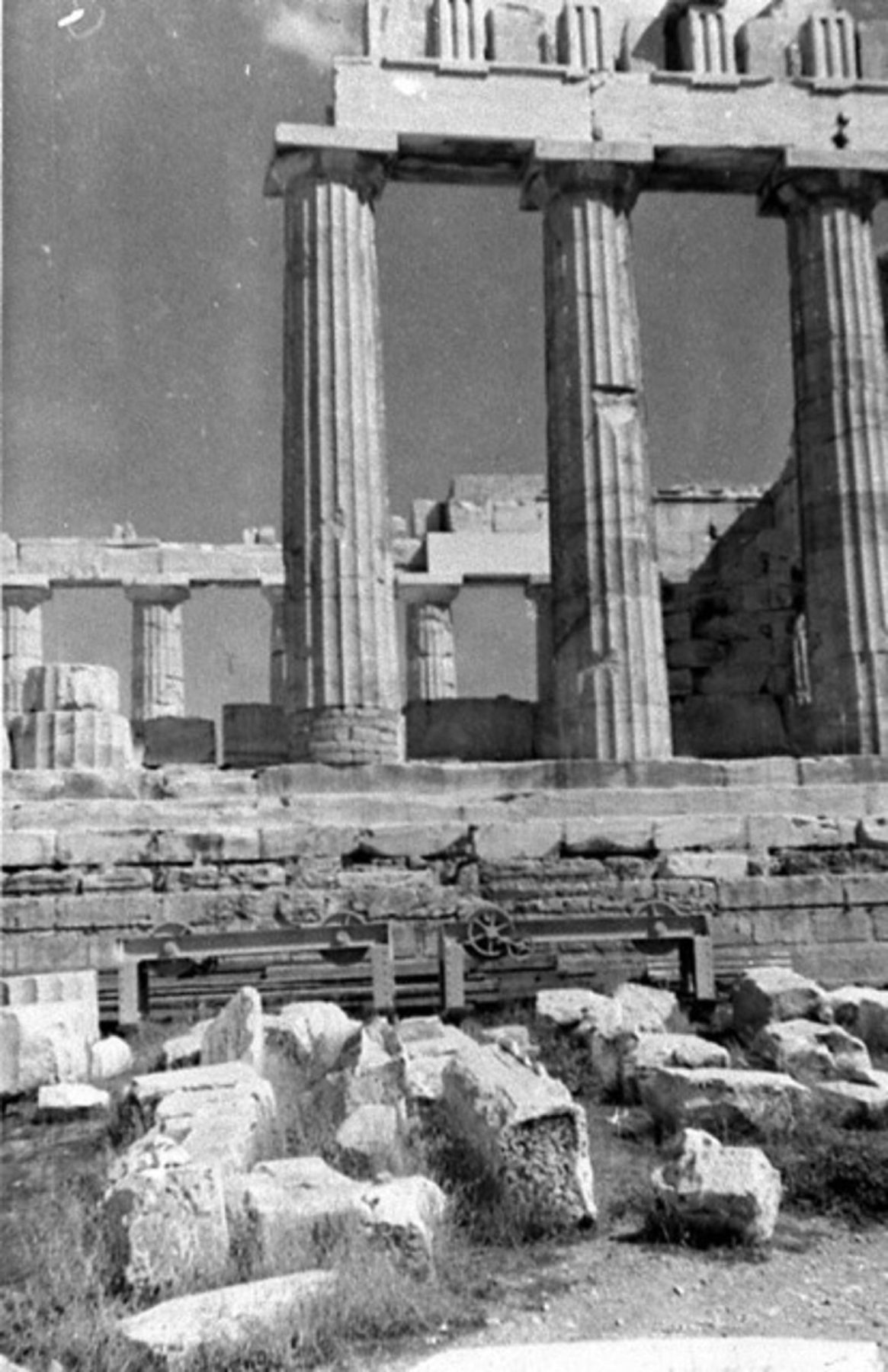
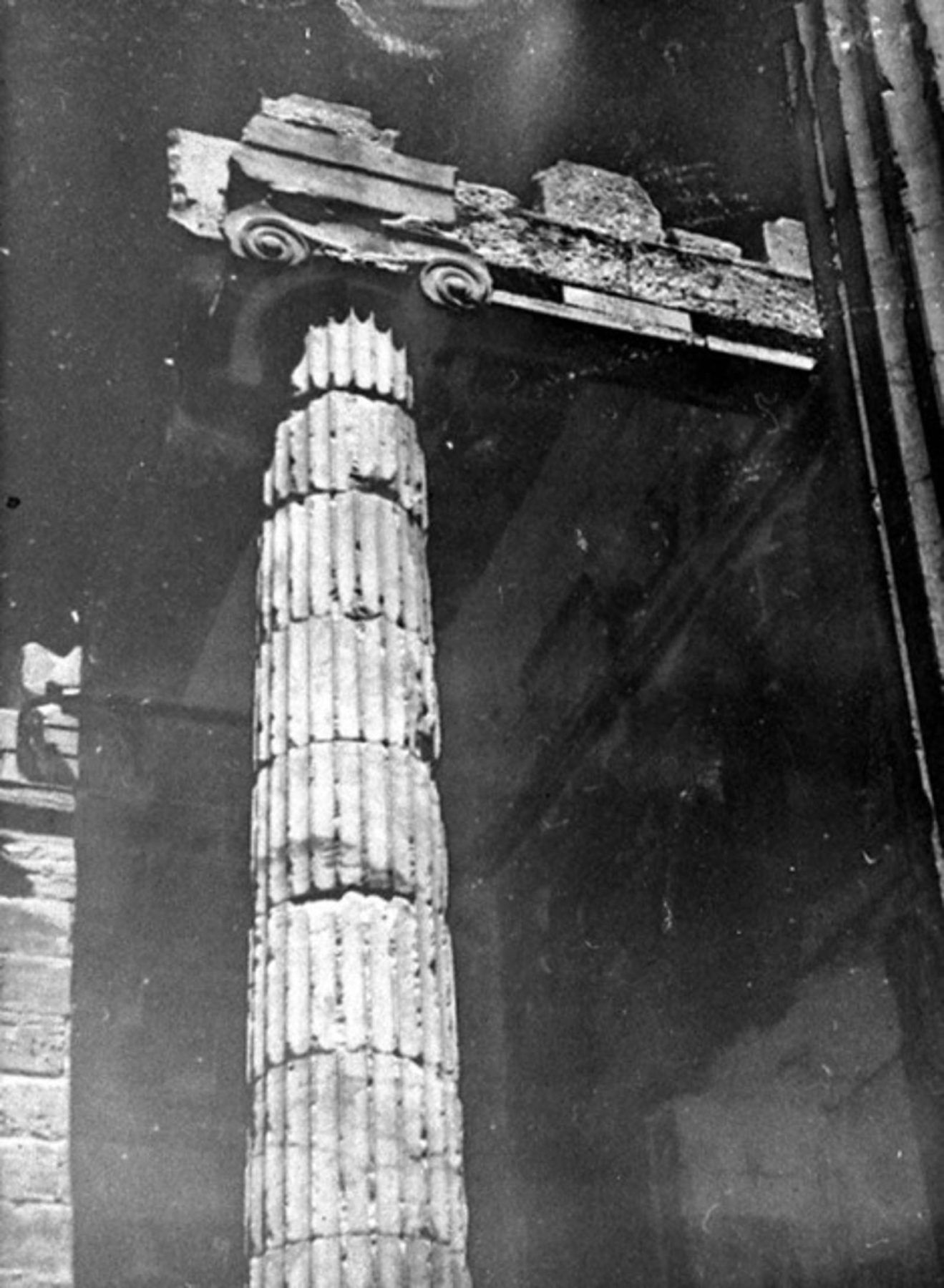
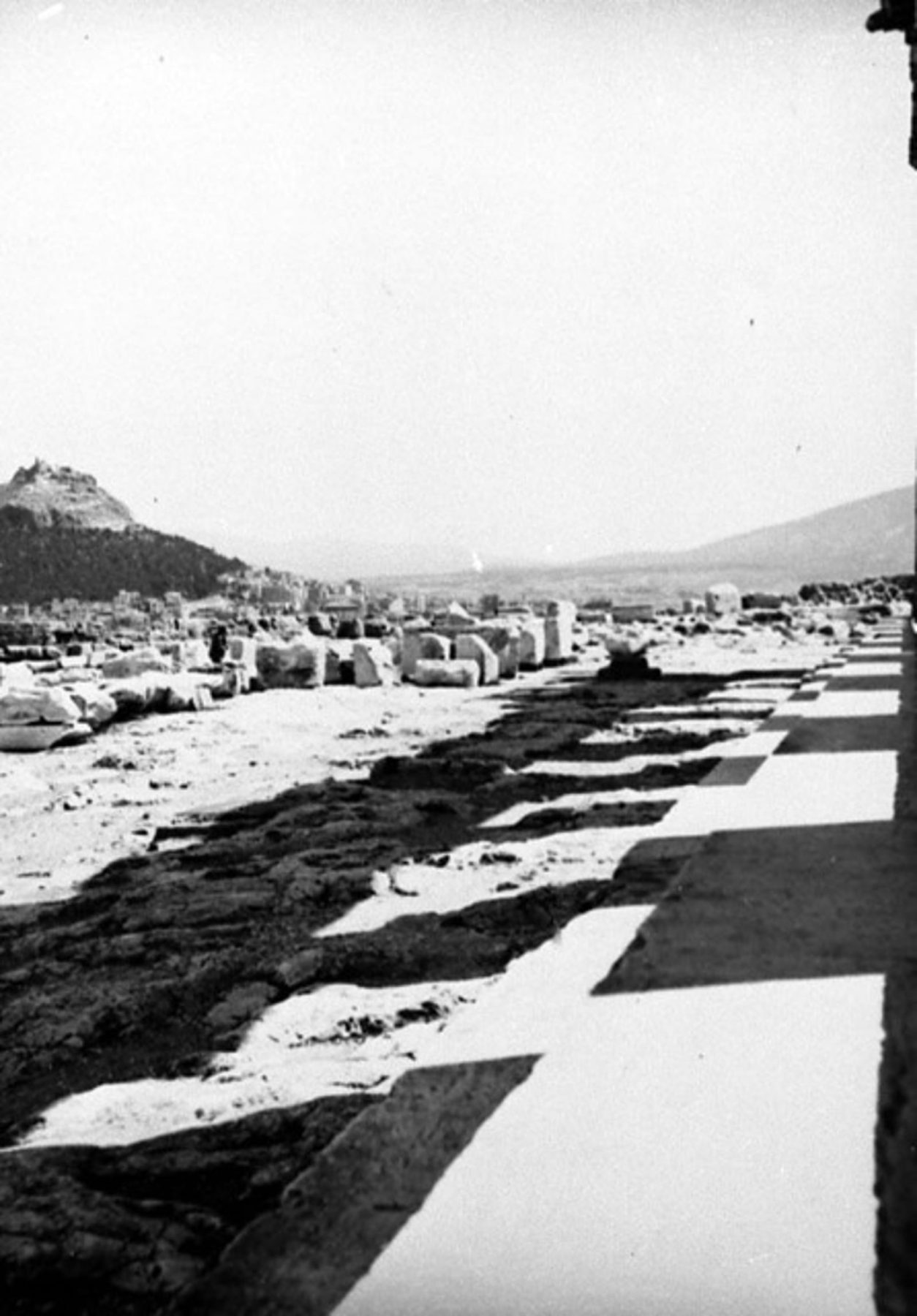
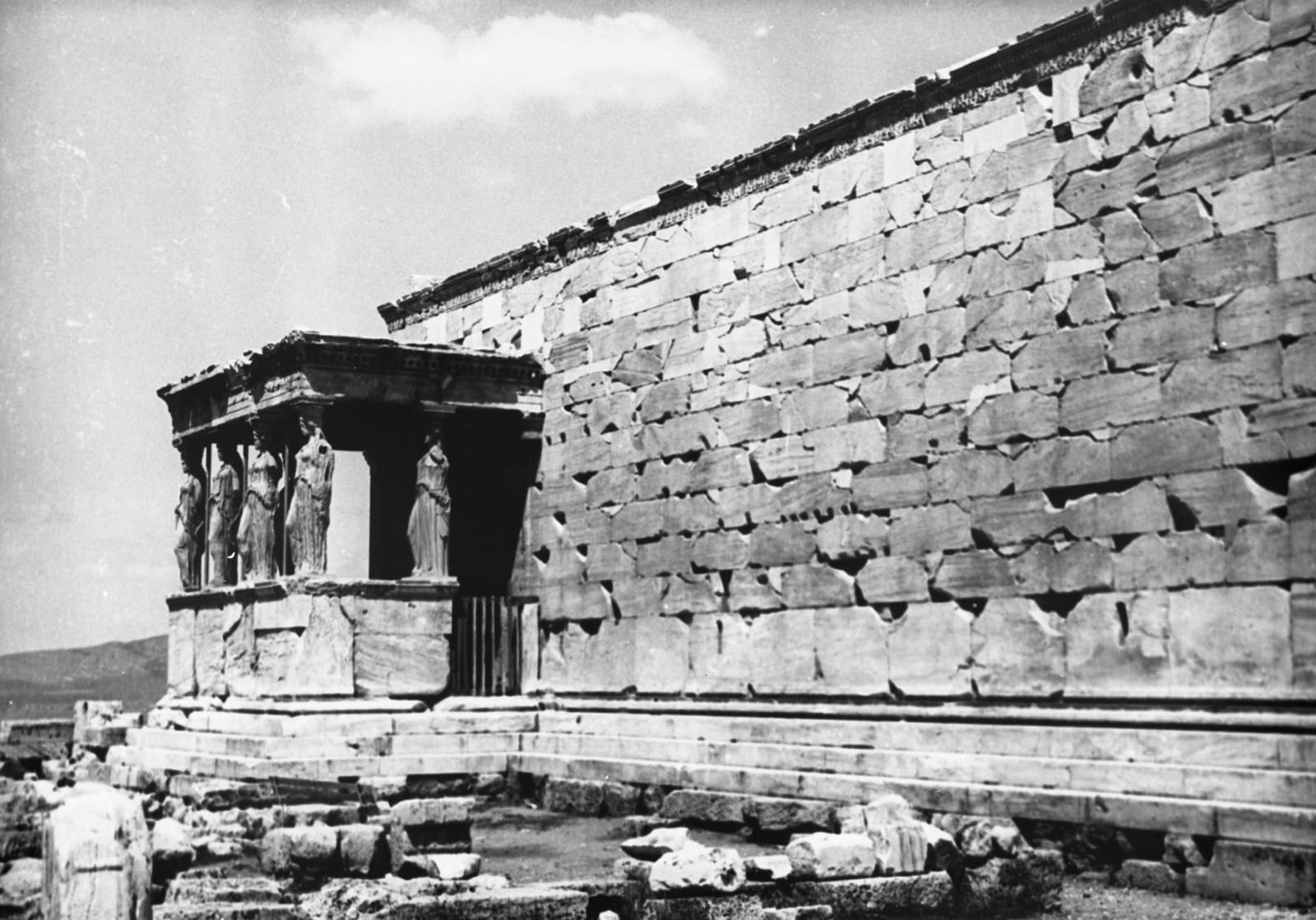
Η τέταρτη ενότητα εστιάζει σε αυτό που θα μπορούσε να θεωρηθεί η πιο «καθαρή» εμπειρία του πρώτου ταξιδιού: την περιπλάνηση του Aalto στα μνημεία της Ακρόπολης. Εδώ, η αφήγηση του βιβλίου αποκτά σχεδόν κινηματογραφική υφή: ο Aalto απομακρύνεται από τις συσκέψεις, επιλέγει τη σκιά των ερειπίων, αναζητά ανάπαυση που είναι ταυτόχρονα αισθητηριακή και πνευματική. Η περίφημη επιστολή προς την Aino—όπου σημειώνει ότι πέρασε πρωινά στην Ακρόπολη και ότι η ανάπαυση στη σκιά ήταν «πιο συμπαθητική» από συσκέψεις και μουσεία—δεν διαβάζεται ως απλή ιδιοτροπία: λειτουργεί ως κλειδί ερμηνείας. Η Ακρόπολη δεν είναι για εκείνον μόνο ένα αντικείμενο θαυμασμού· γίνεται υπόδειγμα για το τι θα μπορούσε να σημαίνει ένα σύγχρονο κέντρο πόλης: μνημειακή αξιοπρέπεια, έμπρακτη λειτουργικότητα, ανθρώπινη κλίμακα, και κυρίως μια ποιότητα δημόσιου τόπου.
Η επιλογή του μέσου—η φωτογραφία—αποκτά στο βιβλίο ιδιαίτερη σημασία.
Ο Aalto φωτογραφίζει «μάλλον εσκεμμένα», σαν να συλλέγει όχι καρτ-ποστάλ αλλά θραύσματα χωροχρόνου: θέαση, κίνηση, σωματική επαφή, μια διαισθητική κατανόηση των μνημείων. Αυτά γίνονται, μελλοντικά, υλικό ενός «αναμνηστικού σύμπαντος» που μπορεί να μετασχηματιστεί—να περάσει από το φυσικό δεδομένο στην μεταφυσική σηματοδότηση. Το βιβλίο δεν ισχυρίζεται εύκολες άμεσες επιδράσεις· προτείνει όμως ότι η Ακρόπολη λειτούργησε ως εσωτερικό πρότυπο: ένα επιχείρημα υπέρ της σύνθεσης πόλης και μνημείου, υπέρ της δημιουργίας κέντρων με αξιοπρέπεια και συλλογικότητα.
5. Οι σχέσεις του Aalto με Έλληνες αρχιτέκτονες και οι ιδεολογικές συγγένειες με τον Πικιώνη και τον Δεσποτόπουλο
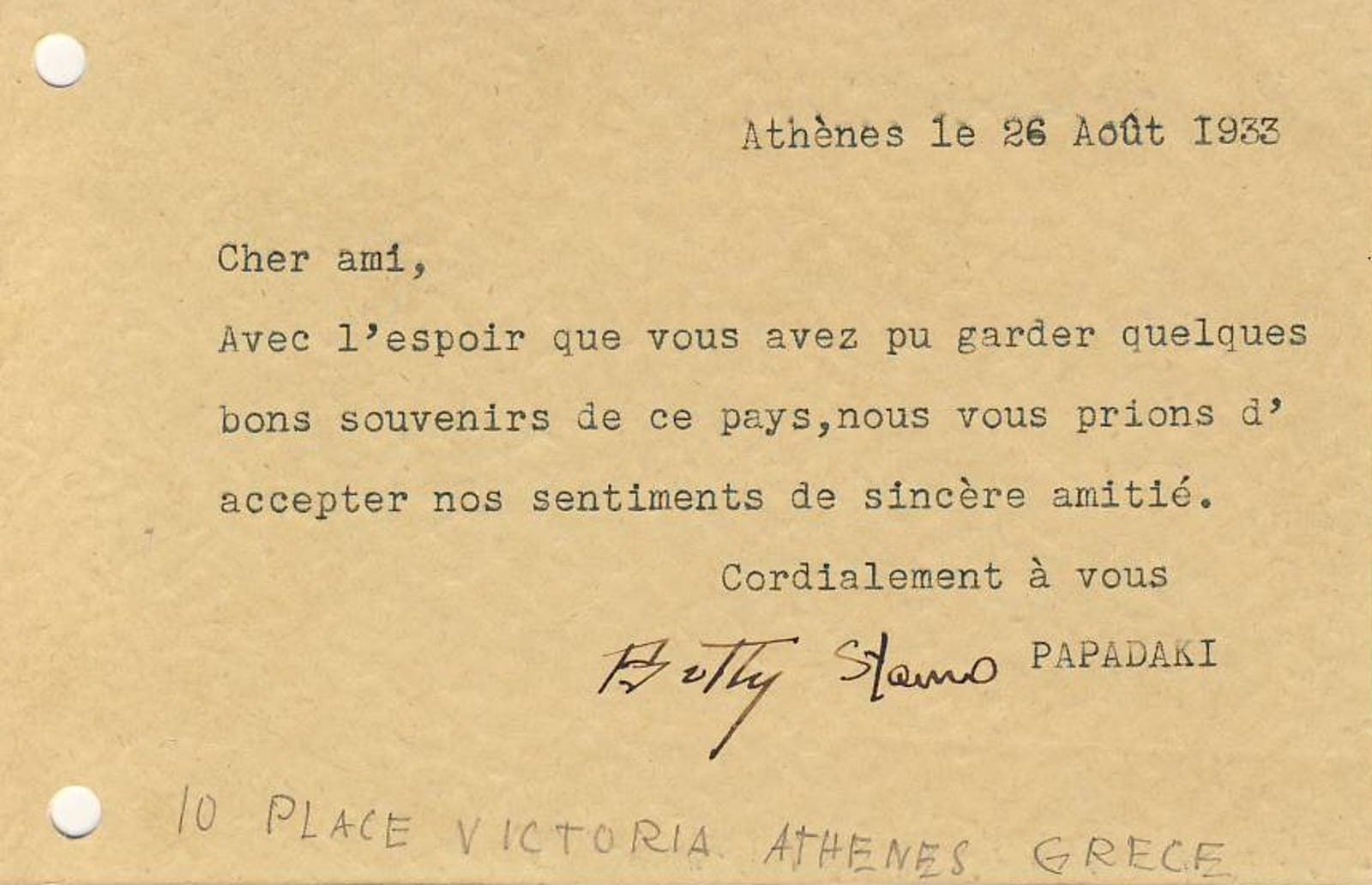
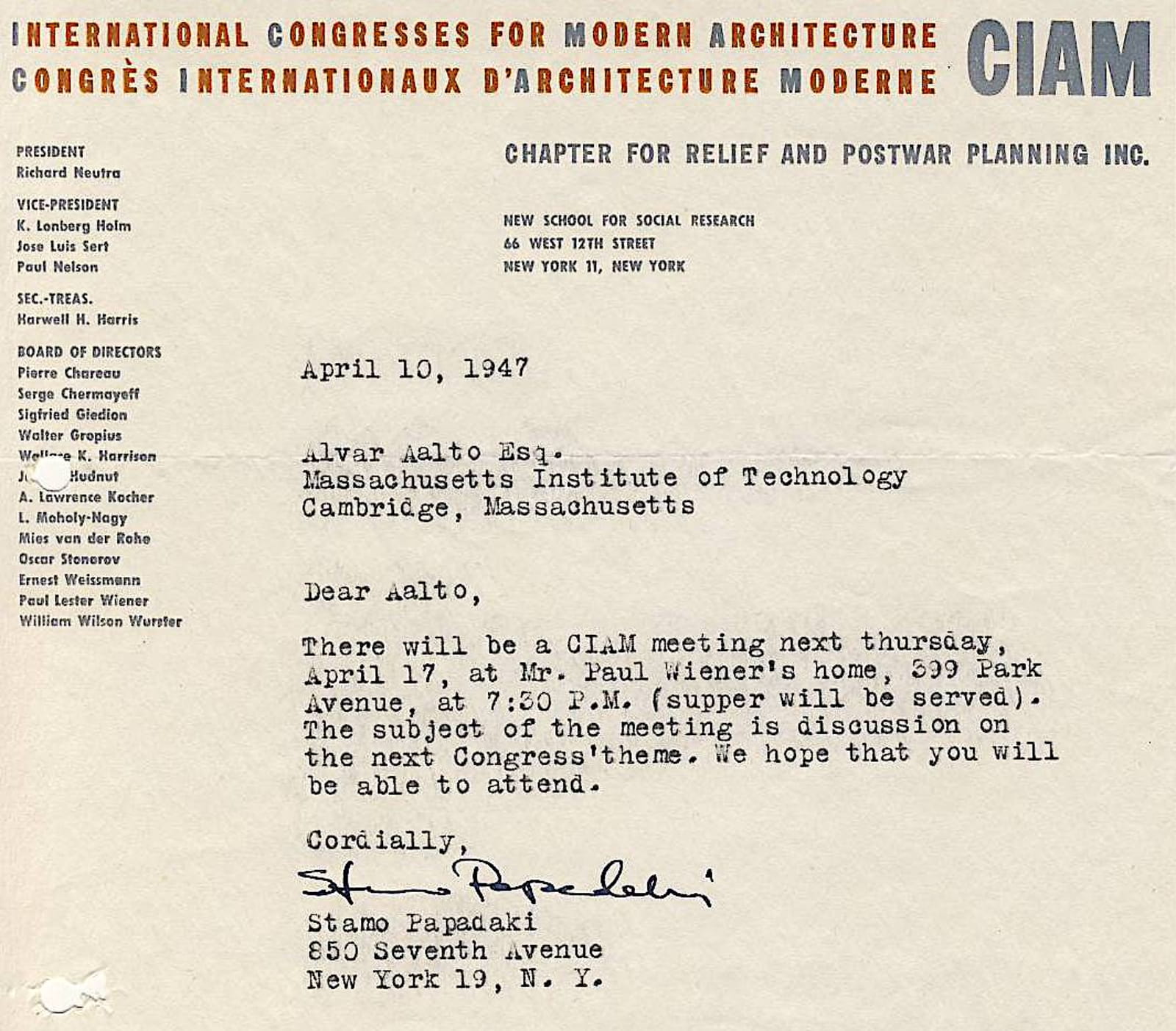
Η πέμπτη ενότητα στρέφεται στις σχέσεις του Aalto με τον ελληνικό αρχιτεκτονικό κόσμο: τι είδε, ποιον γνώρισε, τι πιθανόν κατάλαβε, τι έμεινε ατεκμηρίωτο. Το βιβλίο θέτει το ερώτημα ευθέως: σε ποιο βαθμό συναντήθηκε ο Aalto με Έλληνες συνέδρους ή γνώριζε τις νεωτερικές ελληνικές συνεισφορές που ήδη είχαν προκαλέσει διεθνές ενδιαφέρον; Αναφέρονται πρόσωπα όπως ο Στάμος Παπαδάκης, ο Πατρόκλος Καραντινός, ο Ισαάκ Σαπόρτα, ο Νίκος Κιτσίκης, ο Νίκος Χατζηκυριάκος-Γκίκας. Ο Παπαδάκης, ως κεντρικός εισηγητής για την Αθήνα, πιθανότατα ήταν γνωστός στον Aalto—συνταξιδεύουν άλλωστε στην επιστροφή προς Μασσαλία—και υπάρχει μάλιστα σύντομο μήνυμα όπου ο Παπαδάκης εκφράζει την ελπίδα ότι ο «cher ami» κράτησε όμορφες εντυπώσεις από την Ελλάδα. Όμως, πέρα από αυτό, οι επαφές φαίνονται περιορισμένες, και οι υποθέσεις για συνέχιση σχέσης δεν επαληθεύονται.
Στο ίδιο πεδίο, η αφήγηση αγγίζει και την παρουσία ή τη σκιά άλλων Ελλήνων: ο Ιωάννης Δεσποτόπουλος, η παρακολούθηση του συνεδρίου από τον Δημήτρη Πικιώνη, οι νεαροί σπουδαστές που θα γίνουν αργότερα κορυφαίοι (Δοξιάδης, Κανδύλης, Προβέλεγγιος) και ενημερώνονται για τον Aalto μέσω δημοσιεύσεων. Ιδιαίτερη θέση κατέχει ο Christian Zervos, Έλληνας εκδότης στο Παρίσι και σύνεδρος με τη γαλλική αντιπροσωπεία, με τον οποίο ο Aalto αναπτύσσει αργότερα σταθερή φιλία—μια γέφυρα ανάμεσα στη διεθνή πρωτοπορία και την ελληνική διασπορά.
Το βιβλίο δεν μένει στο επίπεδο των συναντήσεων. Προχωρά σε μια βαθύτερη αντιστικτική σύγκριση, κυρίως ανάμεσα στον Aalto και τον Δεσποτόπουλο, αλλά και ανάμεσα στον Aalto και τον Πικιώνη. Εδώ αναδύεται μια σχεδόν ειρωνική ιστορική συγχρονία: στις αρχές της δεκαετίας του ’60, ο Aalto και ο Δεσποτόπουλος μελετούν τα μεγαλύτερα πολεοδομικά-πολιτισμικά έργα τους—το νέο κέντρο του Ελσίνκι και το Πολιτιστικό Κέντρο Αθηνών—και οι δύο προτάσεις δέχονται κριτική για «μνημειακότητα» και για απόσταση από τις «πραγματικές ανάγκες». Και οι δύο, τελικά, υλοποιούνται αποσπασματικά: Finlandia Hall και Ωδείο Αθηνών, δύο μετέωρα ενθυμήματα πολιτικής αβουλίας και ιδεολογικής σύγχυσης, αλλά ταυτόχρονα δύο καθαρά αρχιτεκτονικά επιτεύγματα.
Σε ό,τι αφορά τον Πικιώνη, το βιβλίο σημειώνει ότι—παρά την απόκλιση φυσιογνωμίας—υπάρχουν θεωρητικές και φιλοσοφικές συγγένειες: οργανικότητα, αρχέτυπα, κατασκευαστική συνέπεια, δημιουργικός αυτοσχεδιασμός. Η αναφορά του Pallasmaa σε μια αρχιτεκτονική «ποιητικής χημείας», που δημιουργεί χρονικό βάθος χωρίς άμεσες μορφολογικές αναφορές, και που εντοπίζεται σε Aalto, Πικιώνη και Scarpa, λειτουργεί ως επιβεβαίωση ενός υπόγειου κοινού πεδίου: μνήμη, υλικότητα, χρόνος, φαντασία.
6. Το δεύτερο ταξίδι (1953): από τη μορφή στην ουσία, από τη φωτογραφία στο σκίτσο
Η έκτη ενότητα είναι, κατά κάποιο τρόπο, η κορύφωση του βιβλίου: το δεύτερο ταξίδι του Aalto στην Ελλάδα, είκοσι χρόνια μετά, όχι ως συνέδρου που «ξεφεύγει», αλλά ως ώριμου δημιουργού που αναζητά πνευματικές-πολιτιστικές αξίες μέσα από αρχαία μνημεία και θεσμούς. Εδώ η Ελλάδα δεν είναι σκηνικό· είναι καθήκον προς τον εαυτό, ανεκπλήρωτη επιθυμία που επιτέλους πραγματοποιείται.
Από το ξενοδοχείο King George στην Αθήνα, ο Aalto και η Elissa ταξιδεύουν περίπου δέκα μέρες (25–26 Απριλίου έως 4–5 Μαΐου) σε τόπους-σταθμούς: Μυκήνες, Δελφοί, Ολυμπία, Δήλος, και—με πιθανή ώθηση από τον Schildt—μια γεύση από τη Μύκονο και την κυκλαδική «ανώνυμη» αρχιτεκτονική που συμπυκνώνει τεχνική και πλαστική επινοητικότητα. Το βιβλίο αναζητά τα κίνητρα του ταξιδιού: τις παλιότερες επιρροές των φινλανδών περιηγητών, την ενίσχυση από τον φίλο και βιογράφο Schildt που ταξιδεύει στα ελληνικά πελάγη με το ιστιοφόρο Daphne και μεταφέρει λυρικά τις εμπειρίες του, τις έμμεσες εντυπώσεις από τον συνεργάτη Jean-Jacques Baruël που είχε ήδη ταξιδέψει στην Ελλάδα, ακόμη και το ενδεχόμενο γνωριμίας με τον αρχαιολόγο Georges Daux μέσω αυτής της διαδρομής. Προστίθεται και μια πιο αθέατη γέφυρα: ο Δημήτριος Παντζόπουλος, ο μοναδικός Έλληνας που εργάστηκε στο γραφείο του Aalto (1947–1948), ως πιθανός φορέας μιας «μύησης» στην ιδιαιτερότητα της ελληνικής φύσης και των μνημείων.
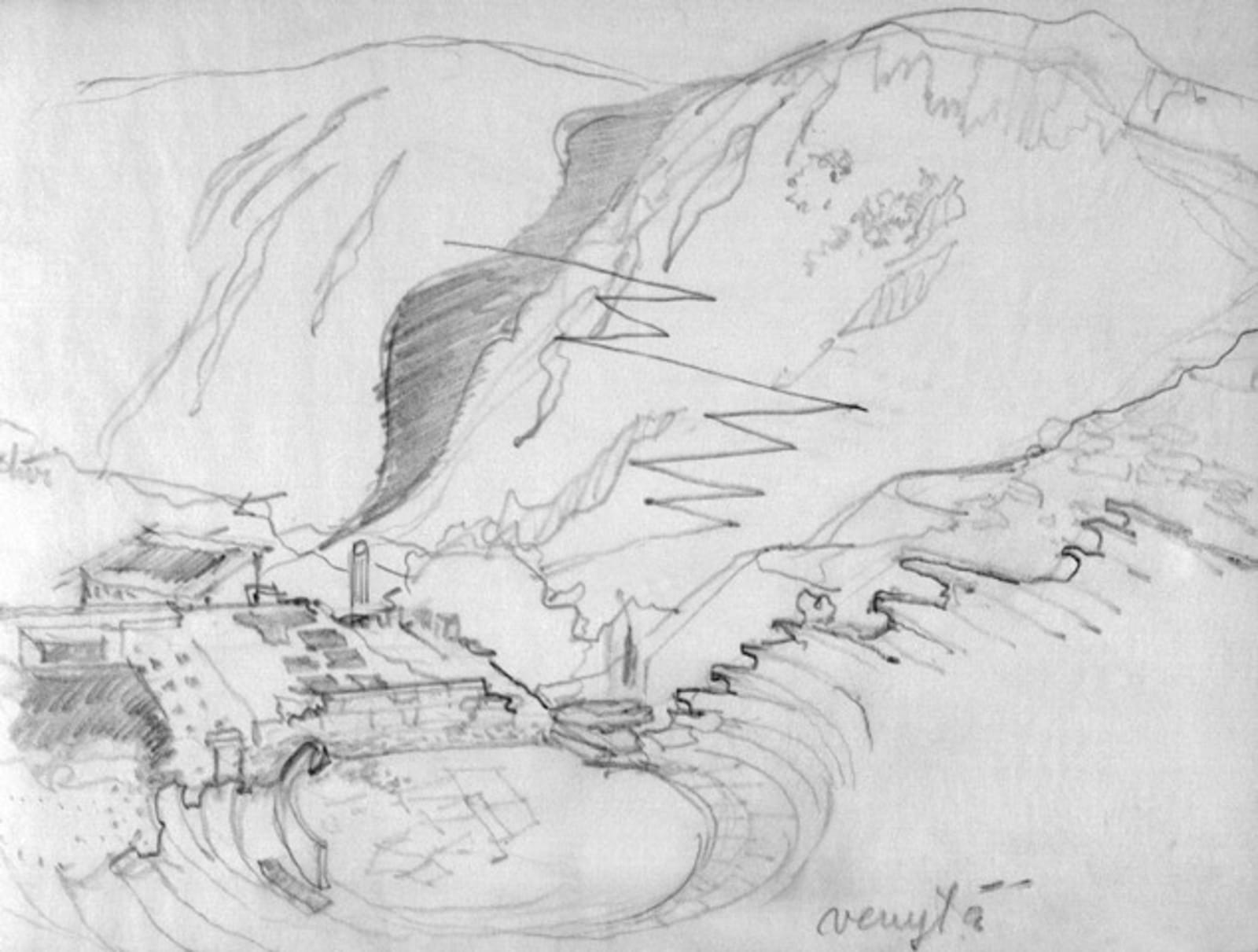
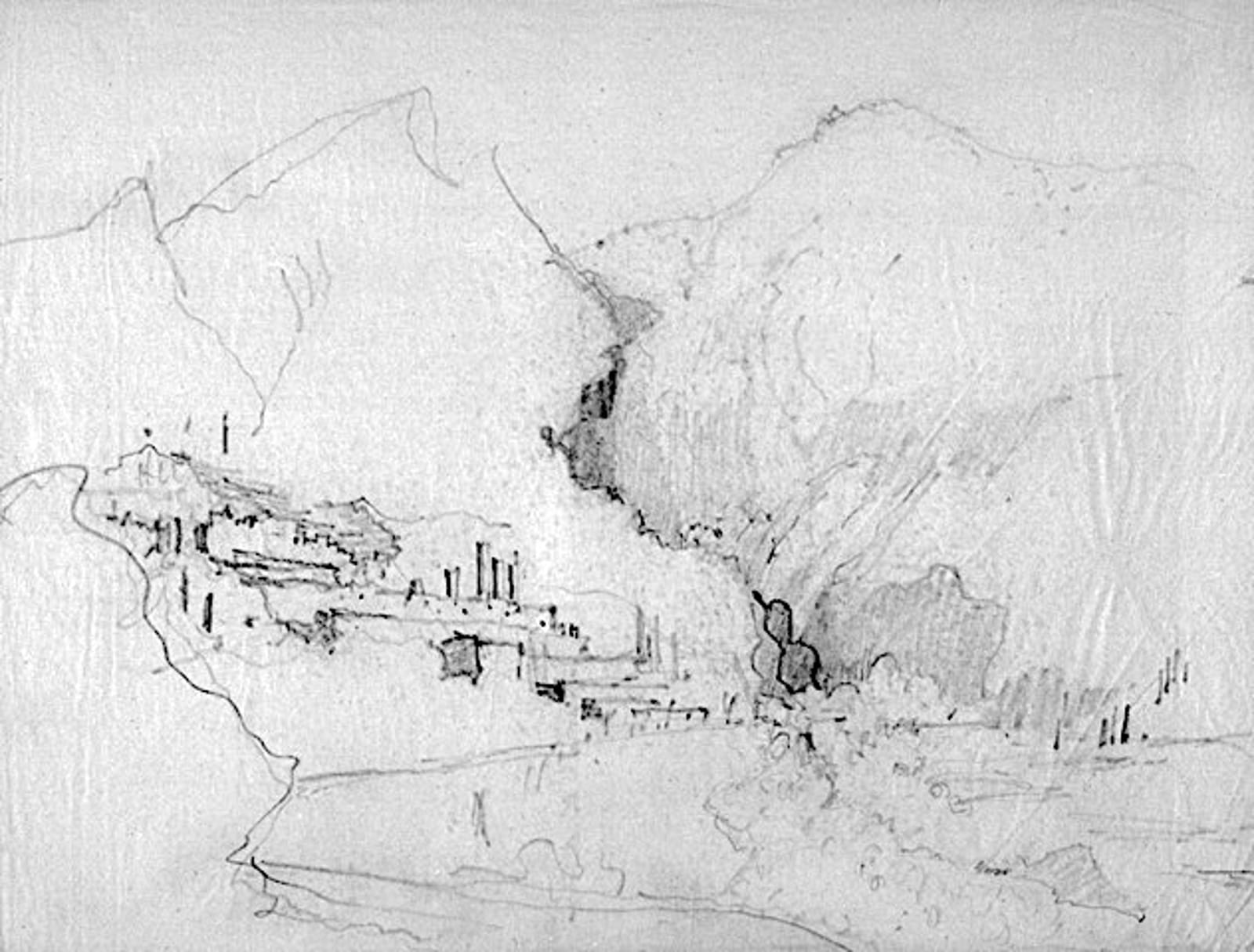
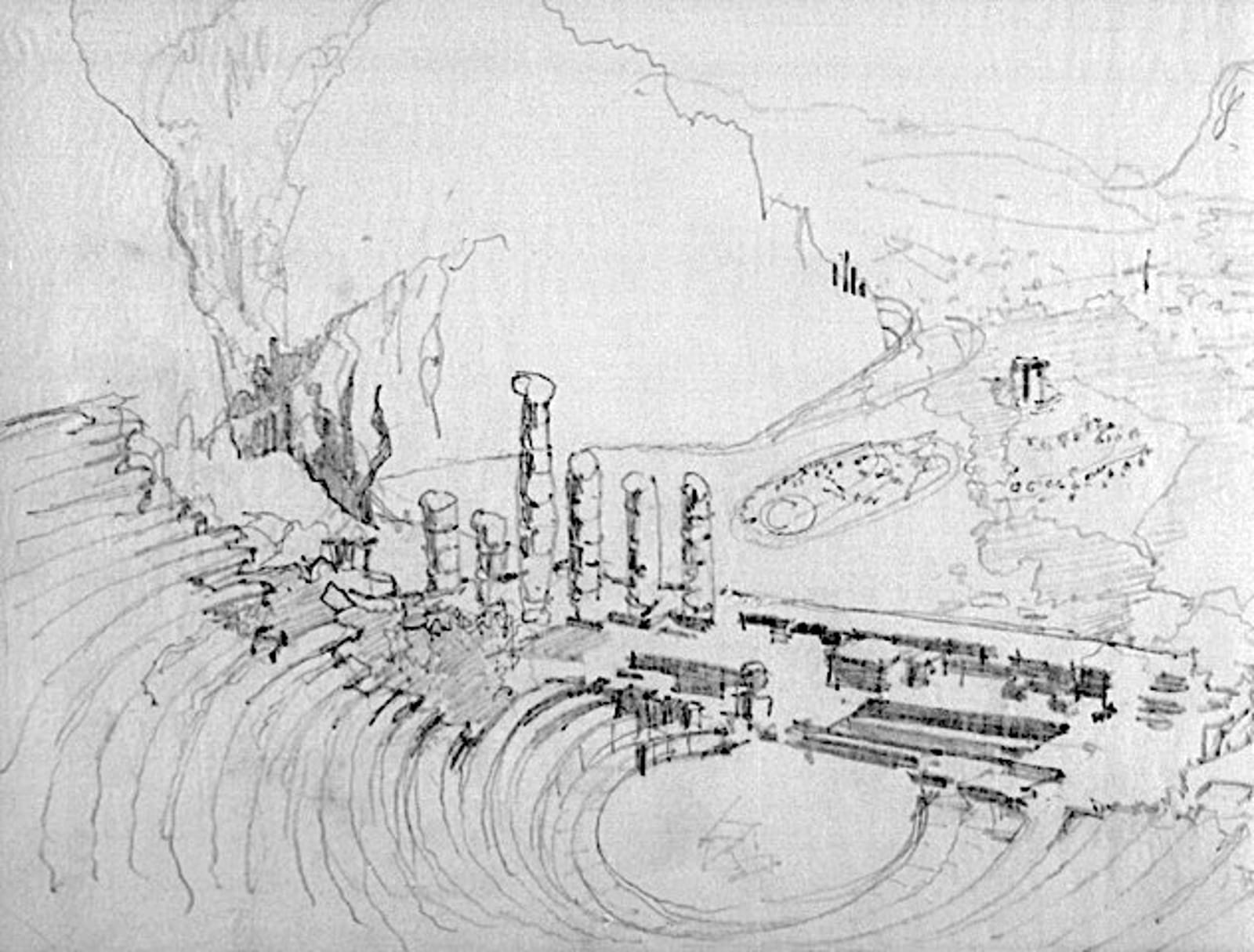
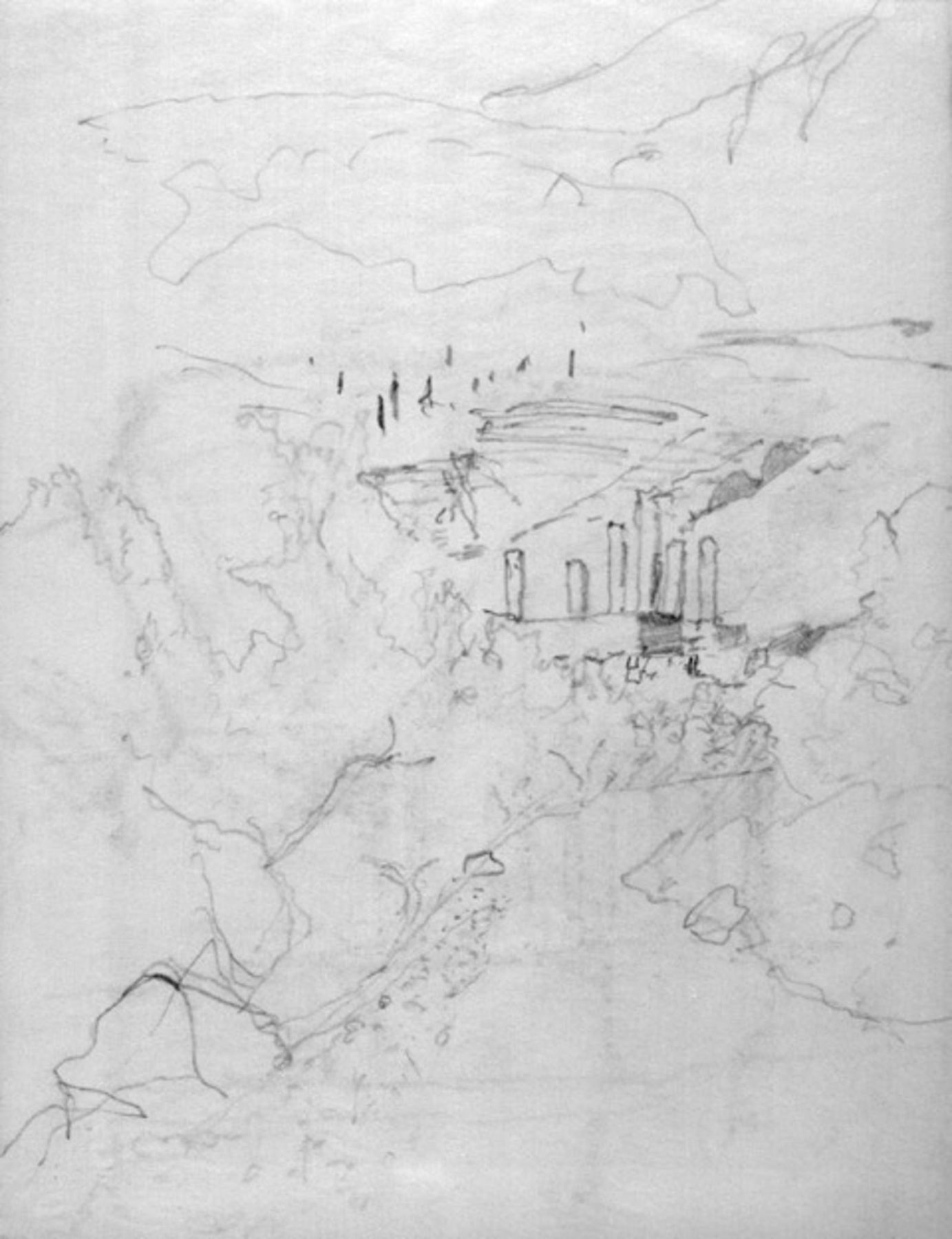
Το αποφασιστικό, ωστόσο, είναι ο τρόπος θέασης. Ο Aalto εδώ δεν επιλέγει τη φωτογραφία. Επιλέγει το μολύβι και το καρνέ. Η Elissa σημειώνει στους Δελφούς ότι «ο Alvar έφυγε κιόλας με ένα μπλοκ ιχνογραφίας κάτω απ’ τη μασχάλη του για να σχεδιάσει ελληνικούς τοίχους». Η φράση αυτή γίνεται στο βιβλίο ένα είδος συμβόλου: το βλέμμα του Aalto μετατρέπεται σε χειρονομία, σε σωματική εγγραφή του τόπου. Τα σκίτσα δείχνουν ένα πεδίο αντίληψης πανοπτικό αλλά και εστιασμένο, ικανό να μεταβάλλει «αισθητική απόσταση» ανάλογα με τη σημασία του γενικού και του λεπτομερούς. Εδώ συναντάται και η έννοια της «αισθητικής απόστασης» (στην ανάγνωση του Παναγιώτη Μιχελή): η εξωτερική απόσταση που διευκολύνει την όραση, και η εσωτερική, πνευματική απόσταση που αφαιρεί το επουσιώδες και αναδεικνύει το ουσιώδες. Μνήμη και φαντασία συμπλέκονται ώστε το παρόν να γίνεται αισθητικό, δηλαδή νοηματοδοτήται.
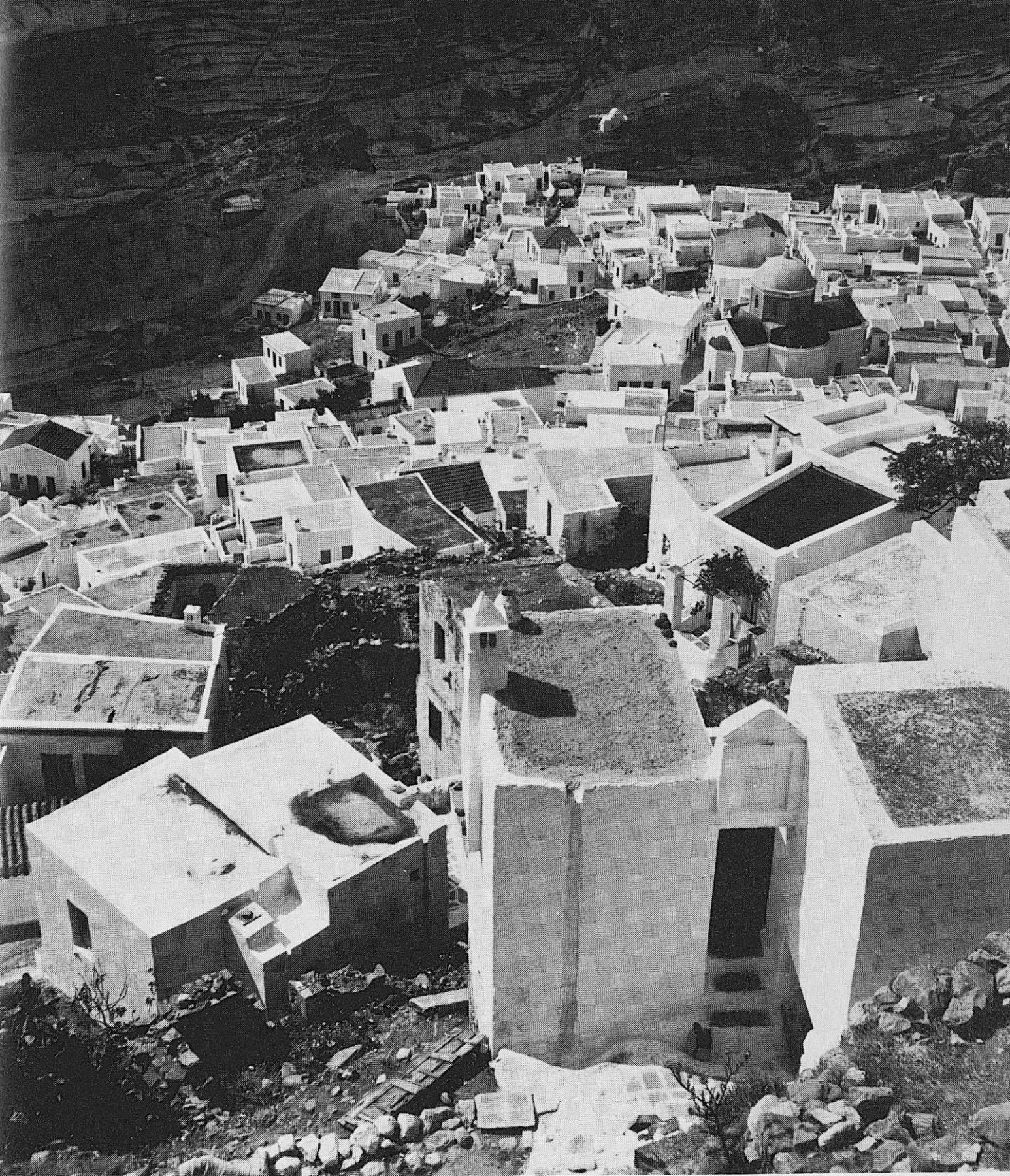
Το βιβλίο είναι προσεκτικό: δηλώνει ότι δεν υπάρχουν σαφείς καταγραφές για άμεσες επιρροές του ταξιδιού του 1953 στο έργο του Aalto. Κι όμως, μέσα από εύλογες αναλογίες, προτείνει ότι τα ελληνικά σύνολα—ιδίως οι Δελφοί—θα μπορούσαν να ενισχύσουν την ήδη παρούσα τάση του αρχιτέκτονα: την οργανική σύζευξη μικρών και μεγάλων «κόσμων», την άρθρωση κλειστών και υπαίθριων χώρων, τα διάκενα, τις διαδρομές, τις σκηνές συναθροίσεων.
Σε έργα των τελευταίων δεκαετιών του, όπου ο Aalto οργανώνει θραύσματα χώρων σαν πόλη-μικρόκοσμο, αναγνωρίζεται μια συγγένεια με την εμπειρία αρχαίων τόπων: χώροι συνελεύσεων και πολιτισμού—αμφιθέατρα, αίθουσες συνεδριάσεων, θέατρα—αναδύονται σαν μικροί «ναοί», σαν κορυφώσεις που ολοκληρώνουν λειτουργικές σχέσεις και υπογραμμίζουν τον δημόσιο, συμβολικό ρόλο του τοπόσημου.
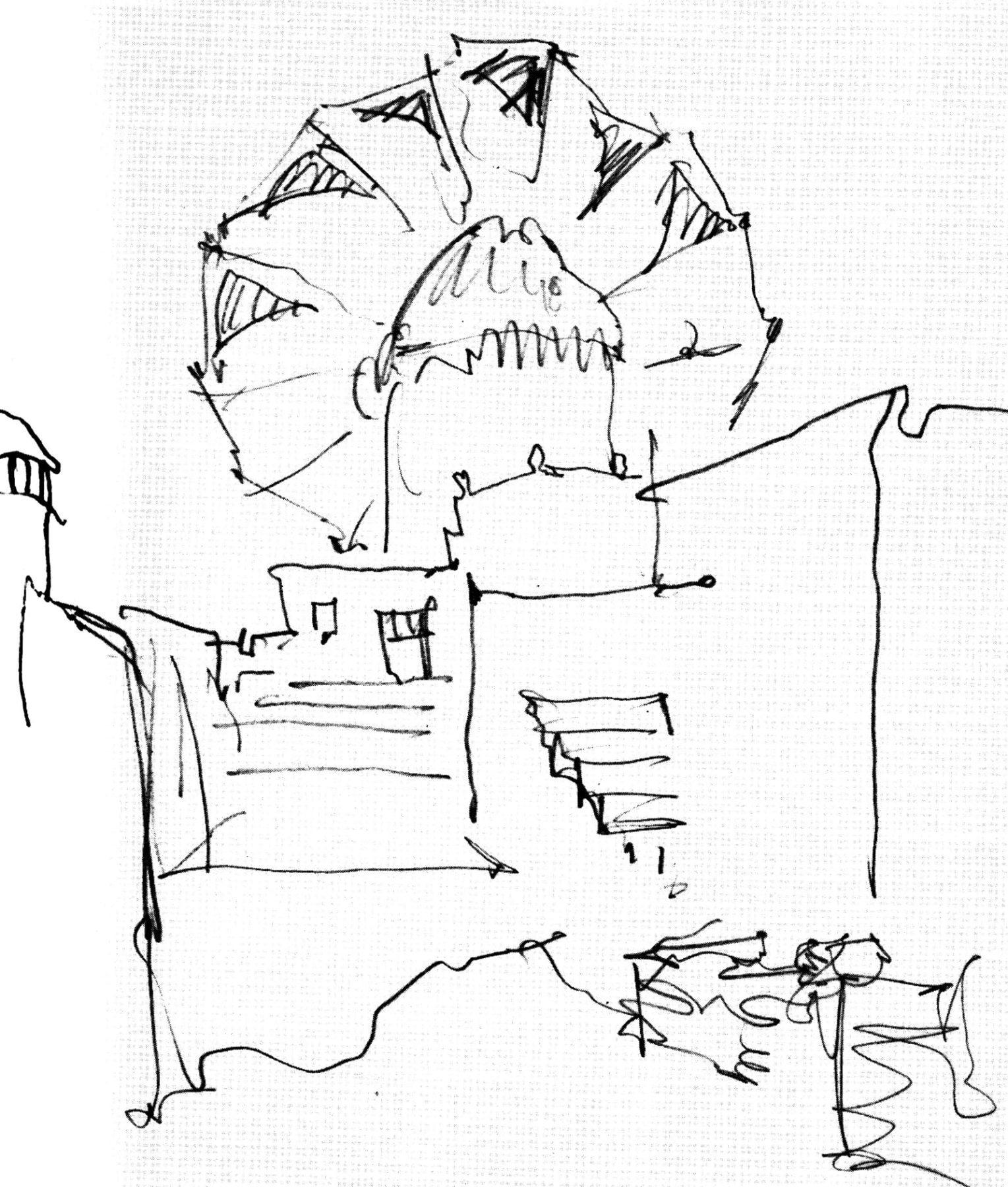
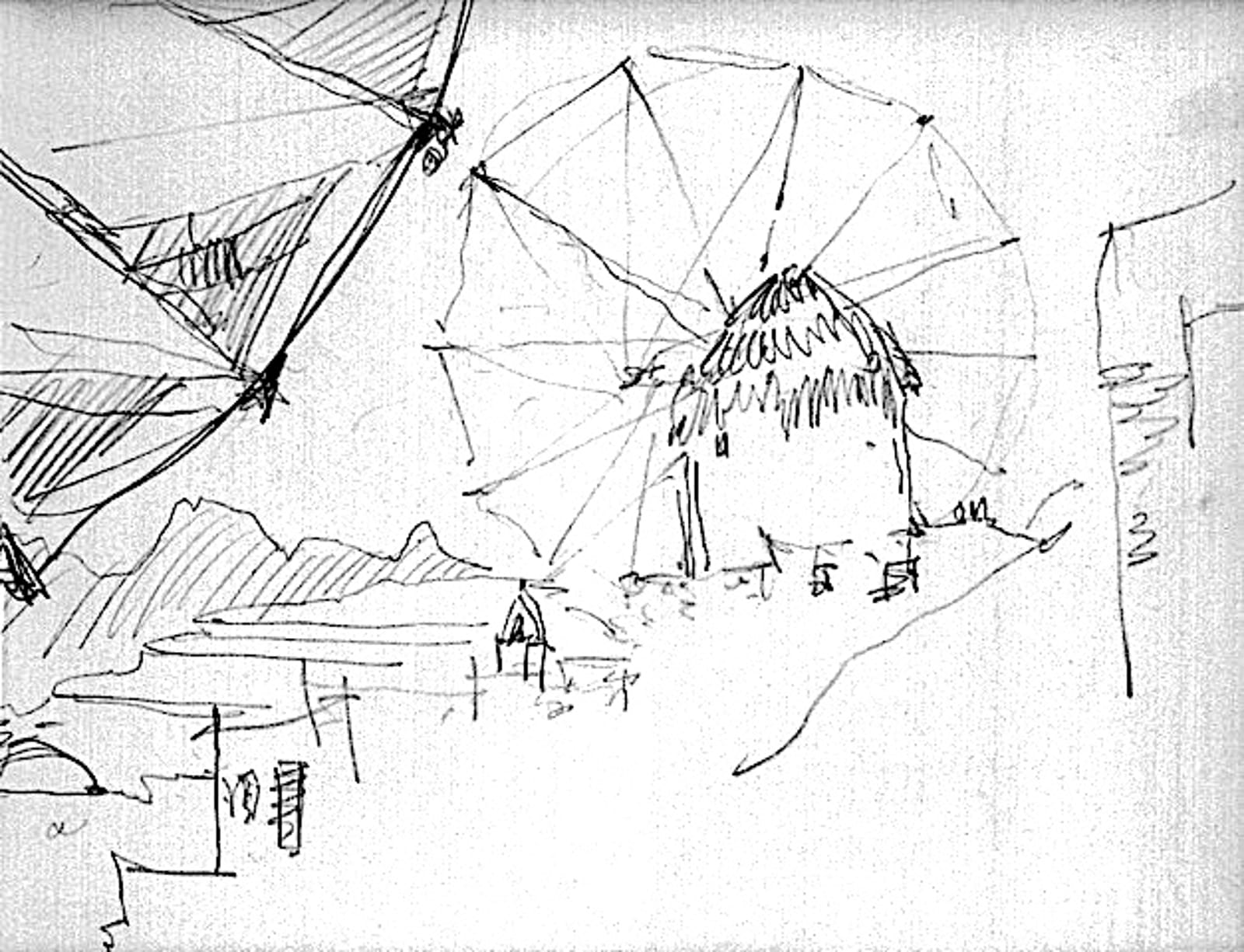
Εδώ το βιβλίο εισάγει και την έννοια της ετεροτοπίας, όπως την αξιοποιεί ο Δημήτρης Πορφύριος στην ανάγνωση του Aalto: όχι «ομοτοπική» συνέπεια ενός μοντερνισμού που εξομαλύνει τα πάντα, αλλά ευαίσθητη σύνθεση ασυνεχειών, θραυσμάτων, περιθωρίων που αναμιγνύονται και γίνονται ενότητα χωρίς να χάνουν τη διαφορετικότητά τους.
Η Ελλάδα, με τα σπαρμένα ερείπια και την κλιμακωτή συνύπαρξη φυσικού και ανθρώπινου, προσφέρει ένα κατεξοχήν πεδίο τέτοιας εμπειρίας: τόποι που είναι ταυτόχρονα φθορά και τάξη, τραύμα και μέτρο, μνήμη και διαδρομή.
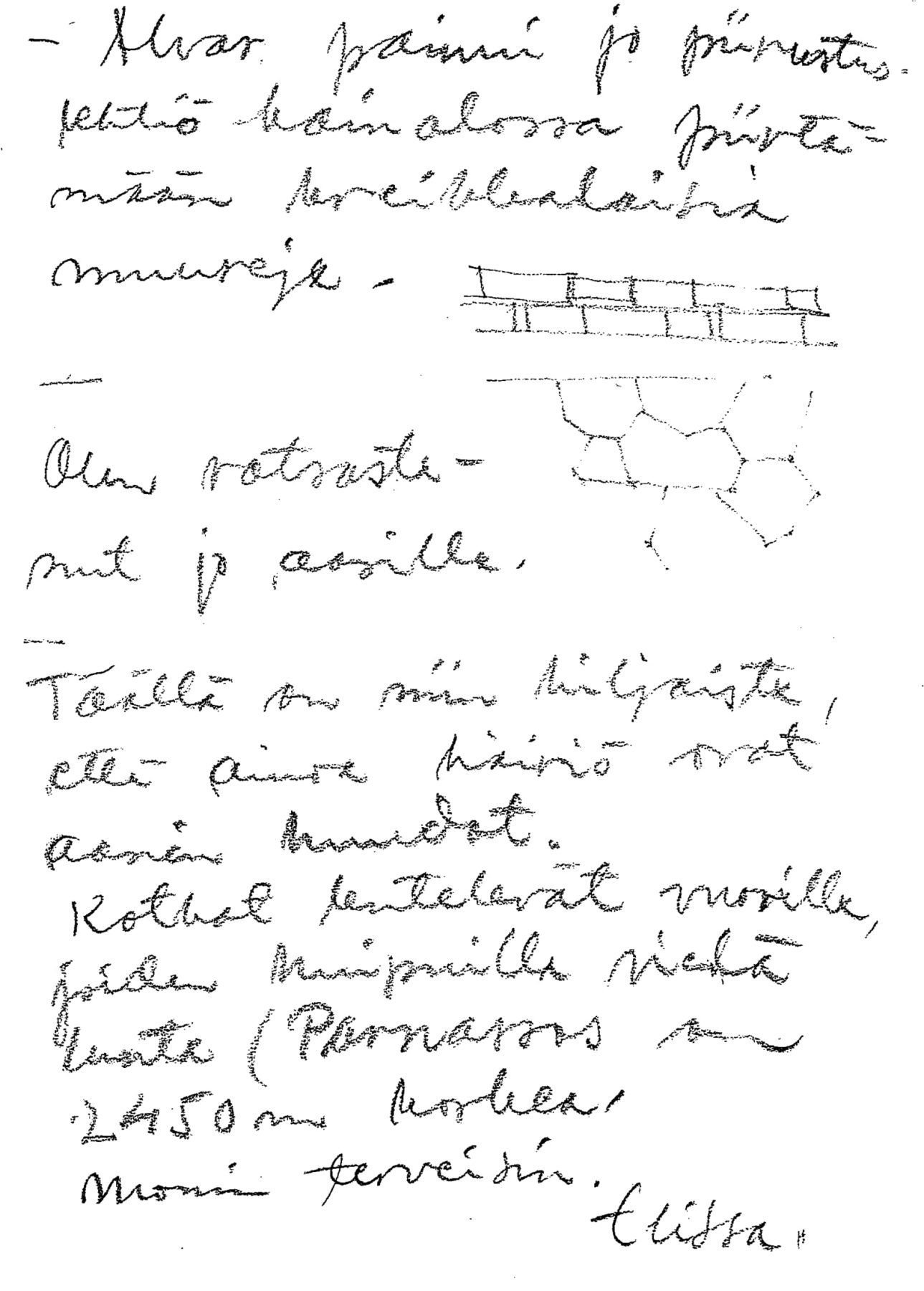
Στο τέλος, το βιβλίο αντιπαραβάλλει καθαρά Ιταλία και Ελλάδα μέσα στην φαντασία του Aalot. Η «Τοσκάνη της Φινλανδίας» ήταν μια ανεκπλήρωτη φαντασίωση περισσότερο της μορφής και της εντύπωσης. Η Ελλάδα, αντίθετα, αναζωογονεί στον ώριμο Aalto το βάρος των θεσμών, της δημοκρατίας ως χωρικής πράξης, της ουσίας που αποκαλύπτεται μέσα από θέατρα, θησαυρούς, ιερά, διατάξεις μνημείων στο τοπίο—ένα «νήμα από μαργαριτάρια», όπως θα πει αργότερα. Και με αυτόν τον τρόπο, ο «μίτος της Αριάδνης» δεν είναι απλώς εικόνα του τίτλου: γίνεται η ίδια η μεθοδολογία του βιβλίου—να περάσει από τα λίγα βέβαια γεγονότα σε μια σειρά από εύλογες, πολιτισμικά φορτισμένες ερμηνείες, χωρίς να ισχυριστεί περισσότερο απ’ όσο επιτρέπει το τεκμήριο, αλλά χωρίς και να εγκαταλείψει την εσωτερική αλήθεια που κρύβεται μέσα στις σιωπές.
Και έτσι, η Ελλάδα του Aalto παραμένει ταυτόχρονα μικρή και μεγάλη: μικρή ως χρονική διάρκεια, μεγάλη ως συμβολική ένταση. Ένα επεισόδιο που, ακριβώς επειδή δεν θορυβεί, επιδέχεται διαρκείς αναγνώσεις. Μετά τον θάνατο του Aalto (1976), η δημιουργική του φύση εξακολουθεί να λειτουργεί σαν «ανοιχτό βιβλίο», όχι επειδή τα πάντα είναι γνωστά, αλλά επειδή πάντα κάτι μένει να ανασκαφεί—ένα θραύσμα, μια φωτογραφία, ένα σκίτσο, μια επιστολή, μια υπόθεση που φωτίζει αλλιώς το ήδη γνωστό. Και μέσα σε αυτή τη συνεχή επανερμηνεία, το ελληνικό νήμα—λεπτό αλλά ανθεκτικό—συνεχίζει να οδηγεί, όχι σε μια τελική βεβαιότητα, αλλά σε μια πιο βαθιά κατανόηση του πώς ένας μεγάλος αρχιτέκτονας μπορεί να συνομιλεί με έναν τόπο ακόμη κι όταν πέρασε από αυτόν βιαστικά: σαν ταξιδιώτης που άγγιξε ένα μυστήριο και άφησε πίσω του, αντί για ημερολόγιο, ένα ίχνος.
Στοιχεία έργου
Τίτλος βιβλίου Alvar Aalto and Greece, Trailing Ariadne’s Thread
Συγγραφέας Κωνσταντίνος Ξανθόπουλος
Εισαγωγικά κείμενα Juhani Pallasmaa, Δημήτρης Φατούρος
Εκδόσεις Melissa Publishing House
Σελίδες 96
Εικονογραφήσεις 100
Μέγεθος 23×23 εκ
Γλώσσα Αγγλικά
Οπτικό Υλικό © ΚΞ, Αρχείο 1978-Φινλανδία
READ ALSO: ΜΗ ΤΟΠΟΙ: Εισαγωγή σε μια ανθρωπολογία της υπερνεωτερικότητας | Augé Marc