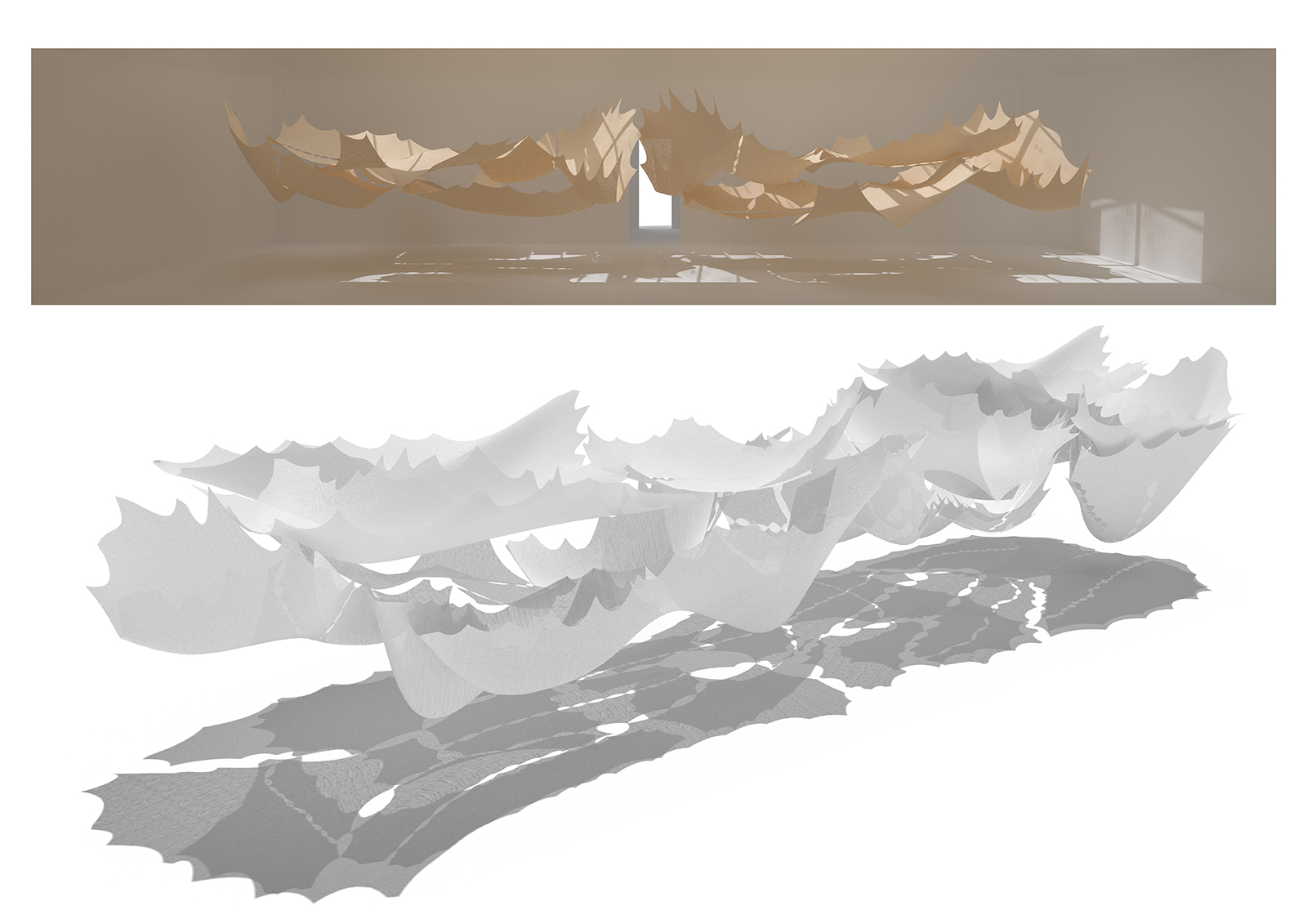
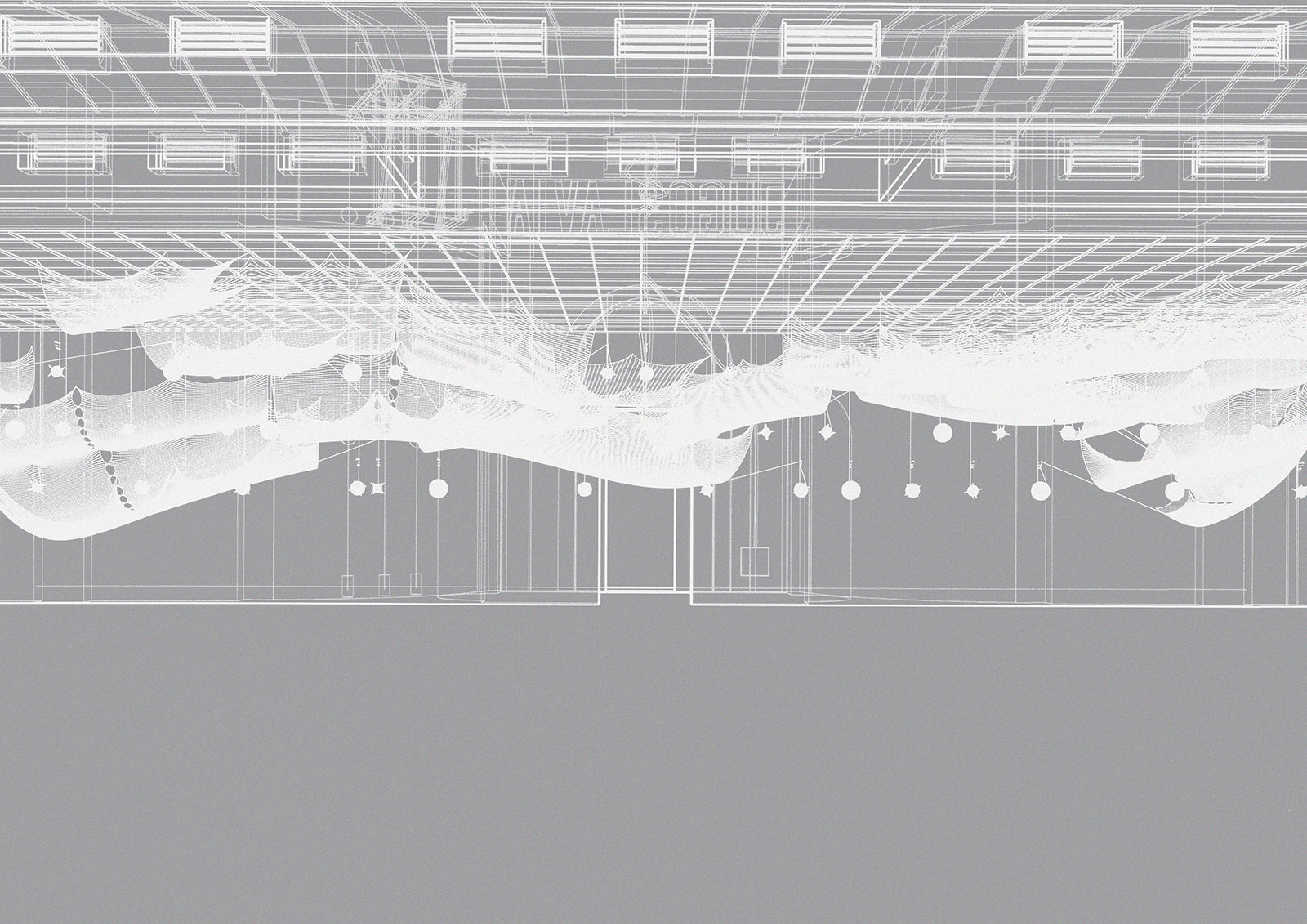
The Serbian pavilion structure at the 19th International Architecture Exhibition of La Biennale di Venezia, explores the relationship between natural and artificial intelligence, focusing on the hand as an extended organ of the mind and a crucial tool of invention. Unraveling: New Spaces explores the co-existance of the heritage of hand-knitting and the legacy of technological achievements.
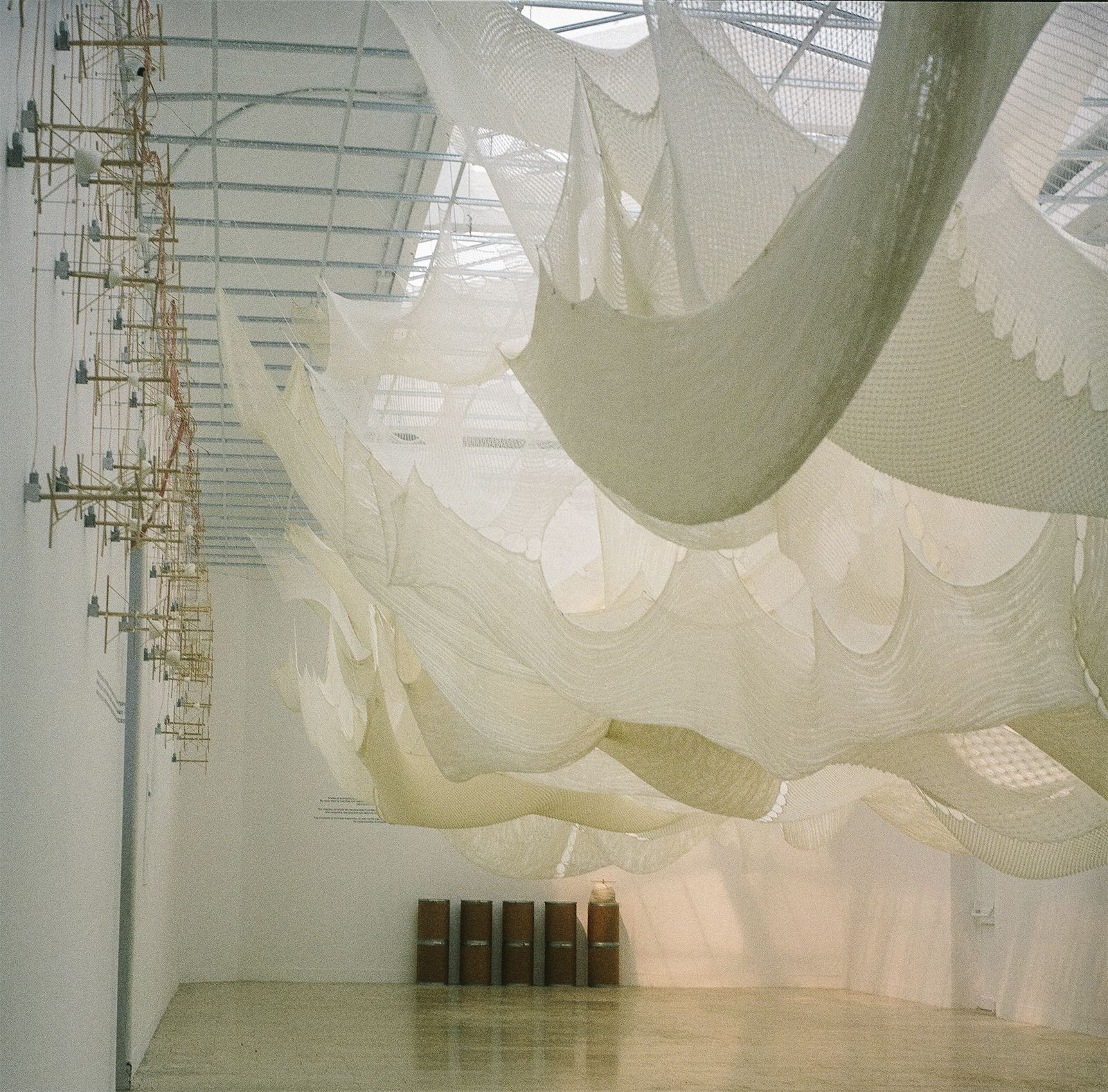
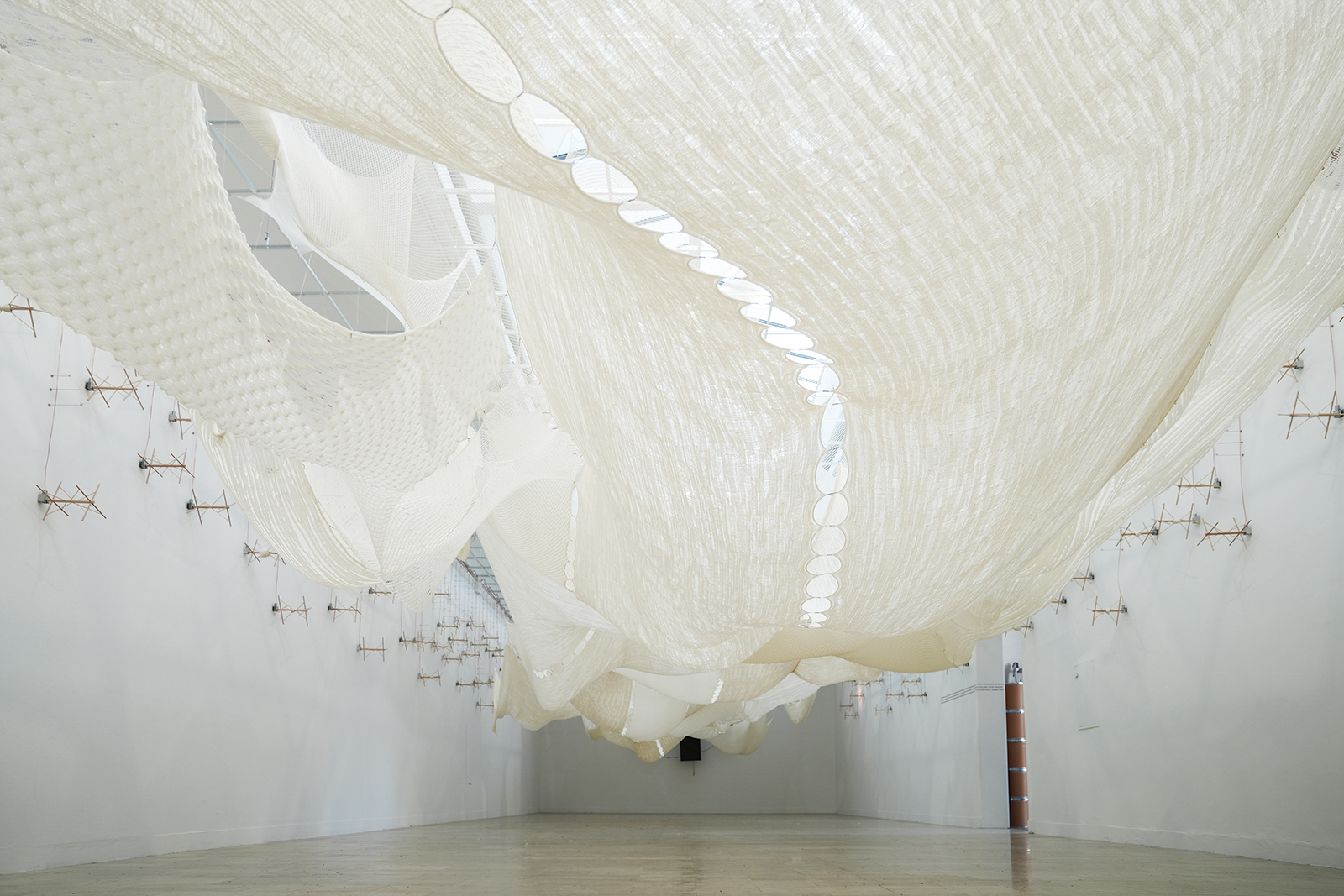
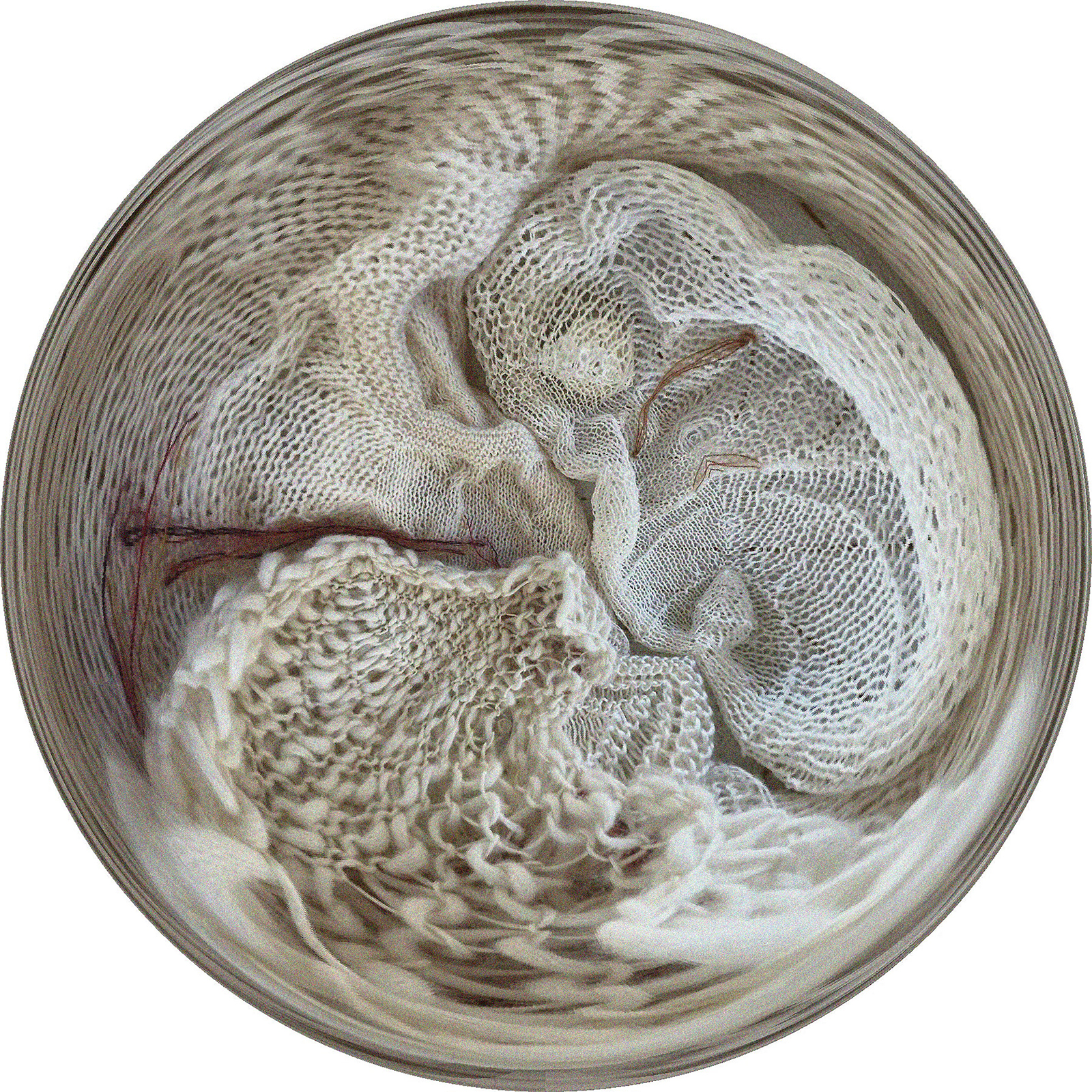
This exhibition delves into selected manifestations of local heritage that have achieved global significance. The first focus is on the heritage of hand-knitting—a skill that shapes form and structure through manual labor and tactile engagement.
The second highlights the legacy of technological achievements within a small yet influential local scientific community, exemplified by the invention of the Belgrade Hand (1963)—the world’s first robotic bionic hand, originally designed for prosthetic use.
These focal points affirm not only the local but, above all, the solidaristic and empathetic contributions of an idealistic lineage committed to supporting global technological progress.
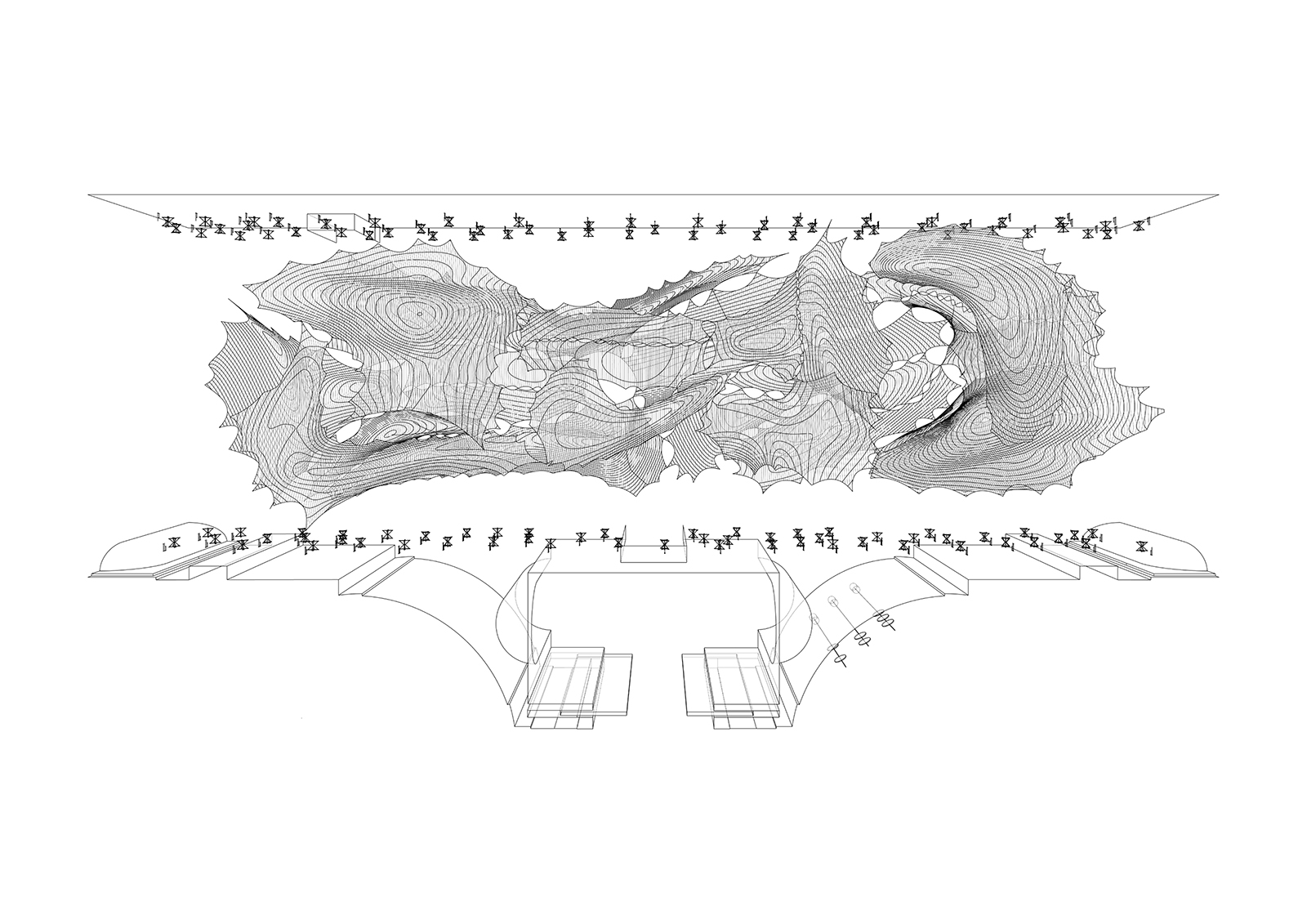
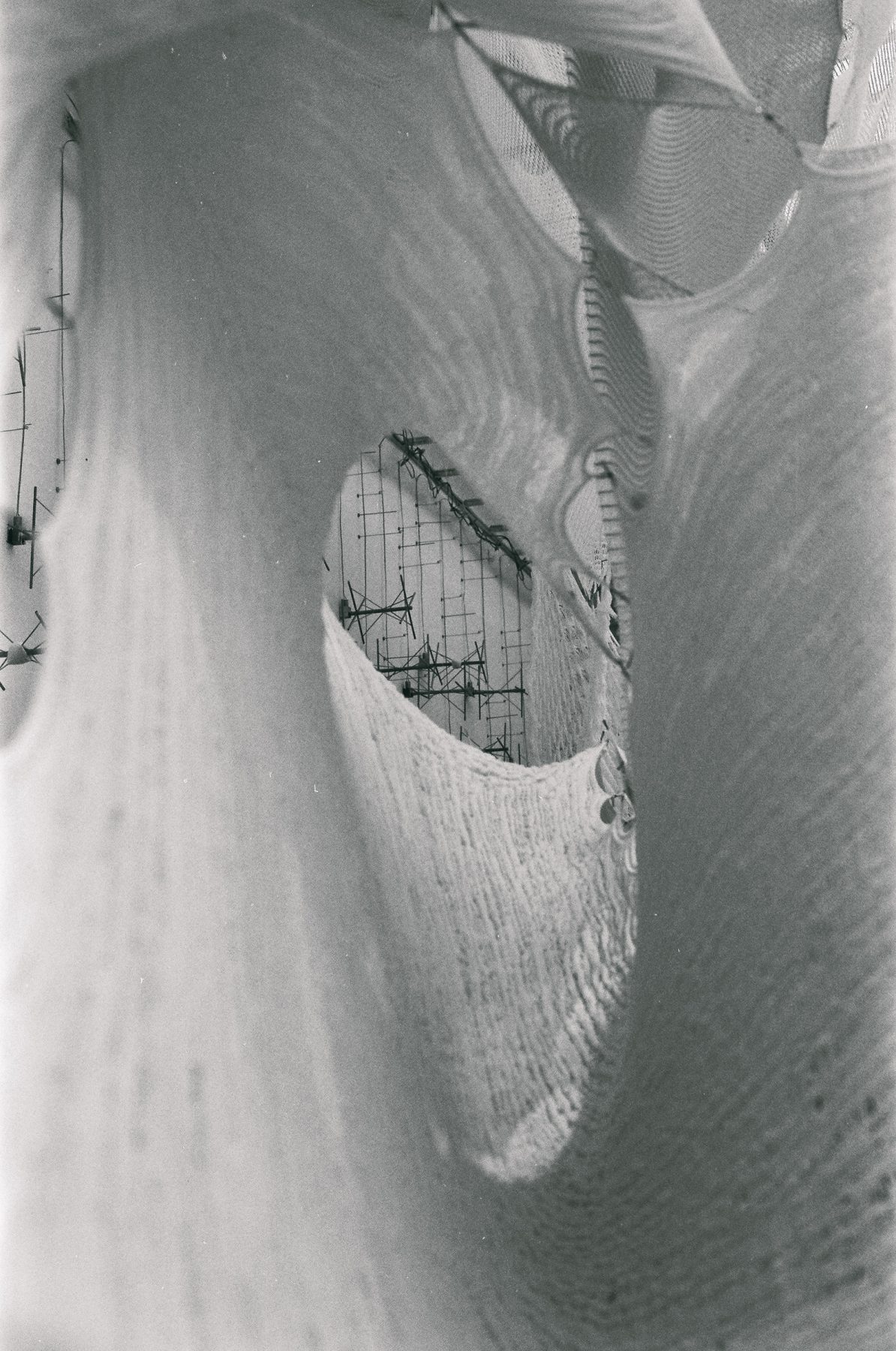
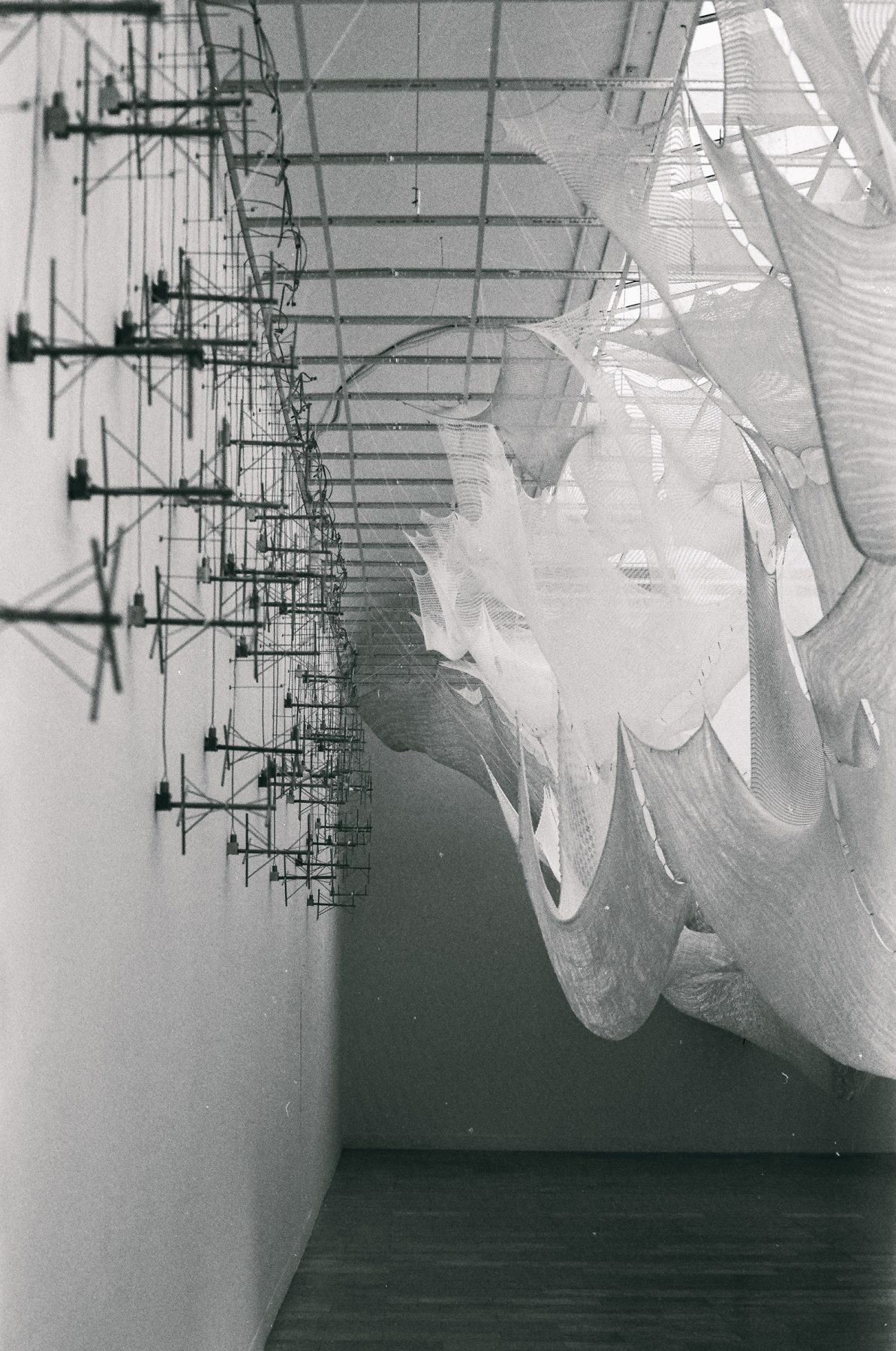
The project was realized through cooperation between Belgrade, Bangkok, Paris, and Venice, proposing collectivity as an interdisciplinary collaboration among knitters, architects, designers, programmers, and engineers.
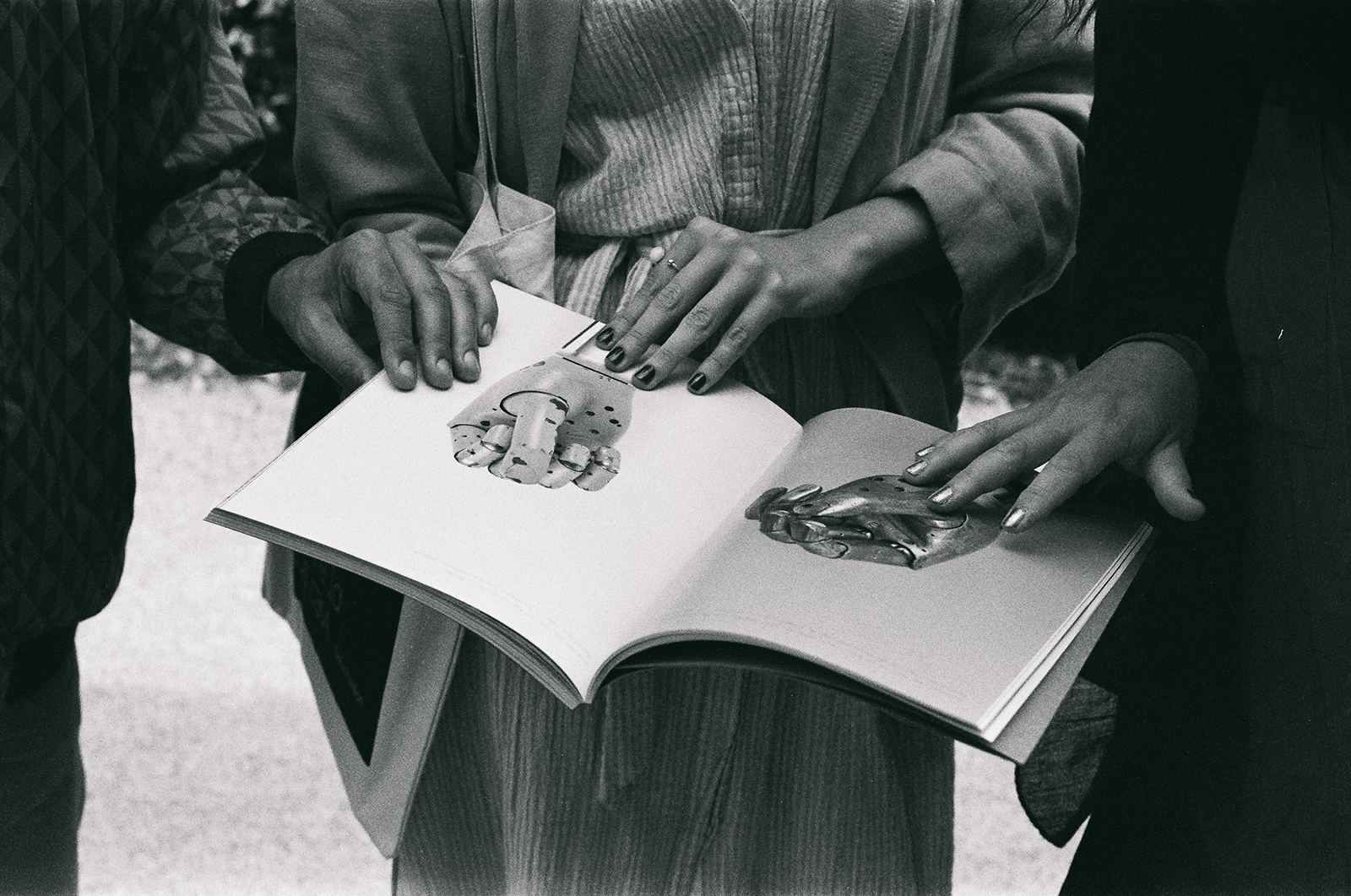
The exhibition’s structure explores the relationship between natural and artificial intelligence, focusing on the hand as an extended organ of the mind and a crucial tool of invention.
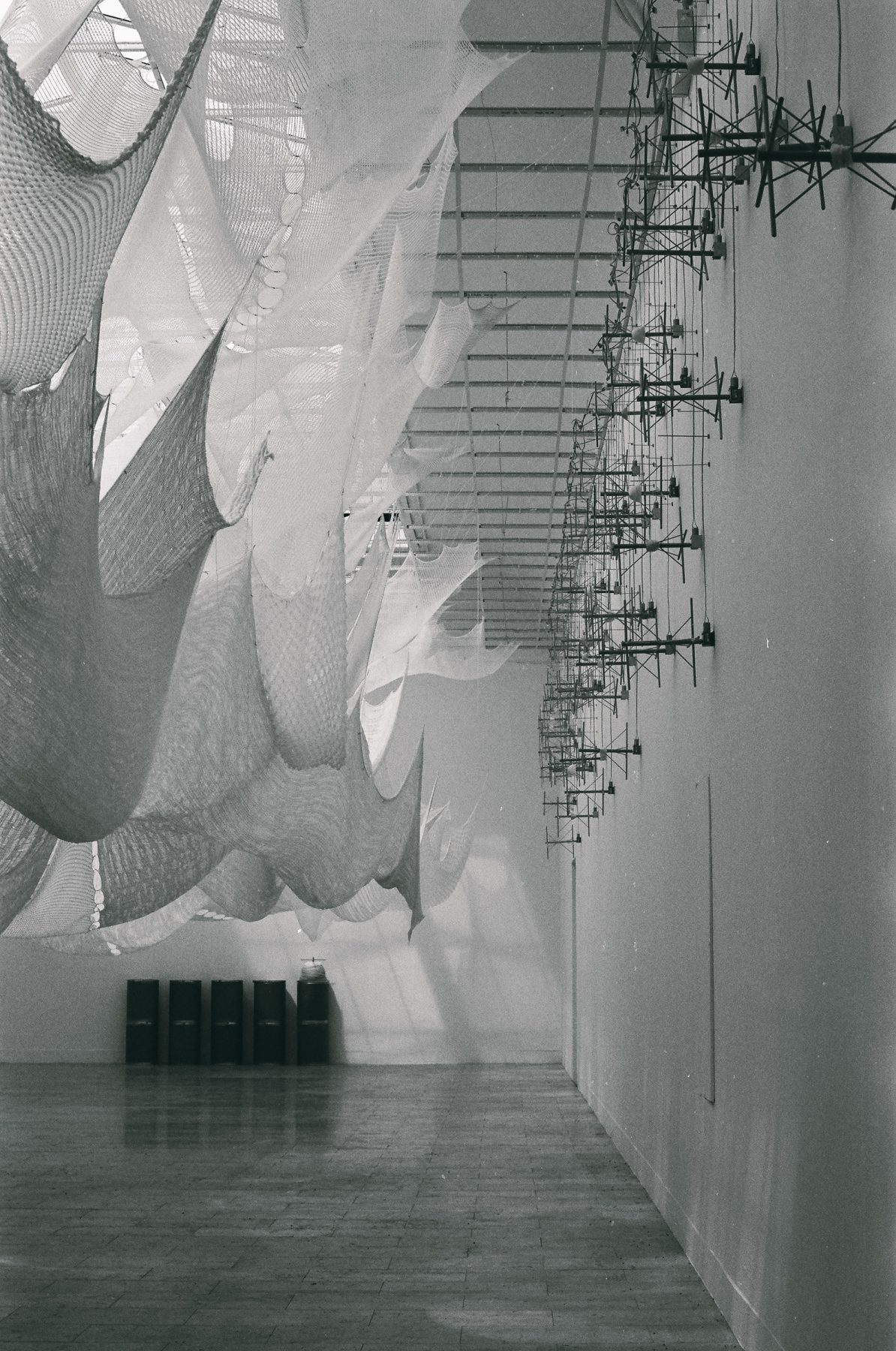
The hand emphasizes the power of learning, cognition, invention, and imagination, cultivated through the direct sense of touch, freedom of movement, and tactile experience. The dynamism of these interactions is expressed in the exhibition form as a process of unraveling.
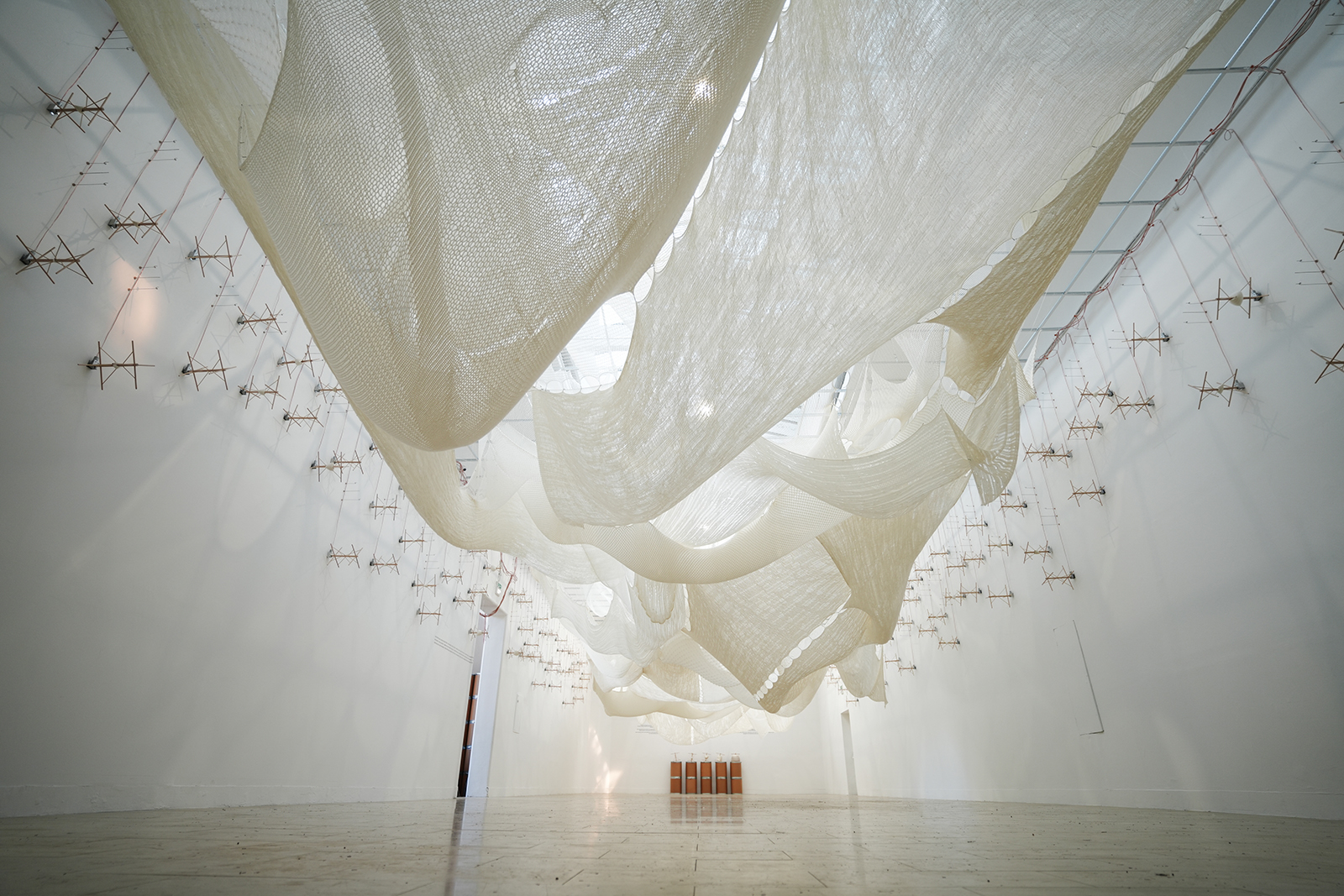
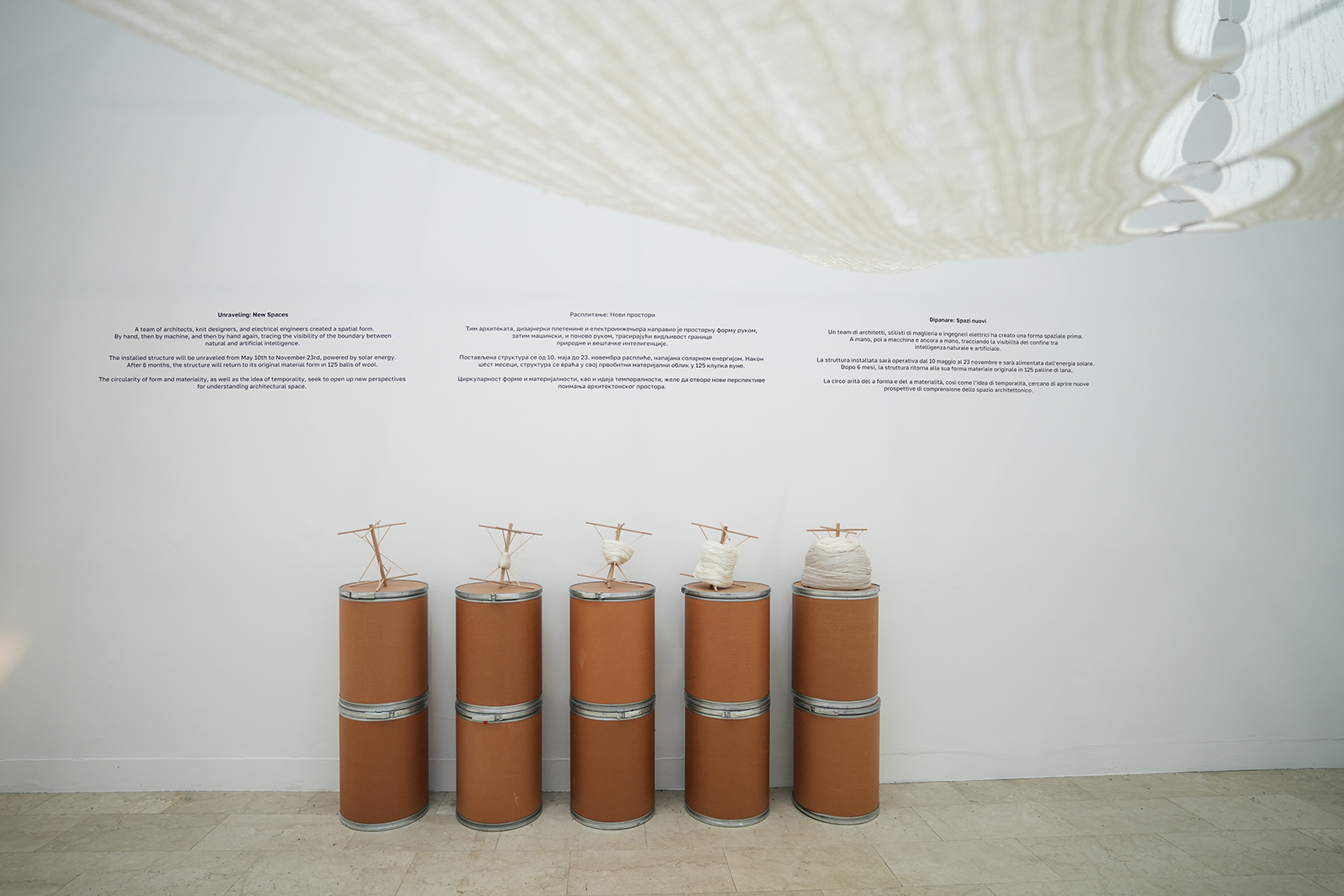
The architectural structure of the exhibition is conceived as a form in constant transformation—mobile, kinetic, ephemeral, and cyclical.
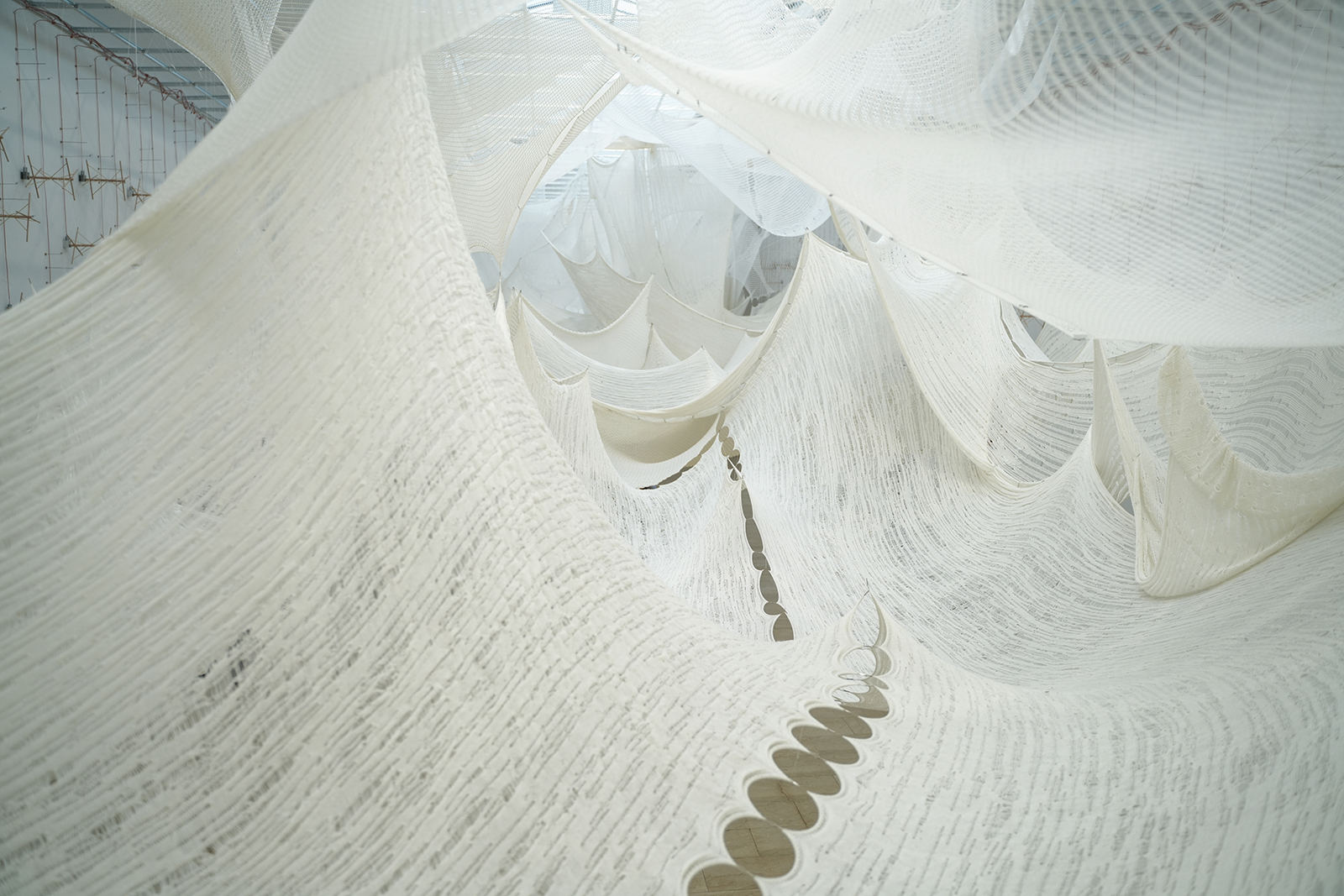
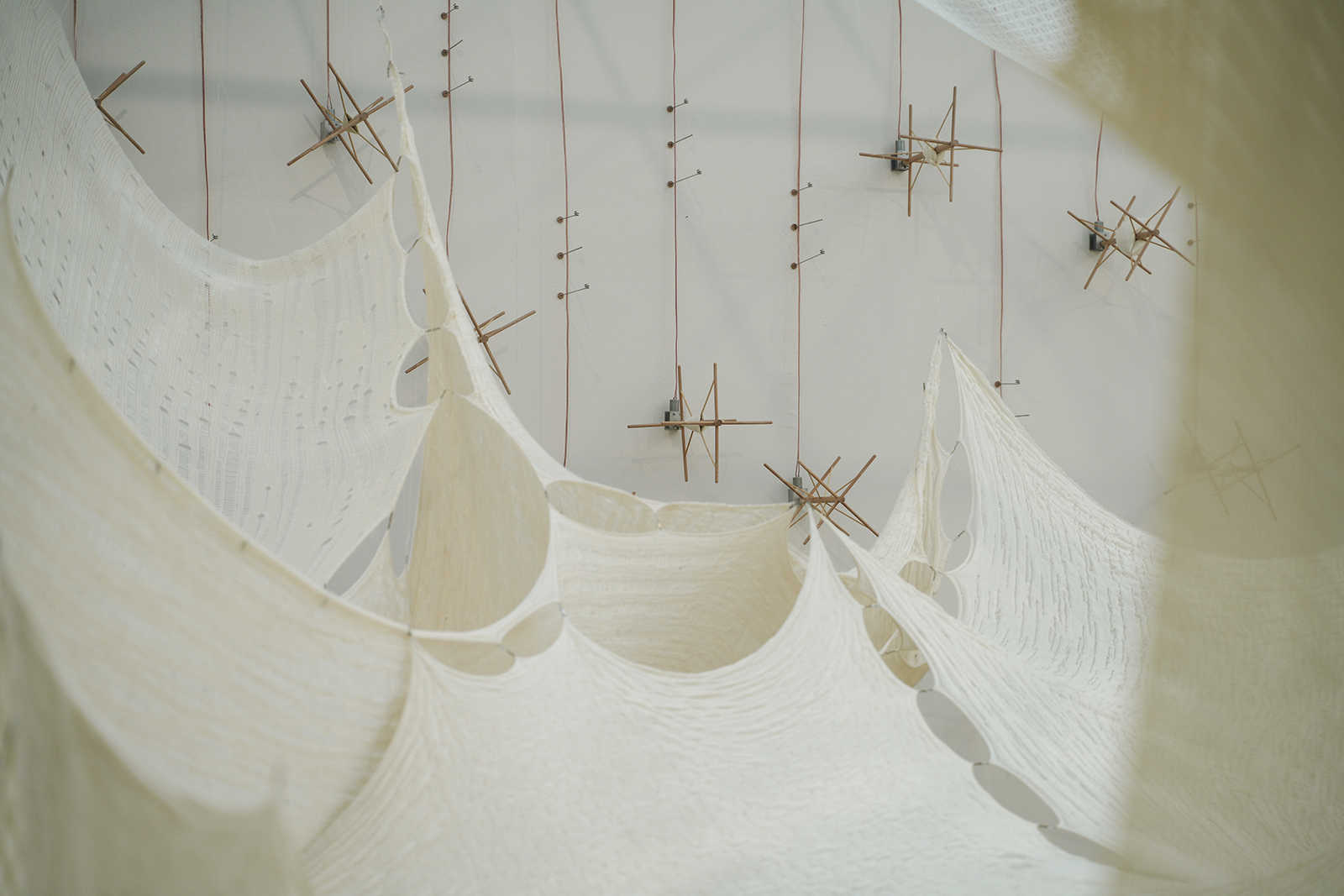
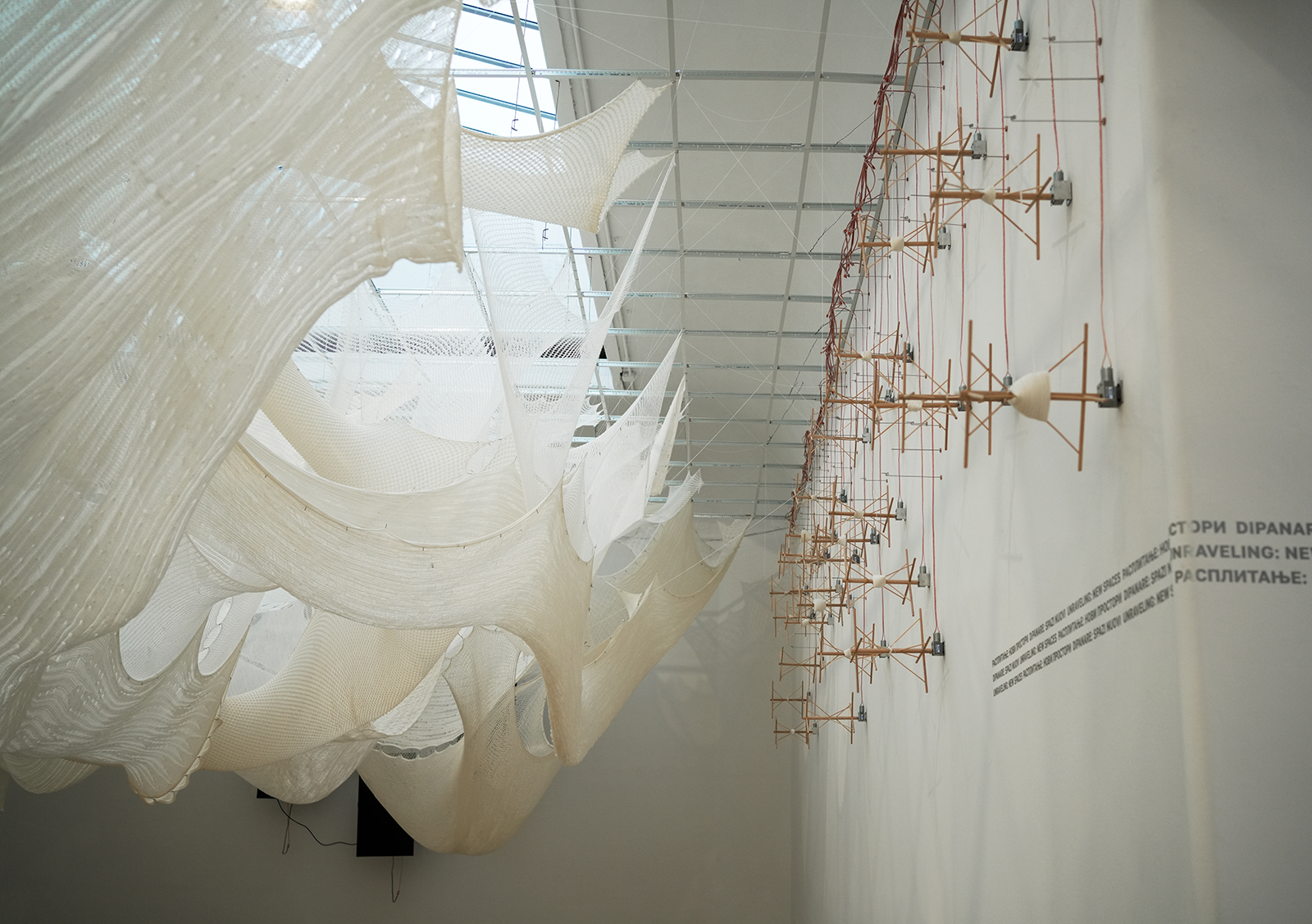
It echoes natural intelligence, capable of constructive thinking, rooted in the logic of primary materiality, so that it builds, deconstructs, and recreates in cycles. Along the Pavilion walls, 125 motor-driven coils are installed, rewinding the material form into its original state—woolen yarn.

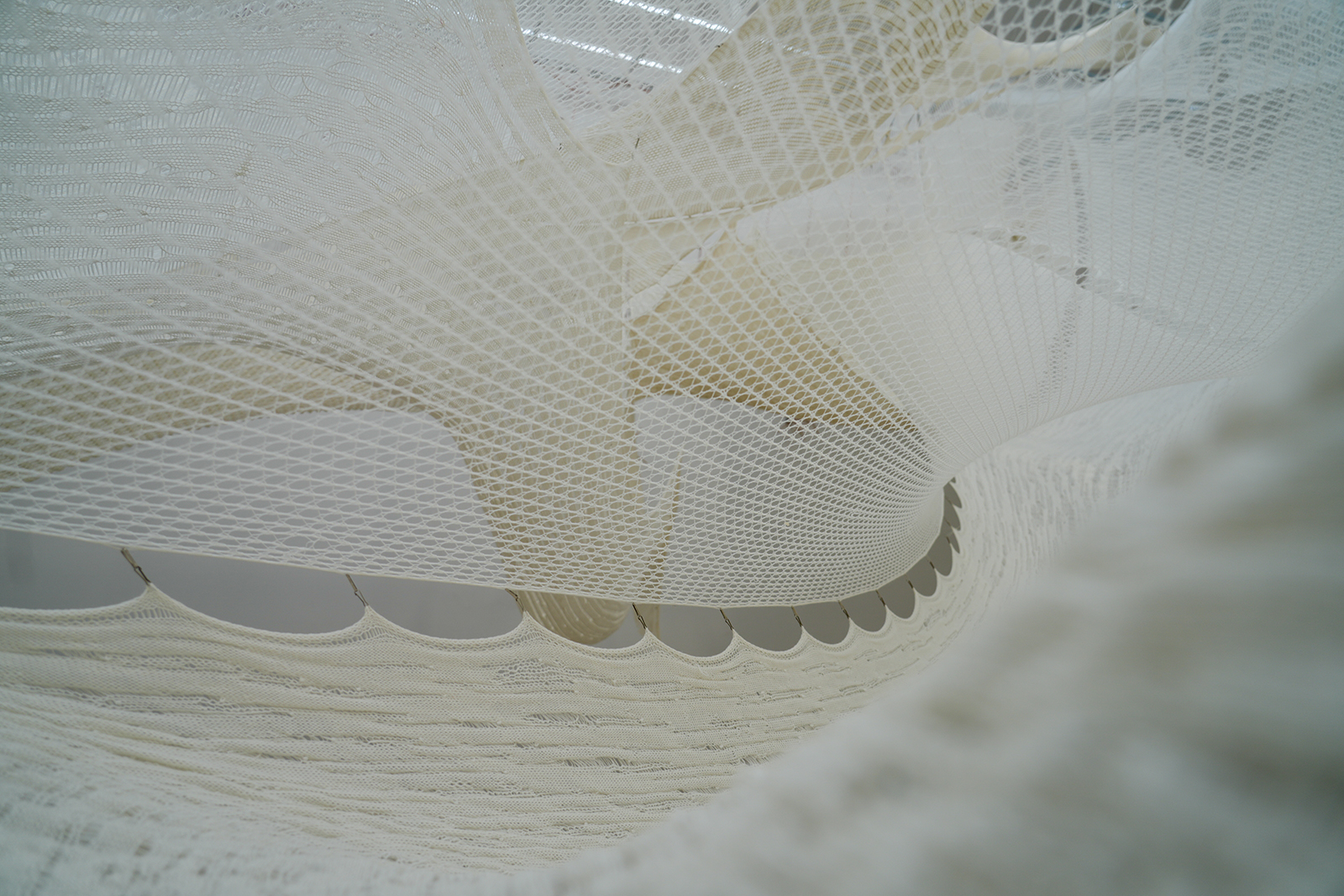
The autonomous, localized generation of energy for the unraveling and transformation of the form is achieved through solar panels, pointing towards the horizon of possibilities of a new architectural temporality and a projective construction process where composing and decomposing a structure occur simultaneously.
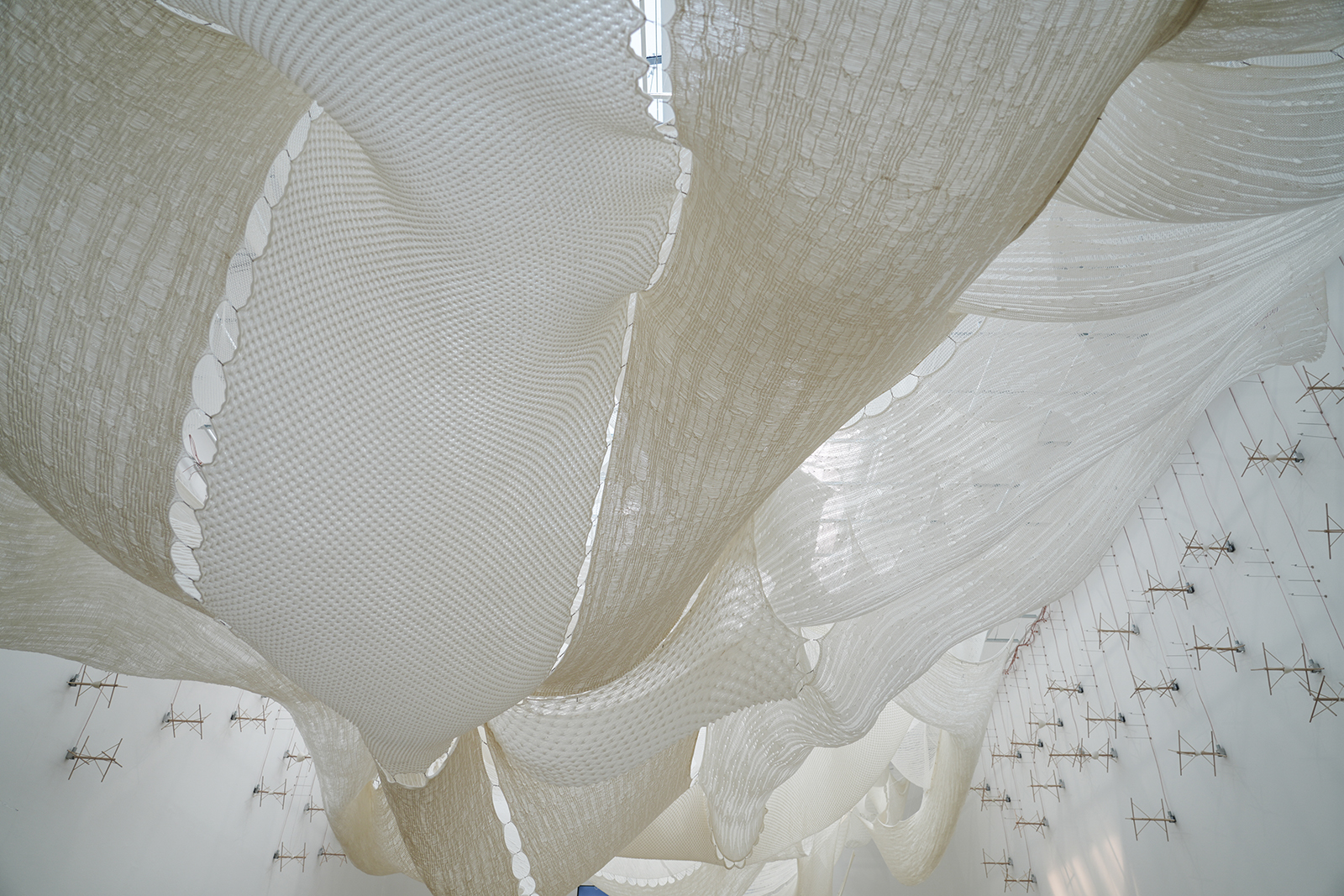
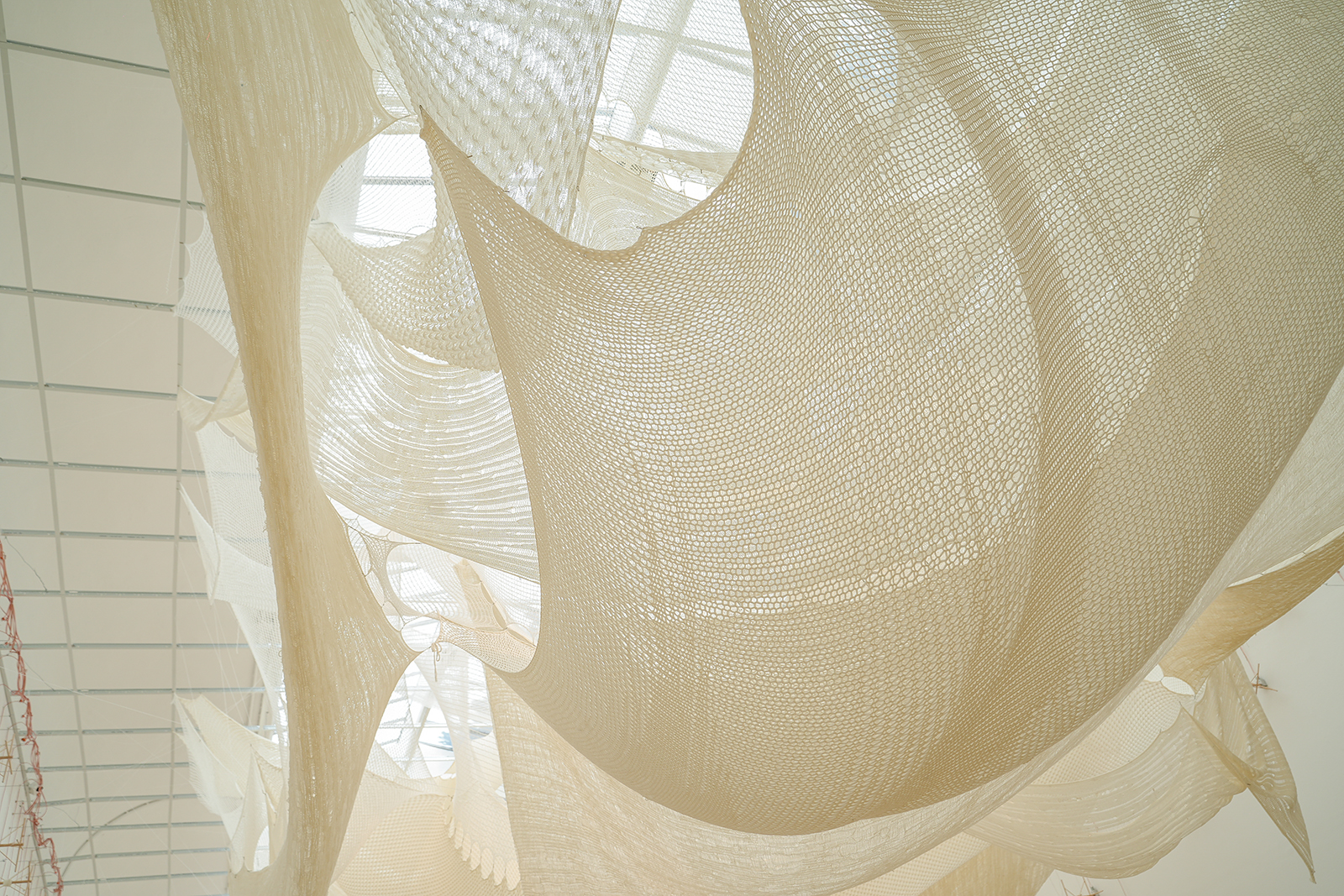
This temporal process foregrounds energy, materiality, transformation, and the capacity for continual reconfiguration, initiating reflection on perspectives in architectural form awareness, collectivity, and their influence on society.
Read more about this year’s 19th Venice Architecture Biennale here!
Facts & Credits
Pavilion Unraveling: New Spaces | Pavilion of the Republic of Serbia at the 19th International Architecture Exhibition of La Biennale di Venezia
Commissioner Slobodan Martinović
Curator Slobodan Jović
Exhibitors Davor Ereš, Jelena Mitrović, Igor Pantić, Sonja Krstić, Ivana Najdanović, Petar Laušević
Collaborators Louis Bouvrande, Haein Hutt, Andrea Beganović, Pavle Obradović, Dušan Međedovic
Visualization of the project Marko Todorovic
Scientific Committee Slobodan Jović, Biljana Jotić, Dragana Konstantinović, Milena Kordić, Milka Gnjato, Pavle Stamenović, Danilo Dangubić
Realisation Museum of Applied Art On behalf of the Ministry of Culture of the Republic of Serbia
Photography Dragana Udovičić, Viktor Šekularac
READ ALSO: RURAL ARCHITECTURE: Stone Residence in Potamia, Naxos | Research and Engineering Services IKE