The Vernacular Charm series approaches place-specific architecture in an attempt to understand the origins of the local in a global culture.
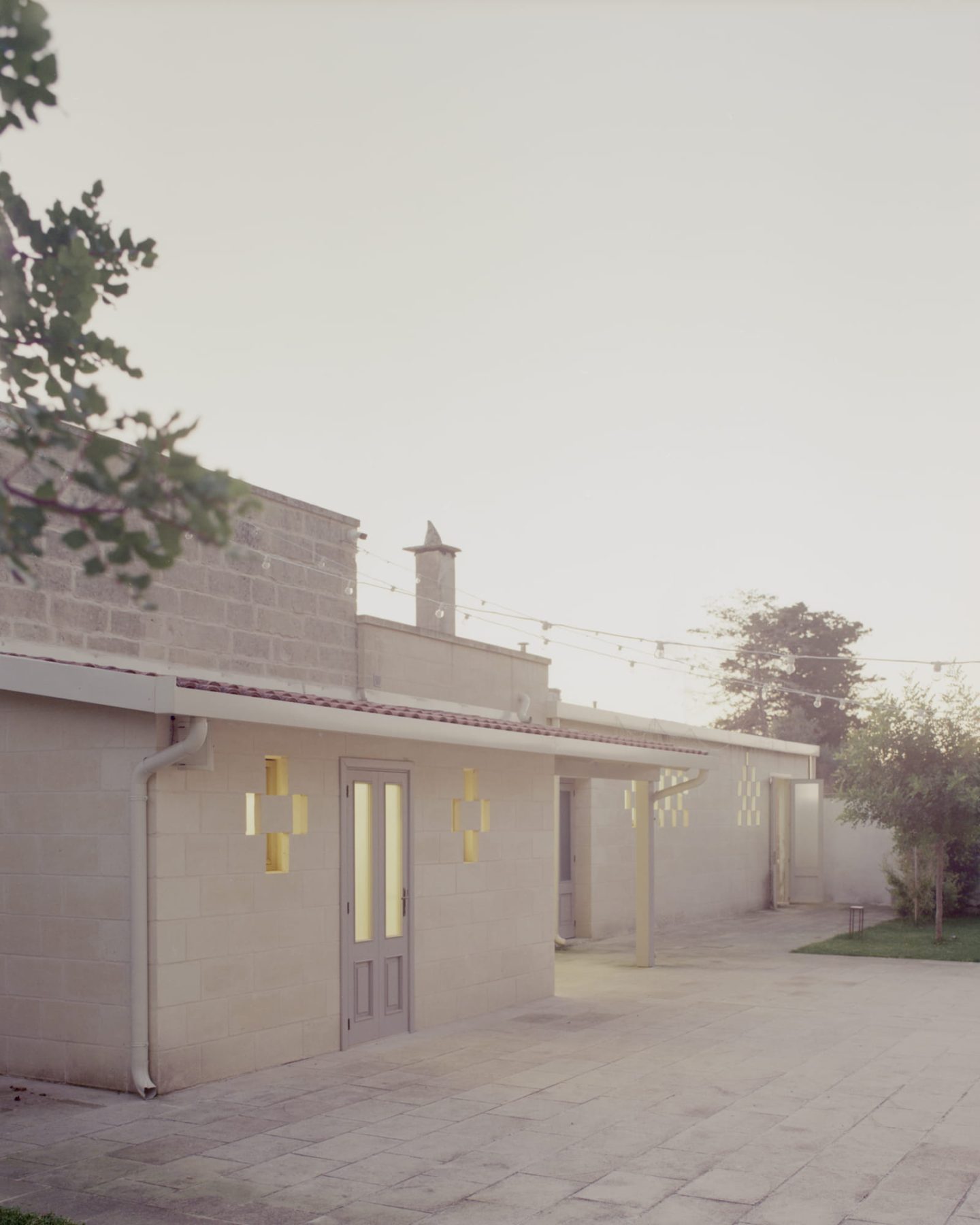
In the lands between Lecce and Vernole, surrounded by olive trees and just a few kilometers from the sea, stands Masseria Caronte, a rural home converted into a restaurant in 2024. Commissioned by a group of young local entrepreneurs, the restaurant’s 2025 renovation by Margine was carried out through an architecture of subtraction, aiming to eliminate false coverings and inconsistent finishes introduced by numerous additions over time, and to restore the building’s historical, vernacular charm.
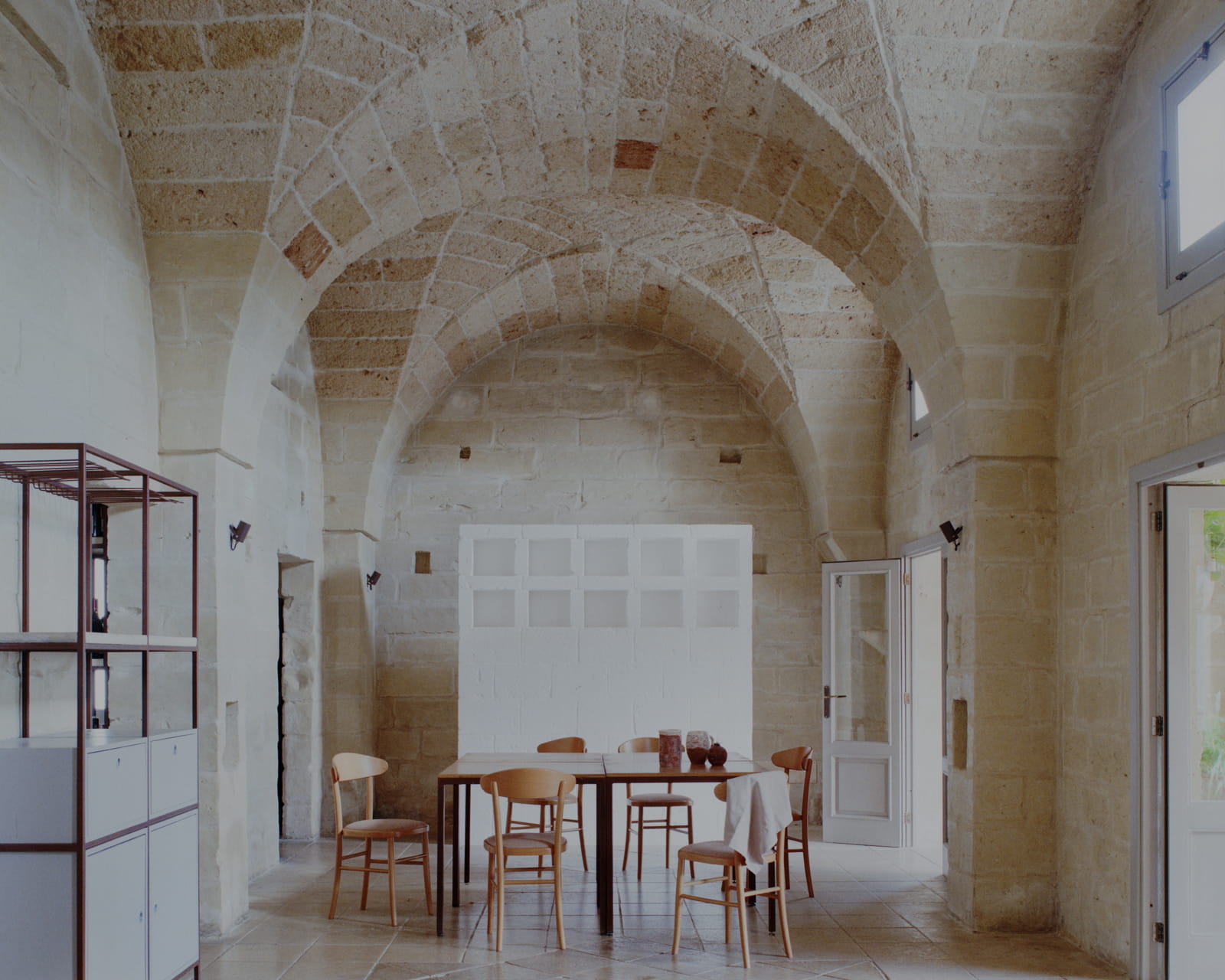
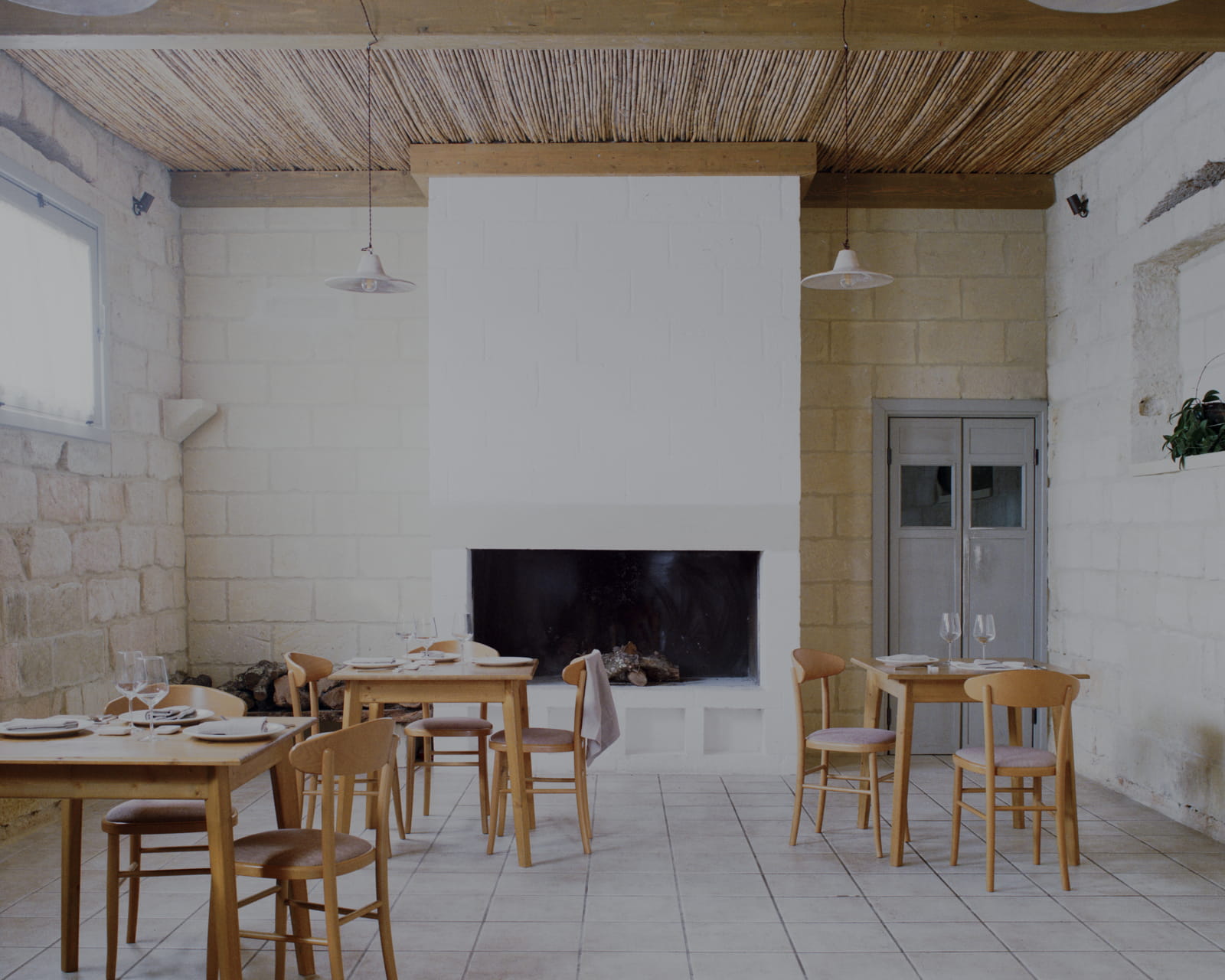
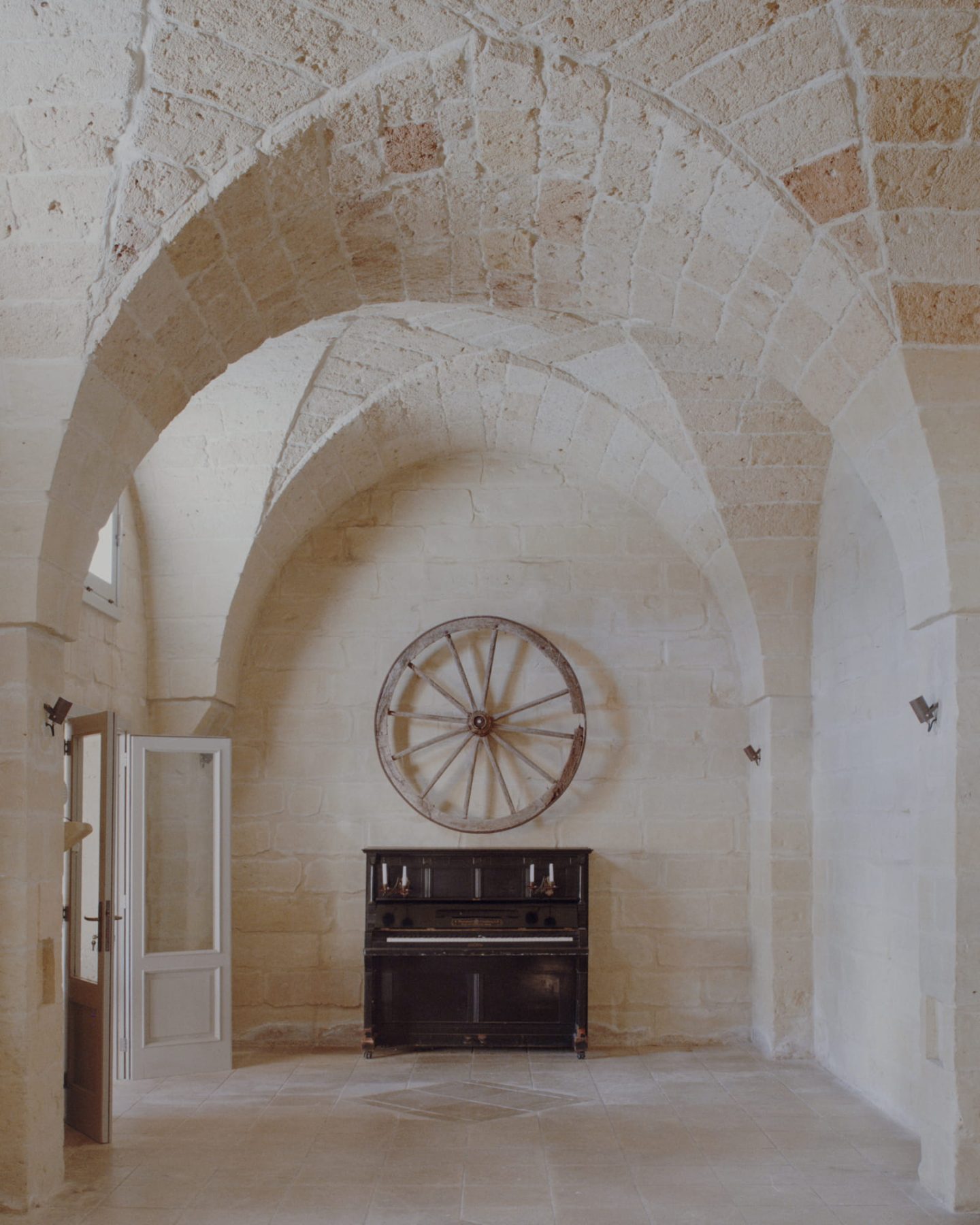
Set within the rural landscape of the Salento hinterland, between Lecce and Vernole, Masseria Caronte emerges as a careful act of reclamation rather than transformation.
The 2025 intervention by Margine revisits a former rural complex—once devoted to sheep farming and the production of wool and yarn—through a process grounded in removal, calibration, and material clarity.
Surrounded by olive groves and located only a few kilometers from the Adriatic coast, the project repositions the masseria as a contemporary restaurant while preserving the spatial logic and atmospheric depth embedded in its agricultural past.
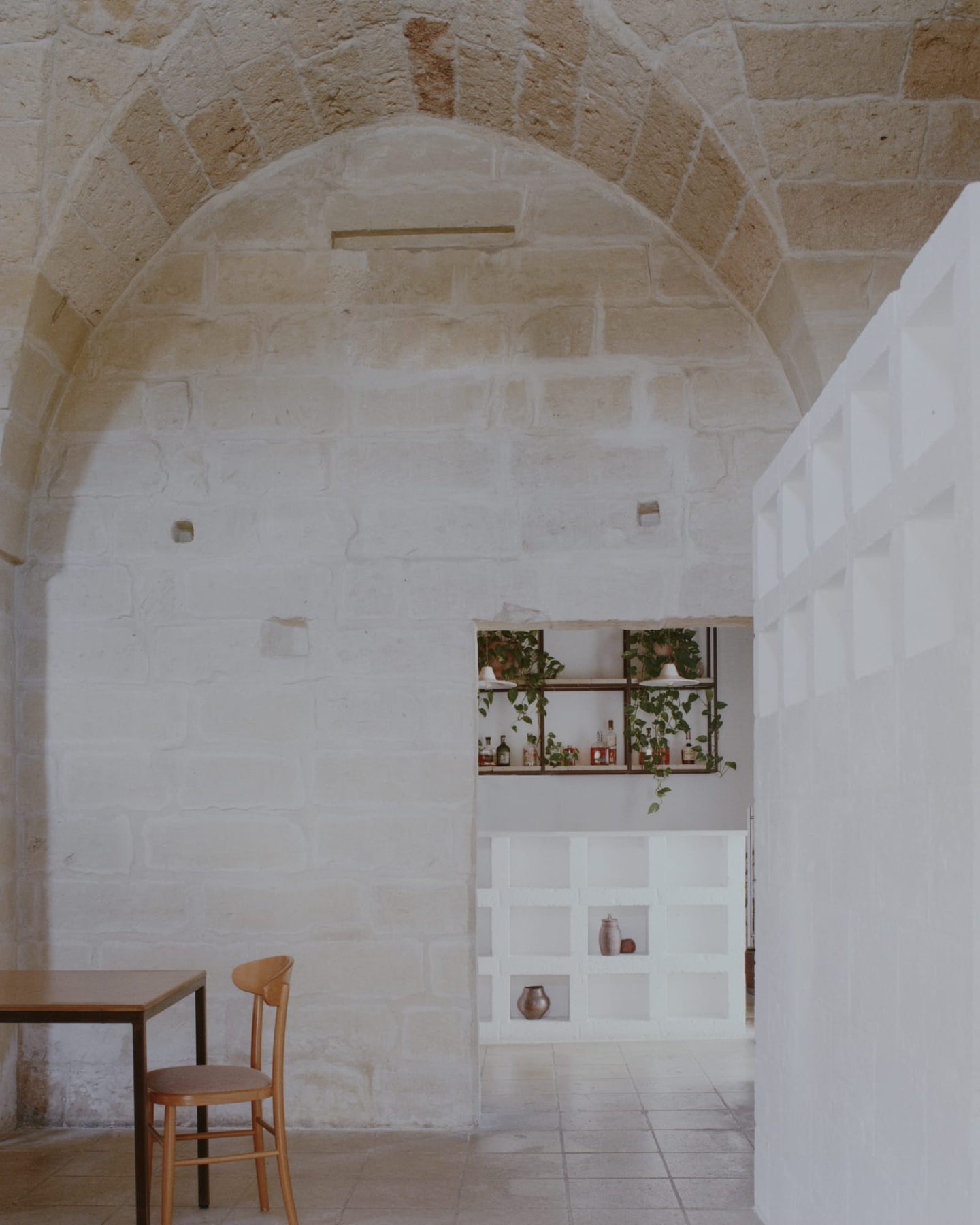
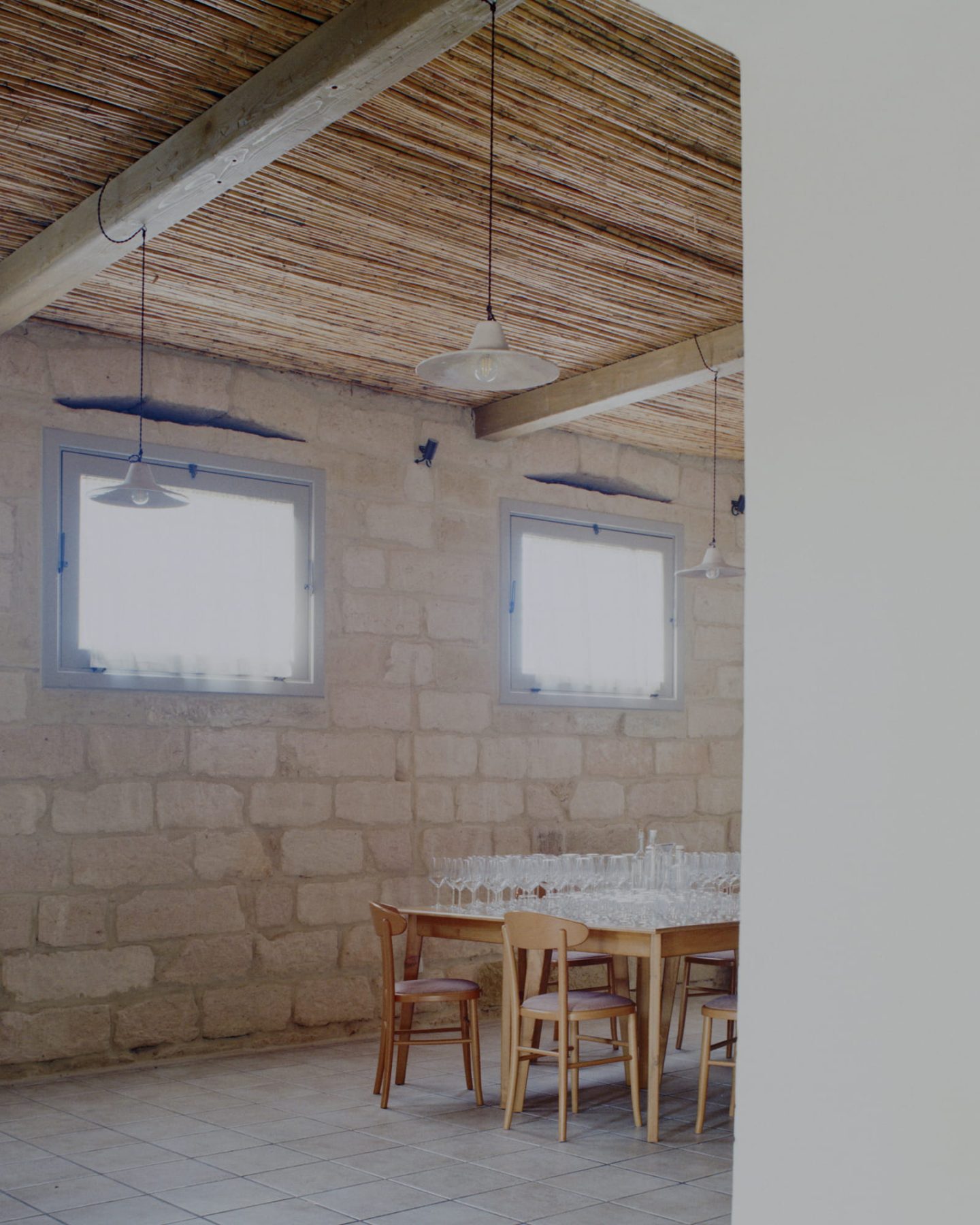
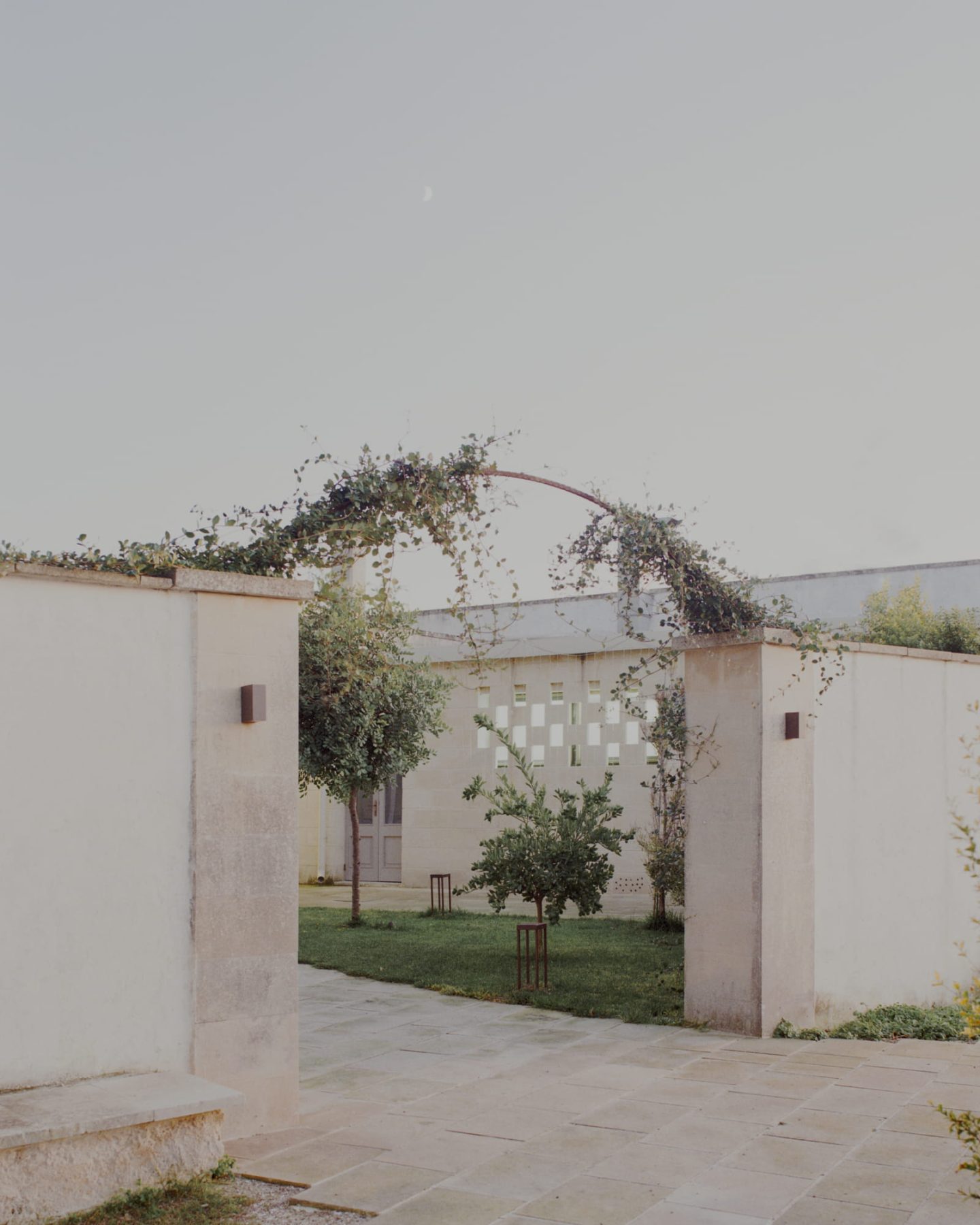
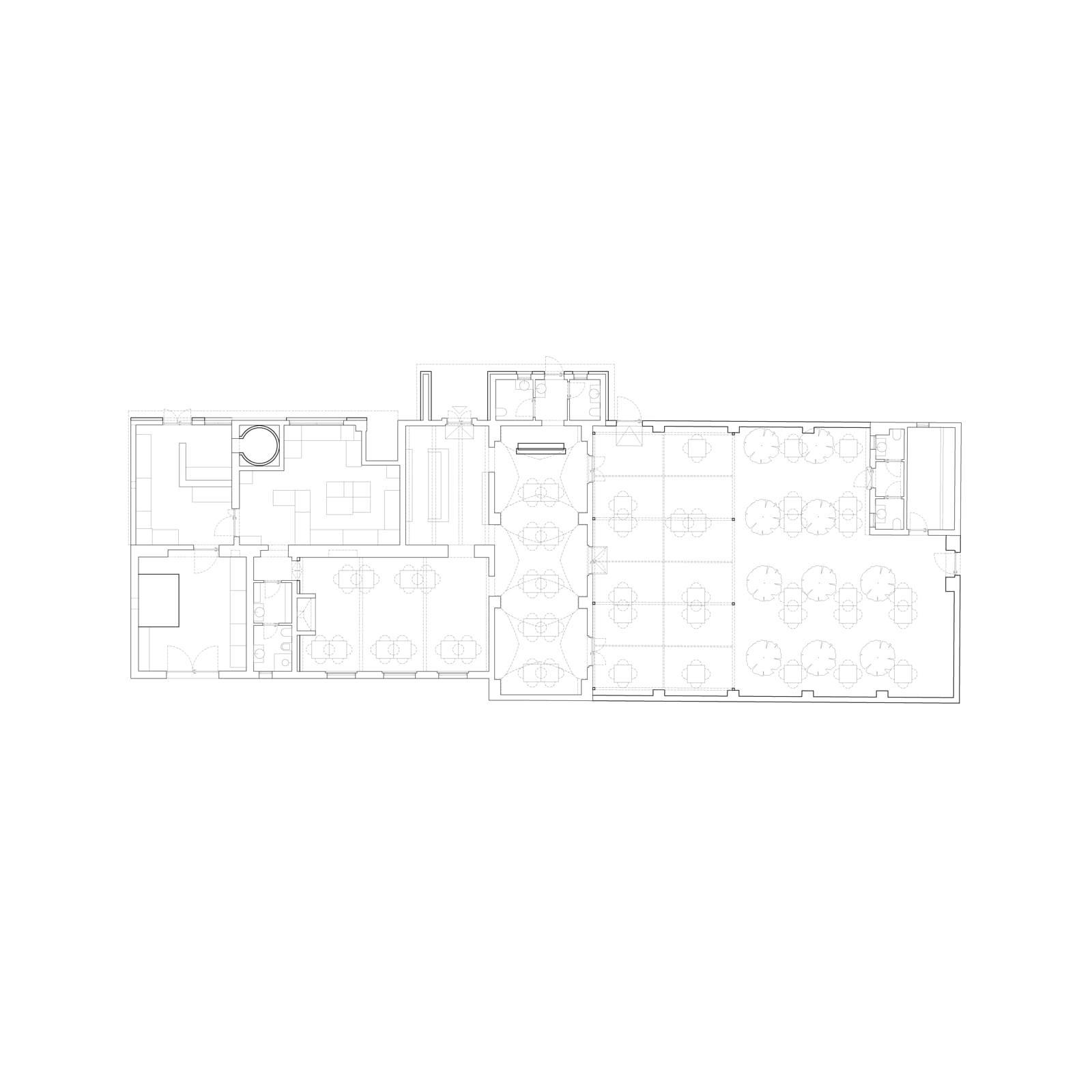
At its heart lies a square courtyard, historically conceived as a protected enclosure for livestock. Three sides are defined by a three-meter-high wall in local Lecce stone, while the fourth is occupied by a linear stone building of three vaulted rooms that once functioned as a workshop and occasional animal shelter. Over decades, incremental and often improvised alterations blurred this legibility.
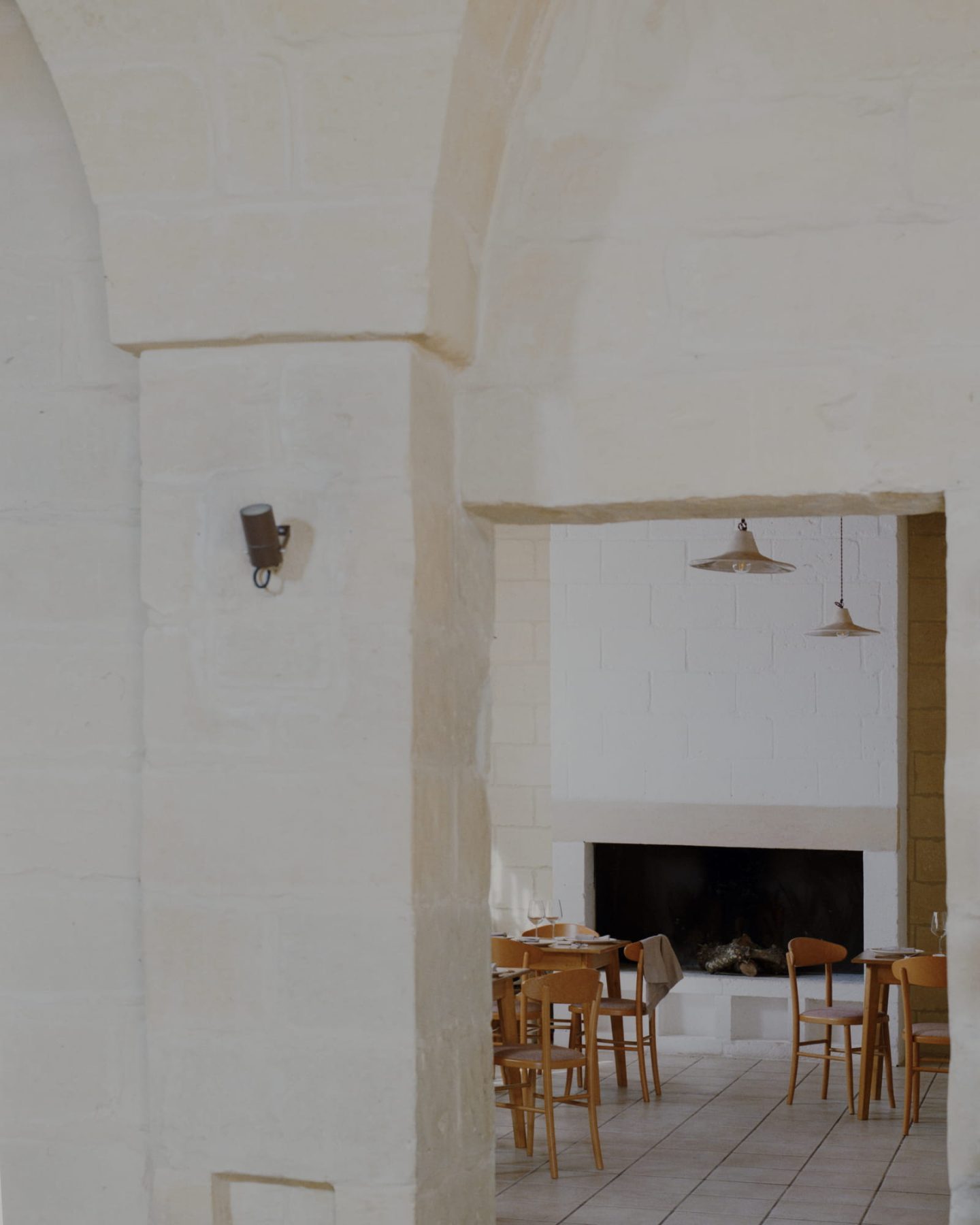
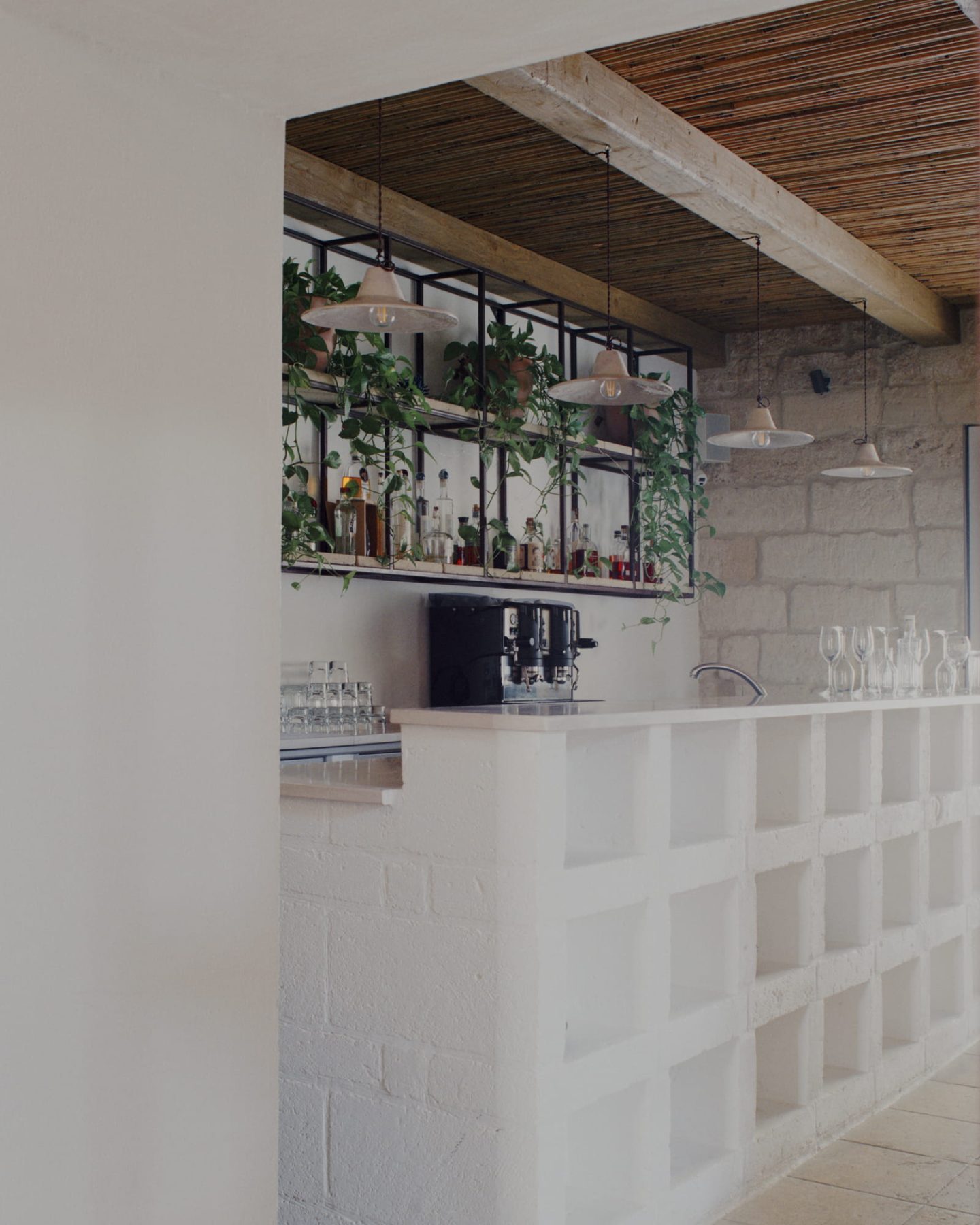
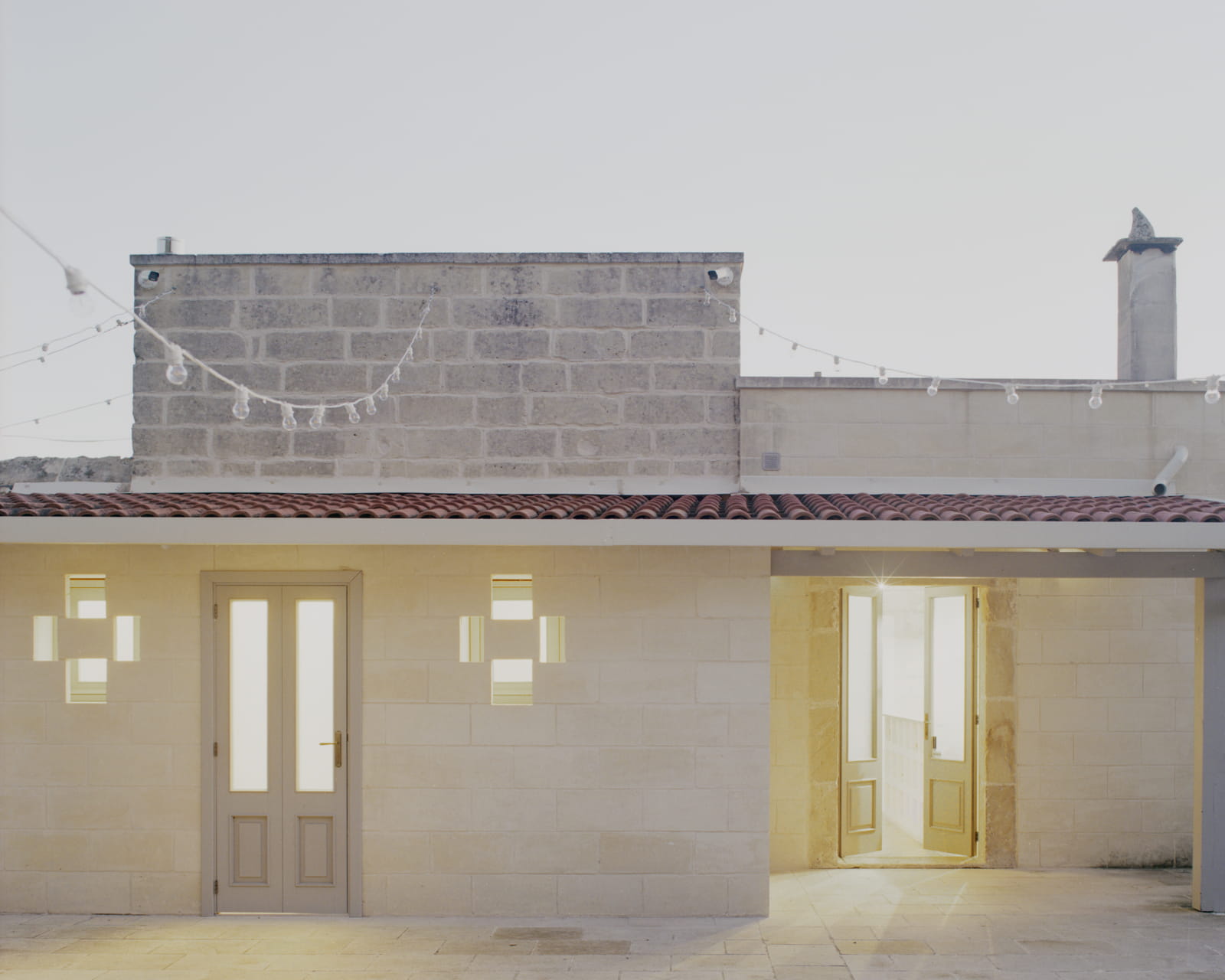
Additions from the 1960s introduced two adjacent volumes with timber roofs that later deteriorated; in the 1990s, the rise of a pizzeria prompted further reconstructions in brick and concrete to accommodate kitchens and storage. Auxiliary service blocks in concrete masonry, sloped floors, terracotta tiles, and a continuous false wooden roof covering the hortus conclusus further diluted the integrity of the original composition.
Margine’s response unfolds as a precise editorial gesture on the built fabric. Superfluous layers are stripped away, incongruous finishes are removed, and visually conflicting structures are muted, allowing the masseria’s primary stone volumes to regain spatial and material prominence.
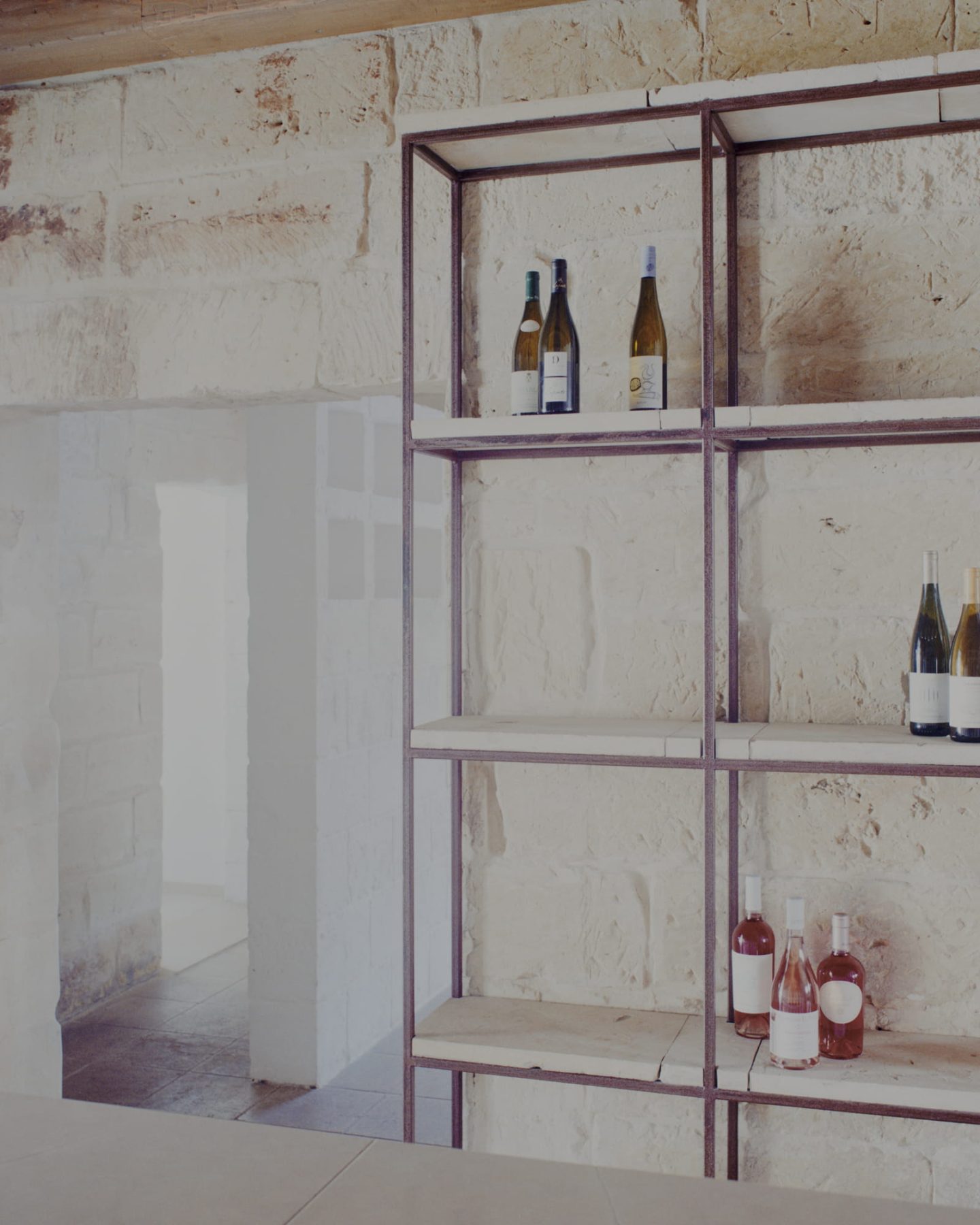
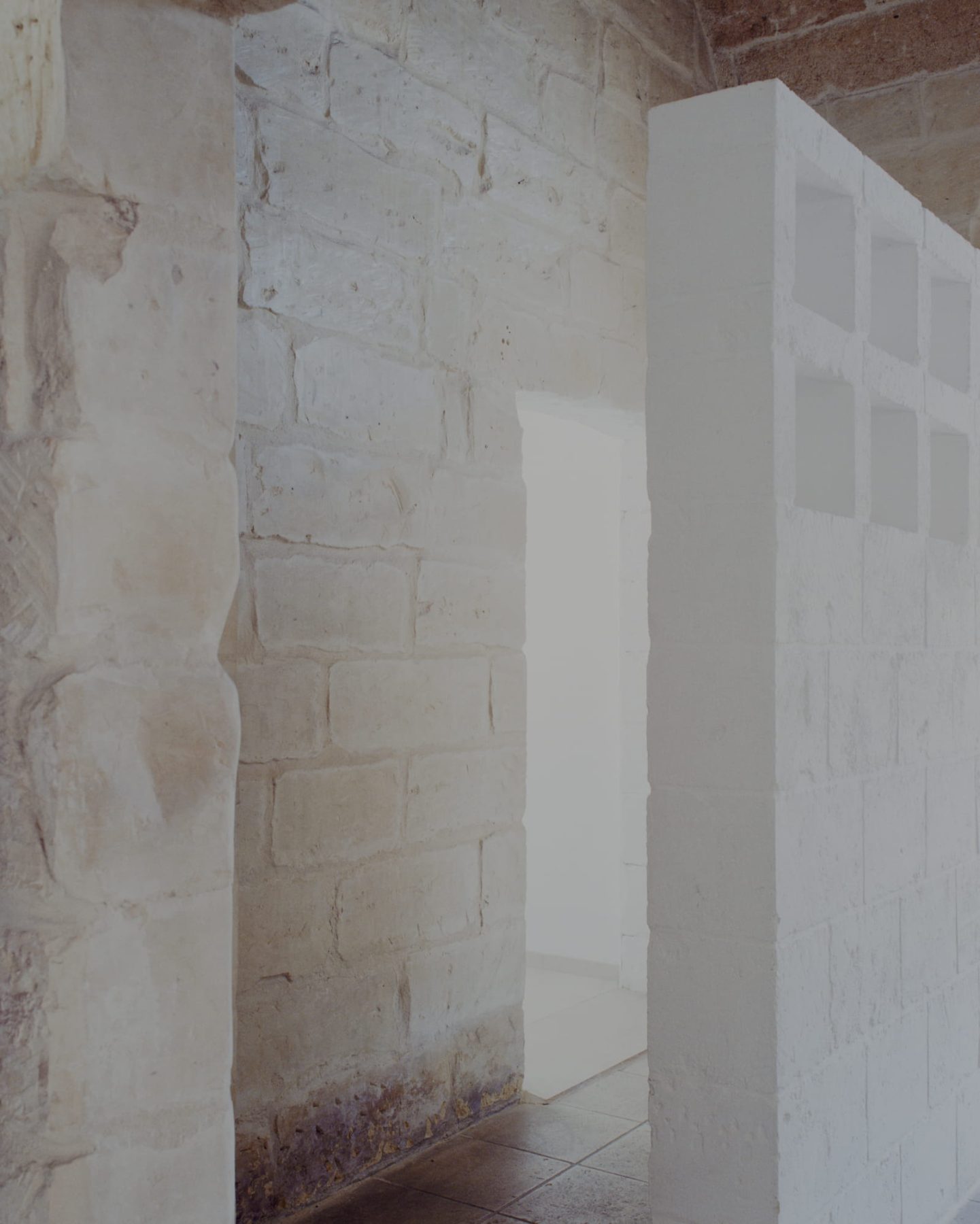
This strategy does not pursue nostalgic reconstruction; instead, it clarifies the building’s enduring character by distinguishing between what is inherited and what is newly inserted.
The restoration is articulated through three essential architectural devices—a bench that operates as reception, bar, and counter; a fireplace that anchors the room shaped in the 1960s; and a partition that filters access to the anteroom while preserving the continuity of the vaulted spaces. Executed in tuff stone and finished with limewash, these elements assert their contemporaneity through tonal lightness and geometric precision, standing in deliberate contrast to the textured warmth of the historic masonry. A recurring coffered motif subtly links the three interventions, establishing a quiet visual dialogue across the interiors.
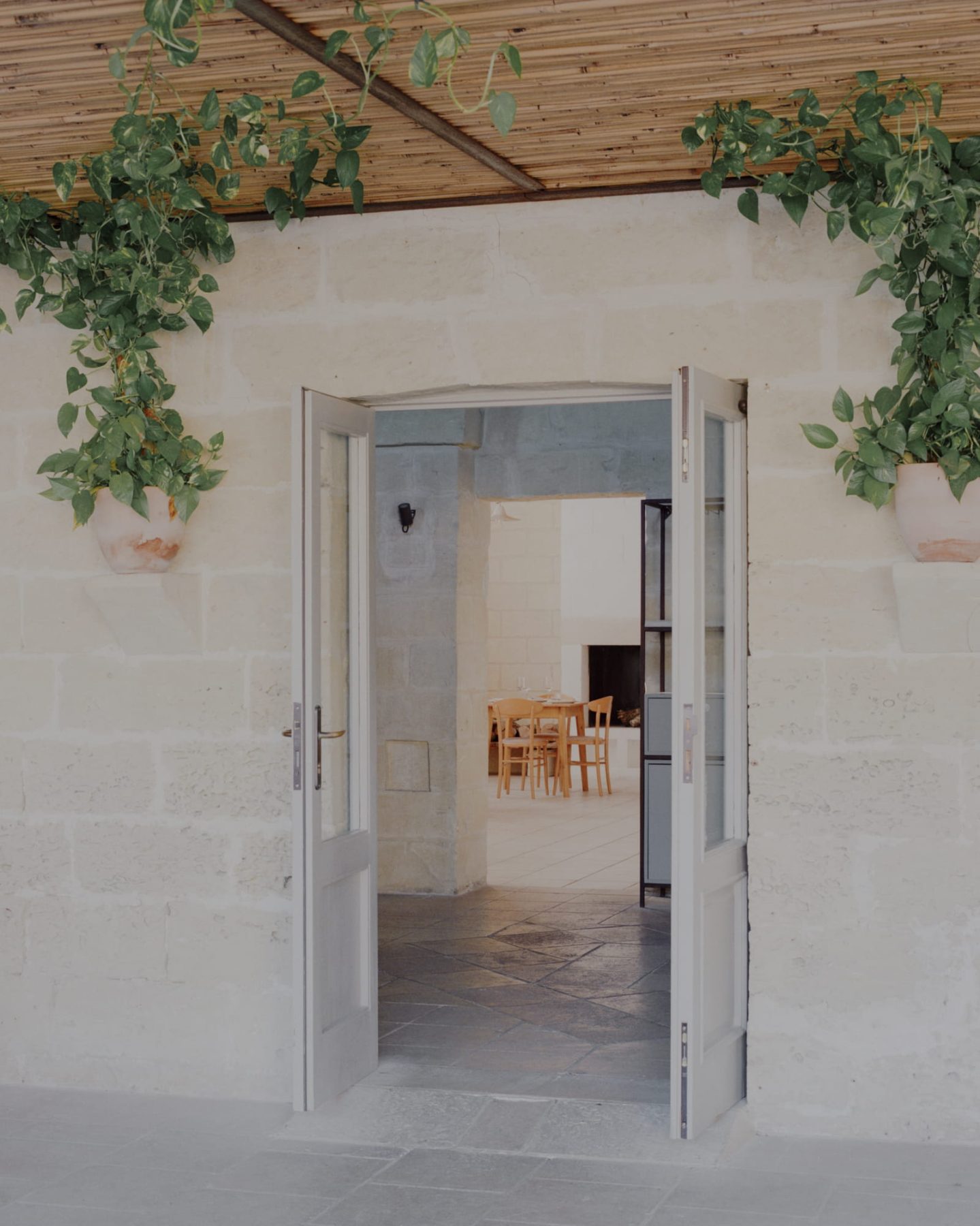
The courtyard, is reopened to the sky, restoring its role as climatic and social core.
Partial shading is provided by a lightweight structure in Corten steel, clad with rough reeds and punctuated by terracotta lampshades—an assembly that mediates between permanence and temporariness, craft and industry. Custom tables and secondary furnishings, also in Corten steel, stone, and wood, extend this restrained material palette, reinforcing the project’s commitment to essential forms and tactile authenticity.
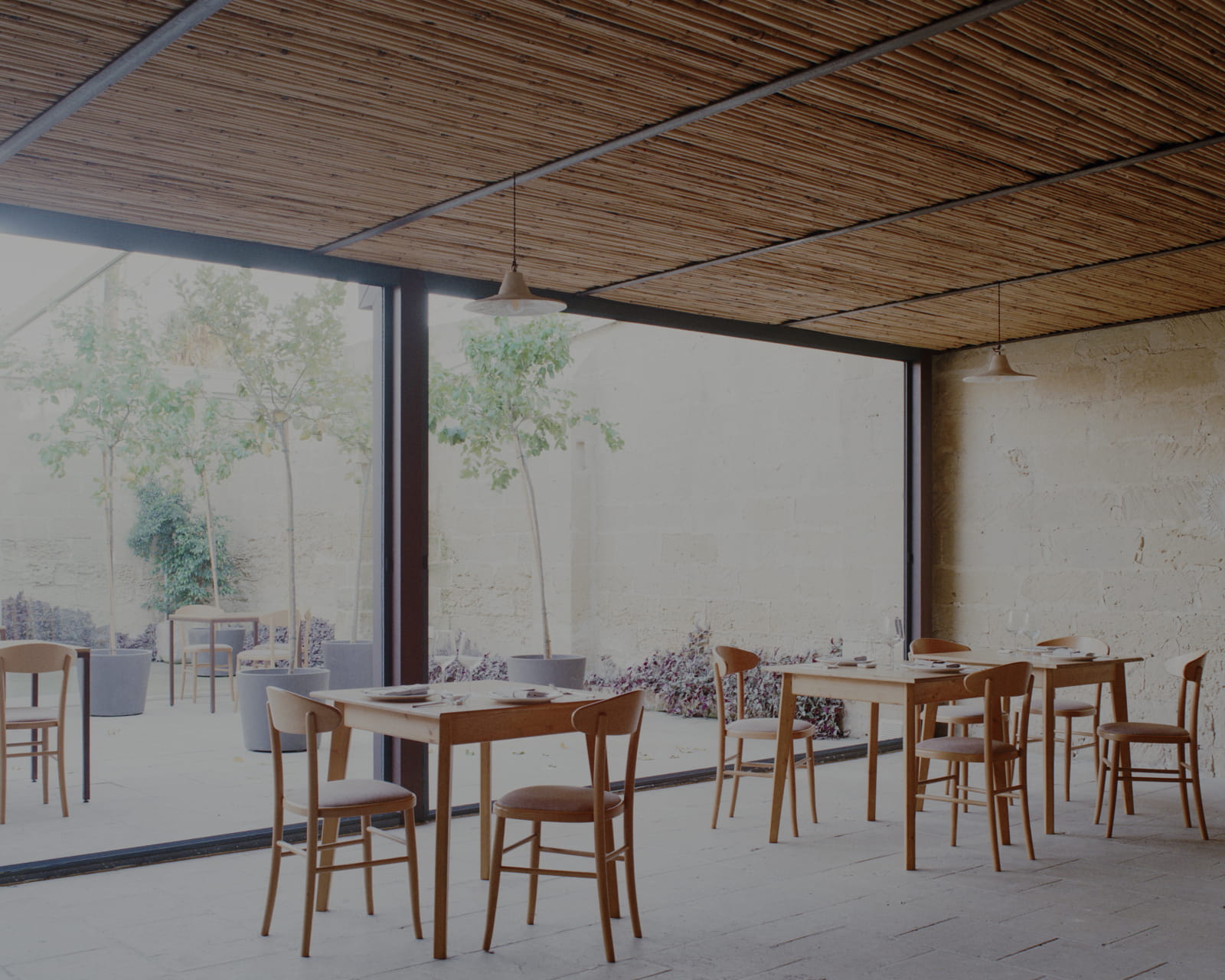
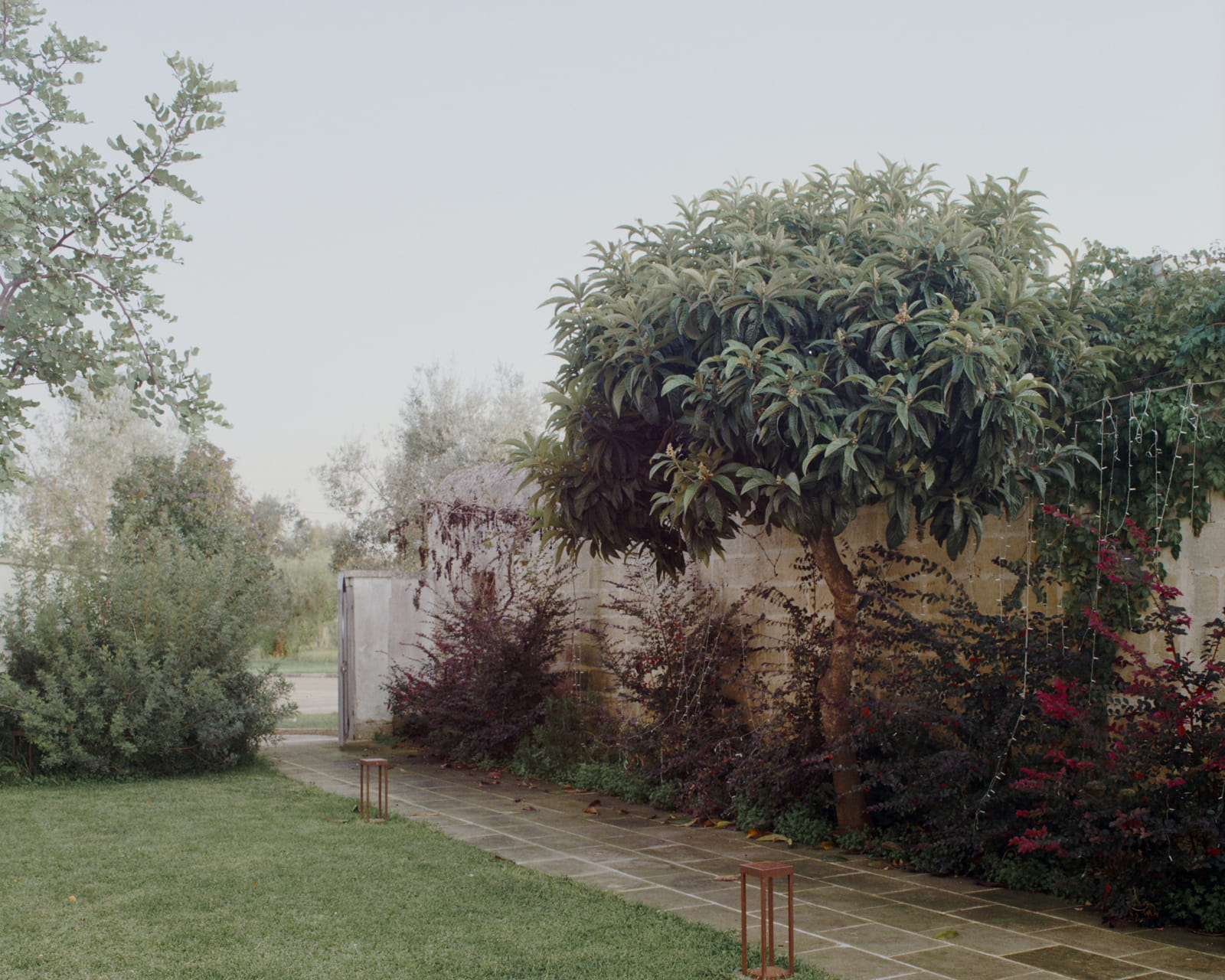
Through subtraction, material coherence, and measured insertions, the project reconnects the complex to its cultural matrix.
Rather than imposing a new image, it allows the masseria’s spatial archetypes, construction logic, and elemental materials to re-emerge—demonstrating how contemporary design can operate as a quiet interpreter of place, sustaining continuity while enabling new forms of inhabitation.
Drawing
Short bio
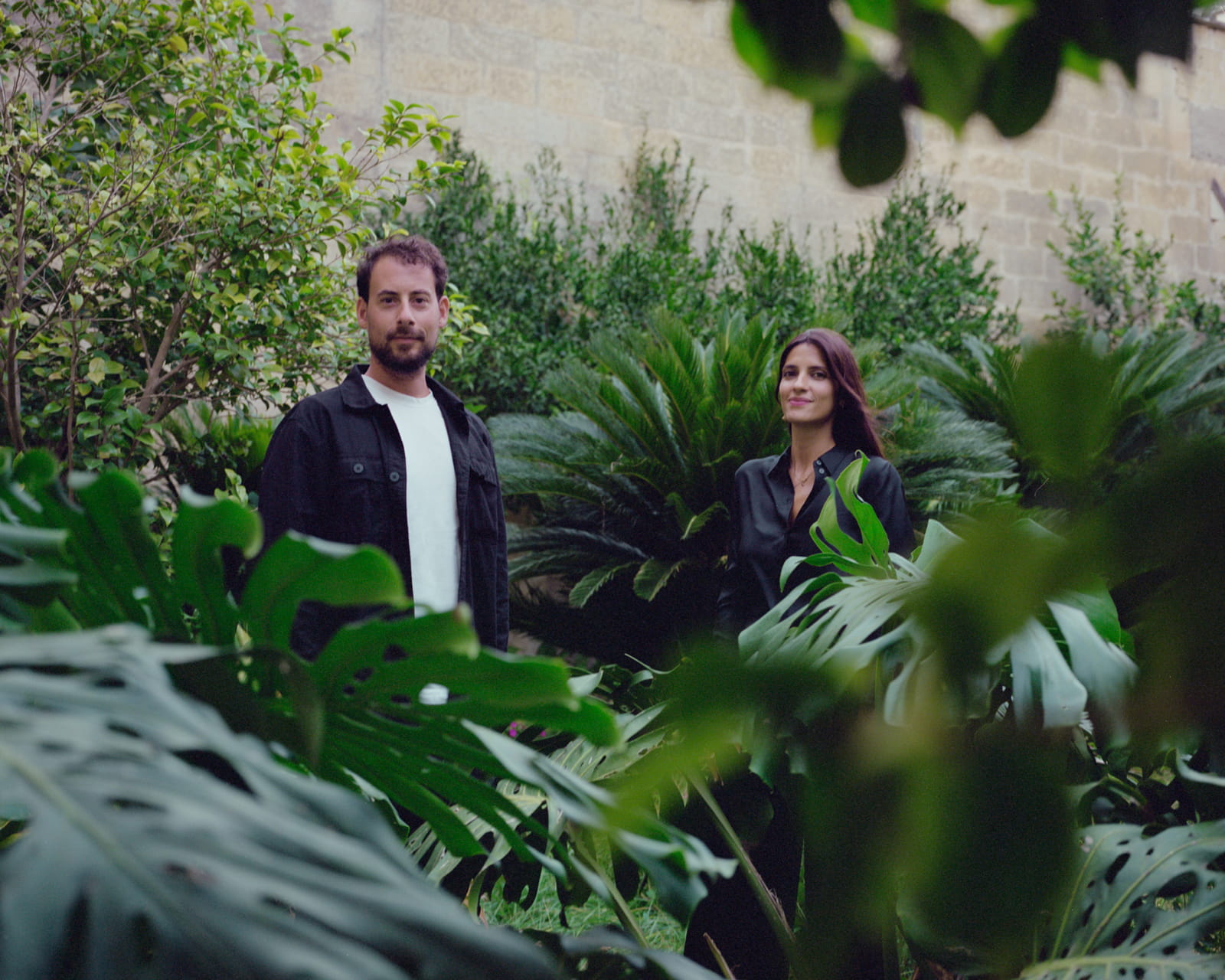
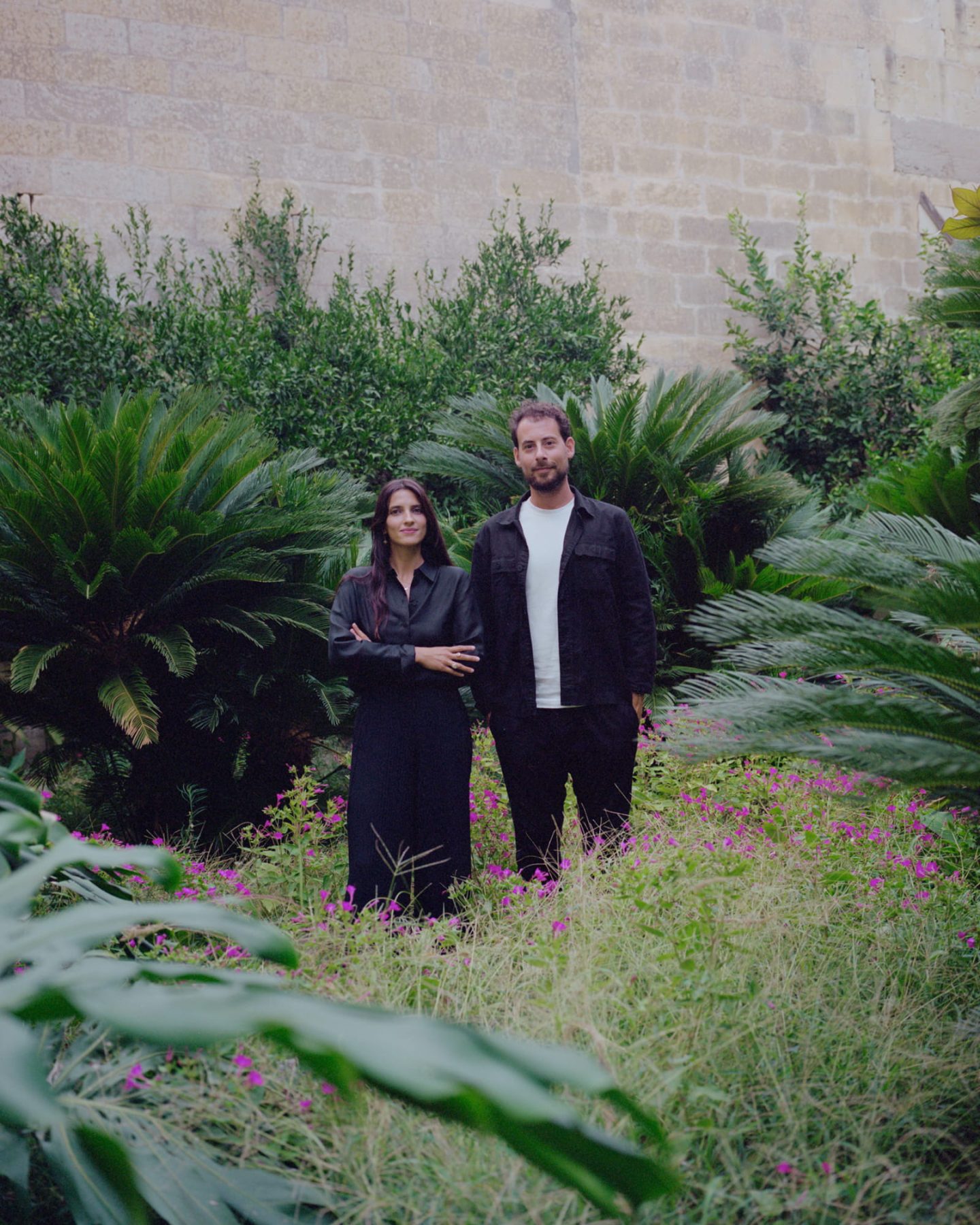
MARGINE was born in 2012 from an idea of Giulio Ciccarese and Valentina Pontieri, two professionals who share the vision of an Architecture capable of narrating and supporting the transformations of space as the needs of man, nature and society change.
The research activity on a formal, functional and technological level inspires a complex architecture, capable of holding together the creative and implementation phases of the project, quality checks, costs and processing times. The studio collects and interprets the client’s requests by proposing
solutions that enhance the spaces to be built or recovered, following every phase of the building process, from design to construction management.
The firm deals with landscape enhancement and protection interventions, territorial planning, urban regeneration and participatory urban planning processes, providing advice to public and private entities in the economic and technical planning of interventions.
Giulio Ciccarese was born in the province of Lecce in 1986. He graduated from the Sapienza University of Rome in 2012 and deals with feasibility, sustainability and planning.
Valentina Pontieri was born in Crotone in 1986. She studied at the Ecole Nationale Supérieure d ‘Architecture et Paysage de Lille and graduated from the Sapienza University of Rome in 2012. She is involved in research and design for the studio.
Facts & Credits
Title Masseria Caronte: Restoration of a historic rural residence in Salento
Typology Architecture, Restoration, Restaurant
Location Salento, Italy
Status Completed, 2025
Architecture Margine
Photography Marcello Mariana
Text by the authors