The ‘Rural Living’ series explores how architecture intersects with rural landscapes and agricultural ways of life, questioning how we inhabit territories beyond the city.
The Mulberry Refuge at the foot of the hills of Montevecchia was restructured by a25architetti as a modest, meaningful intervention that transforms a small rural structure into a shared shelter for people and tools. Rooted in memory, physical labor, and collective rural heritage, the Refuge embodies an architecture of care by honoring everyday life and showing how rural architecture can evolve to support craftsmanship, social exchange, and continuity between past and present.
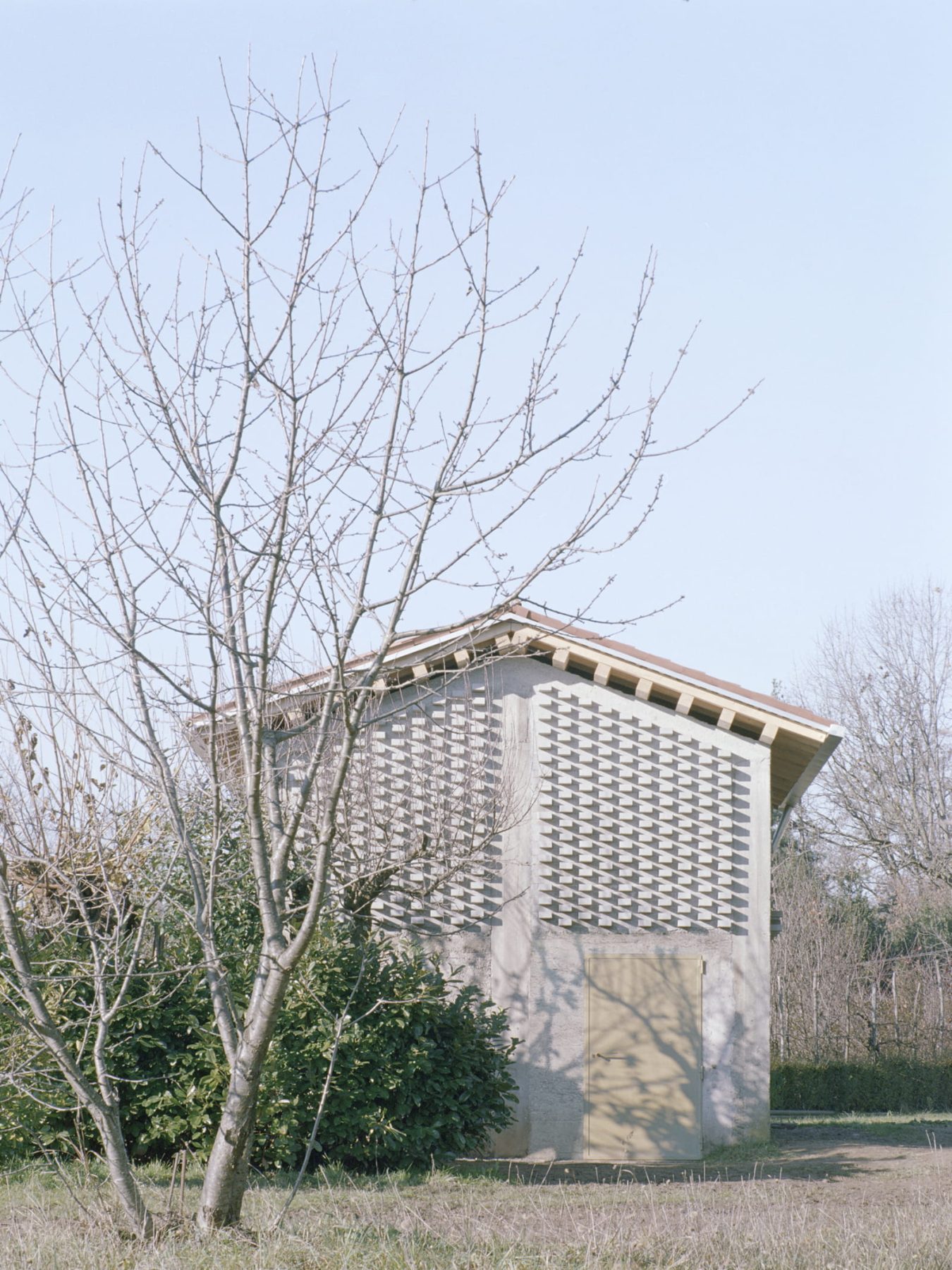
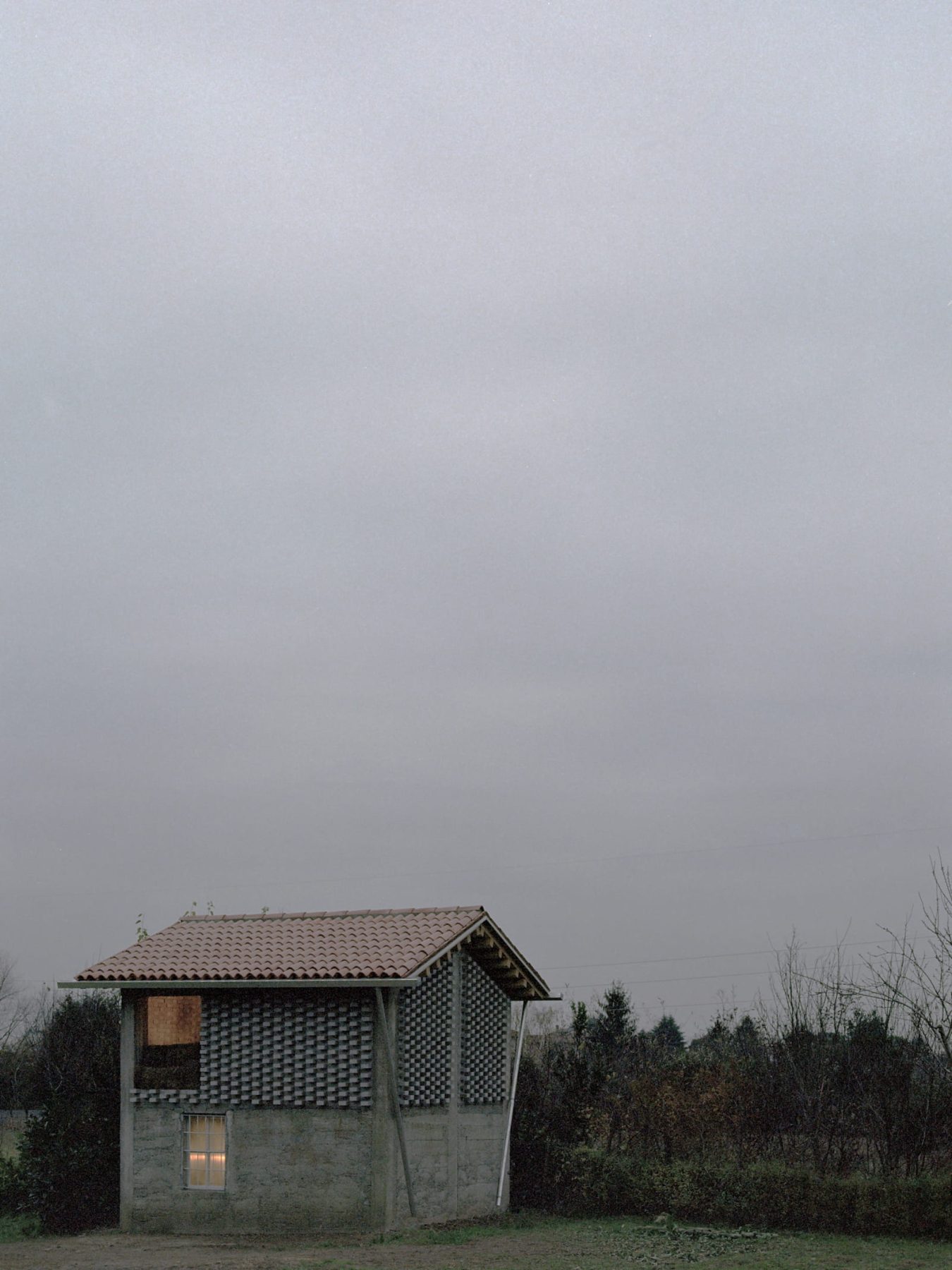
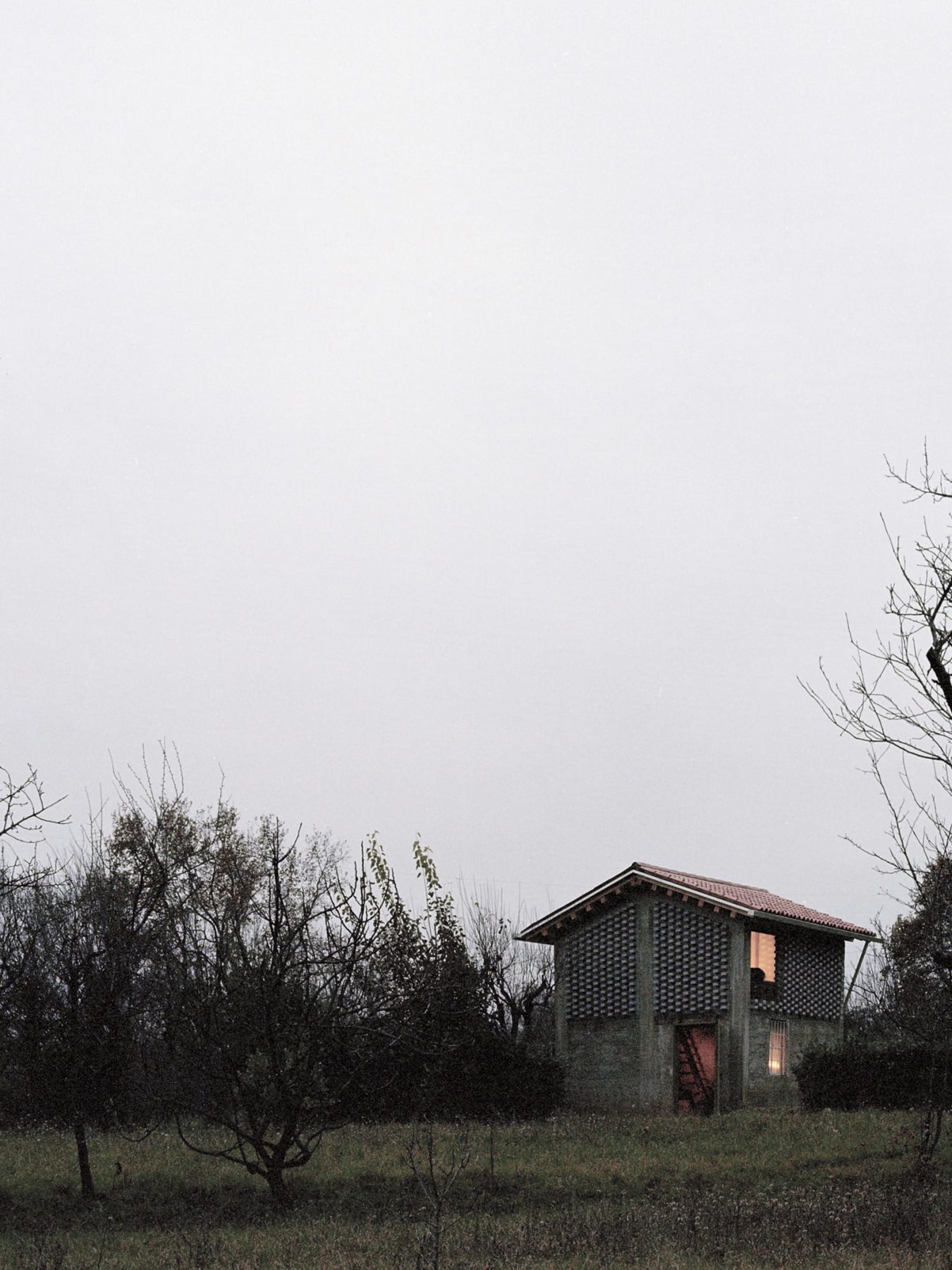
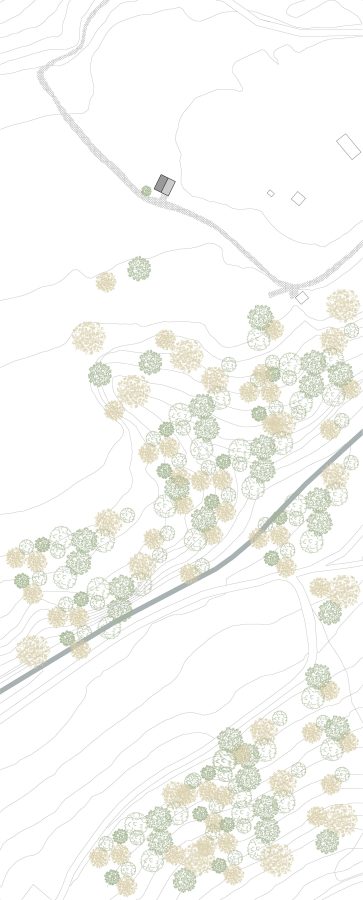
The Mulberry Refuge is the renovation and enhancement of a small agricultural building serving the surrounding land in northern Brianza, at the foot of the hills of Montevecchia.
This territory has long been defined by agricultural production and rural labor, its landscape shaped by cultivation, paths, and modest utilitarian structures that quietly supported everyday life.


Since the early 1900s, the area was closely linked to silk production and mulberry farming, with trees planted across farms and hillsides to feed silkworms. While those activities have gradually disappeared—replaced by hay meadows, pasture, and corn crops—traces of this past remain embedded in the land.
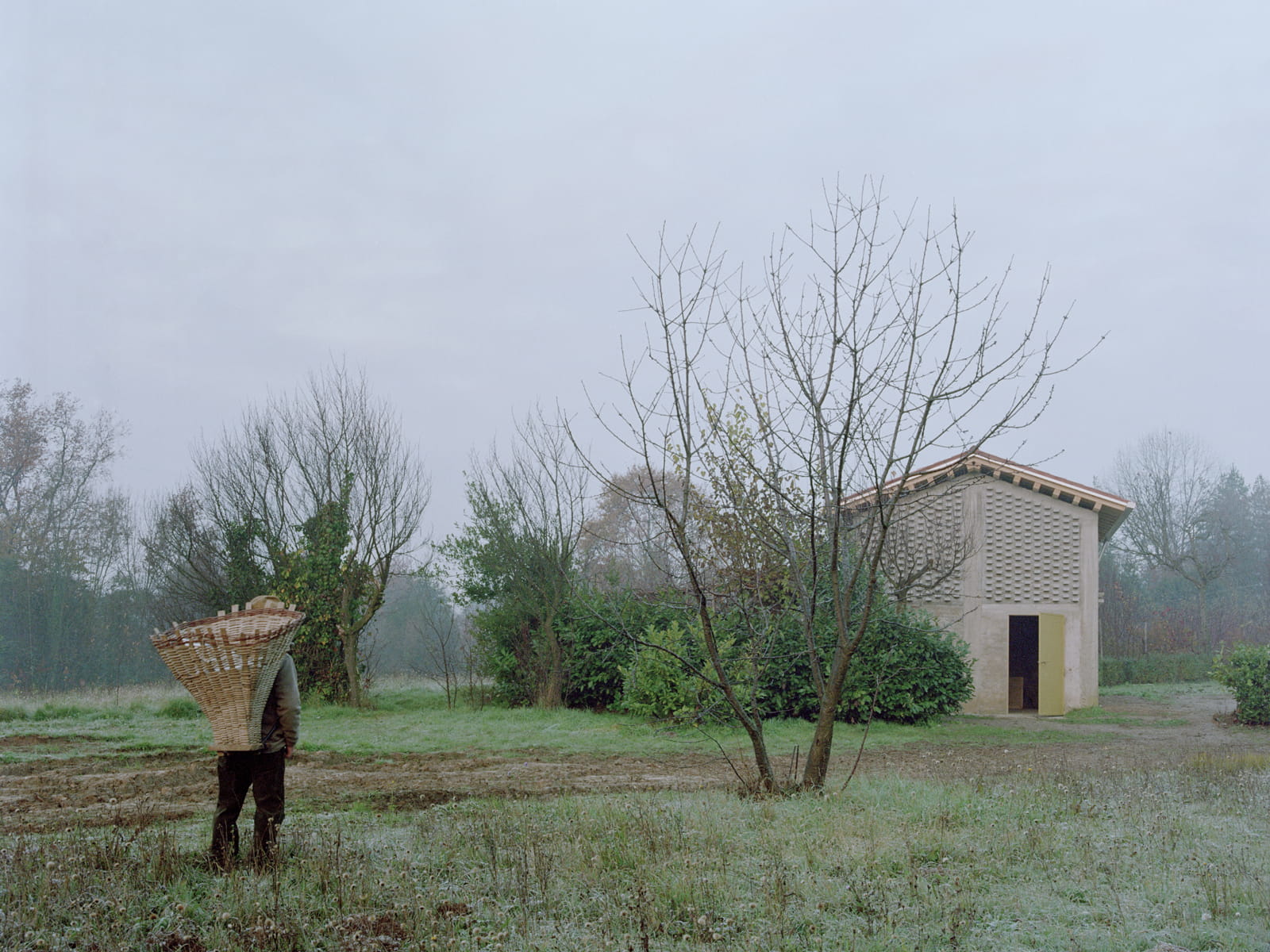
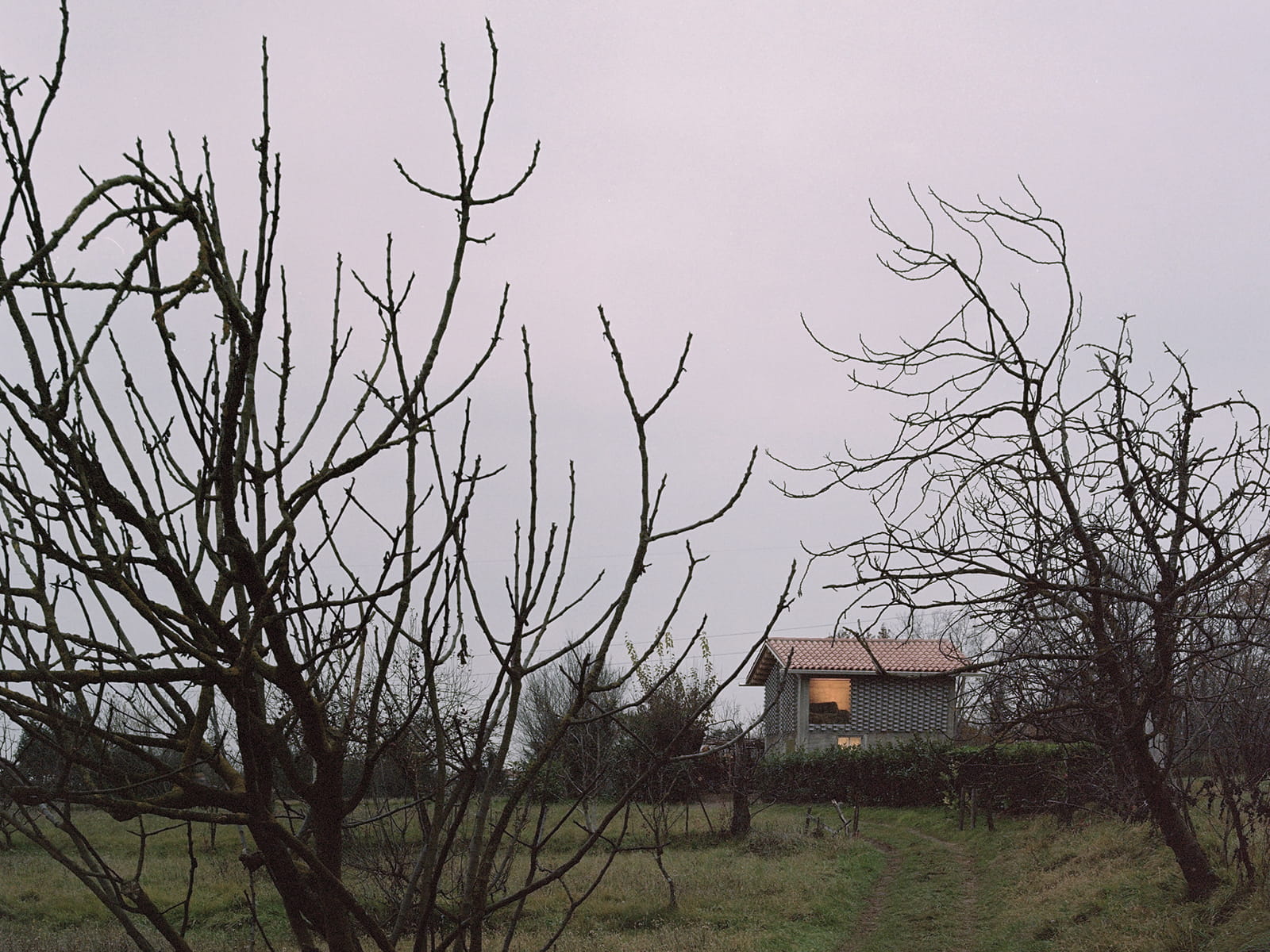
One of the few surviving mulberry trees still stands directly in front of the Refuge, anchoring the project to a broader agricultural memory.
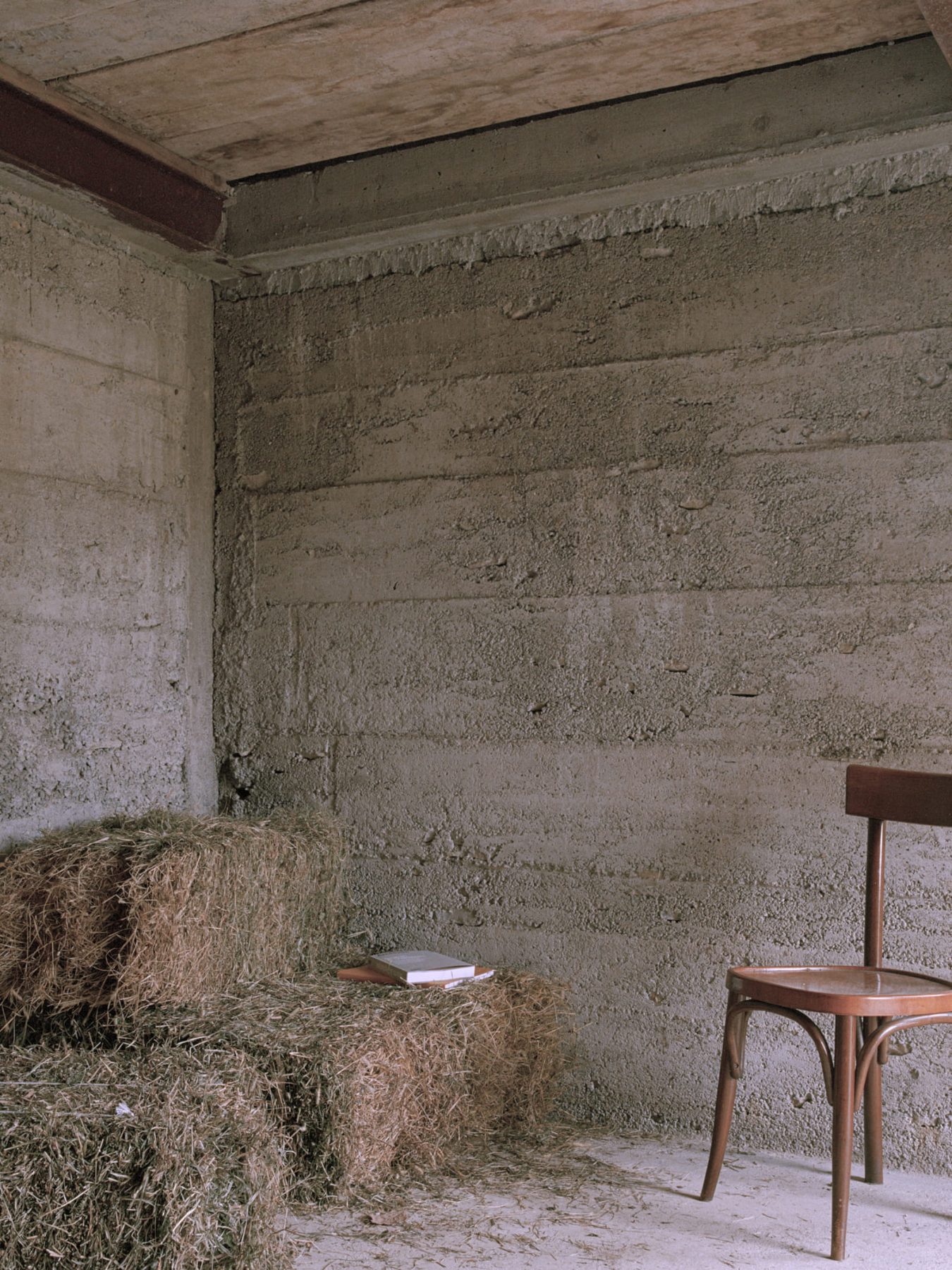
Over the last fifty years, the building functioned as a barn and tool shed, continuously adapted to immediate needs and repaired with low-quality, makeshift materials. Beneath these accumulated layers, however, the restructuring process revealed an unexpectedly clear and honest architectural character. Once stripped back, the building exposed its simple structure in rough cement, allowing its essential form to re-emerge.
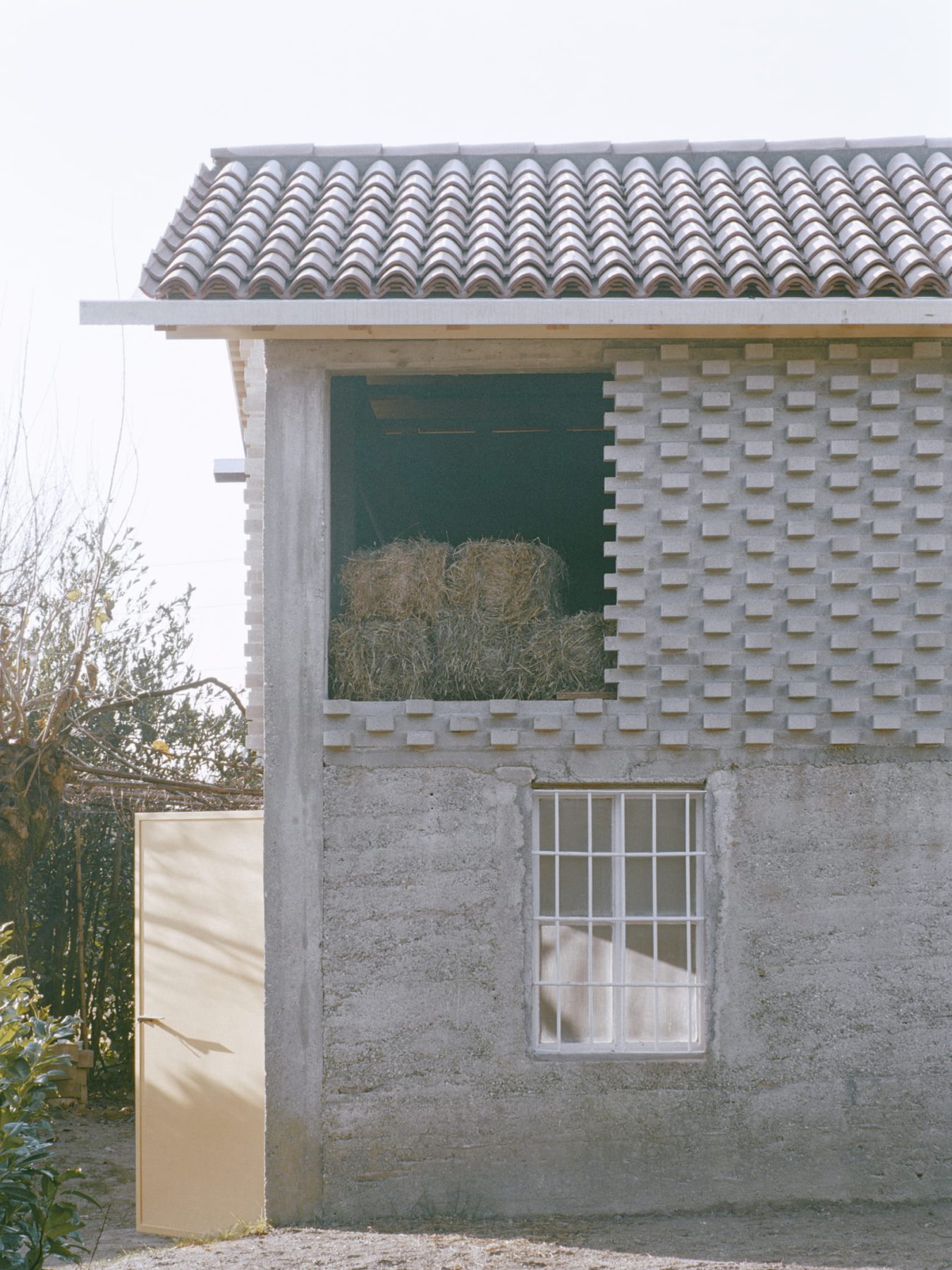
The intervention preserves this raw authenticity while carefully reworking the building’s functionality.
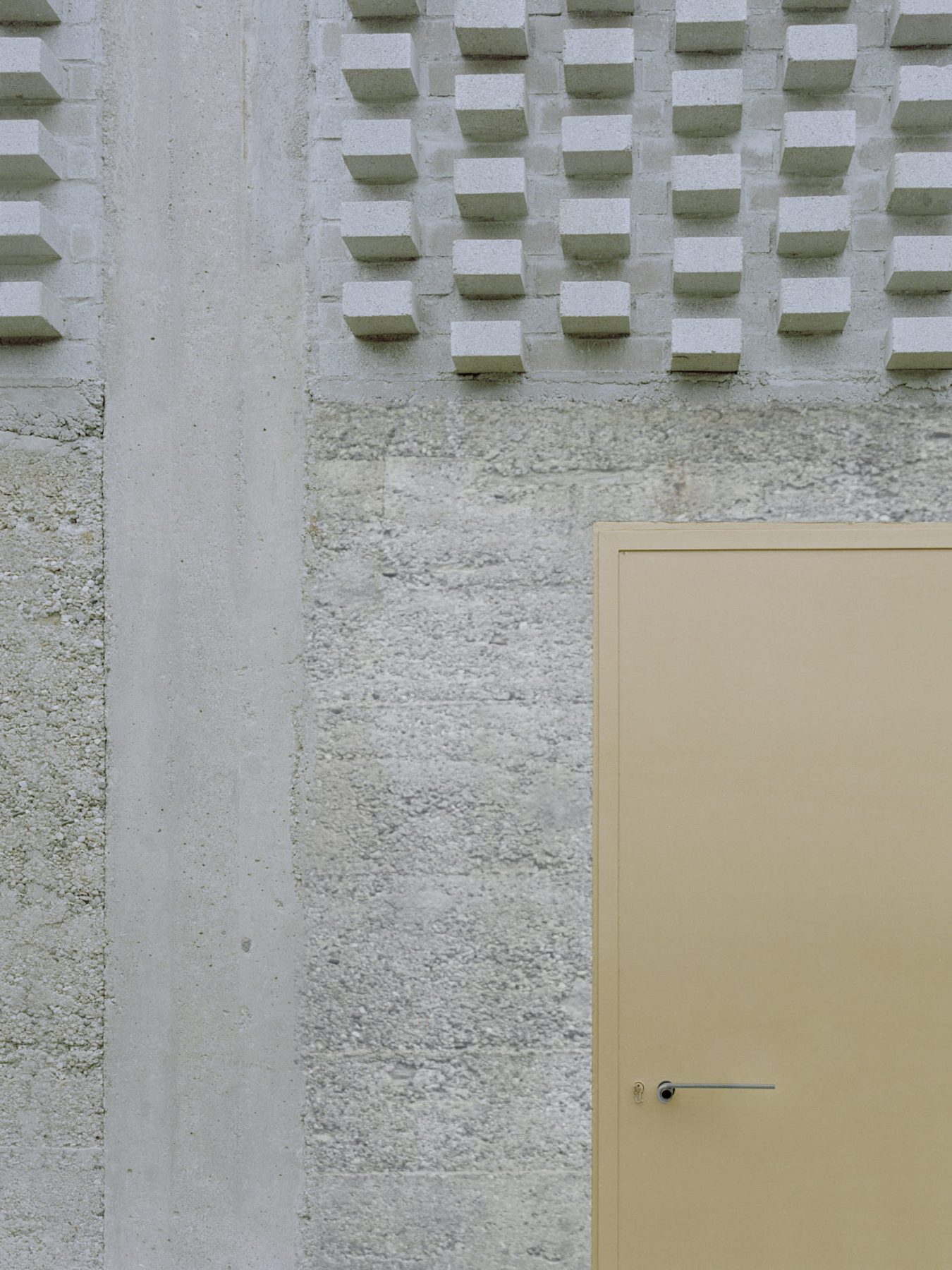
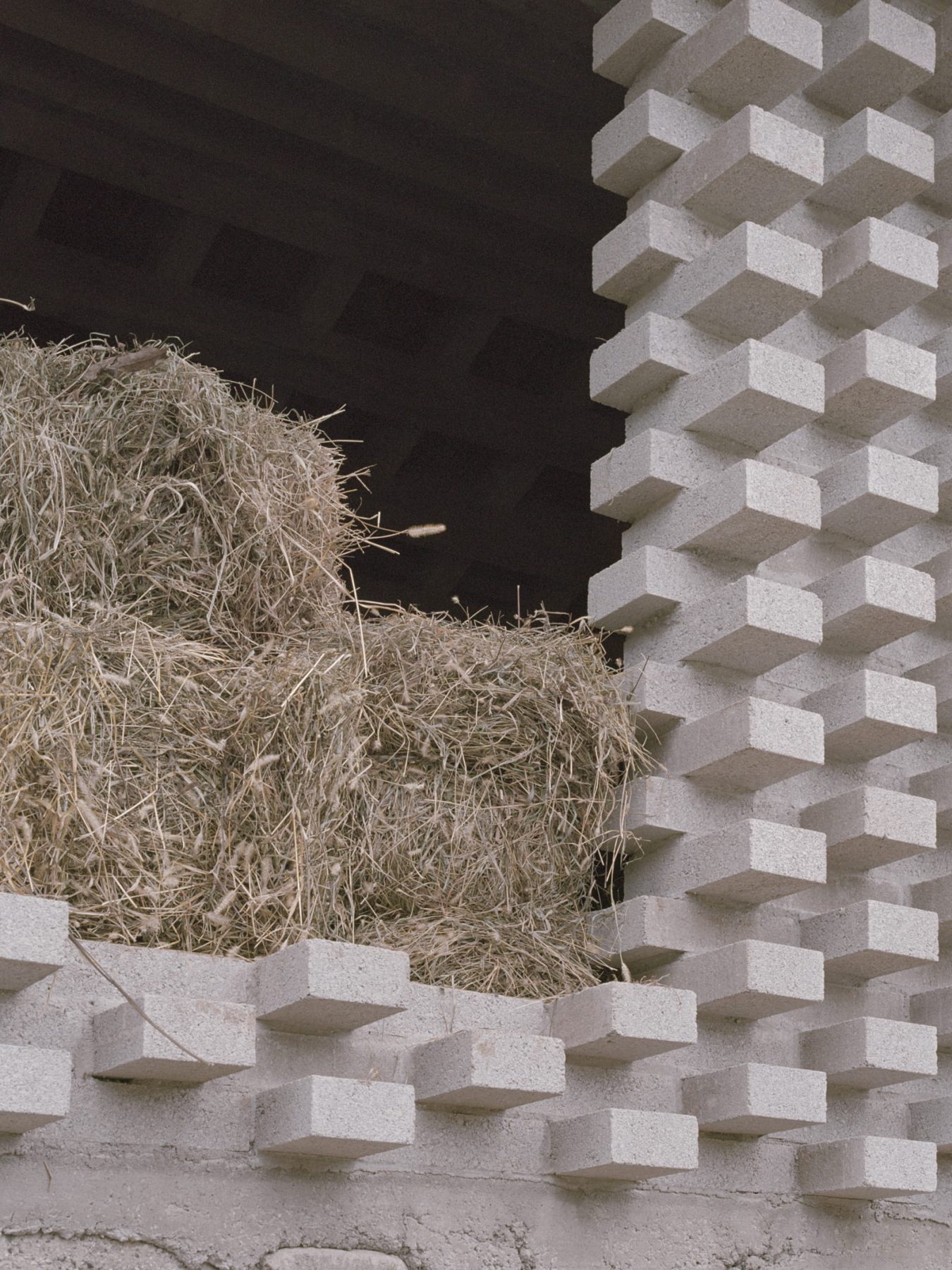
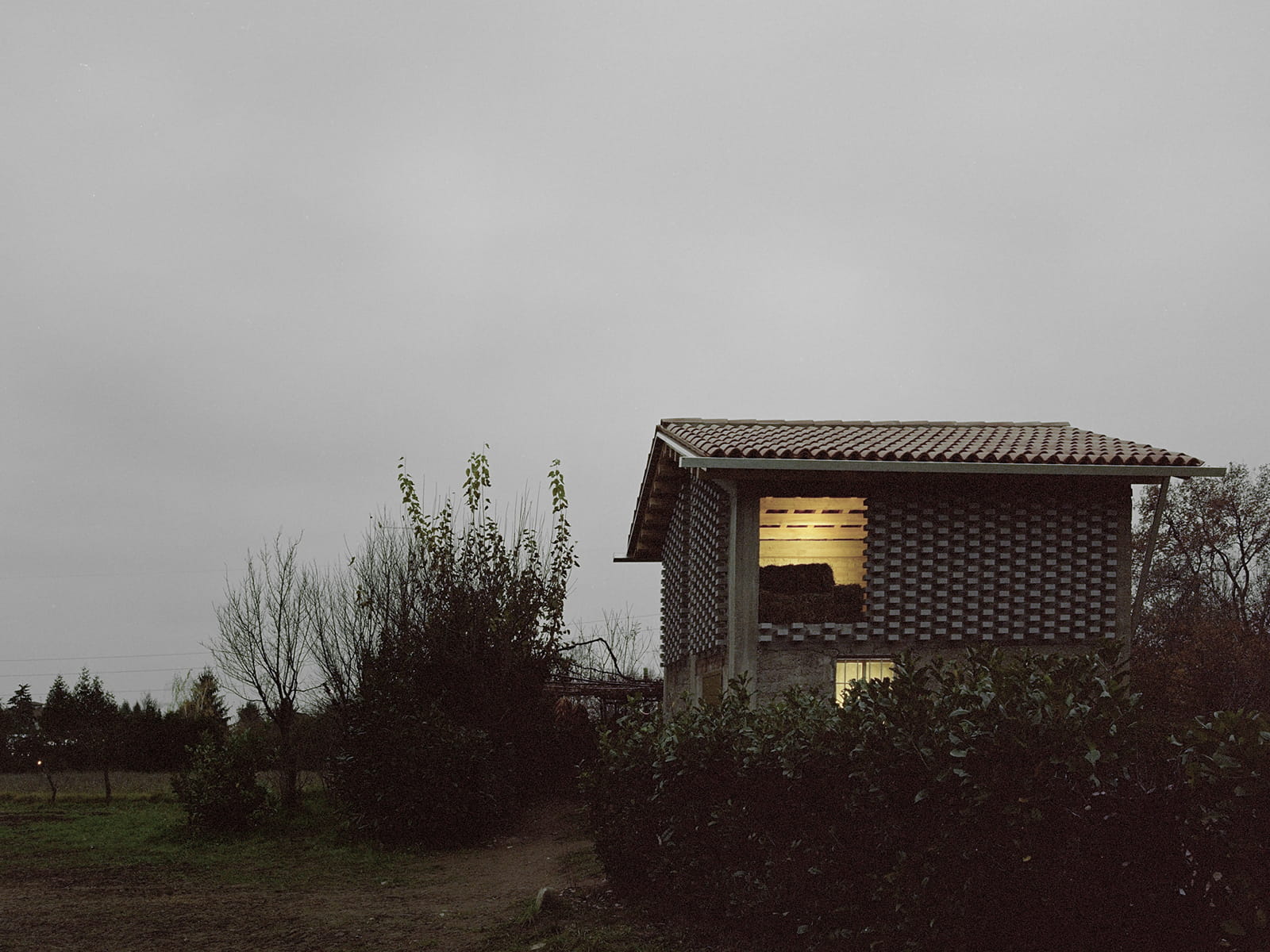
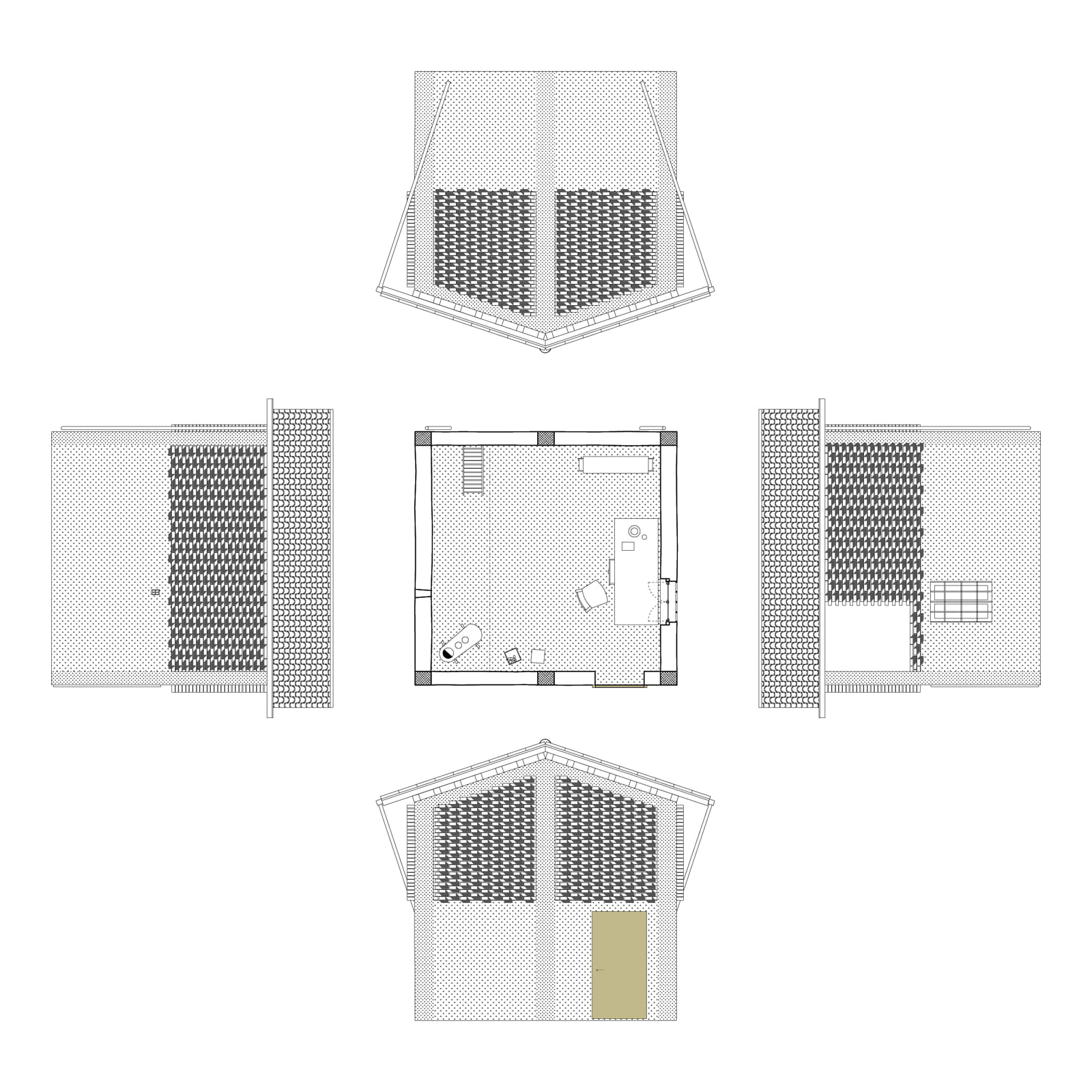
The lower portion was cleaned and retained, while the upper level was reconstructed with cement bricks to replace walls previously assembled from waste materials. The project responds directly to the owner’s needs: an agricultural storage and barn on the upper floor, and a more convivial, sheltered space on the ground level, with direct access from the path that runs in front of the building.
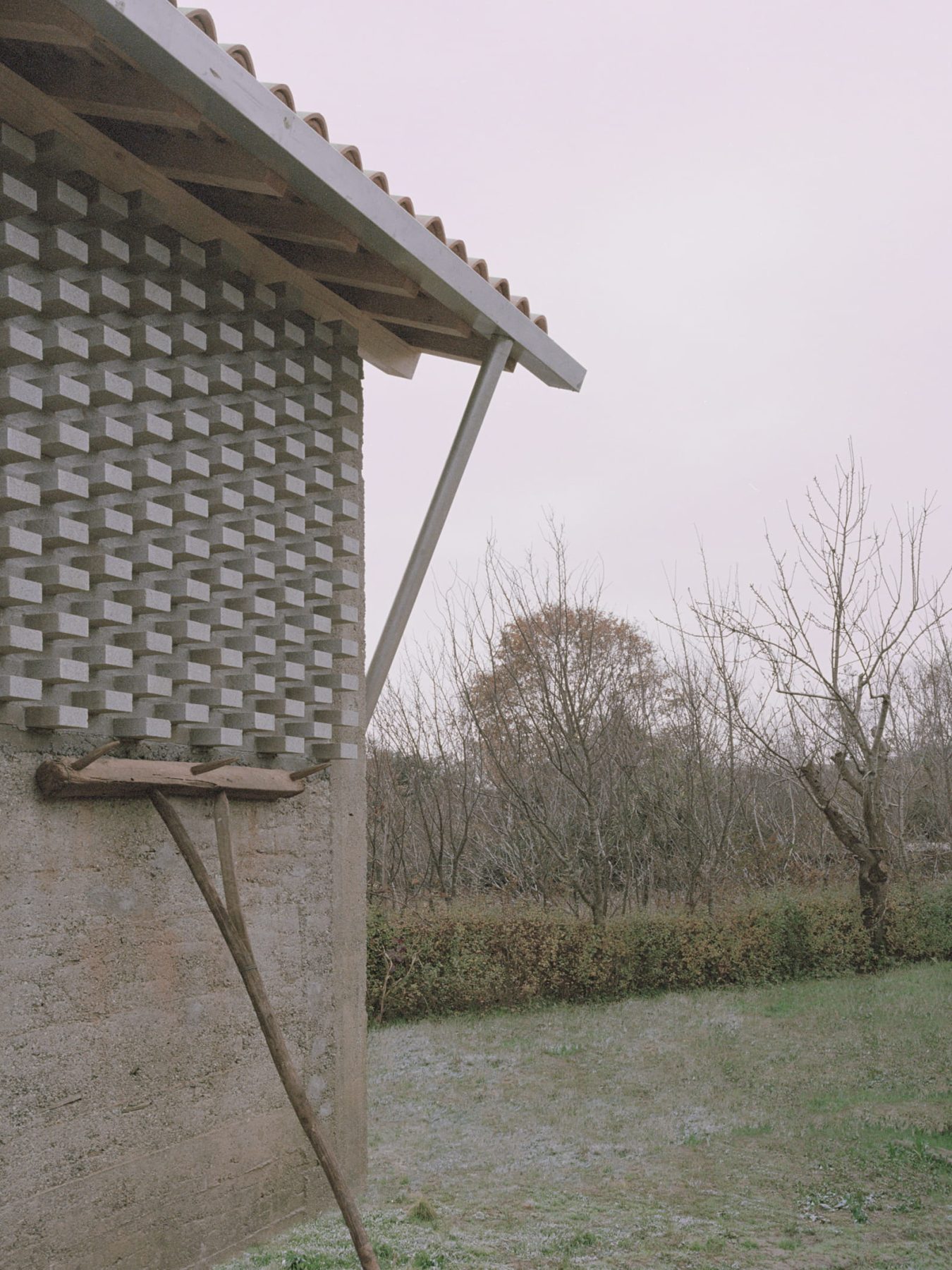
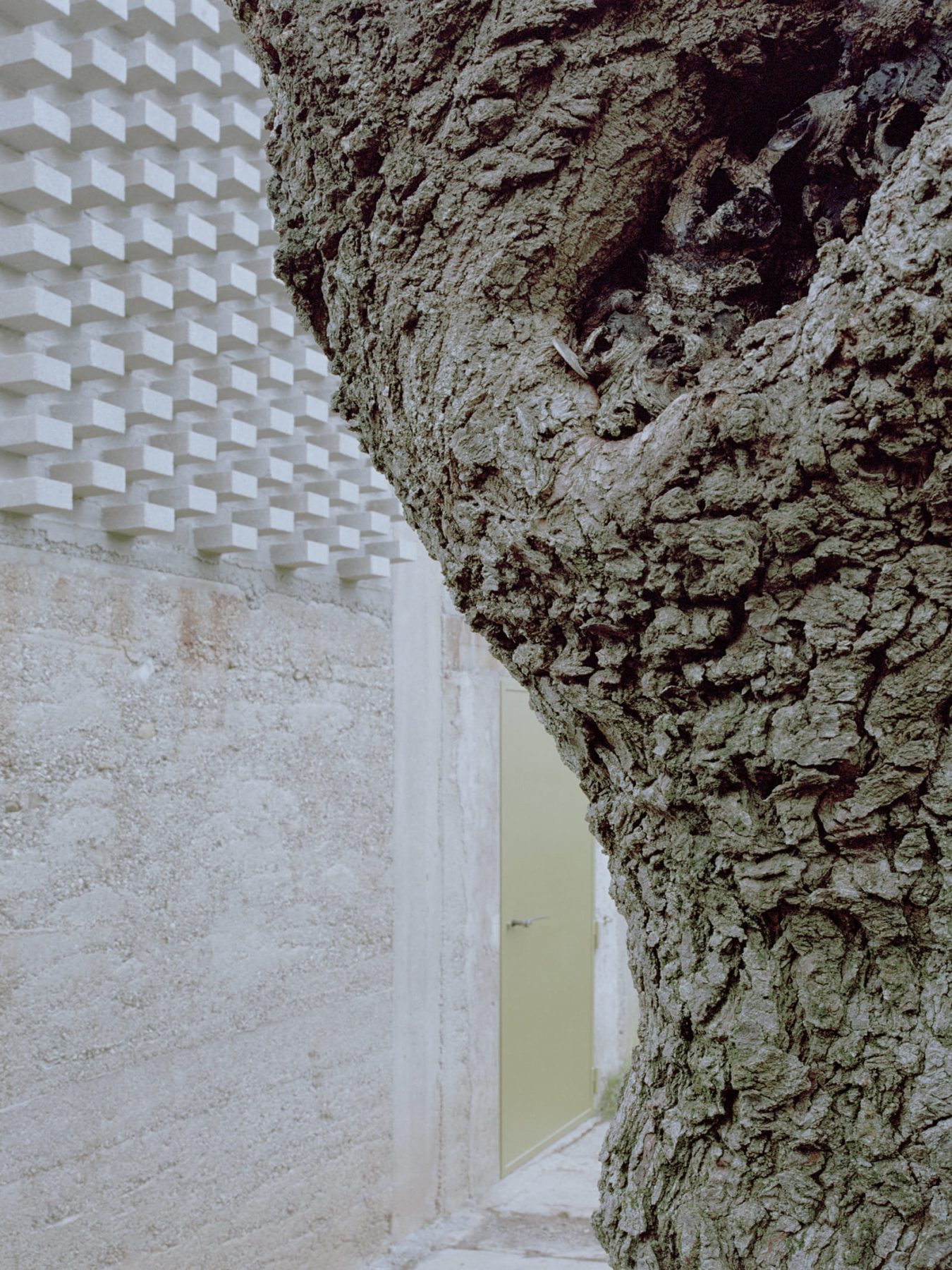
This ground-floor space has become the heart of the Refuge. It is here that the owner—Mr. Benvenuto, a former Garelli factory worker born in 1940—spends most of his time. After a lifetime of labor, he has turned this modest building into a place of presence and exchange, never missing an opportunity to talk with passers-by.
In this way, the Refuge has evolved into an informal meeting point, where rural architecture supports not only agricultural work but also social life.
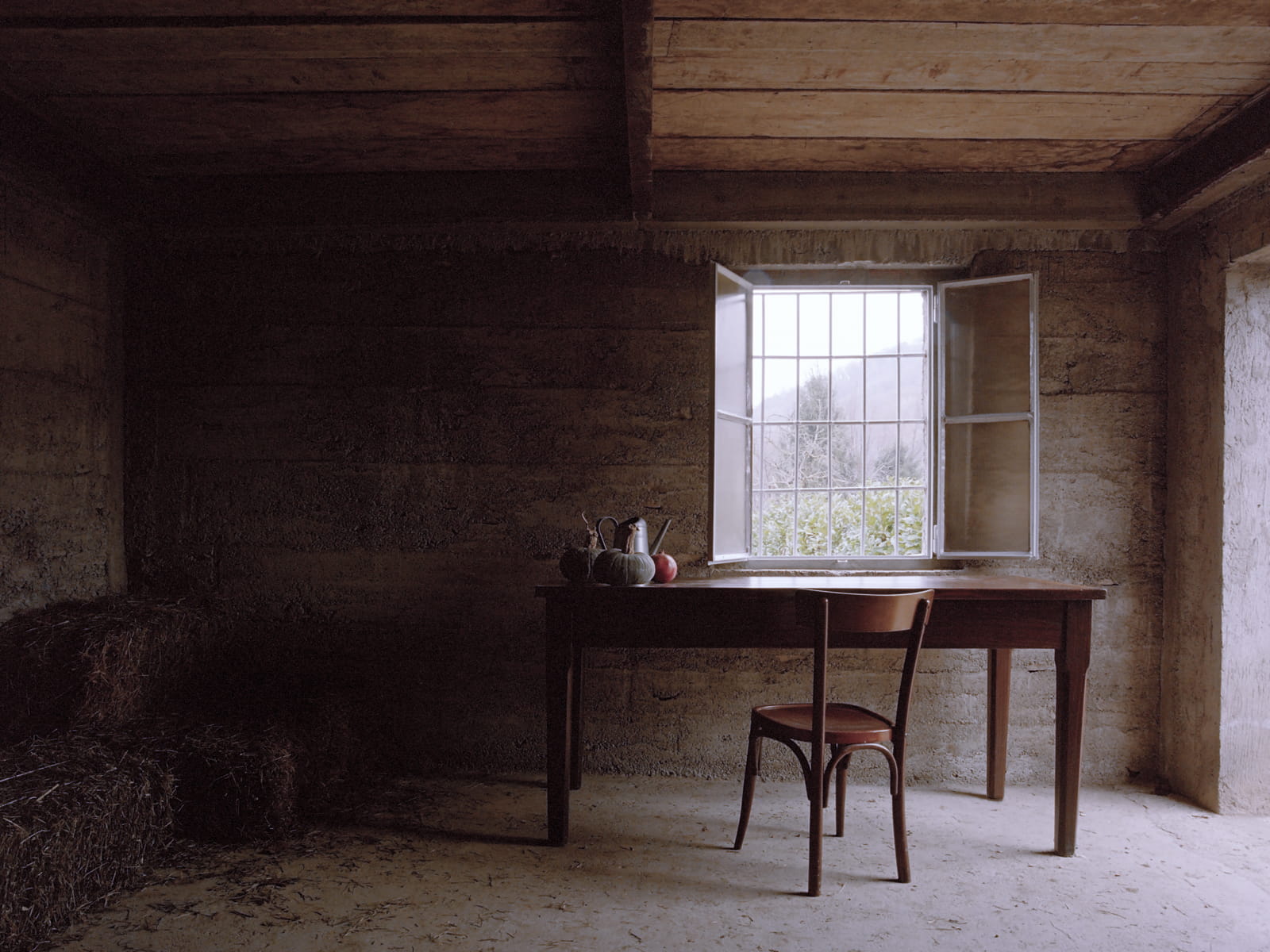
Inside, the atmosphere is deliberately minimal and intimate. A small table, a few chairs, and a single window carefully frame the surrounding landscape. The space feels private, almost secret—less a room than a pause within the rural fabric, where time slows and the outside world is quietly observed.
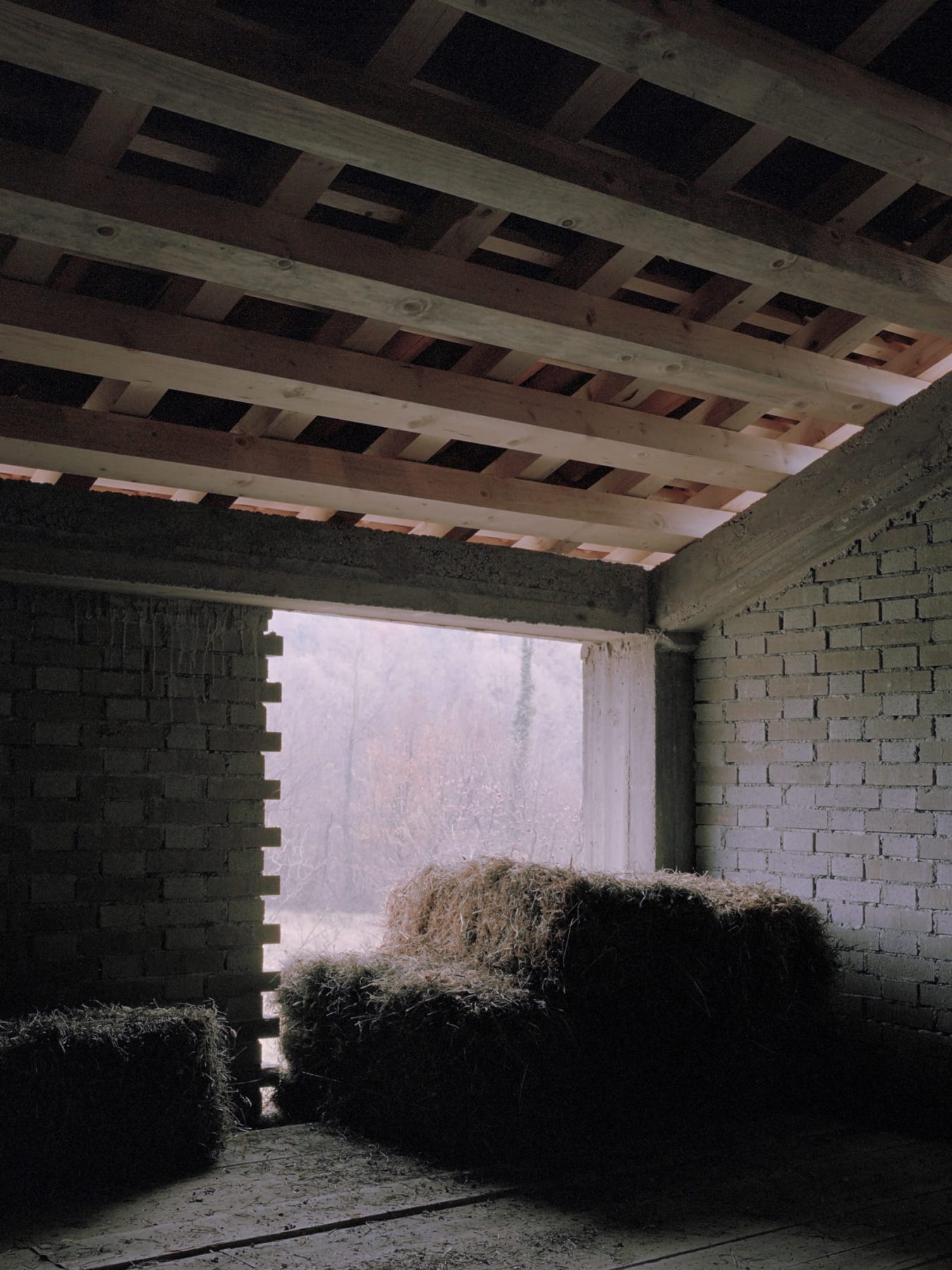
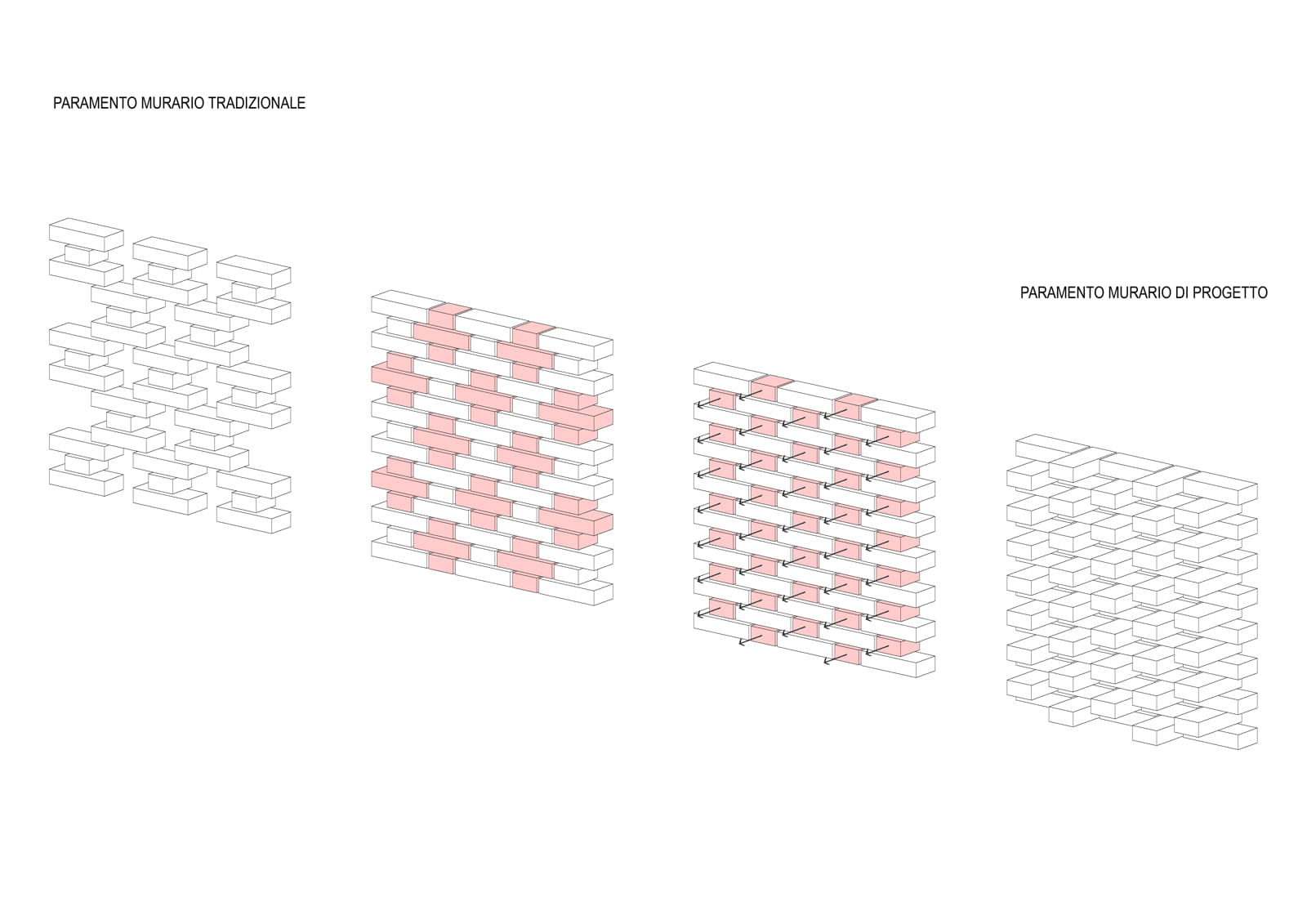
The upper floor remains devoted to agricultural use, functioning as storage for tools and small dried hay bales. Unlike traditional barns, which often feature permeable or open façades to allow for hay drying, this building did not require such conditions. Instead, the cement brick walls reinterpret, in a contemporary manner, the perforated masonry historically found in rural Lombard farm buildings—solid, pragmatic, and expressive in their restraint.
Material choices reinforce the project’s rural clarity.
Cement bricks define the upper volume, while the ground floor retains its exposed, untreated surfaces.
Fir wood is used for the roof structure, brick tiles for flooring, and raw sheet metal for channels and downpipes. All materials are left visible, simple, and honest, echoing the logic of rural construction where necessity and durability guide form.

A subtle yet poignant gesture marks the entrance: the existing sheet metal door has been painted a brass color. This small intervention elevates the threshold, signaling the value of what lies beyond—not in economic terms, but emotional ones.
Behind that door is a personal refuge, layered with memory, labour, and stories that belong not only to one man, but to a shared rural heritage.
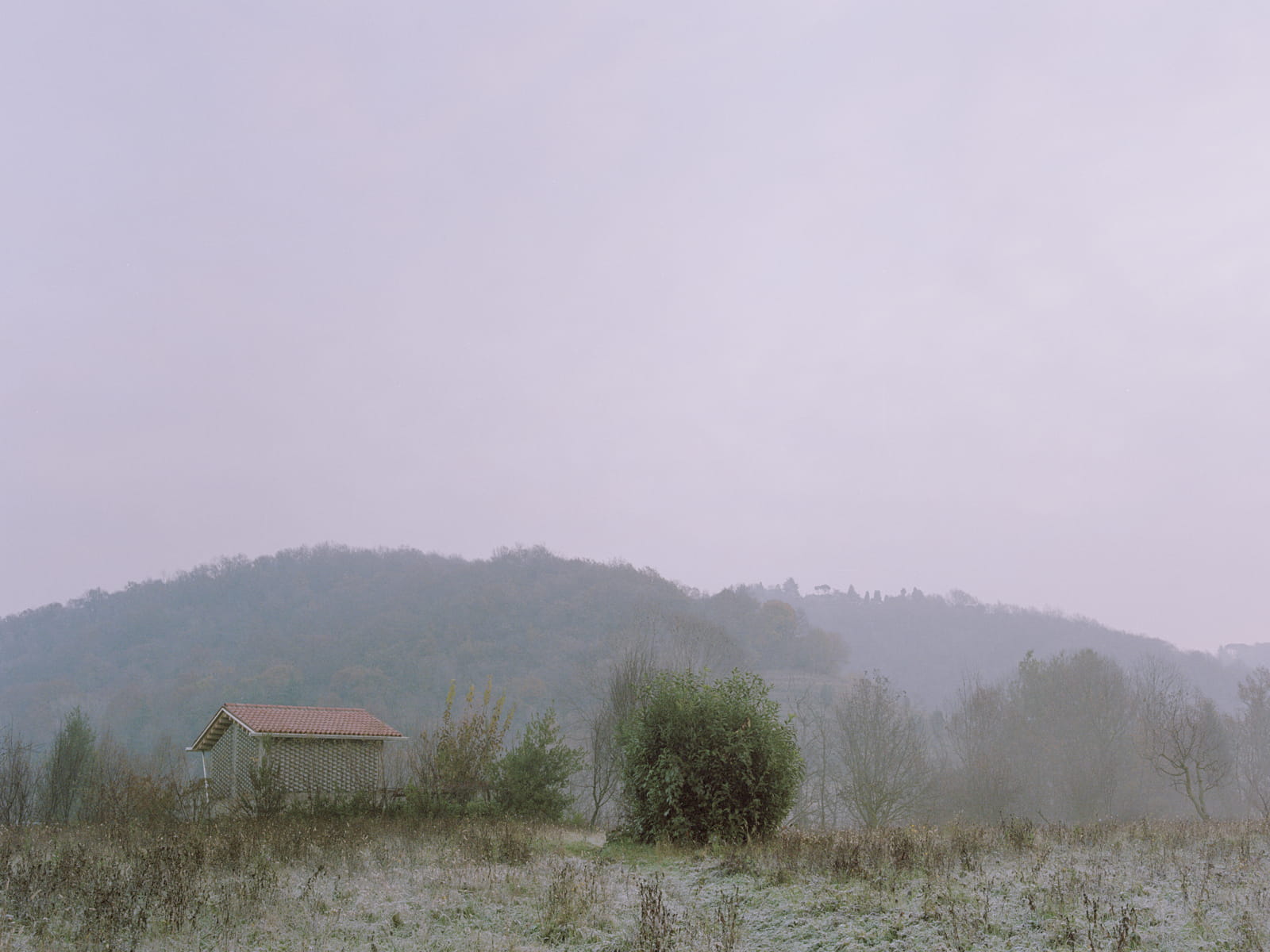
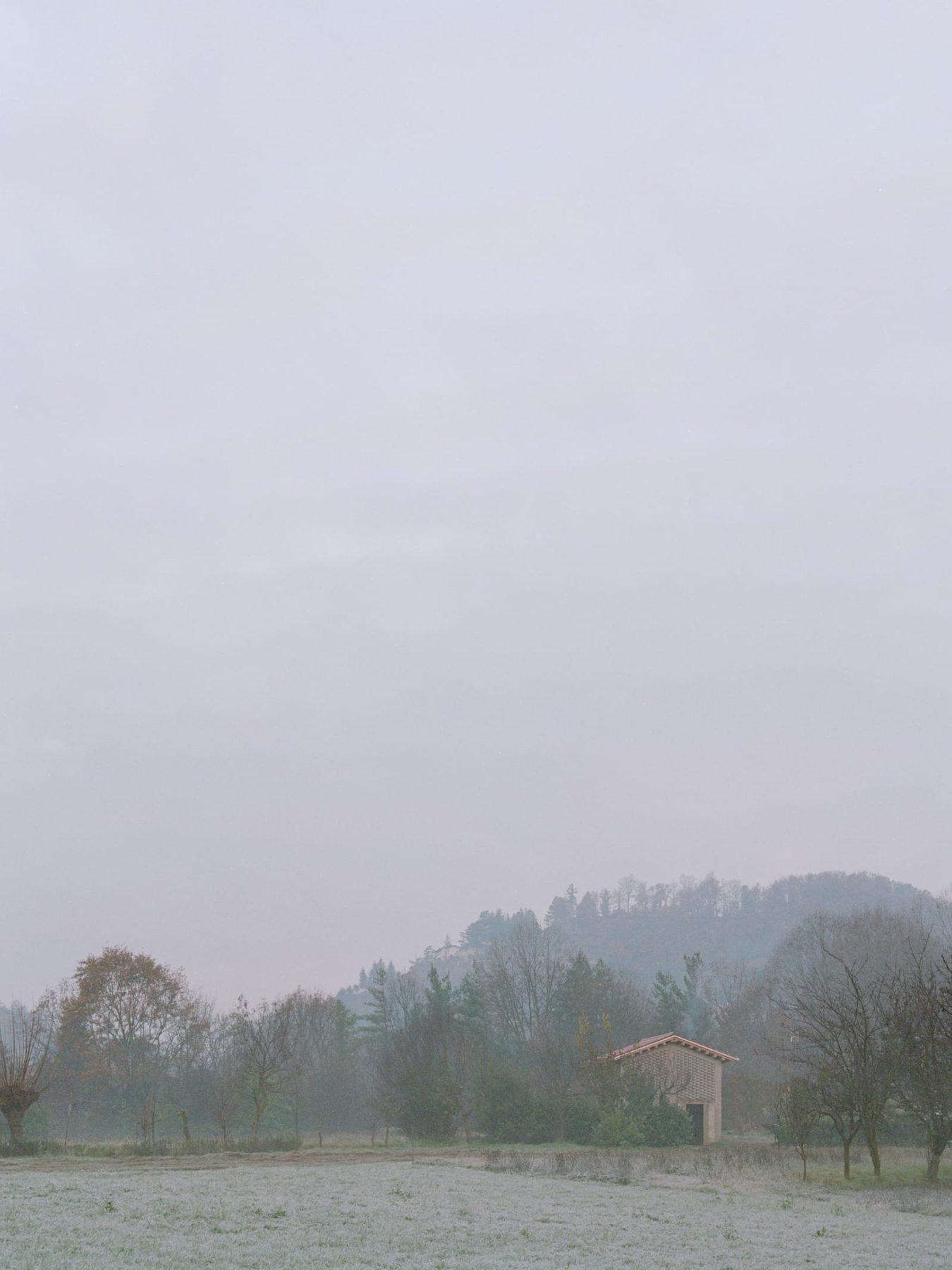
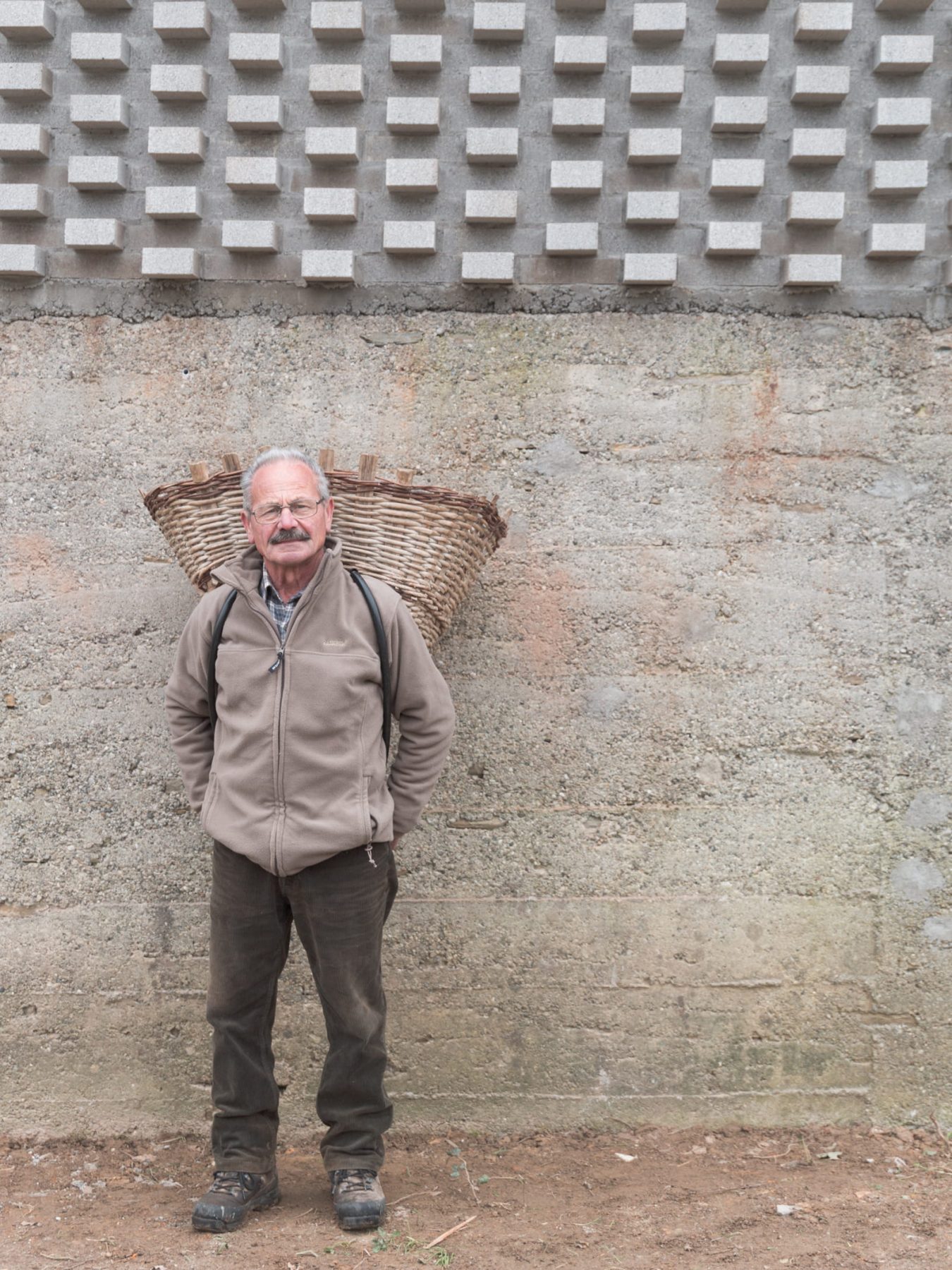
Rather than monumentalizing the countryside, the Mulberry Refuge embraces its modest scale and social dimension, demonstrating how rural architecture can continue to evolve supporting both labor and life, tools and conversations, past and present.
Drawings
Facts & Credits
Project title The Mulberry Refuge
Typology Architecture, Refurbishment
Location Montevecchia, Brianza, Italy
Architecture a25architetti
Status Completed, 2021
Photography Marcello Mariana
Text by the authors
Take a look at another project by a25architetti, ‘The house of memories on Lake Como’, here!
READ ALSO: Όλα όσα έγιναν στο 2ο συνέδριο του Hotel Experience στην Τεχνόπολη Αθηνών στις 18&19 Οκτωβρίου