Designed by Berlin-based studio aisslinger, HOBO Hotel Oslo redefines contemporary urban hospitality by offering its guests an immersive spatial design experience rooted in authenticity, sustainable design, and community spaces. Located in the city center and grounded in an “Architecture of Optimism”, inspired by the collective idealism of 1960s utopian communes, HOBO Hotel Oslo adopts a democratic, inclusive design language that shapes open, collective spaces encouraging interaction between travelers and locals.
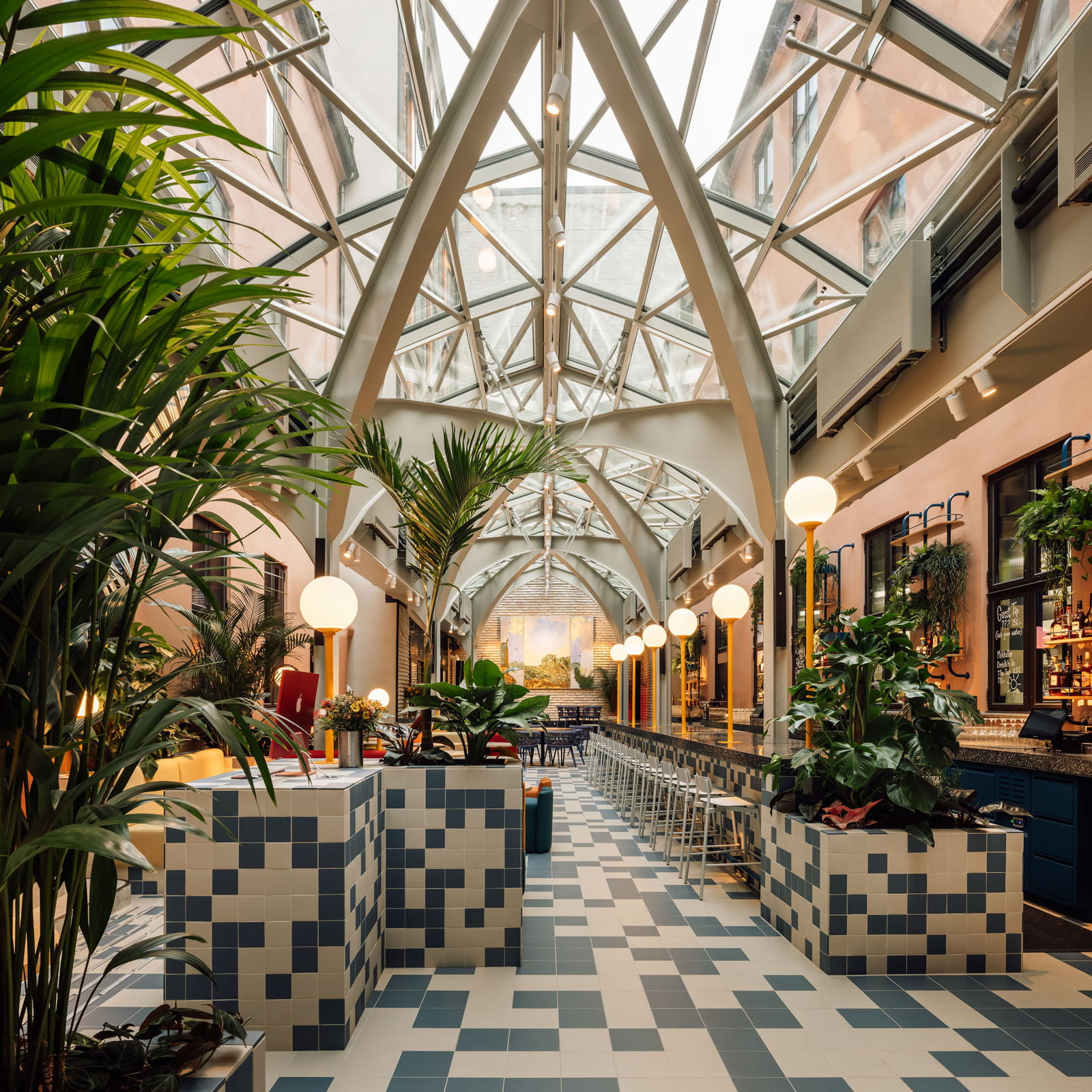
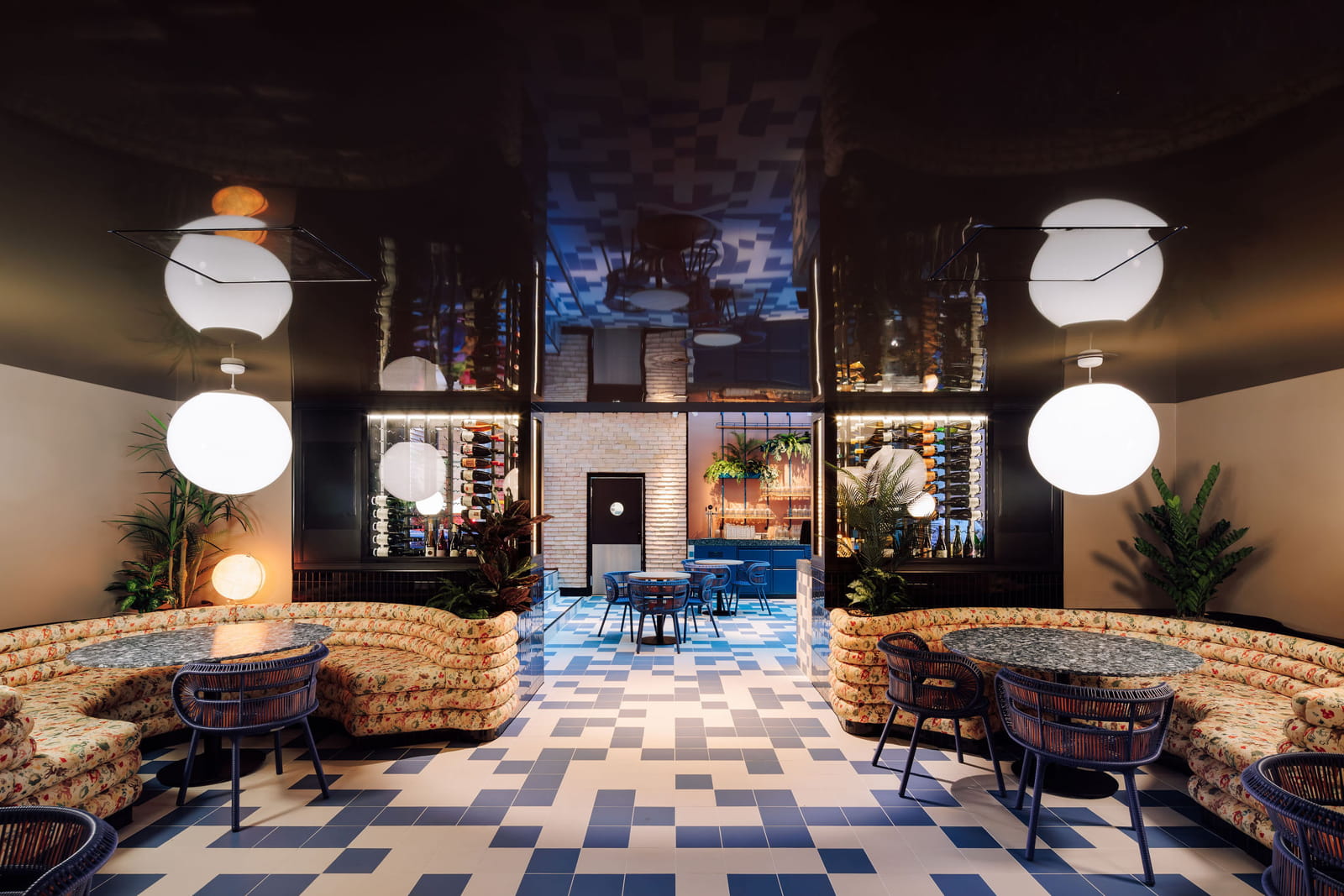
Following the openings of HOBO Hotels in Stockholm (2017) and Helsinki (2024), Berlin-based studio aisslinger has completed the interior design of the brand’s third Nordic outpost: HOBO Hotel Oslo.
Located in the heart of the Norwegian capital, just off Karl Johans Gate, the hotel opened on 15 October 2025 and introduces a new chapter in experience-driven urban hospitality.
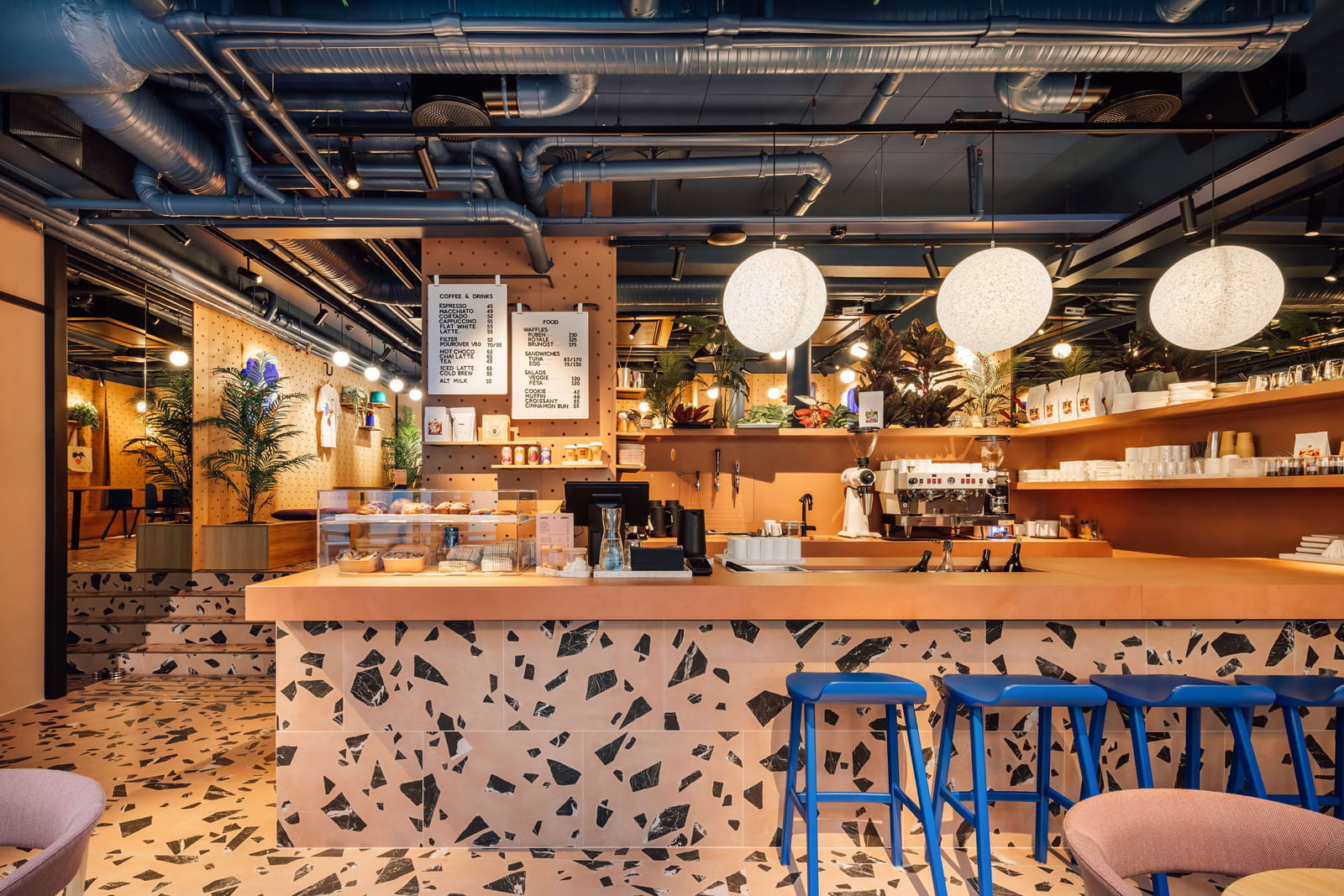
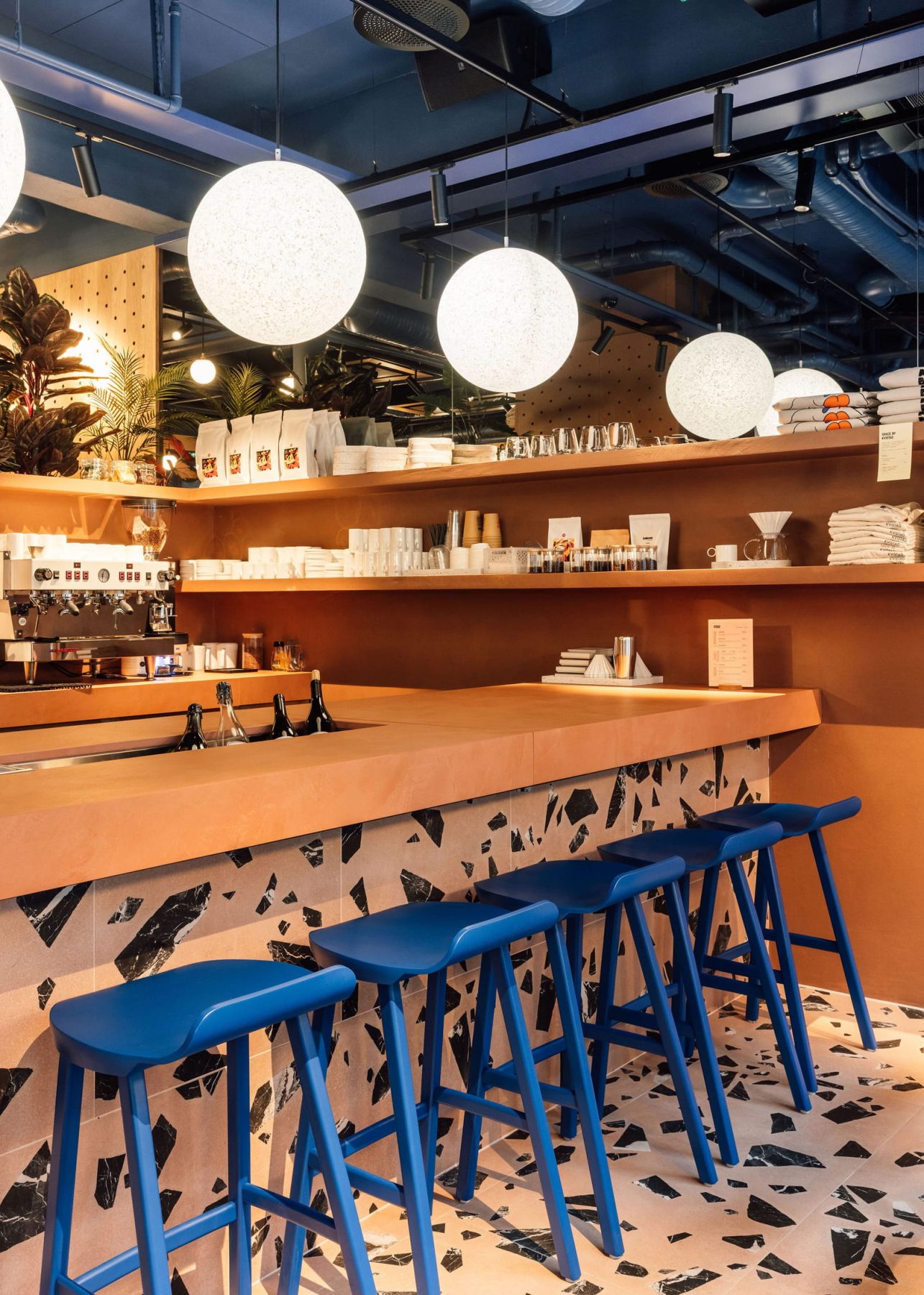
With 181 rooms and a sequence of public spaces conceived as open, collective environments, the project positions itself firmly within the broader discourse of contemporary hospitality atmospheres—where design becomes a catalyst for social interaction, shared experiences, and local engagement.
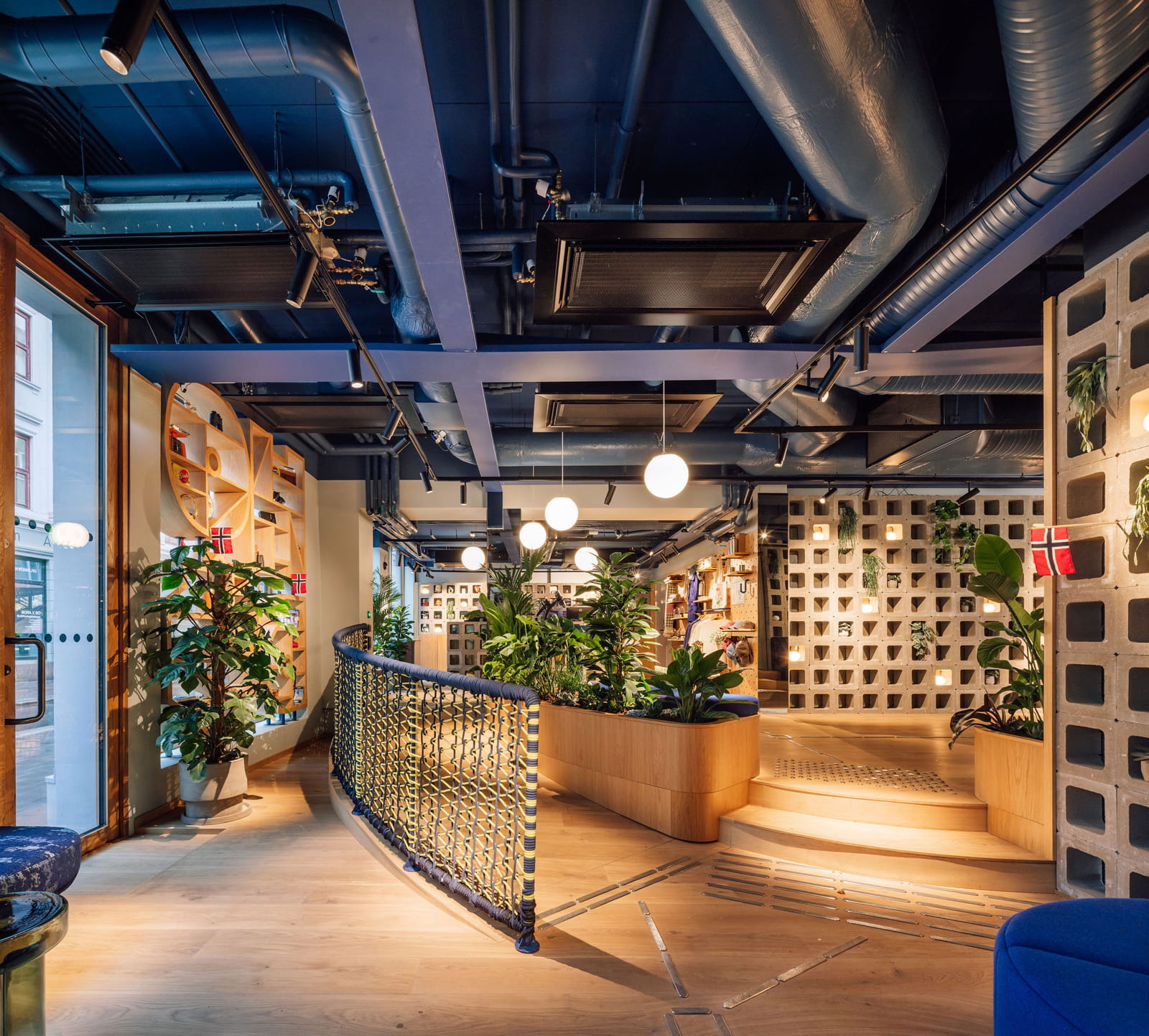
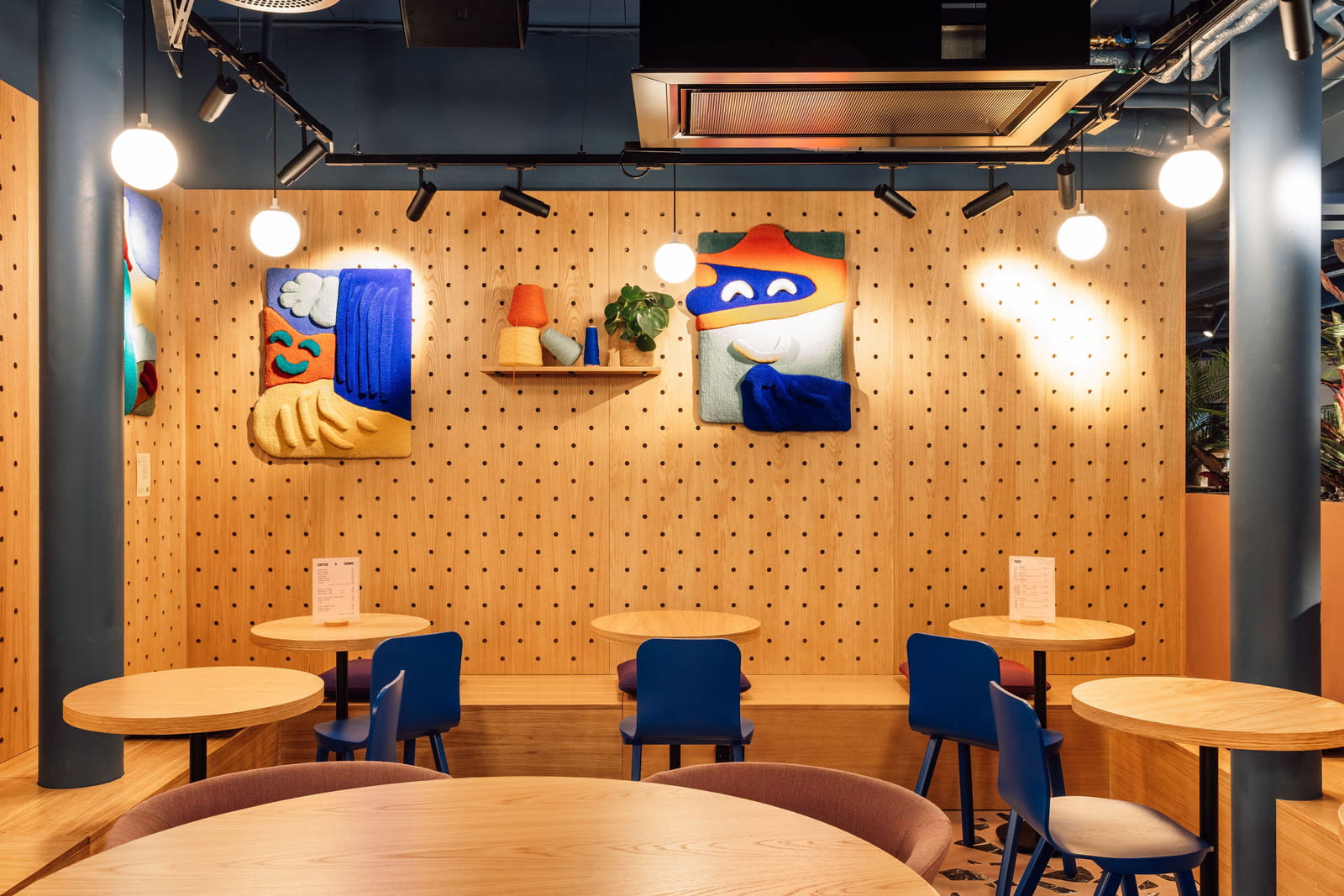
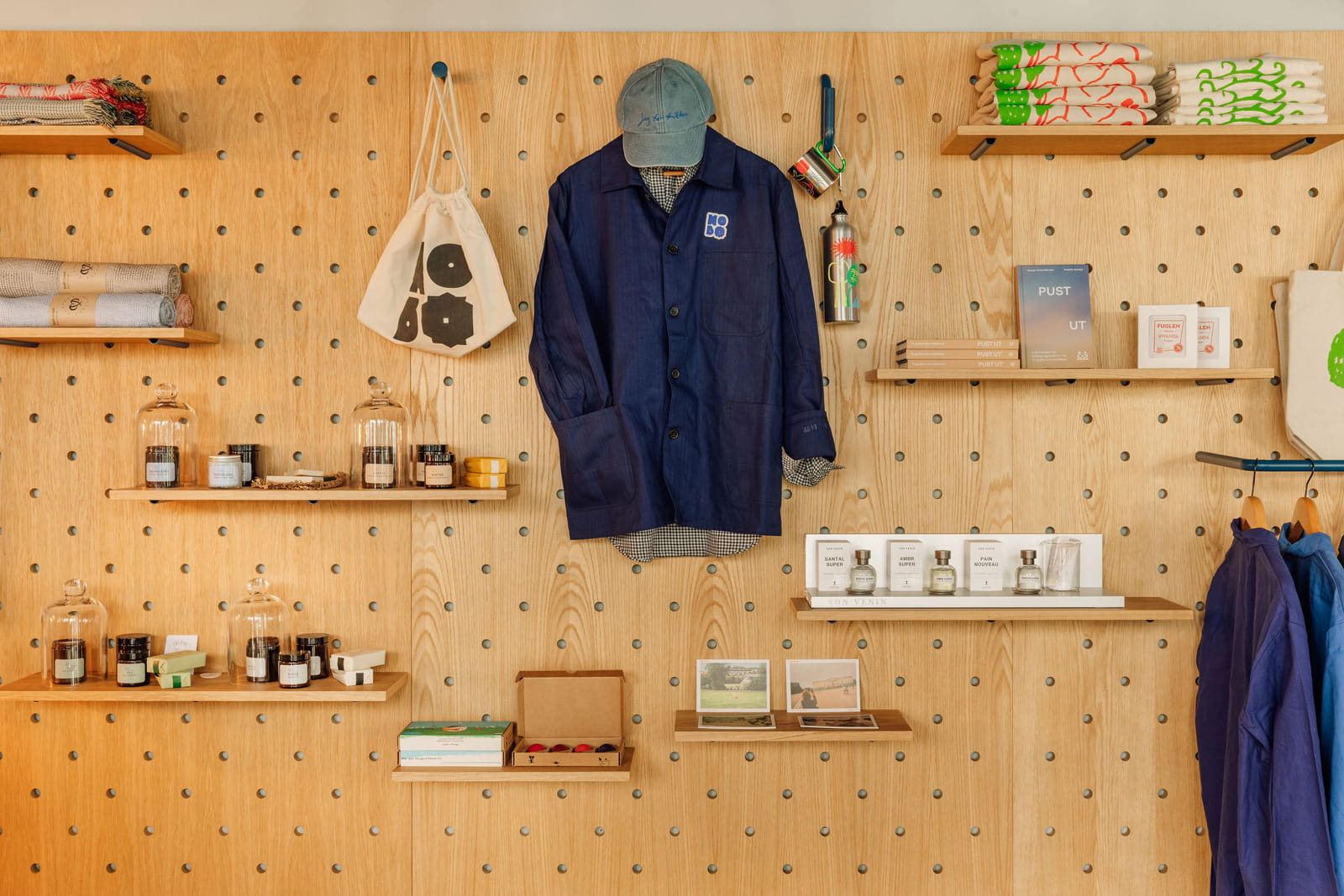
Rather than operating as a conventional hotel, HOBO Oslo is conceived as a social hub that blurs the boundaries between guests and the city.
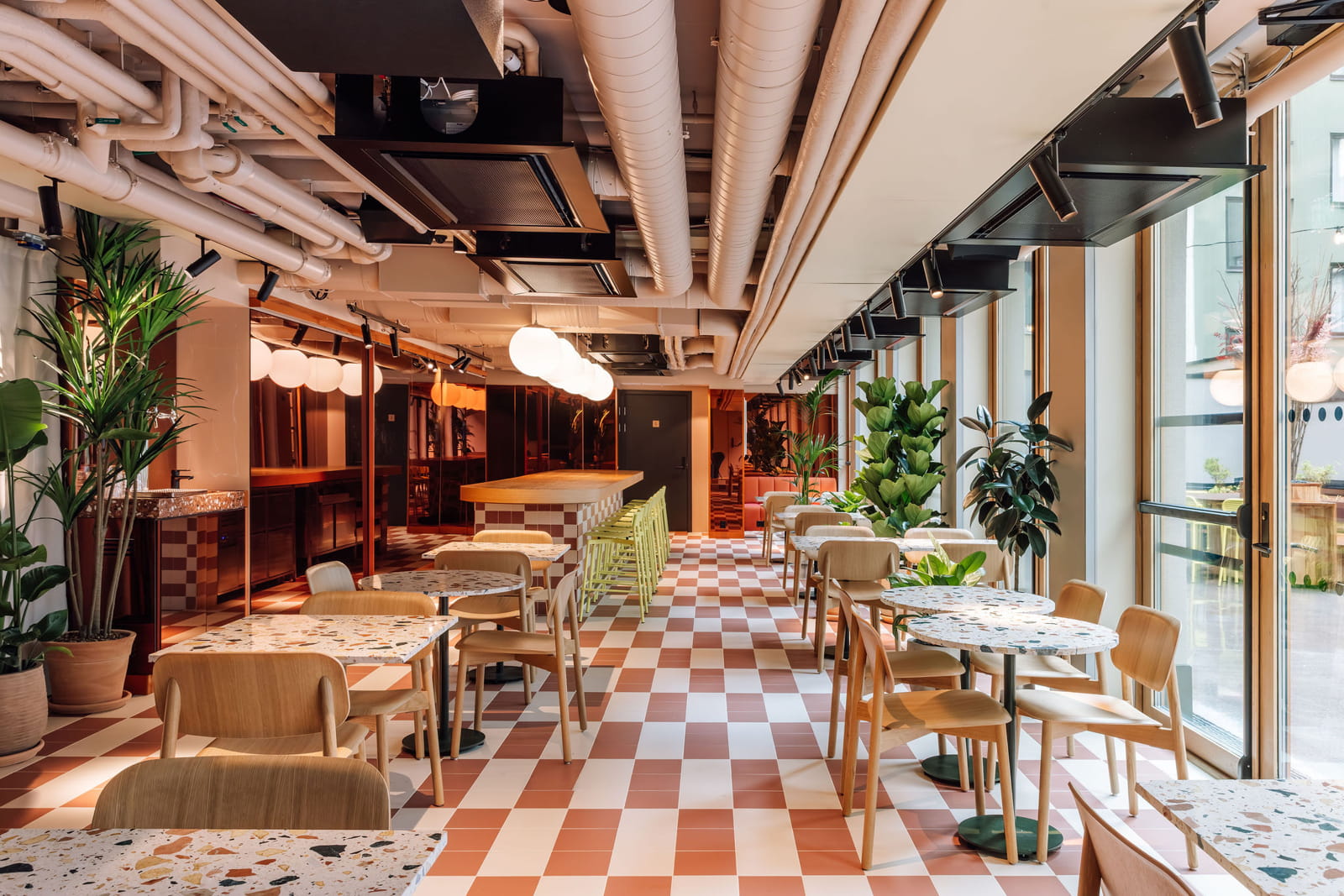
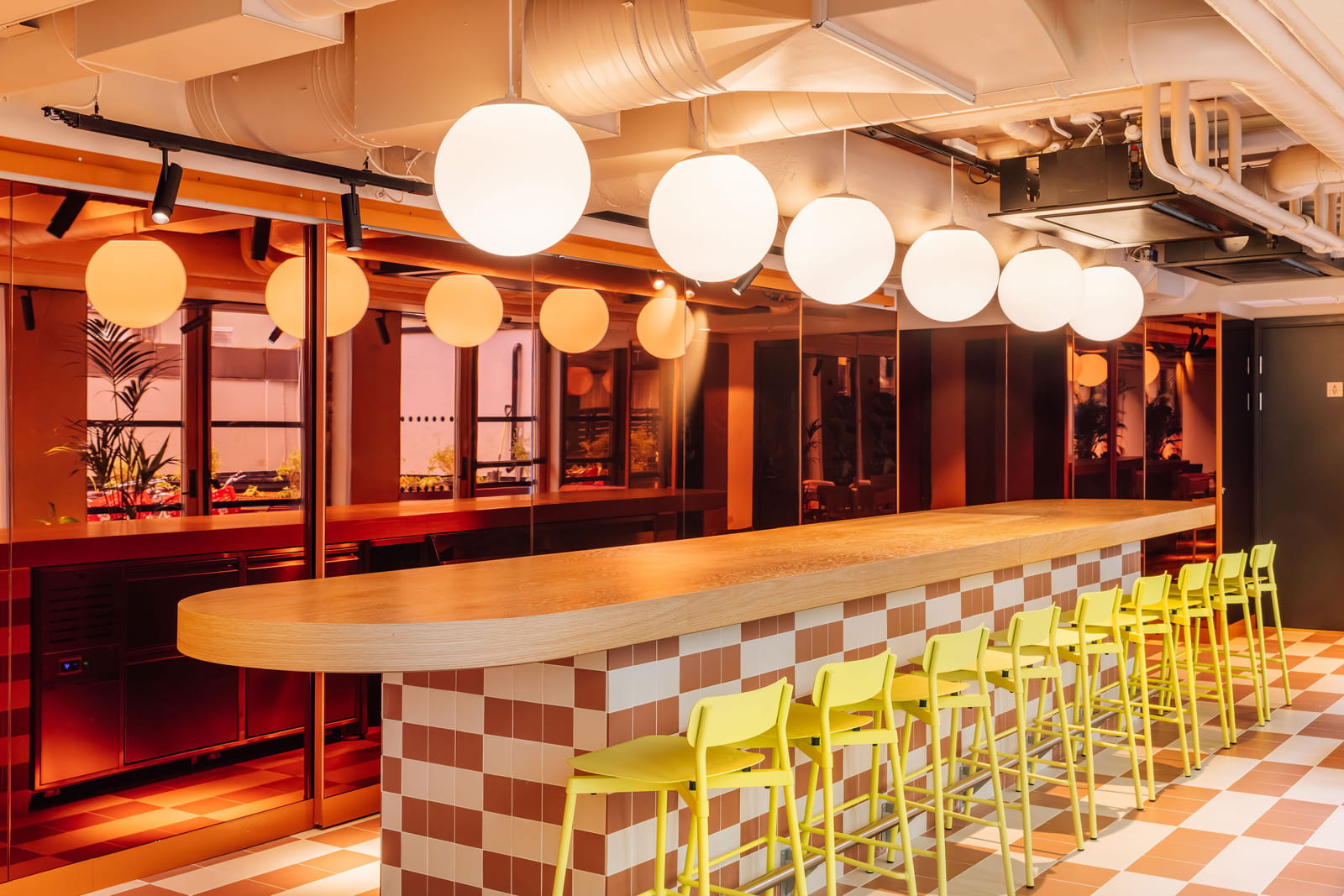
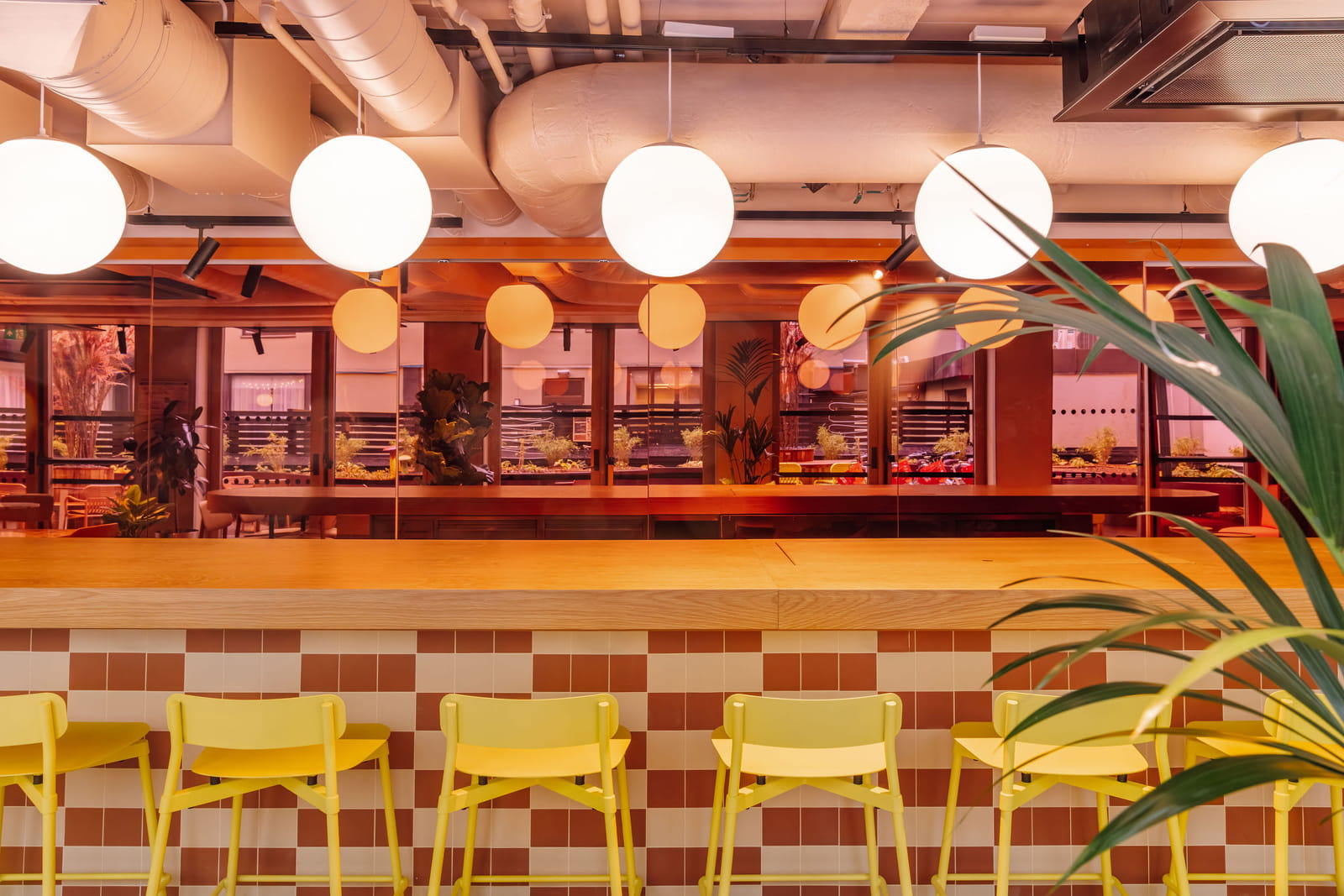
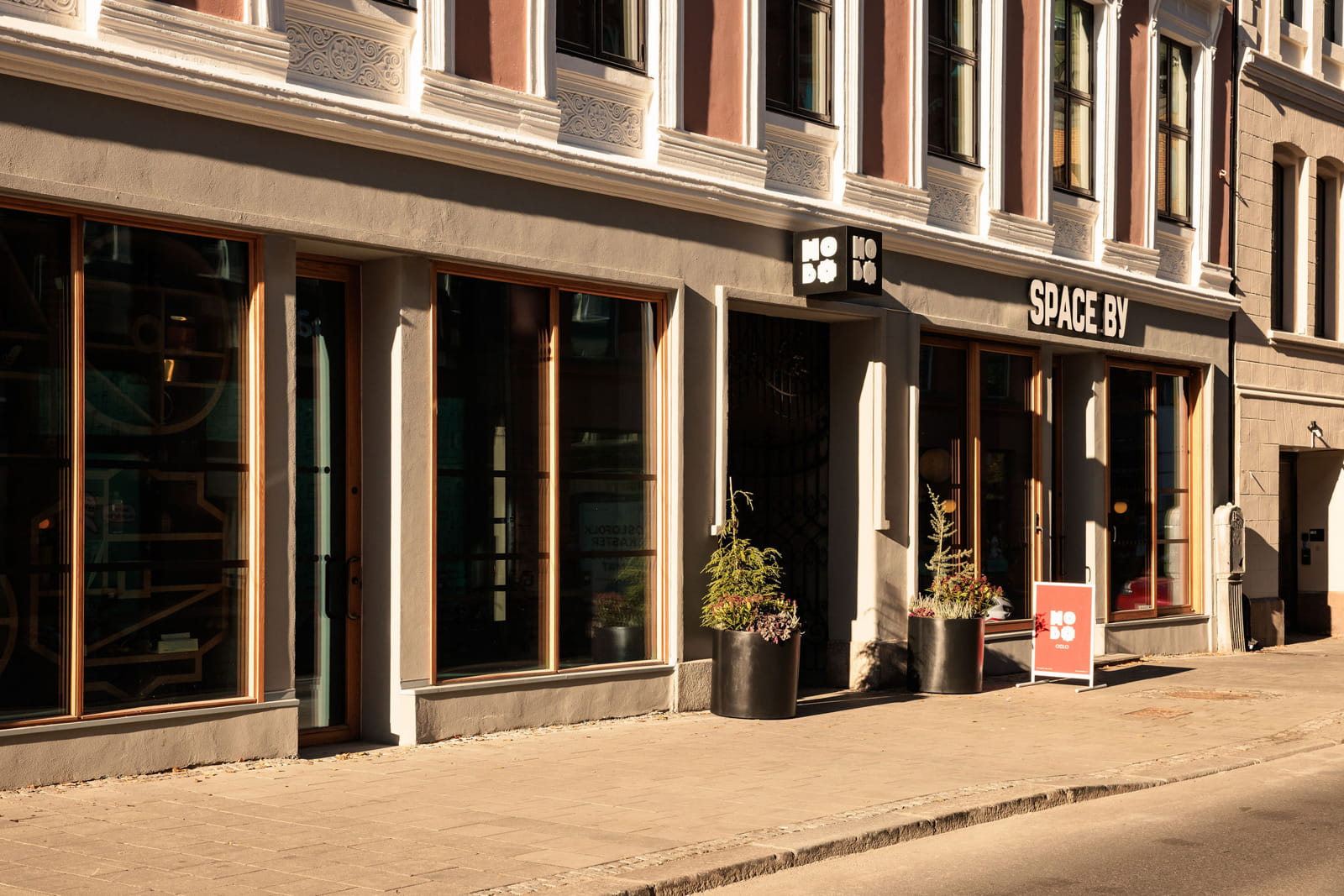
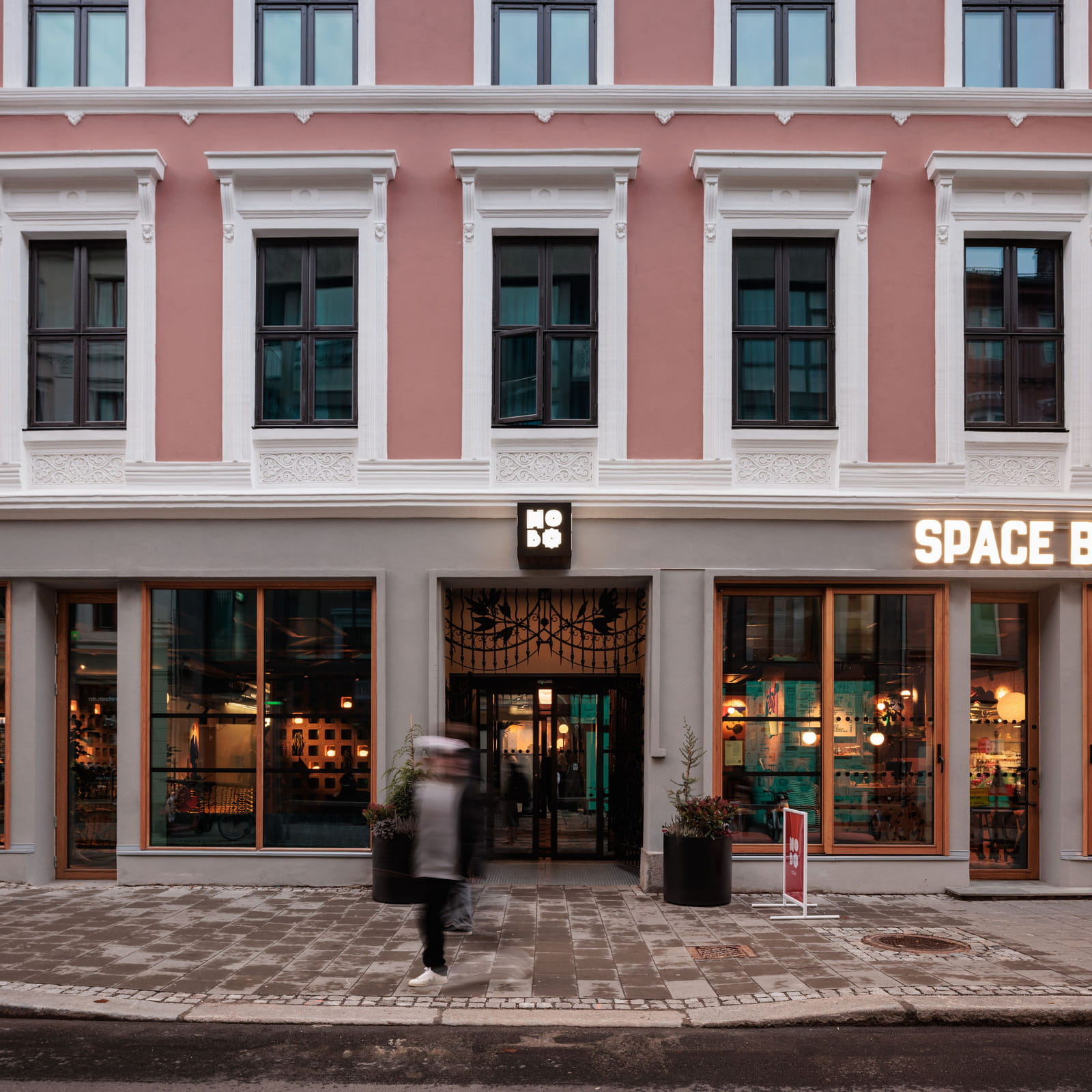
Housed within three interwoven historic buildings, the project unfolds as a series of characterful, interconnected spaces that reflect both the layered history of the site and the forward-looking ethos of the brand.
studio aisslinger builds on the conceptual foundations established in Stockholm, while translating them into a distinctly Norwegian context—one shaped by openness, material honesty, and a strong relationship to place.
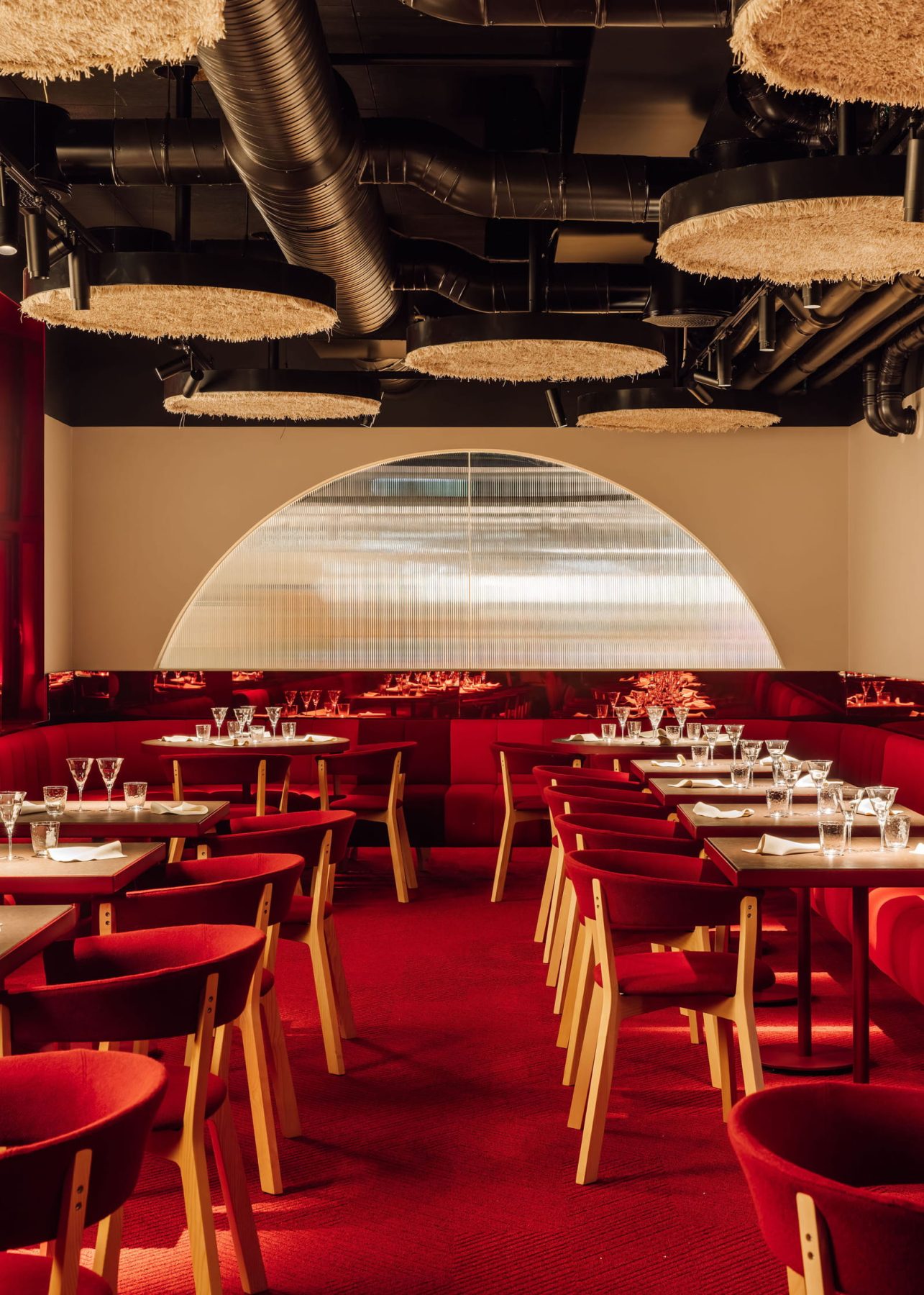
At the core of the design lies what studio aisslinger describes as an “Architecture of Optimism,” inspired by the collective idealism of 1960s utopian communes. This reference is not nostalgic but generative, informing a democratic and inclusive design language that prioritizes openness, flexibility, and social exchange.
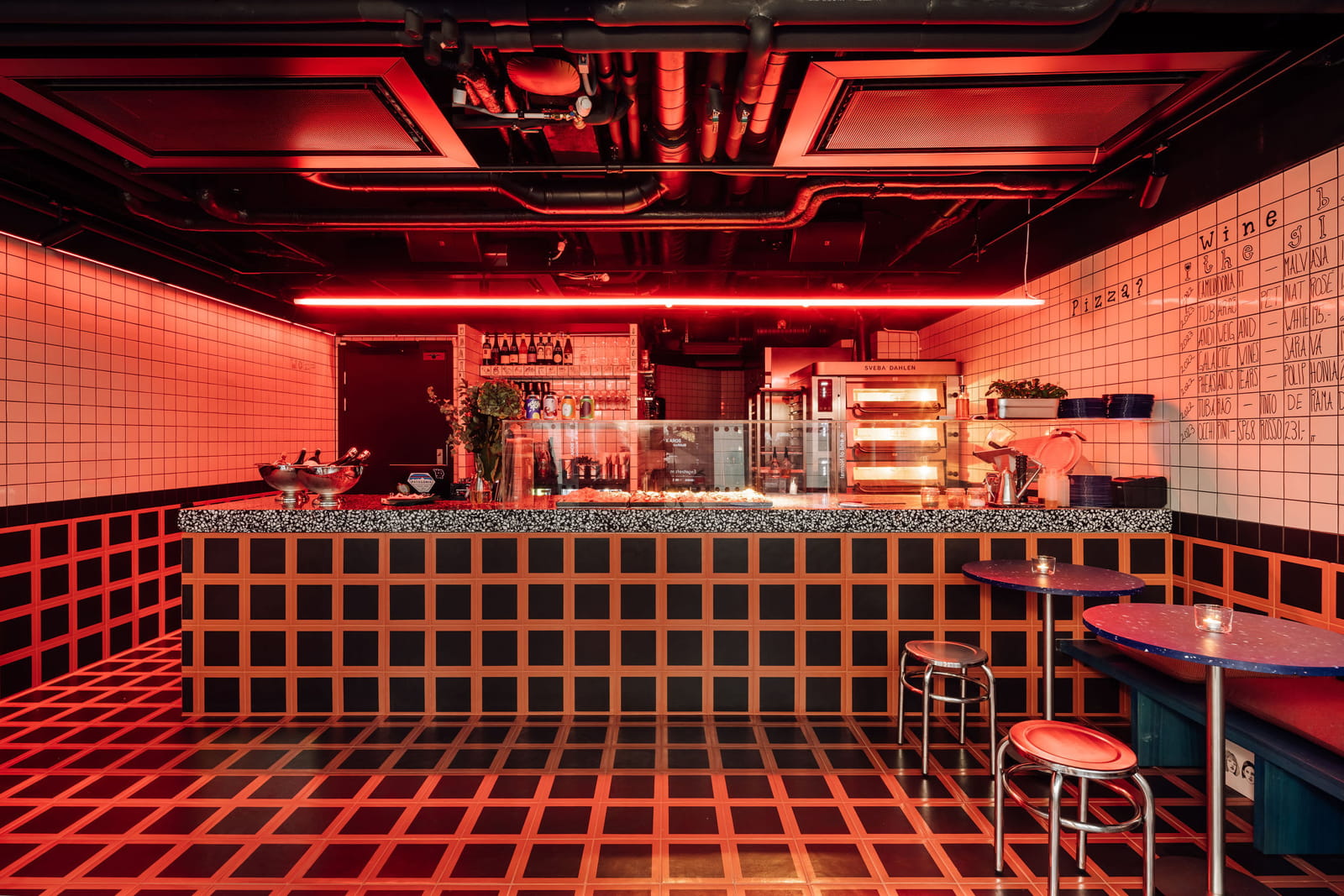

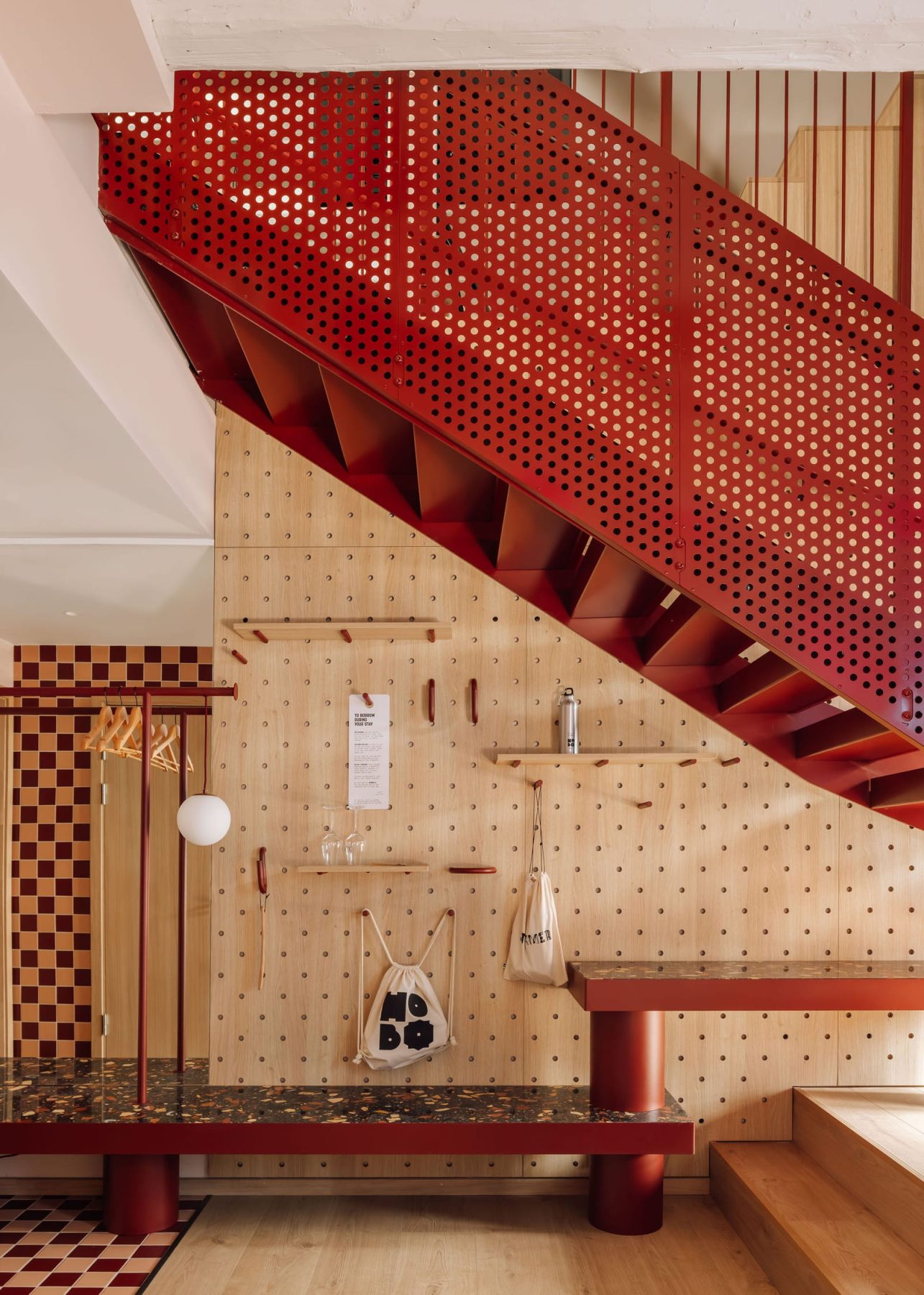
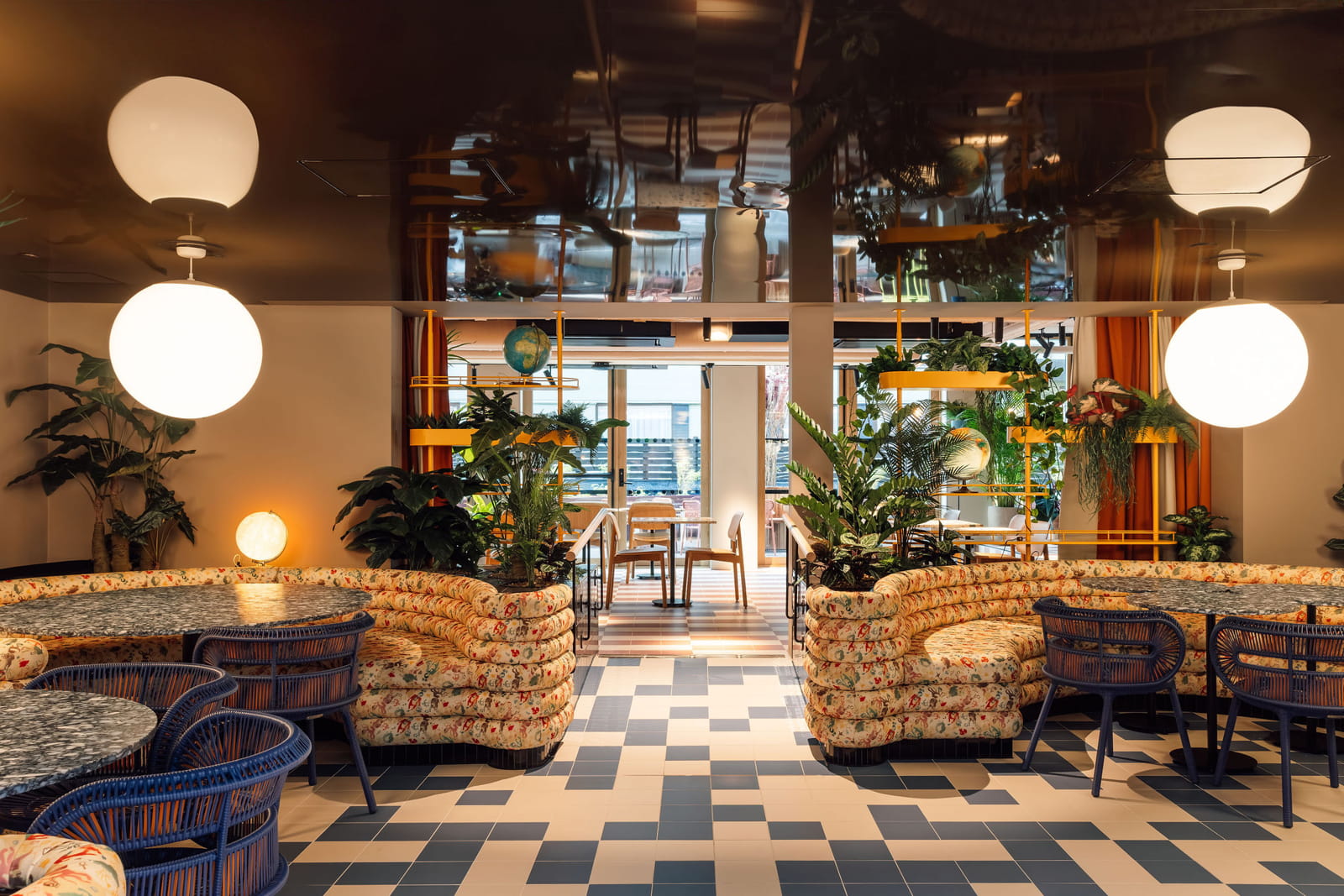
The interiors are conceived as loft-like, permeable environments that encourage movement and encounter, reinforcing HOBO’s ambition to create spaces that are lived-in rather than staged. Materially, the project is grounded in a strategy of creative functionalism and reuse.
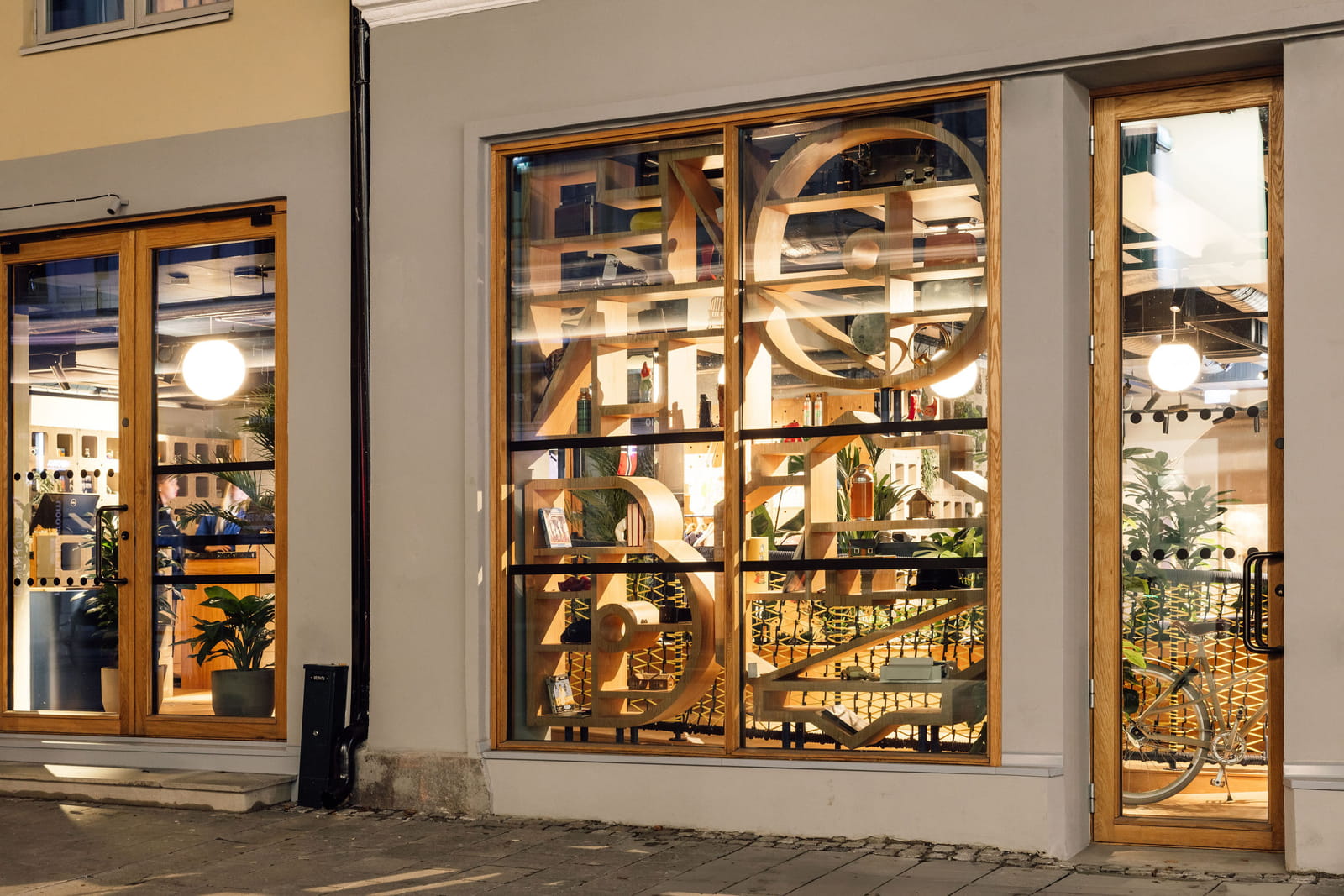
A “city mining” approach guided the preservation and reintegration of existing architectural elements, including timber beams, historic brick walls, and window frames.

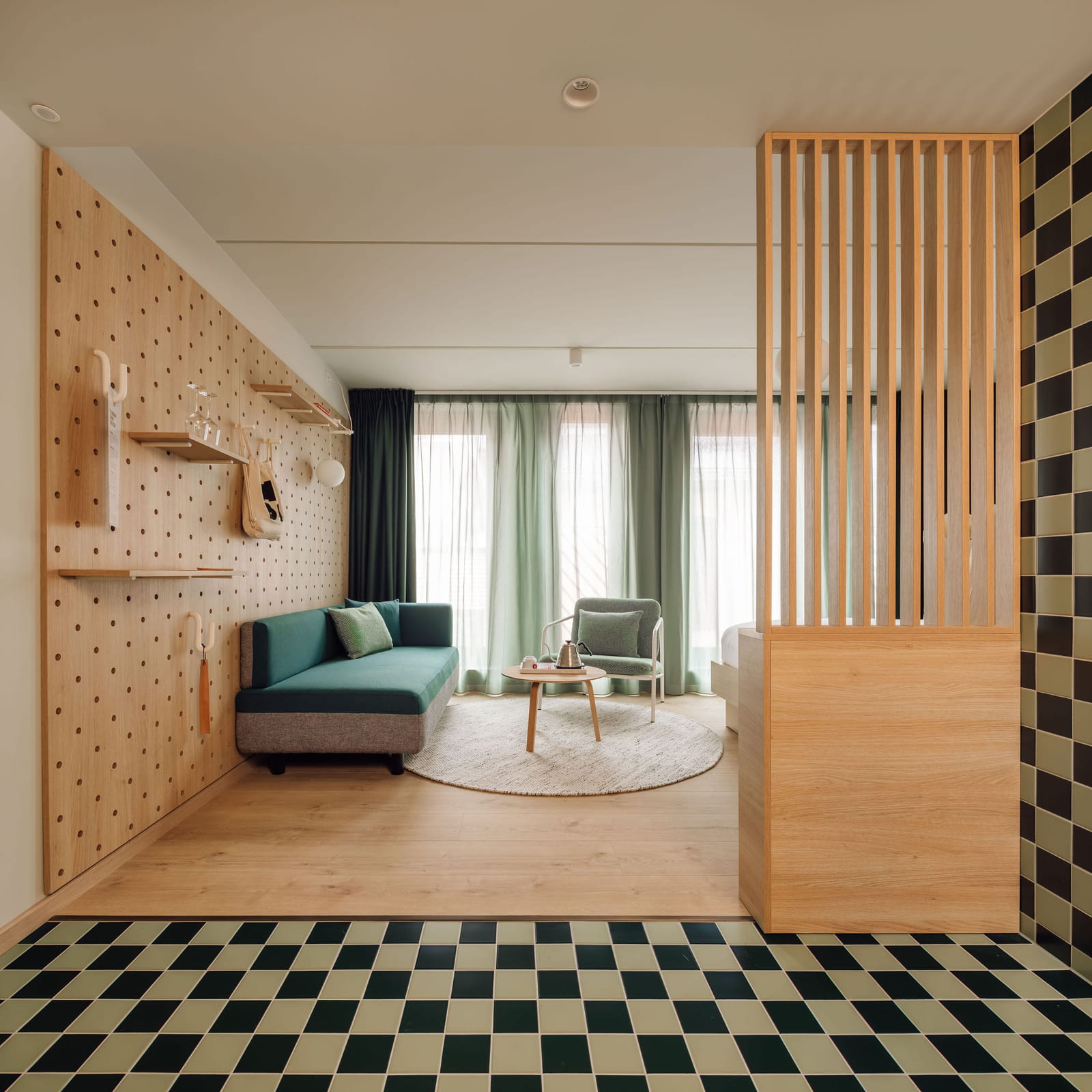
These are combined with locally sourced and sustainable materials such as Nordic natural stone, terrazzo, regional woods, and brick. The result is a tactile dialogue between old and new, where contemporary interventions coexist with traces of the building’s past, reinforcing a sense of continuity. Custom-designed furniture, developed in collaboration with established European design brands, plays a central role in articulating HOBO’s visual identity.
Alongside local artworks, curated lighting, and thrifted design pieces, these elements contribute to an interior atmosphere that is at once refined and informal—balancing high-end craftsmanship with playfulness and accessibility.
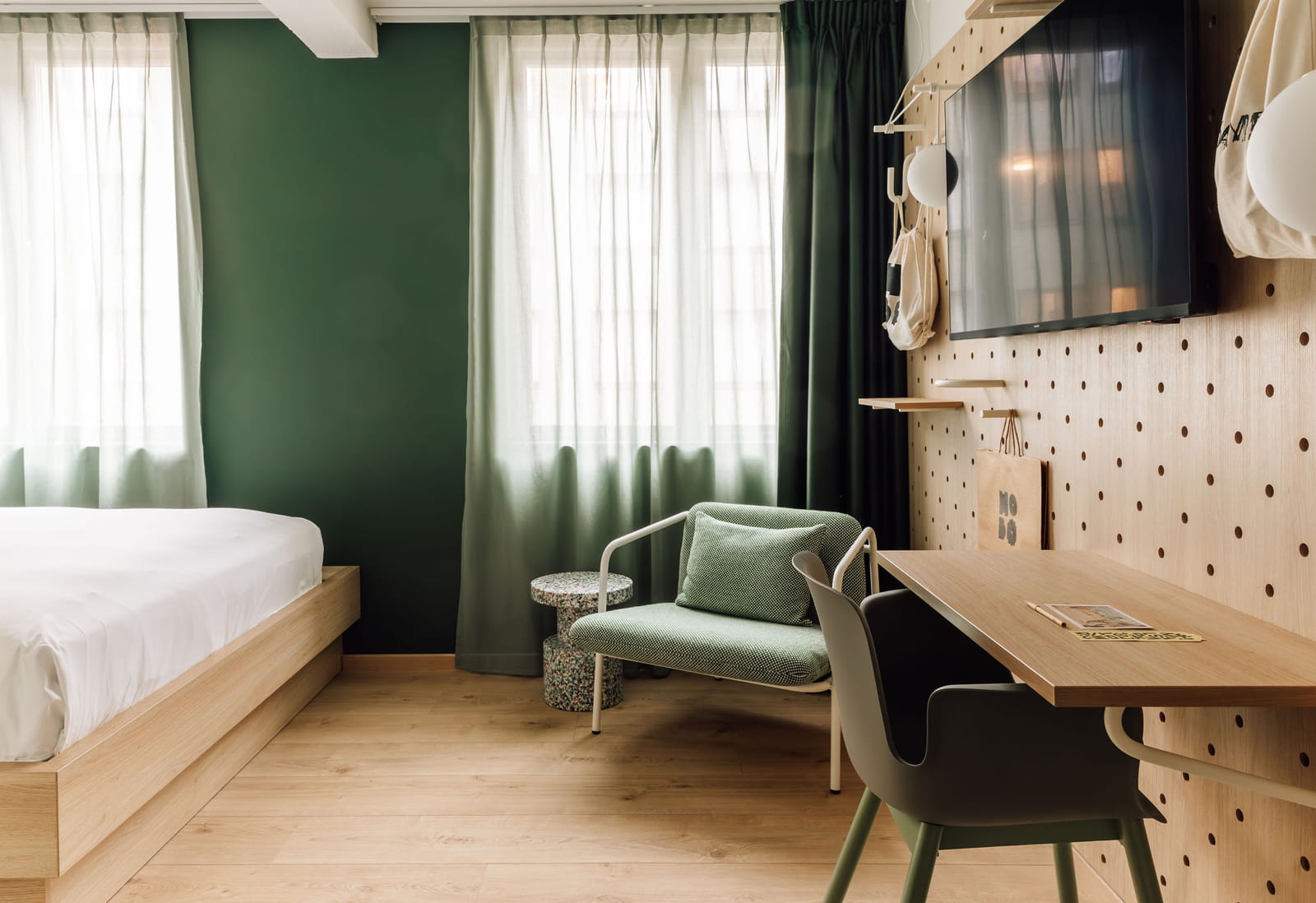
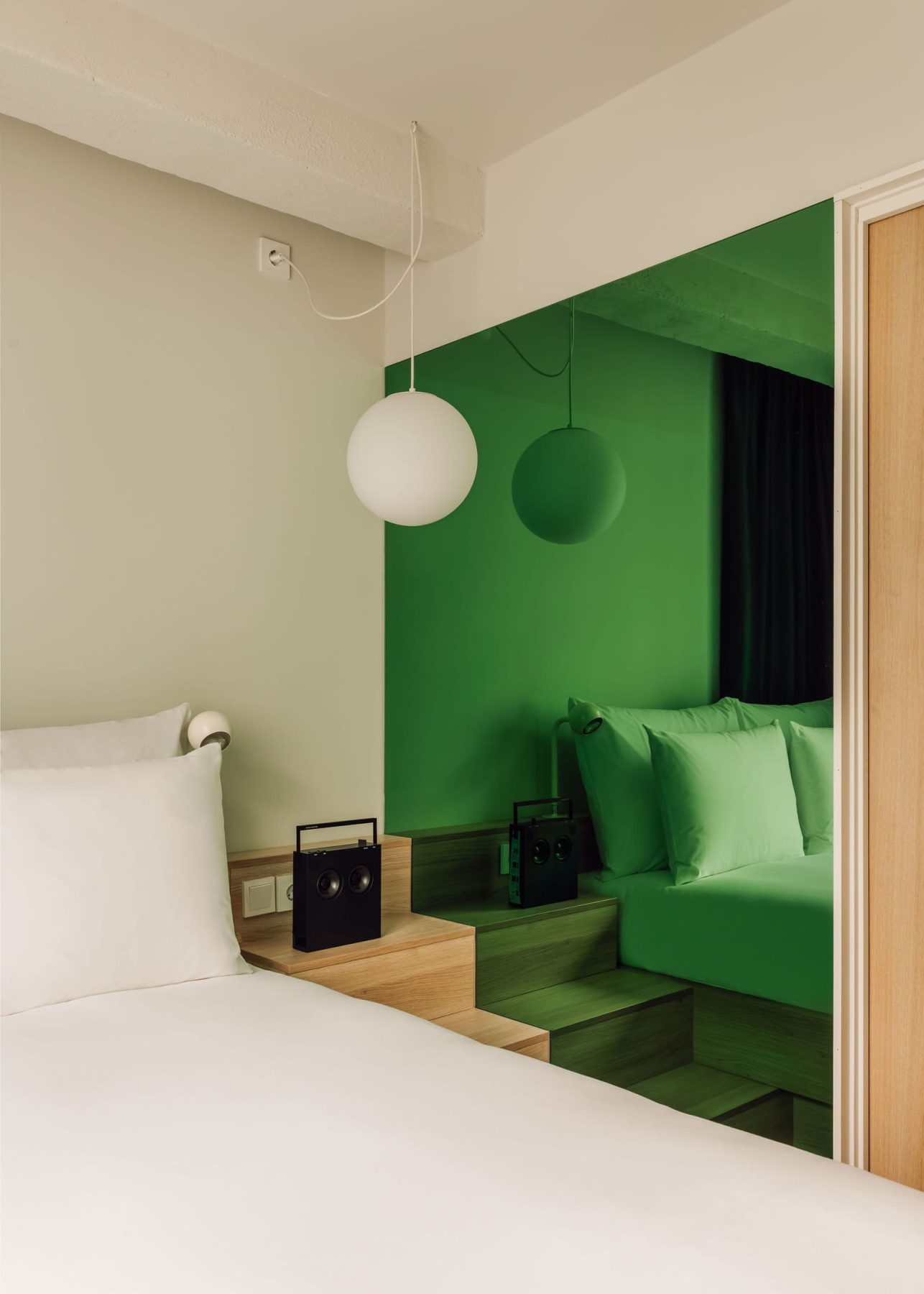
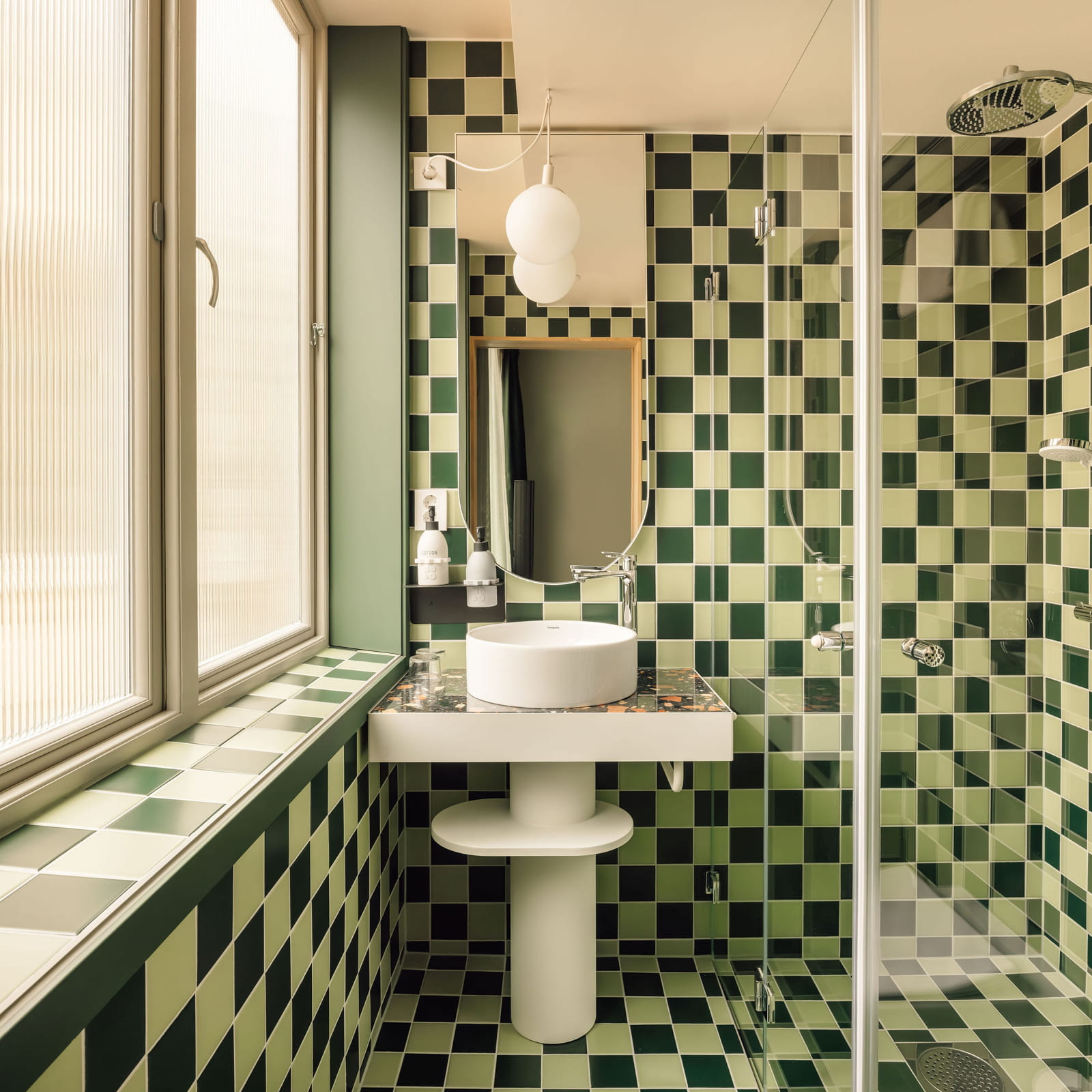
The spaces feel deliberately unfinished, open to change, and responsive to their users.
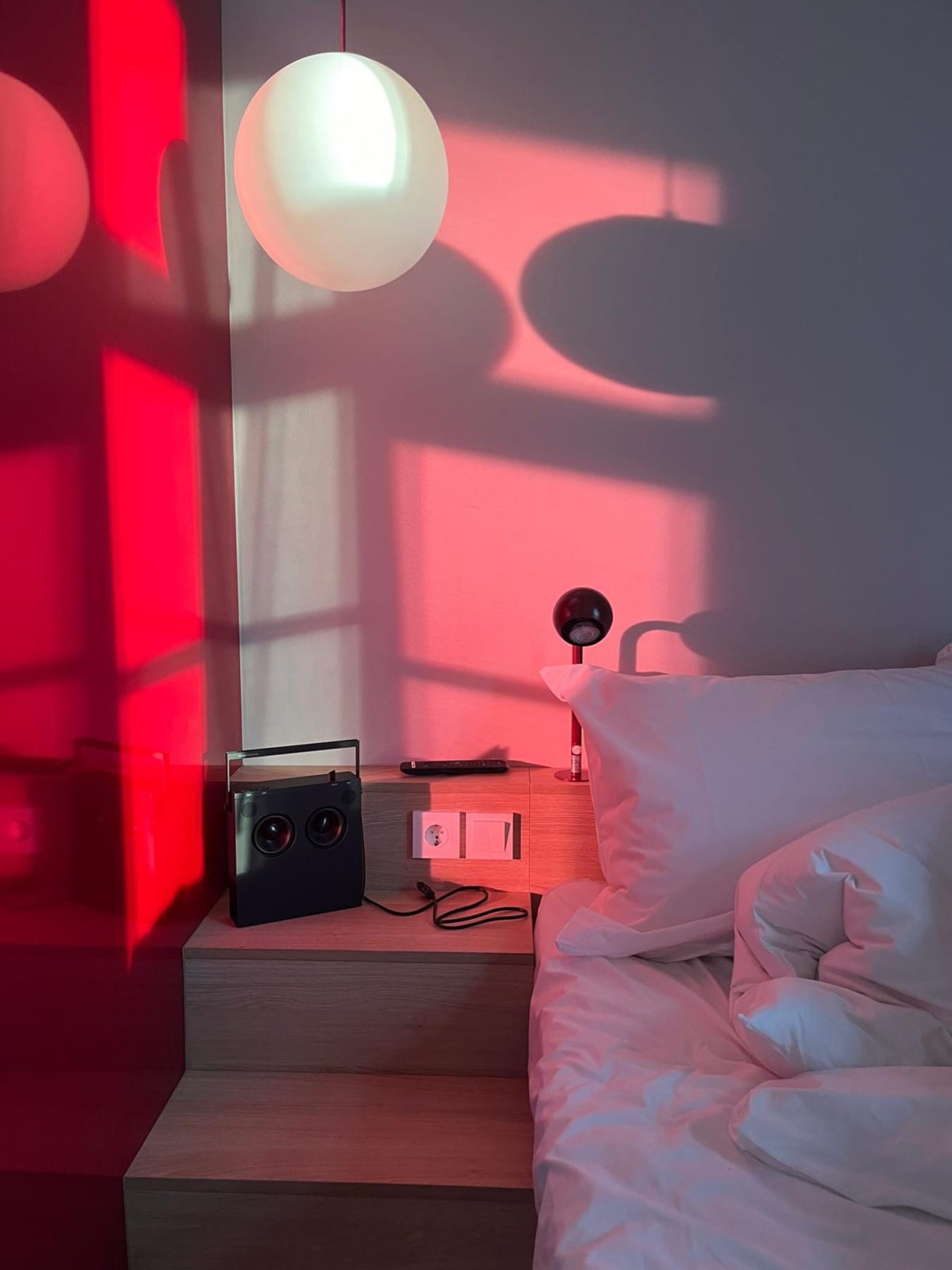
This ethos extends to the hotel’s rooms, which range from compact single rooms to larger, multi-level suites. Each room is defined by an unconventional layout that places the bed at the window, framing views of the city and reinforcing the connection between interior and urban context. Flexible furniture elements and integrated storage systems encourage personalization, while in-room features supporting music and creative expression underline HOBO’s emphasis on individuality and cultural exchange.
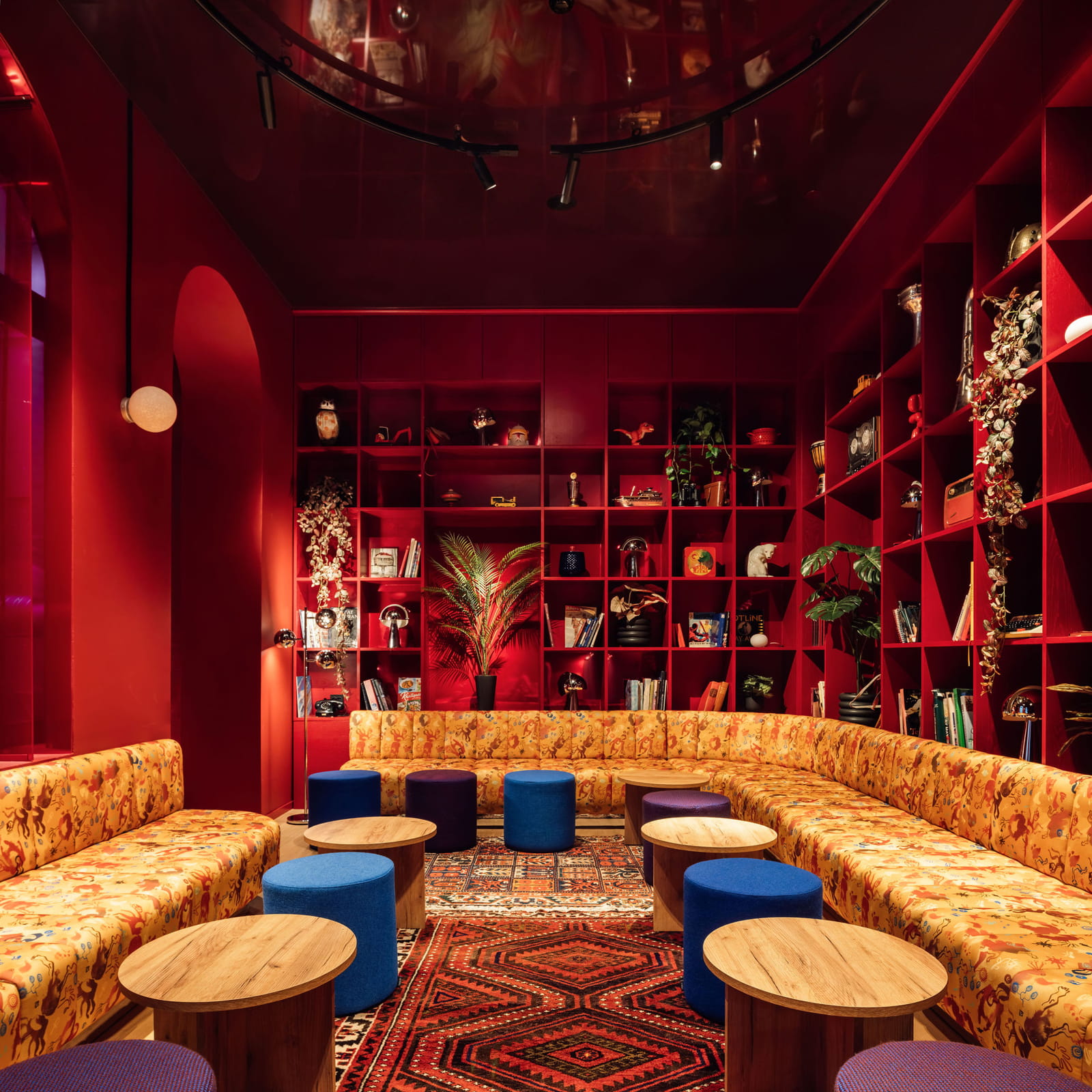
The ground floor forms the social heart of the hotel and is conceived as a continuous, event-oriented landscape rather than a series of discrete programs.
Here, design actively facilitates interaction between travelers and locals, offering spaces that can easily shift between work, leisure, performance, and informal gathering.
Seating arrangements are intentionally flexible, supporting both solitary use and collective configurations, and reinforcing the idea of hospitality as a shared, participatory experience.

Sustainability and community engagement are integral to the project’s identity. Beyond material choices, the hotel incorporates operational strategies aimed at reducing environmental impact and strengthening local networks. Collaborations with Oslo’s creative scene, pop-up formats, and community-driven events were embedded into the design process itself, with temporary activations taking place even before completion.
This participatory approach reflects HOBO’s long-standing “always in beta” philosophy, positioning the hotel as a living system rather than a finished object.
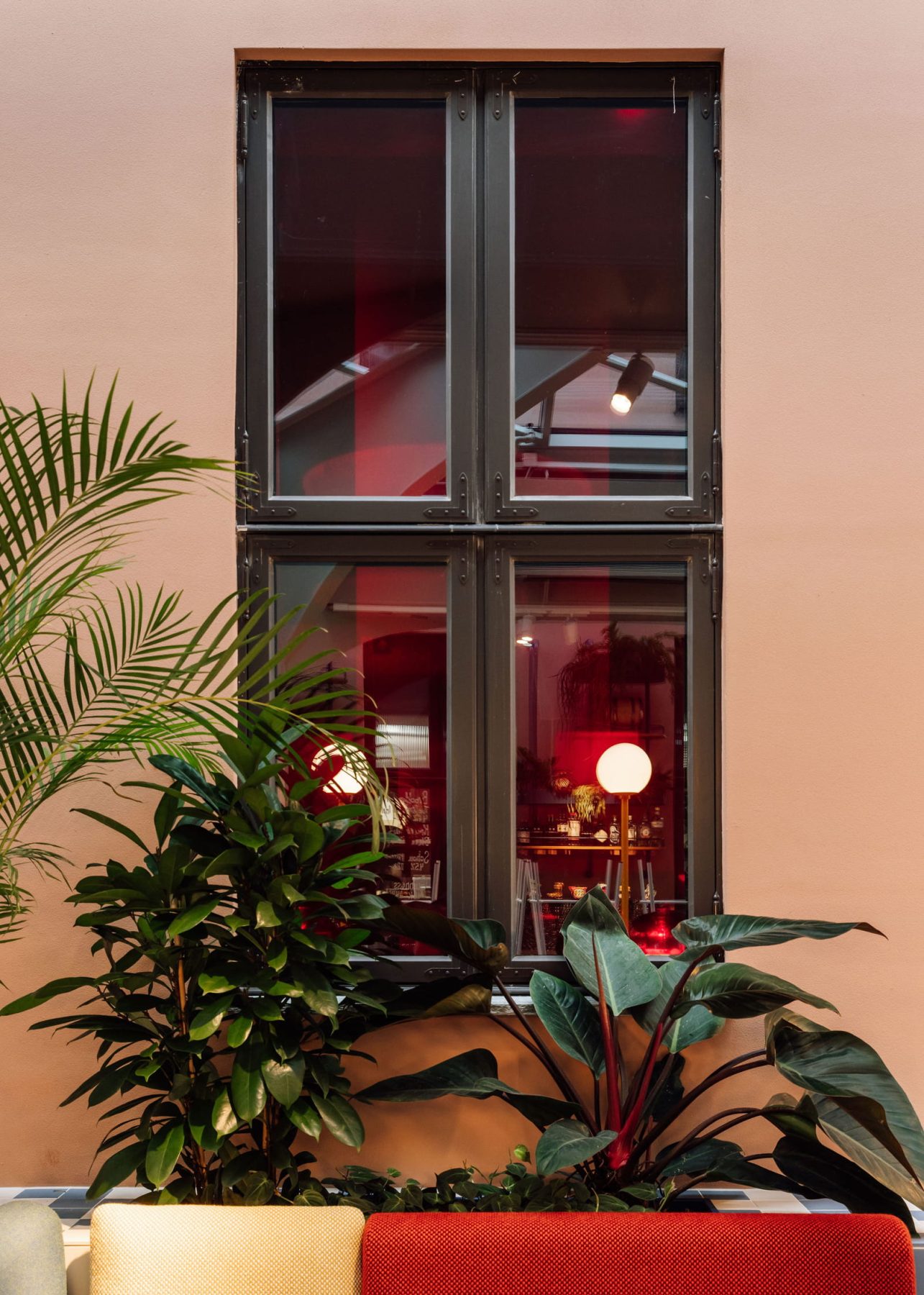
With HOBO Hotel Oslo, studio aisslinger continues to explore how interior architecture can shape contemporary hospitality atmospheres—spaces that are social, adaptable, and deeply rooted in their urban context.
The project exemplifies a shift away from purely service-oriented hospitality toward environments that function as cultural and social platforms, where design fosters connection, exchange, and a shared sense of belonging.
In doing so, HOBO Oslo sets a new benchmark for experience-oriented hospitality in the Nordic region, offering an architecture that is optimistic, human-scaled, and intrinsically connected to the life of the city.
Facts & Credits
Project title HOBO Hotel Oslo
Typology Architecture, Hotel
Location Oslo, Norway
Year 2025
Architecture studio aisslinger
Creative direction Tina Bunyaprasit
Project Lead Jamie Hughes
Interior architect Clara Sterner, Tom Parker
Supervision Werner Aisslinger
Photography Francisco Nogueira
Text by the authors
READ ALSO: Dream Houses: Casa Bajo los Pinos by Studio Rosa is a contemporary take on Mallorcan vernacular rural architecture