Carmody Groarke have playfully transformed a previously underused part of the Dulwich Picture Gallery’s grounds, the UK’s first purpose-built public art gallery, by creating an ArtPlay Pavilion and a Canteen. Enhancing creativity, learning, and environmental responsibility, they have established an open space where new audiences can experience art in connection with the landscape and architectural memory.
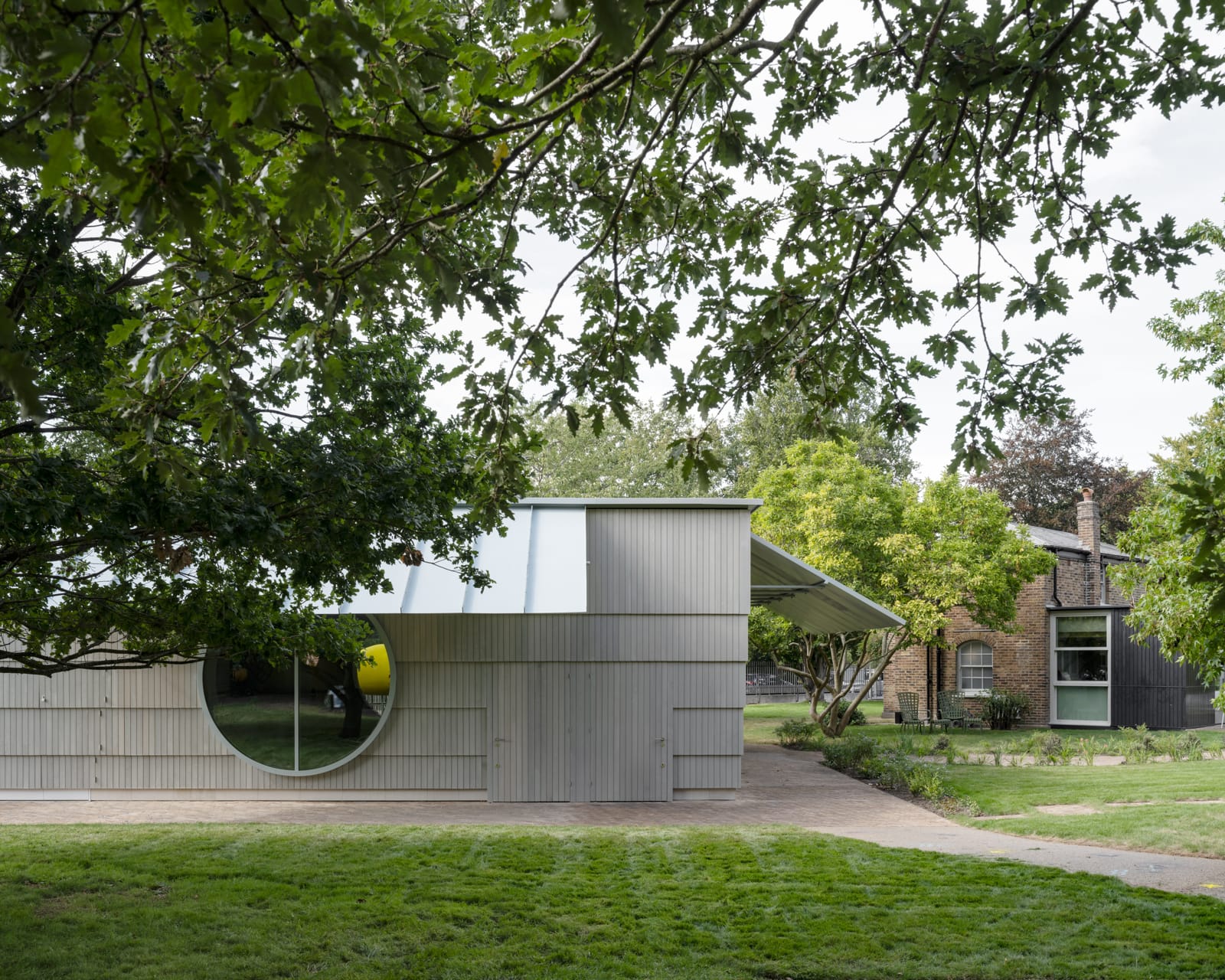
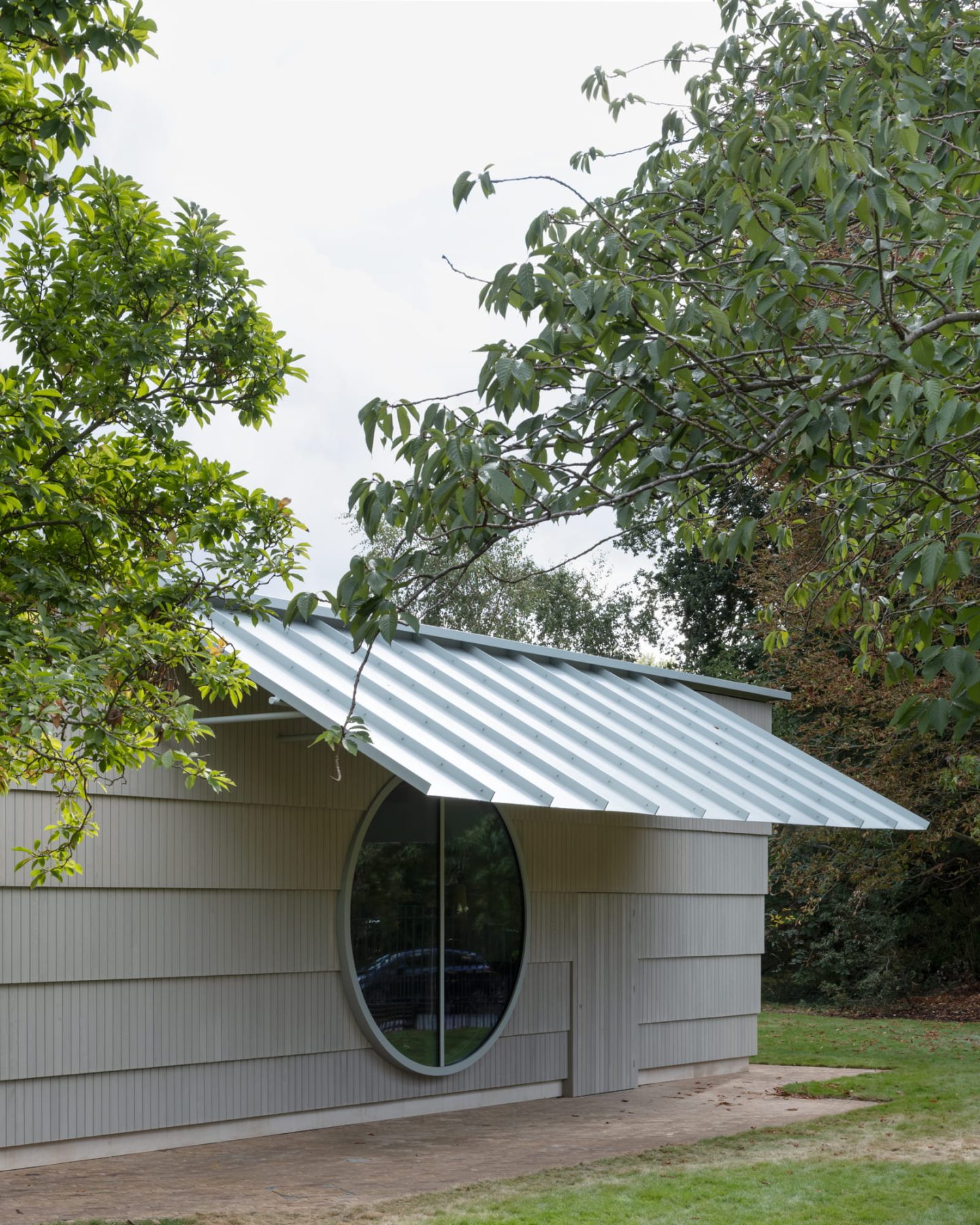
Carmody Groarke has completed two major architectural interventions at Dulwich Picture Gallery as part of the Gallery’s most significant redevelopment in 25 years: the construction of a new, permanent ArtPlay Pavilion and the adaptive reuse and extension of the historic Gallery Cottage to form the Canteen.
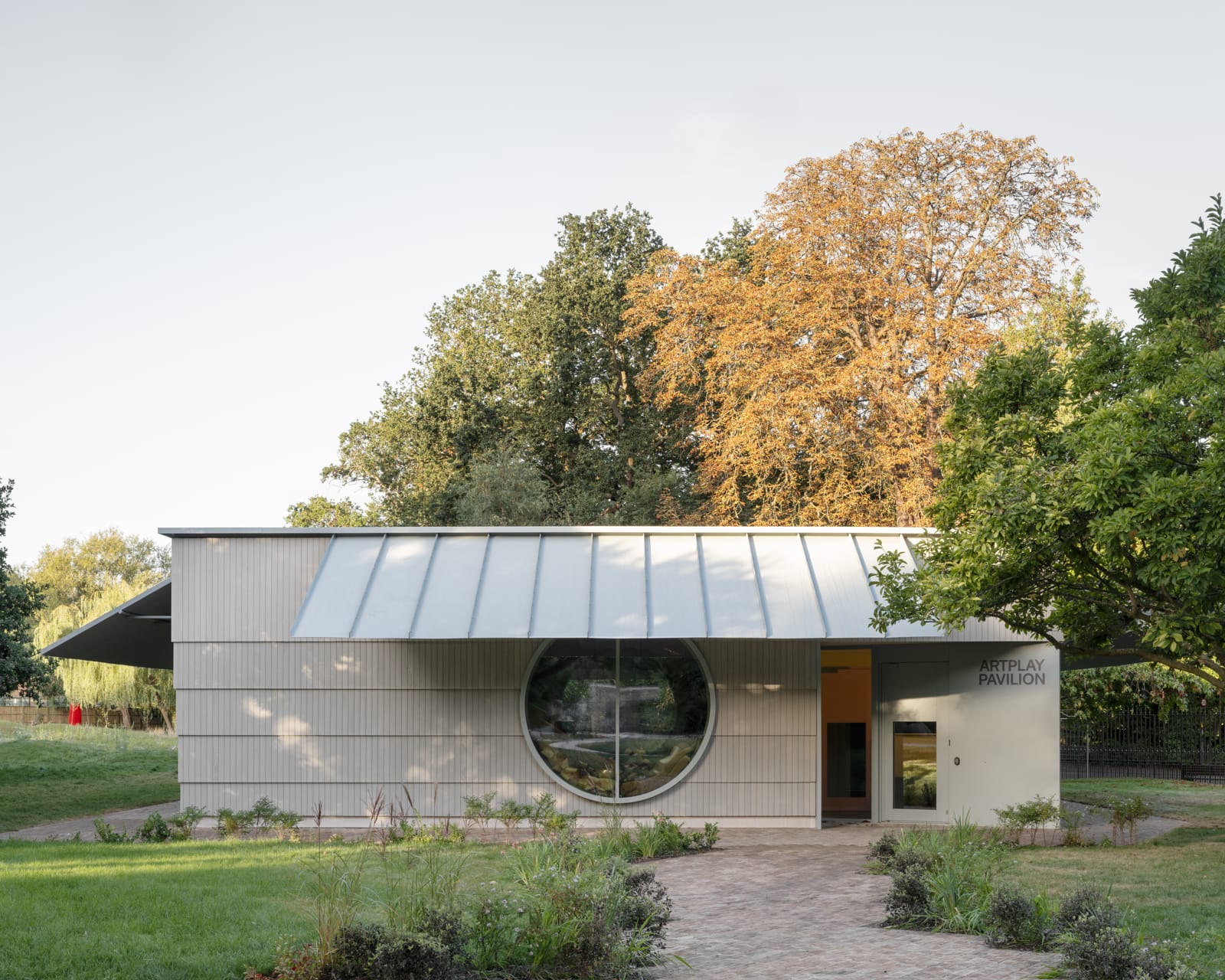
Set within the grounds of the Grade II* listed building, these additions mark a new chapter for the UK’s first purpose-built public art gallery.
Designed to support creativity, learning, and environmental responsibility, the new buildings expand access to the historic site while strengthening its relevance for today’s visitors.
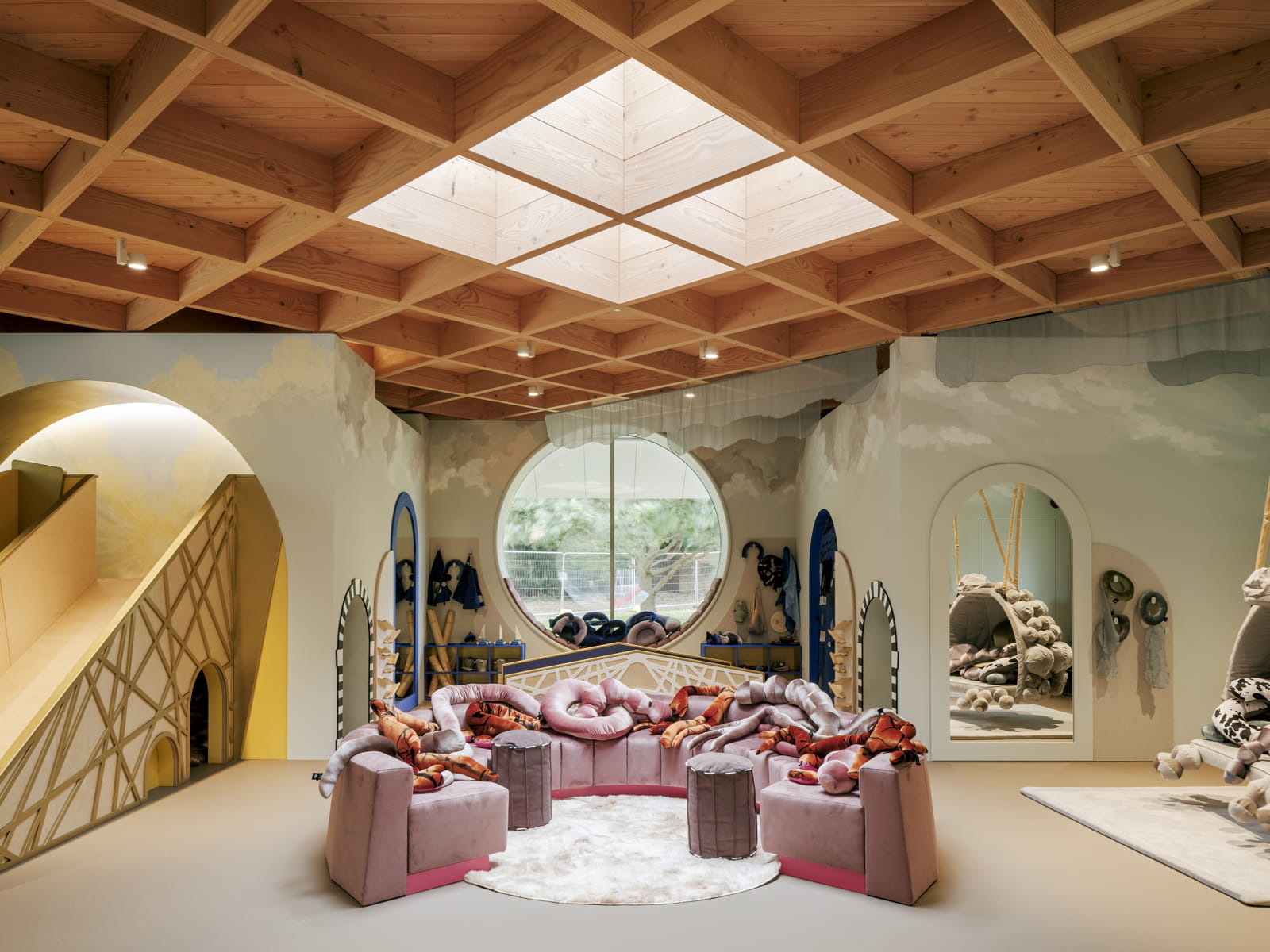
They also improve openness across the site and connect new audiences to an experience of art in the landscape with the placement of the standalone ArtPlay Pavilion sitting within the newly expanded Sculpture Garden.
Located in London’s garden suburb, Dulwich Picture Gallery was designed by Sir John Soane in 1815 and is home to an internationally recognised collection of over 650 paintings, including works by Rembrandt, Rubens, Gainsborough, and Canaletto.
Acclaimed for its exhibitions and educational programme, the Gallery is also celebrated for Soane’s pioneering architectural innovations — his use of top-lighting and rhythmic spatial planning has had a lasting influence on museum design.

In this new phase, Soane’s legacy is reinterpreted through contemporary means, placing children, families, and the landscape at the centre of a playful and low-carbon transformation.
ArtPlay Pavilion
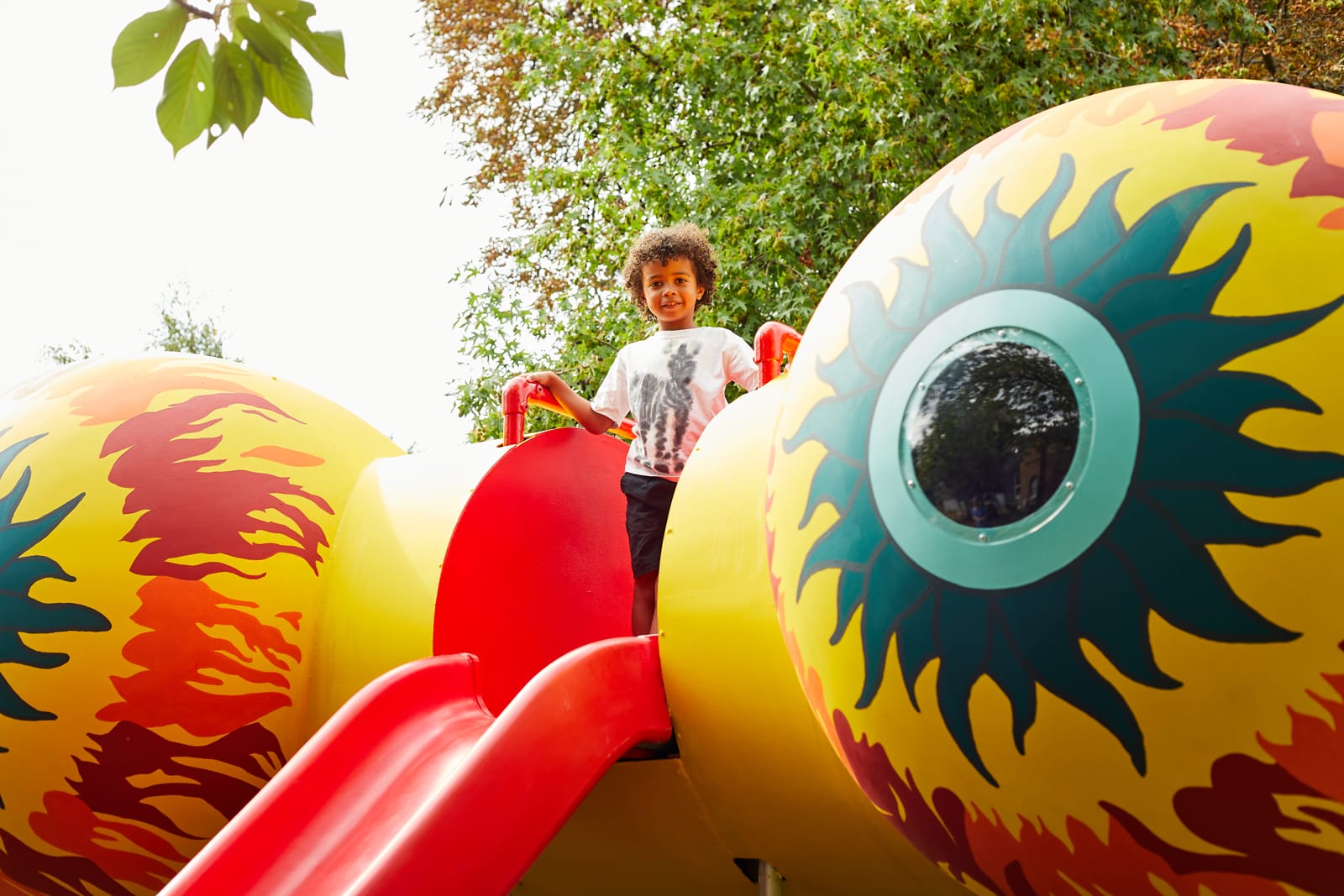
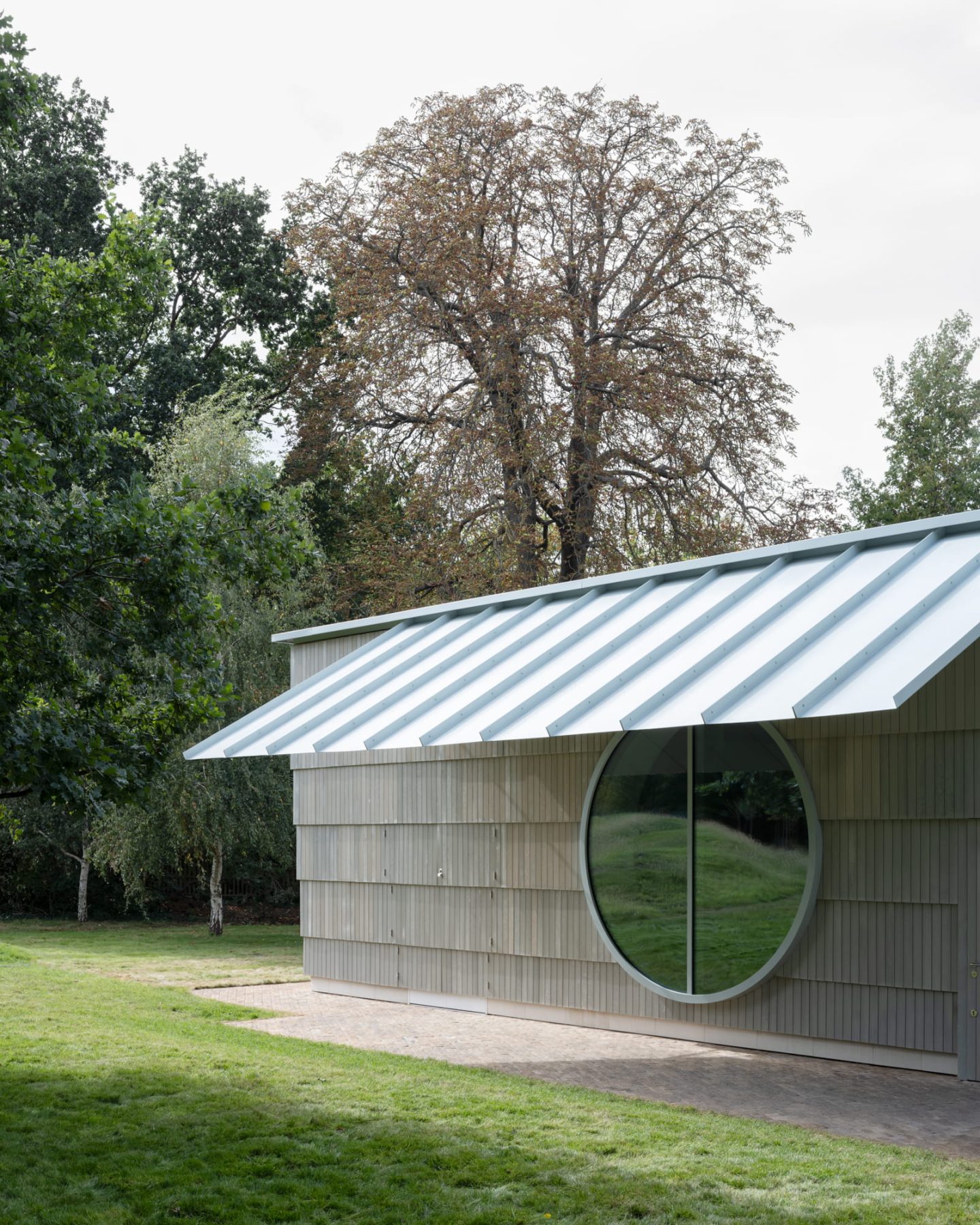
At the heart of the project is the ArtPlay Pavilion — a purpose-built, stand-alone space for children’s creative play.
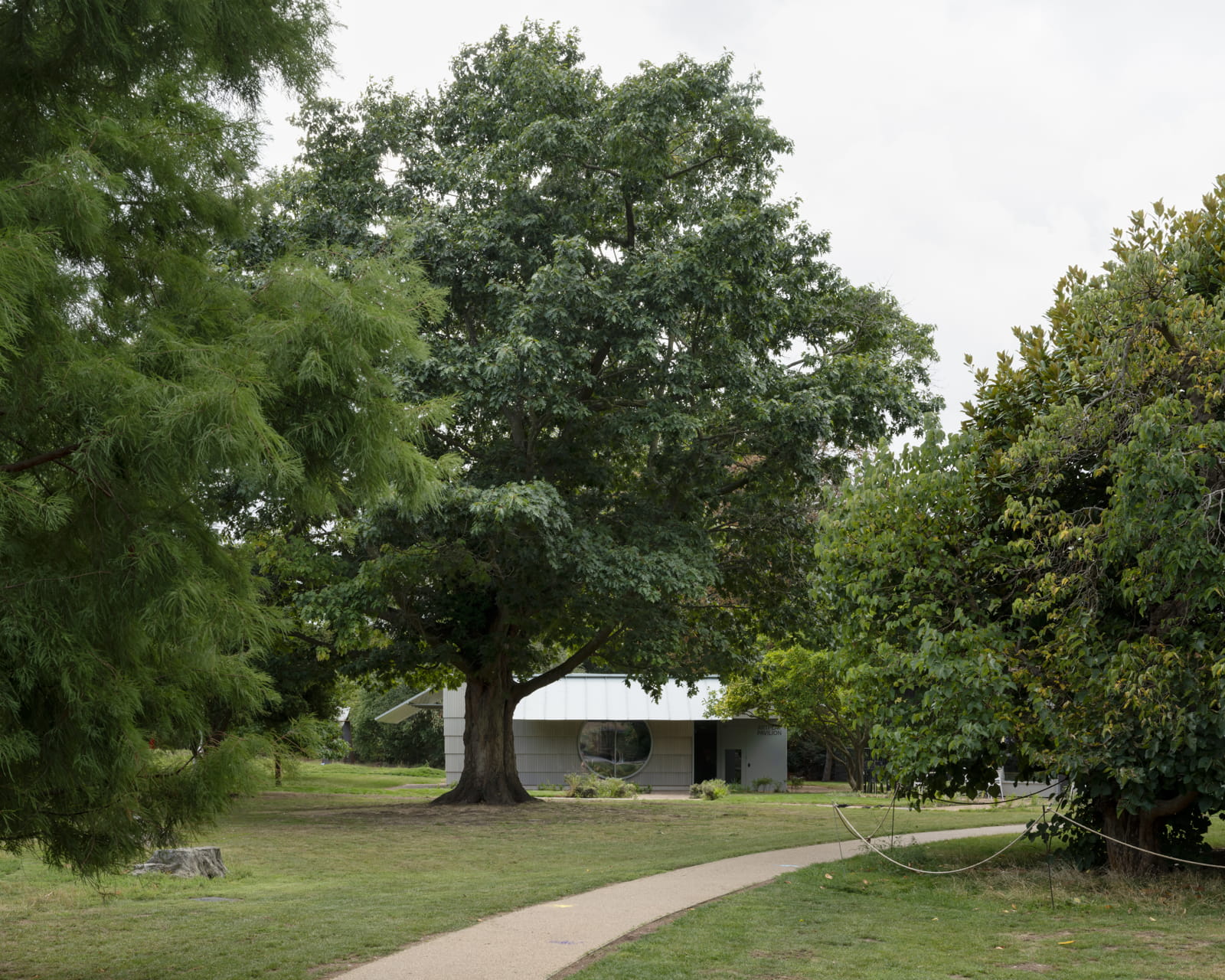
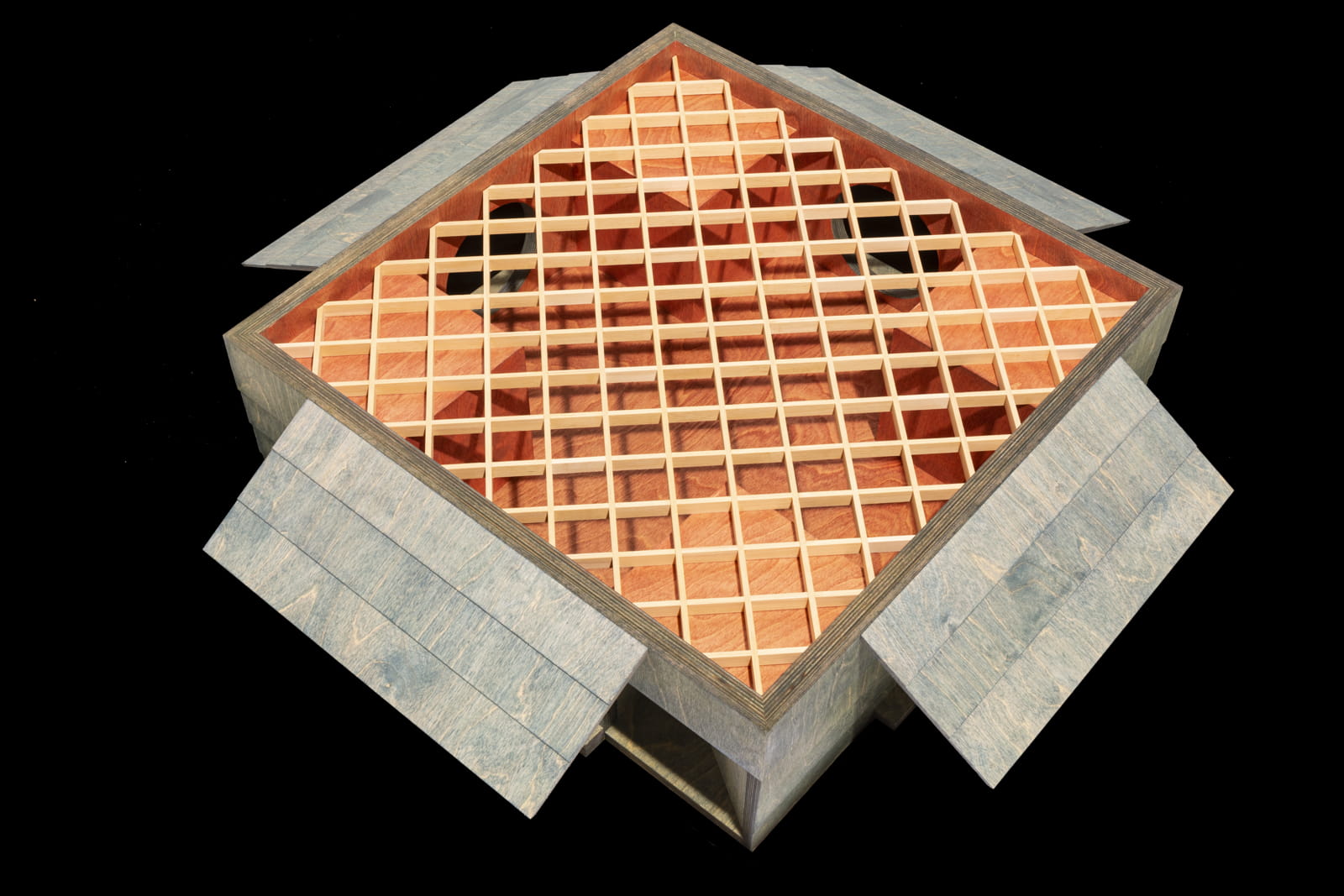
The ArtPlay Pavilion’s square footprint is rotated 45 degrees in relation to Soane’s original axis, establishing a dynamic formal dialogue with the historic building while opening up sightlines across the landscape and towards the two site entrances.
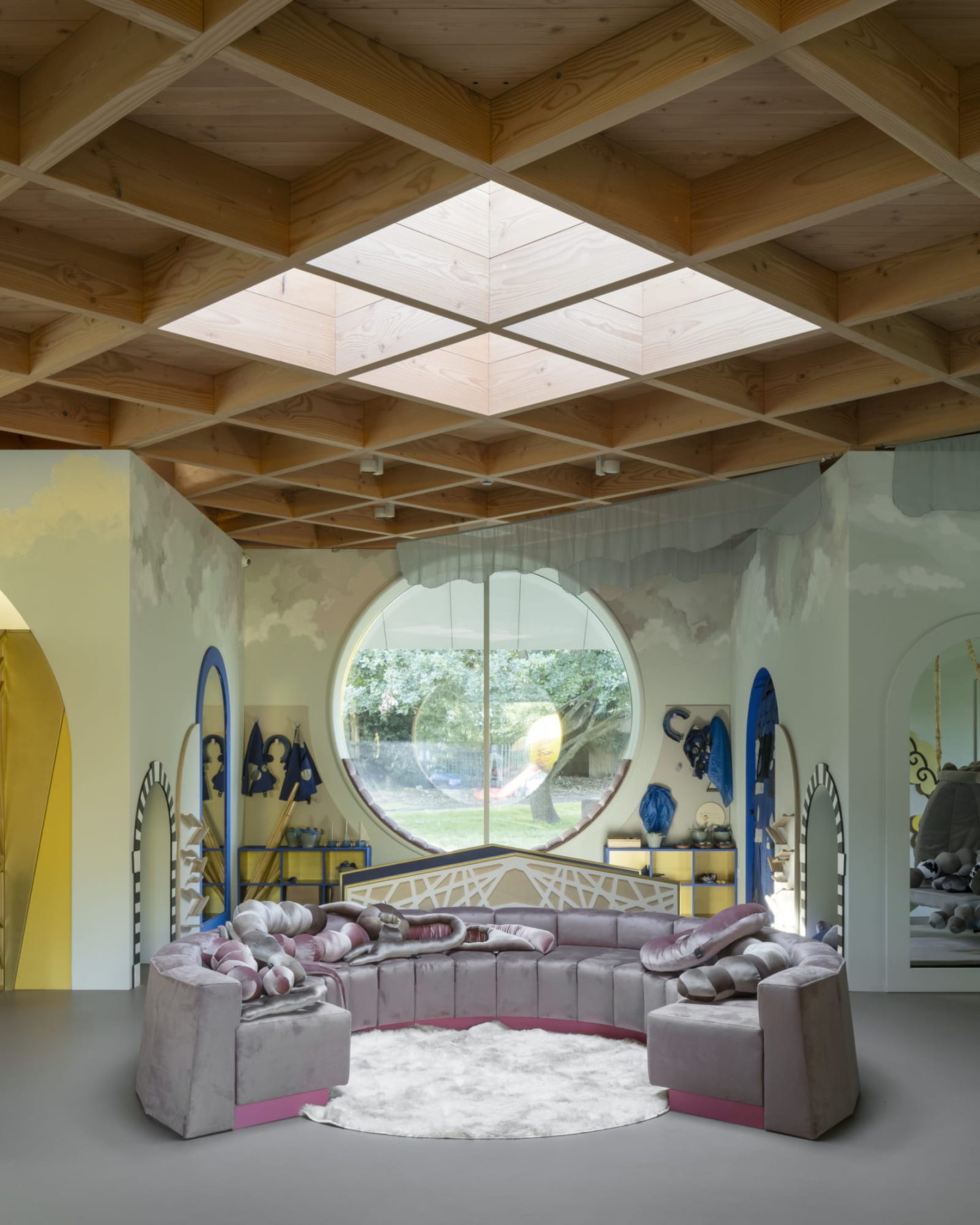
A simple cruciform plan is crowned with a striking reciprocal timber roof, drawing natural light from above into the centre of the space — a contemporary echo of Soane’s top-lit exhibition halls. Inside, the decorative timber roof structure is turned once again through 45 degrees to subtly reorient the relationship with Soane’s gallery and to filter daylight from above.
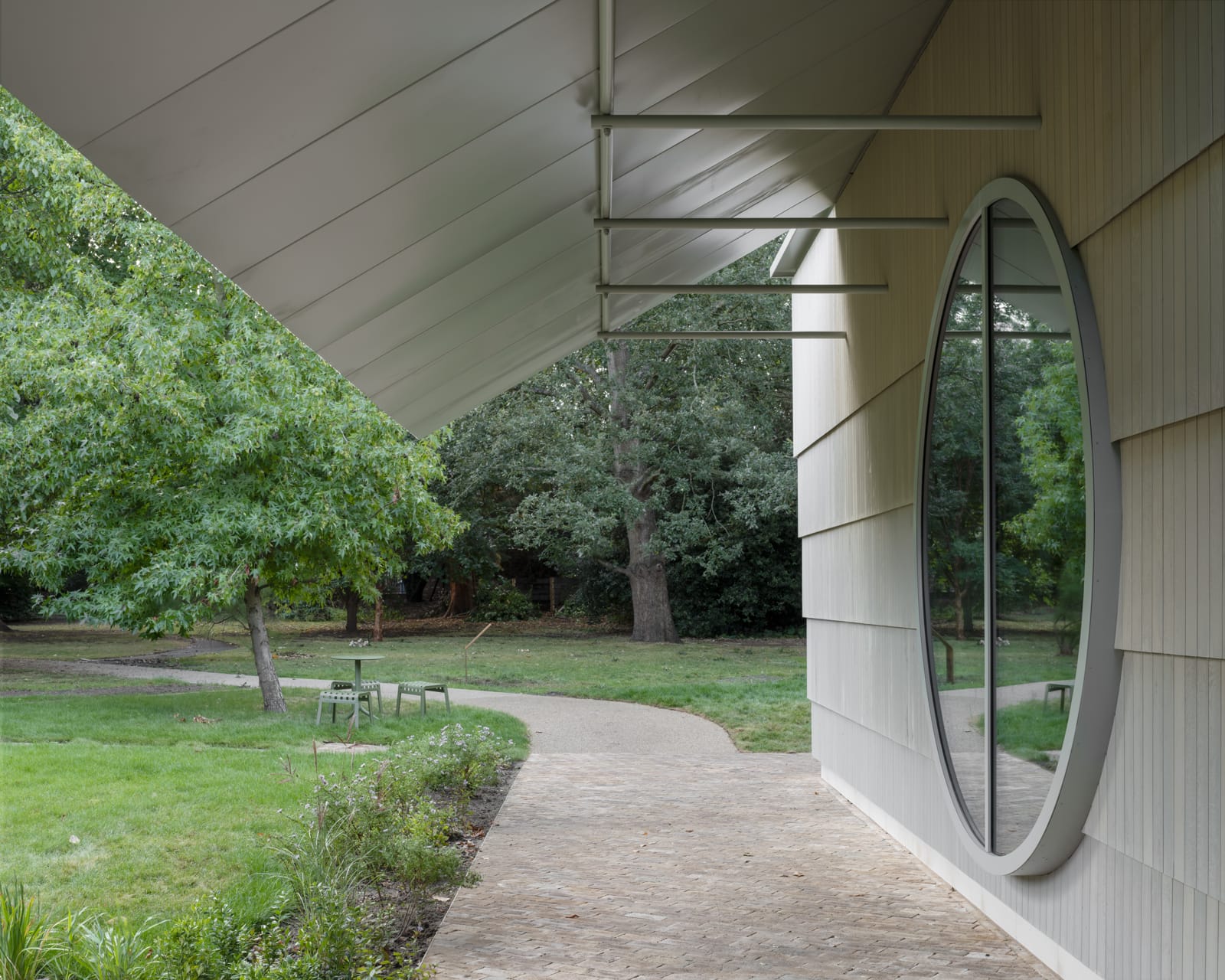
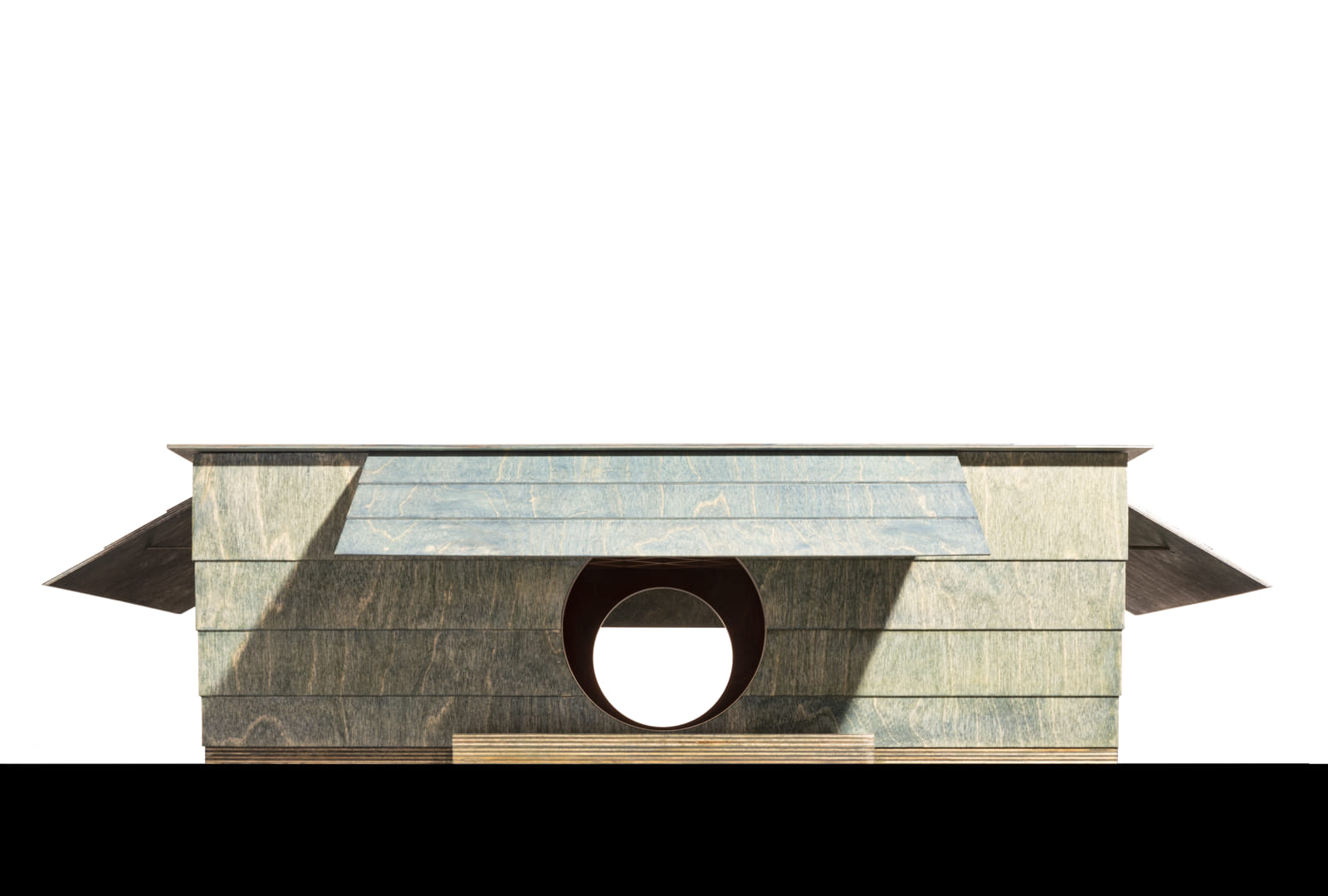
It embraces openness: large circular-framed apertures connect children directly to the surrounding gardens, flooding the interior with daylight and encouraging moments of joy, discovery, and connection to nature.
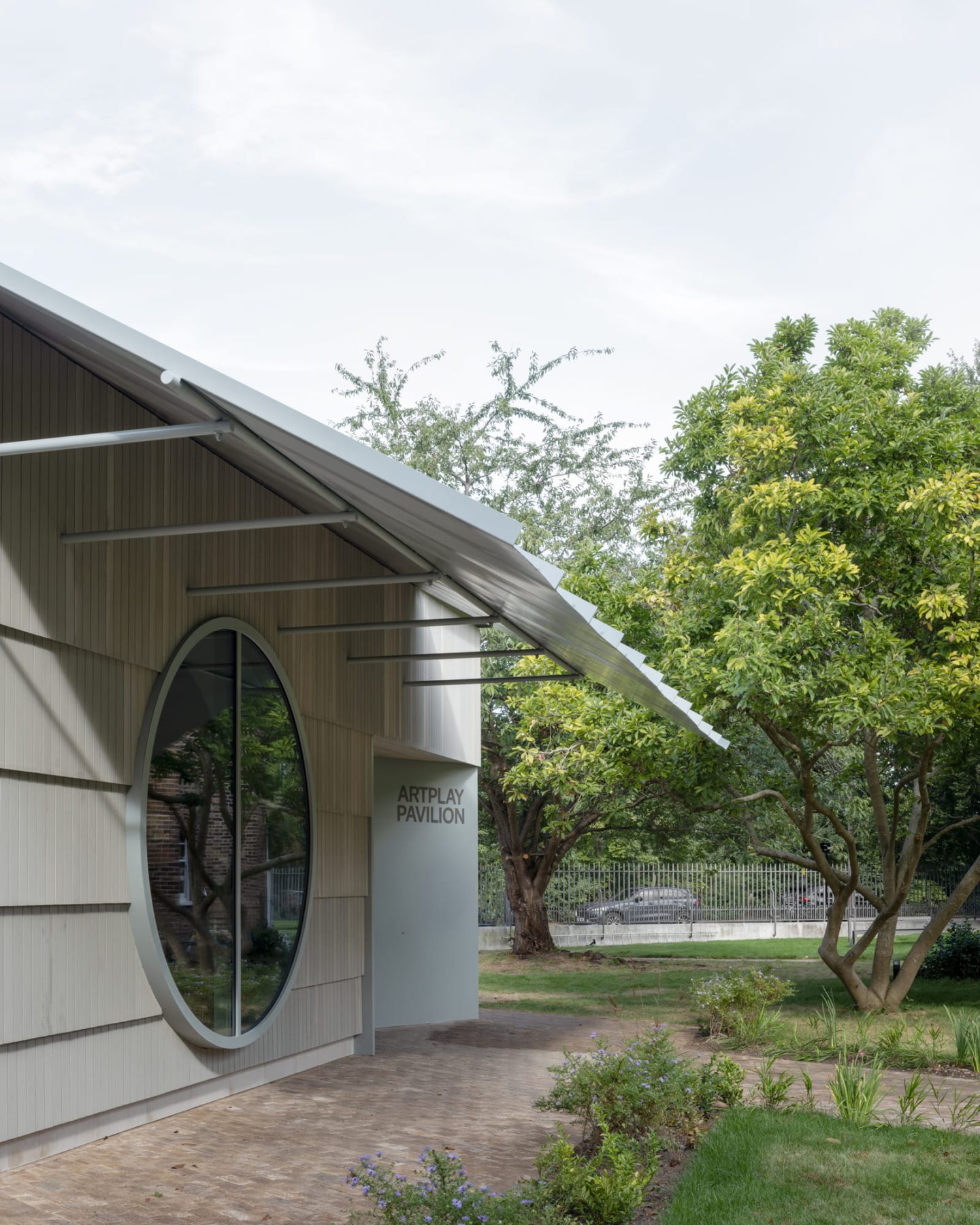
The structure is built entirely from timber, forming a lightweight, low-carbon frame that sits lightly within the listed grounds.
Externally, the ArtPlay Pavilion is characterised by large, overhanging painted-metal canopies reaching out from all four sides. These canopies — subtly reminiscent of the lantern atop Soane’s mausoleum (which inspired the design of the red telephone box) — provide outdoor shelter, passive solar shading, and generous thresholds between building and landscape. They also create a strong physical and visual relationship between the inside of the ArtPlay Pavilion and the landscape outside, offering much-needed places to sit, rest, and look at the art and gardens of Dulwich Picture Gallery.
Canteen
Next to the ArtPlay Pavilion, a formerly disused Grade II listed building — the Gallery Cottage — has been carefully restored and extended to form the Canteen: a new family café and school lunchroom.
Also constructed in UK-grown Douglas fir, the light, open extension is clad in copper with canvas awnings, and opens up panoramic views of the Sculpture Garden. This historic building is now fully accessible to the public, enhancing the Gallery’s provision for schools and families alike.
Decarbonisation of the Historic Estate
The Pavilion and Canteen are powered by a newly installed ground source heat pump, providing low-carbon heating not only to the new buildings but also to Soane’s original 1815 gallery.
This marks a major milestone in the Gallery’s longterm decarbonisation strategy, significantly reducing operational energy use and enabling a sustainable energy future for the entire site.
These new buildings are set within the Gallery’s new Sculpture Garden, bringing to life a previously under-used part of the Gallery’s grounds.
The design enhances biodiversity, introduces new trees and artworks, and transforms the grounds into a more permeable, inclusive, and welcoming public space.
Drawing
Building for the Next Generation
The new architecture at Dulwich Picture Gallery responds to Soane through principled continuity: daylight from above, refined geometries, and buildings that frame rather than dominate the landscape.
The ArtPlay Pavilion and Canteen deepen the Gallery’s offer for the next generation — making space for learning, play, and connection to nature in a new environment that is low carbon, joyful, and deeply rooted in place.
Model
Facts & Credits
Title Dulwich Picture Gallery’s ArtPlay Pavilion and Sculpture Garden
Typology Architecture, Pavilion
Location London, UK
Area 315 m²
Status Completed, 2024
Architecture Carmody Groarke
Structural Engineer Structure Workshop
Landscape Artist Kim Wilkie
Play designers HoLD Art Collective with Zoe Francis Spowage
Project Manager Simon Bristow Associates
Drawings Carmody Groarke
Model Richard Davies
Video Nyima Murry
Photography Johan Dehlin, Linda Shakesby & Luca Pifaretti
Text by the authors
READ ALSO: ARCHITECTURE FOR CULTURE // Dom Turka: historic landmark reimagined as a memorial site | by Tremend architects