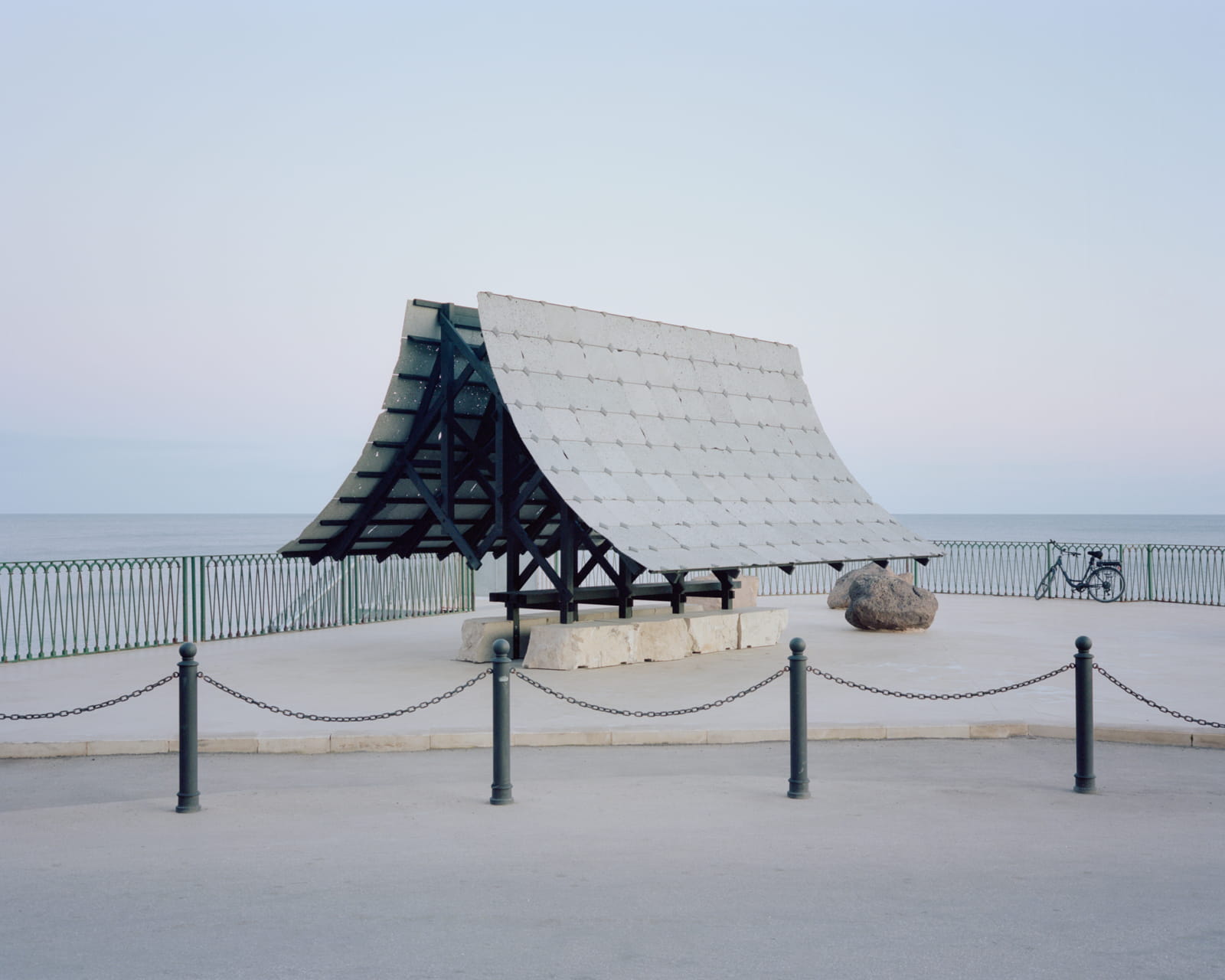
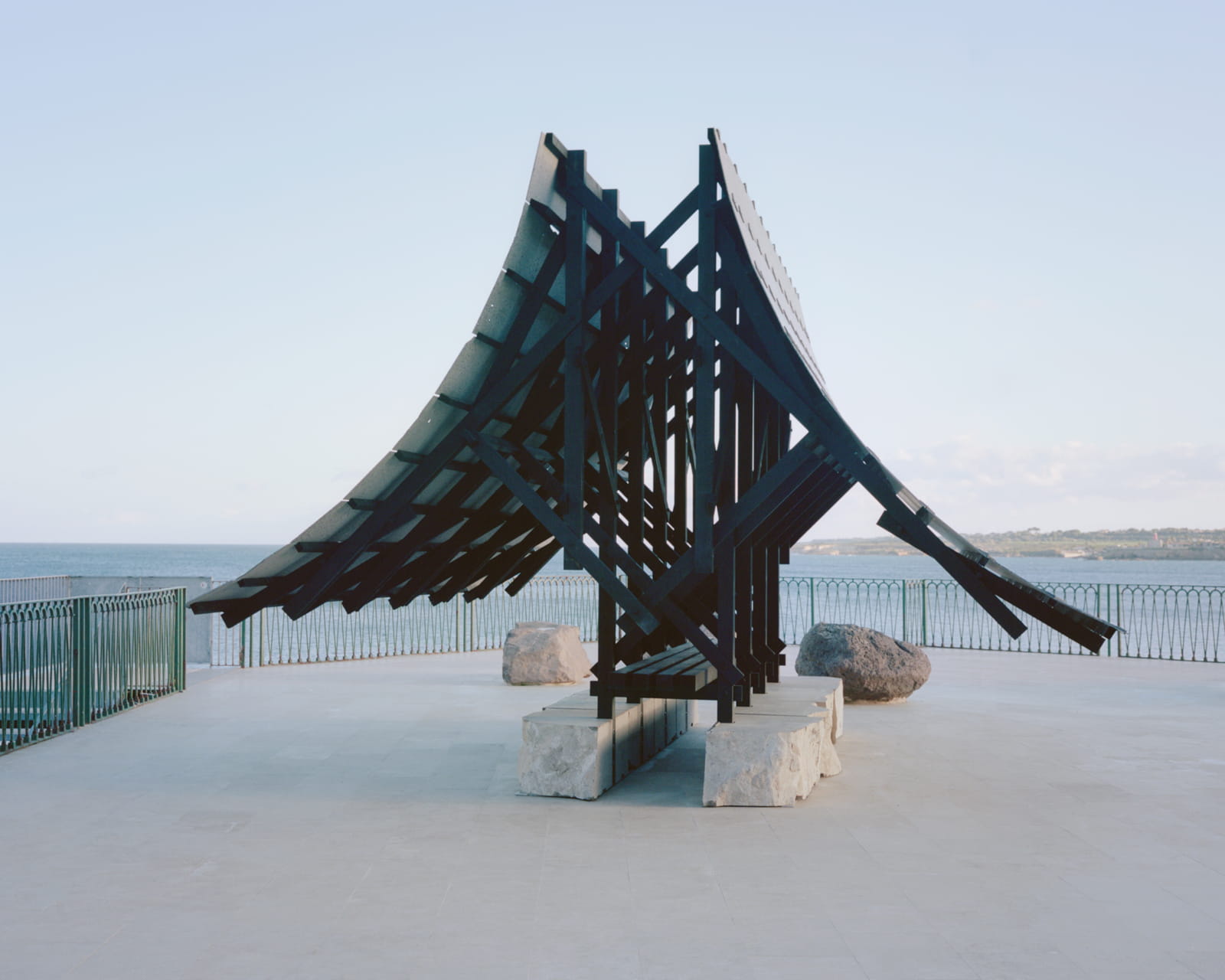
COSMO is an architecture festival dedicated to temporary installations across the landscapes and heritage sites of Sicily. Stretching between eastern Syracuse and the Necropolis of Pantalica, it transforms the territory into an open-air laboratory exploring the intersections of architecture, archaeology, landscape, design, and contemporary living. Within this context, Asympta by Leopold Banchini Architects emerges as a speculative micro-architecture, imagining how prehistoric inhabitants of the valley might have constructed lightweight shelters using lava stone, charred wood, limestone, bronze, and wool felt.
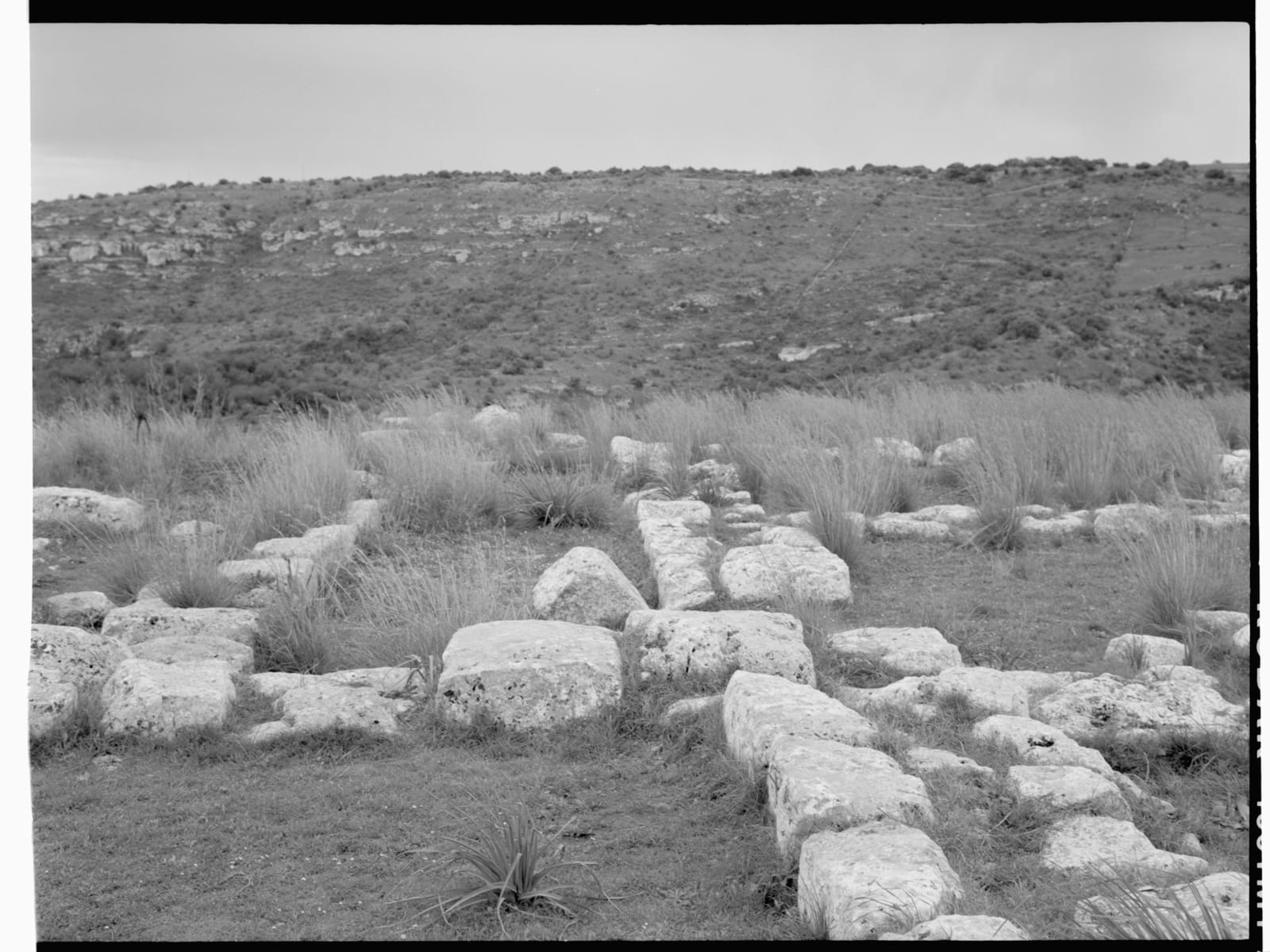
Little is known about the people who once lived and buried their dead along the banks of the Anapo River. The vast necropolis of Pantalica Necropolis—a complex of more than 4,000 rock-cut tombs dating back to the second millennium BC—reveals remarkably little about the ways in which the living inhabited the valley. While funerary architecture endures in stone, traces of everyday dwellings remain almost entirely absent. It is therefore widely assumed that the inhabitants of the valley relied on light construction techniques and local organic materials, creating forms of shelter that have long since vanished from the archaeological record.
Part of the Syracusa-Pantalica UNESCO world heritage site listing, Asympta is a speculative micro-architecture reflecting on the largely unknown architectural landscape of this prehistoric civilisation rather than on its monumental necropolis.
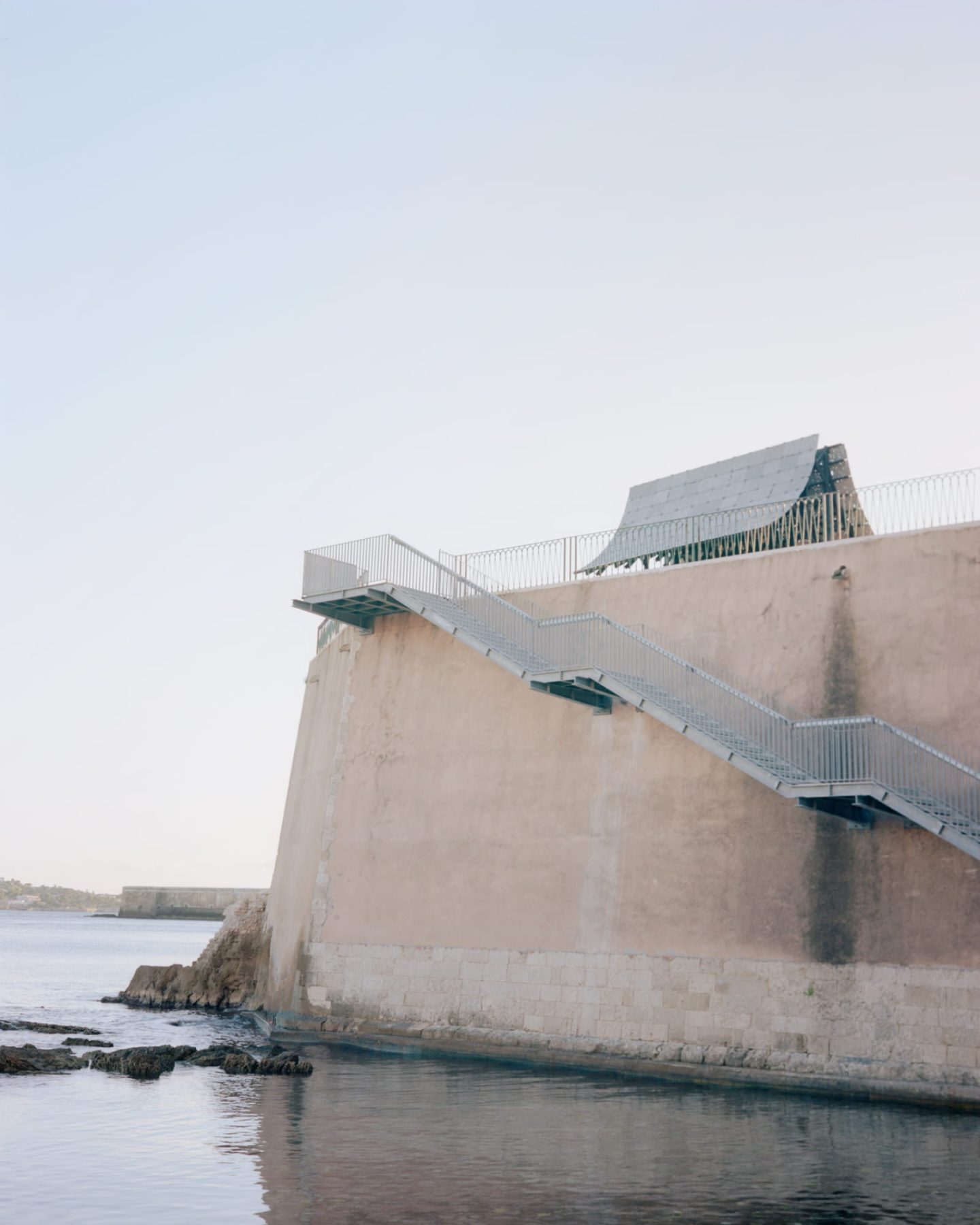
Designed as part of the annual COSMO Festival the project explores how architectures, and the cosmologies that sustain them, might emerge from a specific landscape, attuned to its topography and resources.
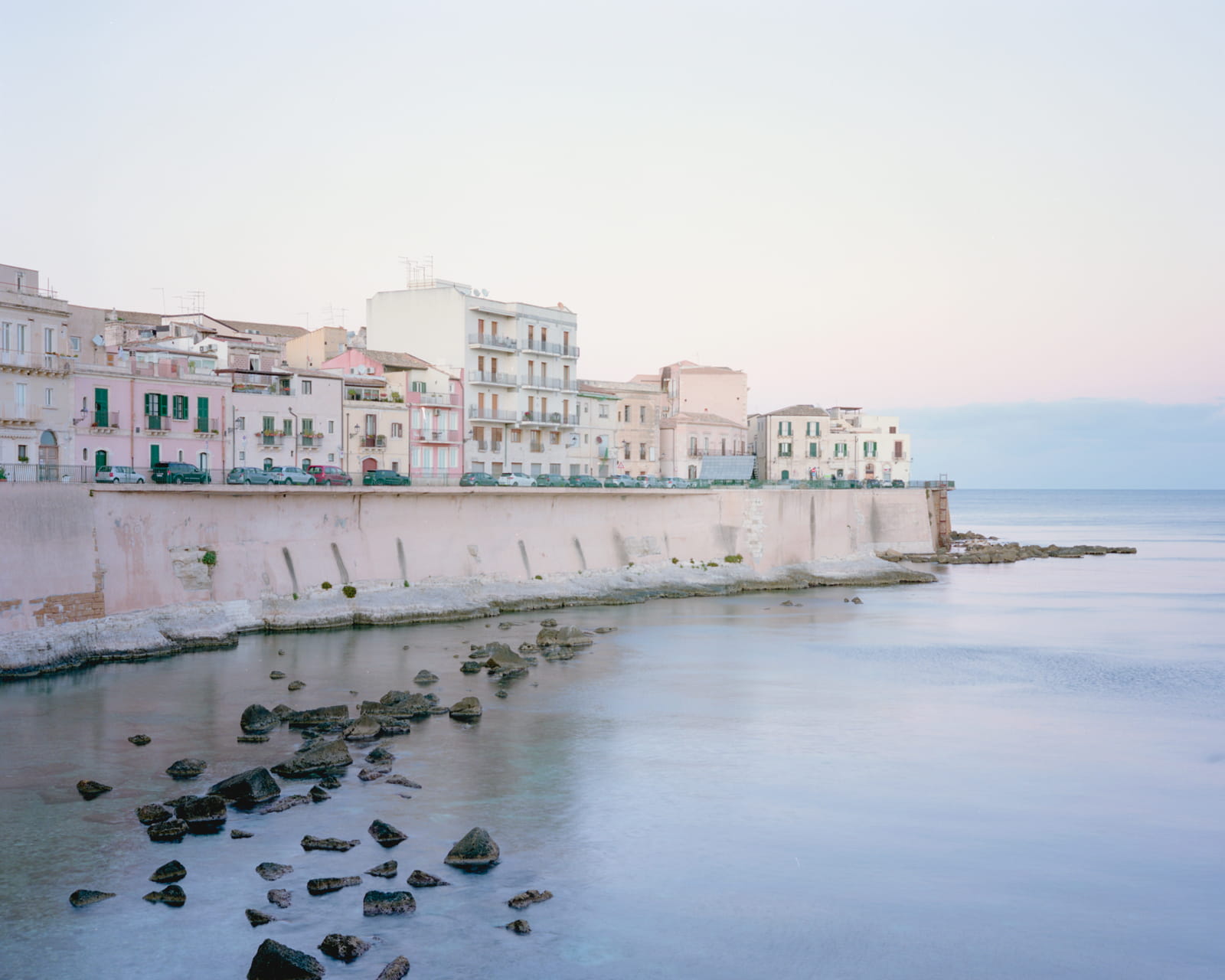
Echoing the provisional qualities of early domestic structures, the temporary installation unfolds as a narrative device, generating multiple fictional readings that draw as much from vernacular practices as from contemporary construction techniques. In doing so, it deliberately distances itself from archaeological reconstruction, scientific certainty, and rigid historical timelines.
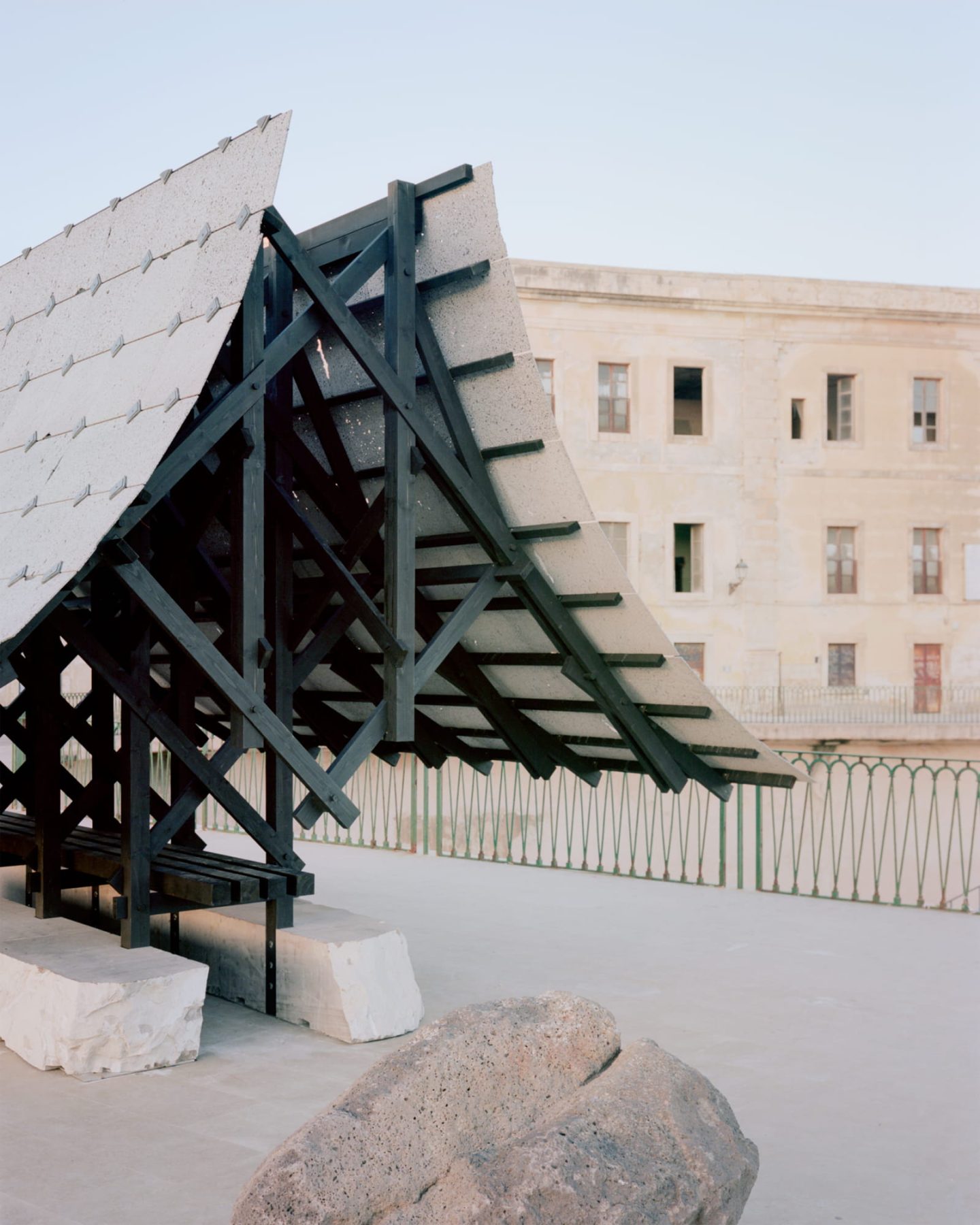
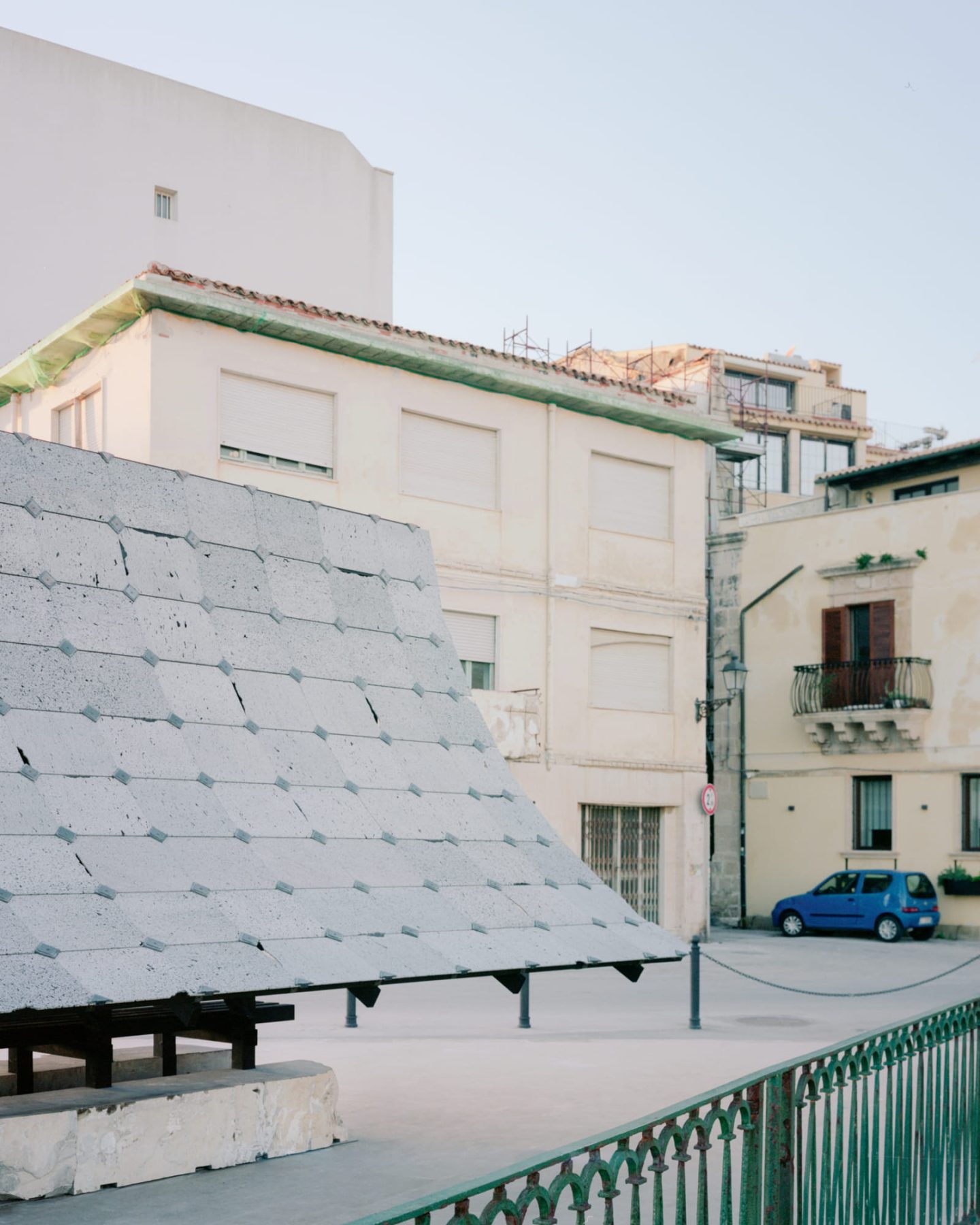
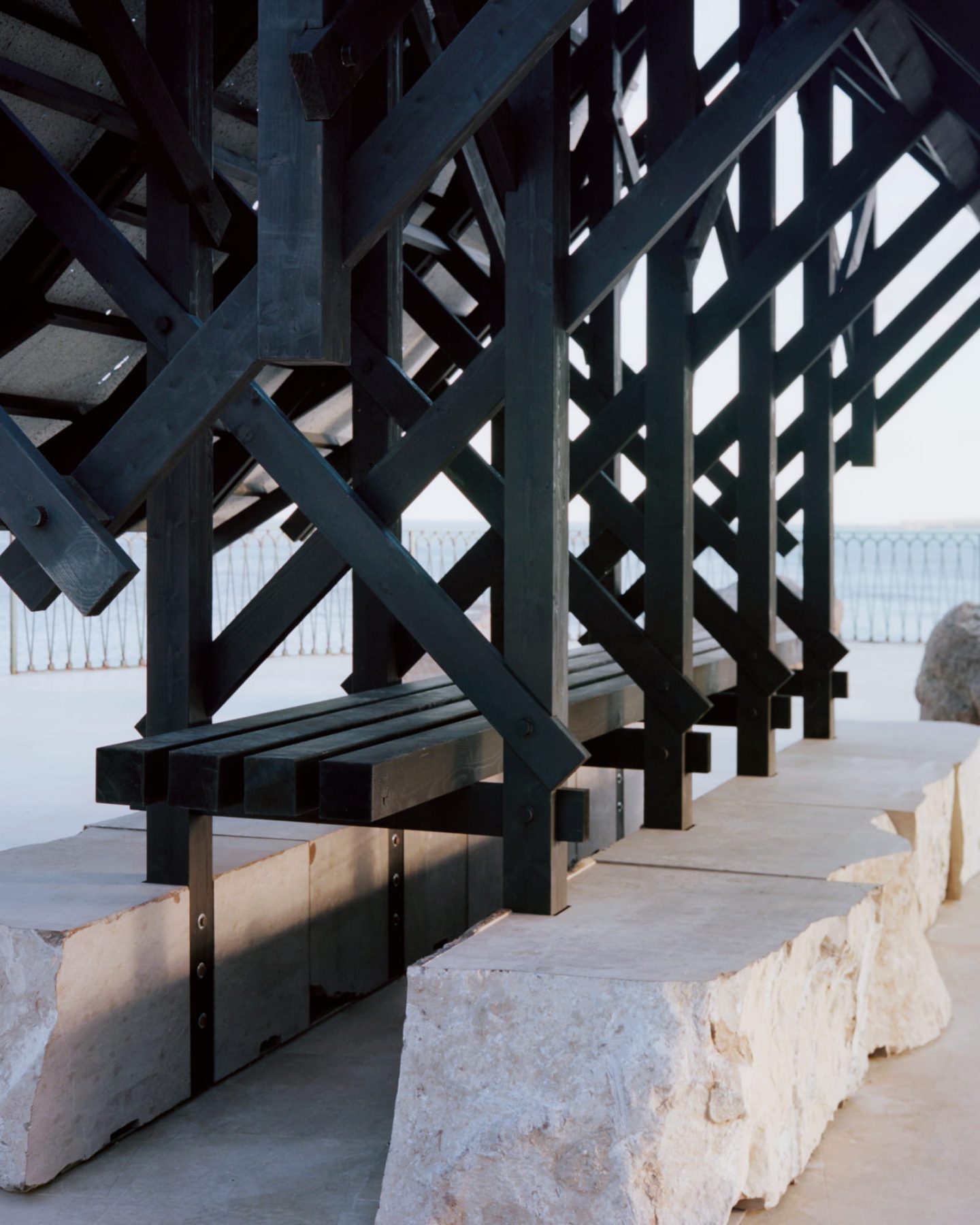
The structure is composed of materials deeply embedded in the geography of eastern Sicily: lava stone originating from Mount Etna, locally sourced timber sealed by fire, Pietra Pece limestone, bronze elements and sheep-wool felt.
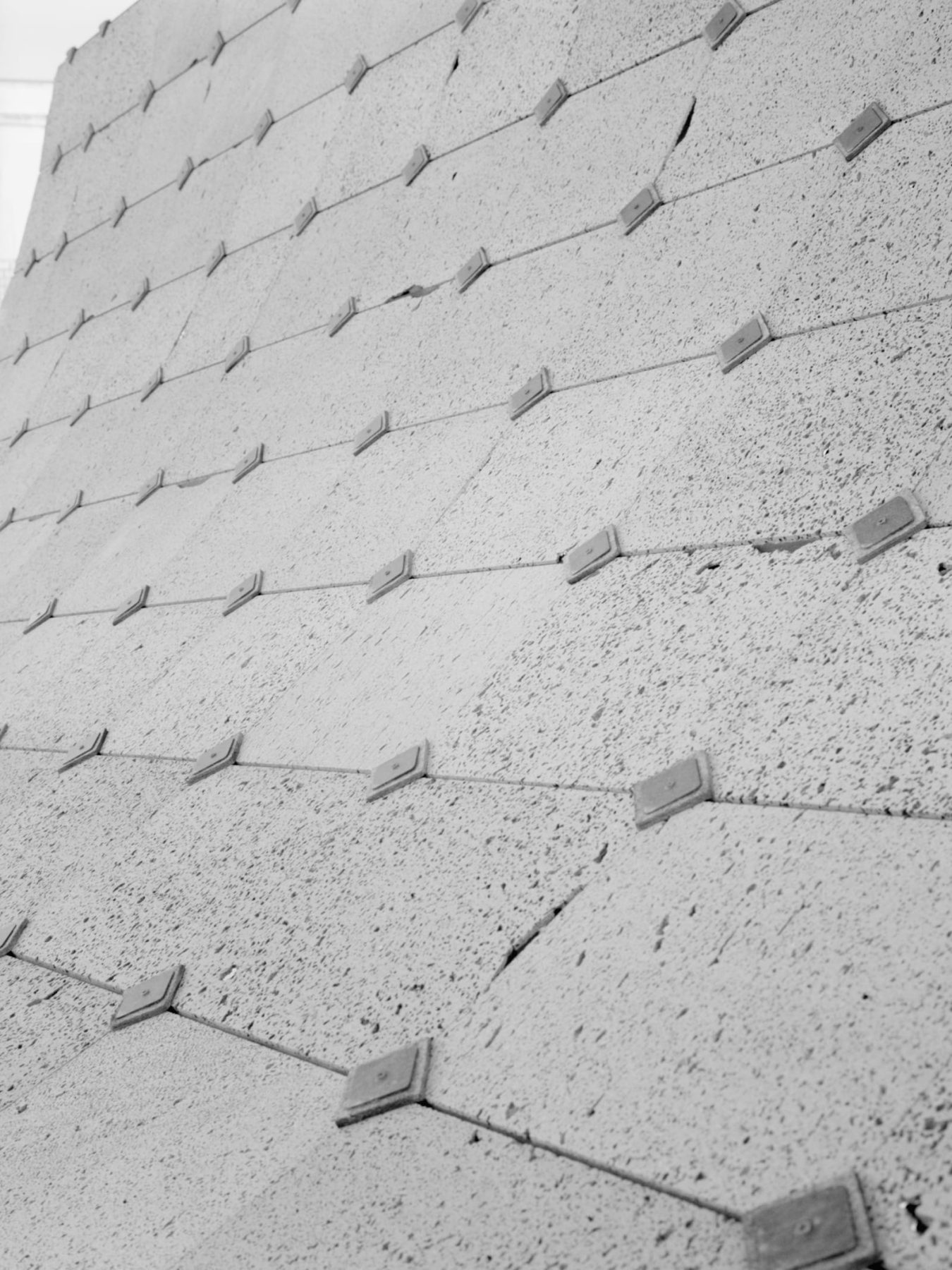
Together they form a shaded space intended for gathering, pause and reflection.
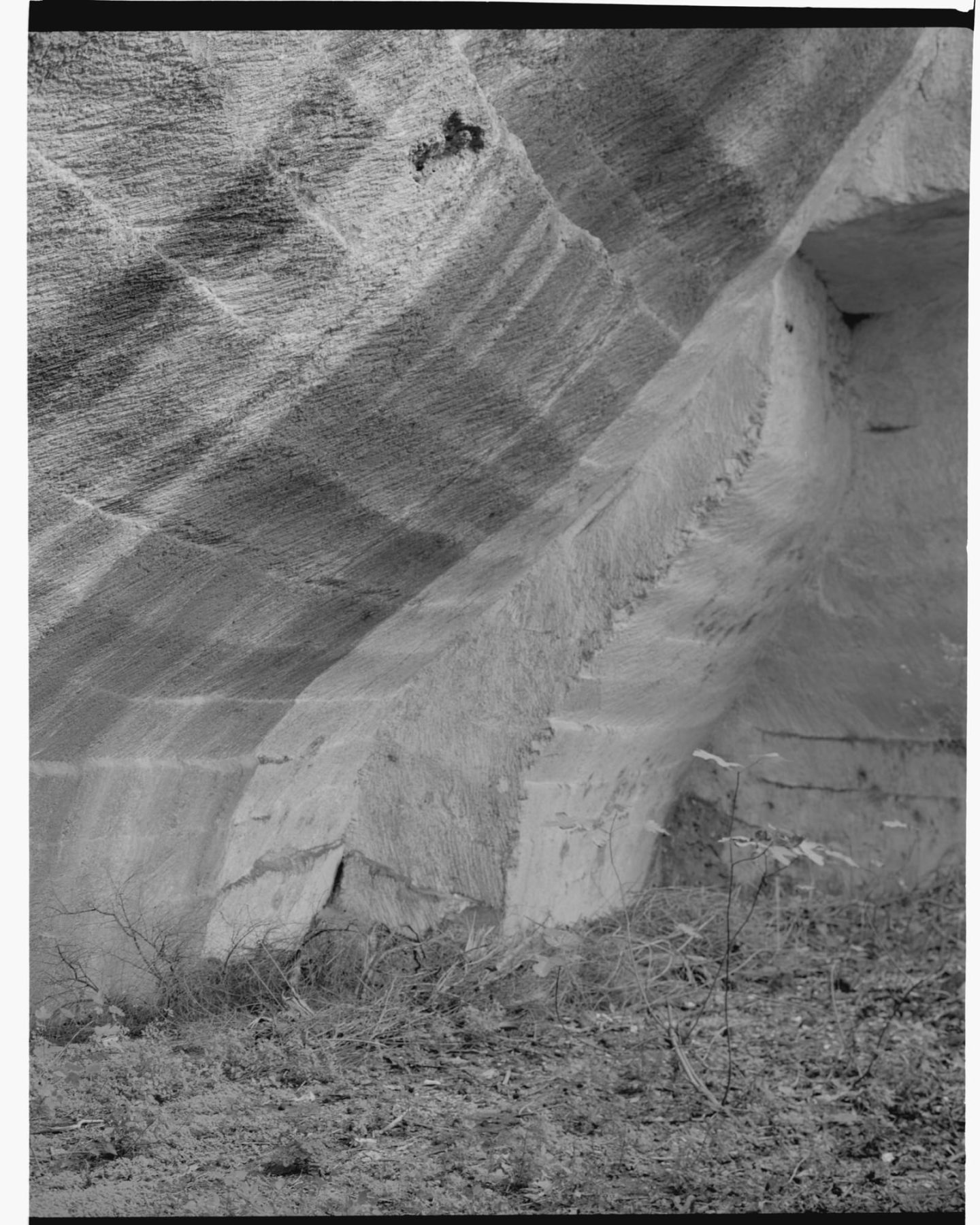
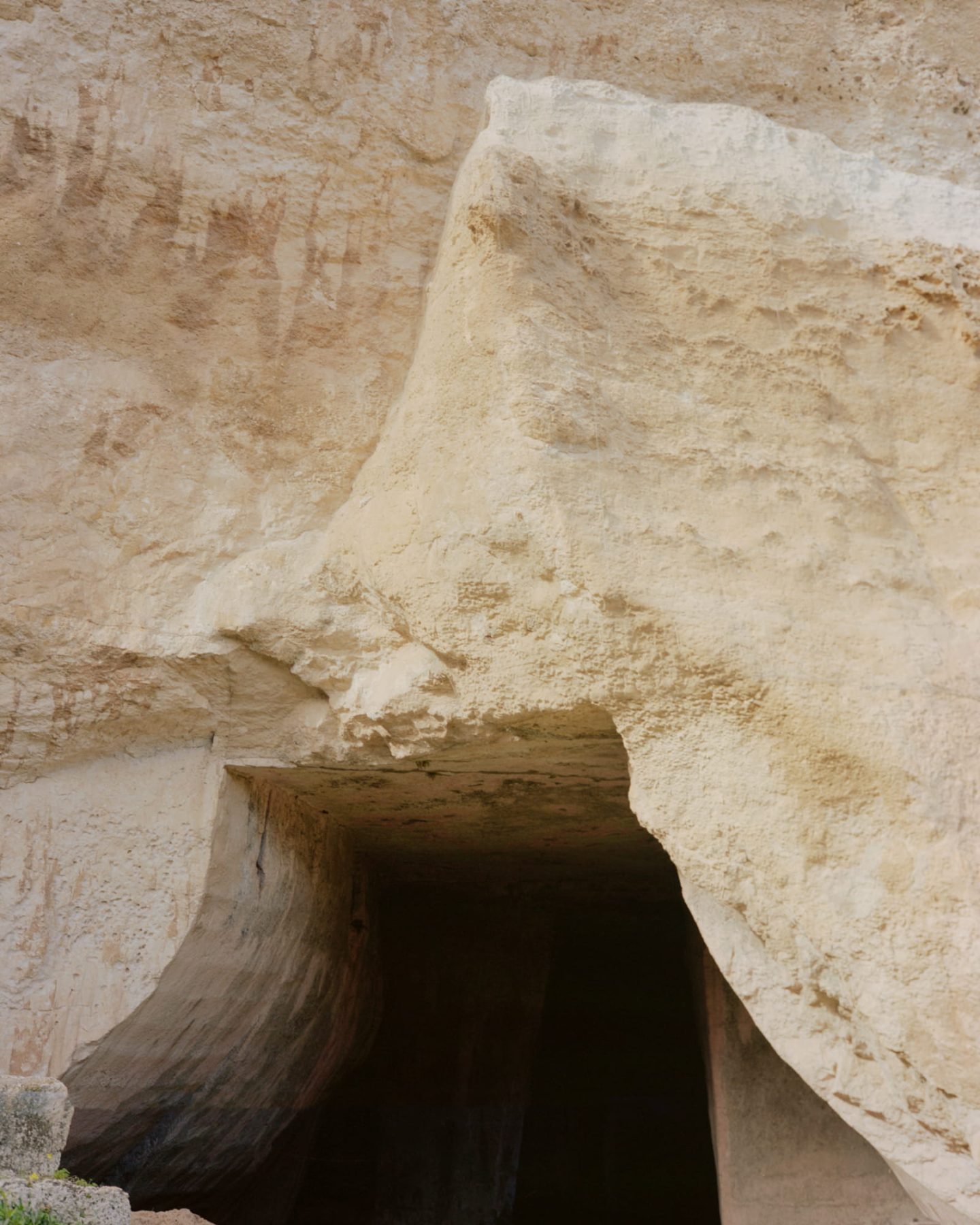
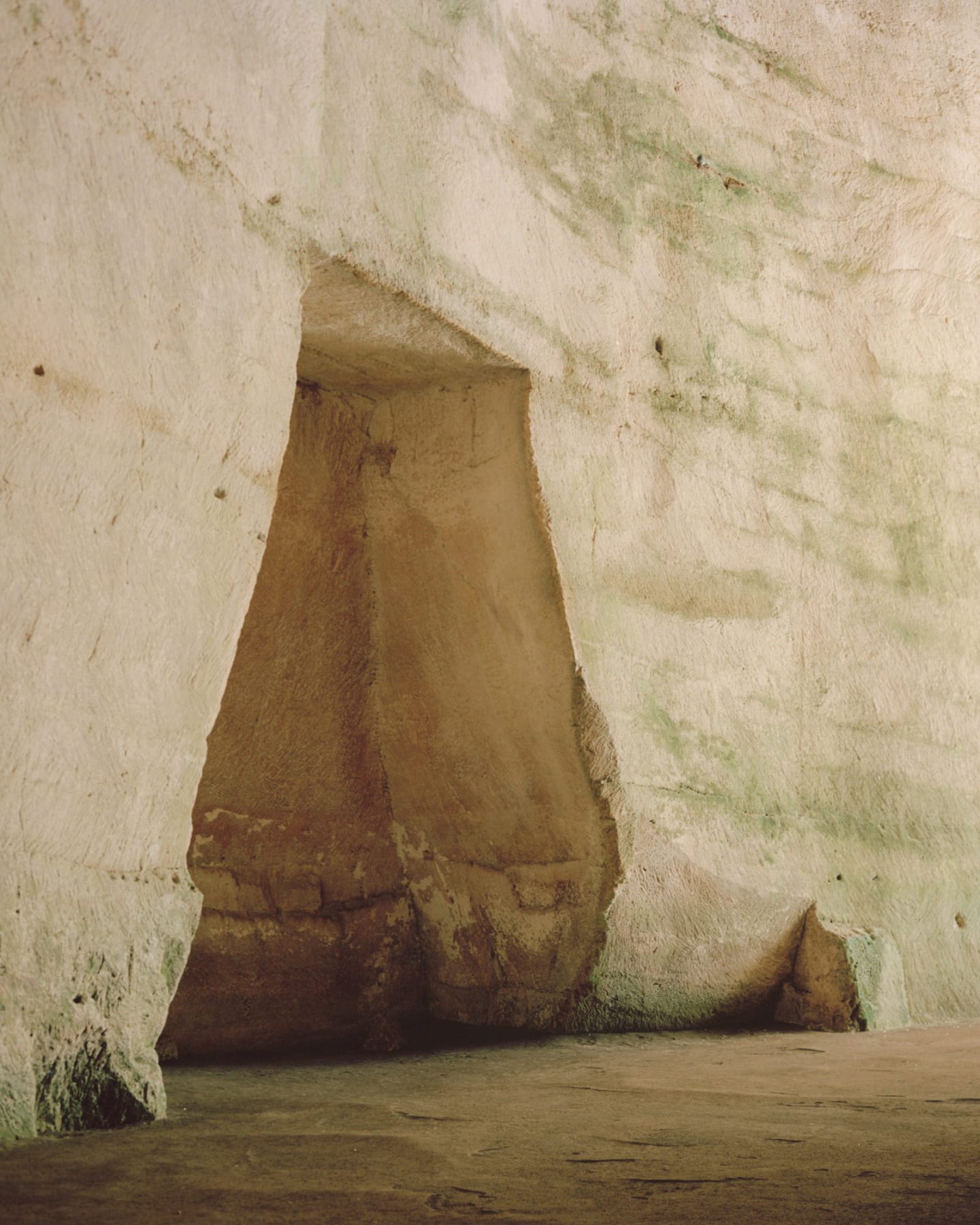
Its double asymptotic geometry evokes both the volcanic cone that dominates the region’s horizon and the carved profiles of the nearby latomie—ancient quarries from which stone has been extracted since antiquity. In subtly questioning the romanticised myth of Laugier’s Primitive Hut, the open structure reframes architectural origins as a condition of proximity to landscape.
Asympta instead suggests an architecture of adaptability and reciprocity—one that emerges from, and remains inseparable from, the material and cultural richness of its surroundings.
Facts & Credits
Title Asympta
Typology Architecture, Installation
Location Ortigia (2025), Pantalica (2026)
Architecture Leopold Banchini Architects
Built by DiSe
As part of COSMO festival
Photography Simone Bossi
Text by the authors
READ ALSO: Interiors We Love: Venetian Flooring Meets Exposed Concrete at Casa Viale della Tecnica in Rome by Maria Adele Savioli