Simple World, located in Hefei, Anhui Province, sits at the crossroads of China’s strategic emphasis on technological innovation and cultural tourism in the wake of first-tier city development. In this context, architects Jenchieh Hung and Kulthida Songkittipakdee, founders of the Thai architecture studio HAS Design and Research, were commissioned by a Chinese client to design a series of five interconnected architectural projects. These include a public contemporary art museum, a private collection gallery, a furniture concept space, a culinary display gallery, and a lifestyle experience space. Collectively, the five projects span nearly 3,000 square meters, combining functions for art exhibition and commercial retail.
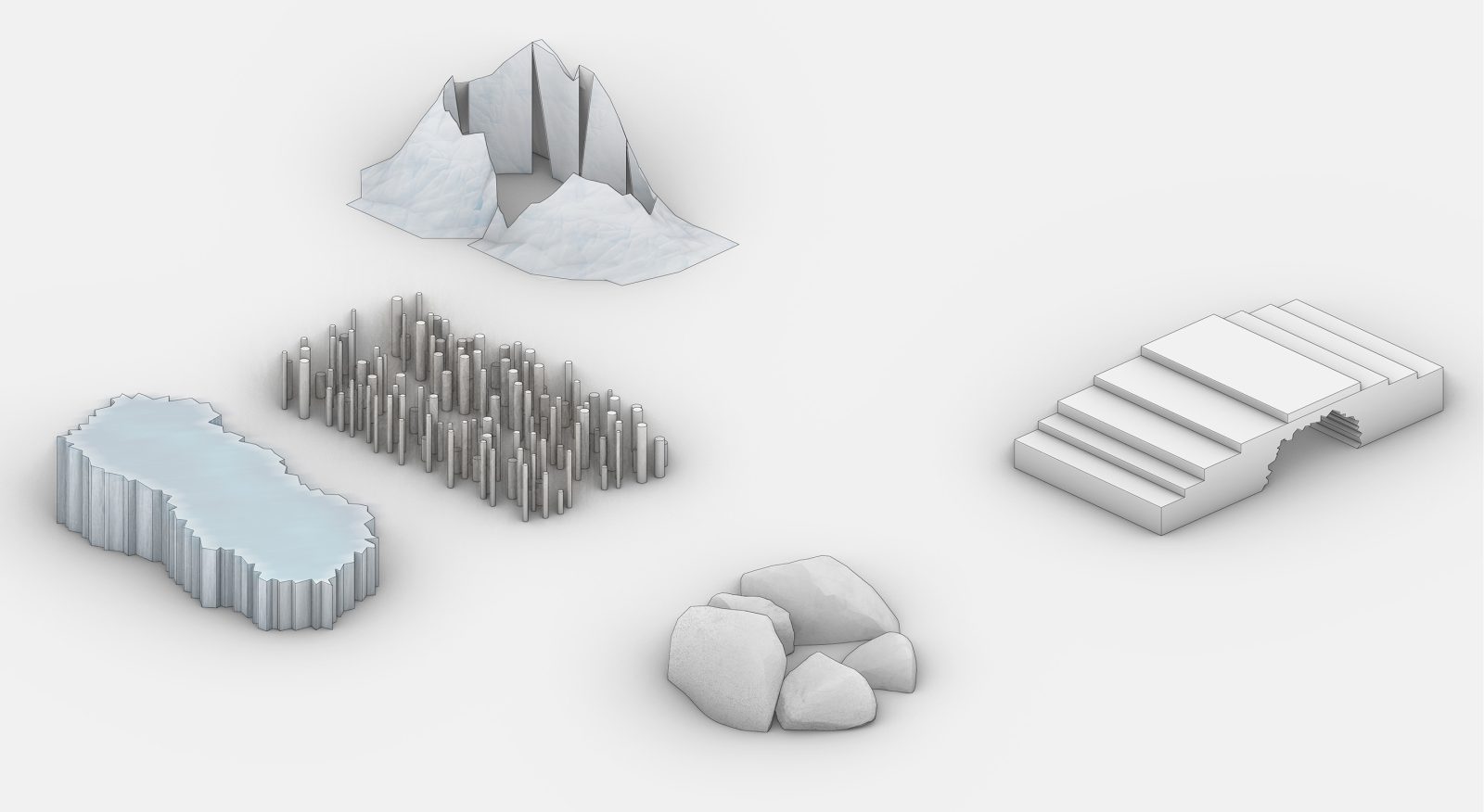
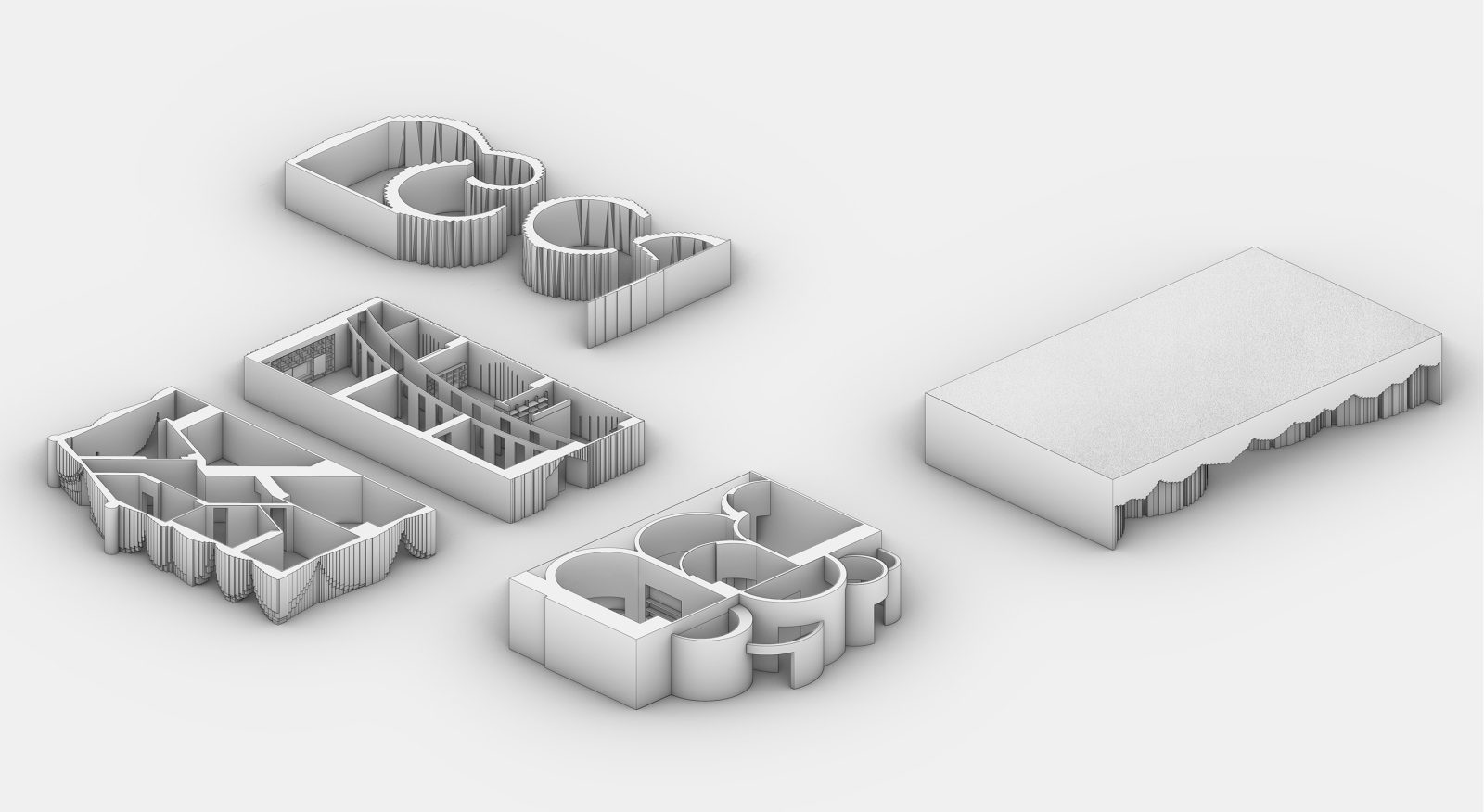
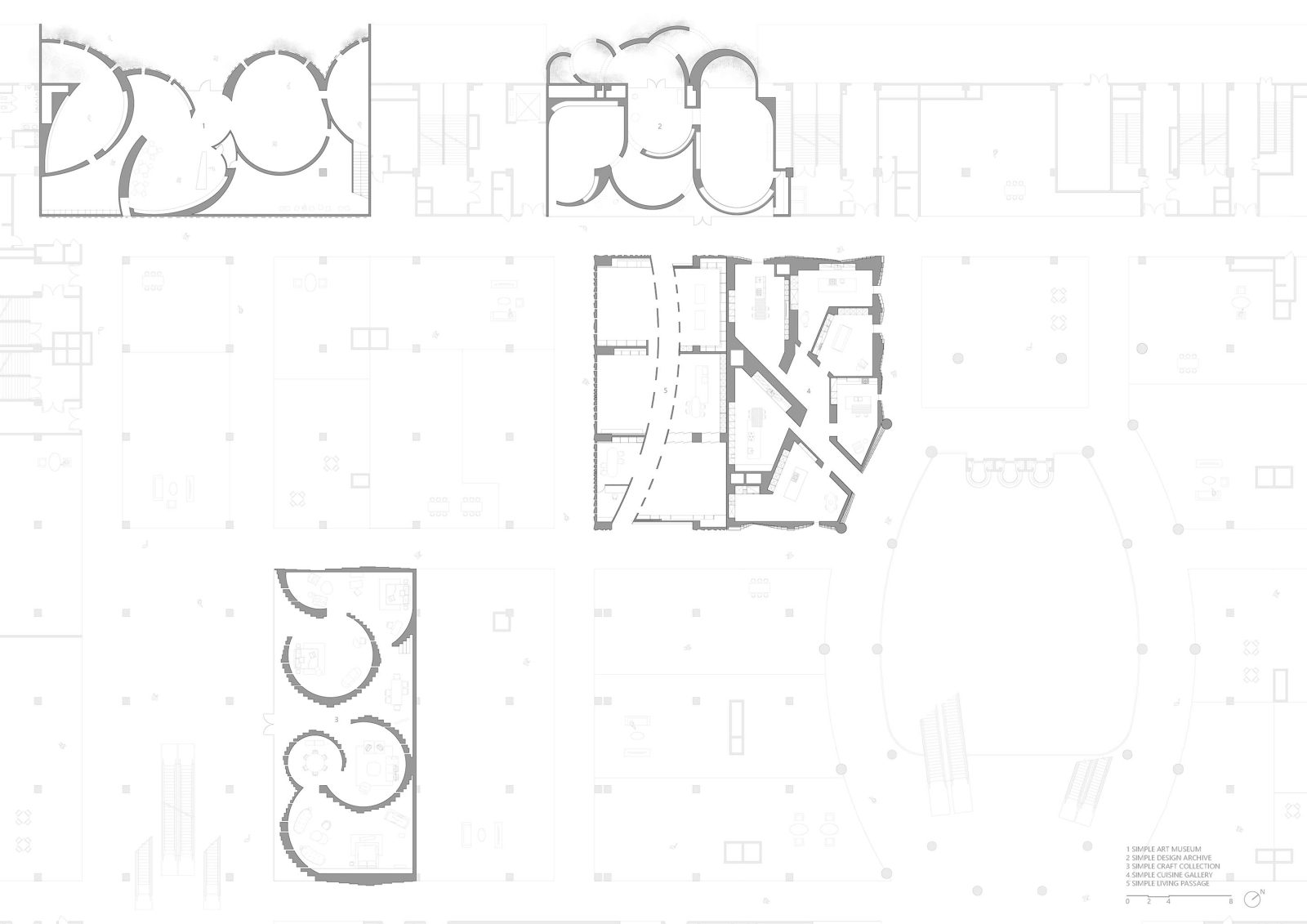
Unlike typical new builds on vacant land, these five experimental projects are situated within a large furniture mall in Hefei’s new district. Addressing contemporary urban challenges—such as economic slowdown, an aging population, and the underutilization of newly developed areas—Simple World explores how architecture and adaptive reuse can break away from the limitations of single-use commercial spaces.
By integrating culture, art, design, and exhibition functions, the projects aim to promote a new model of mixed-use living while meeting the cultural and artistic aspirations of the local community—infusing China’s emerging urban landscapes with a renewed sense of humanism.
1. Simple Art Museum
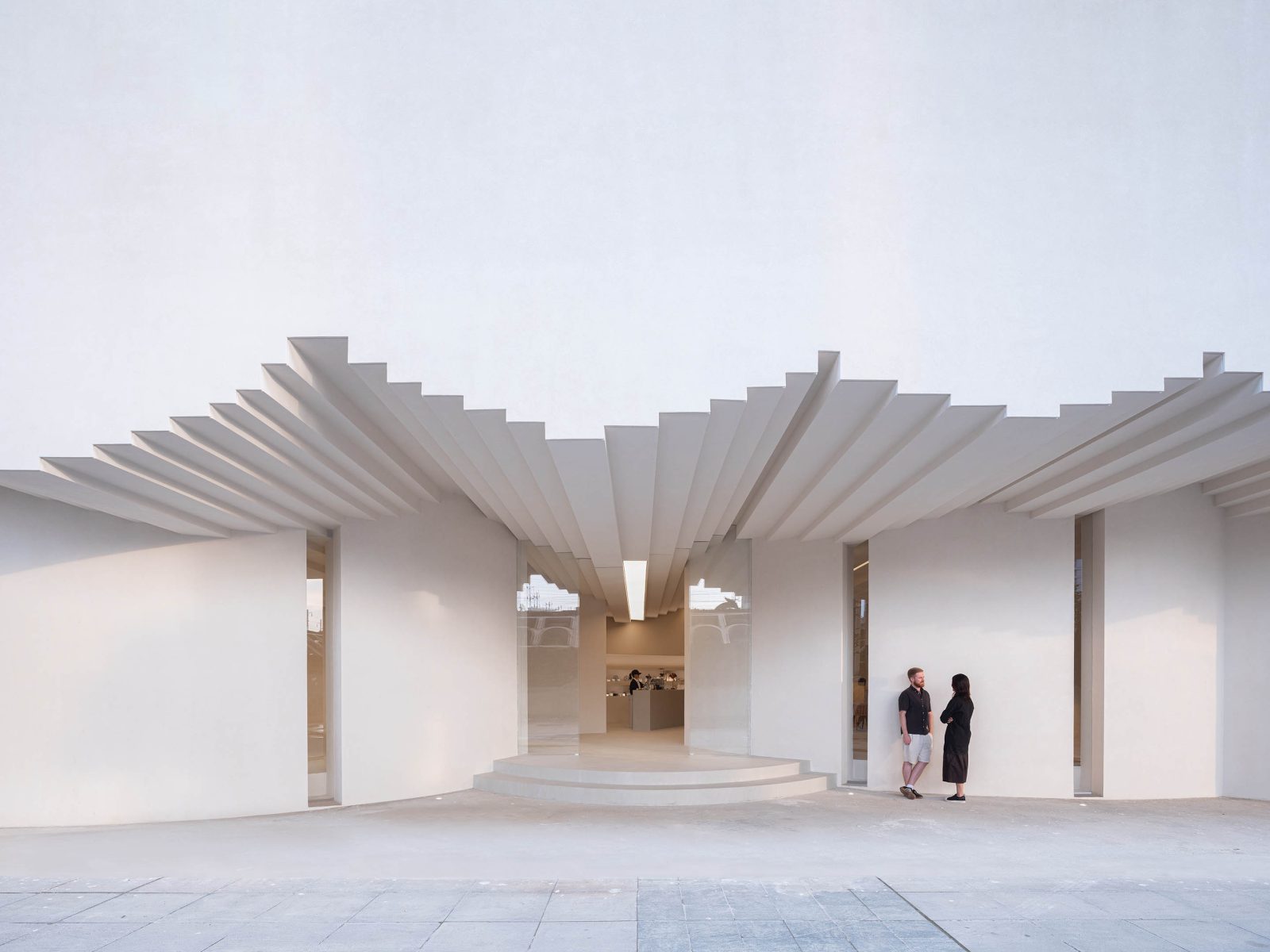
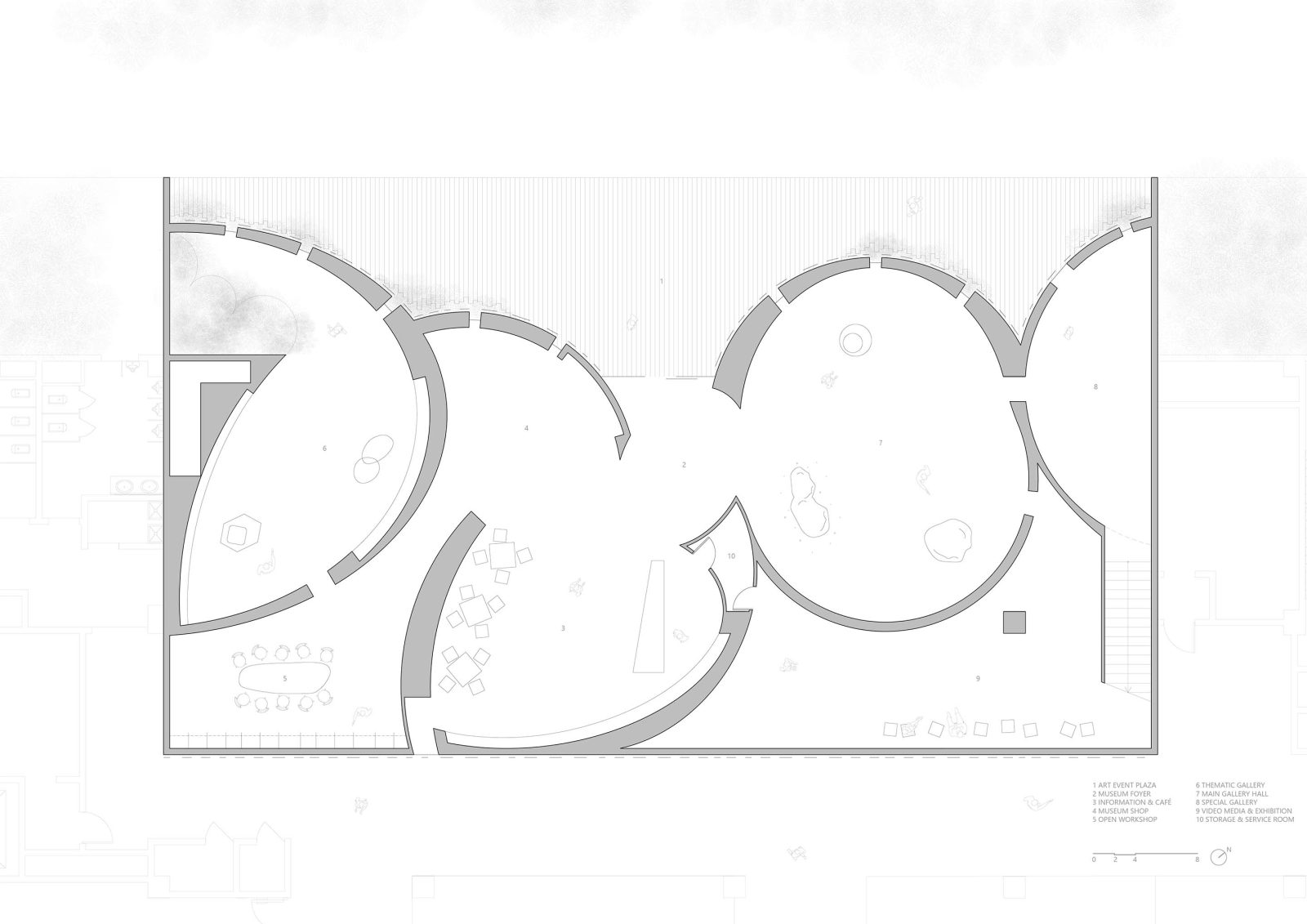
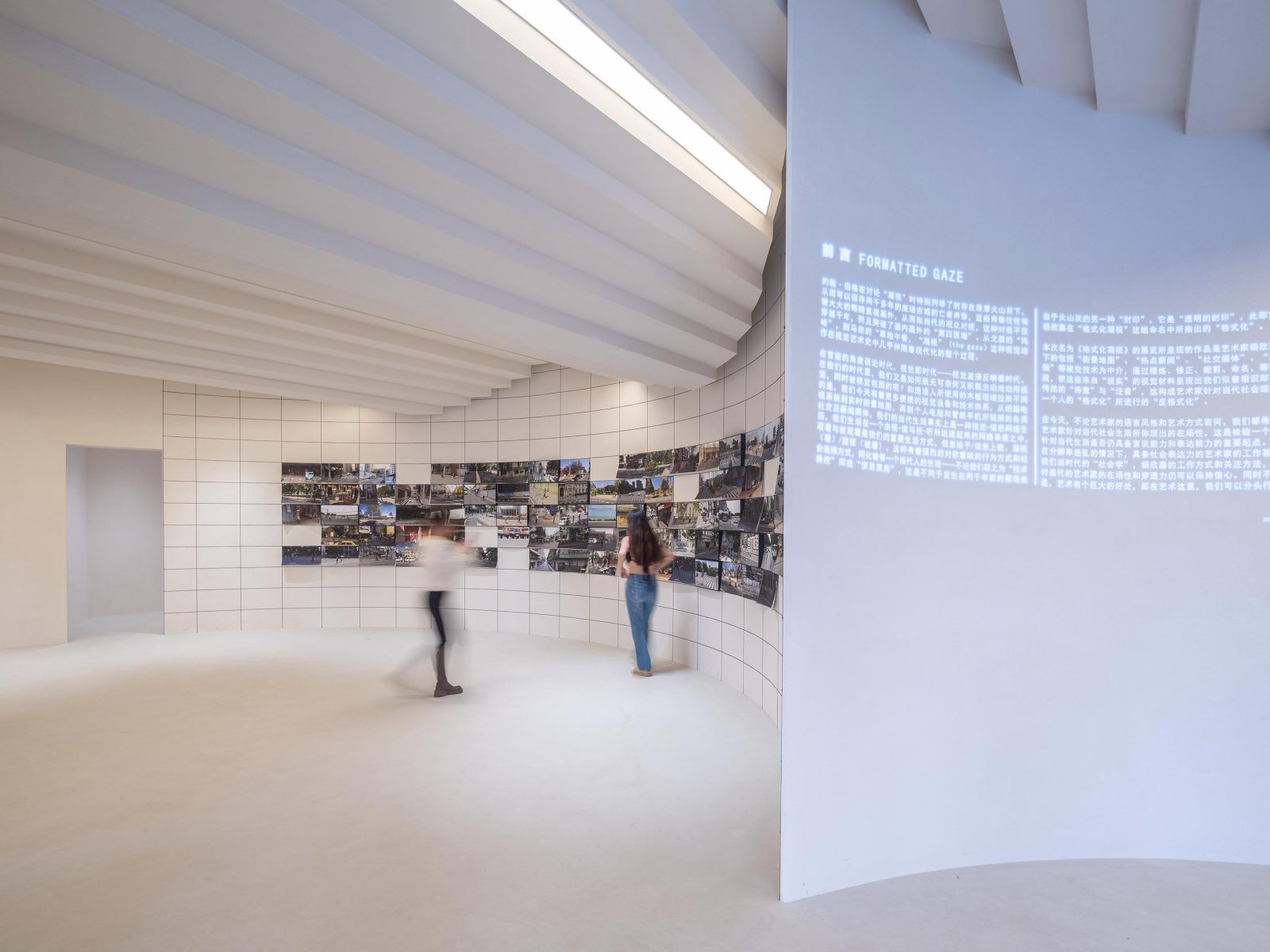
The first project, Simple Art Museum, extends outward from the existing furniture mall, establishing a free, non-profit contemporary art space open year-round to the public. Its undulating eaves reinterpret the iconic gable walls of Anhui’s Huizhou architecture. Here, however, the gables are not symbolic dividers but architectural elements that seamlessly connect interior and exterior spaces—housing art exhibitions, a café, and community engagement zones.
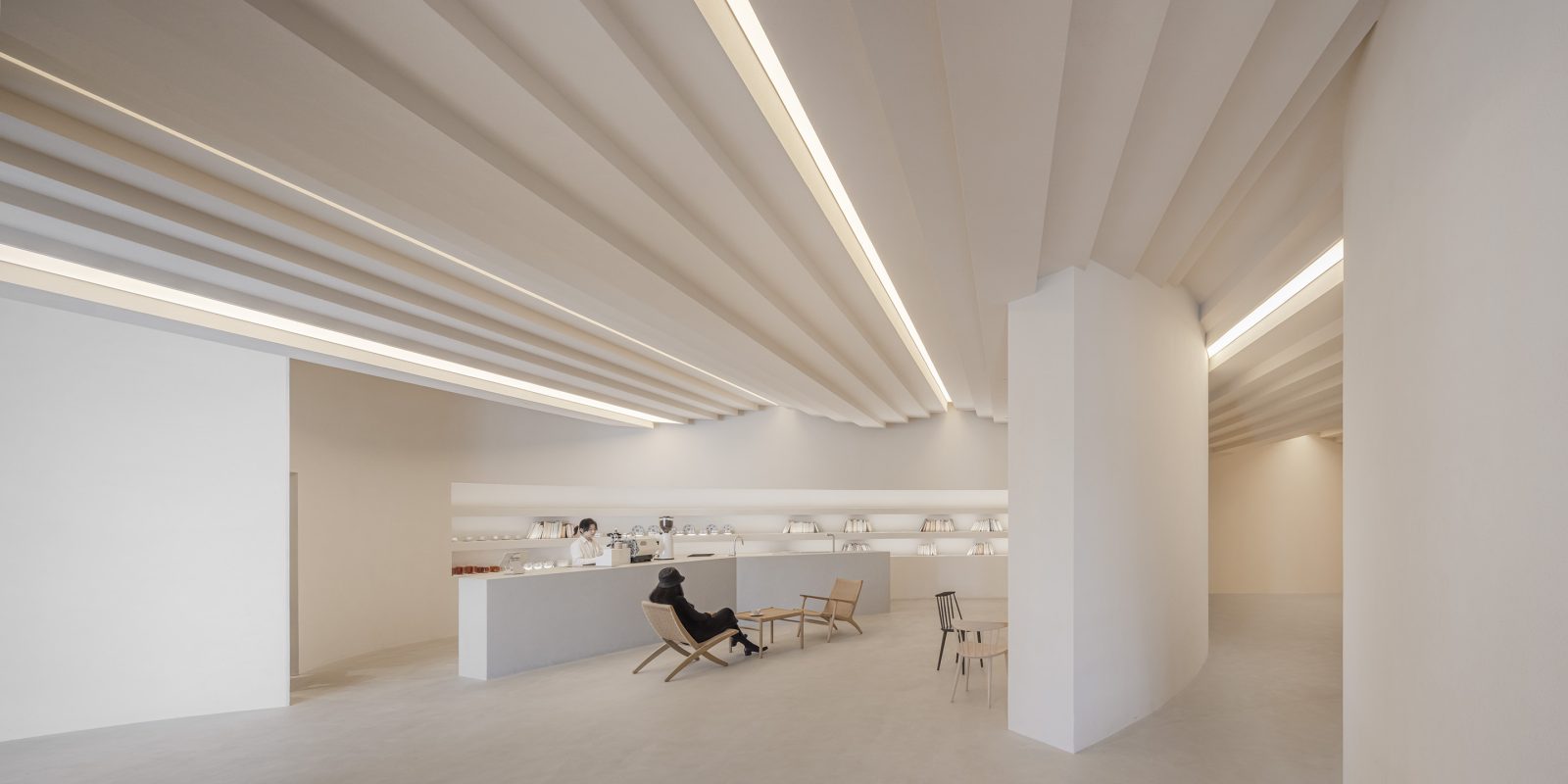
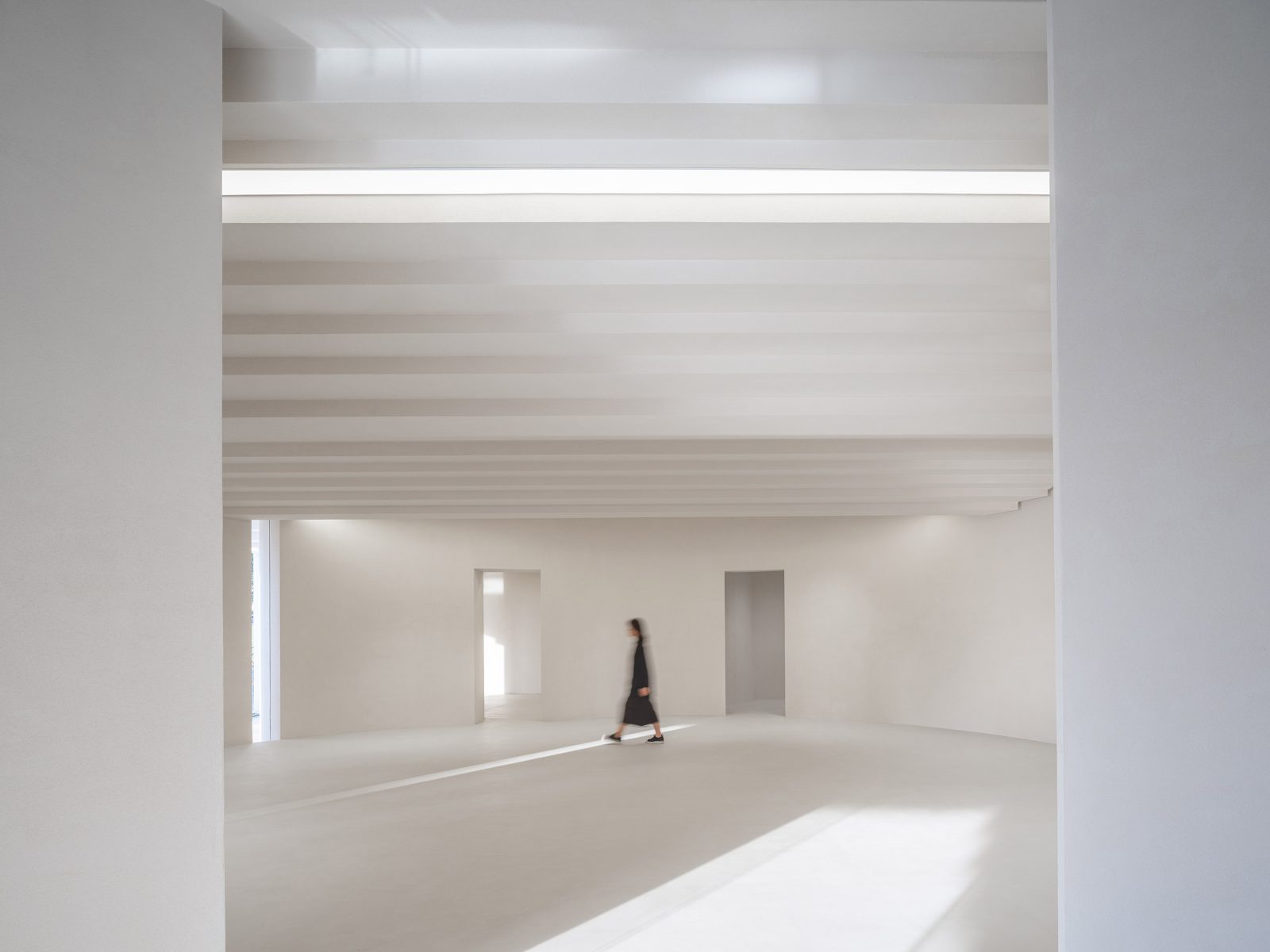
The museum has two entrances: a main one from the street that introduces a fresh cultural perspective to the city, and a secondary entrance from within the mall, transforming an otherwise impersonal commercial space into a socially conscious public venue.
Read more about Simple Art Museum here!
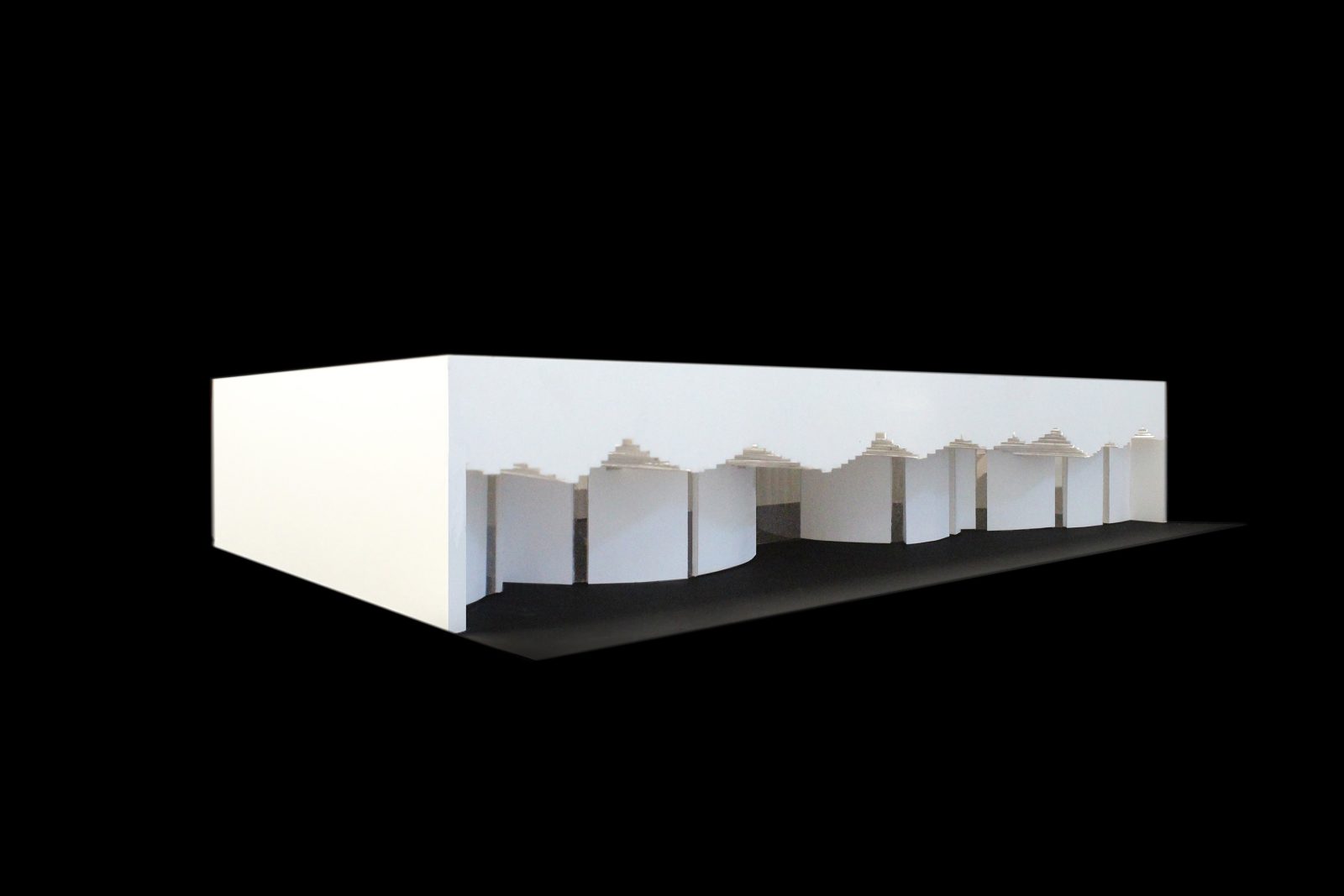
2. Simple Design Archive
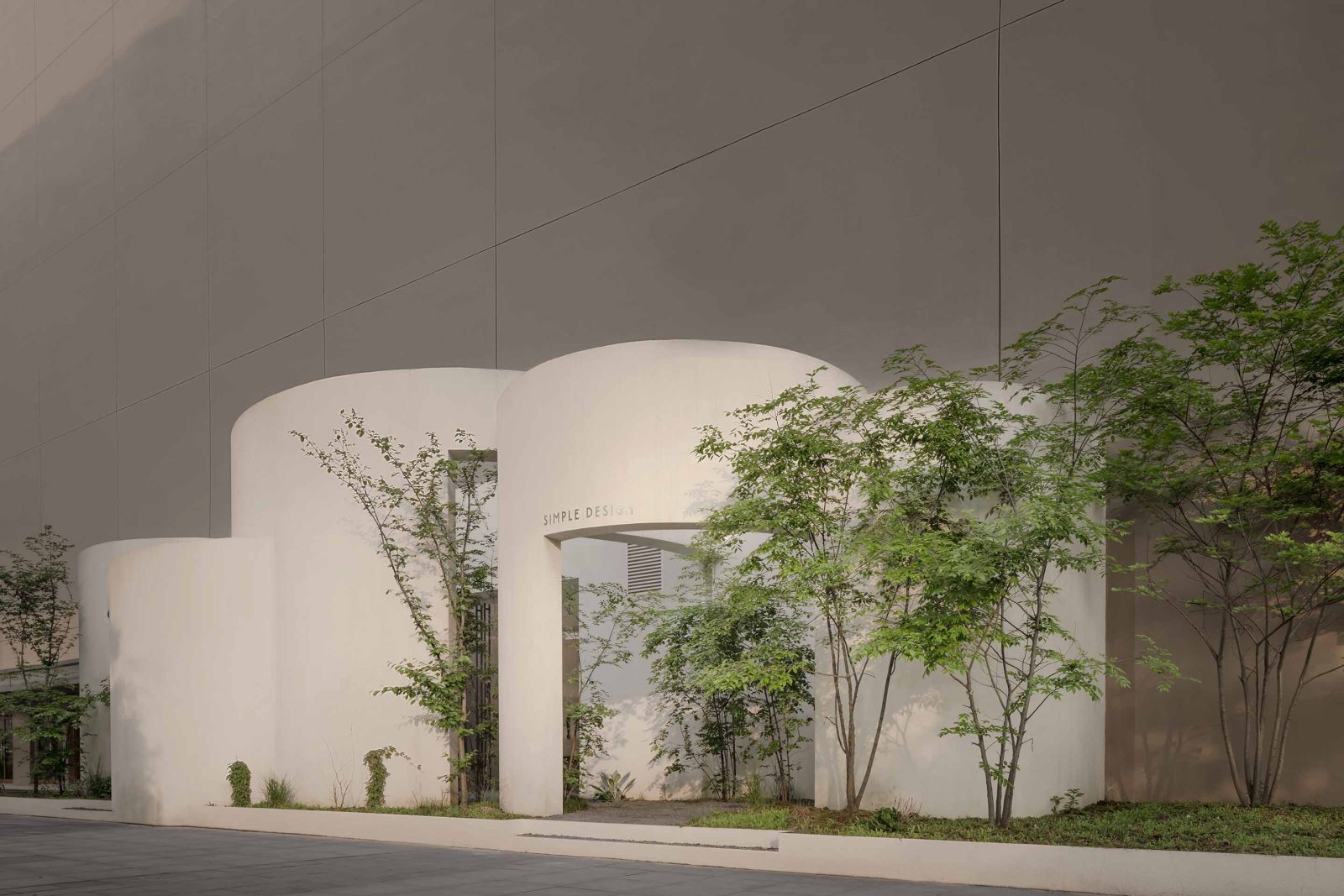
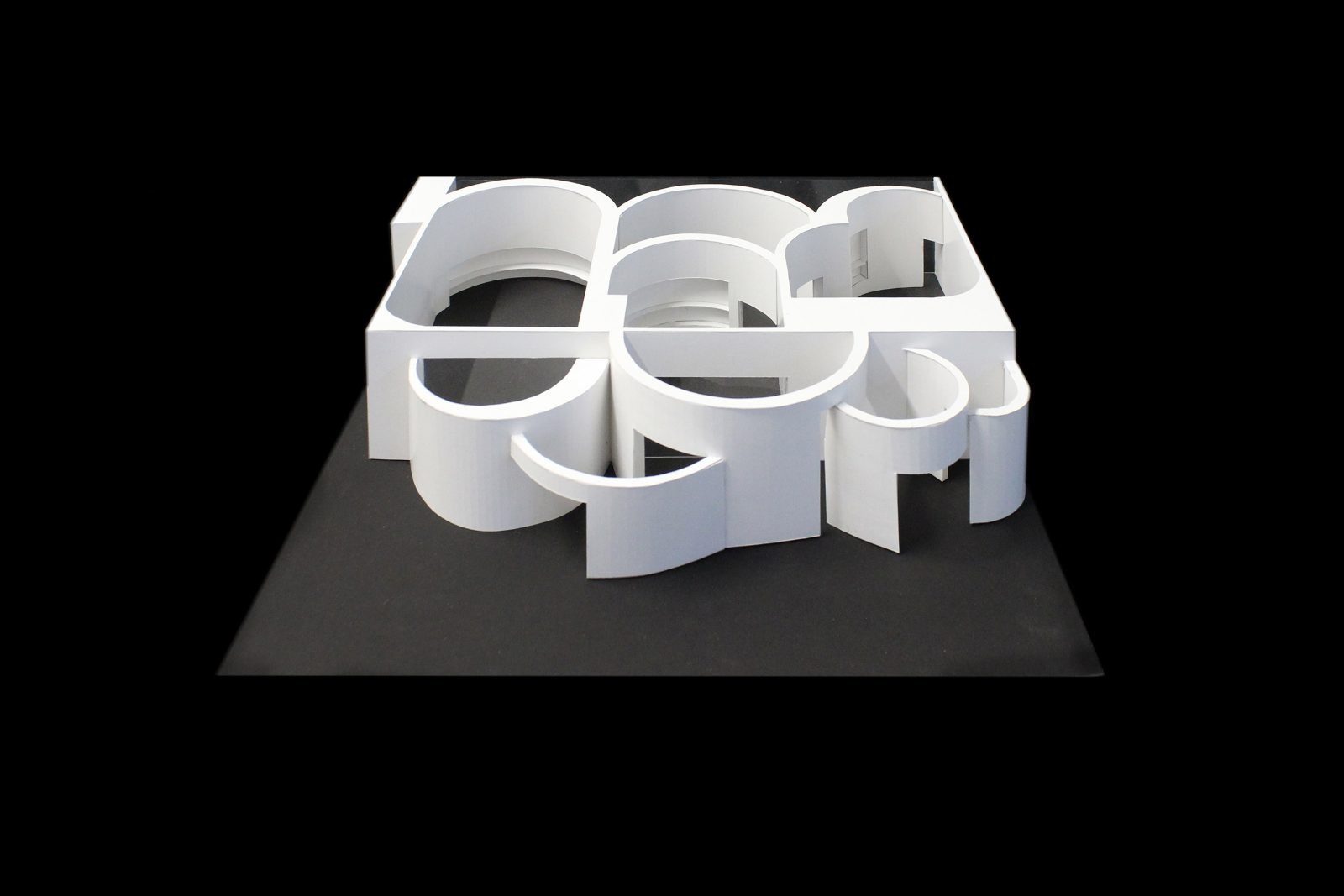
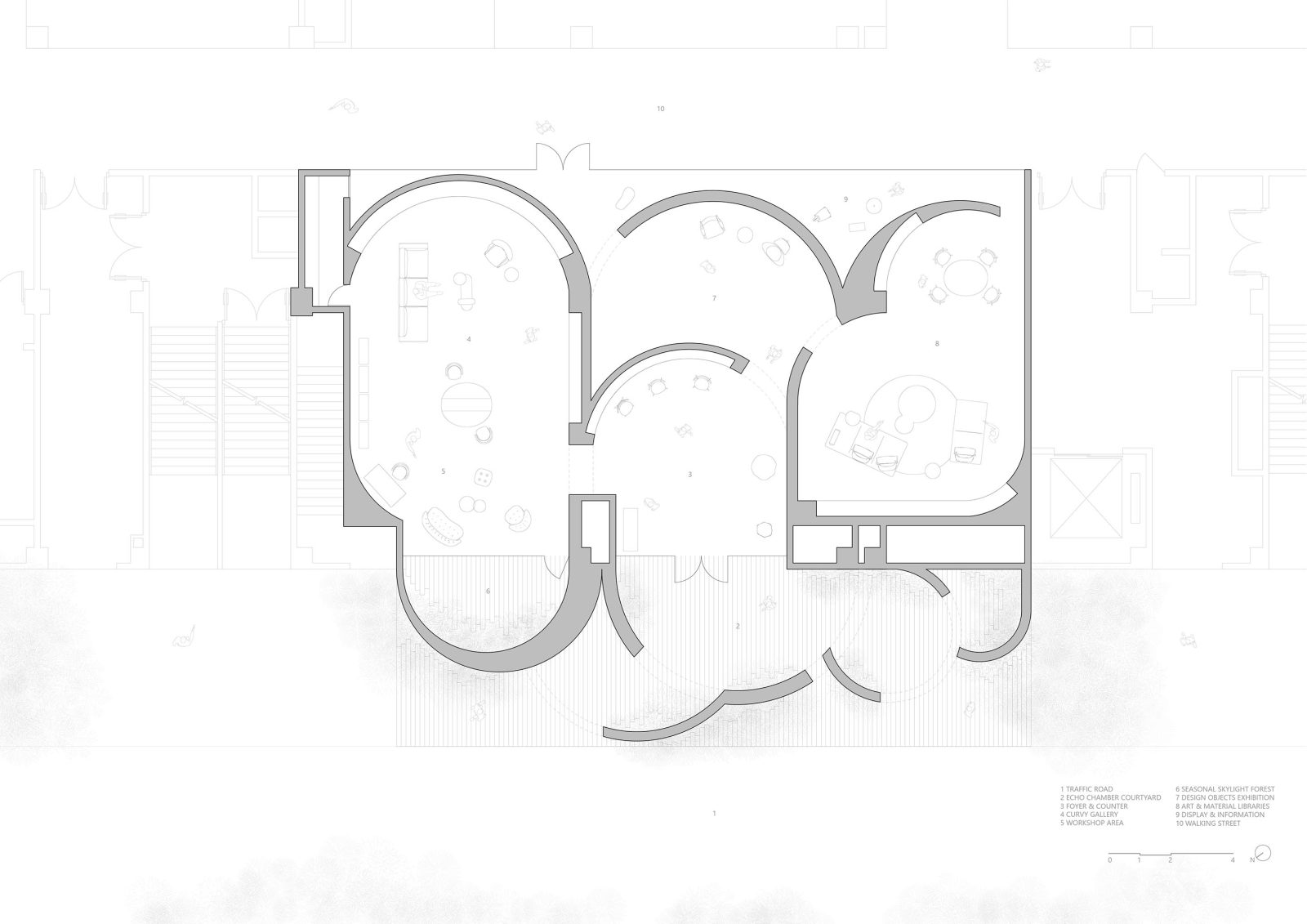
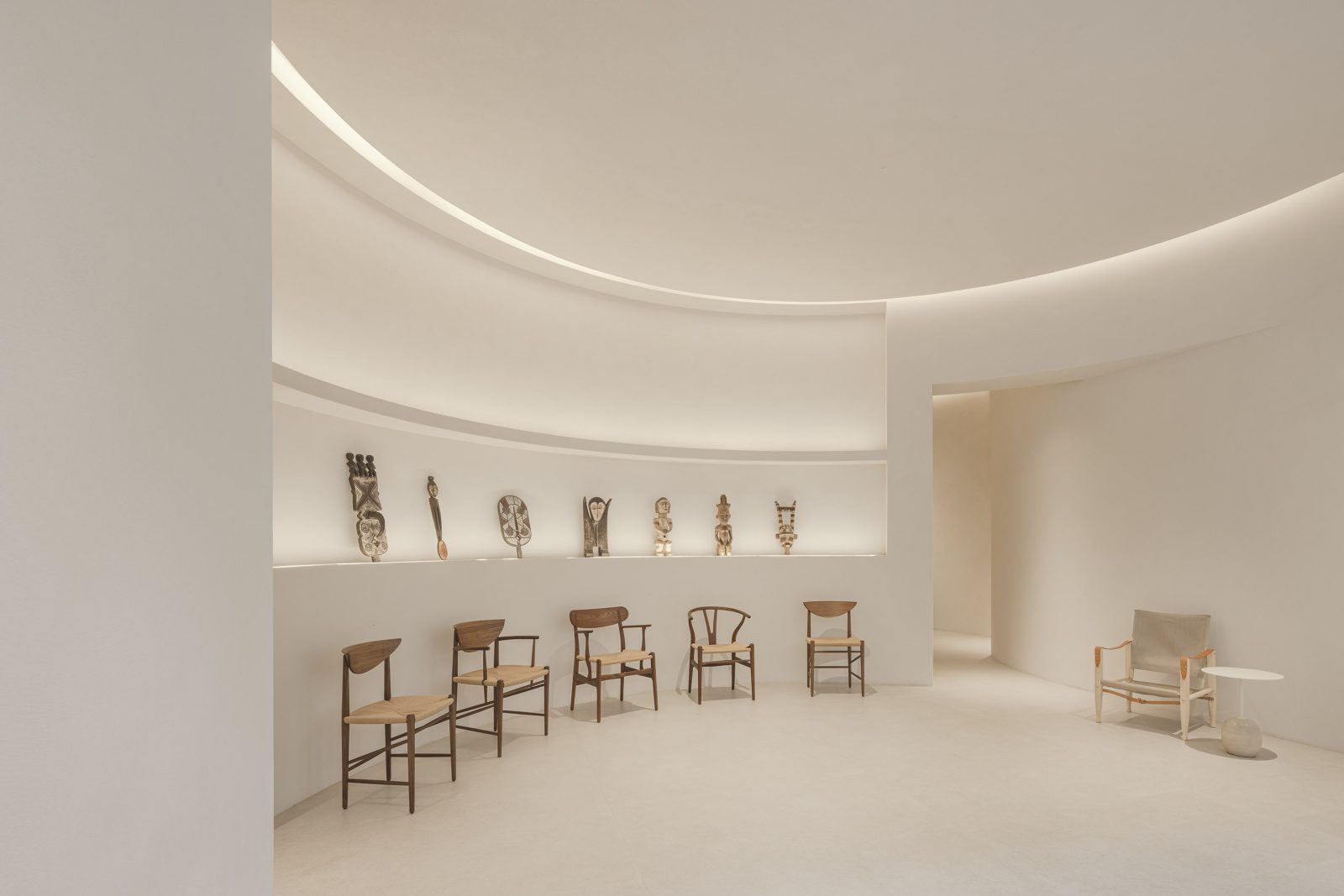
The second project, Simple Design Archive, is a private gallery space showcasing an Asian art collection alongside modern Northern European furniture. Located across from a landfill and a noisy parking area next to a busy road, the building turns inward rather than opening directly to the street.
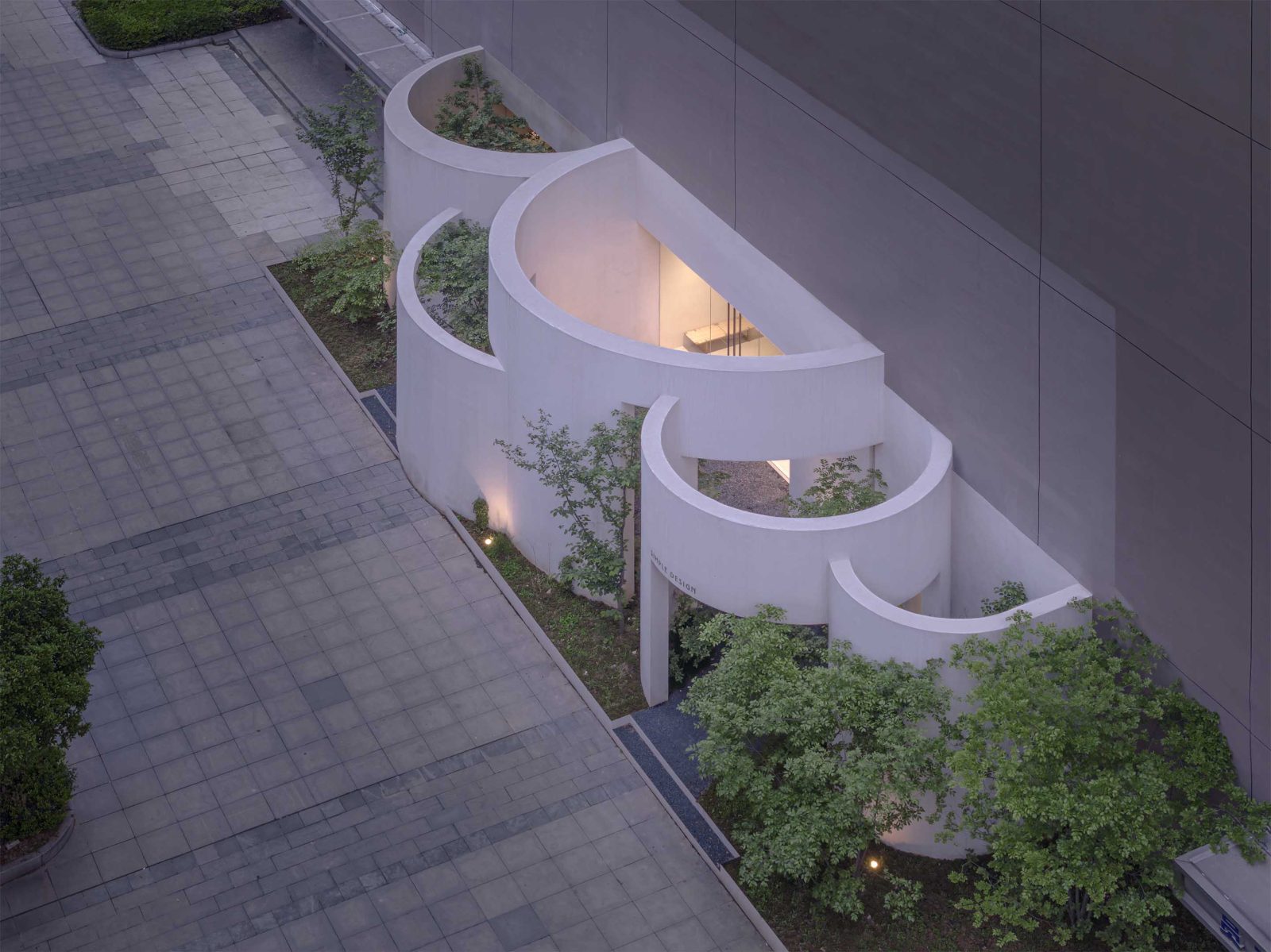
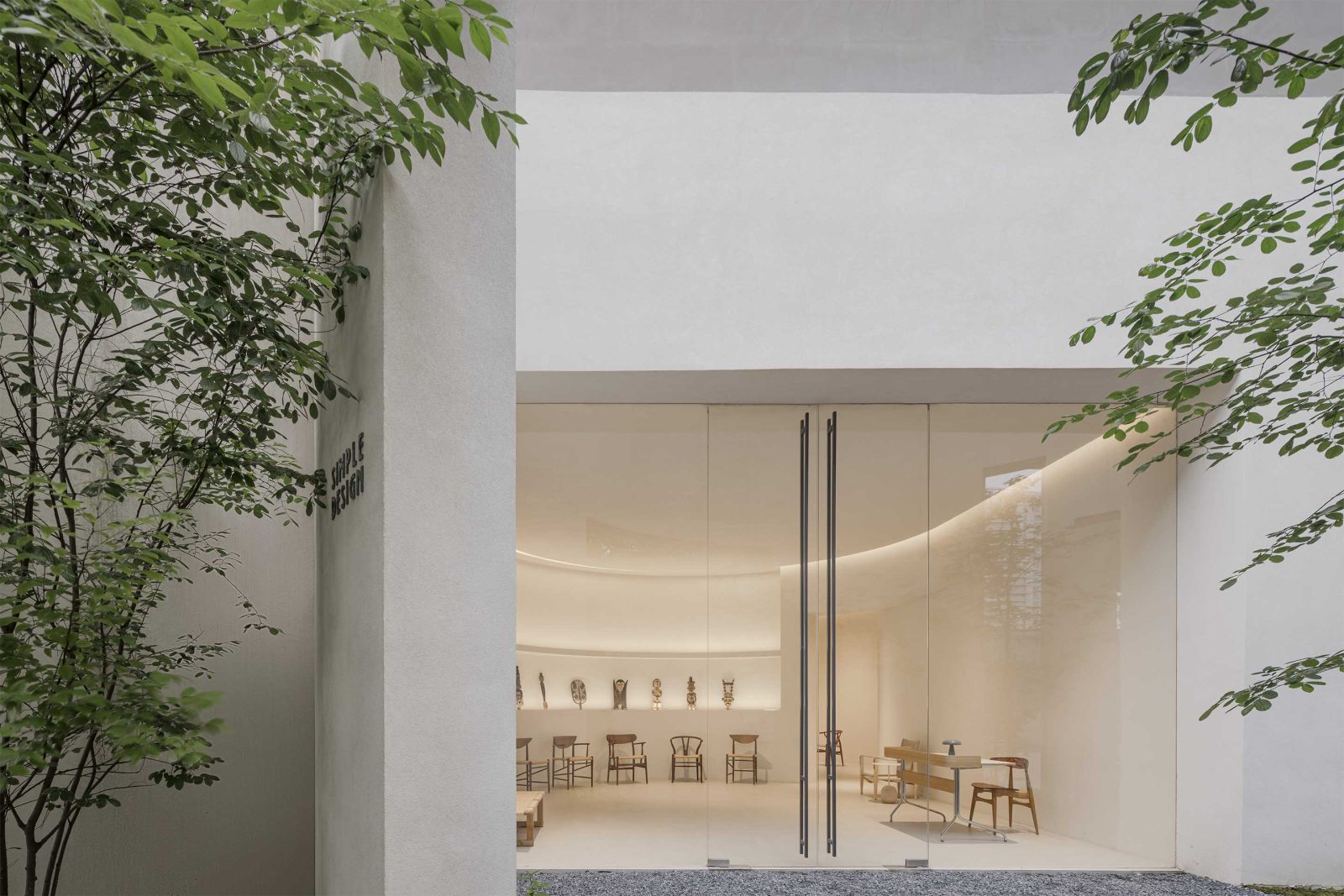
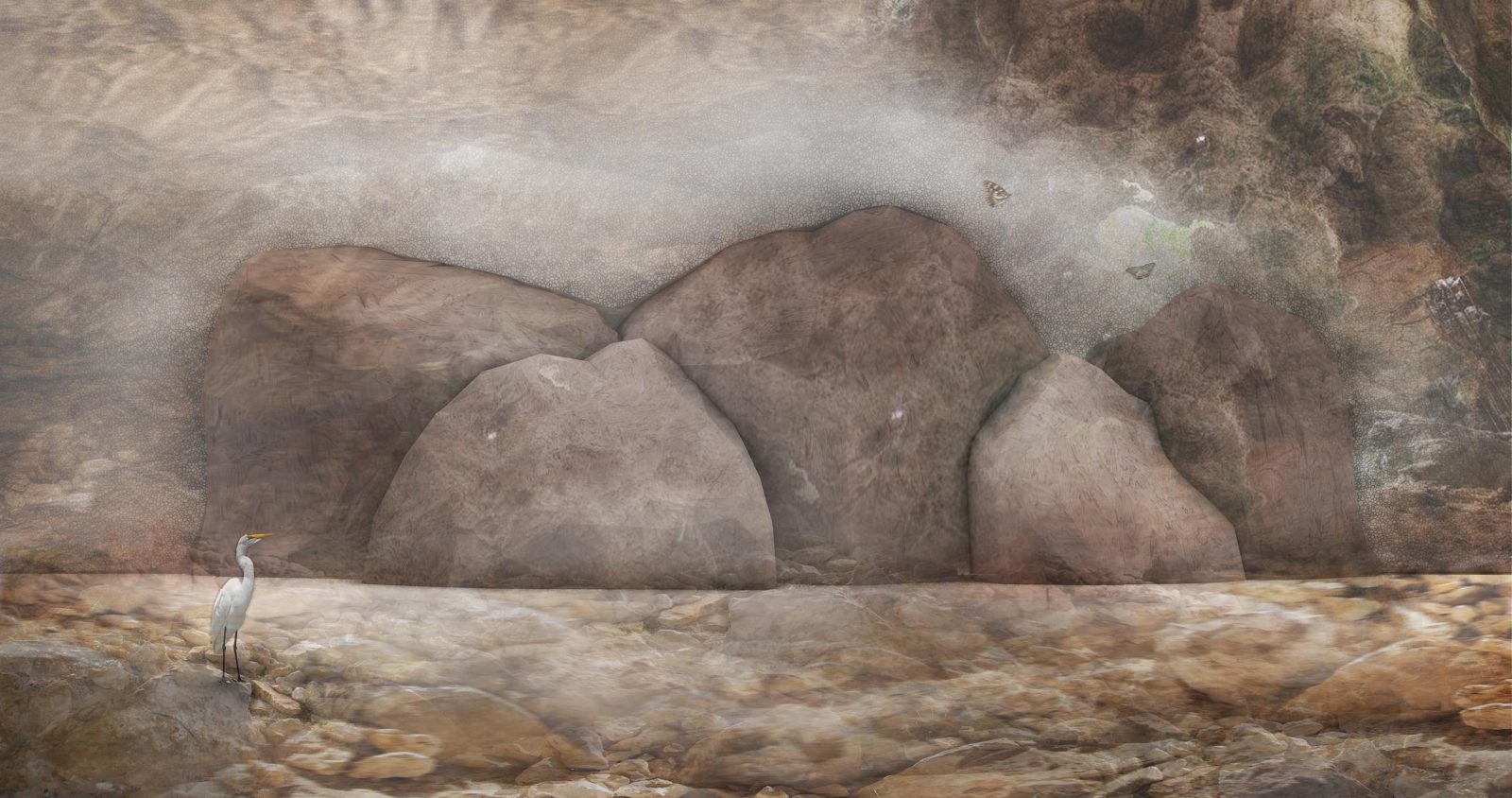
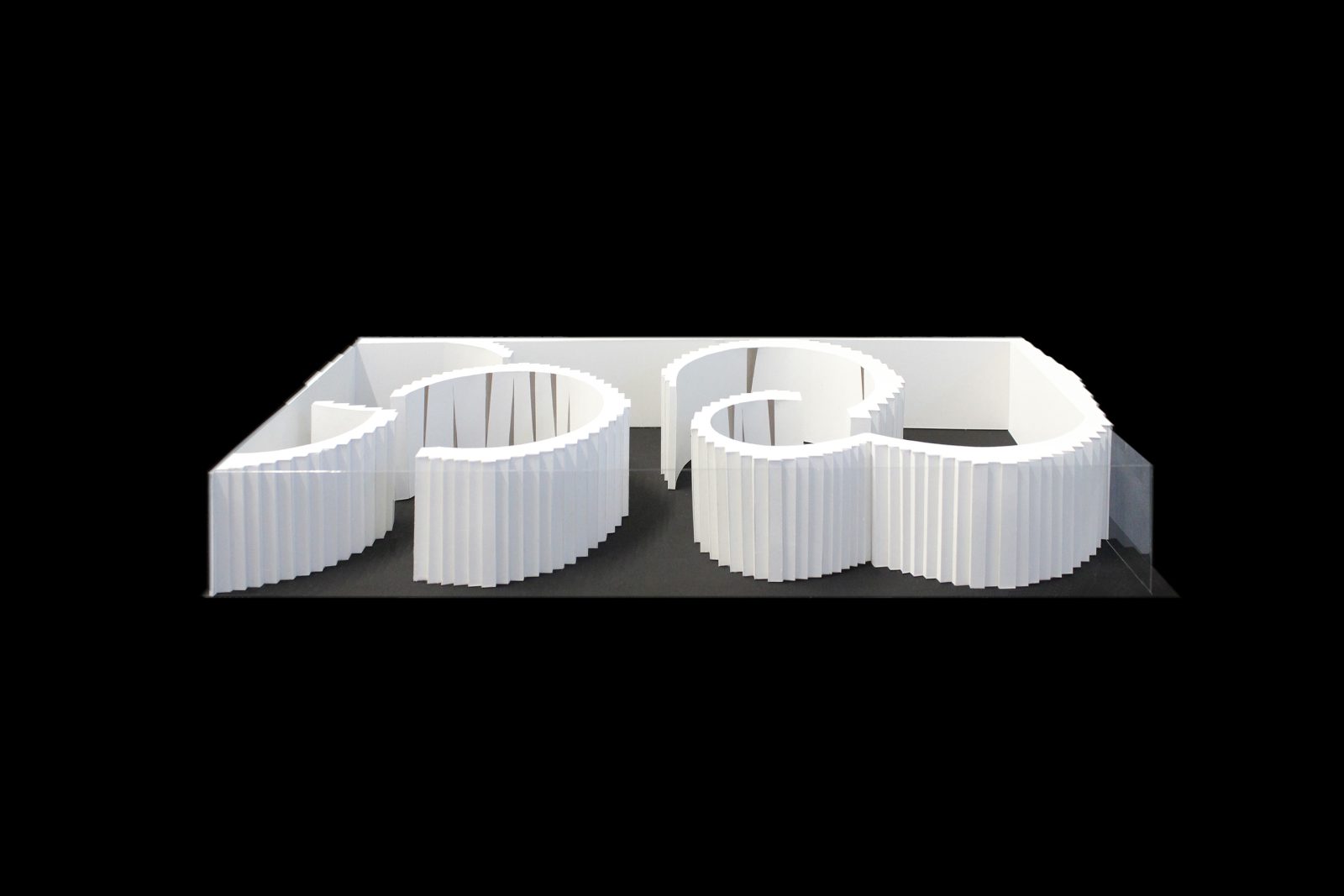
A series of curved exterior walls forms a pathway reminiscent of the rock caves found in Anhui’s famous Yellow Mountains. This design not only shields the interior from the chaotic surroundings but also establishes a contemplative, ritualistic atmosphere—offering visitors a sensorial experience of natural stone forms within the concrete jungle of the city.
Read more about Simple Design Archive here!
3. Simple Craft Collection
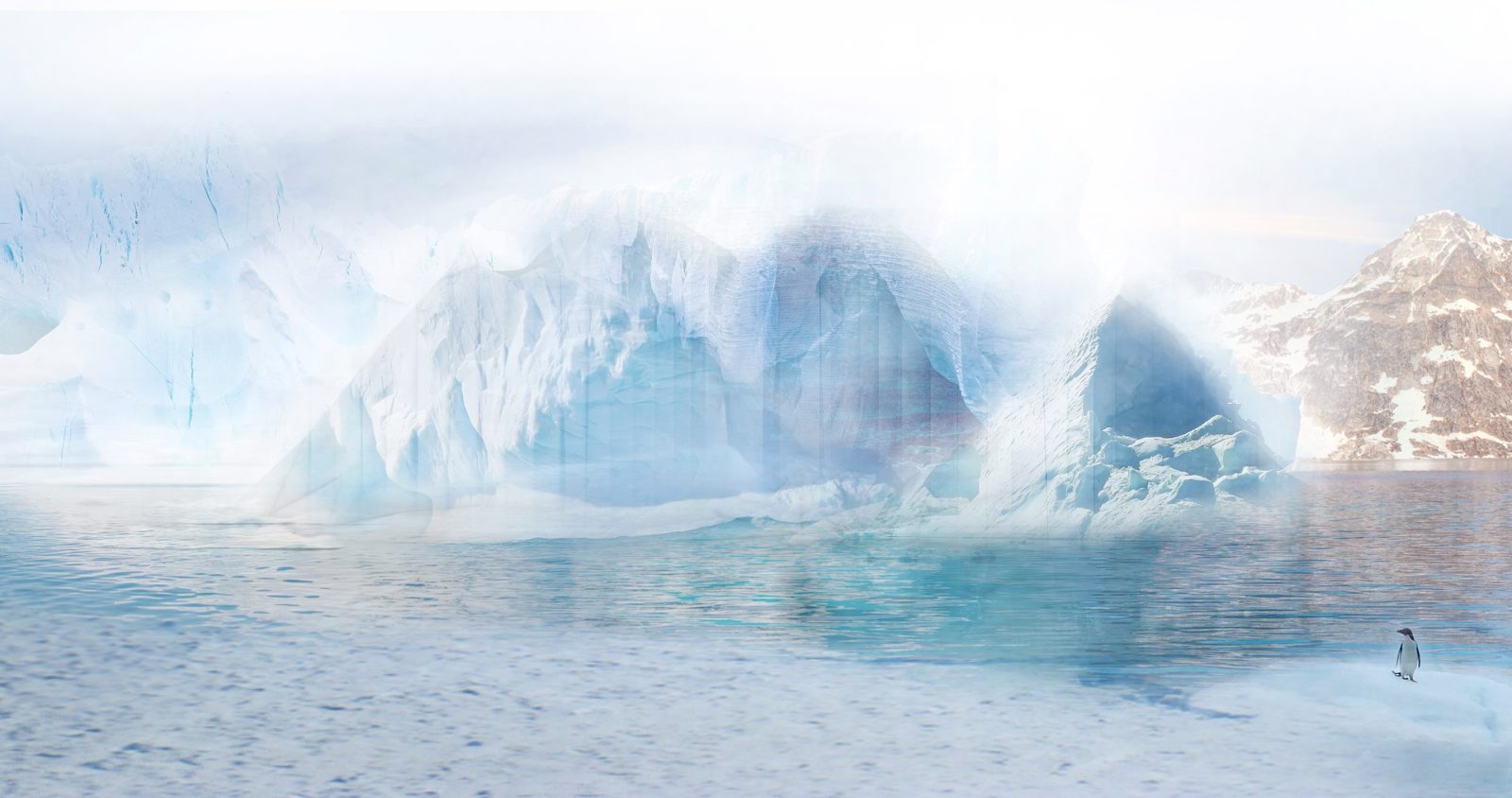
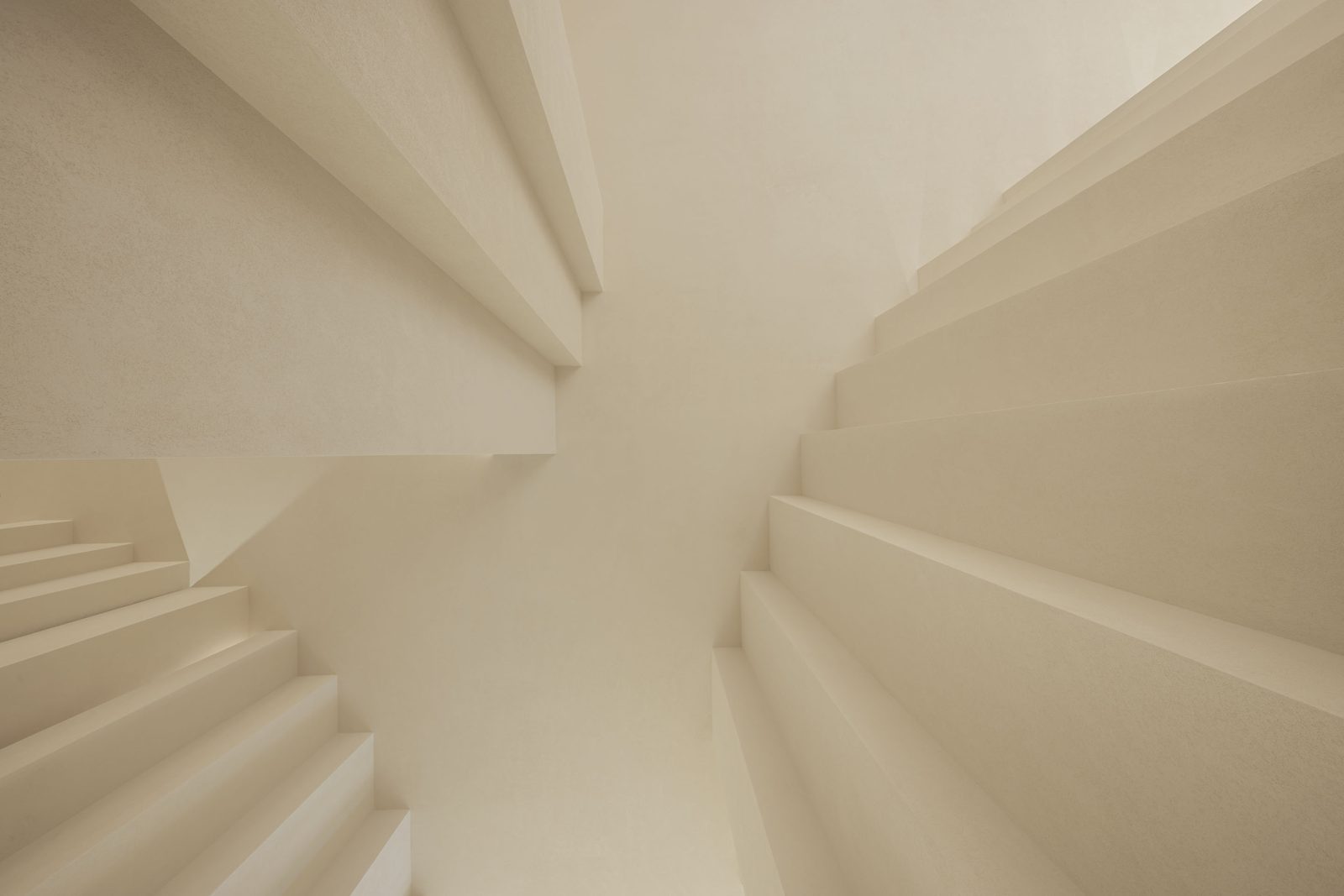
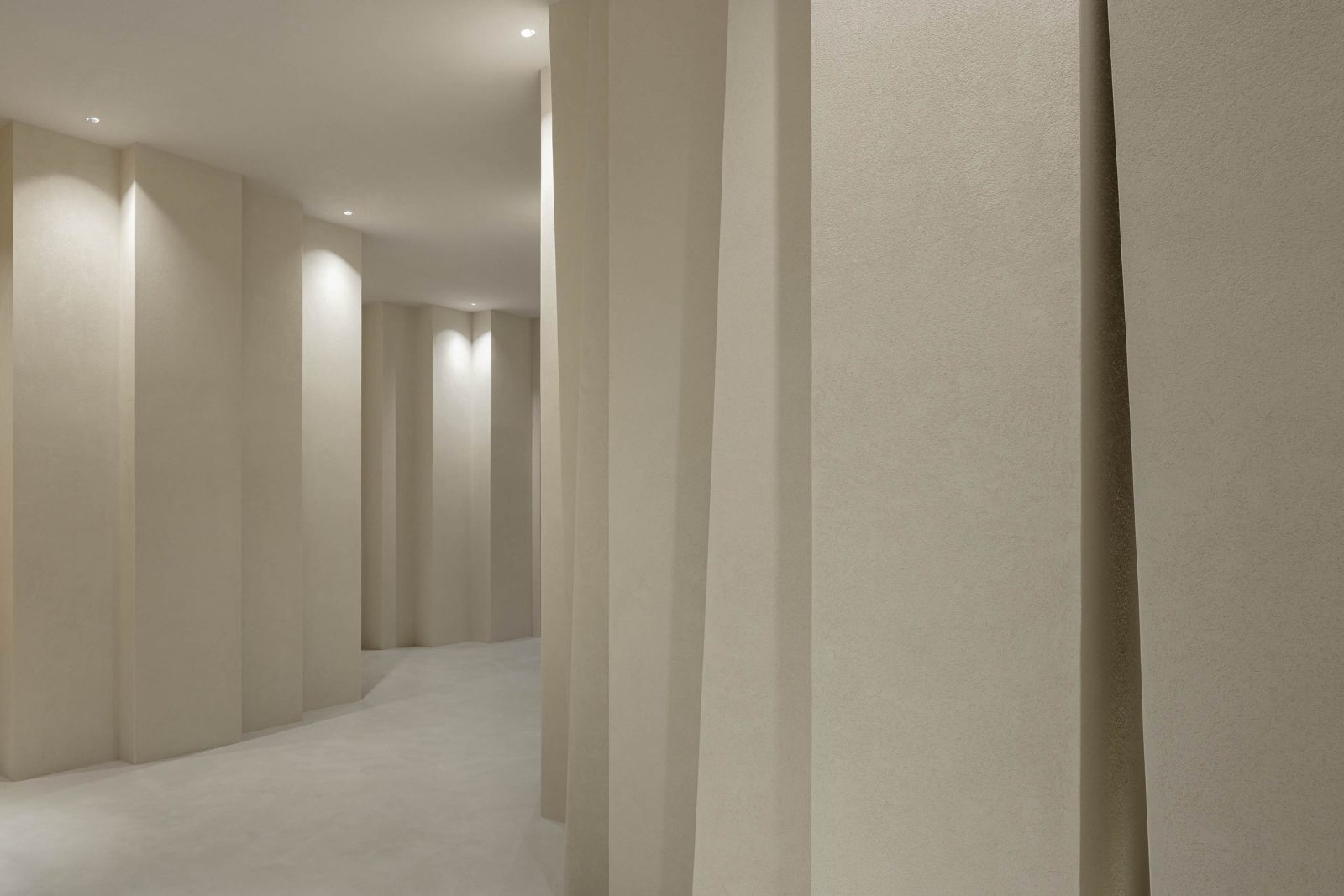
The third project, Simple Craft Collection, is a conceptual furniture gallery and flagship store. Surrounded by a patchwork of colorful, eclectic retail shops, architects Jenchieh Hung and Kulthida Songkittipakdee drew inspiration from the nearby Nanfei River, known for its seasonal rhythm—flowing in summer and freezing in winter.
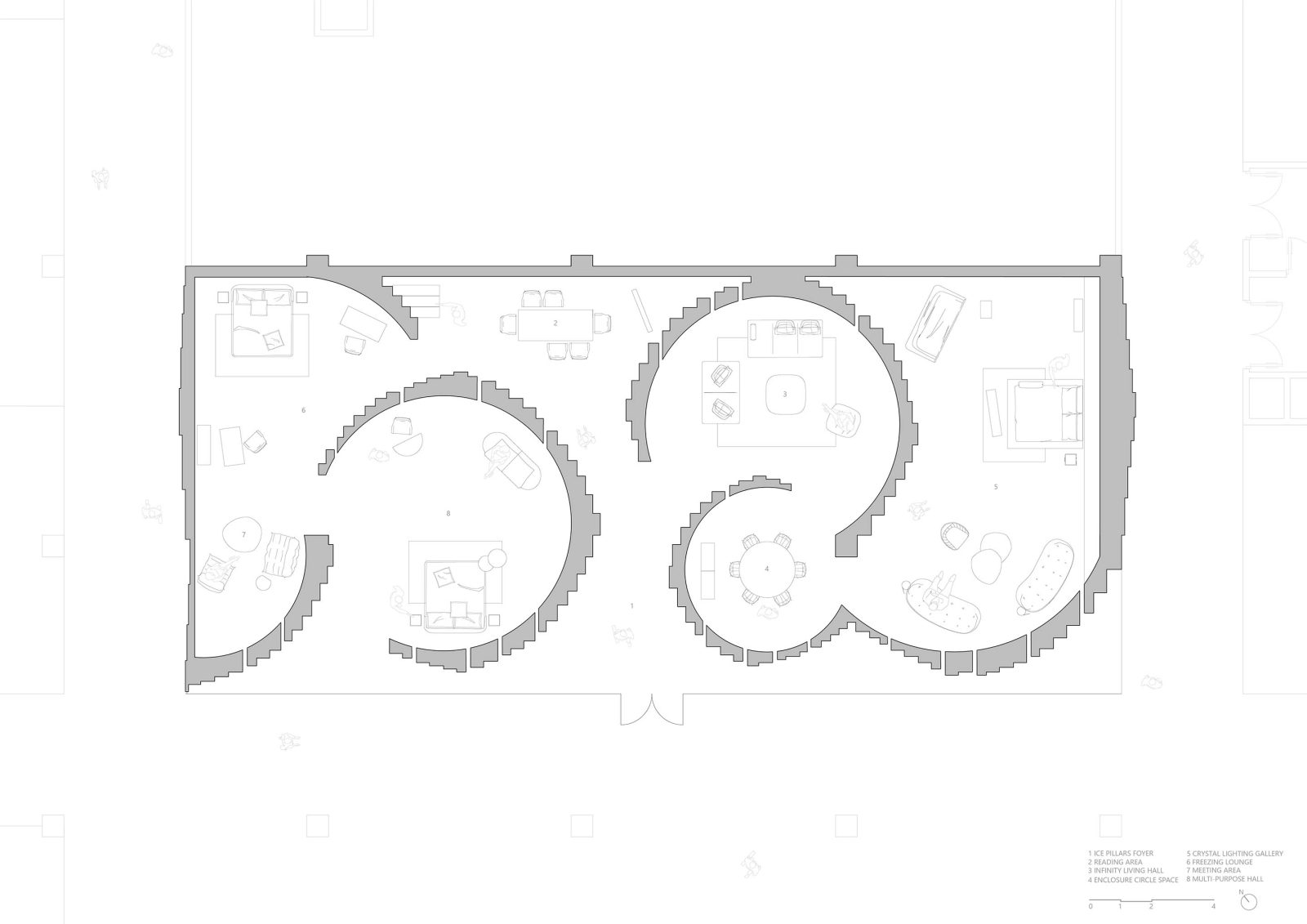
The building’s façade evokes the form of an ice-sculpted stone forest, while the interior unfolds through smooth, continuous pathways that mirror the seasonal qualities of the river adjacent to the site. This contrast between the sharp, frozen exterior and the soft, fluid interior symbolizes both the rigidity of Anhui’s winter and the gentle thaw of melting ice—creating a pure, serene, snow-white space that feels entirely insulated from its chaotic surroundings.
4. Simple Cuisine Gallery
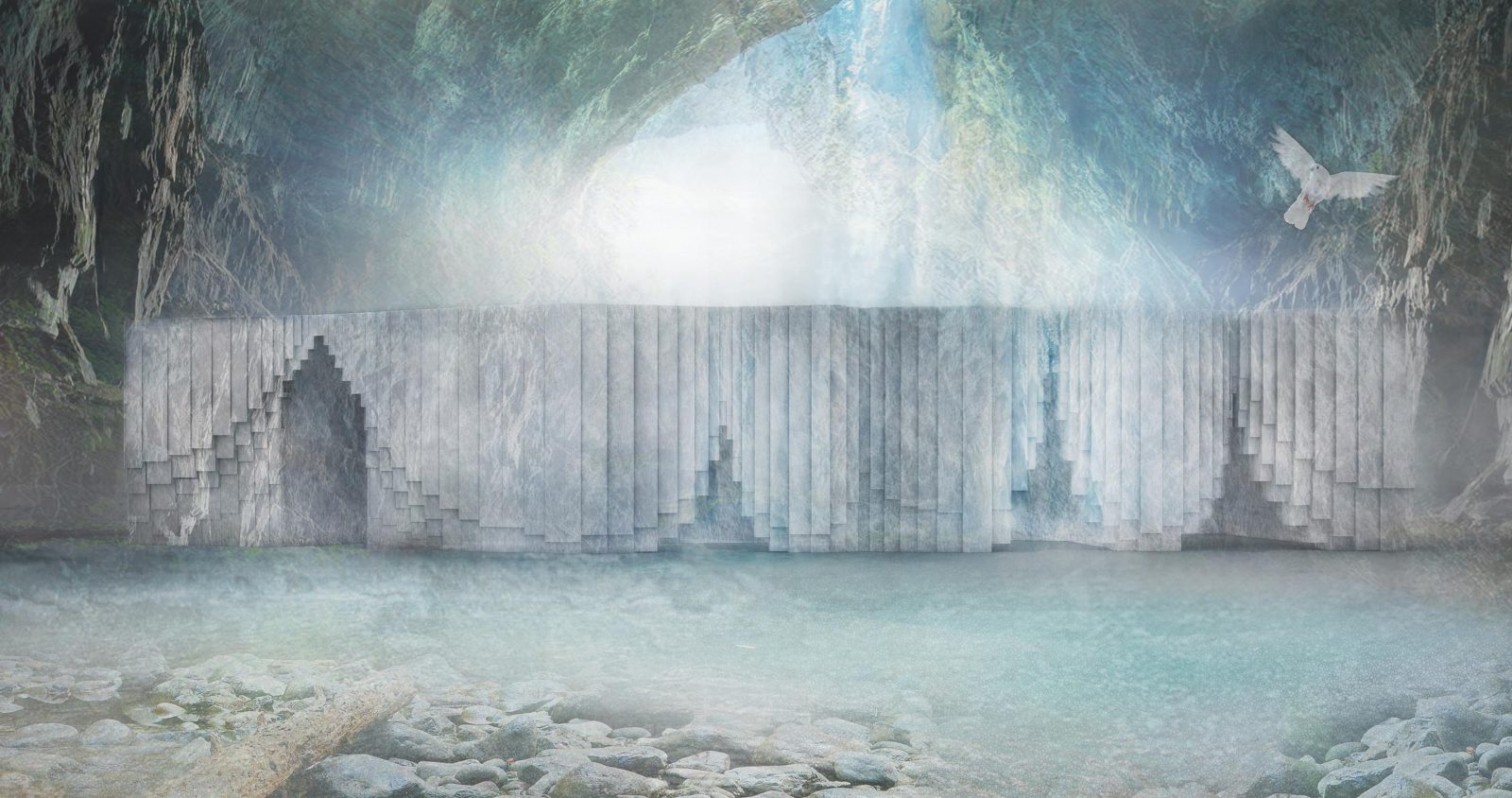
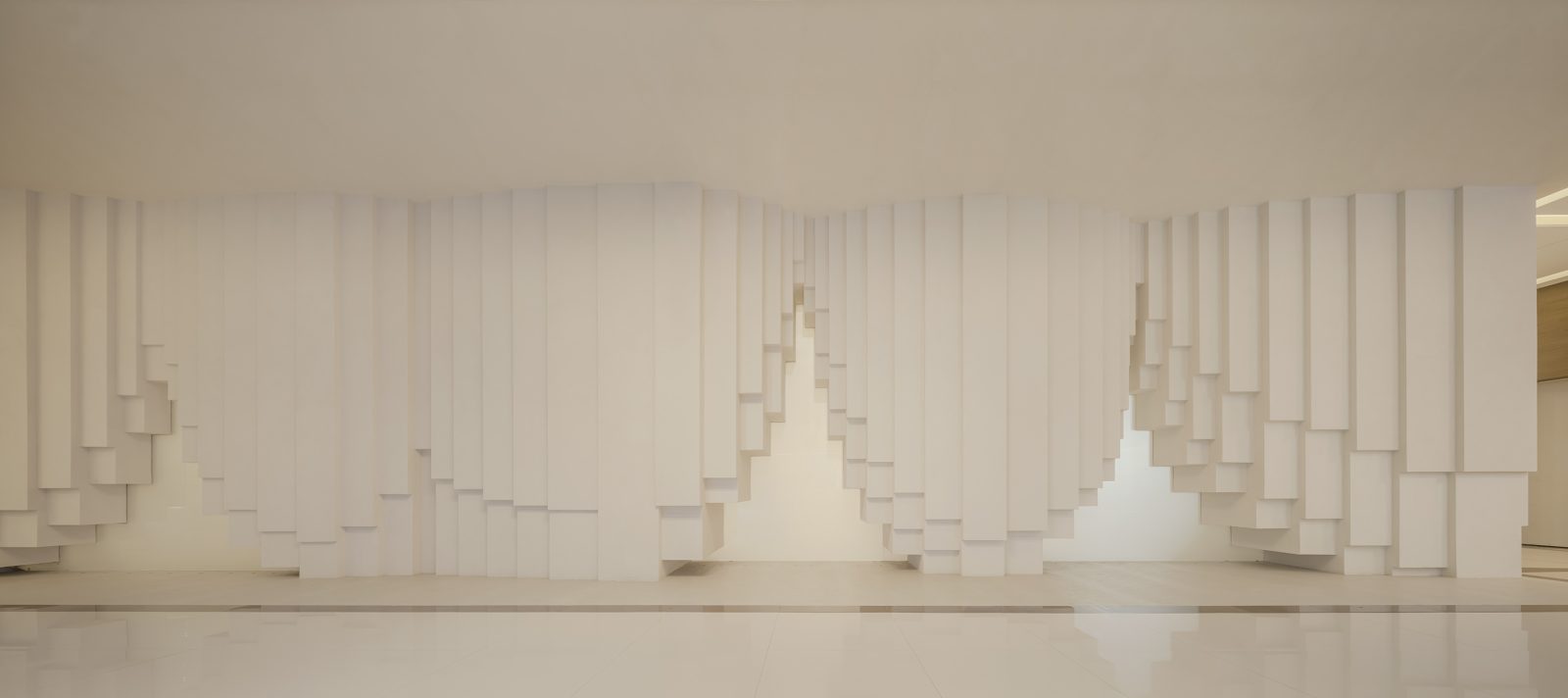
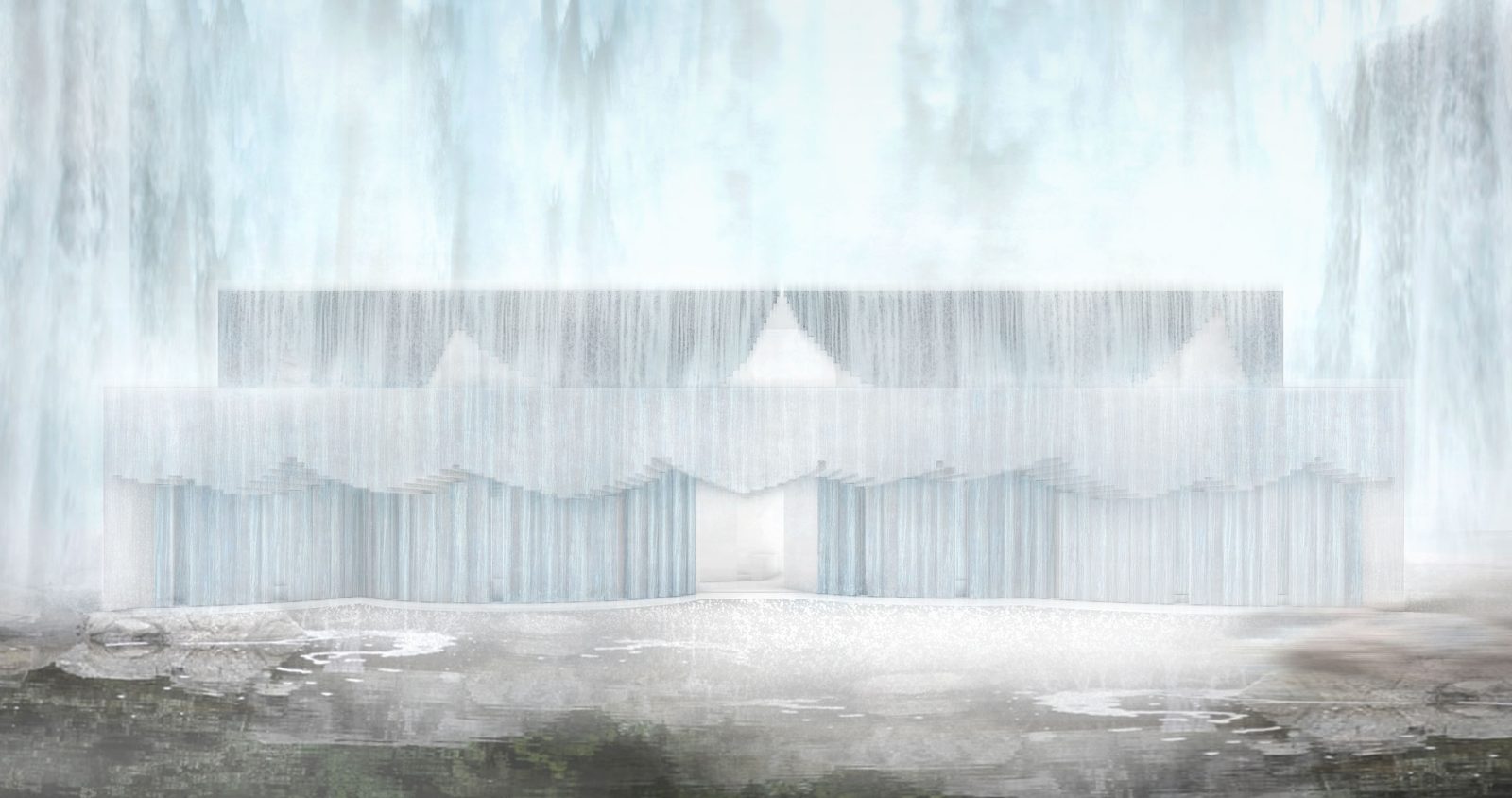
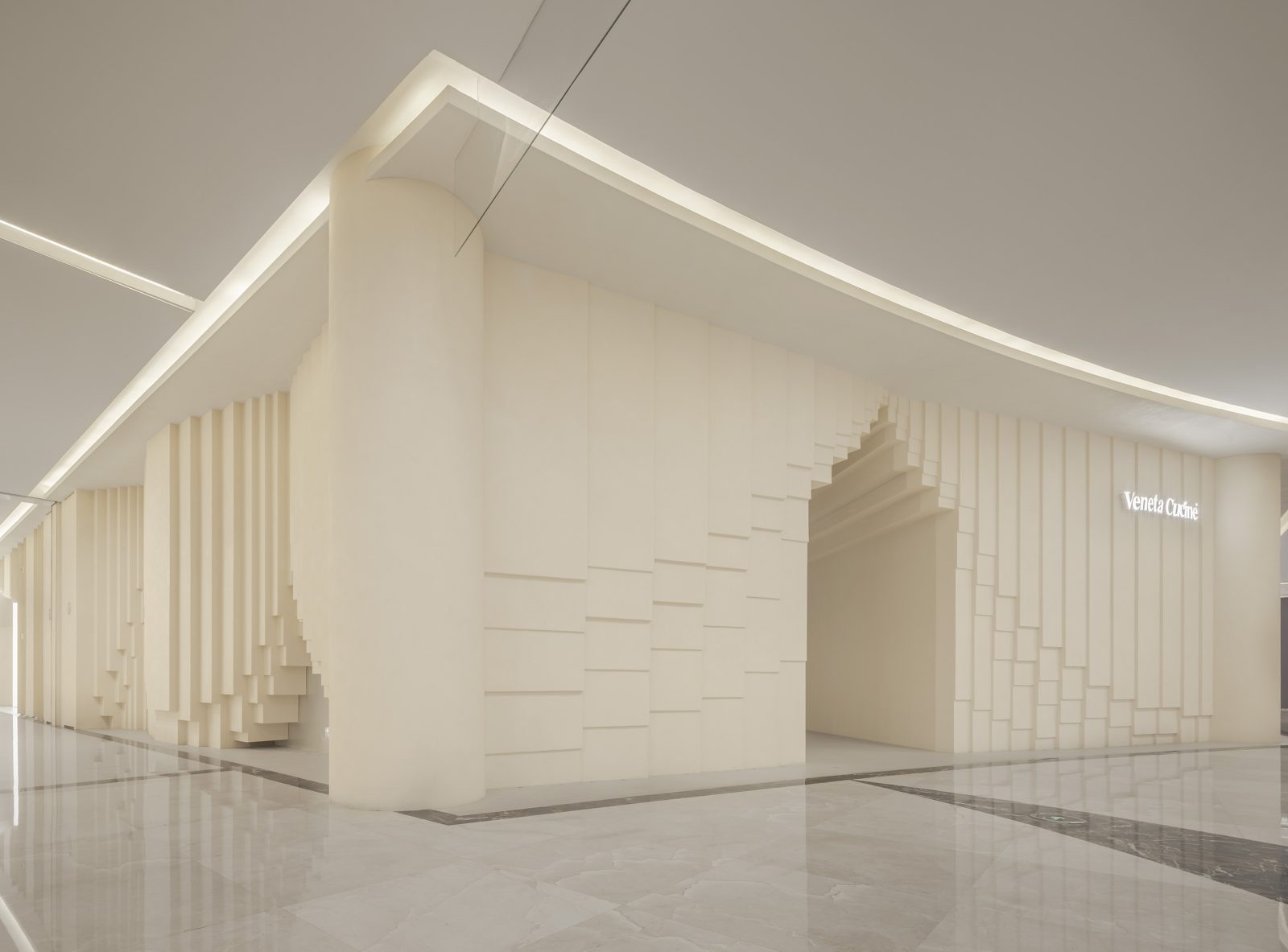
The fourth project, Simple Cuisine Gallery, is a culinary gallery and multifunctional kitchen workshop. Set within a chaotic and featureless retail mall environment, the site initially appeared uninspiring. However, a hidden linear woodland adjacent to the site revealed a surviving waterfall stream.
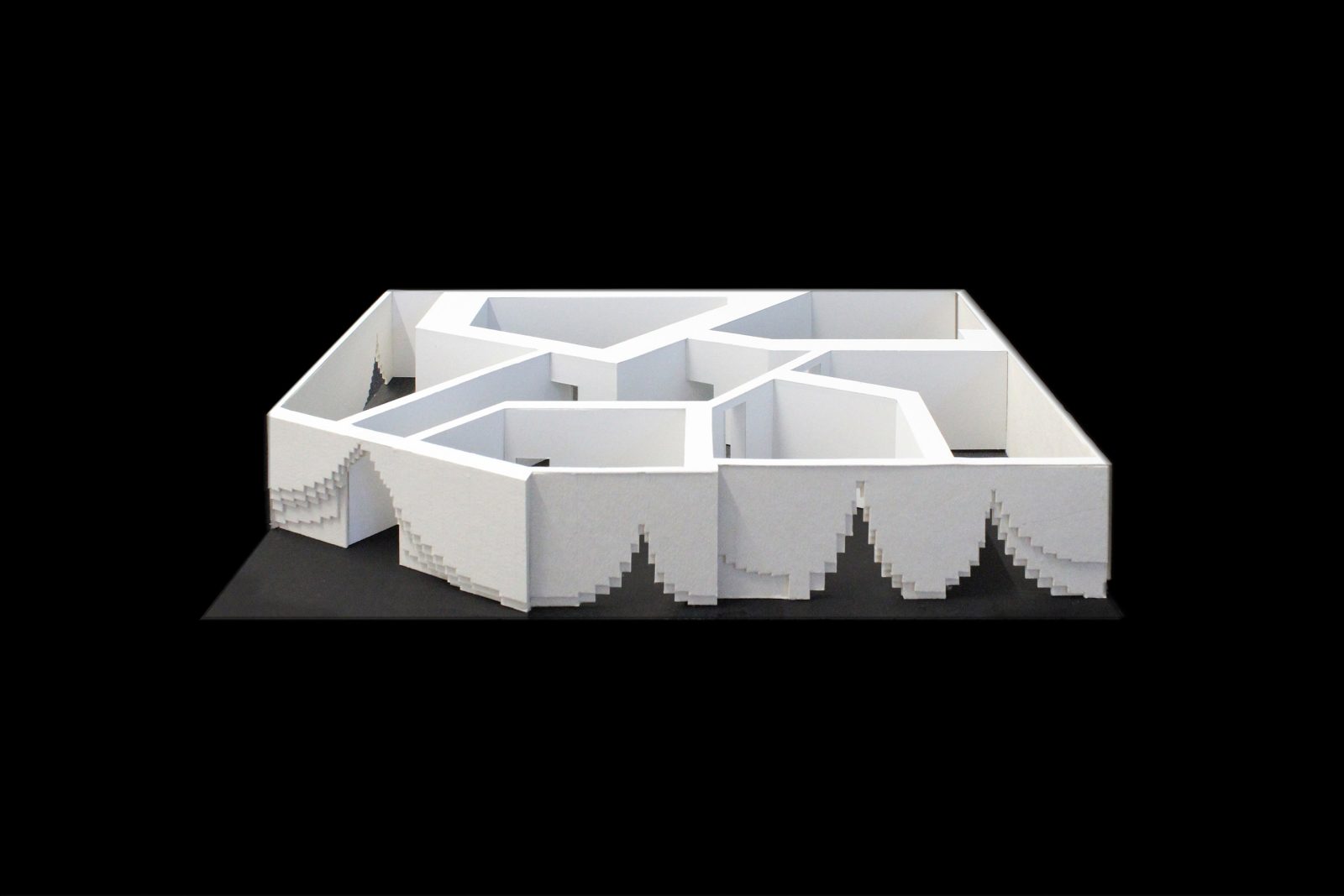
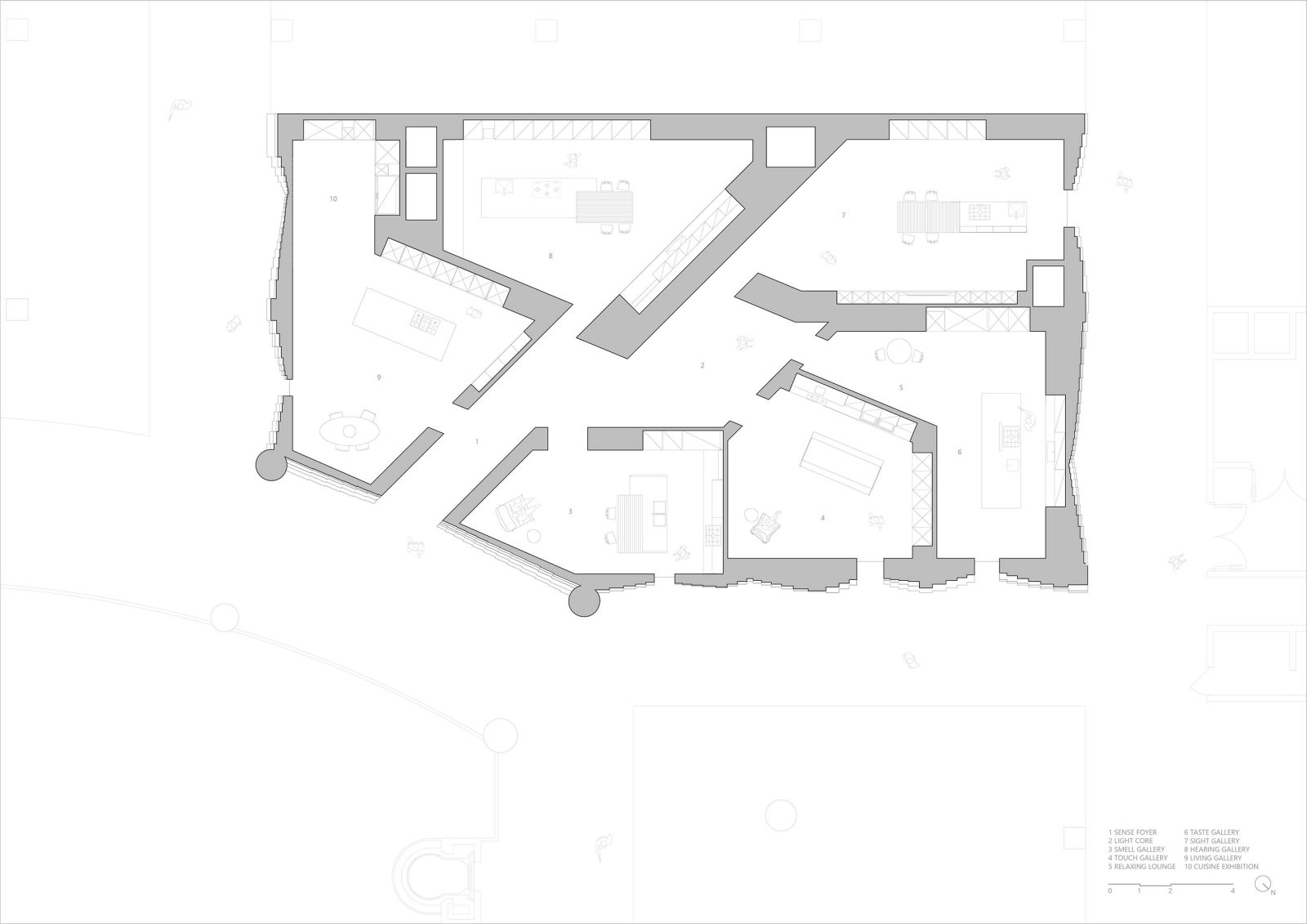
The sound and presence of this natural element offered a striking contrast to the surrounding urban noise. In response, the design introduces a flowing, valley-like façade within the concrete sprawl—bringing in light and spatial openness to create a shared, multifunctional culinary space. The result evokes the sensation of water coursing through a gorge, imbuing the interior with a profound and refreshing connection to nature.
5. Simple Living Passage
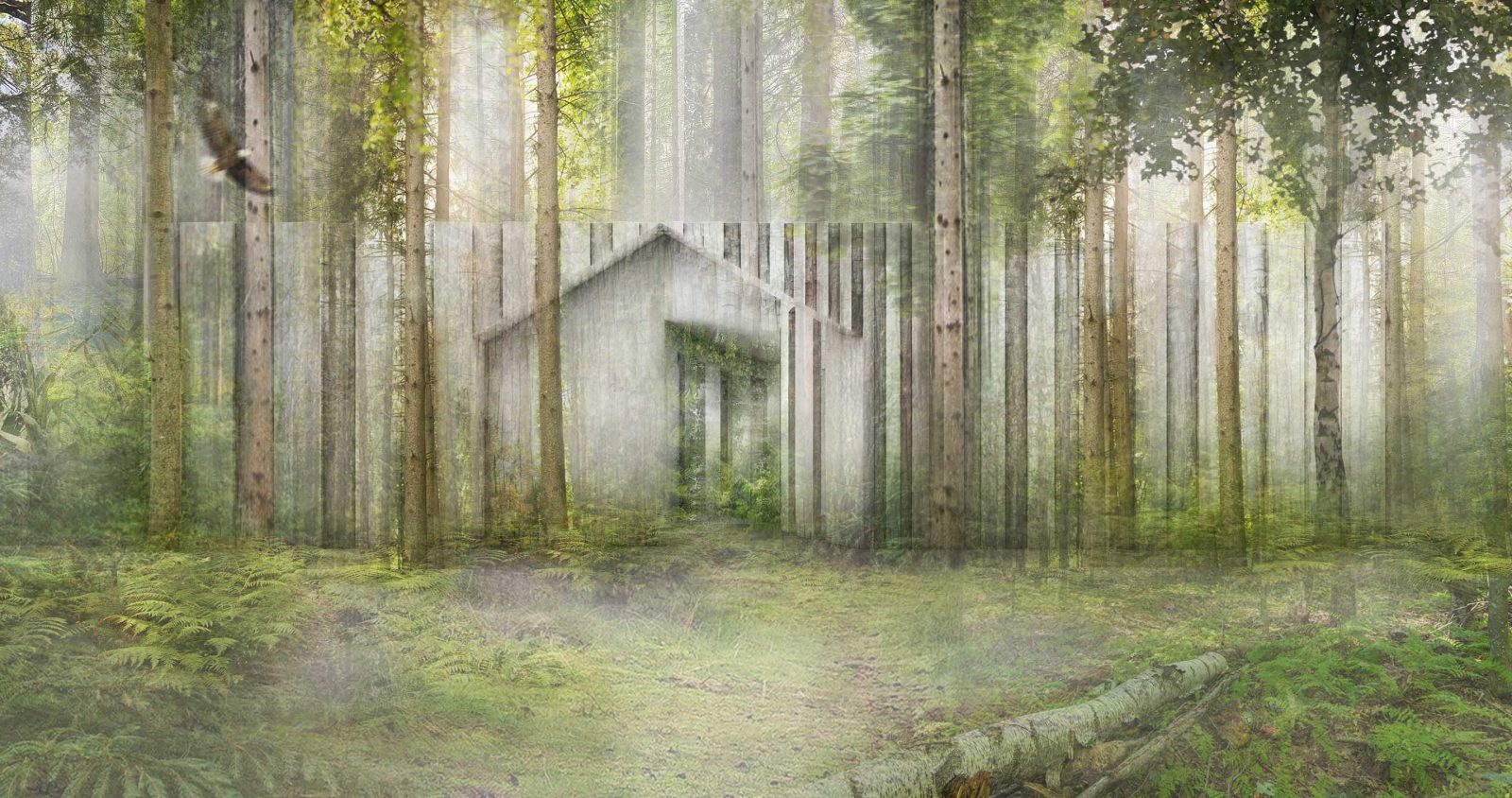
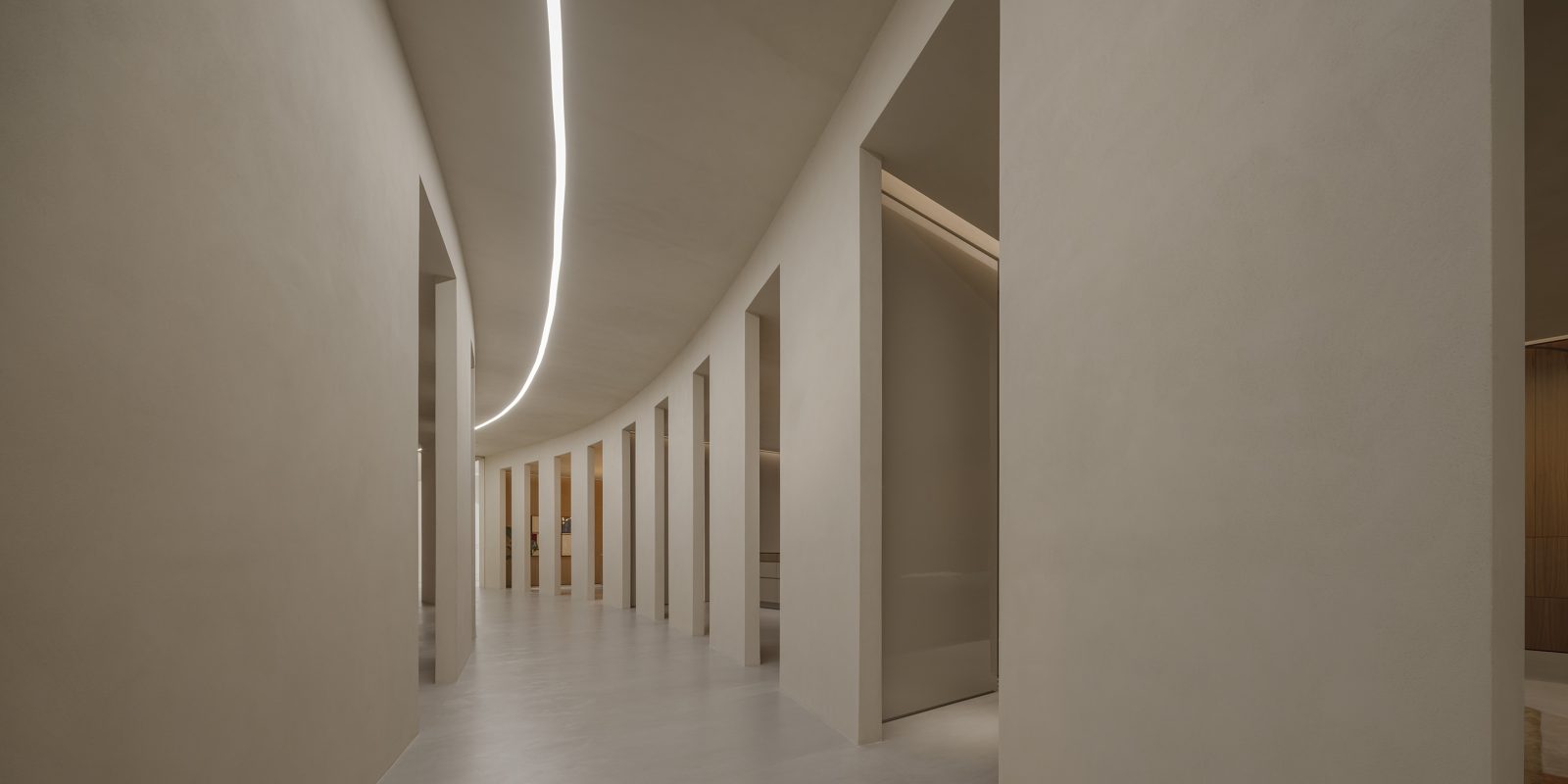
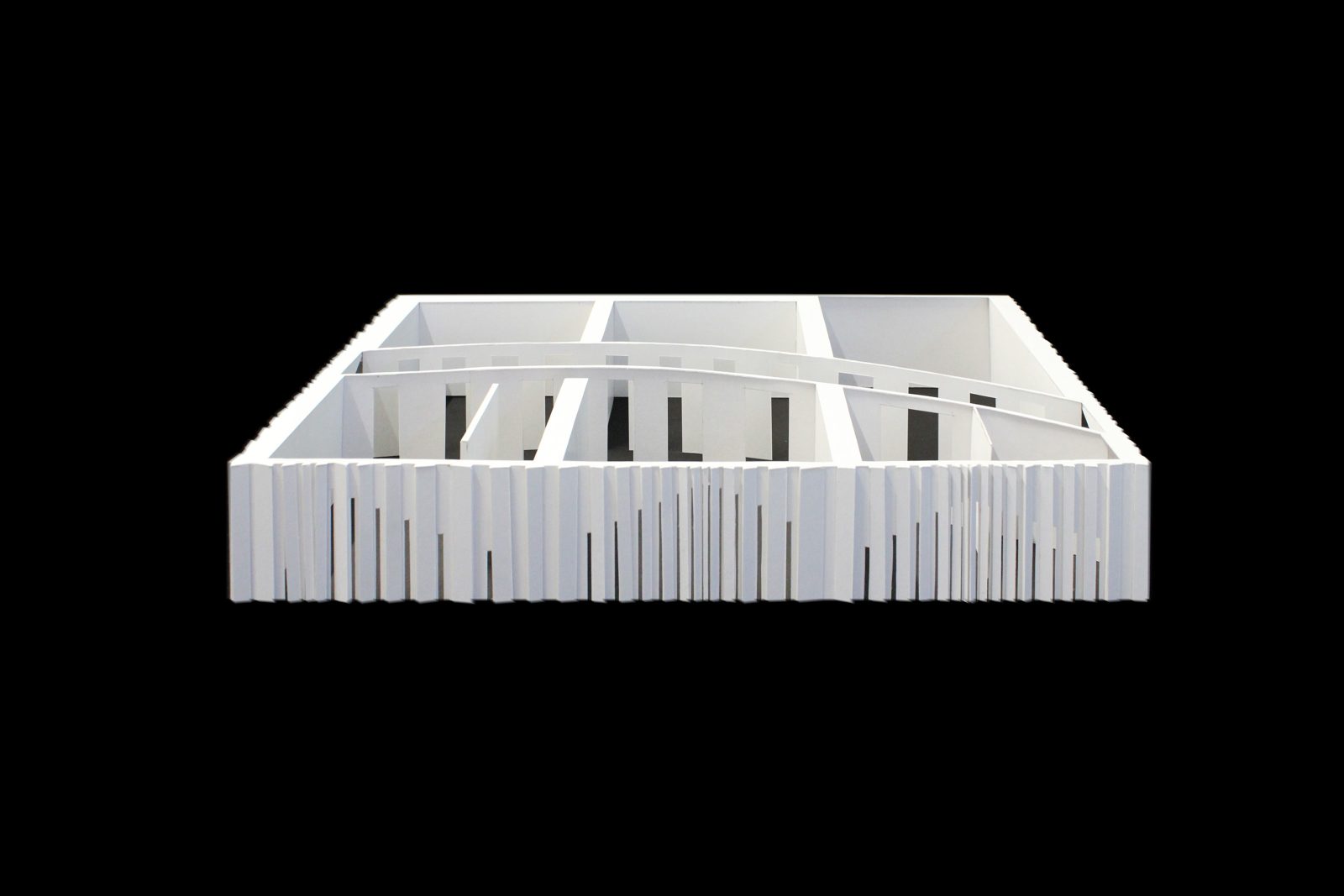
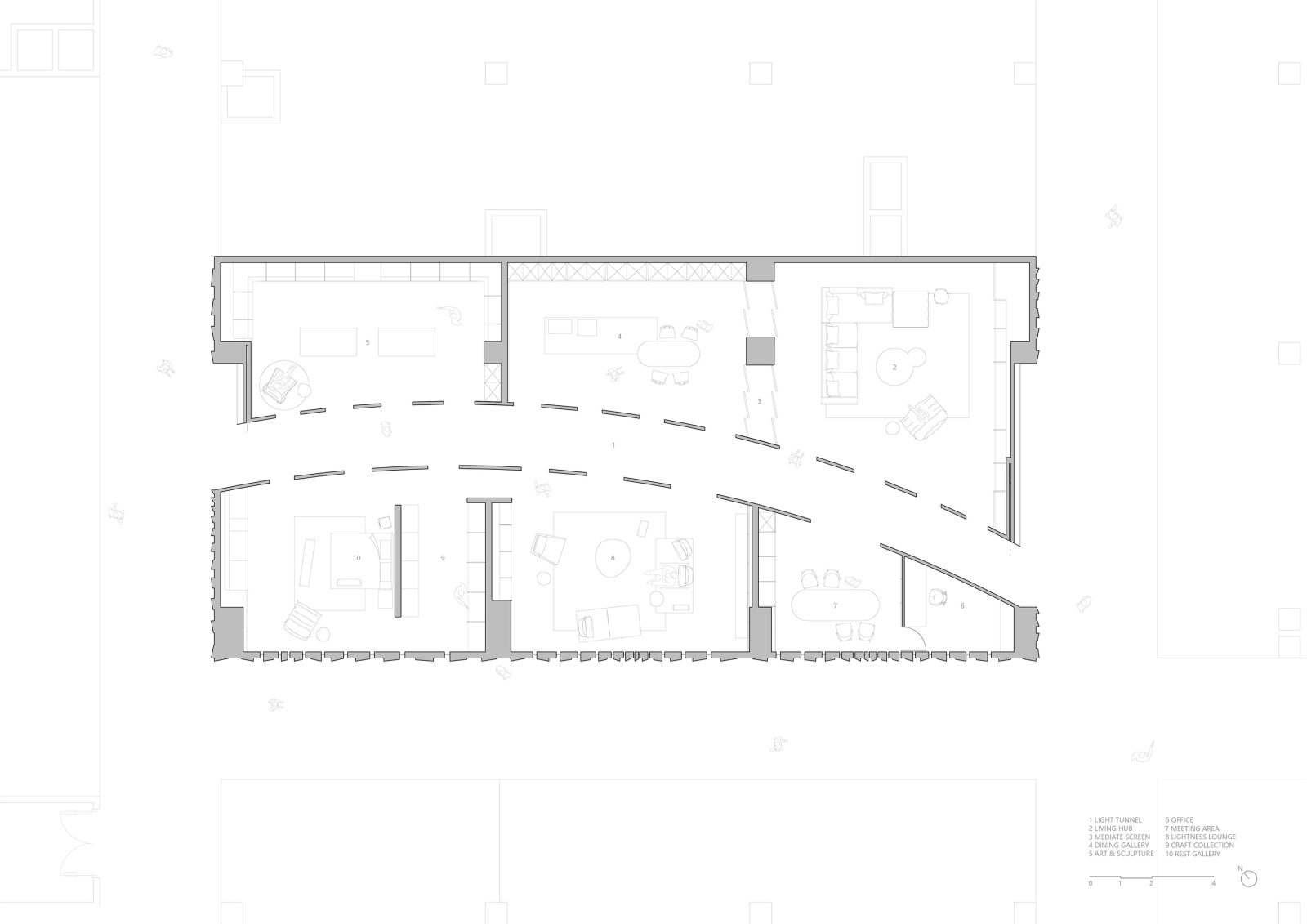
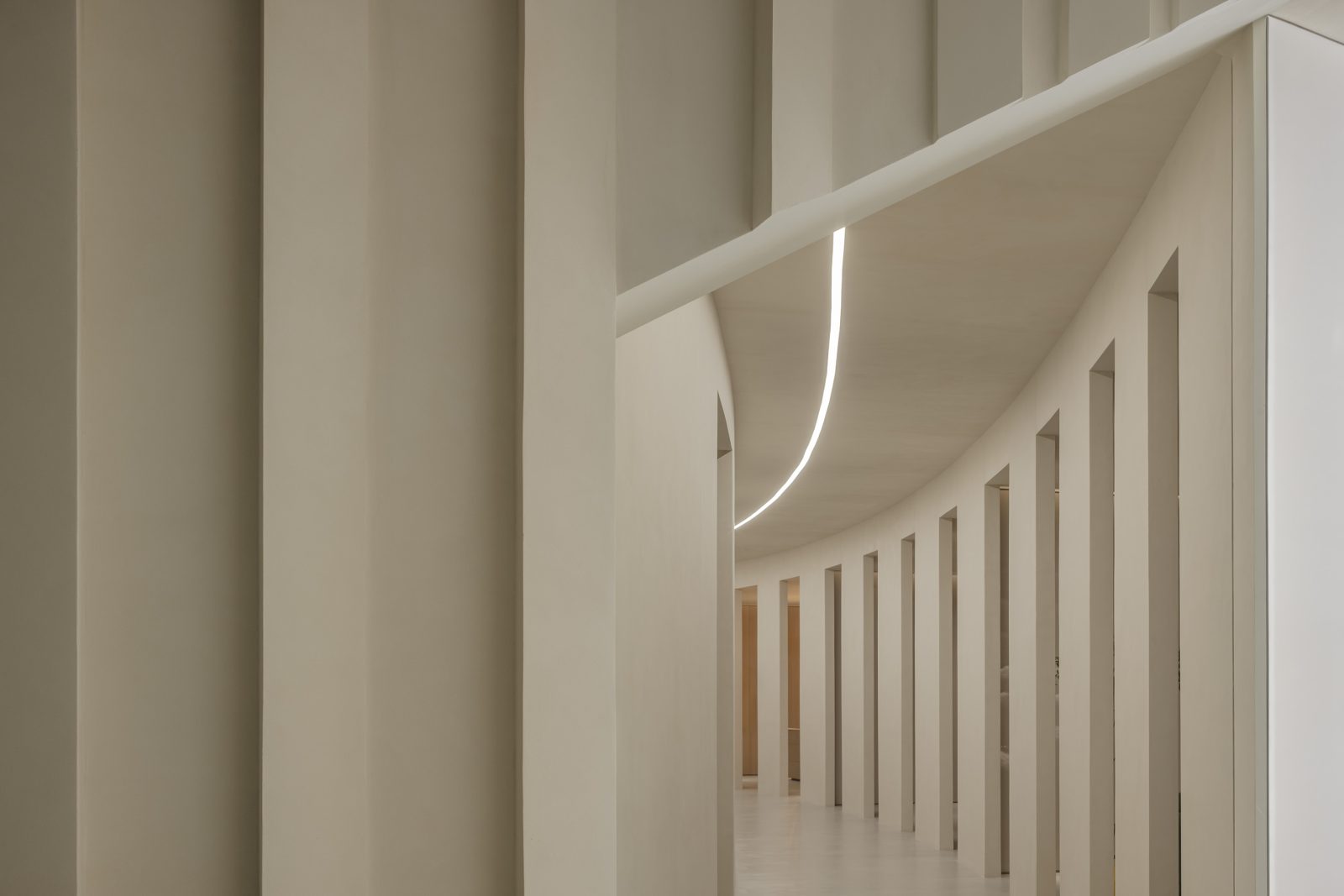
The final fifth project, Simple Living Passage, is a lifestyle concept space and furniture showroom. In an effort to break away from purely commercial displays, Hung And Songkittipakdee (HAS) sought to evoke the memory of the site’s original forest setting. Using locally sourced timber, they created a meditative “Light Tunnel.” This elongated passage avoids any direct commercial activity—no product displays, no advertisements, no sales. Instead, it filters out the external chaos and offers an introspective, spiritual space, enclosed within a forest-like building façade.
Through Simple World, architects Jenchieh Hung and Kulthida Songkittipakdee, founders of HAS Design and Research, have reimagined the conventional role of the furniture mall by embedding it with public, cultural, and spiritual functions. With projects ranging from a non-profit art museum to design archives and community culinary galleries, they have created a forward-looking lifestyle model rooted in community, cultural exchange, and shared experience.
Simple World stands as a successful example of adaptive reuse—revitalizing large-scale commercial infrastructure while minimizing construction waste. Acting as a form of architectural acupuncture, these projects activate underutilized urban areas and offer a replicable strategy for the sustainable development of emerging Chinese towns.
While the design centers on the adaptive reuse of a typical shopping mall—a phenomenon common across new towns in China—the architects go further by identifying cultural narratives, responding to the natural context, and engaging with the community to revive the city’s historical memory, ultimately proposing a new vision of human–nature biomimetic coexistence.
Facts & Credits
Project title Simple World
Typology Cultural Center, Museum
Location Hefei, China
Architecture HAS Design and Research
Lead architects Jenchieh Hung, Kulthida Songkittipakdee
Design team Jenchieh Hung, Kulthida Songkittipakdee, Atithan Pongpitak, Tapanee Laddahom
Gross built area 2,930 sq.m.
Completion year 2024
Photo credit W Workspace, Fangfang Tian, Jenchieh Hung, Kulthida Songkittipakdee
Courtesy Jenchieh Hung + Kulthida Songkittipakdee | HAS design and research
Text provided by the architects
READ ALSO: RURAL ARCHITECTURE: Casa Entre Encinas in Guadalajara by Erentia