Located in Portugal’s most prestigious wine-producing region, within a UNESCO-designated Natural and Cultural Heritage landscape, Quinta de Adorigo, designed by Atelier Sérgio Rebelo, has been awarded the Best Mixed Hospitality Design of the Year 2025 by Archisearch. The project is recognized for its ability to draw visitors into the vastness of the surrounding territory, articulating the conviction that we become the places we inhabit, and transforming architecture into a lived, sensorial experience rooted in land, culture, and time.
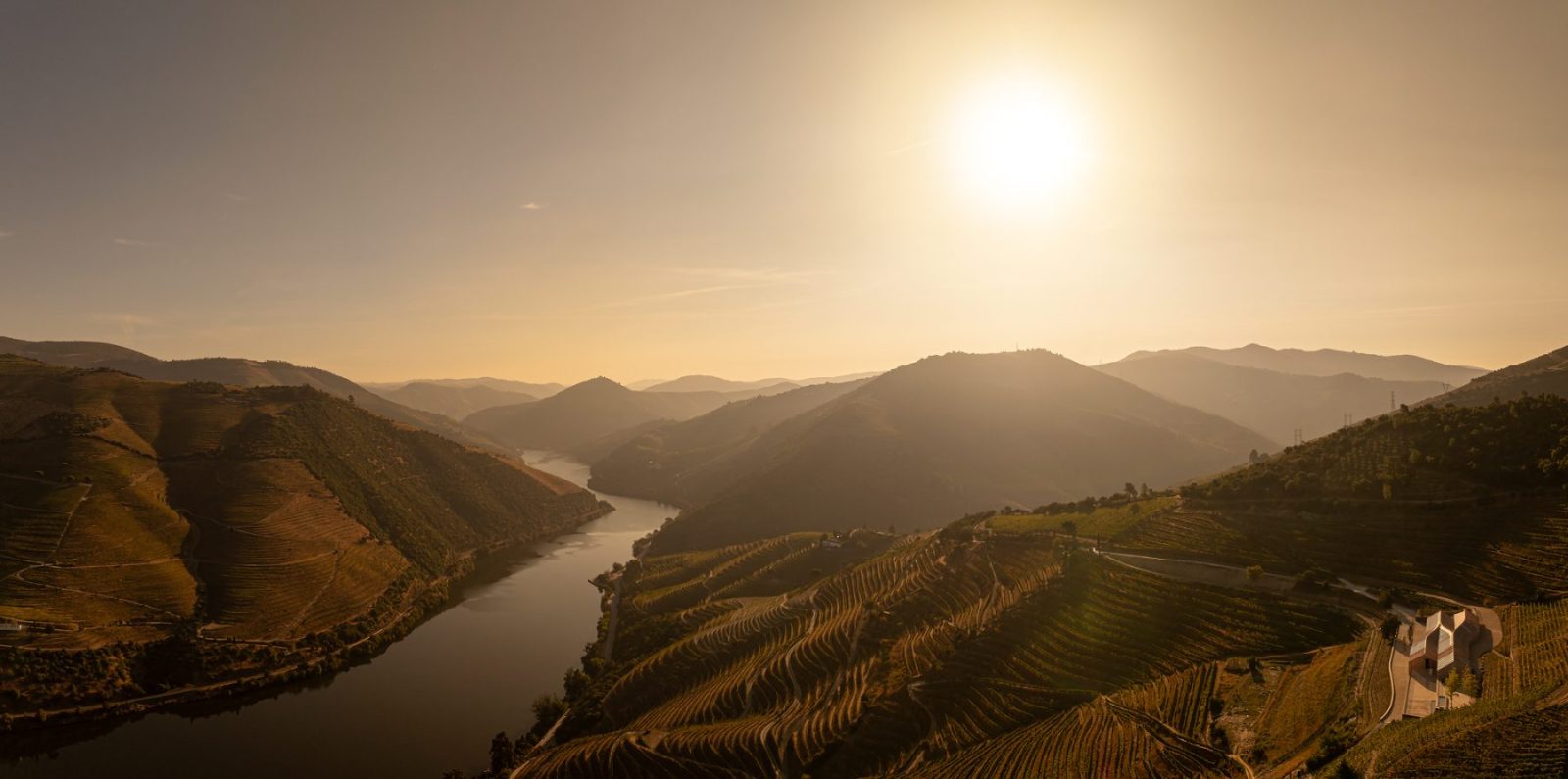
Over the centuries, countless rows of terraces have been carved into the Douro’s steep slopes, shaped by evolving techniques and relentless human effort. The oldest terraces, dating from the pre-phylloxera era (before 1860), are narrow and irregular, supported by dry-laid schist stone walls. Fragile and demanding constant maintenance, they accommodated only one or two rows of vines. Following the devastation caused by phylloxera in the late 19th century, the vineyards were rebuilt through the construction of larger, continuous terraces. These later interventions profoundly transformed the landscape: monumental stone walls, widened platforms, and carefully inclined planes optimized solar exposure and redefined the visual and productive logic of the territory.
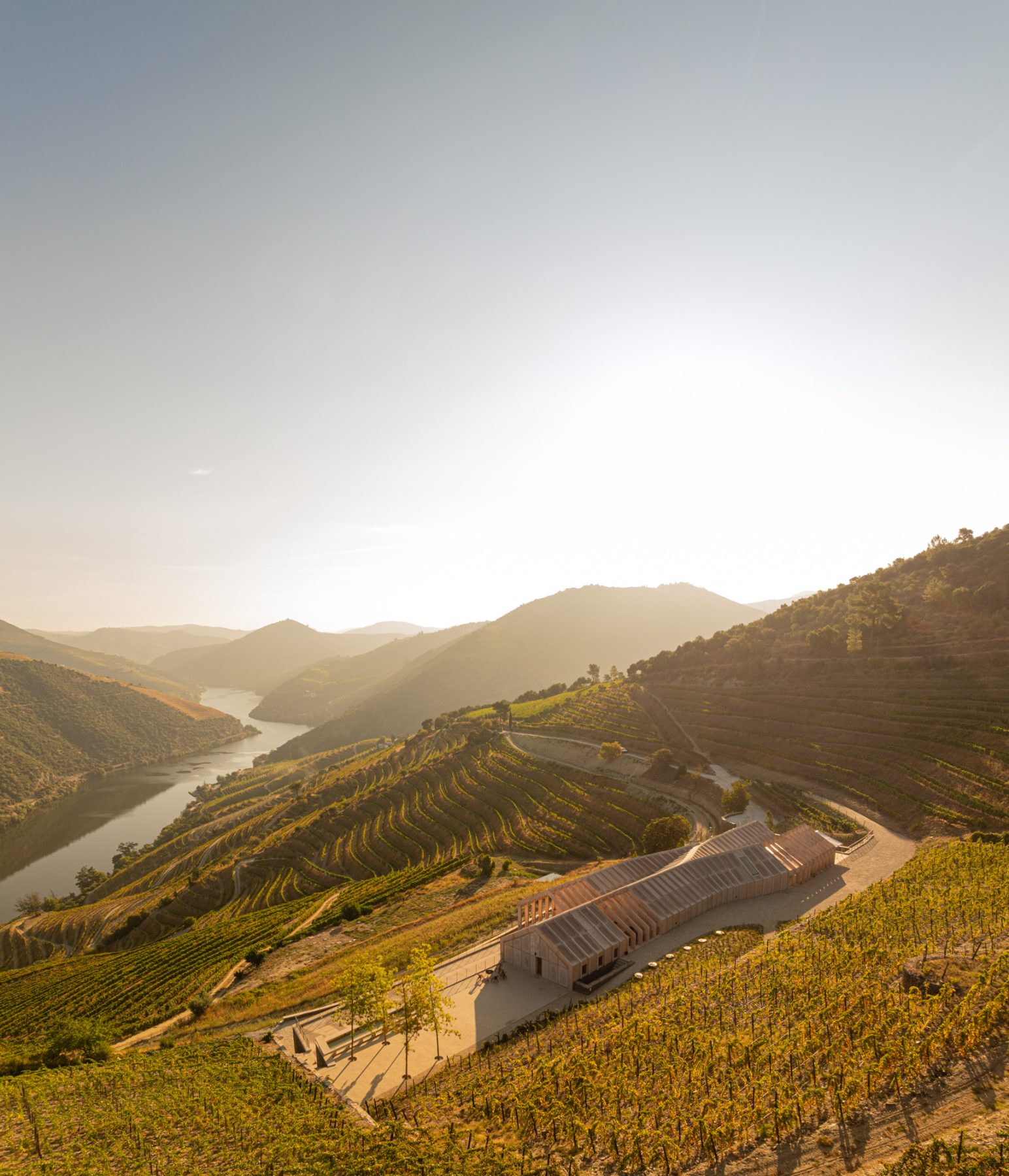
A long tradition of winemaking has thus shaped a cultural landscape of extraordinary beauty, one that reflects the region’s technological, social, and economic evolution. Despite its dramatic visual impact, the Alto Douro remains a living, cultivated landscape, sustained by generations of landowners who continue to work the land according to inherited knowledge and practices. The Alto Douro Wine Region has been producing wine for nearly two thousand years, its geography molded by persistent human labor—an enduring dialogue between nature and culture. Excerpts from: “The Alto Douro Wine Region”, UNESCO World Heritage Convention, 2001. The winery at Quinta de Adorigo—formerly Quinta de Santo António—emerged from an architectural competition launched in 2019.
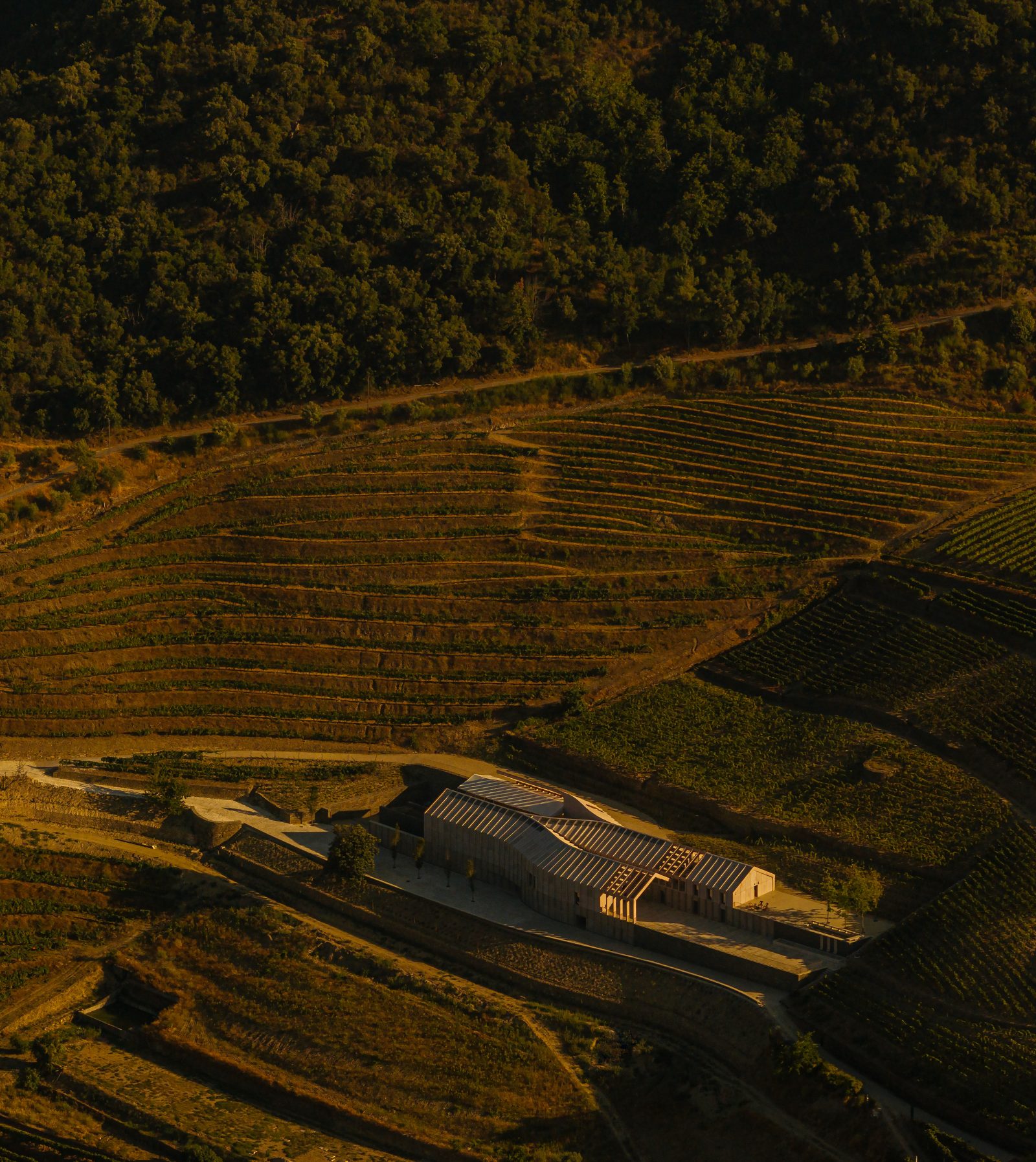
The proposal selected by SRAtelier sought to create an architecture that would dissolve into the landscape, firmly anchored in both its physical reality and its temporal condition: the Alto Douro Wine Region in the 21st century.
I am the place where I exist. We become the places we inhabit. Each site offers specific opportunities and constraints that shape our experiences – sensorially, intellectually, and emotionally.
Architecture has the capacity to heal, to awaken the senses, and to restore our connection to nature. It can inspire awe and reinforce the joy of belonging to something both beautiful and profound.
From its inception, the Quinta de Adorigo project represented a rare opportunity to create a place that invites immersion—into the vastness of the Douro landscape and into the deeply rooted culture of vineyards and winemaking. It seeks to bring the region’s extraordinary history into the present. The project began with the construction of the wine cellar, completed in early 2020, and extends to include a hotel, currently under development. Situated within a UNESCO Natural and Cultural Heritage site, in Portugal’s most prestigious wine-producing area, Quinta de Adorigo aspires to actively contribute to the ongoing placemaking of the Alto Douro Wine Region community.
Honoring both the natural and cultural heritage of the Douro, the project deliberately rejects generic architectural solutions. The region demands a richer, more nuanced architectural vocabulary. One capable of responding to its exceptional beauty, millennia-old human presence, and deeply ingrained winemaking traditions.
The intervention is therefore contextual by necessity, emphasizing landscape and culture while integrating innovative construction and sustainability strategies.
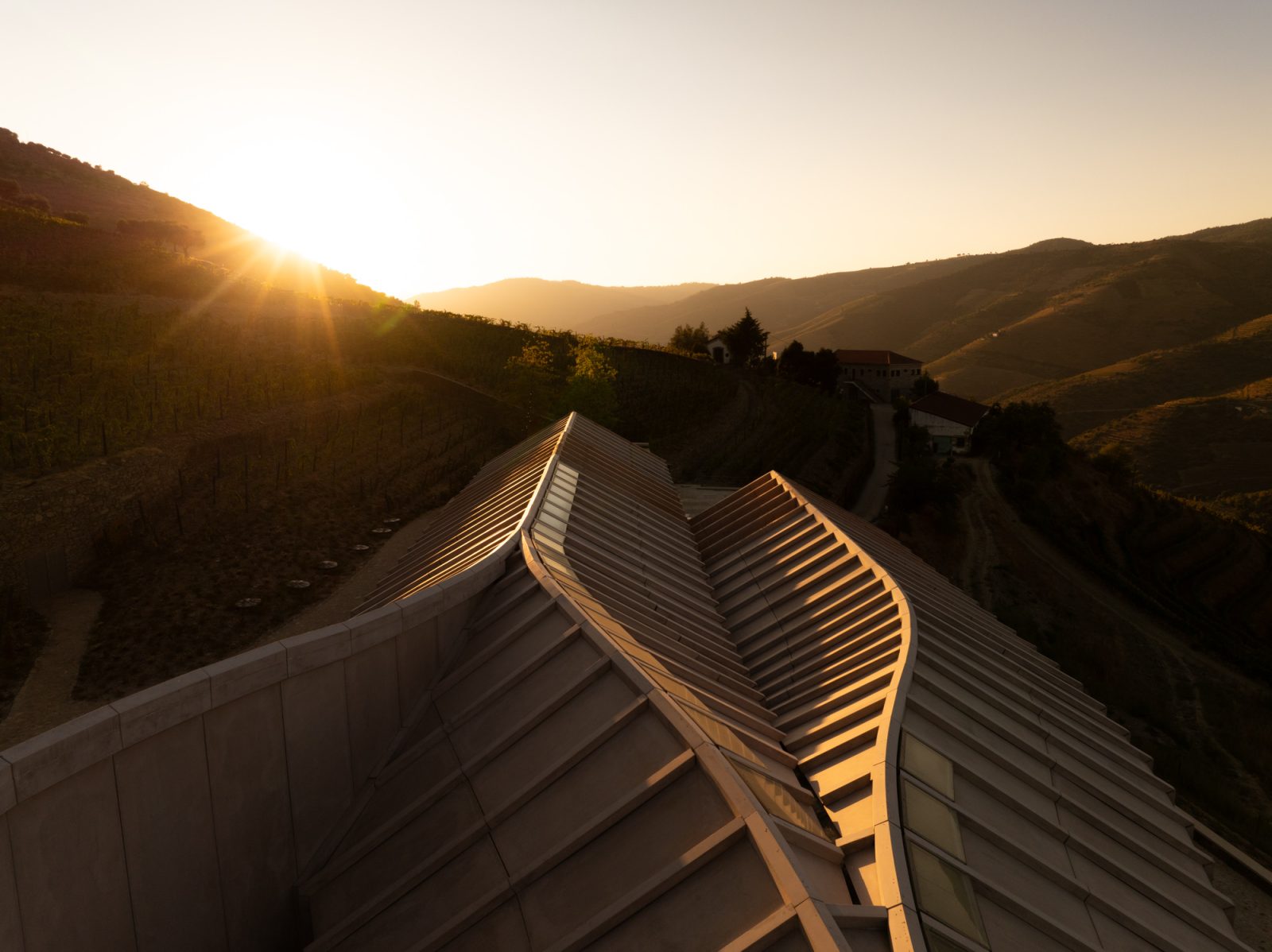
The historical legacy of Port wine producers subtly informed the design—not through literal or decorative references, but as a tribute to the Douro River, its landscapes, and its people. The design process began with an in-depth reading of the territory, celebrating the land and those who shaped it over centuries.
The project honors the anonymous labor that carved paths through stone and earth, leaving behind an enduring legacy.
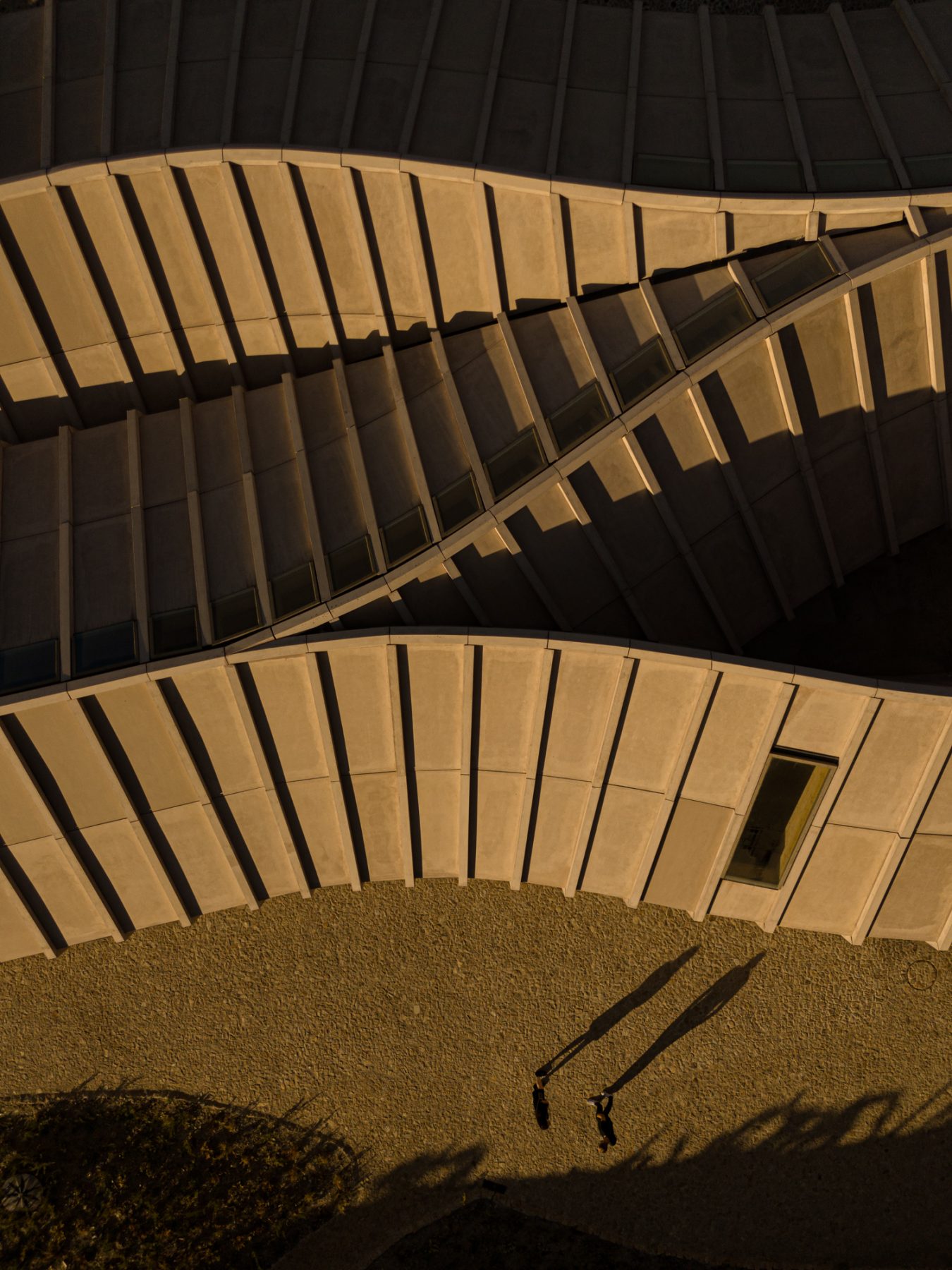
To create a new place in the Douro, we engaged with its defining elements: schist and granite valleys with their tectonic presence; vast horizons; the powerful river flowing between steep banks; vineyards forming zigzagging patterns along meticulously traced slopes; and the luminous presence of a small stone chapel perched against the sky. The project honors the landscape through the building’s horizontal, curvilinear forms and the paths that articulate movement across the site. Yet, literal references were consciously avoided to preserve functionality, clarity of circulation, and the efficiency required by the winery’s daily operations.
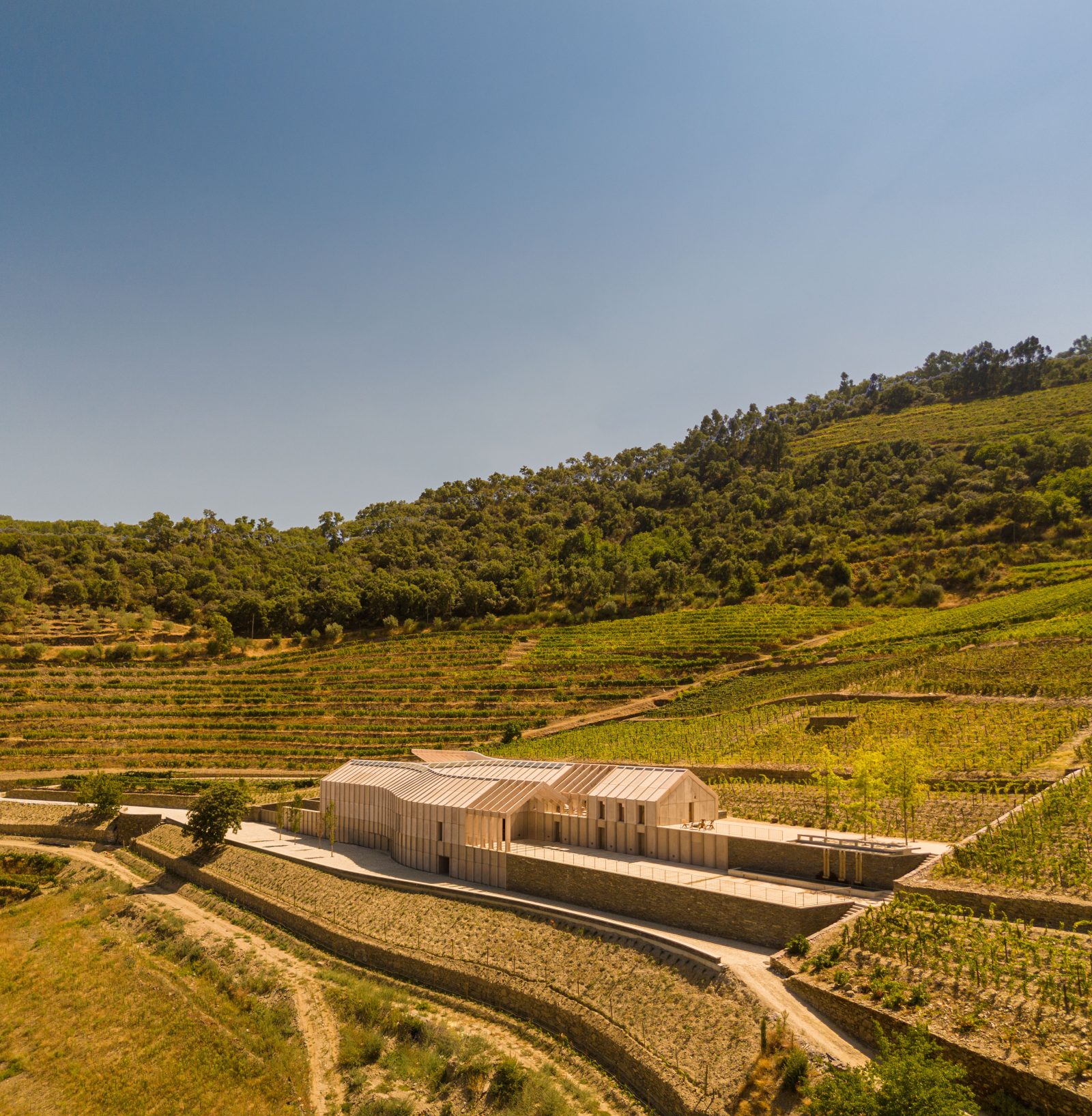
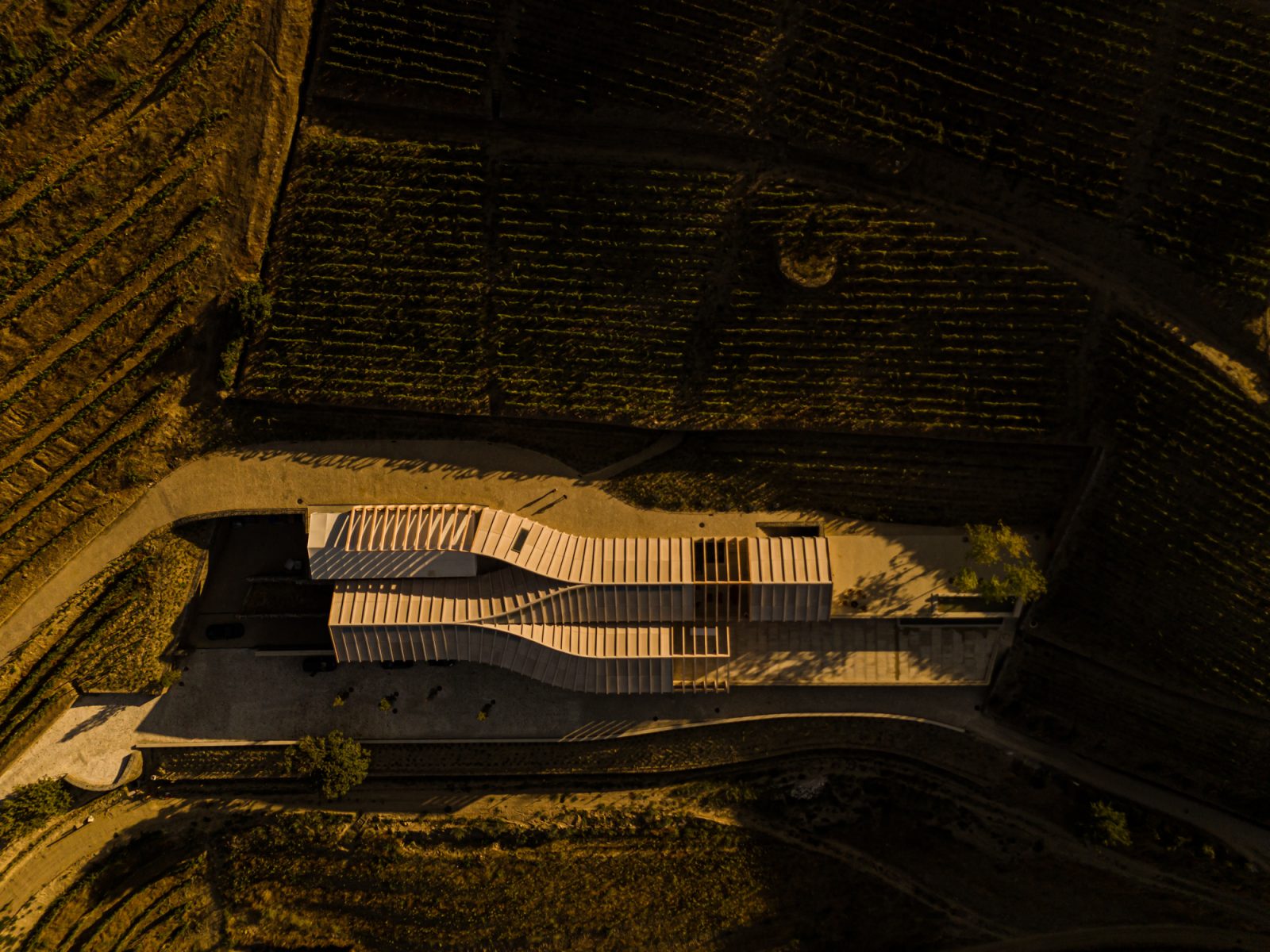
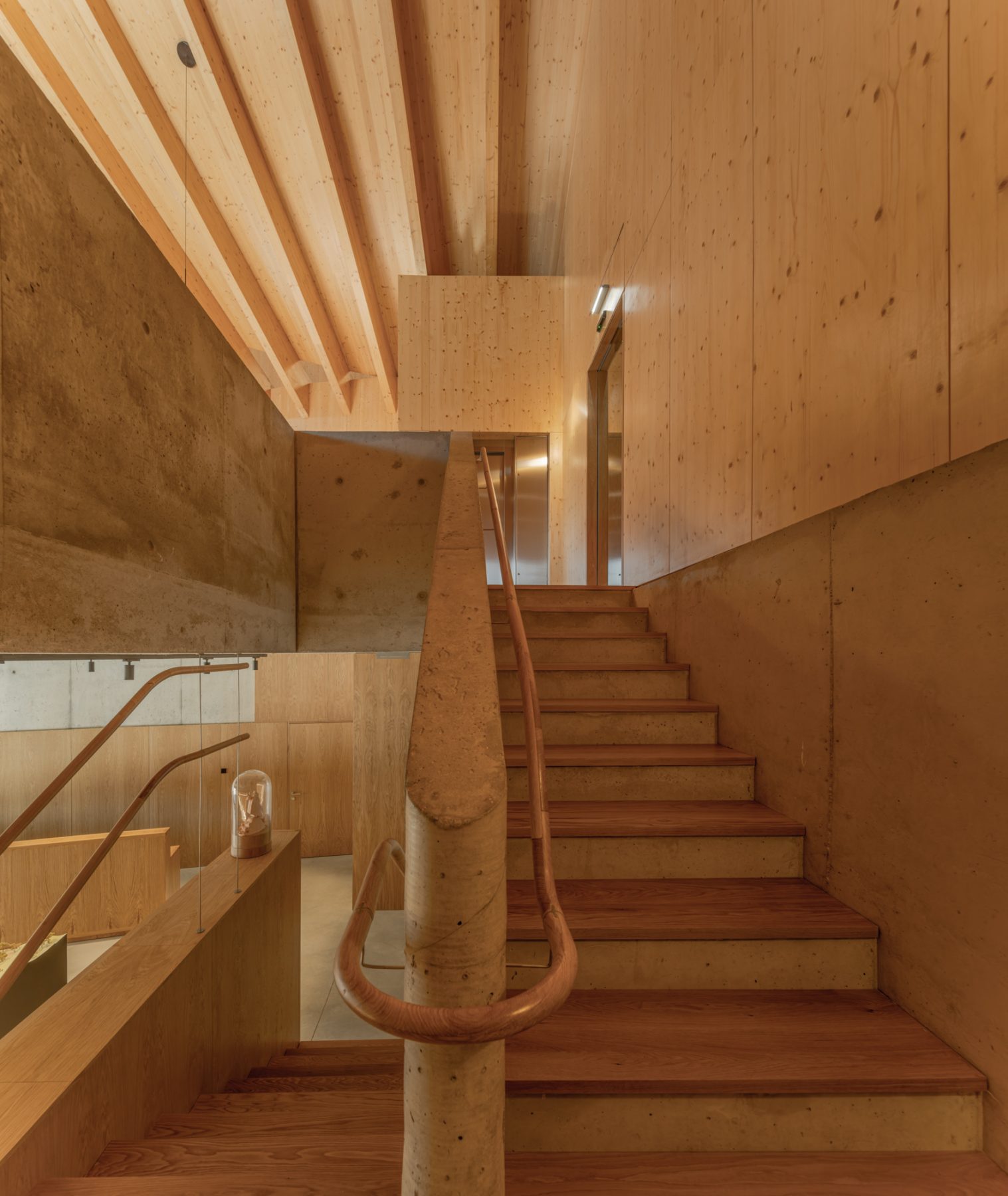
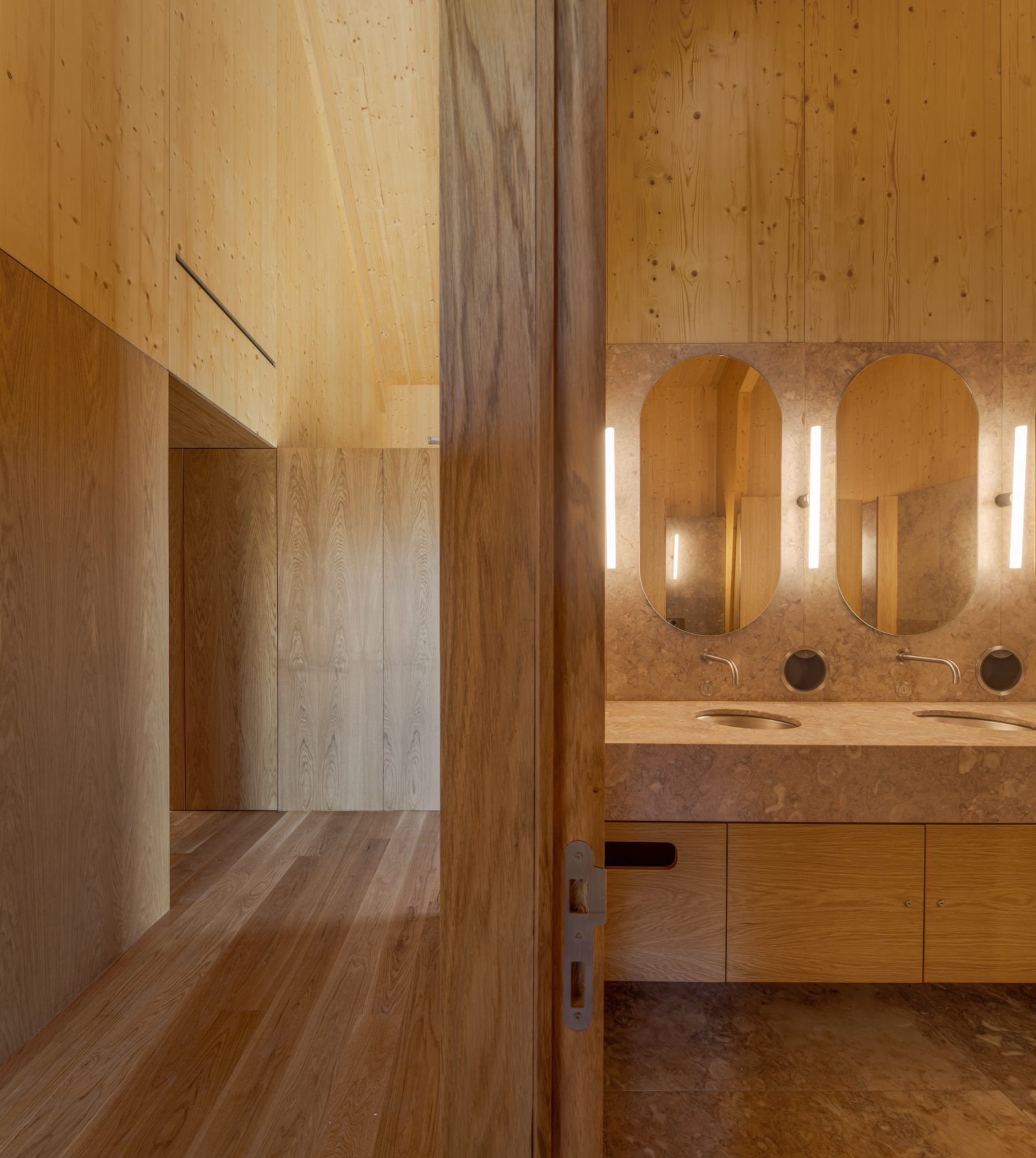
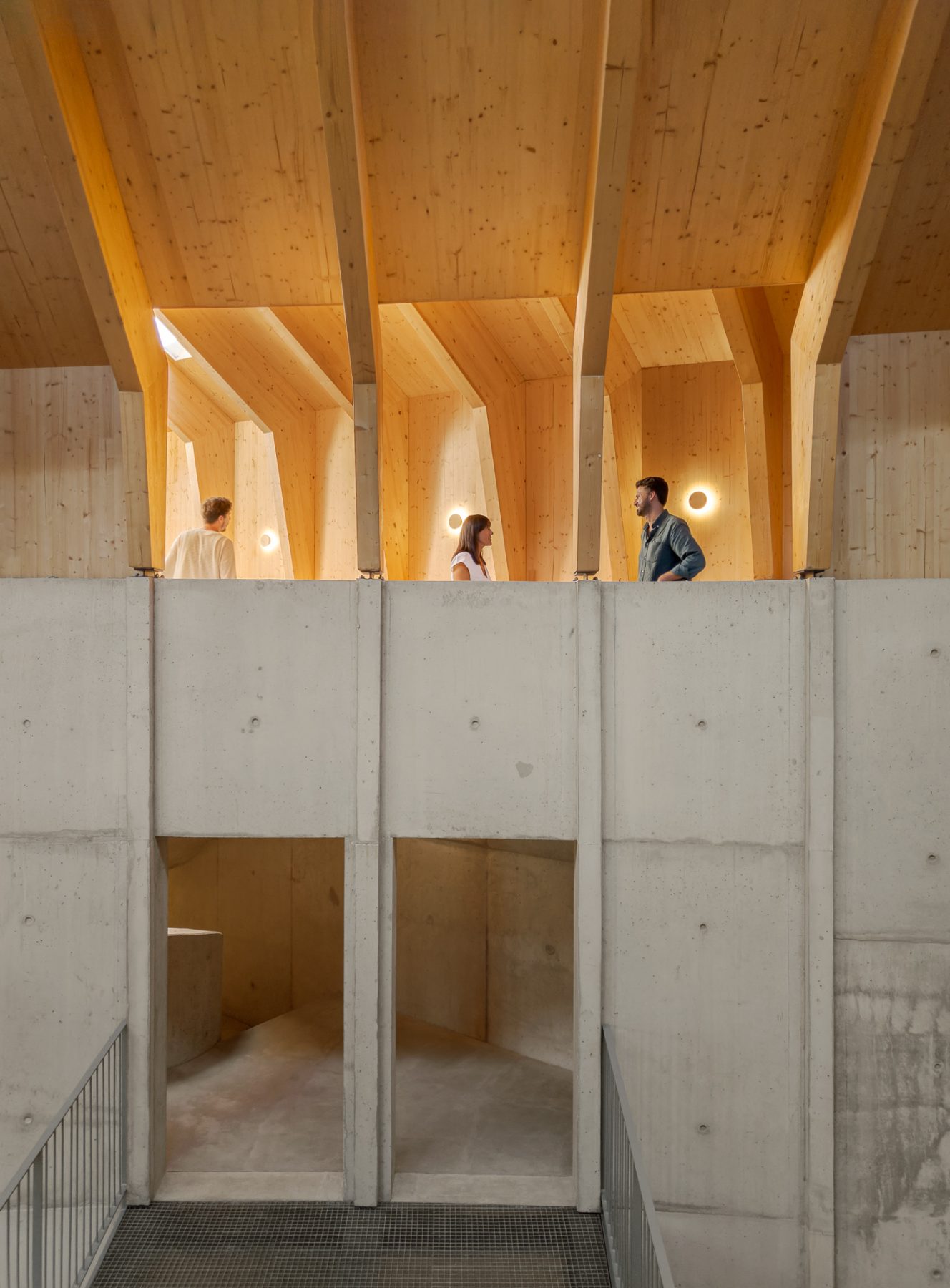
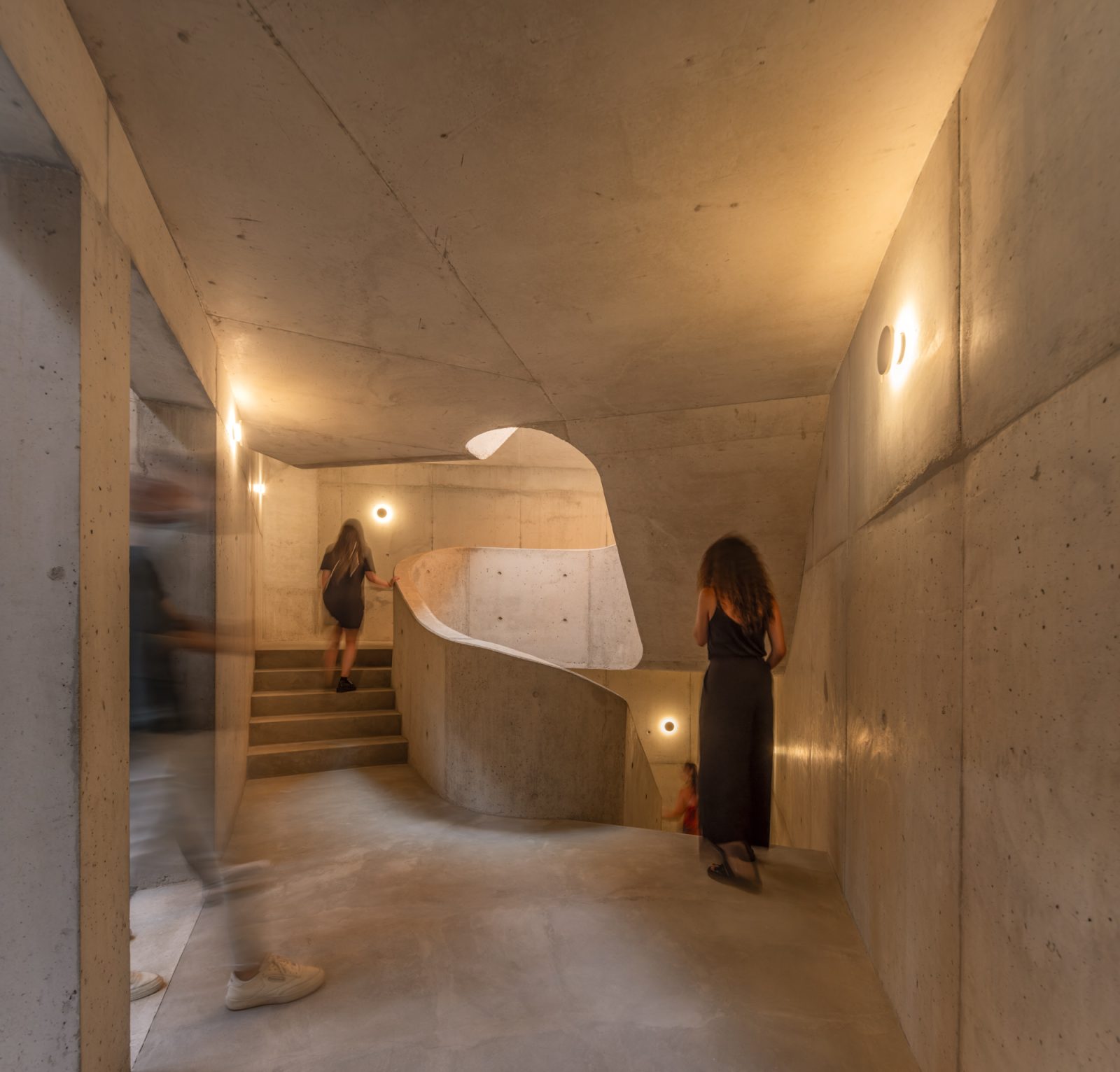
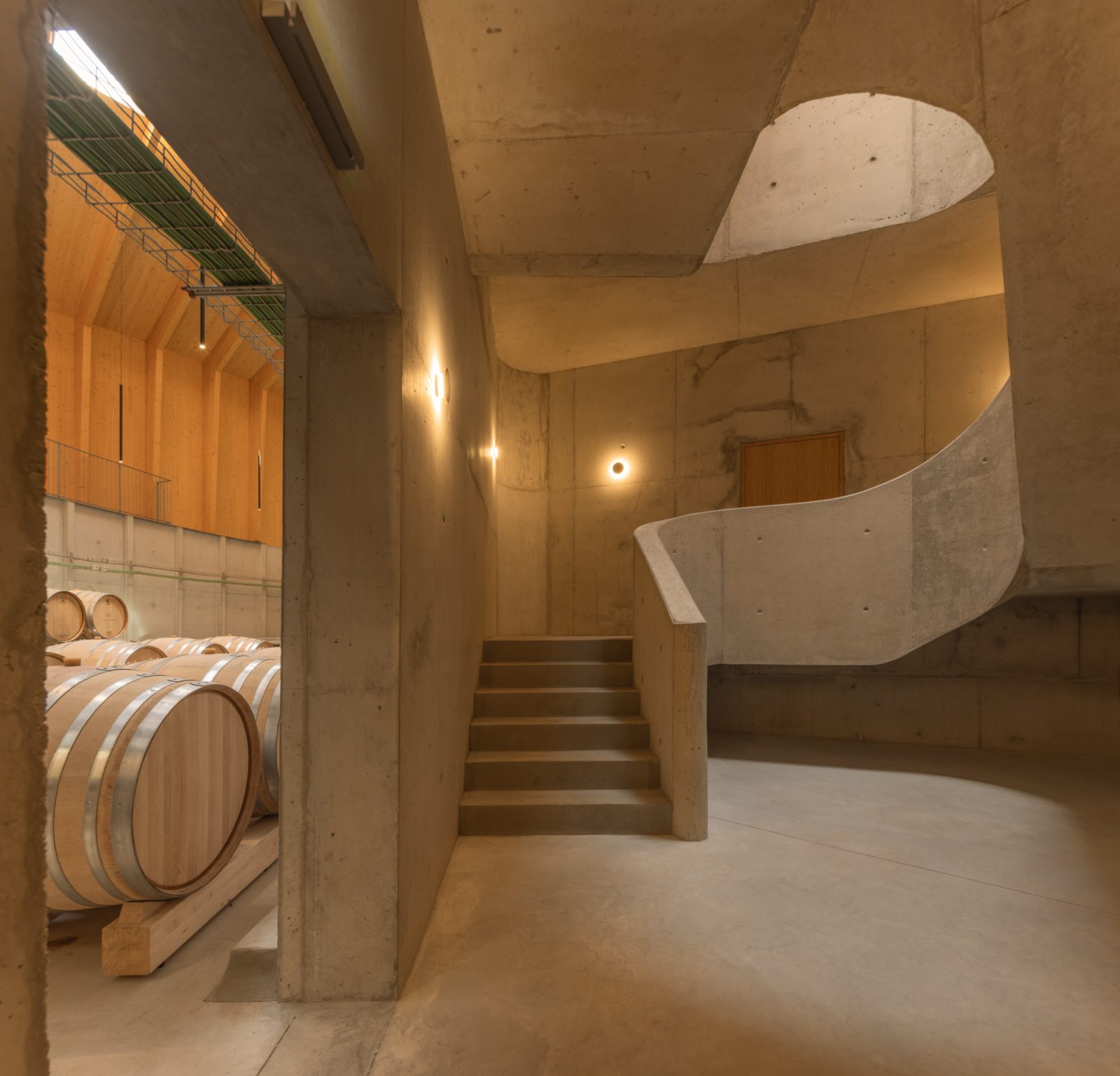
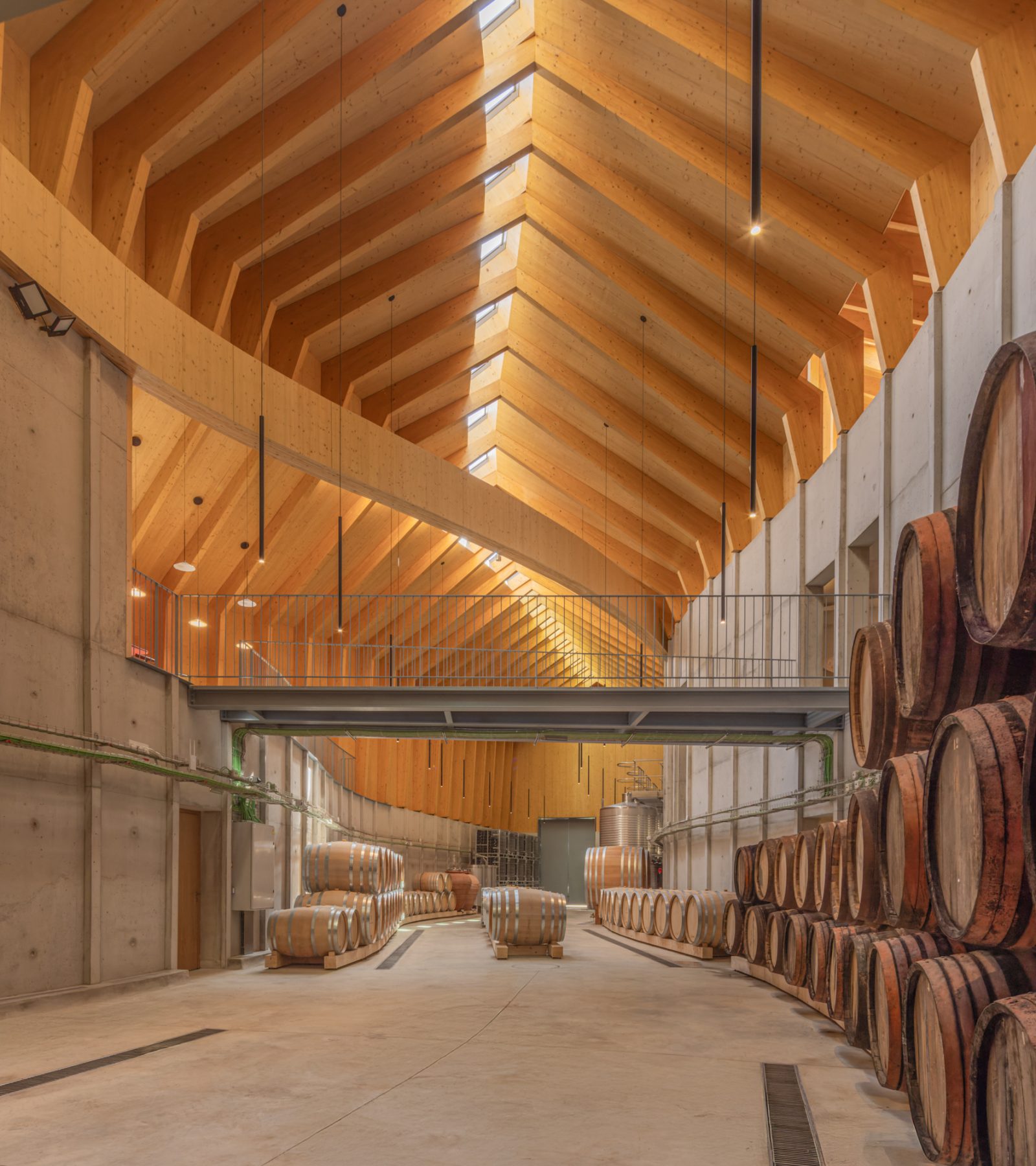
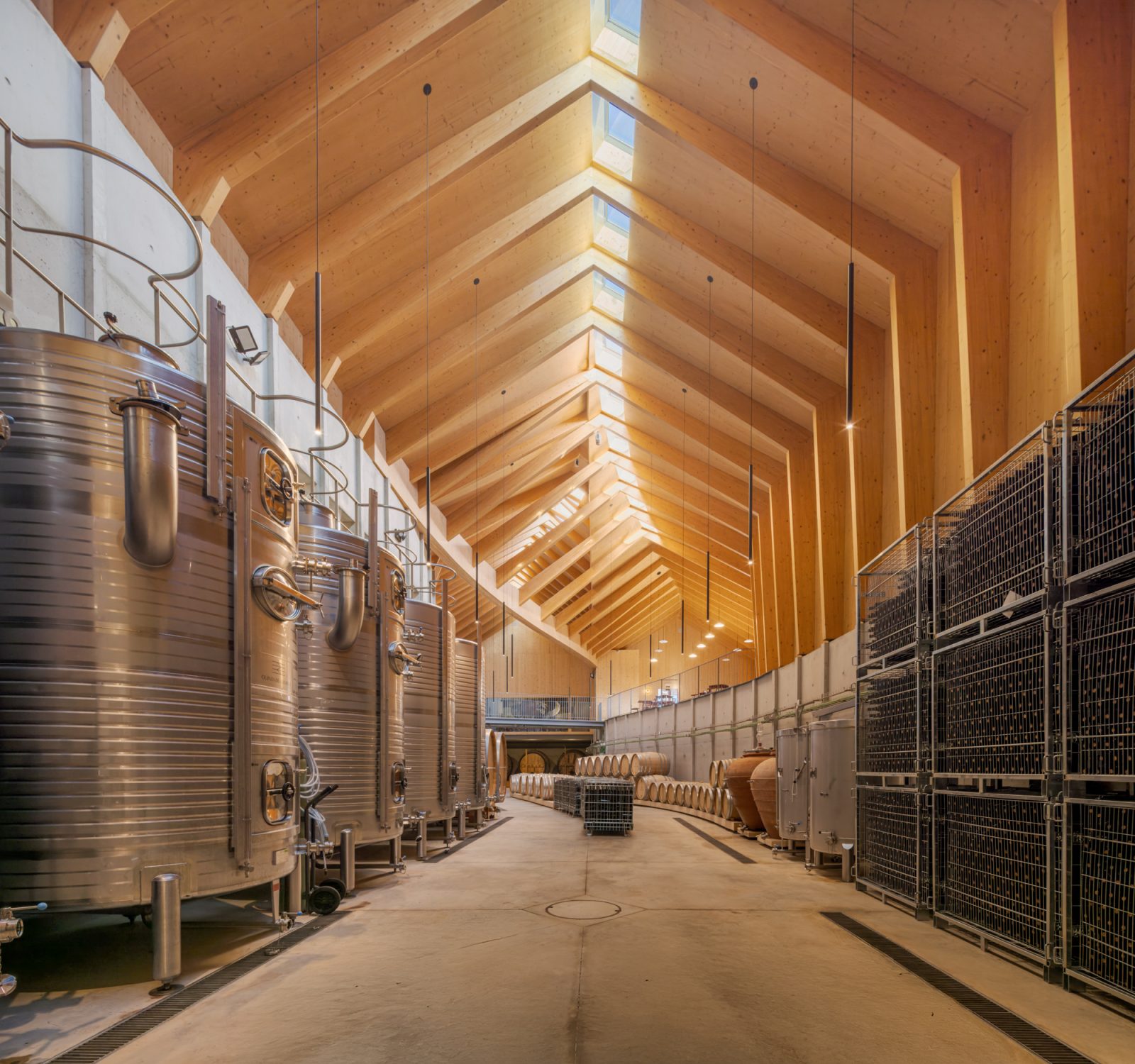
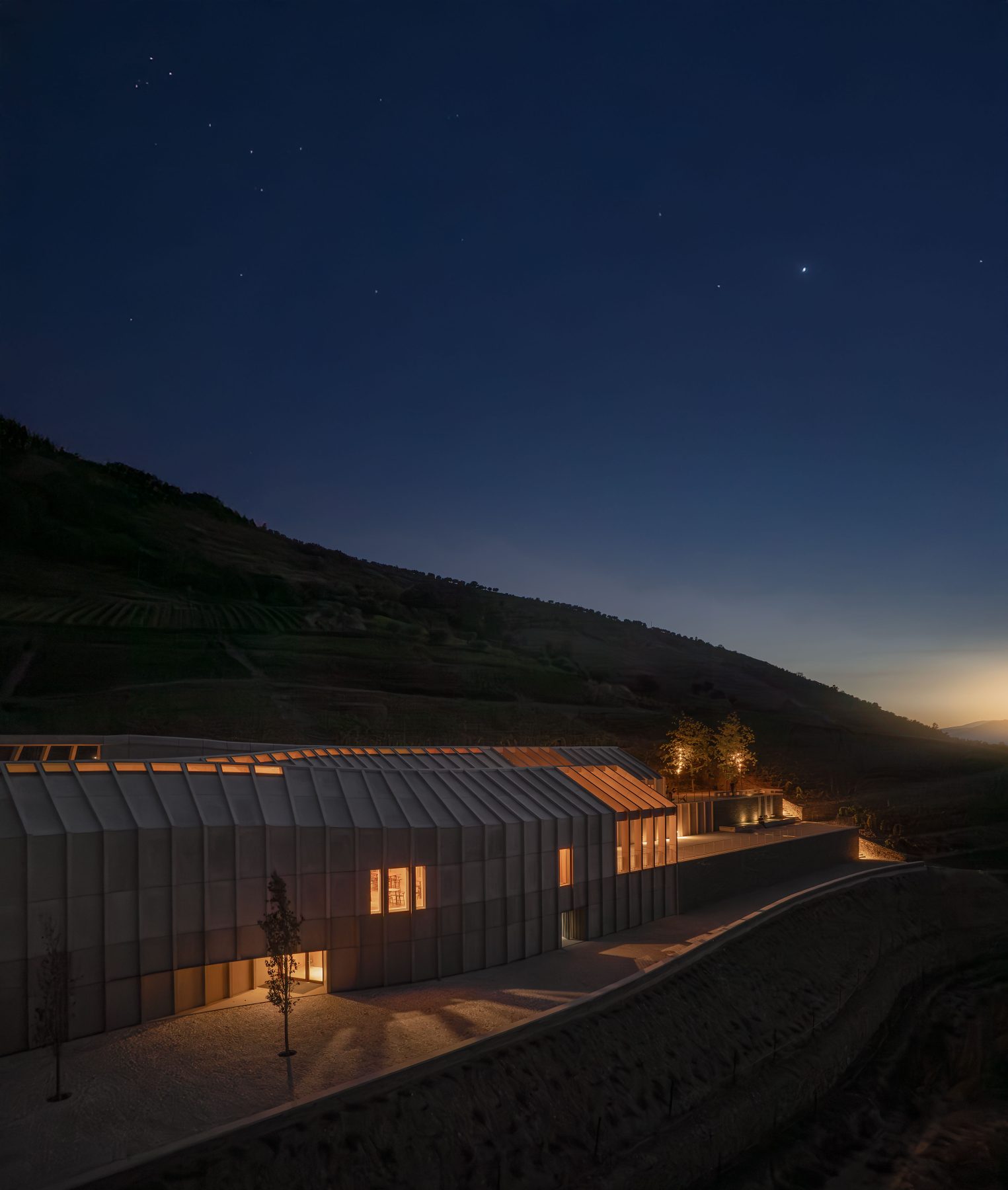
Traditional winemaking architecture privileges natural materials—stone, wood, and concrete—and this winery embraces that lineage. Local stone, timber structures, and concrete slabs define a material palette that resonates with the browns, greens, and greys of granite and schist. Portuguese craftsmanship is expressed through contemporary construction techniques, merging tradition with innovation. The winery follows the millennia-old gravity-fed winemaking system. Its structural enclosure evokes the timber trusses of traditional cellars while flowing tangentially along the vineyard’s slopes.
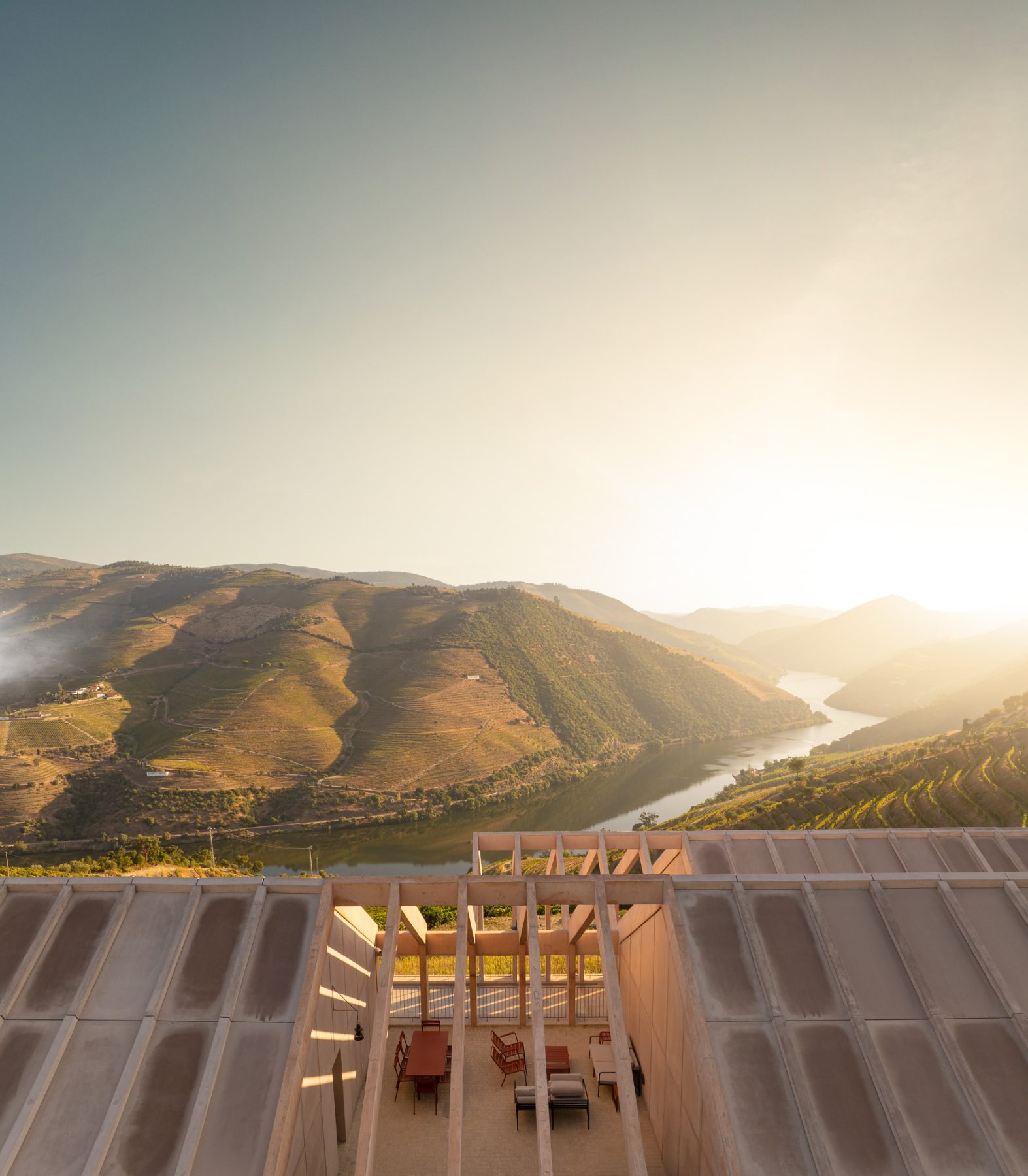
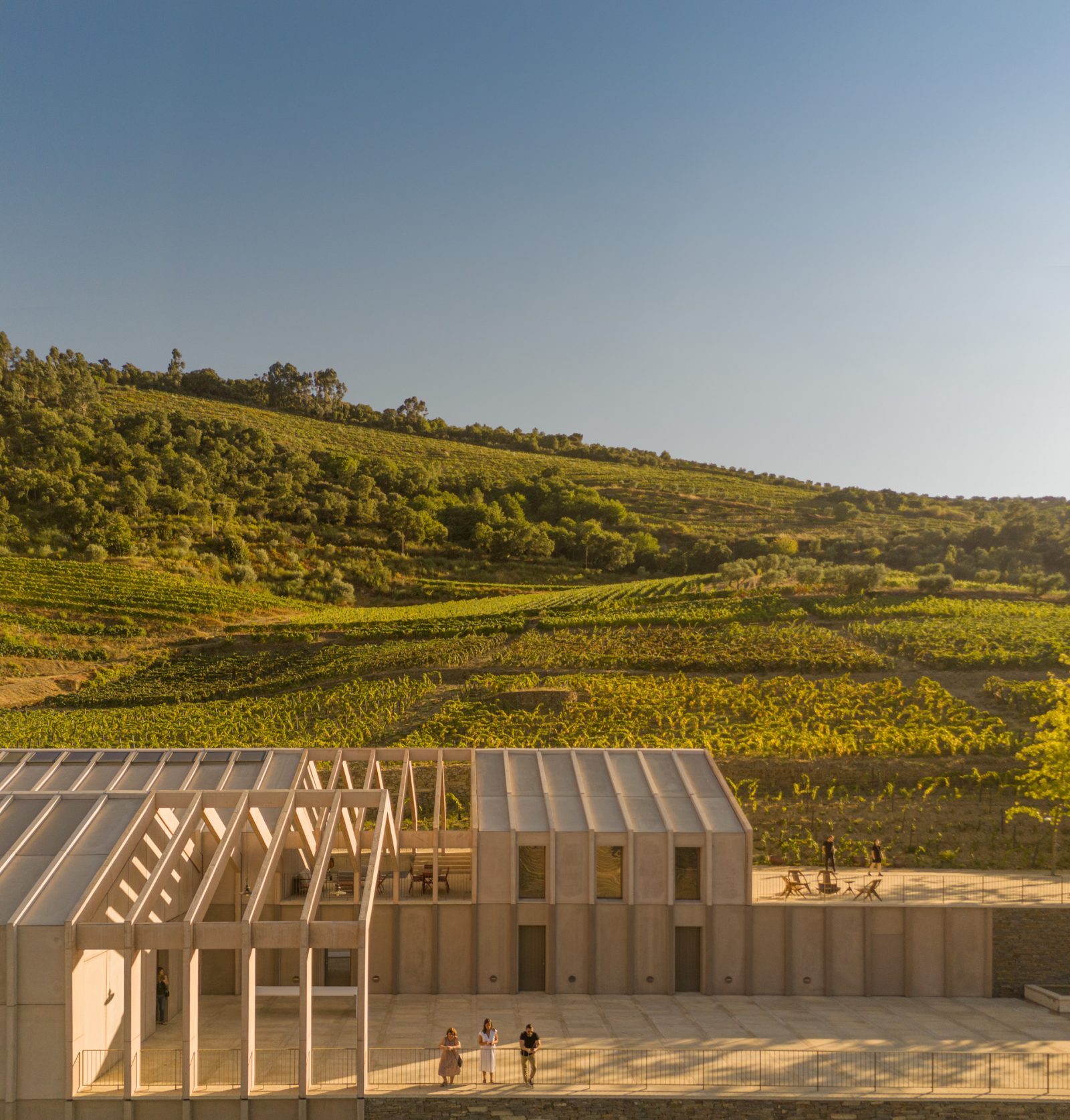
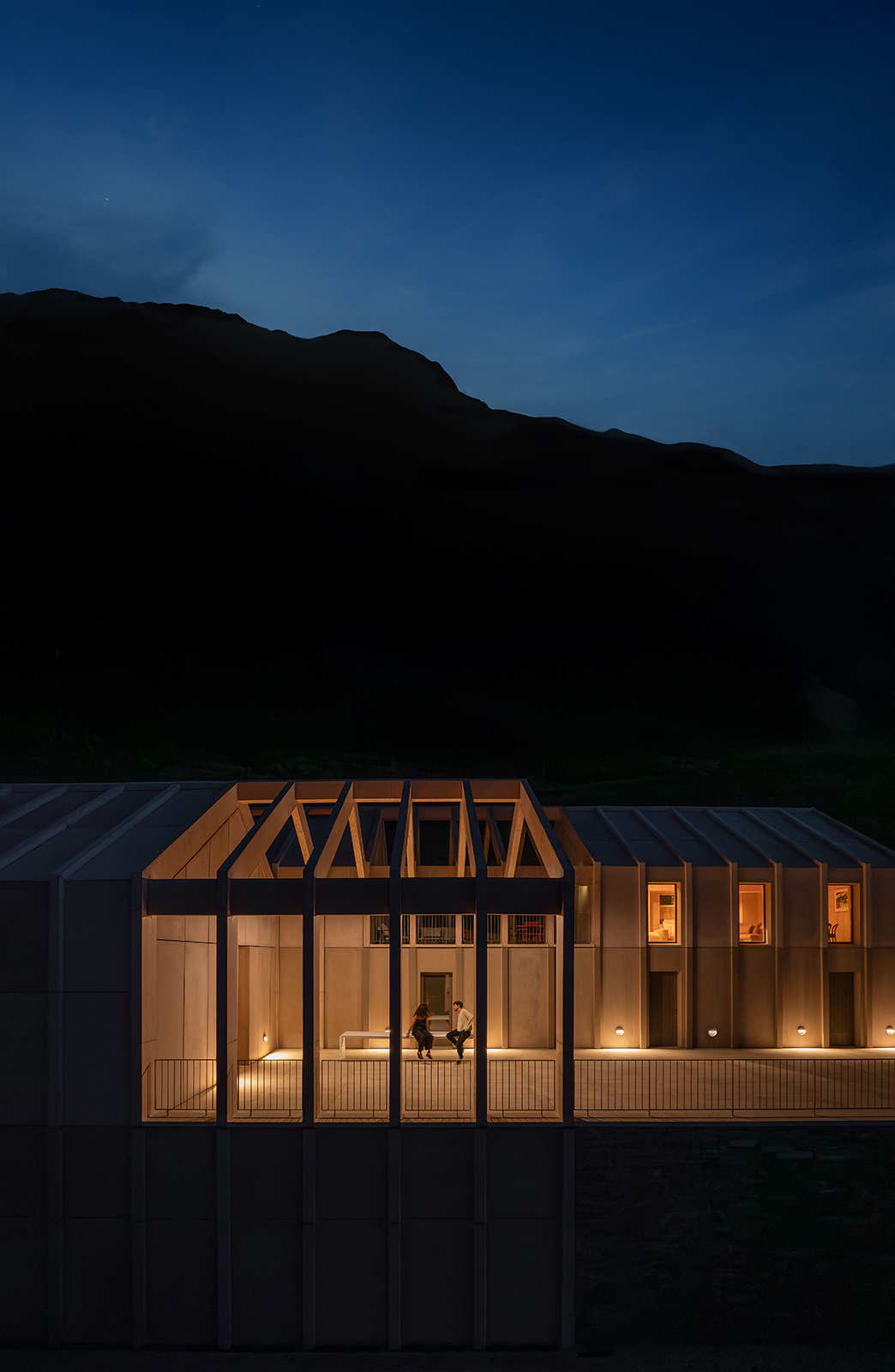
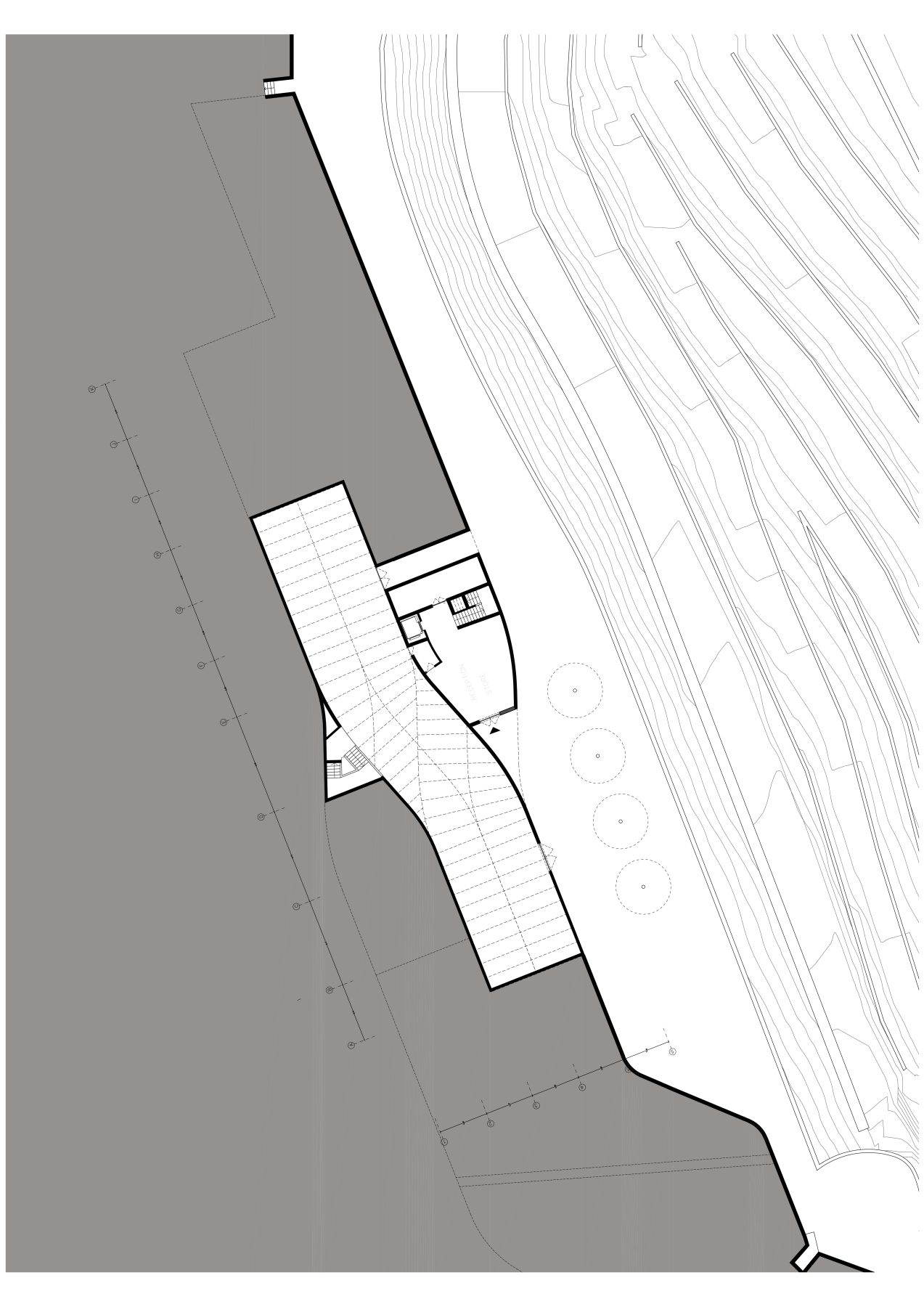
The building is conceived as a fragmented organ, recalling rural architecture through a series of interstitial spaces—domestic and semi-public—that create moments of intimacy and surprise against the immensity of the landscape.
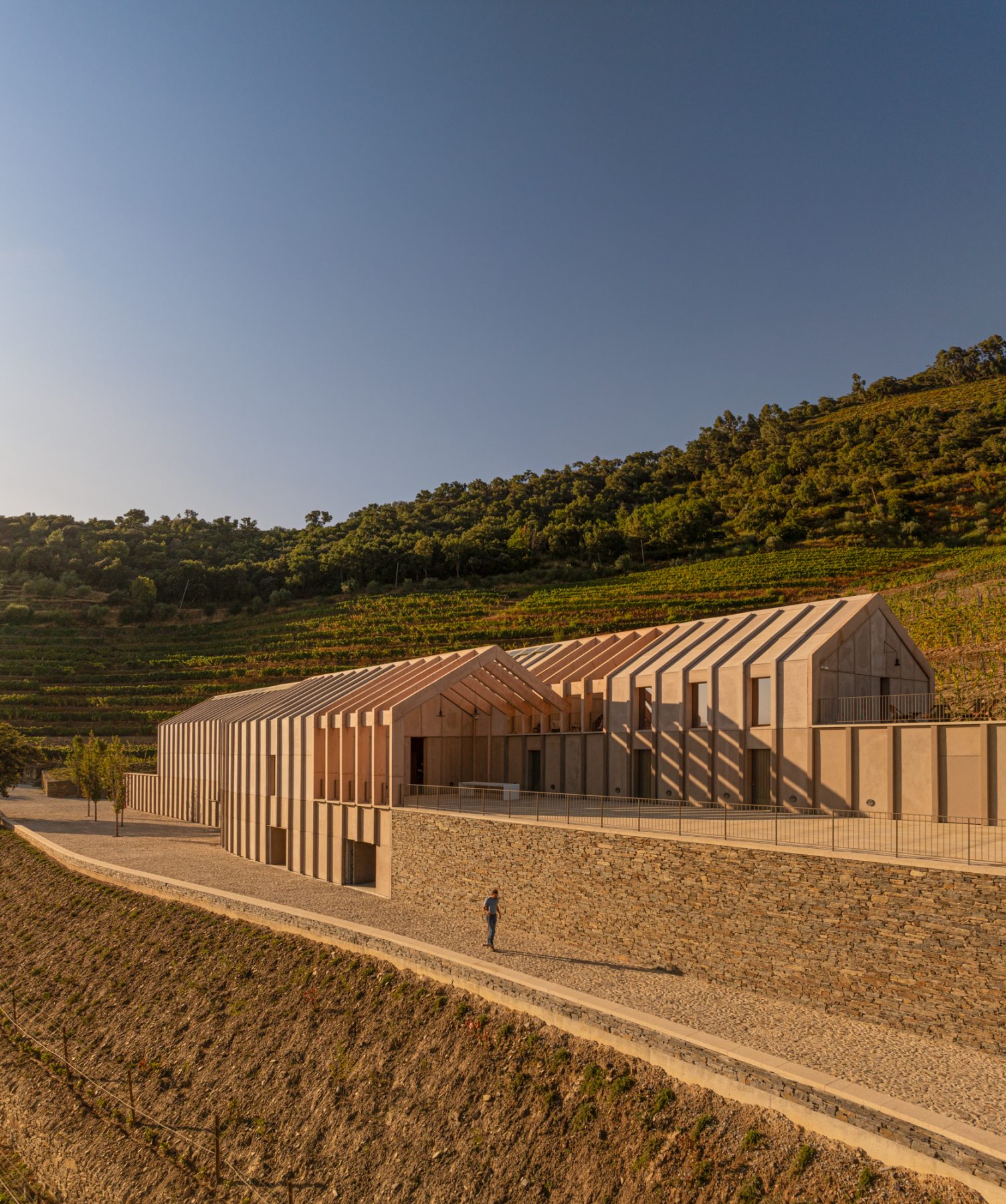
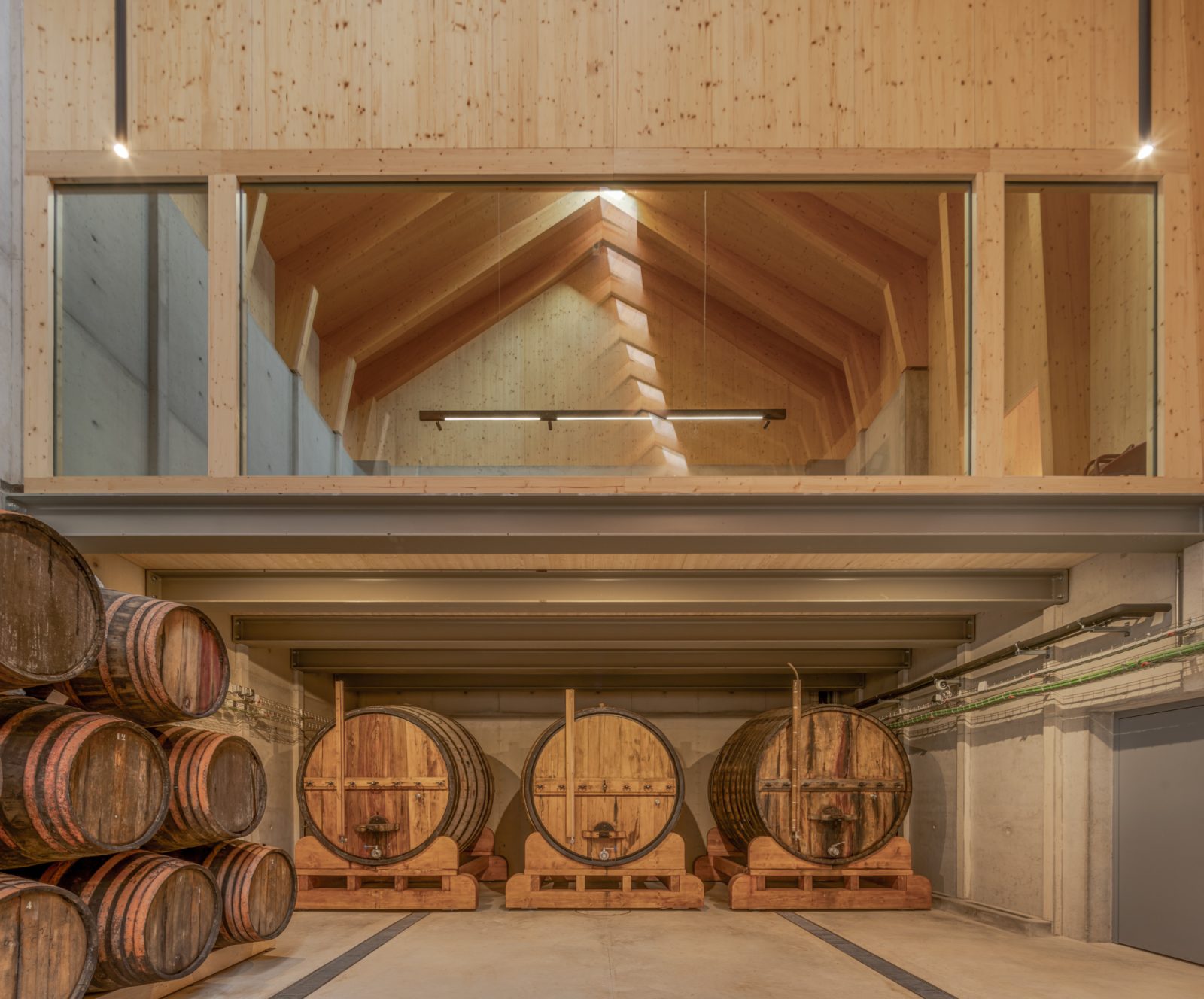
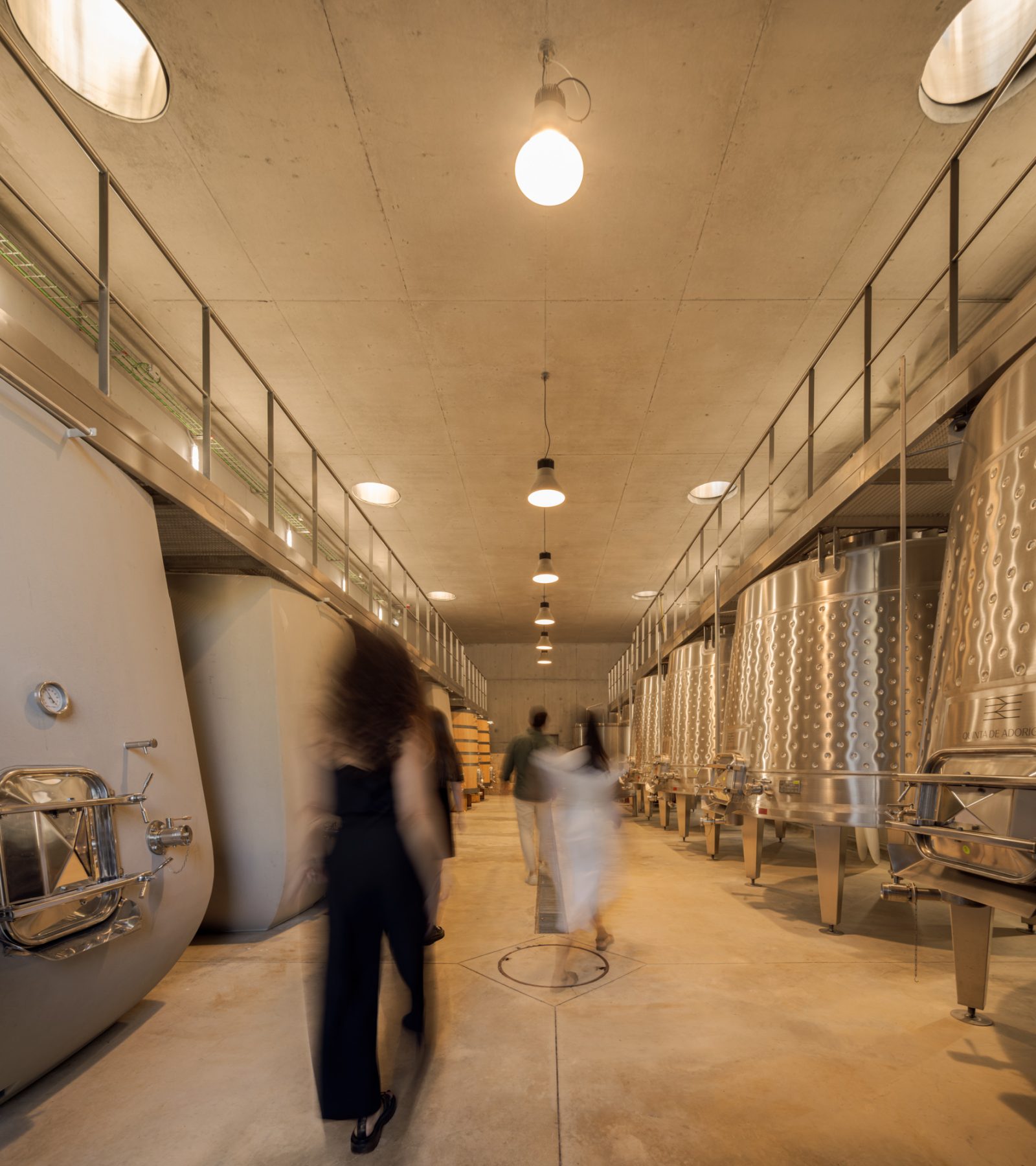
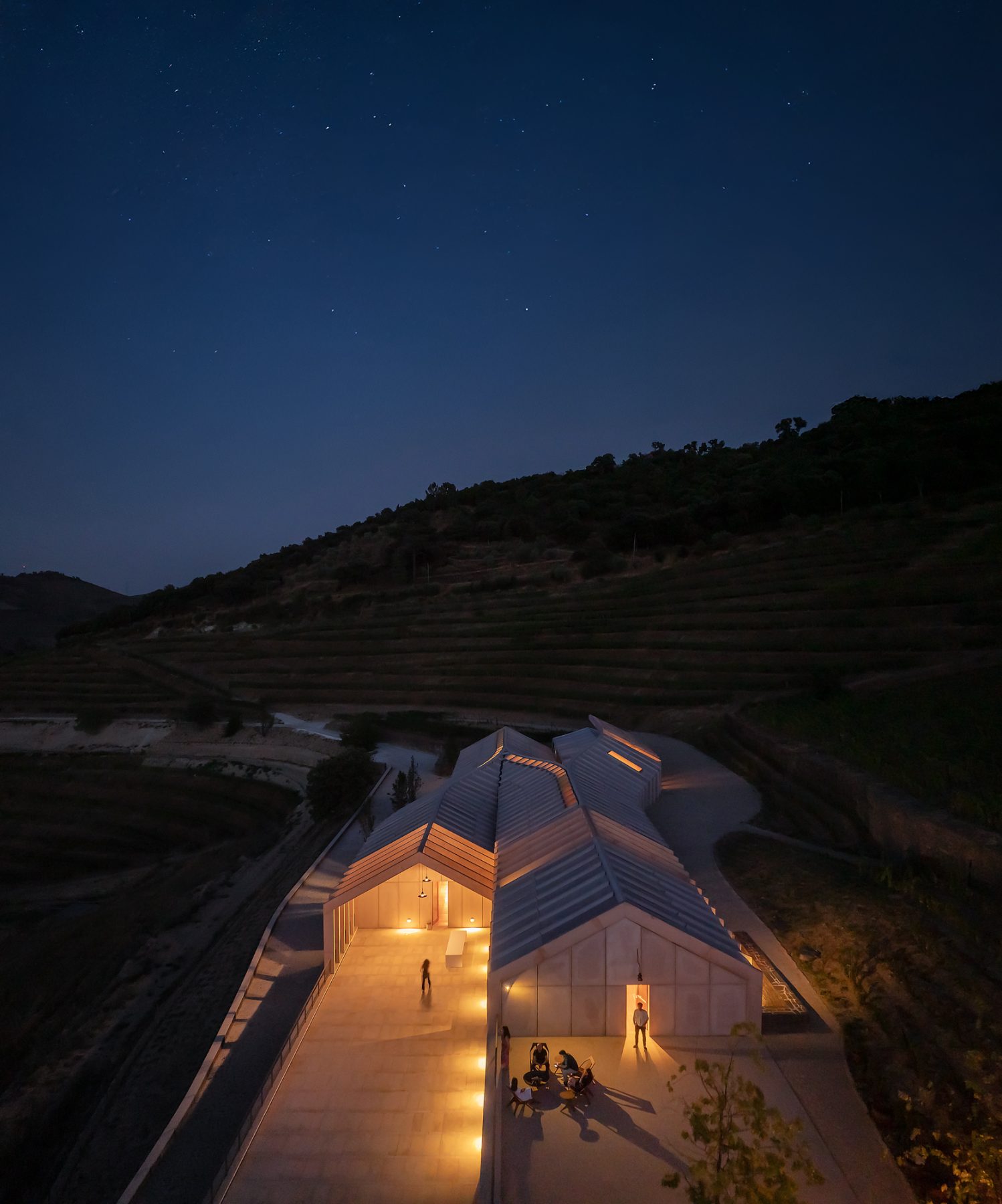
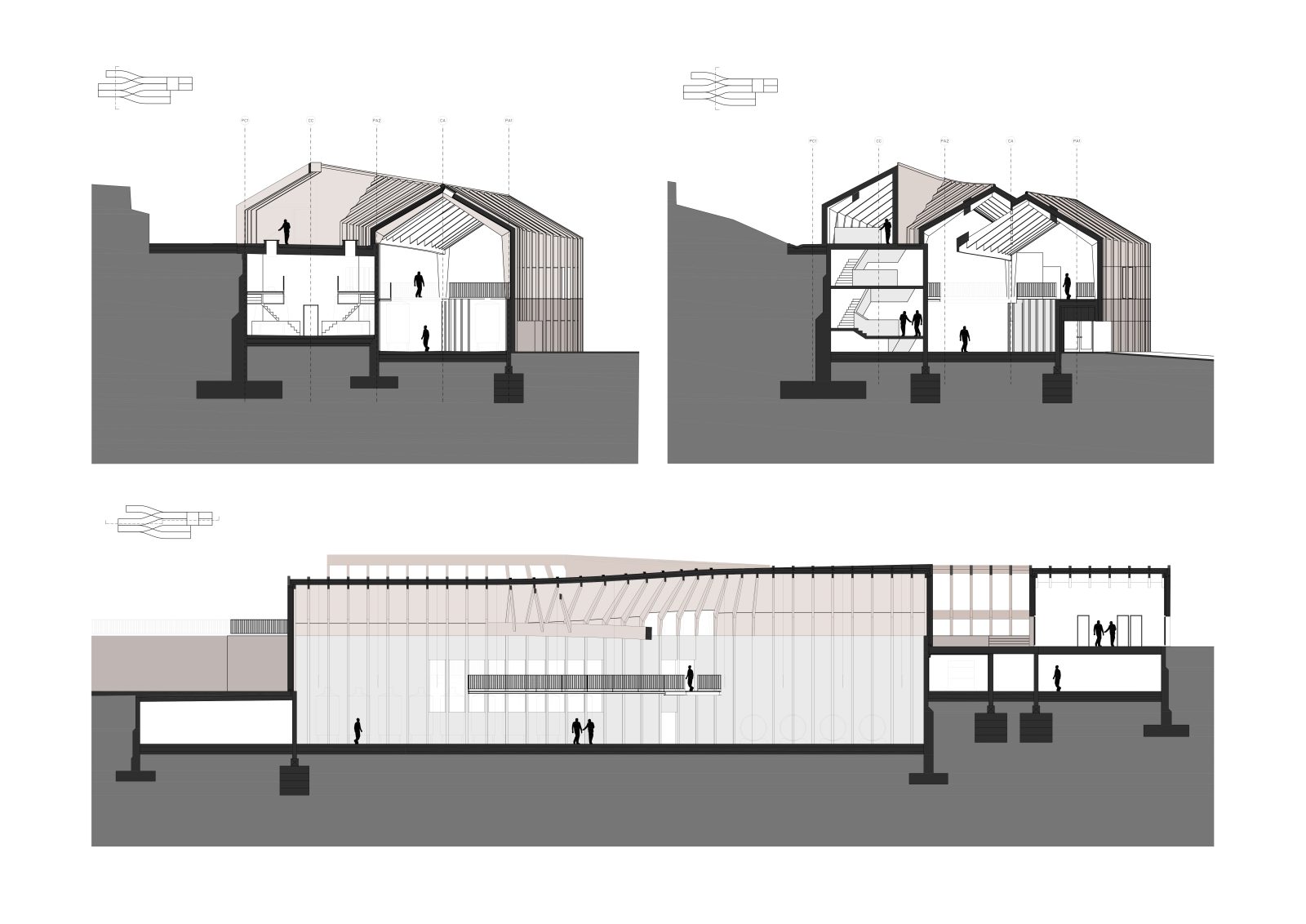
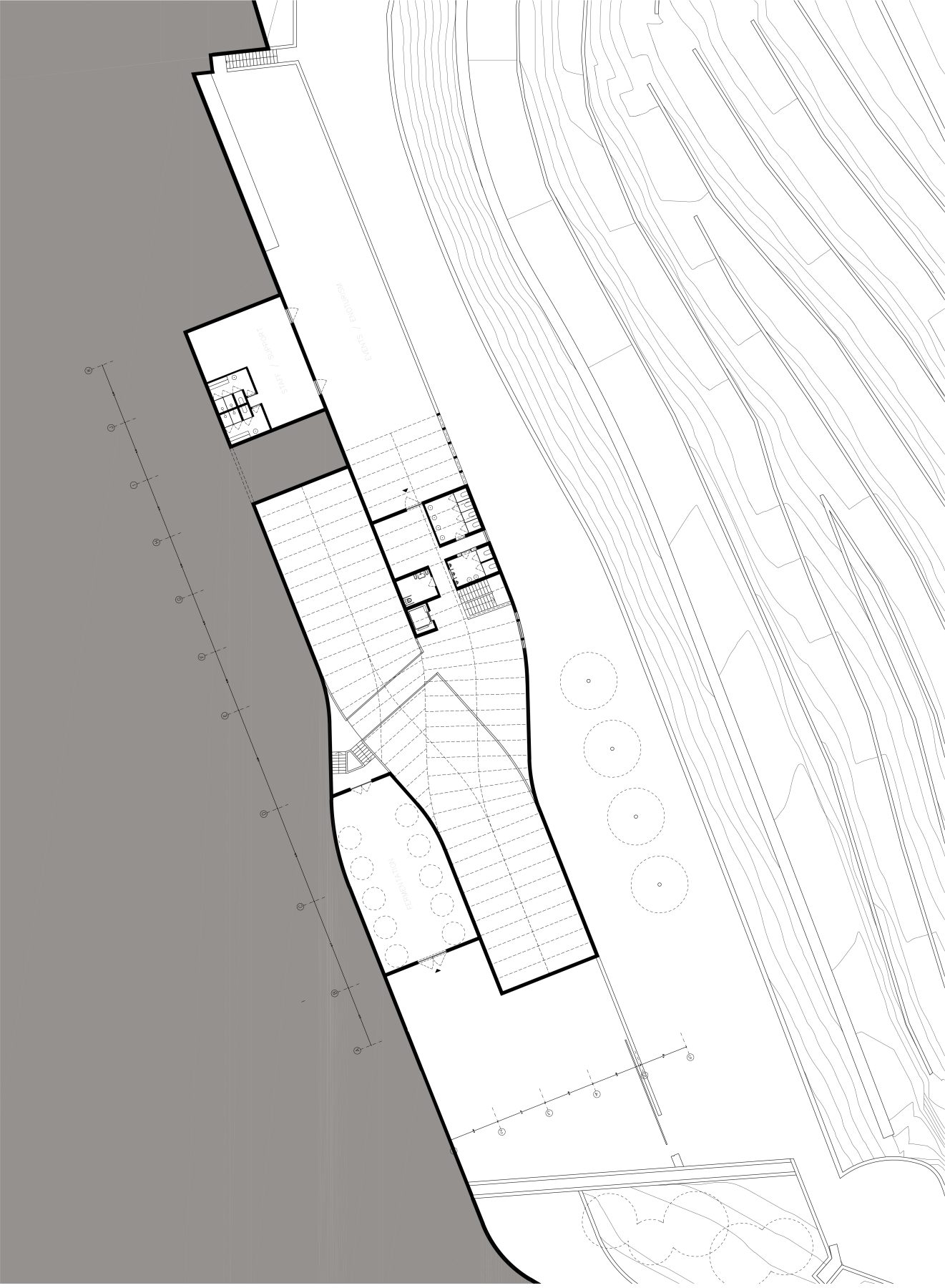
Nature is continuously present: framed views from the interior, outdoor pathways, patios, and alcoves encourage contemplation, exploration, and convivial gathering. The building is configured as a sequence of interlocking naves that follow the natural incline of the land. Positioned at the site’s most concave point, it takes advantage of existing terraces to create multiple interior levels aligned with the gravity-fed production process. The workflow begins at the uppermost level, where grapes are received, and descends through destemming, crushing, fermentation, aging, bottling, and storage at the lowest level. Partially buried, the winery benefits from the soil’s thermal inertia, essential for wine aging. The north-facing main façade minimizes solar exposure, contributing to stable interior temperatures.
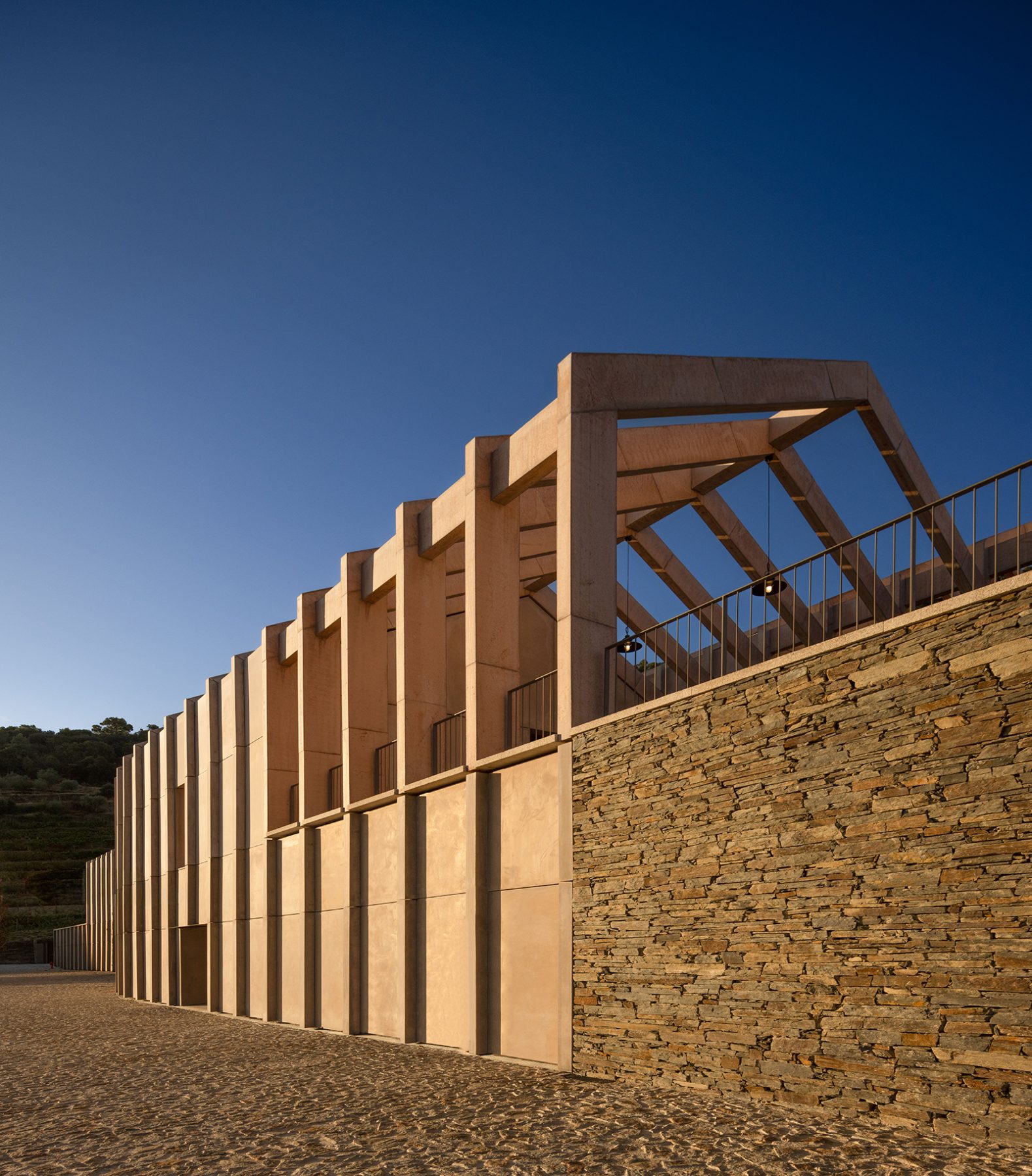
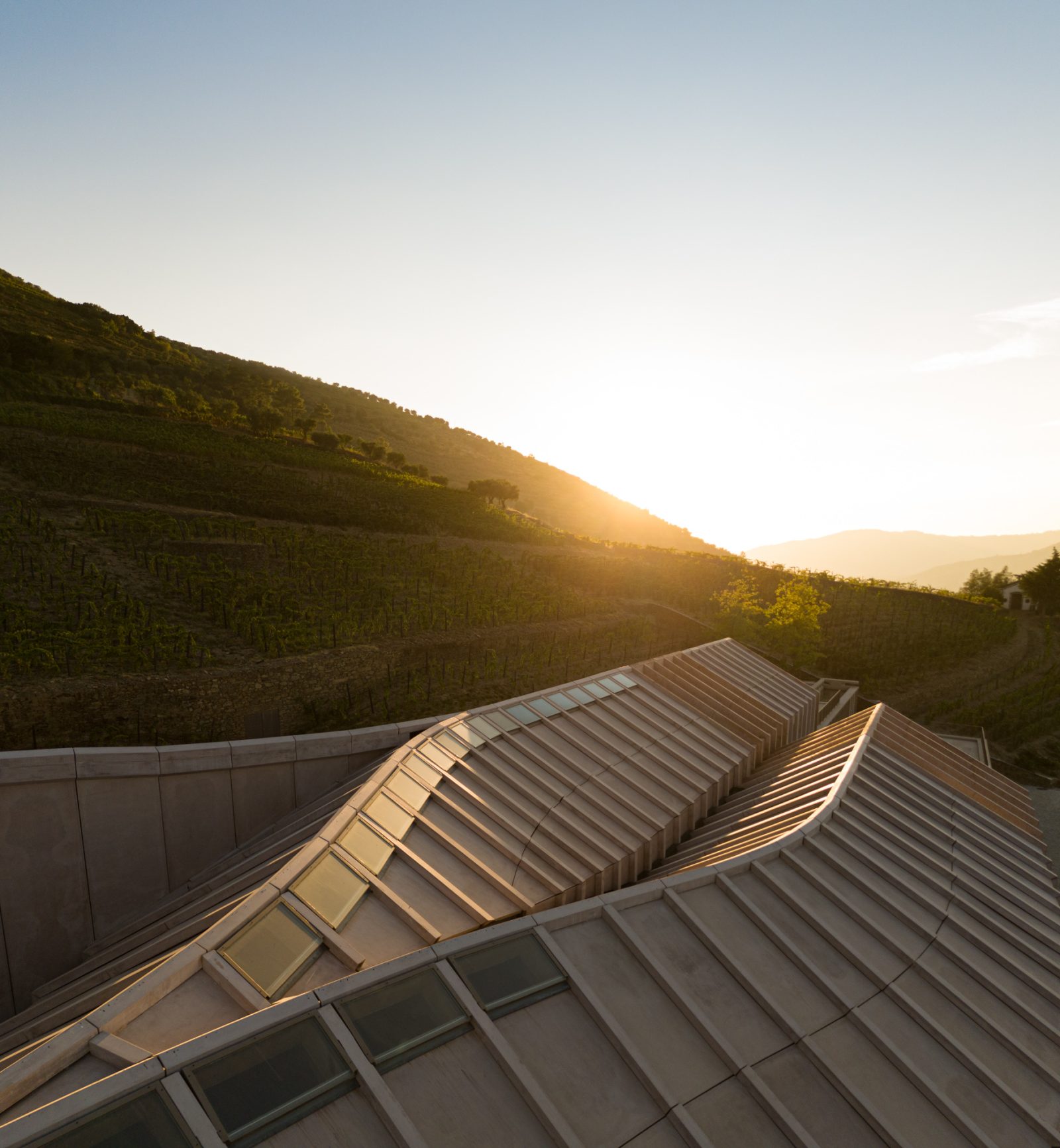
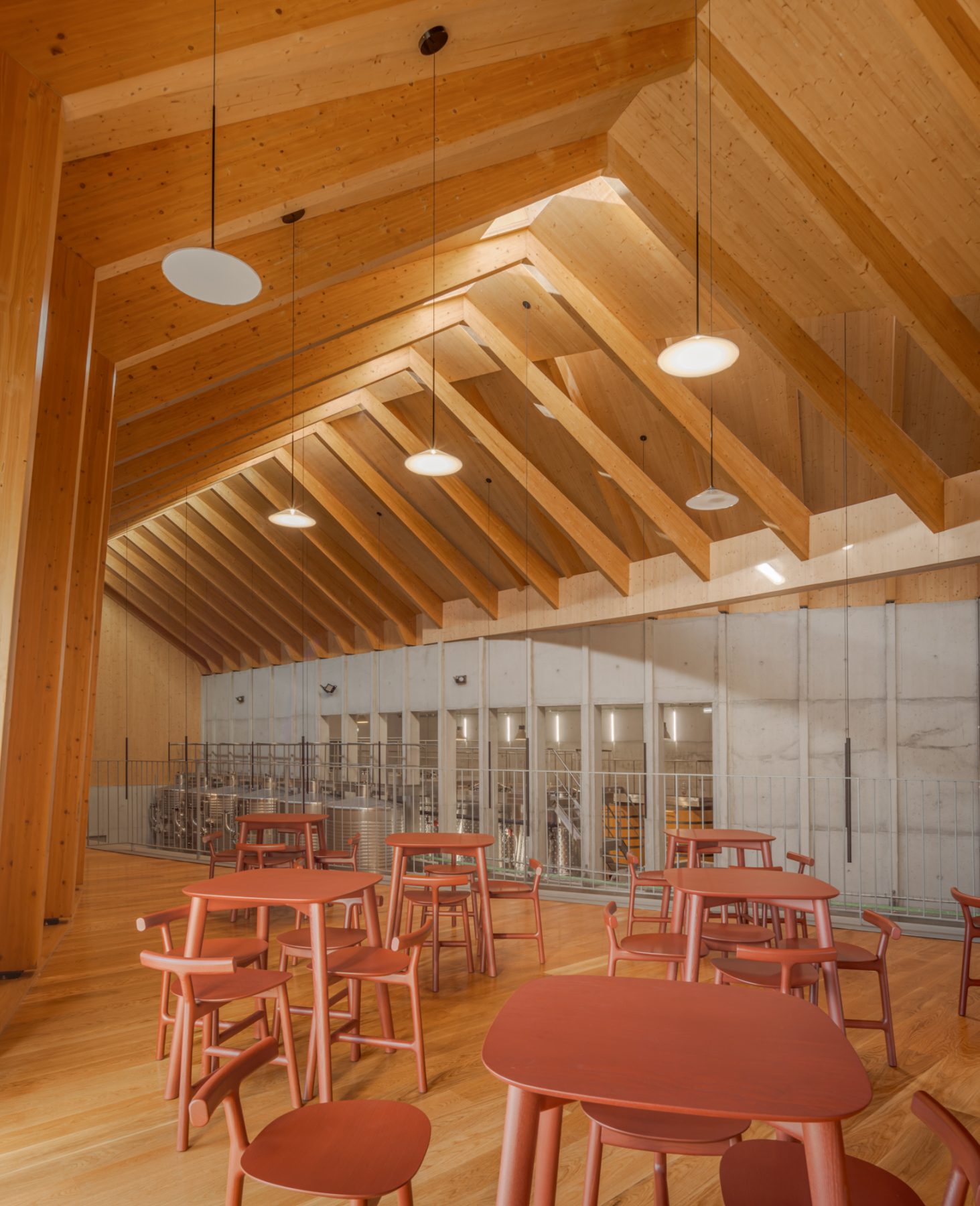
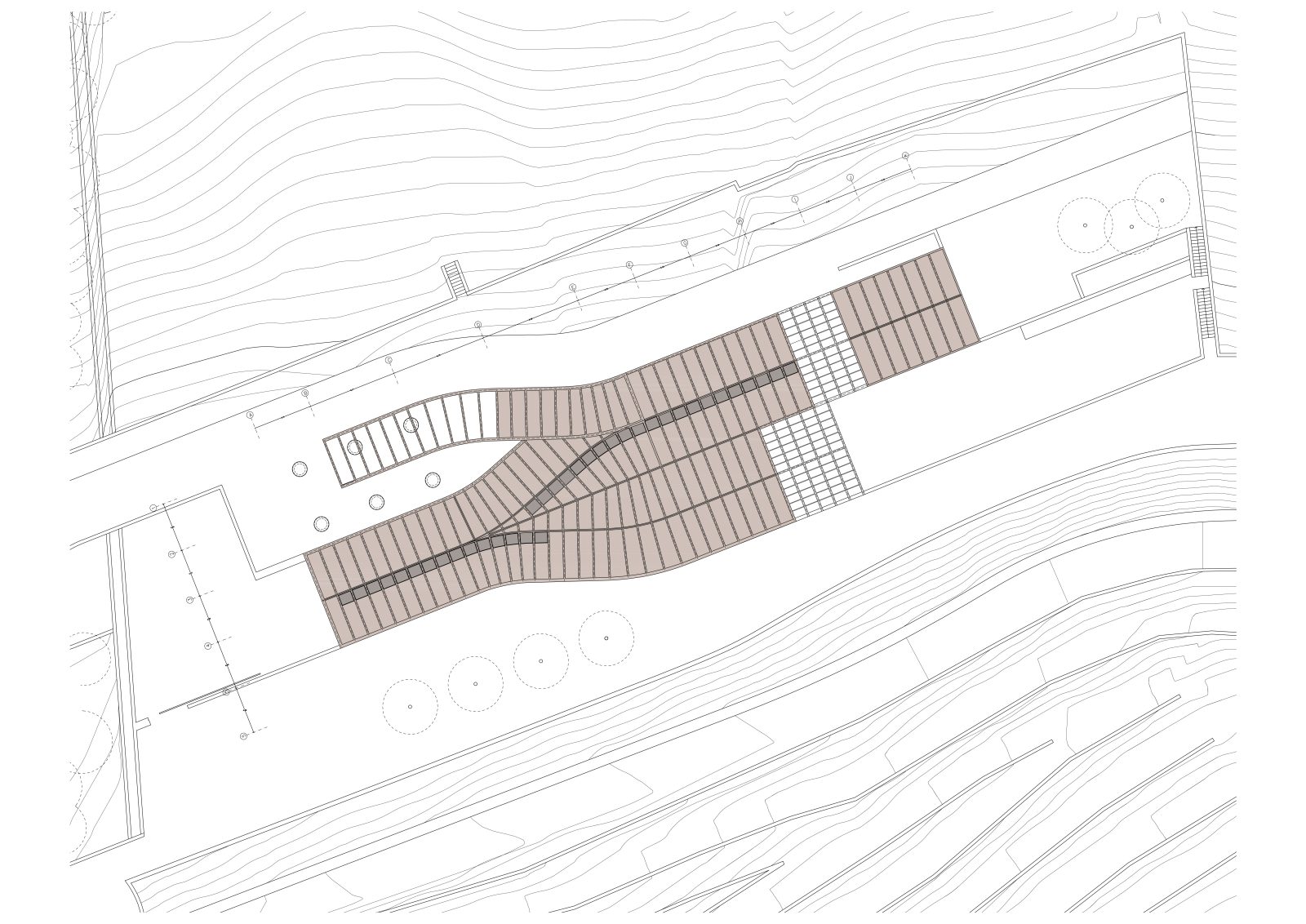
The roof geometry reinterprets traditional gable forms, exposing the wooden structure as a continuous, sinuous, sculptural element.
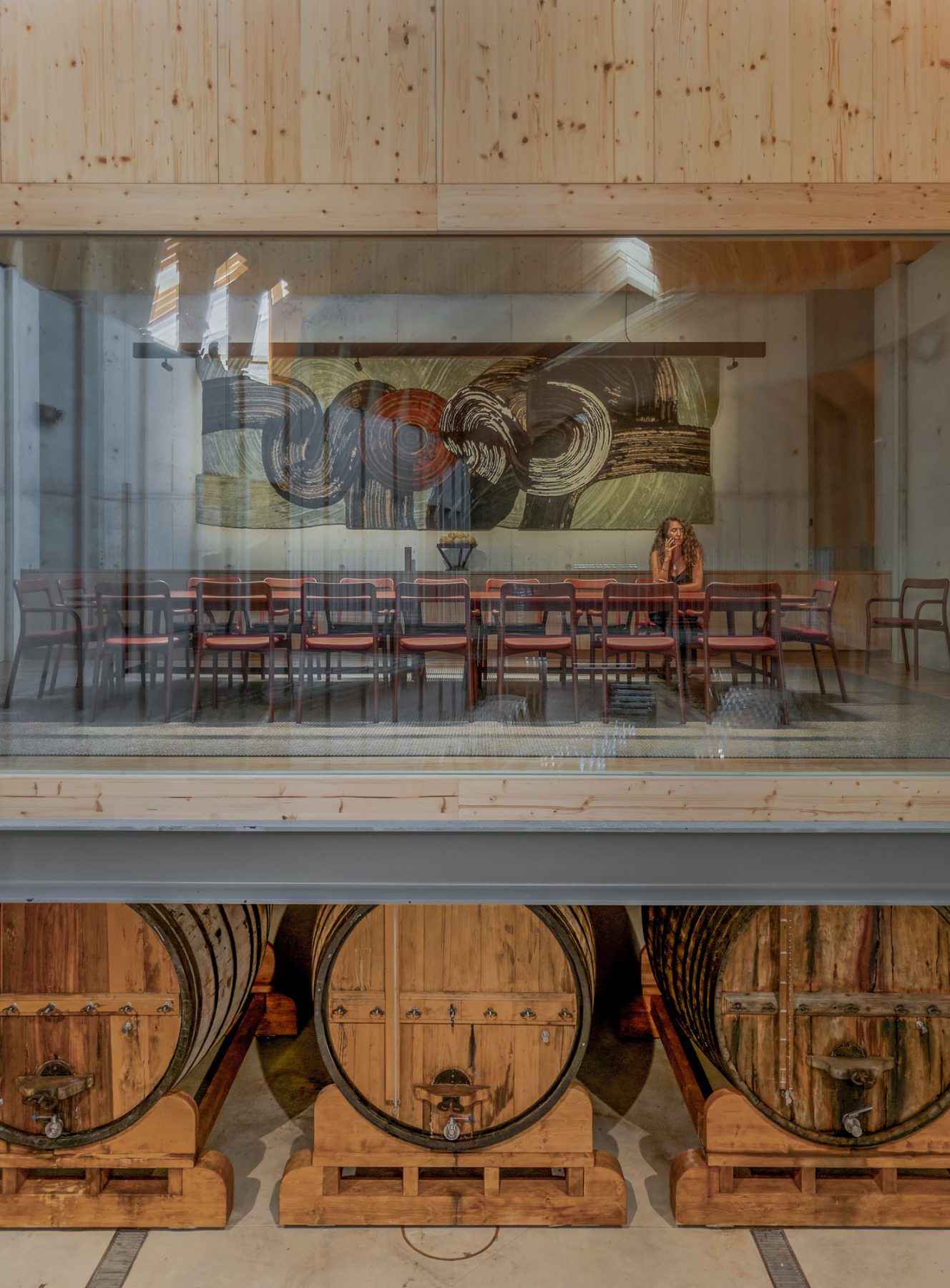
Accessible from the ground floor façade, the visitor center includes reception and a wine shop. Overlooking the central aging nave, a meeting room and wine tasting area open through floor-to-ceiling glazing toward the river. An outdoor terrace extends toward the vineyards and chapel, offering a setting for events that celebrate both the winery and the Douro’s cultural landscape.
This building subtly inscribes itself into a monumental territory, evoking memory while positioning the Douro as an international destination for architecture and wine tourism.
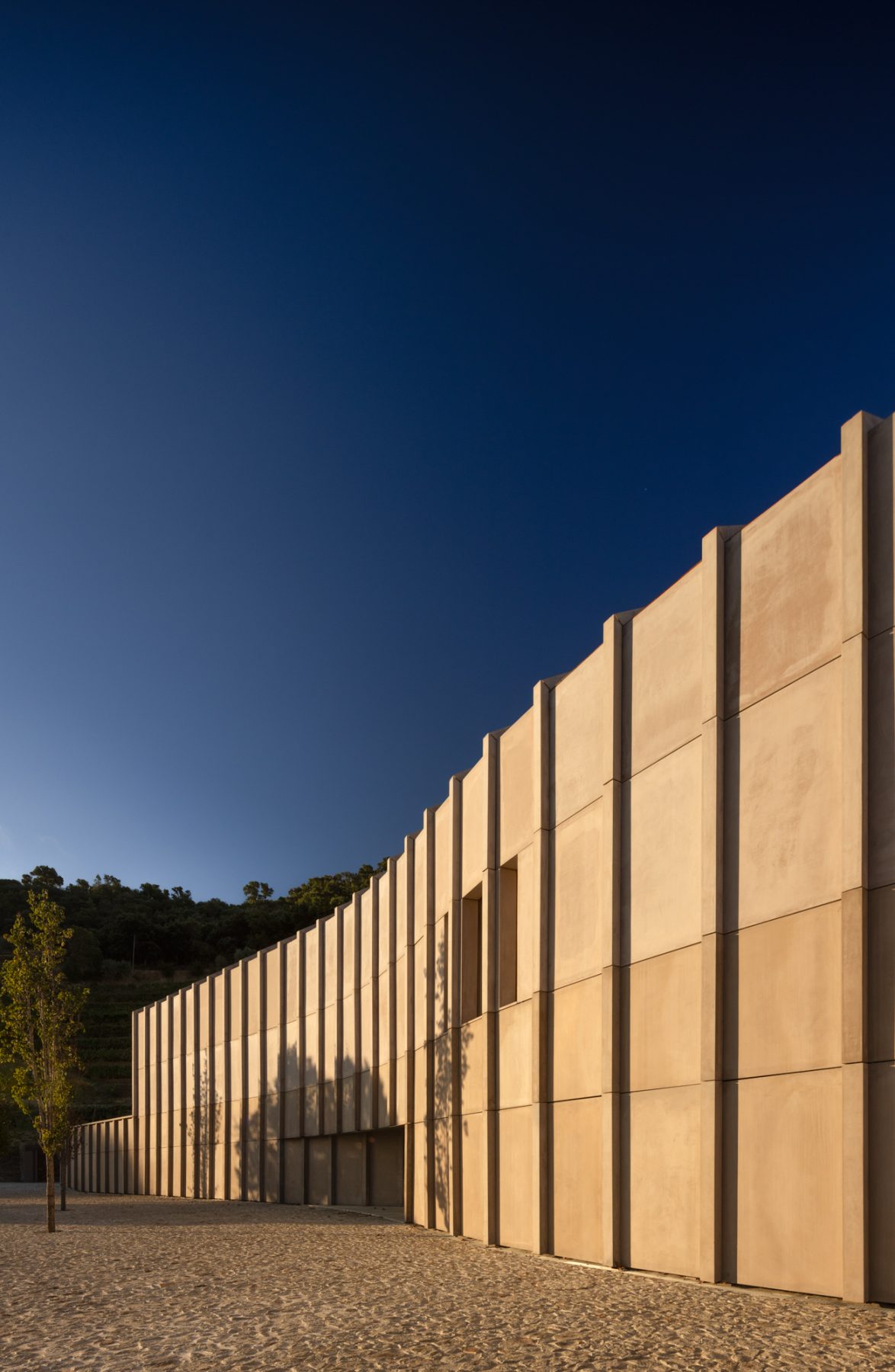
Use of Land Resources
Sustainability, in this project, is understood as a long-term cultural commitment. The winery is integrated into its environment, promoting biodiversity and fostering dialogue with the surrounding community. Existing infrastructures were rehabilitated, minimizing demolition and construction impact. Facilities for workers ensure comfort, while logistics areas, bicycle parking, reduced-mobility access, and electric vehicle charging stations support inclusive use.
Landscape design prioritizes native species—heather, broom, rosemary, cistus, thistle—ensuring ecological continuity and supporting beneficial fauna. These strategies reinforce parallel rural activities such as honey production, gastronomy, and foraging, strengthening the broader cultural ecosystem of the region.
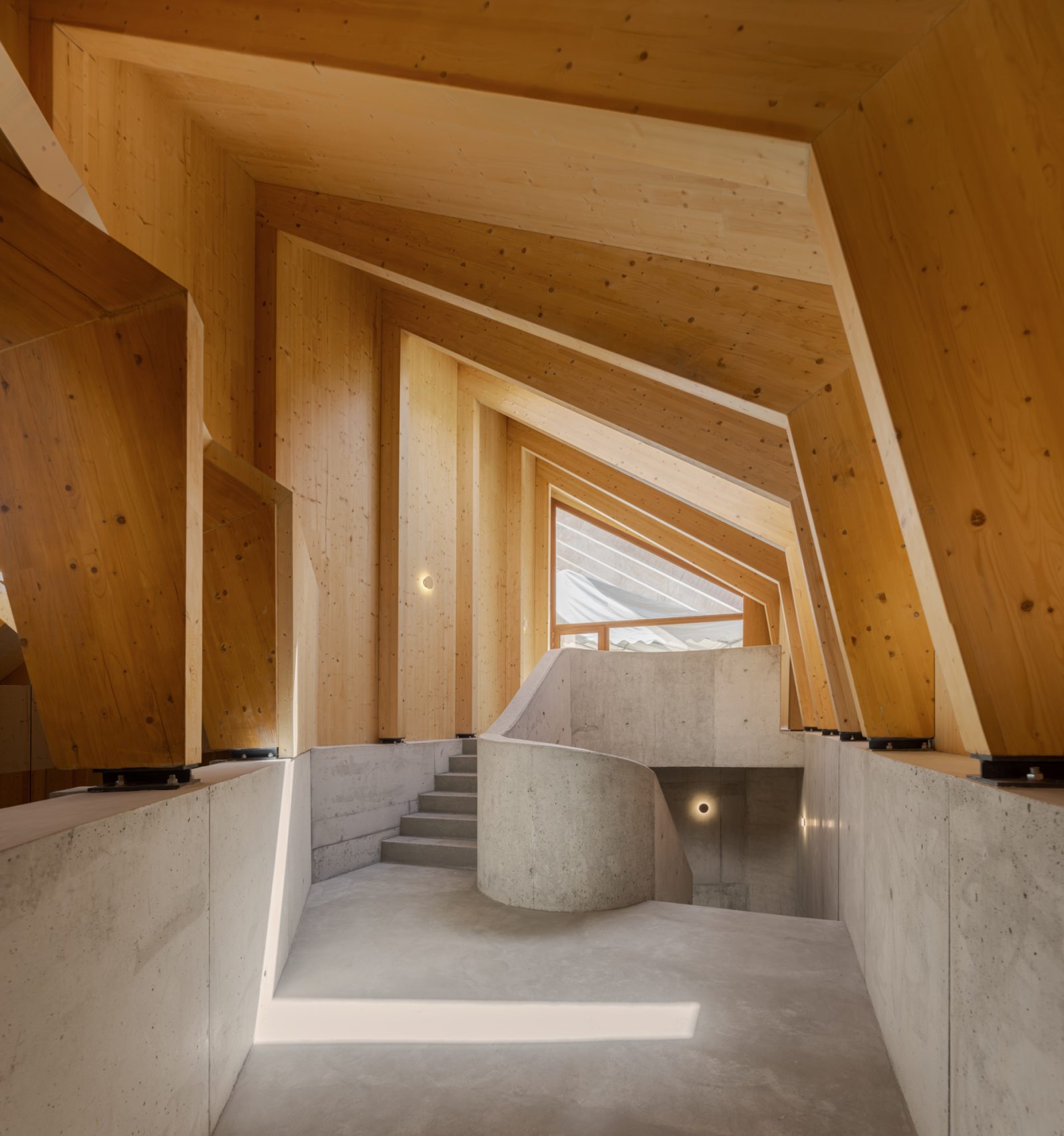
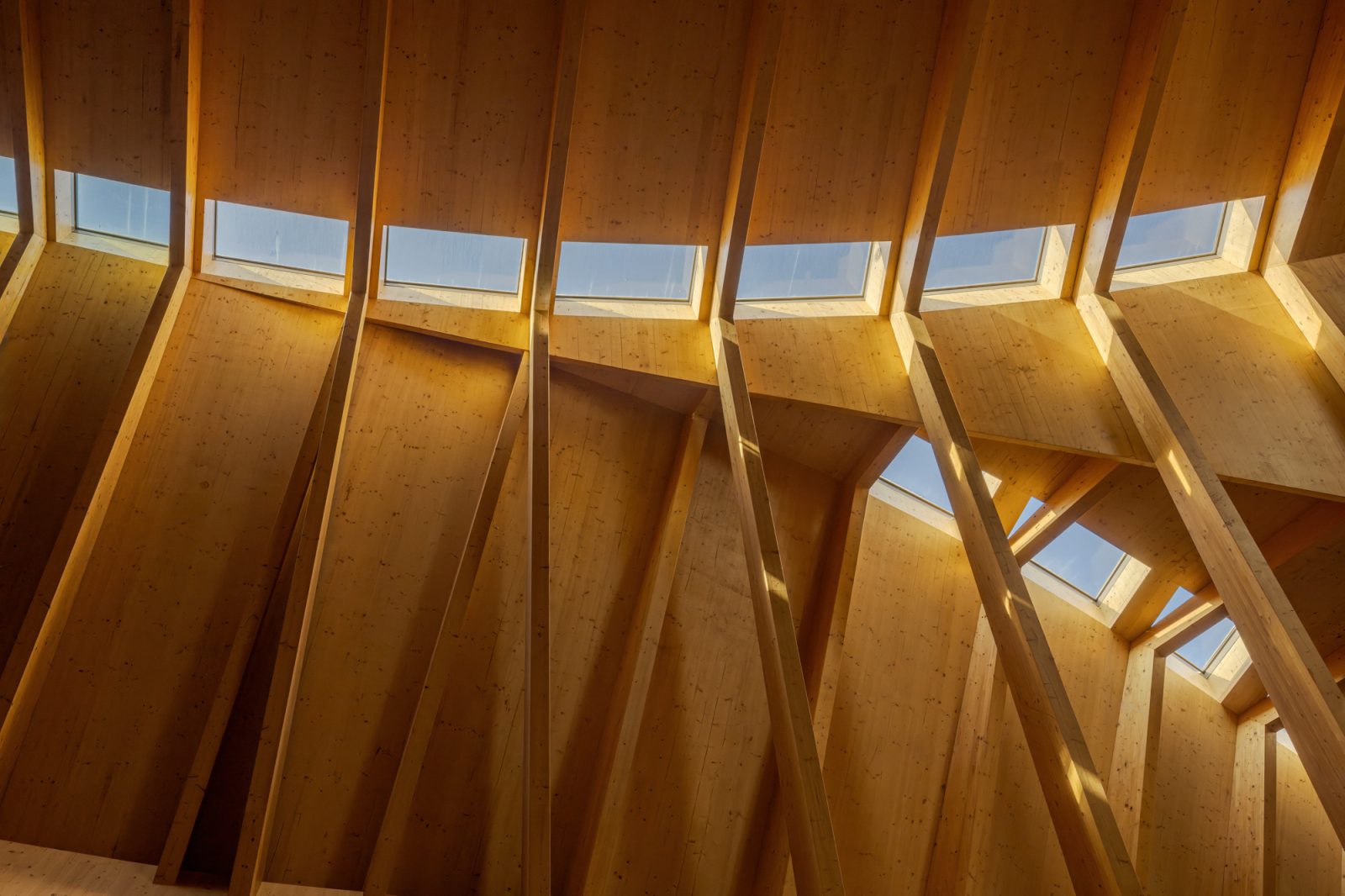
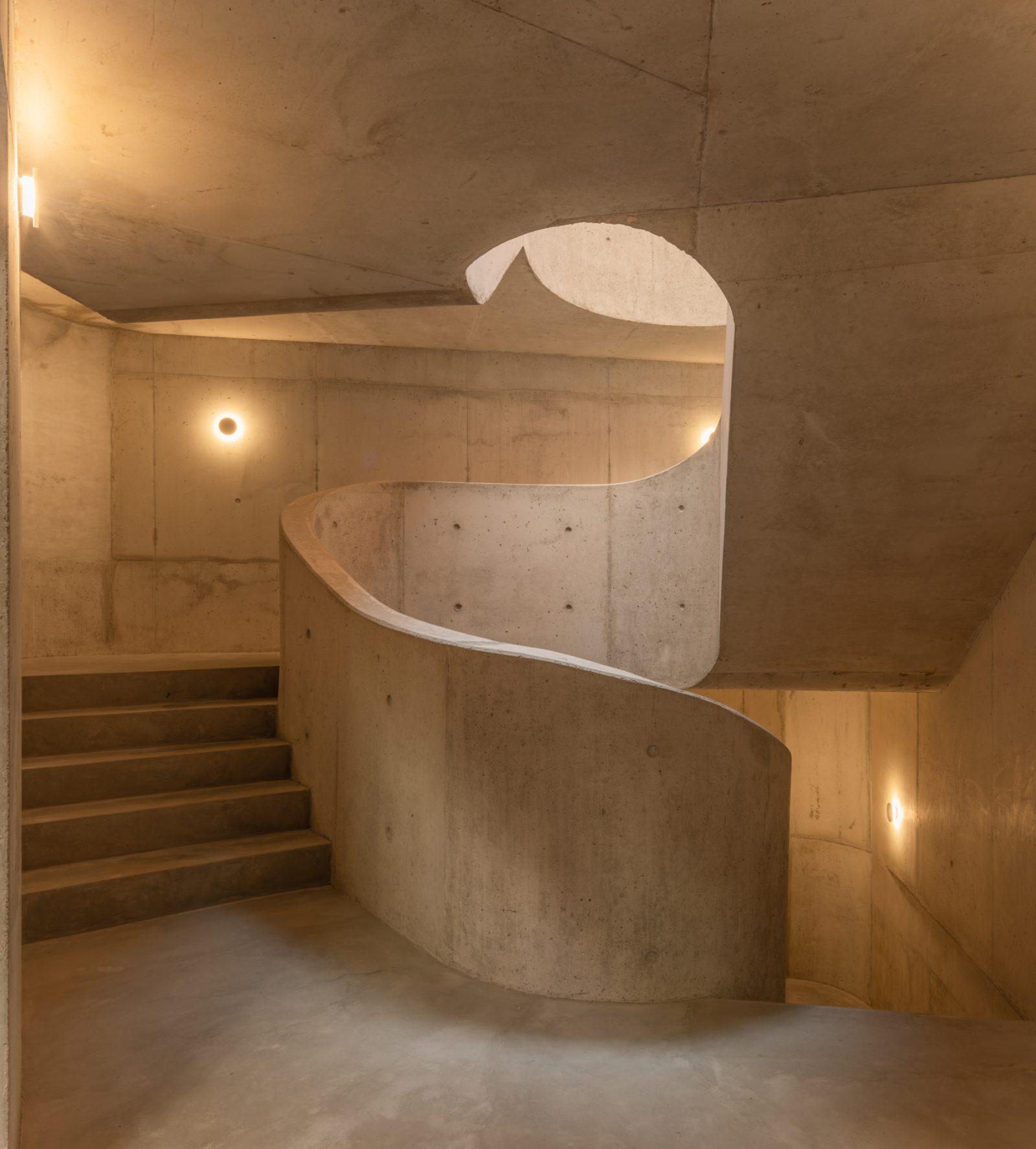
Choice of Materials
Material selection echoes the natural chromatic range of the landscape, honoring traditional Portuguese crafts while engaging contemporary technologies. Schist and granite are used in exterior elements, while prefabricated GRC panels—produced within 150 kilometers—reduce transportation impact and support regional industry. Prefabrication minimized on-site construction, significantly reducing the use of cast concrete and its associated CO₂ emissions. Timber structures are employed wherever the building does not directly touch the ground, further limiting material impact.
Local Renewable Energy Resources
The winery integrates low-enthalpy geothermal energy through two heat pumps that provide heating and cooling for both industrial and human comfort needs. Seasonal thermal storage optimizes system efficiency, while biomass solutions recover agricultural and forestry waste, reducing fire risk and valorizing natural by-products.
Passive Strategies: Orientation, Surroundings, Surrounding Spaces
Architectural form testifies an environmental strategy. Insulation thicknesses—15 cm on roofs, 10 cm on walls—were rigorously tested to ensure thermal stability and humidity control, particularly in barrel aging areas. Optimized glazing enhances daylight while limiting solar gain. Cross-ventilation, thermal inertia, garden roofs, and photovoltaic panels further reduce energy demand.
Radiant heating and cooling systems ensure comfort with low operational costs, supported by an integrated energy management system. Energy solutions were carefully scaled to balance initial investment with long-term performance.
Use and Reuse of Water Resources
Water management was a central concern. Rainwater harvesting, greywater reuse, artesian wells, and multi-reservoir systems support agricultural, sanitary, and firefighting needs. Photovoltaic-powered pumping, permeable paving, dual-flush fixtures, and sectorized water metering ensure efficiency and resilience in a territory where water is both precious and indispensable.
Quinta de Adorigo stands as a contemporary architectural response, deeply rooted in place. An intervention that transforms landscape, heritage, and sustainability into a unified, lived experience, reaffirming architecture’s capacity to belong, endure, and inspire.
Facts & Credits
Project title Adega da Quinta de Adorigo
Typology Wine Industry and Hospitality
Location Tabuaço, Alto Douro Vinhateiro, Portugal
Architecture Atelier Sérgio Rebelo
Team Members Sérgio Rebelo, Nuno Borges, Tiago Pinto de Carvalho, Joana Portela, Tiago Martins, Ricardo Gouveia, La-Salete Carvalho, Lourenço Barreto, Catarina Araújo, Bruna Campos, Fátima Séneca
Status Build
Client Quinta de Adorigo
Land Area 24 Hectares
Builded Area 1100 m2
Concept of Structures and Sustainability Thornton Tomassetti, Scott Lomax, Gunnar Hubbard.
Concrete Structure, Hydraulics, Electricity, ITED, SADI and Electromechanical Design Pormin (José Guedes, João Guedes, Henrique Araújo, Carolina Freixo, Susana Fernandes)
Wooden structure project Portilame (Marcos Oliveira, José Esteves)
Mechanical Design Greenbeelt (João Sousa, Filipa Sucena, Rúben Avelar)
Oenology Luís Seabra
Graphic Design and Signage Eduardo Aires Studio
Interior Design Studio Sérgio Rebelo
Enology Luís Seabra
History Natália Fauvrelle
History of Art, Text and Translation Fátima Séneca
General Construction Teixeira, Pinto e Soares SA
Wooden Structure Portilame
GRC Panels Betoncrete
3D visualisations MIR and 24 Studio
Landscaping Sofia Pera
Photography Fernando Guerra
Text provided by the architects
READ ALSO: START-Ivry in Paris, France by STAR strategies + architecture is the Best Building of the Year 2025 by Archisearch