Fishermen’s Rest by gosplan architects regenerates a 350-square-metre stretch of Camogli’s harbour in Italy, through a context-sensitive intervention that unites public life and the working waterfront. Combining Colombino sandstone, traditional rissëu mosaics, custom pivoting Iroko benches, and preserved fishermen’s posts, the project reinterprets local maritime traditions in a restrained contemporary language while strengthening the quay’s relationship with the sea.
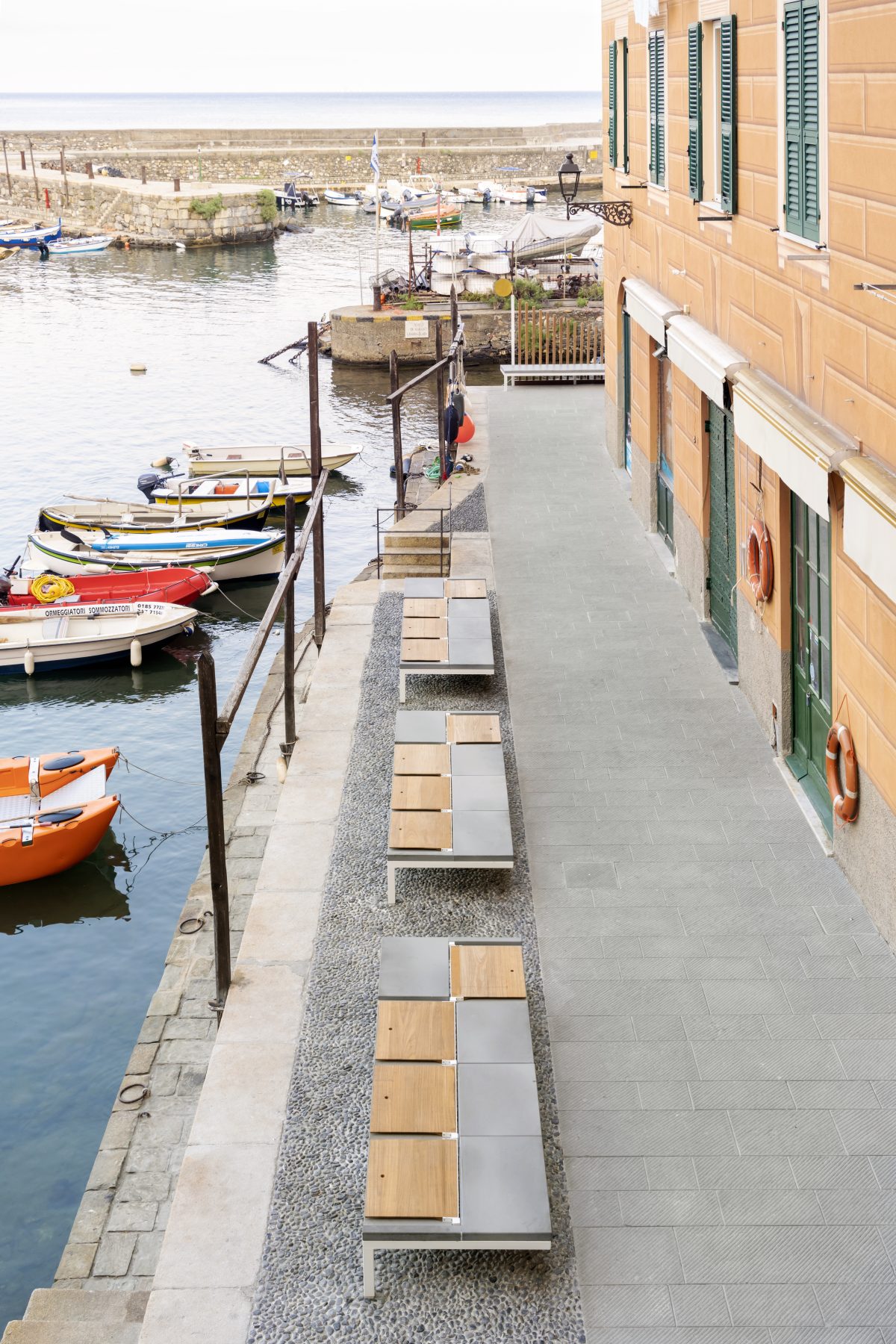
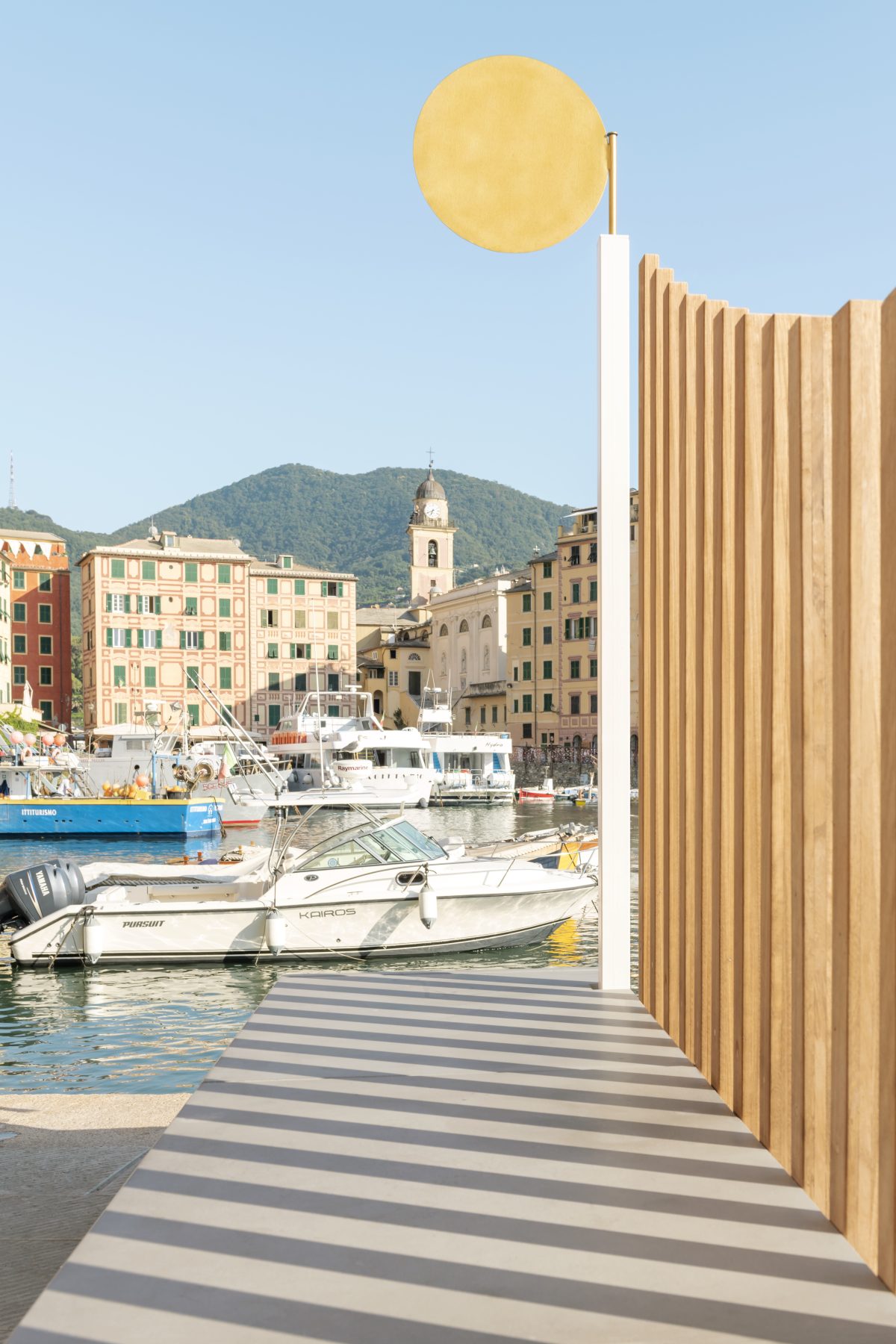
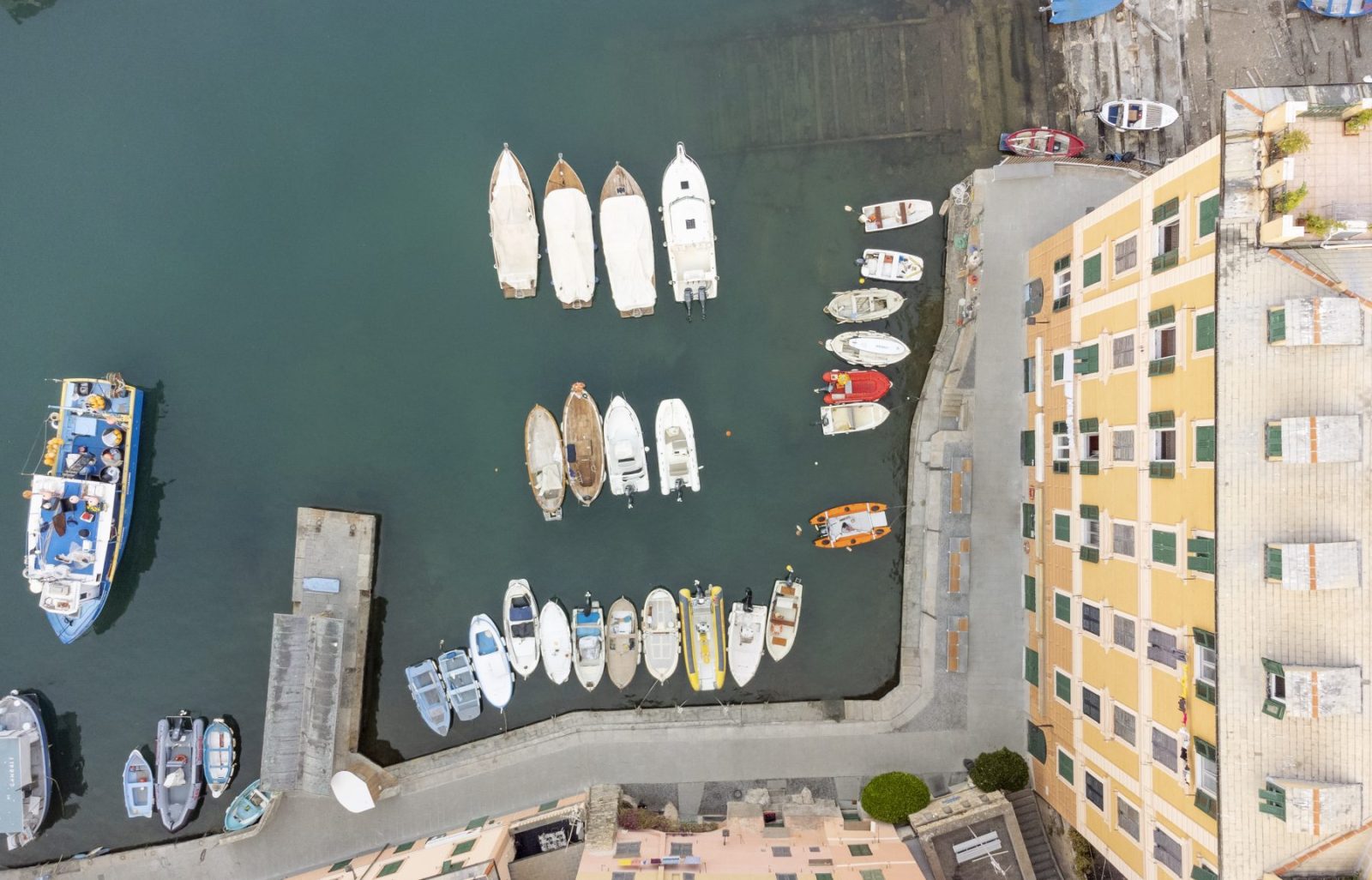
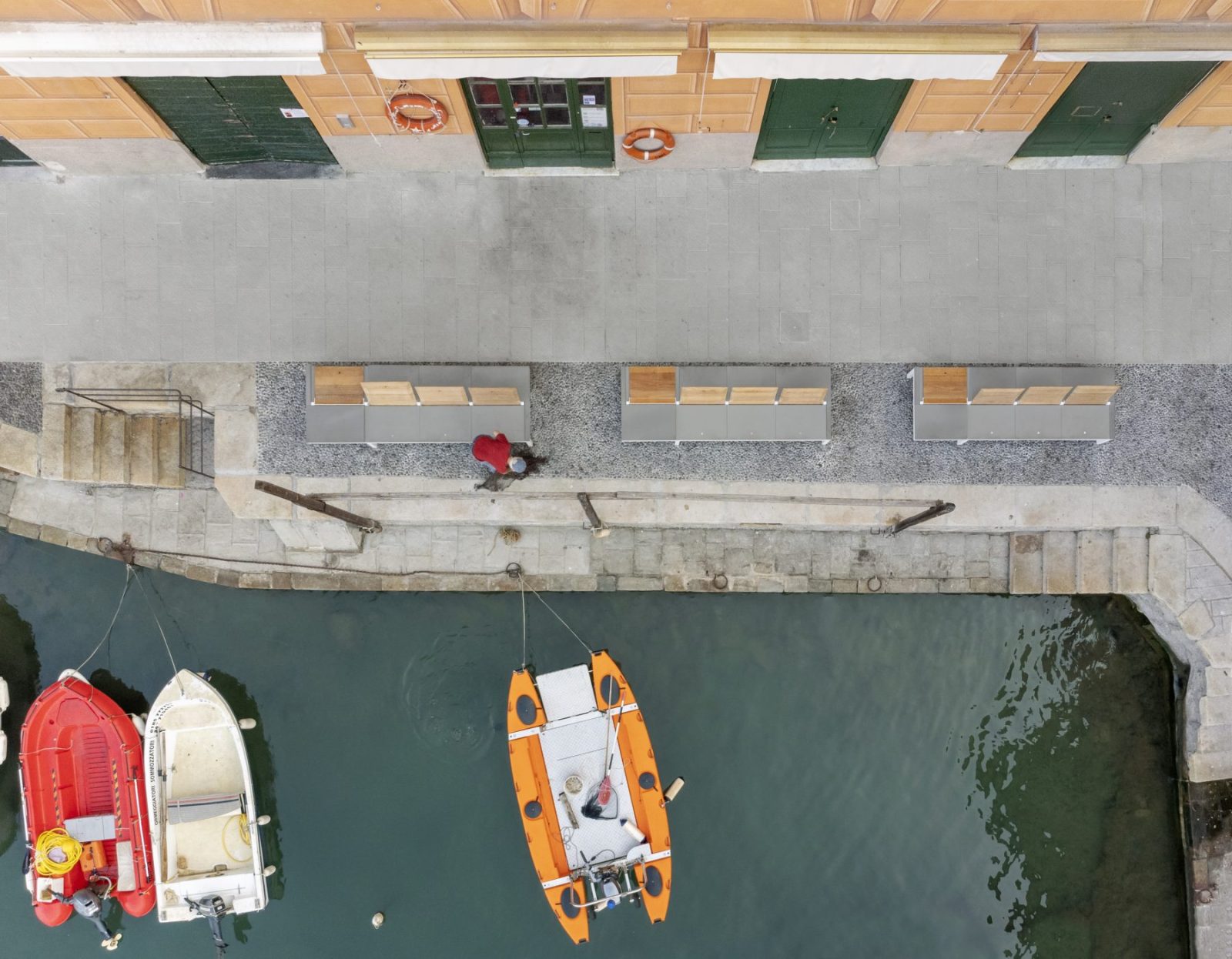
Seen from above, the quay appears as a thin line of stone tracing the water between the moored boats and the painted houses of Camogli, Italy. At ground level, along a band of pebbles, a sequence of low benches unfolds: white steel platforms from which pivoting pale timber backrests rise freely. Between them stand the fishermen’s historic dark-wood posts, still carrying nets and mooring buoys. At one end, a screen of Iroko slats of varying heights and a brass weathervane disc mounted on a white pole mark the edge of the pier.
The project regenerates a 350-square-metre stretch of Camogli’s harbour, located on the eastern shore of Golfo Paradiso, Liguria.
Commissioned by the City of Camogli, gosplan architects redesigned the quay along Via Scalo al Porto, rethinking the paving, urban furniture, and lighting of a public waterfront where fishermen, residents, and tourists coexist.
The intervention redefines the geometry of the public space and its relationship with the water, from which every design element naturally follows.
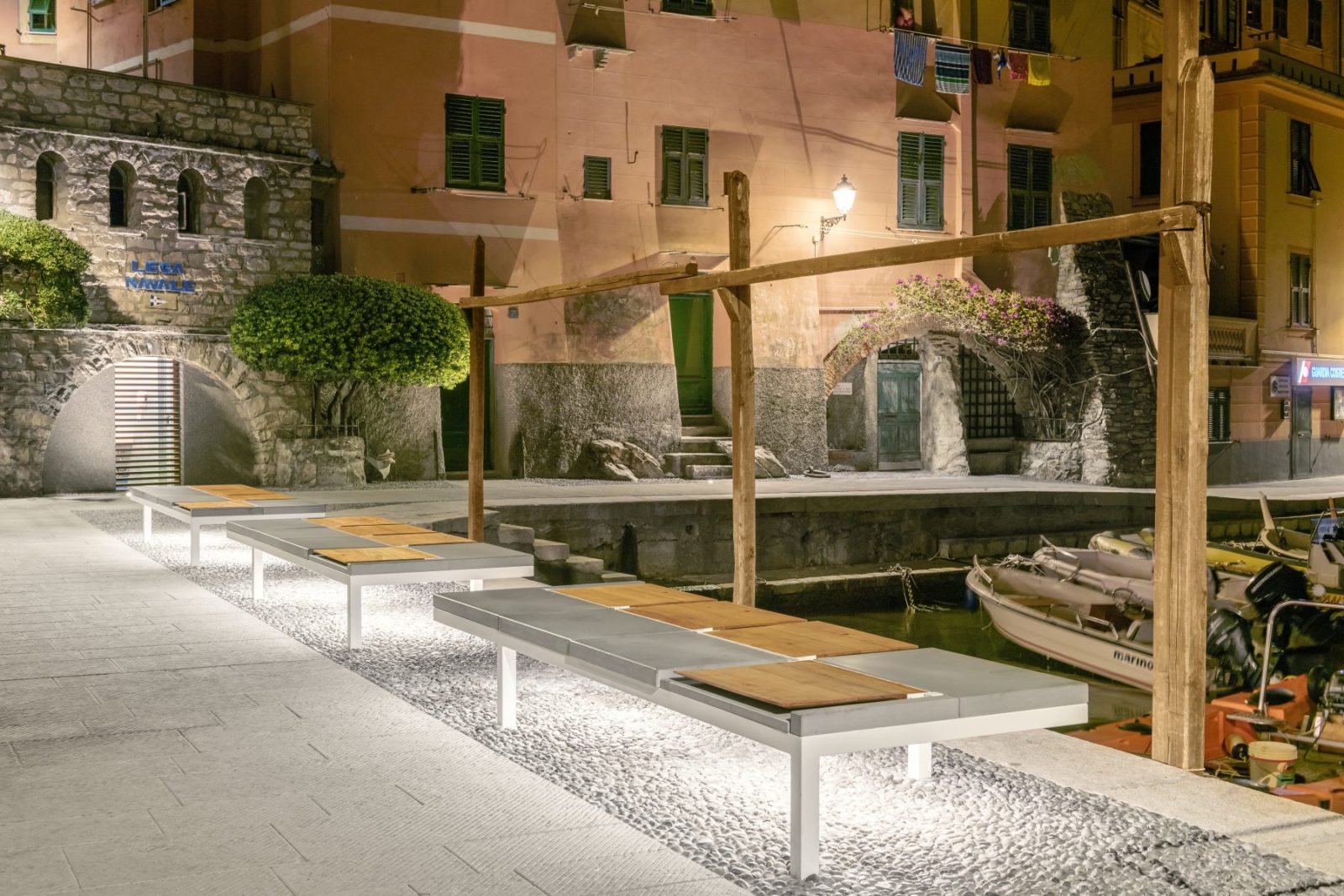
The new ground surface combines Colombino sandstone slabs with rissëu, the traditional Ligurian pebble mosaic found in church forecourts and village squares. This material palette extends into the custom-designed furnishings, including benches in white-painted galvanized steel and laminated Iroko, together with the Iroko screen and brass weathervane. From the overall layout of the quay to each individual object, every element has been designed by the studio.
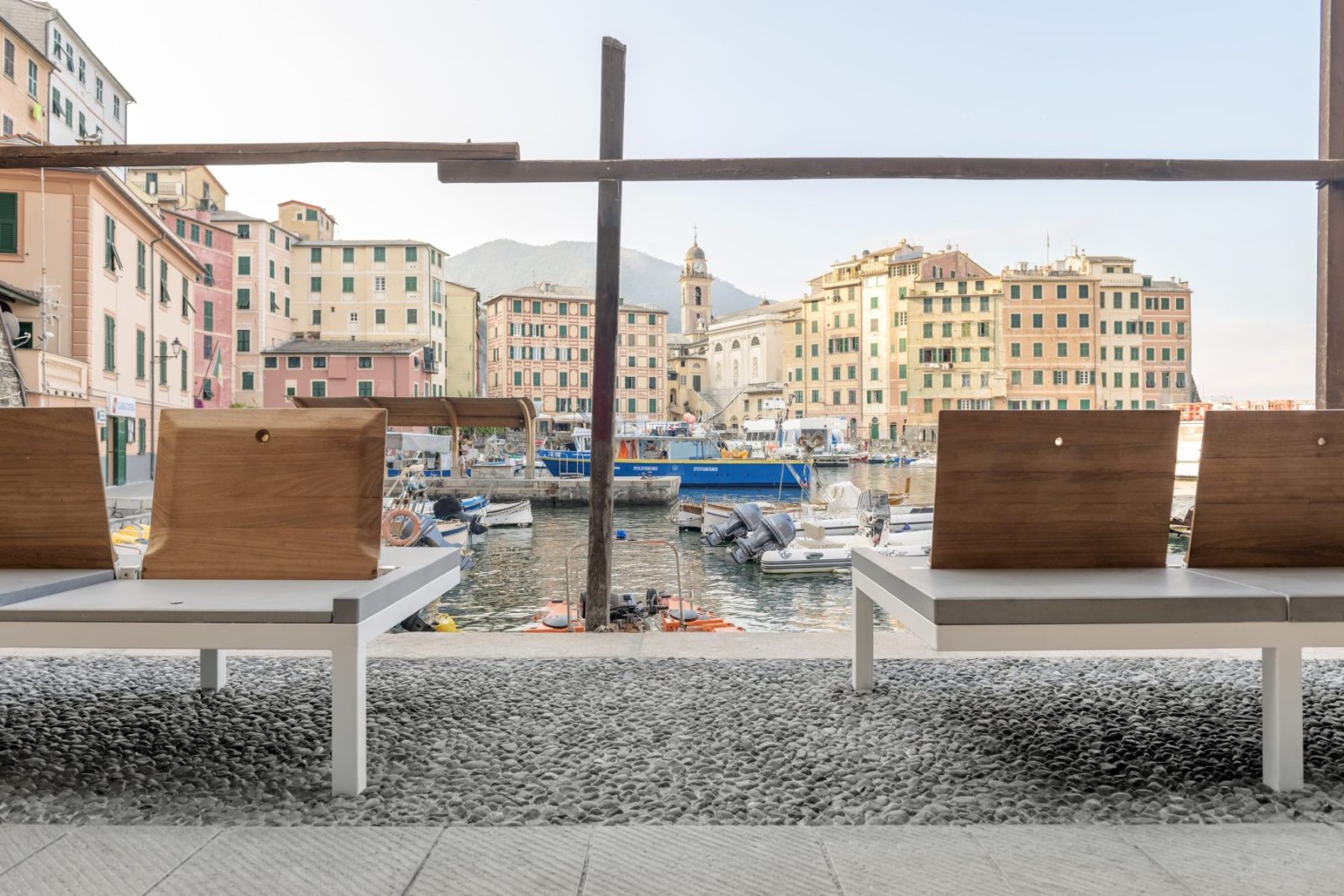
The intervention takes shape as a discontinuous sequence of benches.
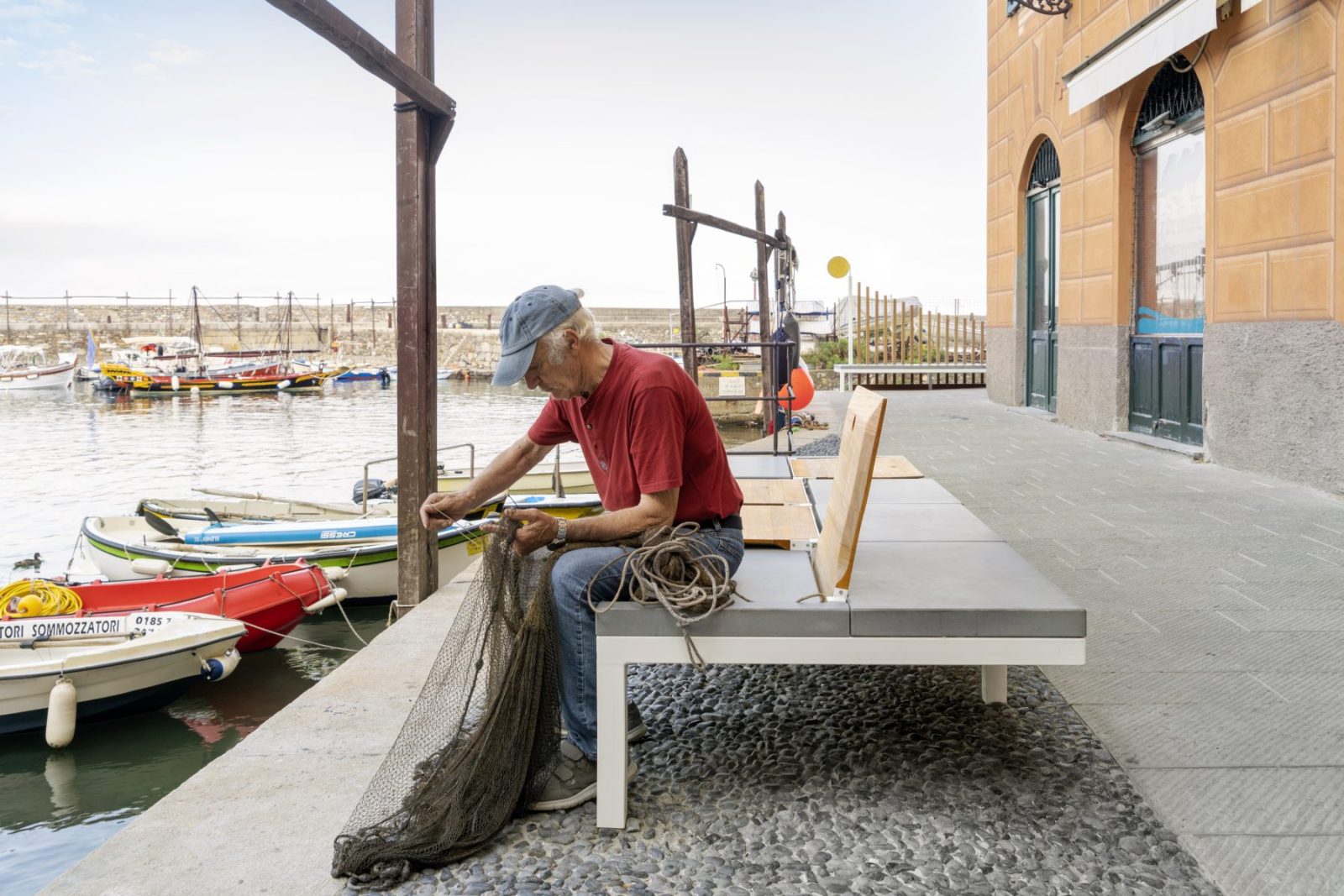
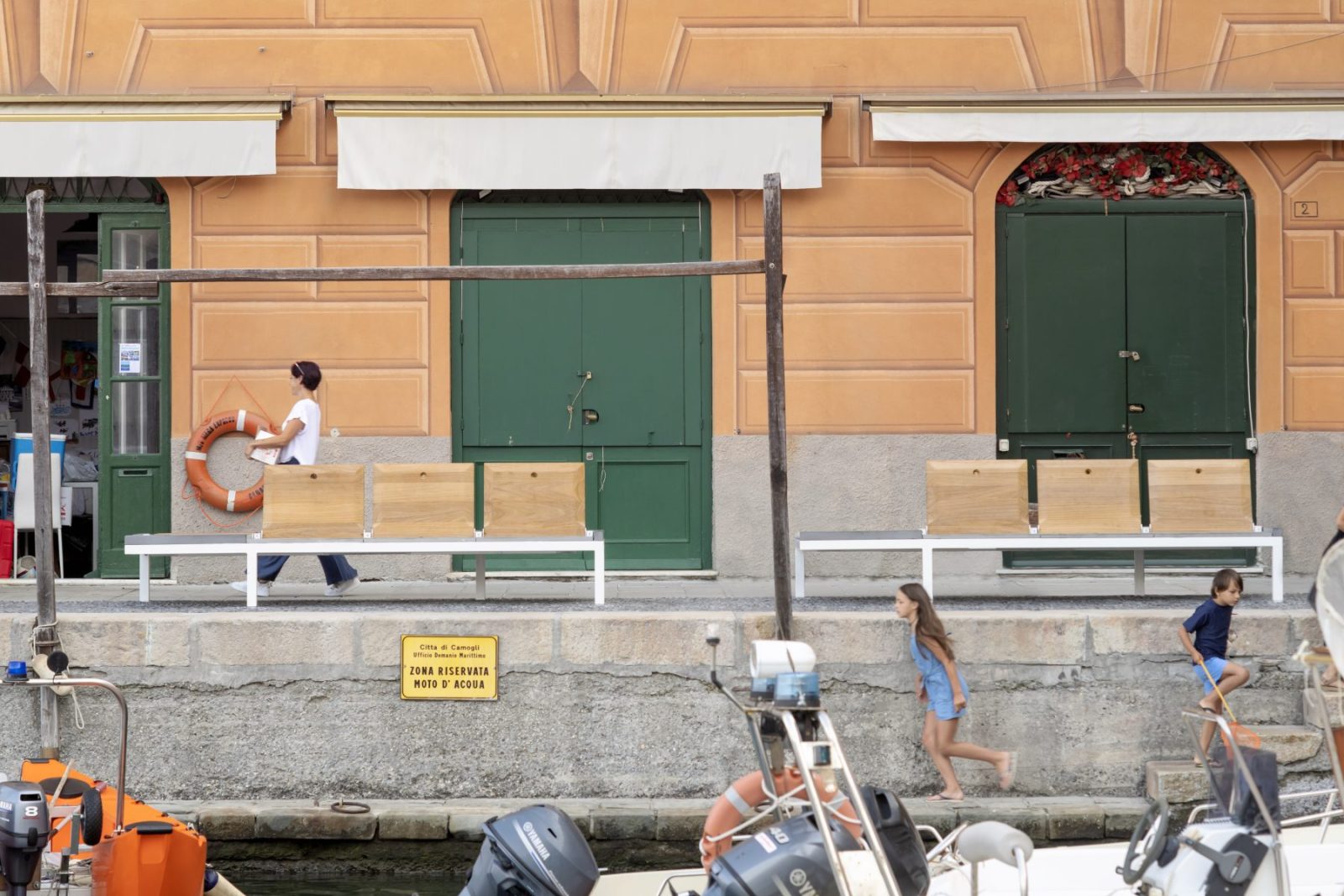
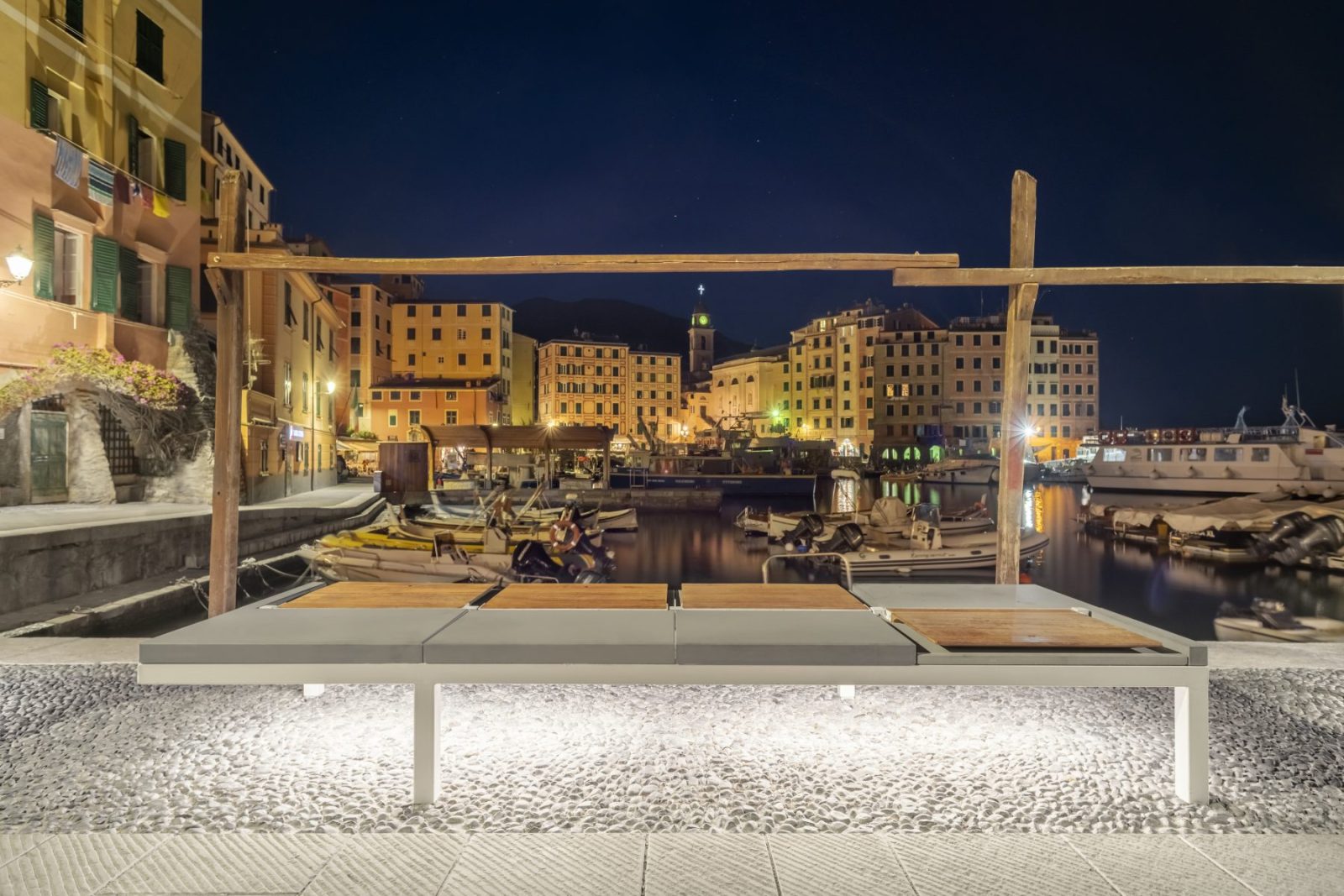
Long, low platforms resting on white frames are positioned at intervals along the quay, carefully integrated between the existing fishermen’s posts. Each bench incorporates pivoting Iroko backrests, allowing visitors to sit facing either the open sea or the village, recline in the sun, or use the surface as a workbench for repairing fishing nets. In this way, the same piece of furniture accommodates both daily work and leisure, without prescribing a single way of occupying it.
At night, integrated lighting beneath each platform transforms the benches into subtle lanterns along the pier.
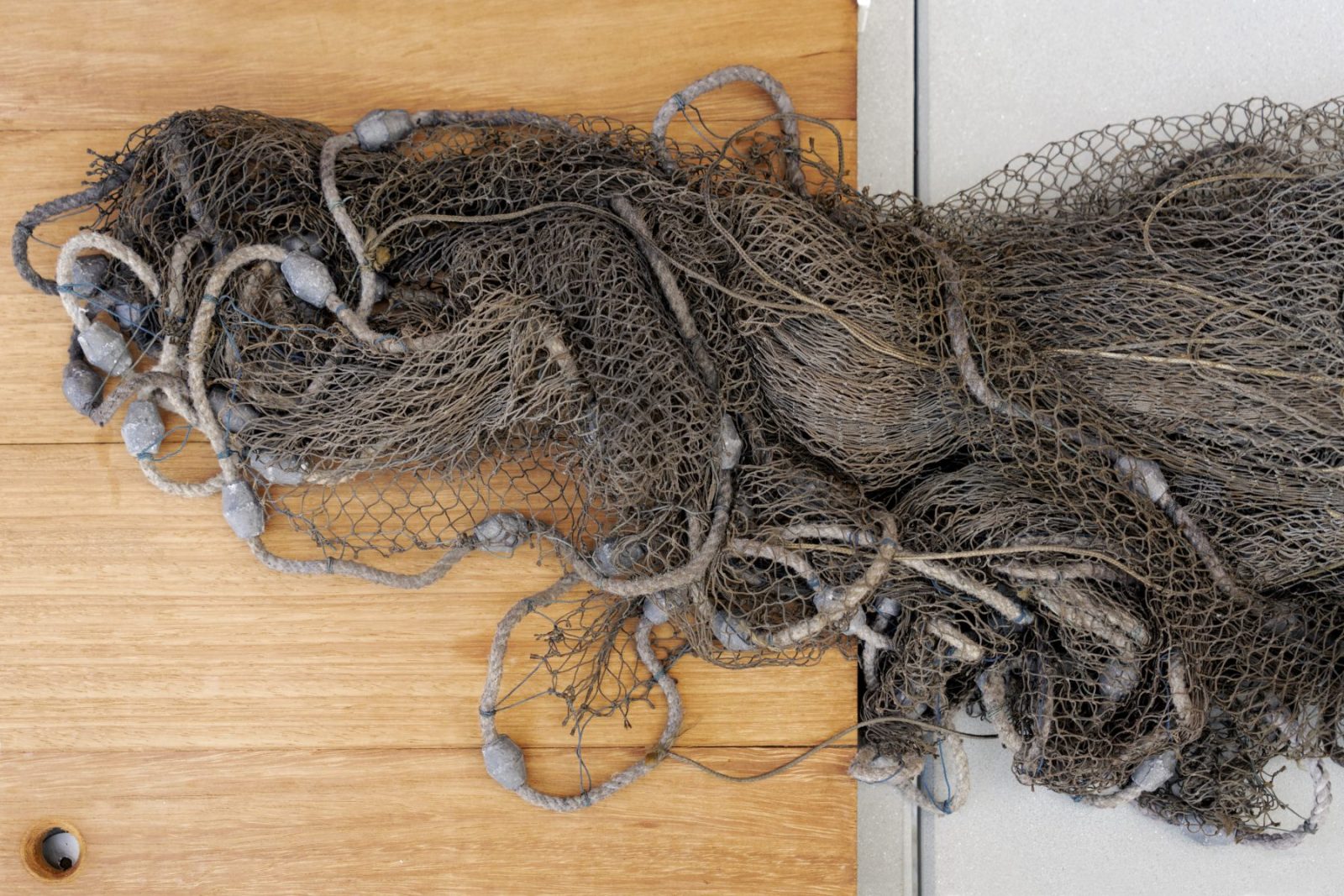
The benches are deliberately positioned among the existing timber posts that fishermen have traditionally used to spread and repair nets and to suspend fenders, ropes, and buoys. Rather than replacing these structures, the project preserves and incorporates them, establishing a direct functional relationship between old and new.
This juxtaposition allows the intervention to reinterpret the everyday culture of the working harbour, celebrating the coexistence of productive activity and public life.
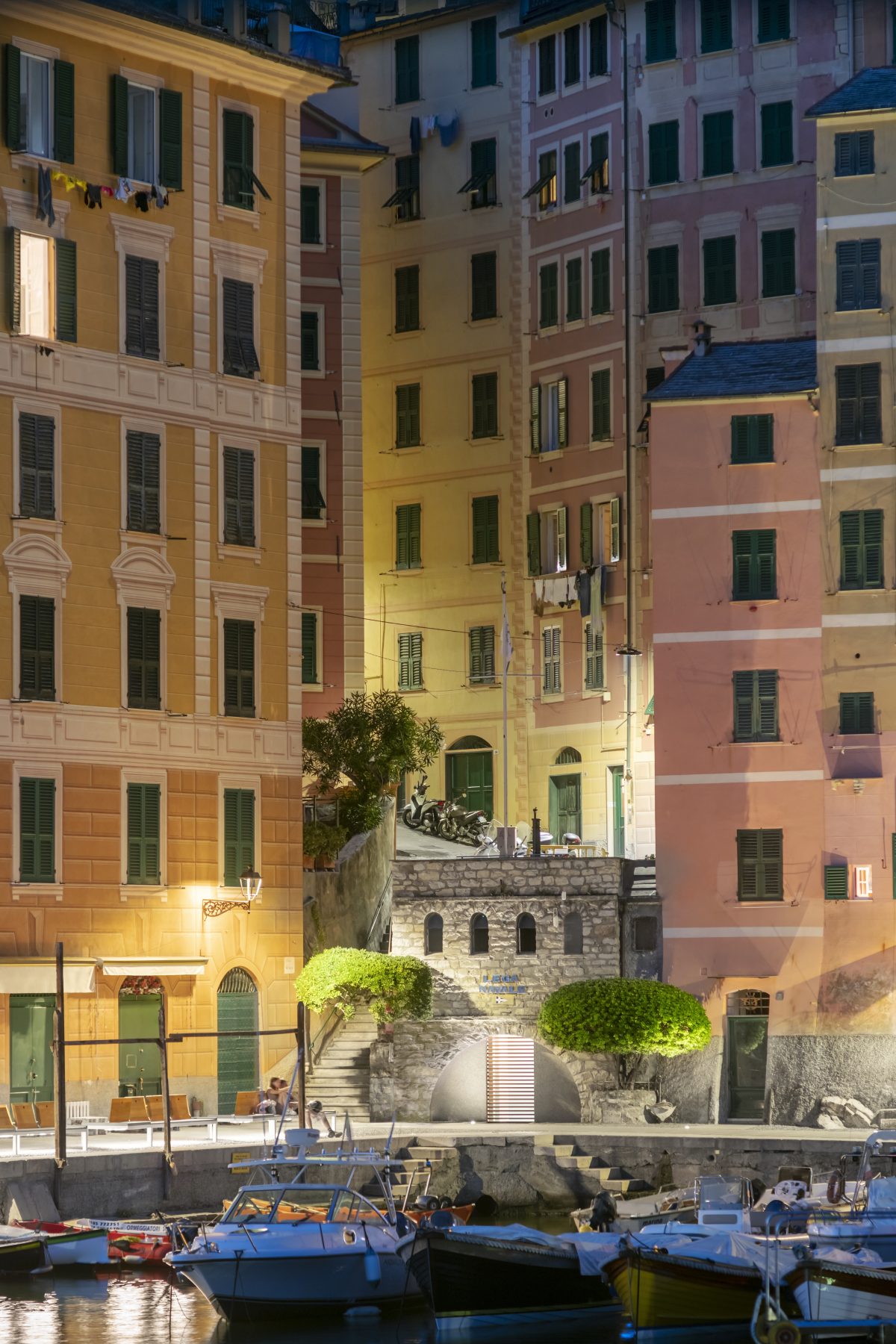
At the far end of the quay, where the pier extends toward the sea, a screen of irregular Iroko slats gently defines the edge while becoming a recognizable landmark. Above it, a brass weathervane disc rotates with the wind atop a slender white pole, acting as a sun during the day and a moon at night at the head of the pier. Underfoot, the combination of sandstone paving and traditional rissëu creates continuity between contemporary intervention and historical memory, privileging continuity of material over stylistic imitation.
In a place that simultaneously functions as a working fishing harbour and a major tourist destination, gosplan deliberately refuses to privilege one identity over the other. Instead, the project’s central ambition is to hold these two realities together.
The fishermen’s posts, nets, and buoys remain integral to the space, while the new benches reinterpret the everyday gestures of working, reading, resting, and observing as architectural material.
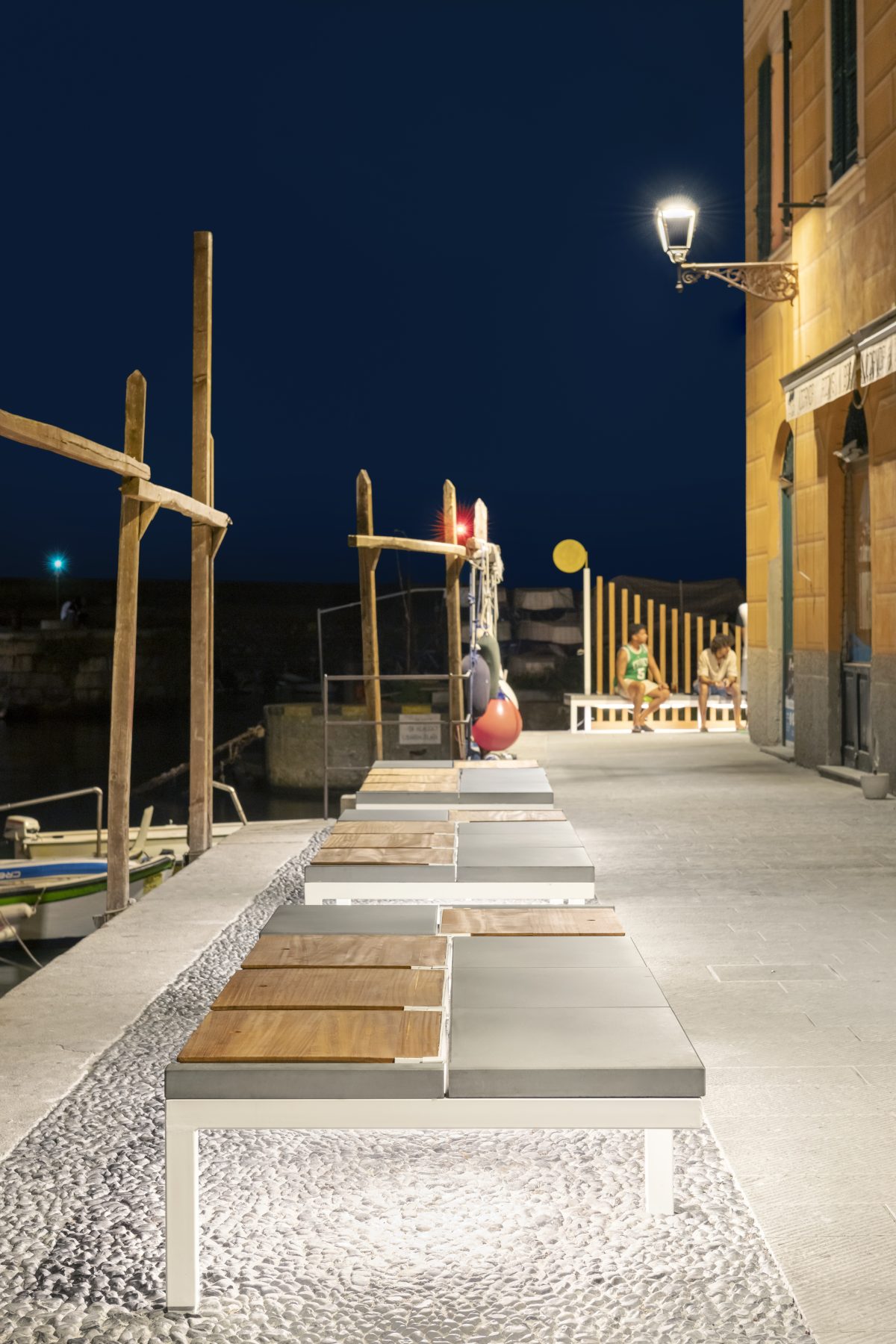
Throughout the project, sandstone, rissëu, timber, and brass draw directly from the material history of Camogli, yet are expressed through a restrained contemporary architectural language. This approach reflects a recurring principle in the studio’s work: to root architecture deeply in its context without resorting to iconic gestures.
The result is a minimal civic infrastructure that preserves the harbour’s productive character while restoring one of the finest public viewpoints over the historic fishing village.
Plans
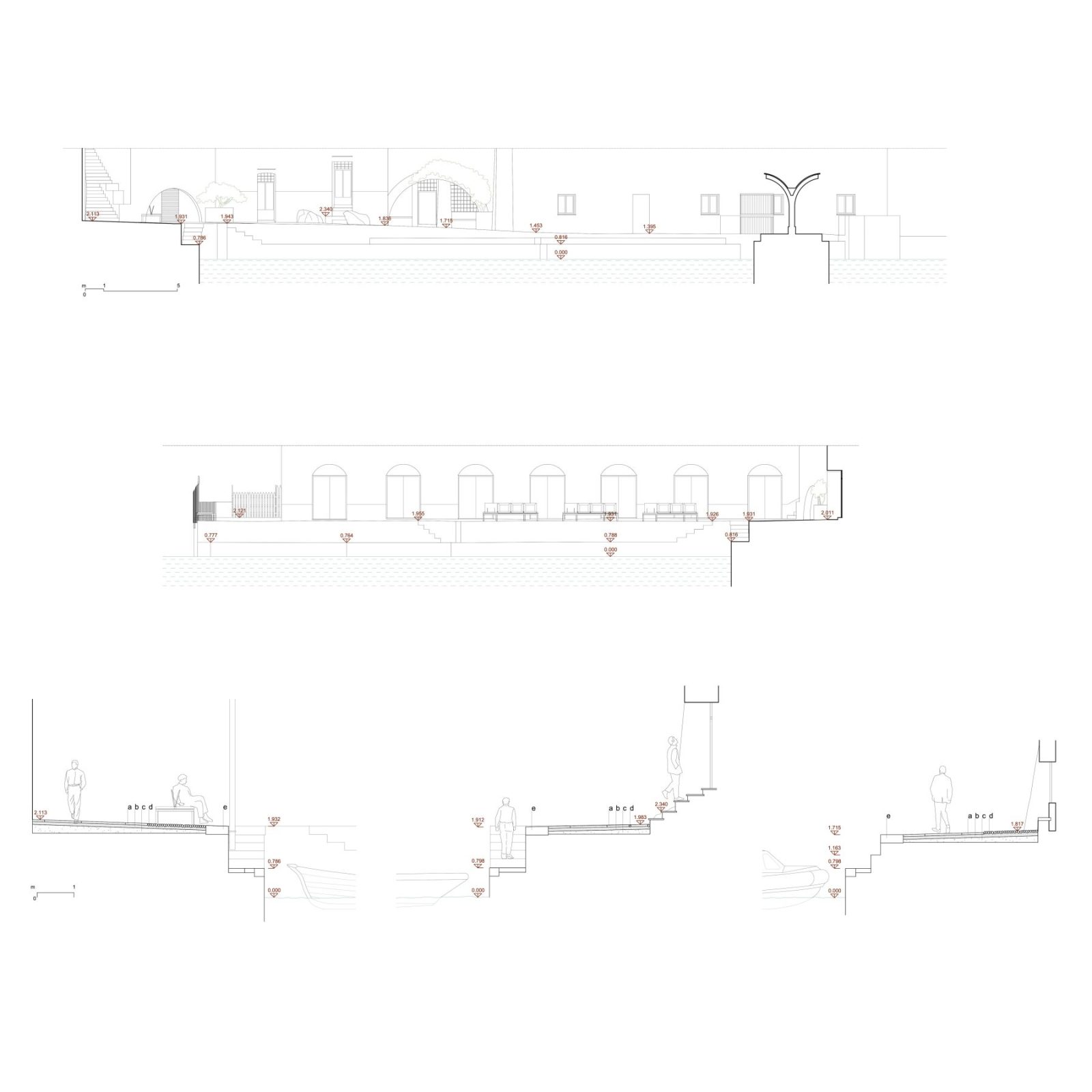
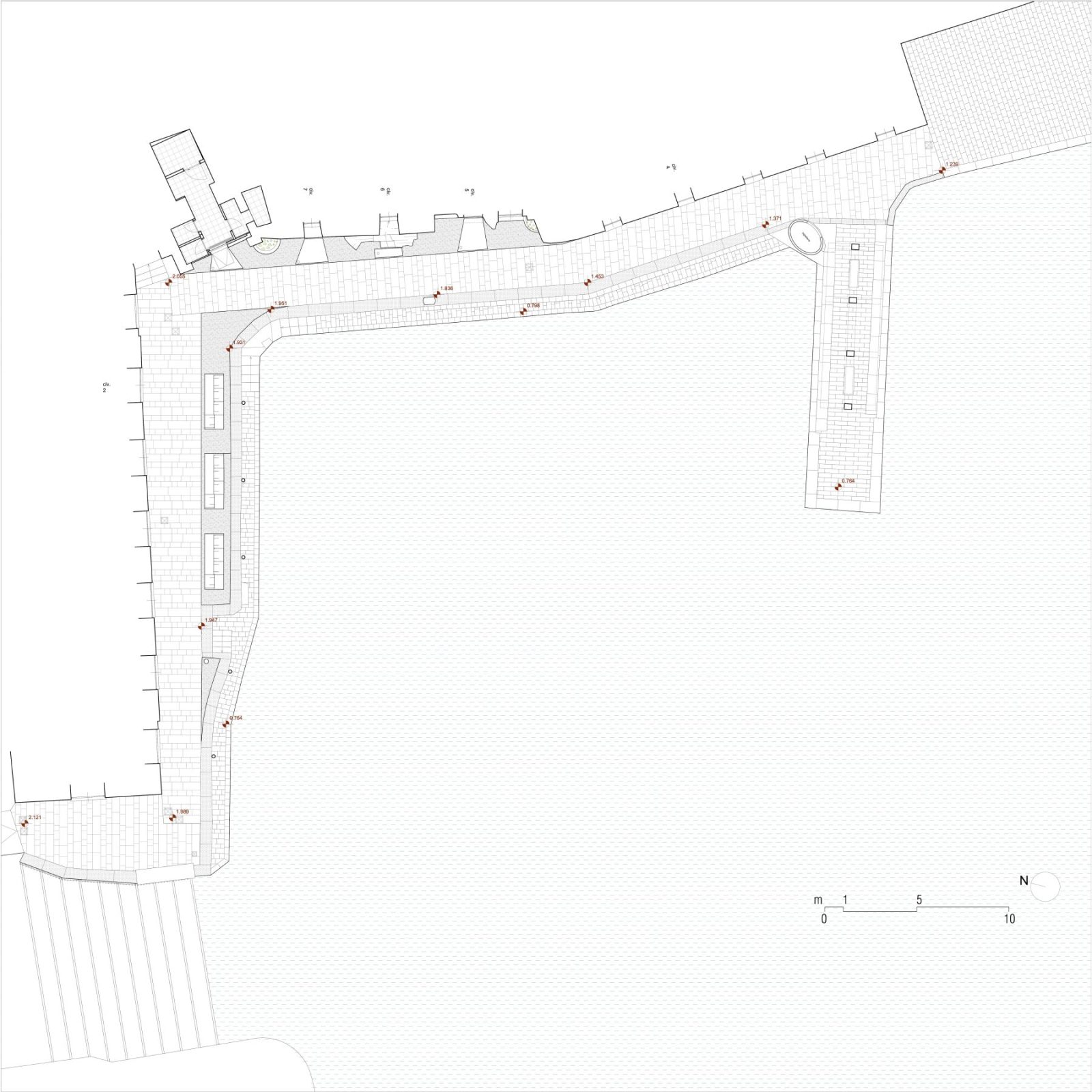
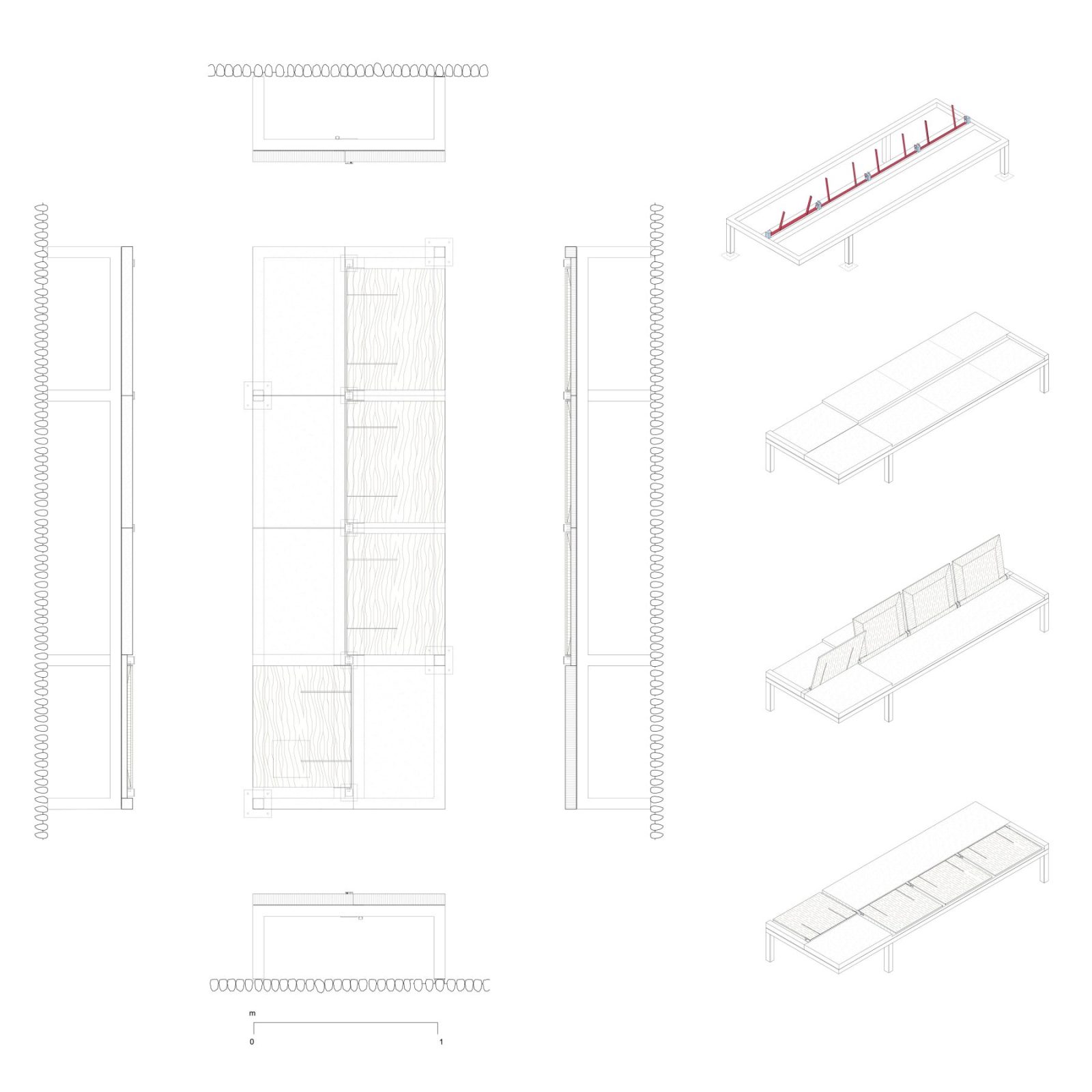
Facts & Credits
Project title: Fishermen’s Rest
Project type: Redevelopment of Via Scalo al Porto
Client: City of Camogli
Location: Camogli, Genova, Italy
Architecture: Gosplan
Design team: Lorenzo Trompetto, Nicola Lunardi, Veronica Rusca, Marina Mori, Oriola Alhasa, Elena Parodi
Site construction supervision: Lorenzo Trompetto
General contractor: Impresa Traversone s.a.s.
Client’s project manager: Nicolò Pozzo
Structural engineering: SEM Signorelli, Evaso Moncalvo Ingegneri Associati
MEP Engineering: Studio tecnico Pizzorni
Construction safety coordination: Studio tecnico Romanelli
Completion: March 2026
Surface area: 350 m2
Furniture and fittings: All furnishings were custom-designed by gosplan architects
Text: Provided by the authors
Photography: Studio Campo, Anna Positano