Dream Houses is a curated exploration of domestic architecture where vision, craft, and innovation converge. Each residence is shaped by light, materiality, and intent revealing homes that transcend function to become expressions of a deeply personal yet enduring way of living.
Casa Cruda by meii estudio reinterprets the anonymous neighborhood house in Cartagena through an architectural strategy that balances preservation and renewal. Rather than erasing the past, the project reveals and refines it, allowing traditional typologies to dialogue with contemporary spatial needs. Exposed materials, a large operable skylight, and a unified open volume construct a domestic landscape where the technical and the artisanal, the repaired and the preserved, coexist.
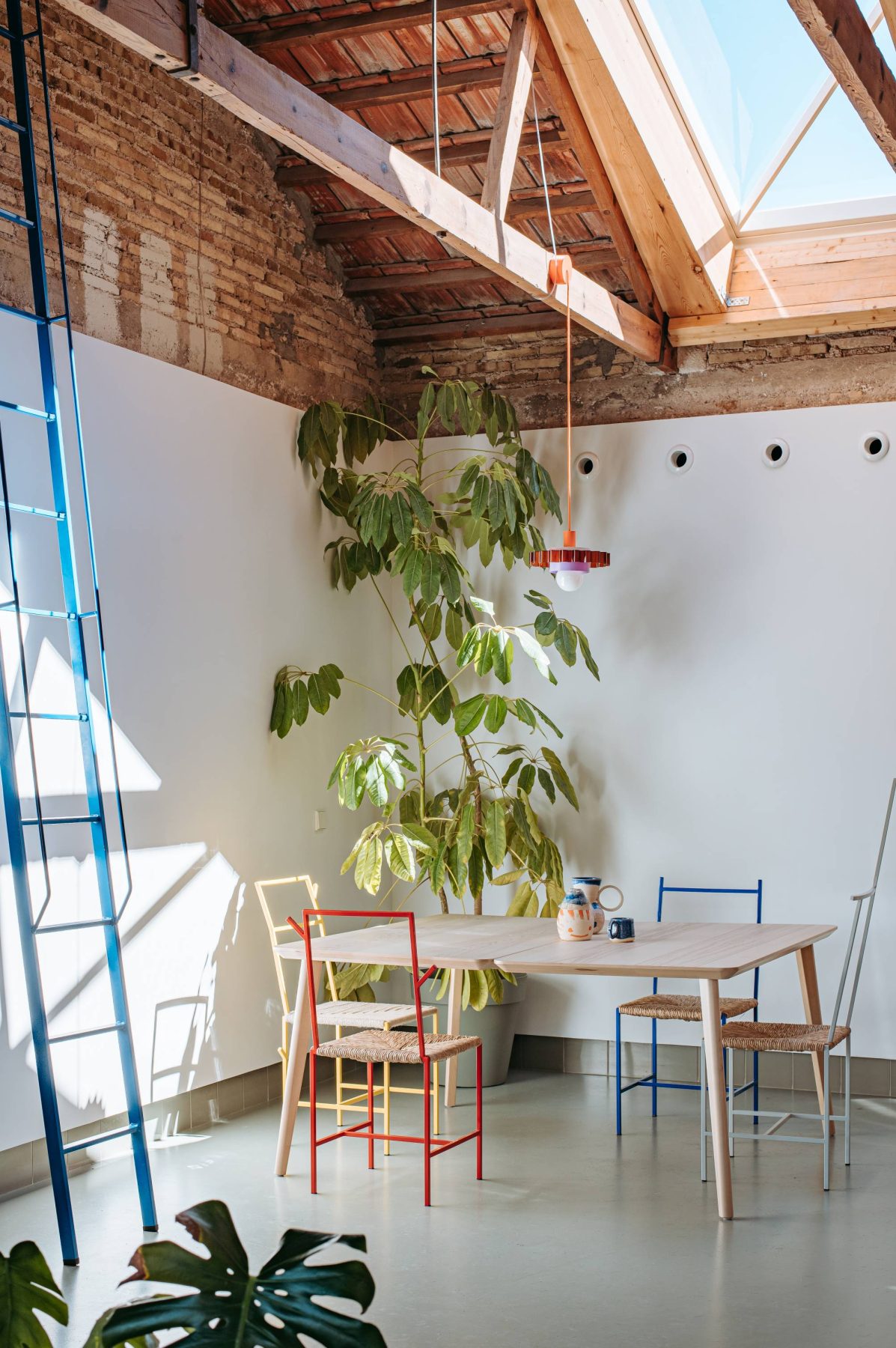
Casa Cruda proposes a precise and minimal intervention on a 1960s neighborhood house, guided by the idea of coexistence between old and new, the technical and the artisanal, the repaired and the preserved.
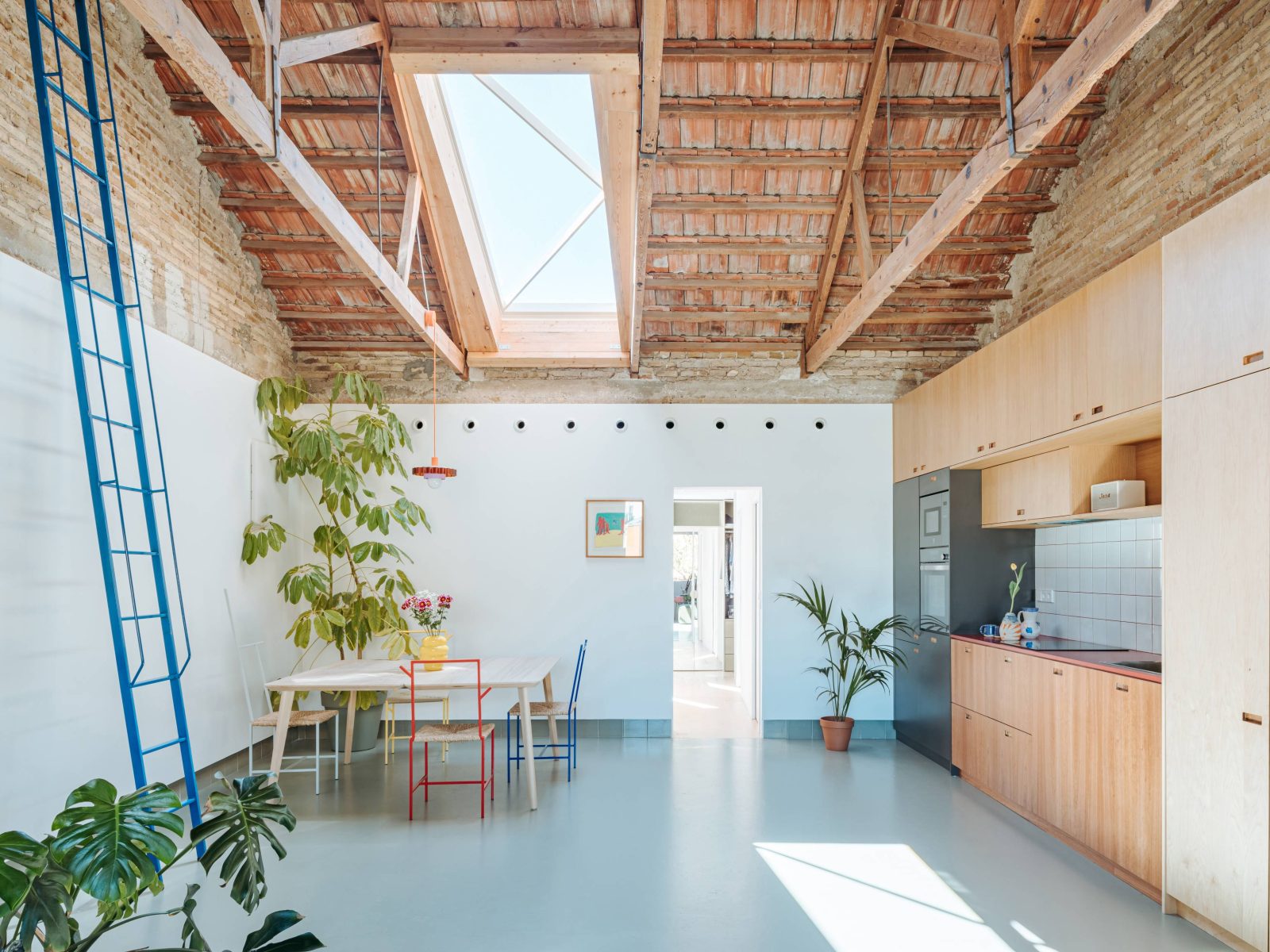
Instead of transforming the existing structure through radical alteration, the project refines and reactivates what is already there, treating built memory as the primary design material.
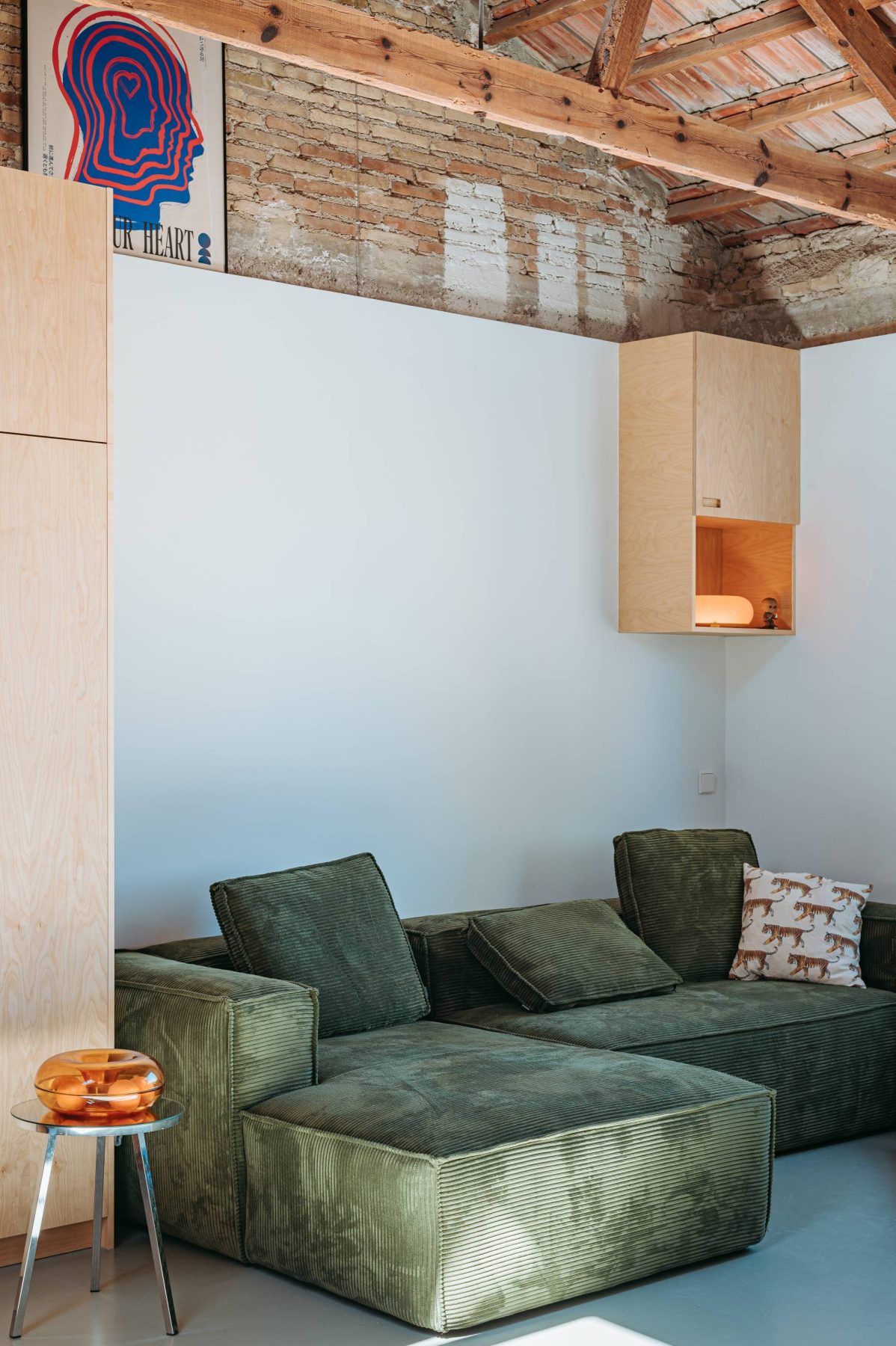
The house is understood as part of a broader legacy of traditional and anonymous domestic typologies. Through a careful rereading, the intervention establishes a dialogue with contemporary architecture while maintaining the authenticity of the original construction. Previous traces, imperfections, and even the scars revealed during the process are not concealed but incorporated into the architectural narrative, reinforcing the temporal depth of the space.
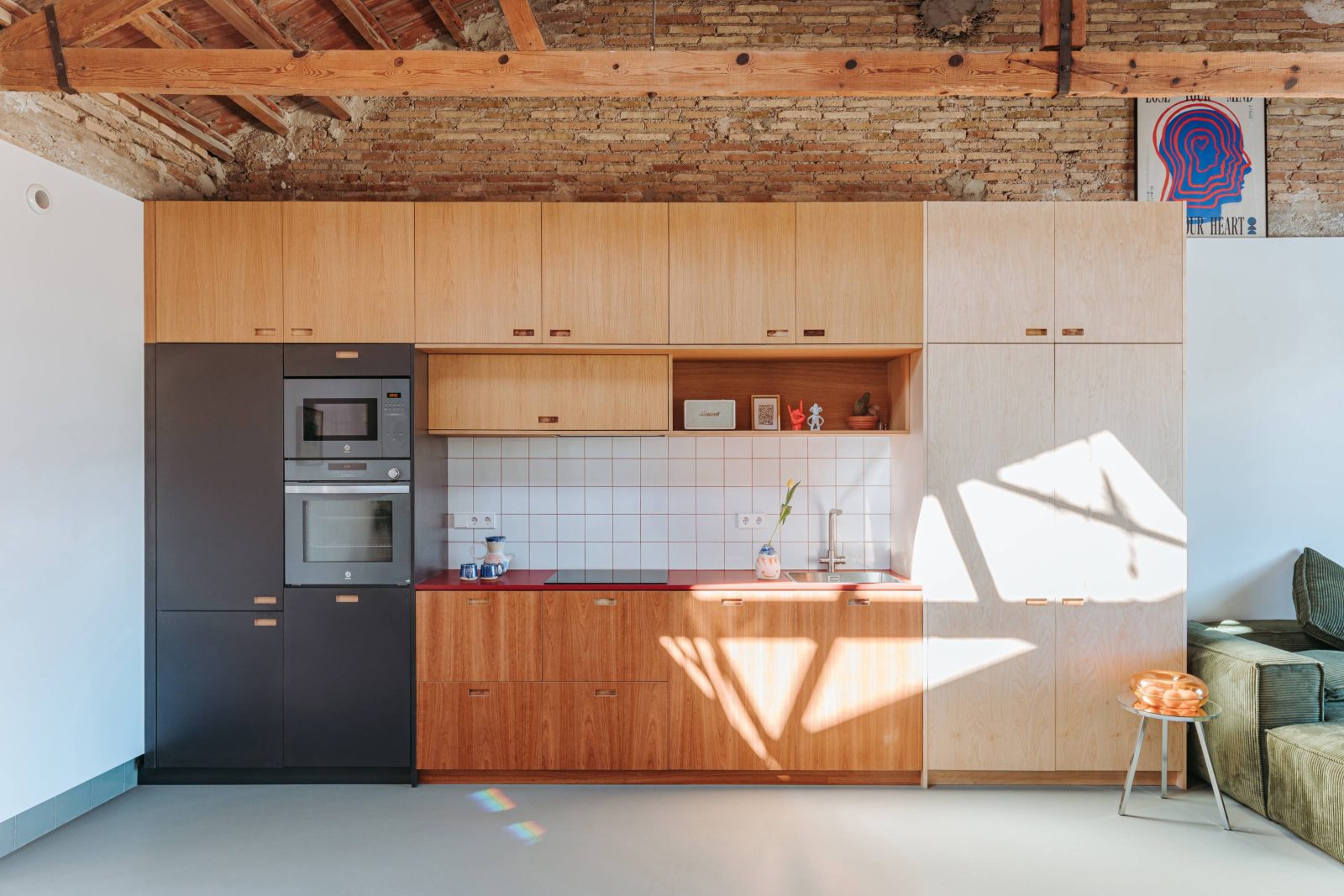
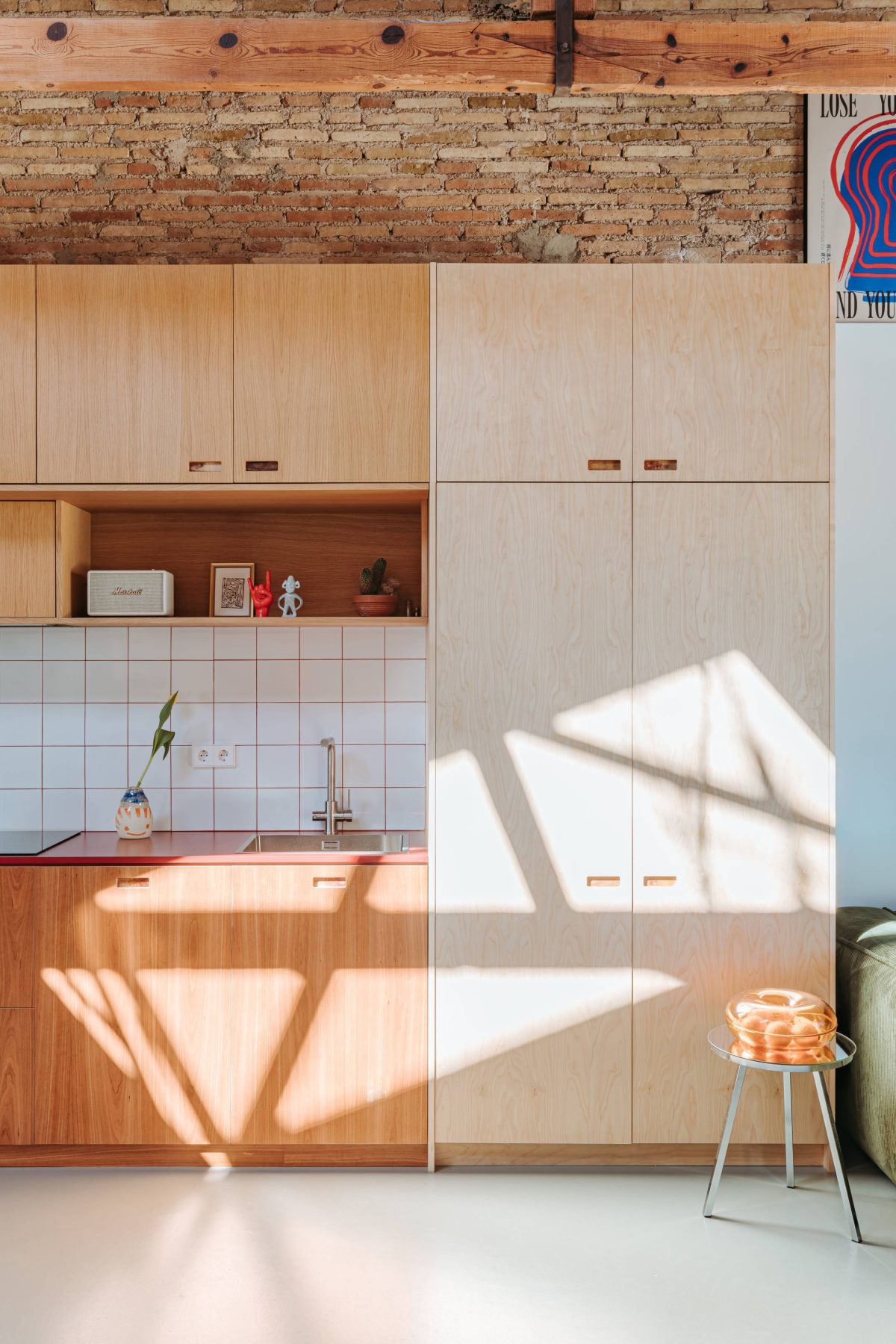
At the core of the project is a clear spatial and conceptual distinction between two layers. The lower level is renewed through technical precision—continuous resin flooring, rendered surfaces, and integrated installations—while the upper part remains raw, exposed, and materially honest.
This deliberate contrast generates a continuous interior where different temporalities coexist, allowing the house to be experienced as a synthesis of past and present.
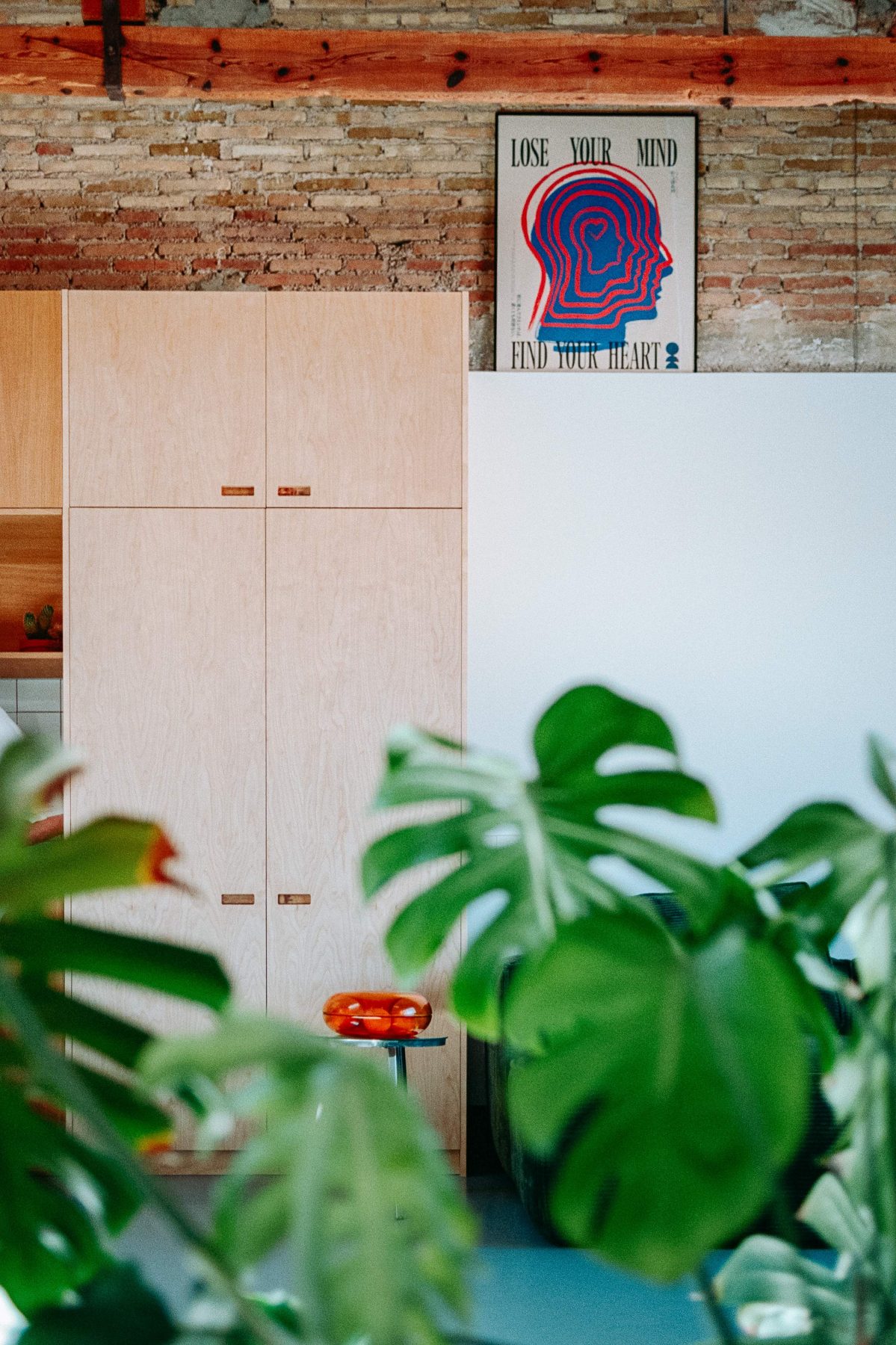
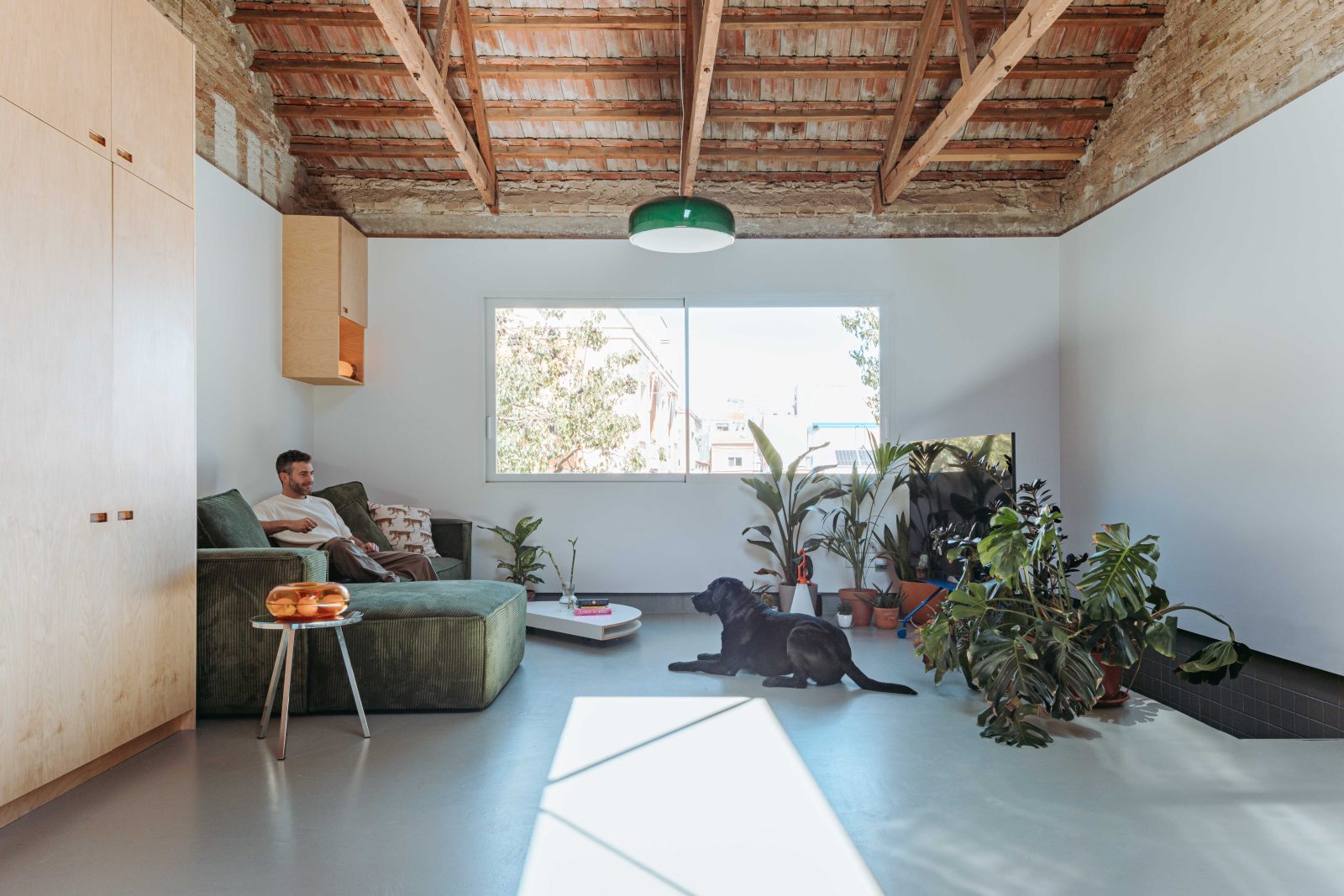
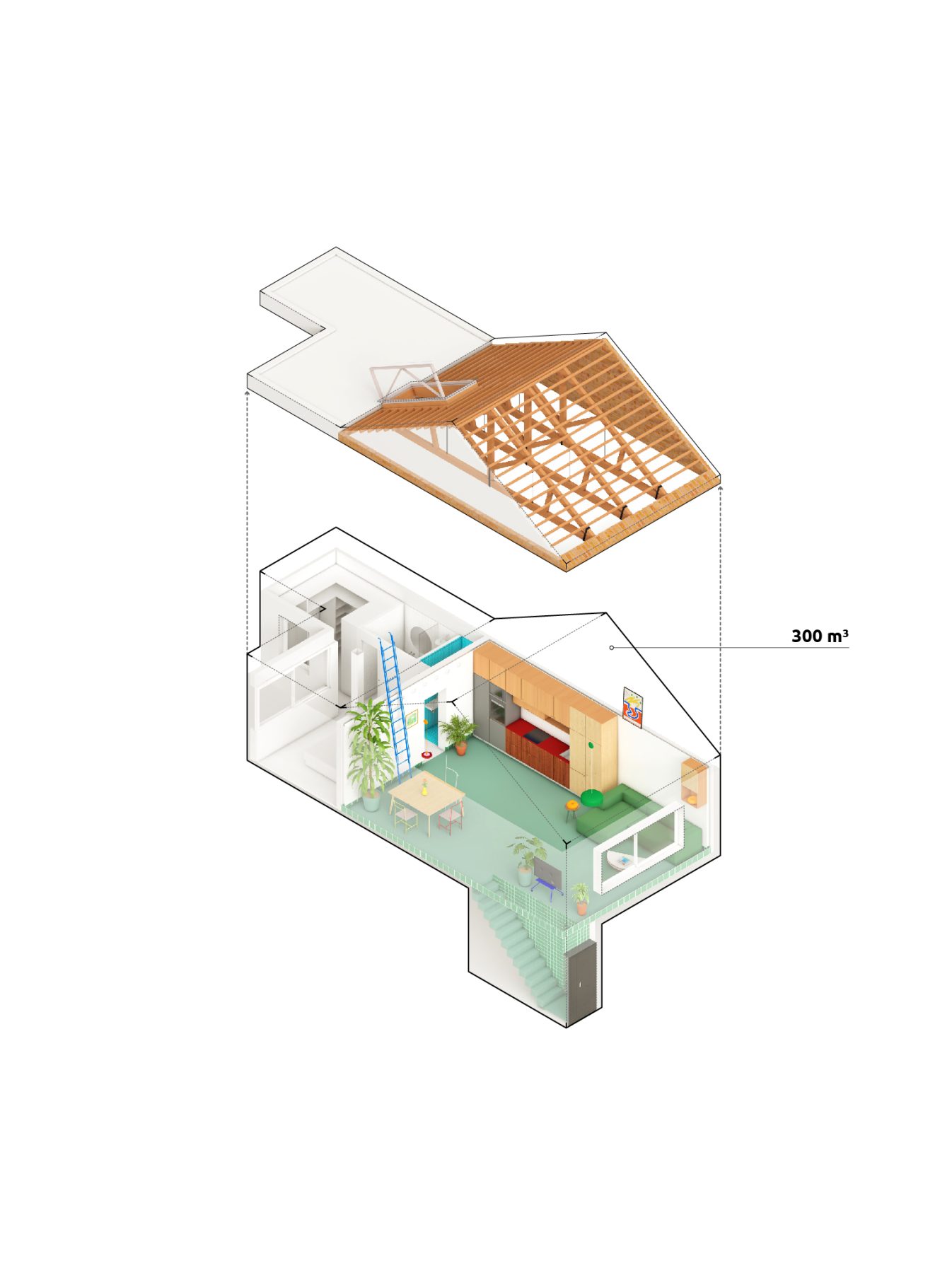
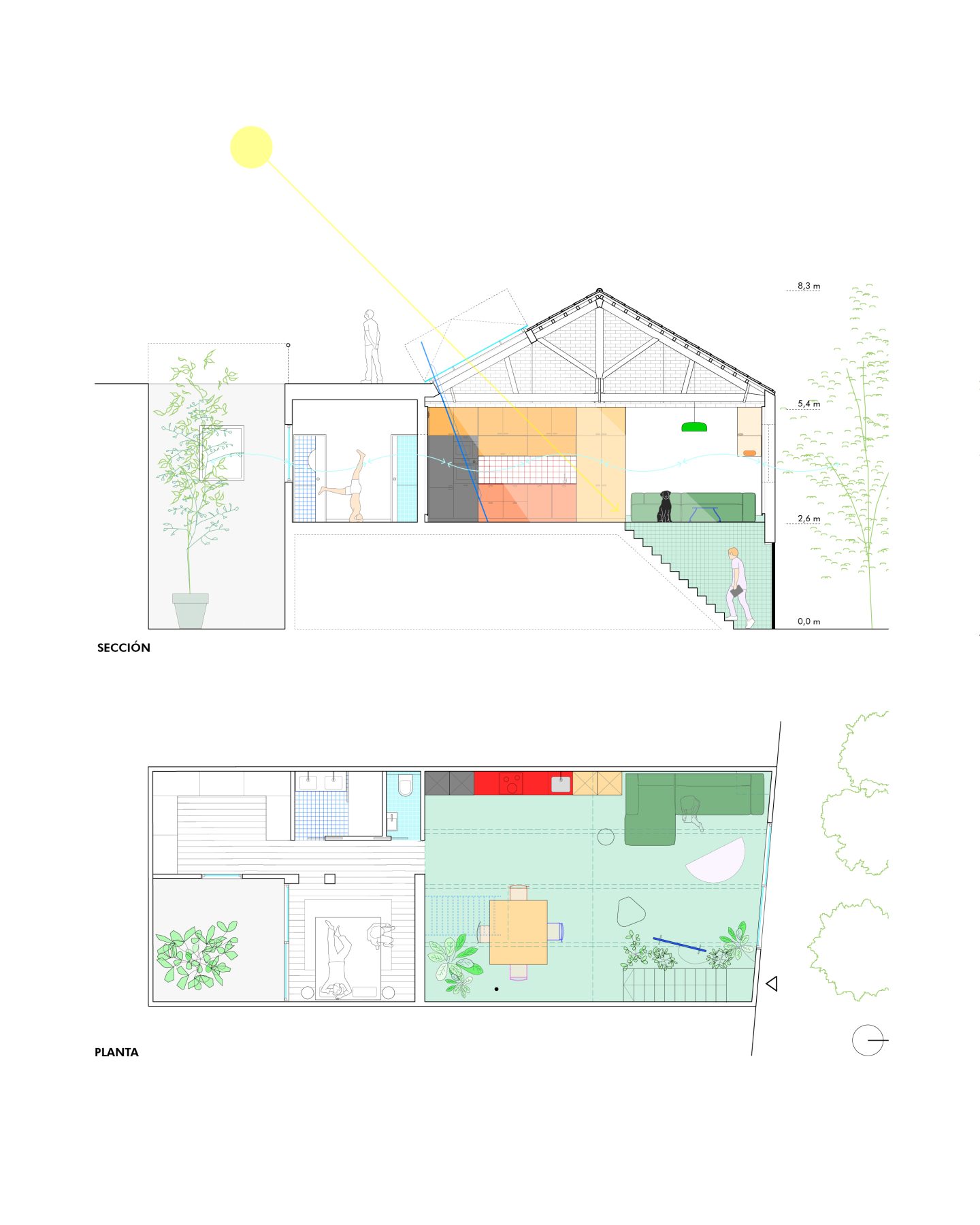
Rather than fragmenting the domestic program, the intervention consolidates daily life into a single open volume of approximately 300 cubic meters. The removal of partitions, suspended ceilings, and accumulated cladding reveals the original spatial height and structure, enhancing both the sense of scale and spatial continuity. The exposed fired brick party wall, wooden trusses, and roof structure become active architectural elements, contributing texture, character, and a tangible connection to the house’s constructive origin.
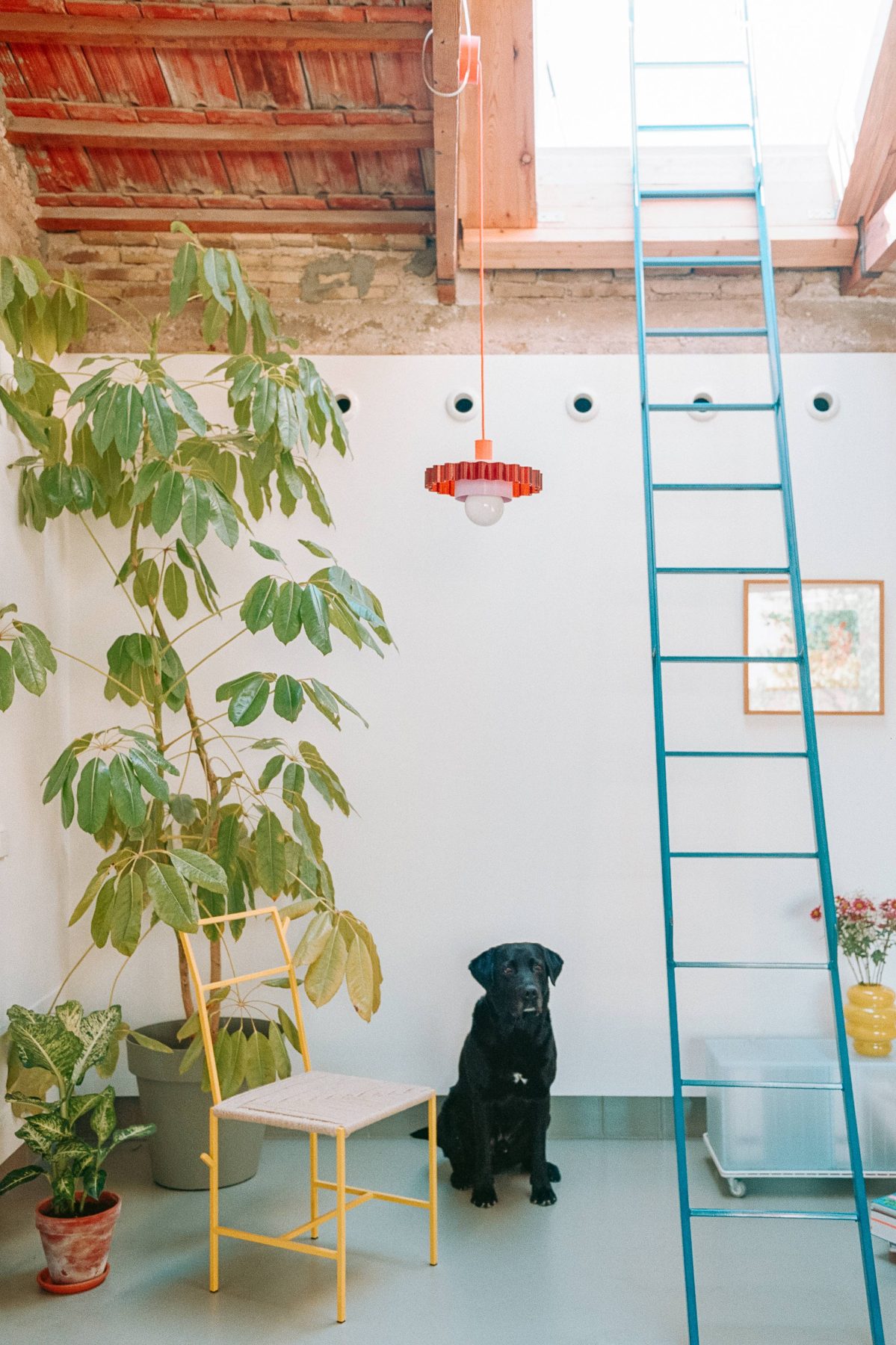
A continuous sage green resin floor unifies the horizontal plane and rises into a ceramic baseboard, establishing a renewed base that anchors the intervention. Above it, a floating technical cladding runs along the perimeter up to 2.80 meters, discreetly accommodating installations while preserving visual clarity and spatial coherence. This technical layer is strategically interrupted to access more intimate areas, maintaining the openness of the main living space.
Light plays a central role in redefining the domestic atmosphere.
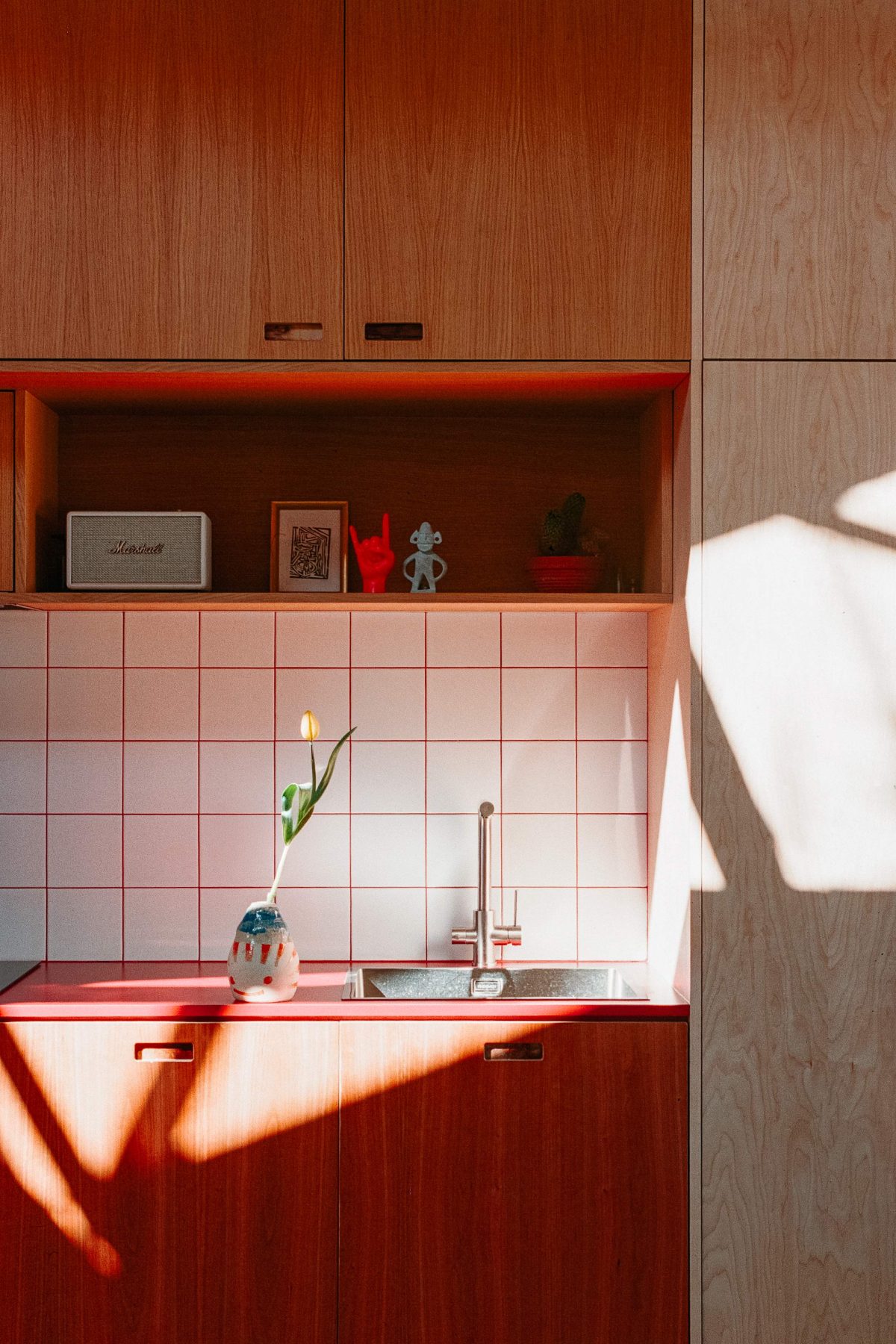
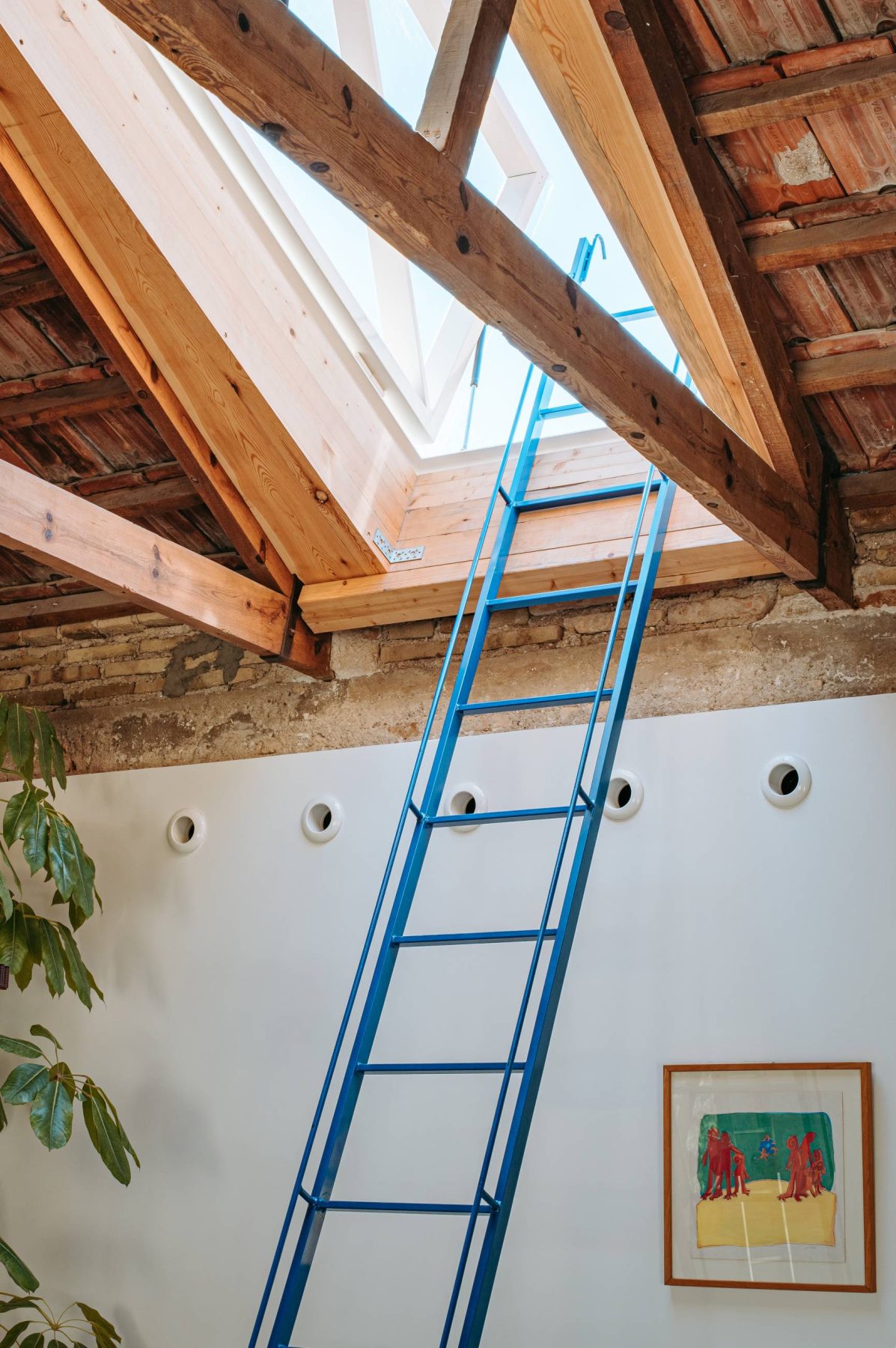
The roof is largely preserved, with a single decisive gesture: the insertion of a large operable skylight that connects the interior with the sky and provides access to the rooftop terrace. Acting as a vertical spatial device, it introduces changing natural light that travels across the volume, revealing textures, activating surfaces, and reinforcing the relationship between everyday life and natural cycles.
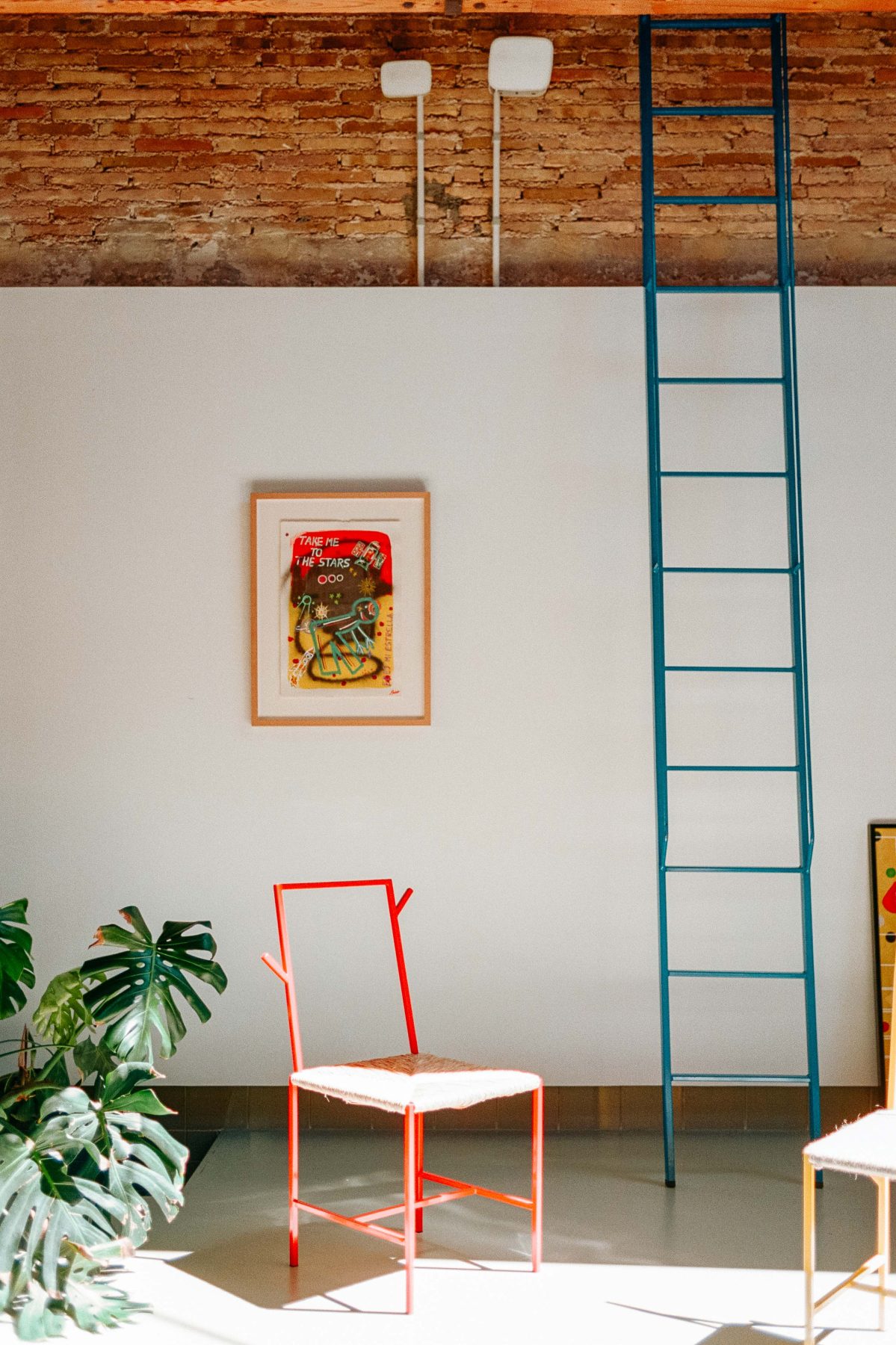
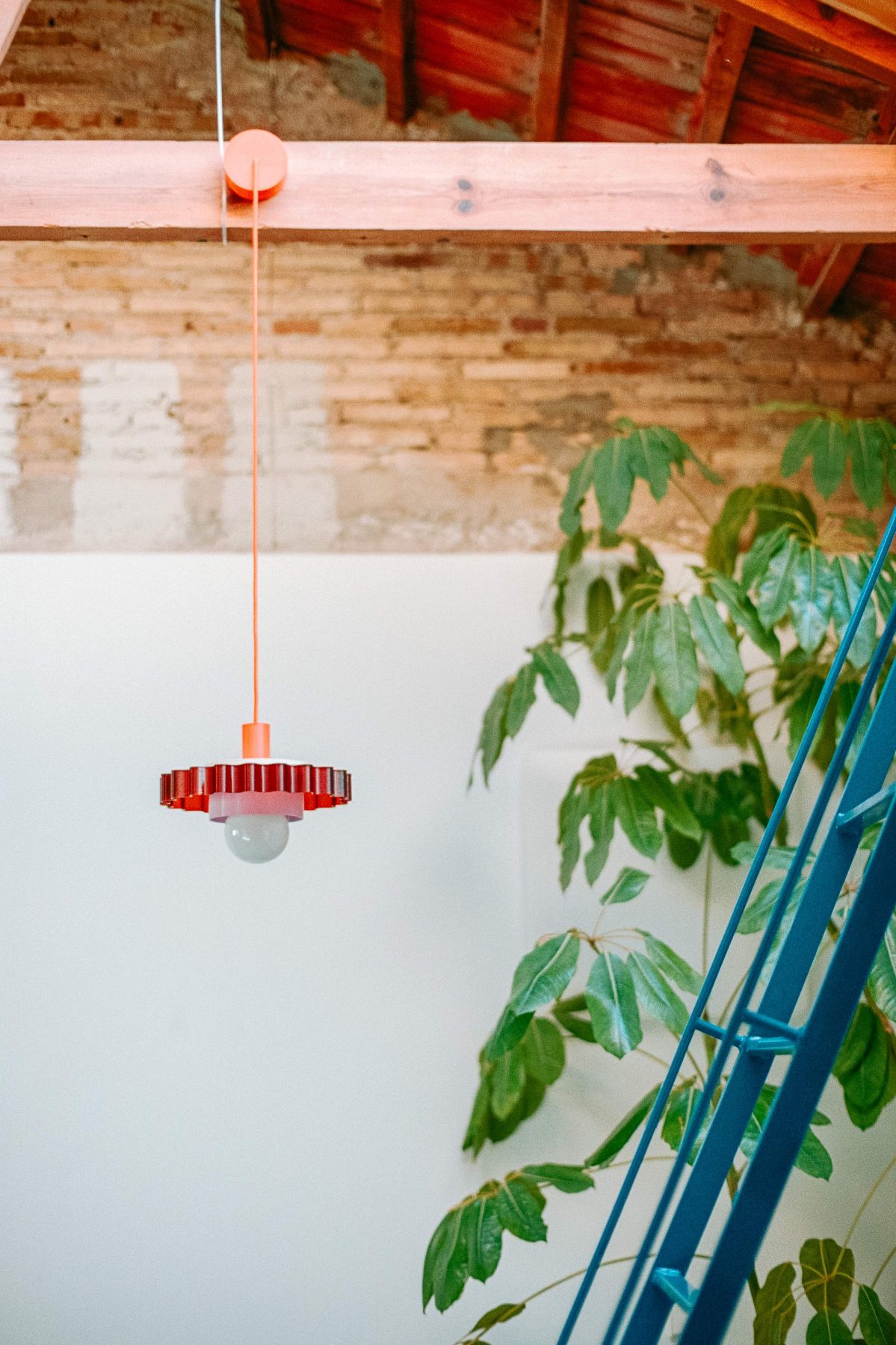
Vegetation, lighting, furniture, and artworks by local artists complete the interior, mediating the scale of the large volume and introducing moments of intimacy within the open plan. In this way, Casa Cruda moves beyond the notion of conventional renovation.
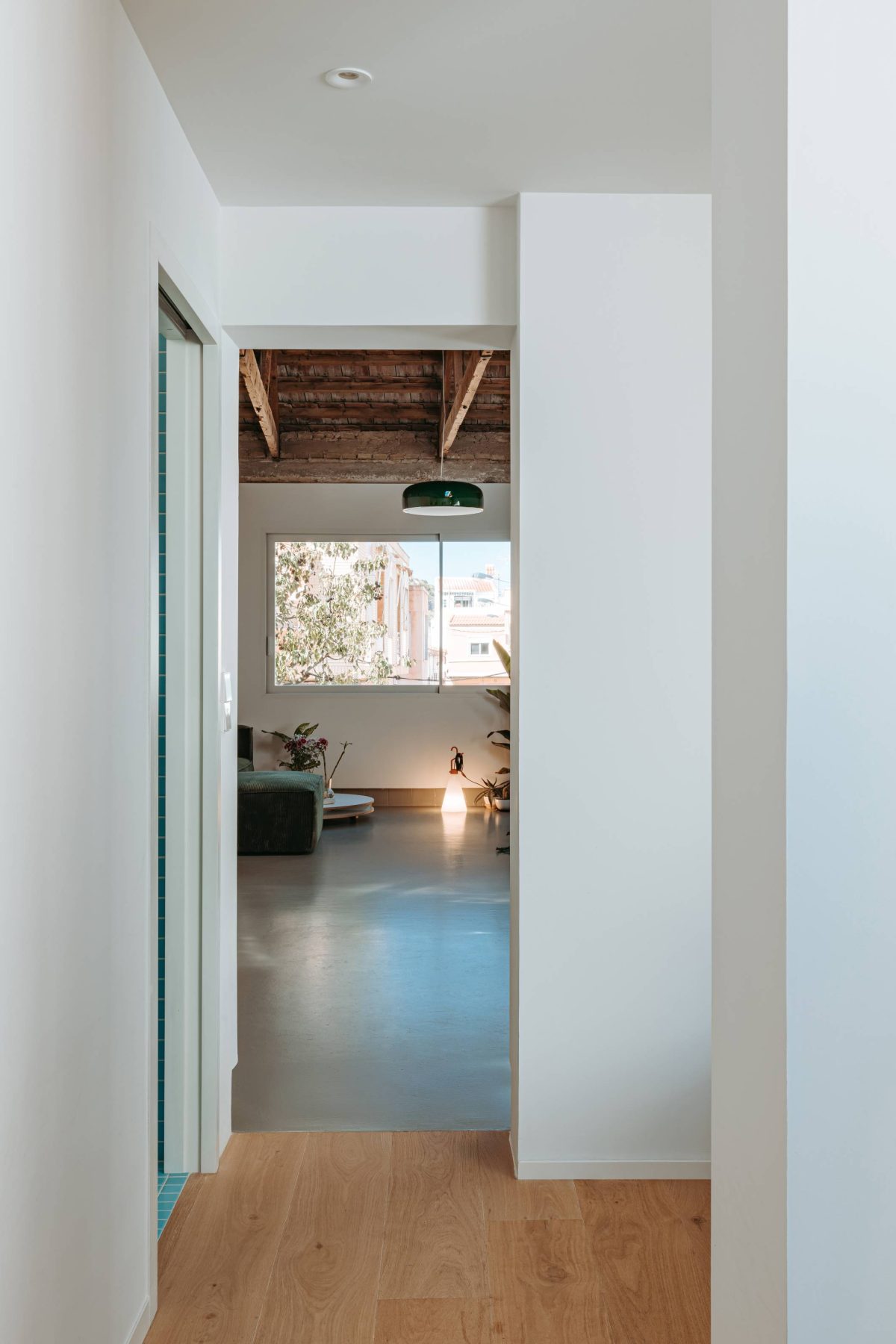
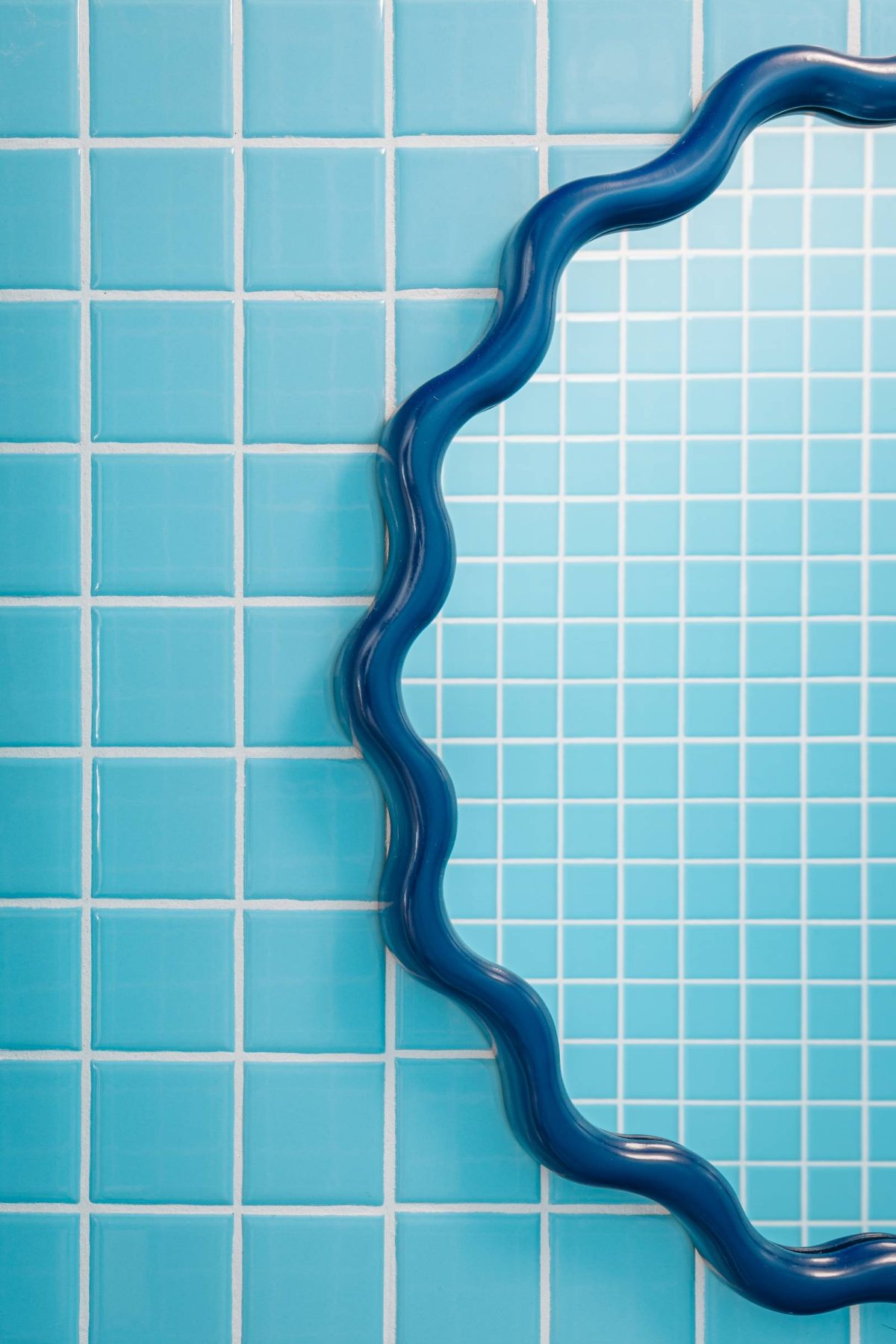
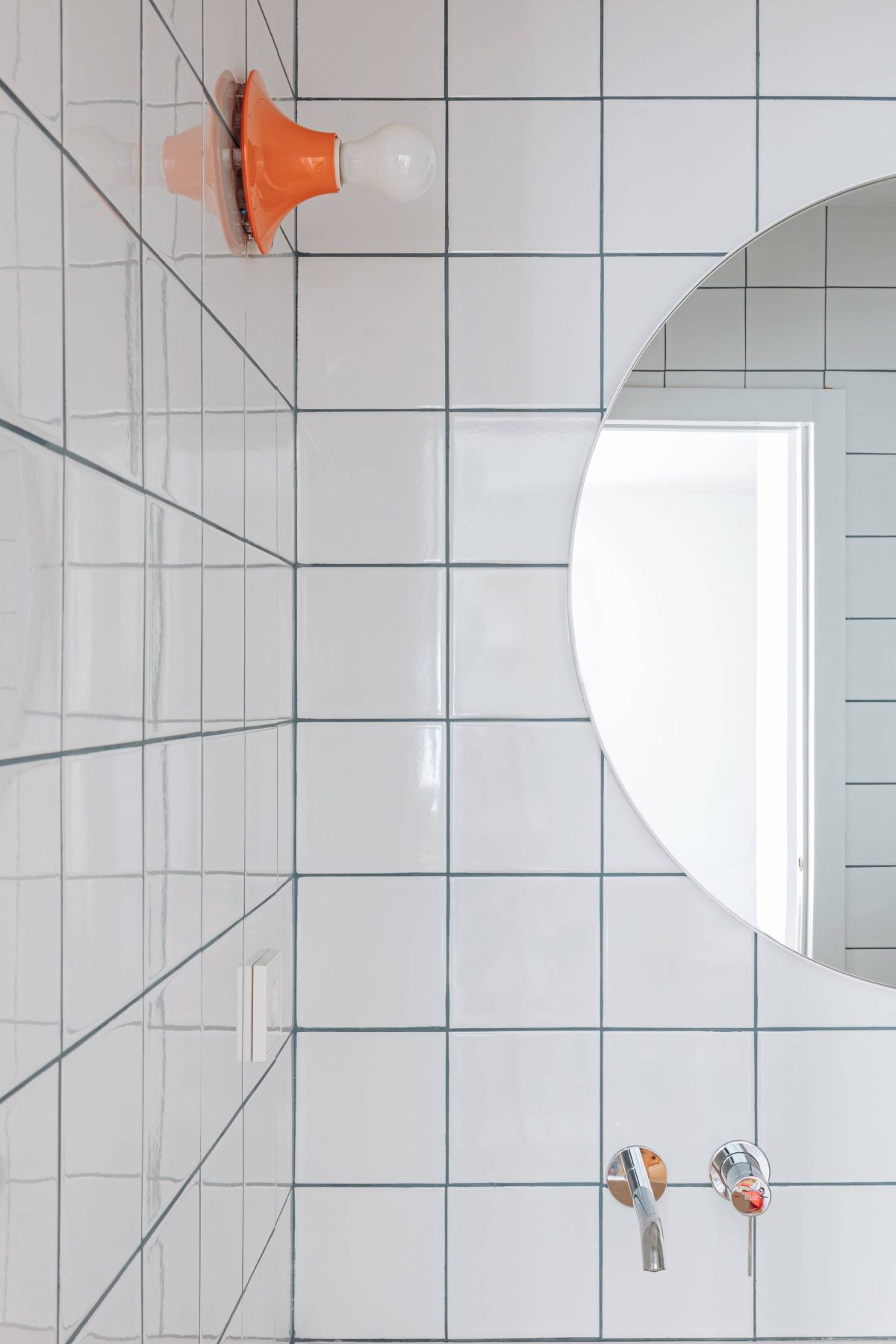
It becomes a layered domestic landscape where tradition and contemporaneity intersect, and where architecture does not overwrite time but makes it visible, inhabitable and continuous.
Facts & Credits
Project title Rereading a Neighborhood Home
Typology Interior Design, Renovation
Location Barrio de la Concepción, Cartagena
Start of construction September 2024
Completion of construction January 2025
Built area 200 m2
Client Jose María Mateo
Architecture meii estudio
Team Jose María Mateo, Elvira Carrión, Javier Albacete, Andrea Sanabria, Juan Antonio Abril
Builder Traza Construy
Art and furnishings Casil, SomosFino, Catalina Catarsis, Shiva Gupta, Flos, Warren & Laetitia, Kave, Faro IluminaciónC
Photography Hiperfocal
Text provided by the architects