A Whimsical Reuse explores refined architectural transformations where history is reinterpreted through poetic interventions and contemporary craft. Forgotten spaces gain new life, revealing a dialogue between memory, material, and contemporary ways of living.
In the parish village of Frickenhausen, Germany, the 1492 Vöhlinschloss Medieval Tower has been carefully restored by Kern Architekten as a contemporary residence rooted in history. Through minimal intervention, traditional craftsmanship, and regional materials, the late-medieval building’s historic fabric is preserved and adapted for modern living, with new elements introduced in quiet respect for the original structure. A semi-public cultural ground floor embodies this thoughtful transformation, where monumentality and domesticity coexist in calibrated dialogue.
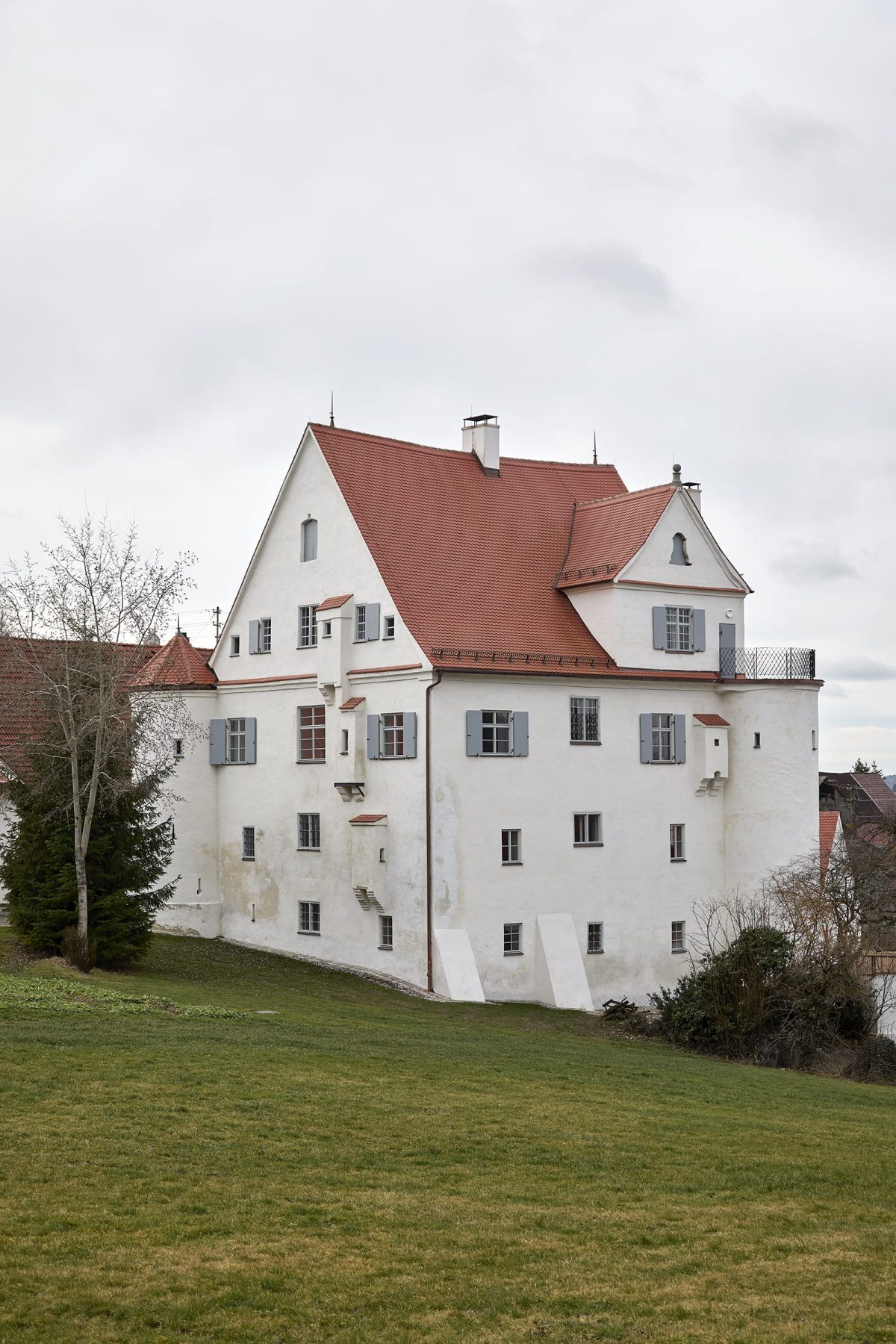
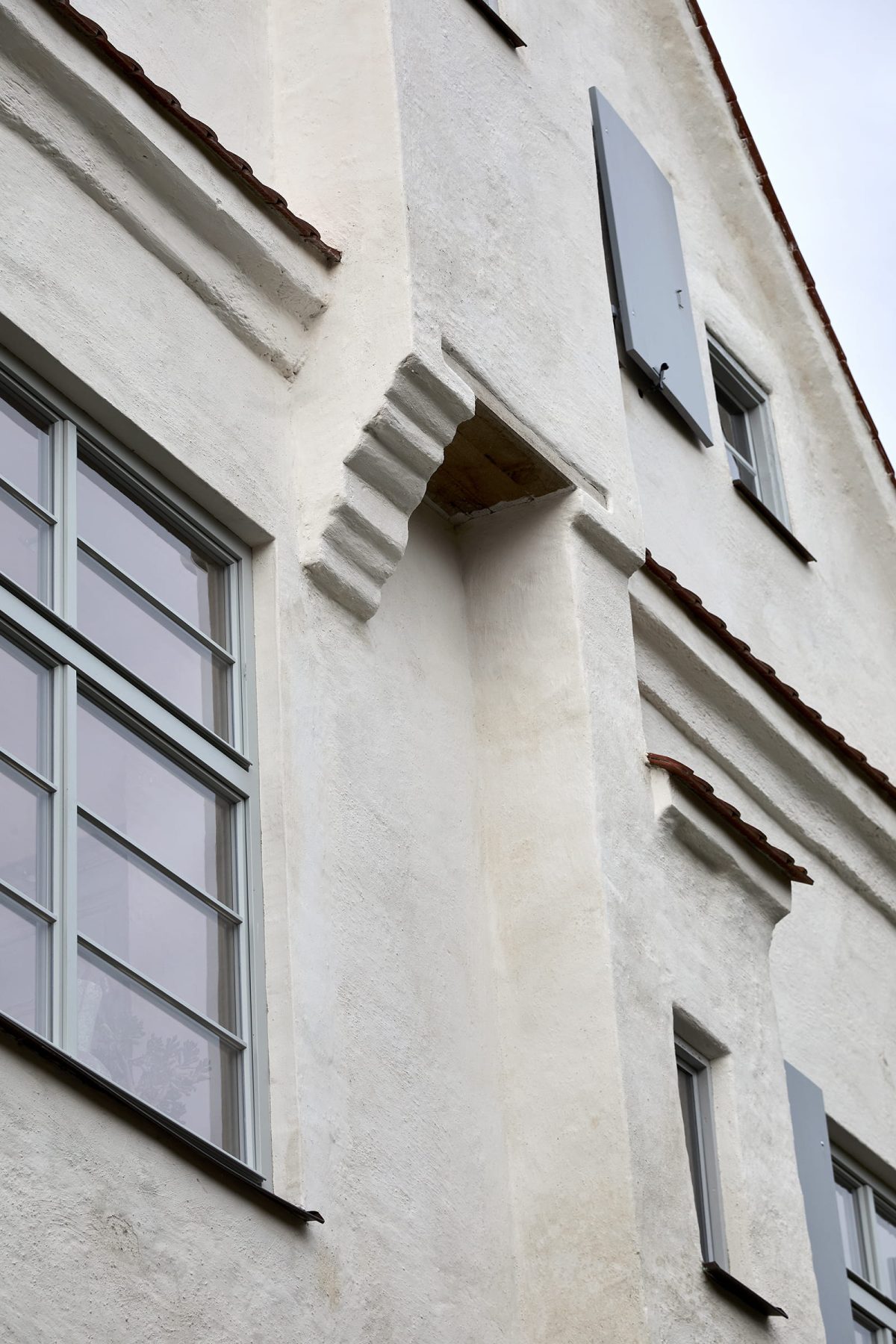
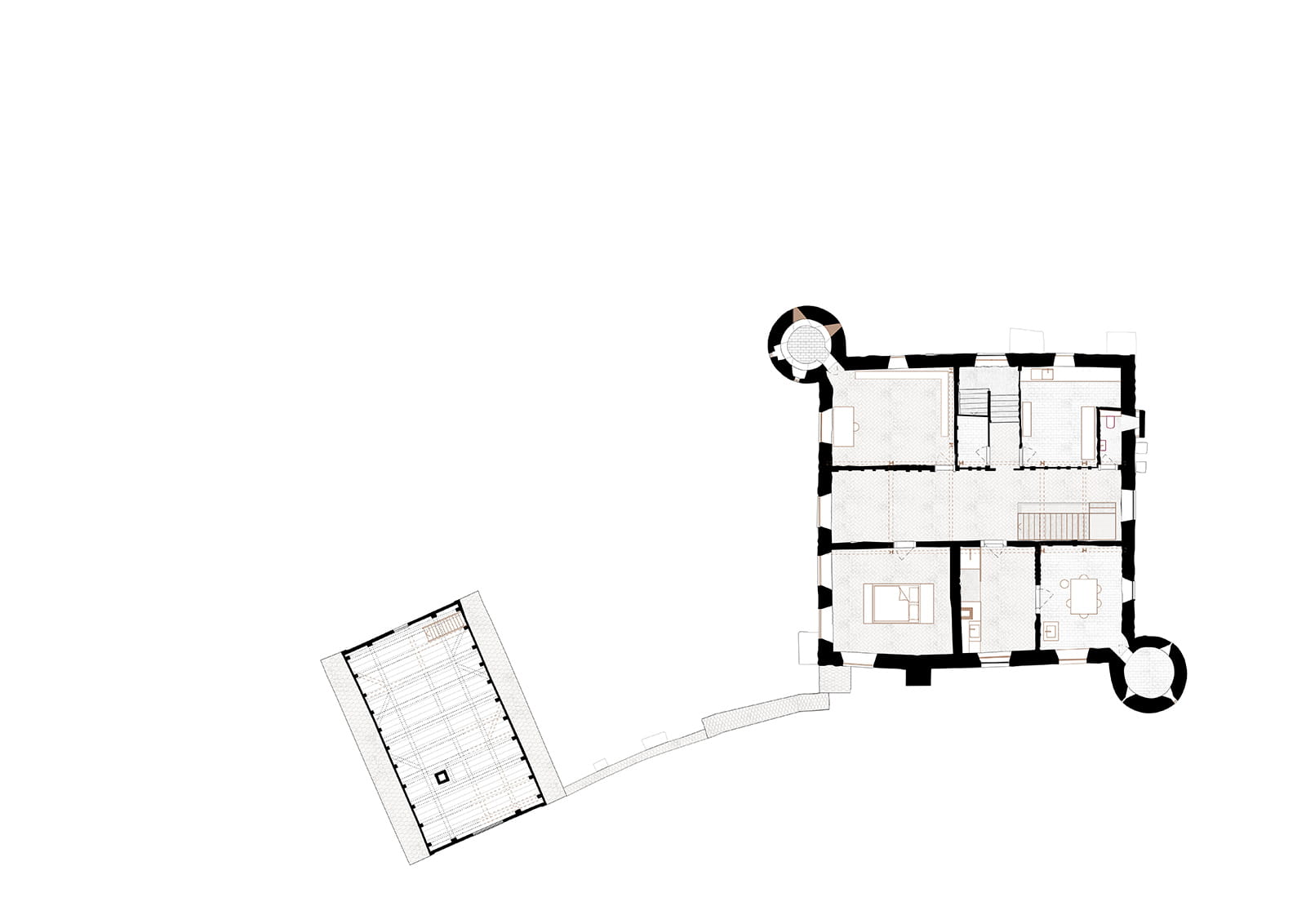
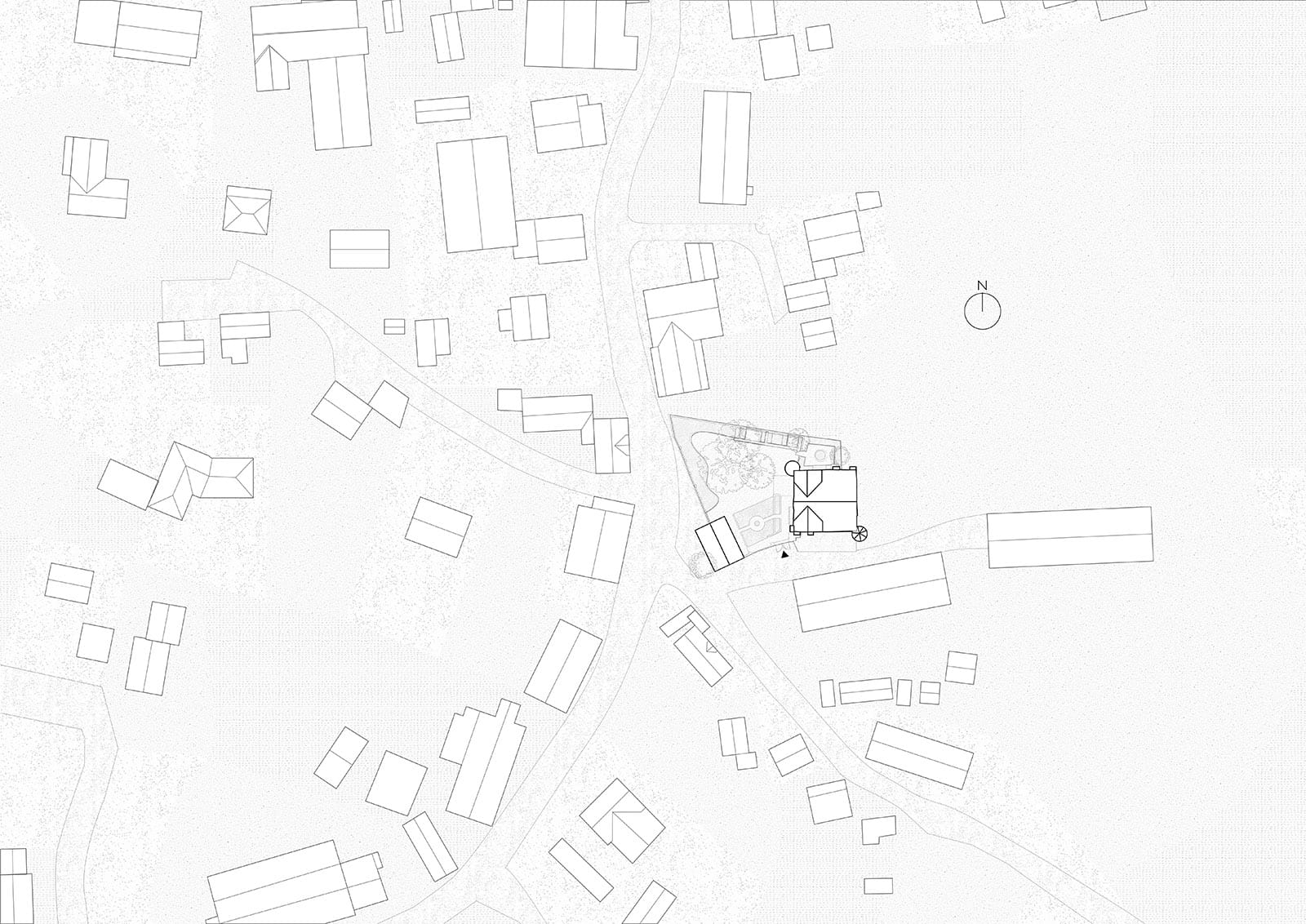
Nestled in the serene parish village of Frickenhausen in the Unterallgäu, the Vöhlinschloss stands as a testament to five centuries of architectural evolution and cultural memory. Erected in 1492 by the Vöhlin family, this late-medieval stronghold is defined by its robust Satteldach silhouette, thick masonry walls and two commanding round towers, and was later augmented with 18th-century Zwerchhäuser and a baroque Rittersaal, testament to its layered history as noble residence, parish house and private home.
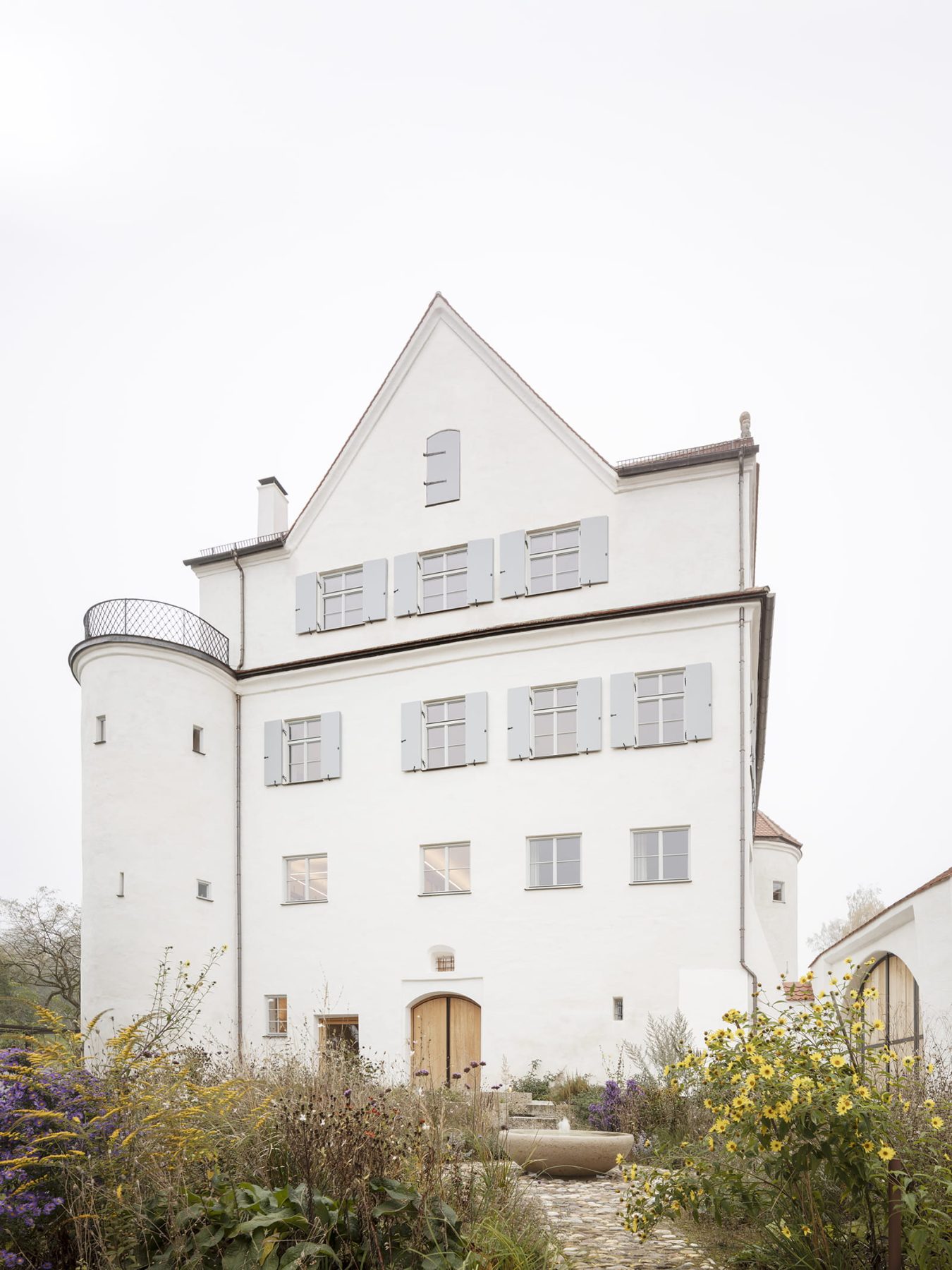
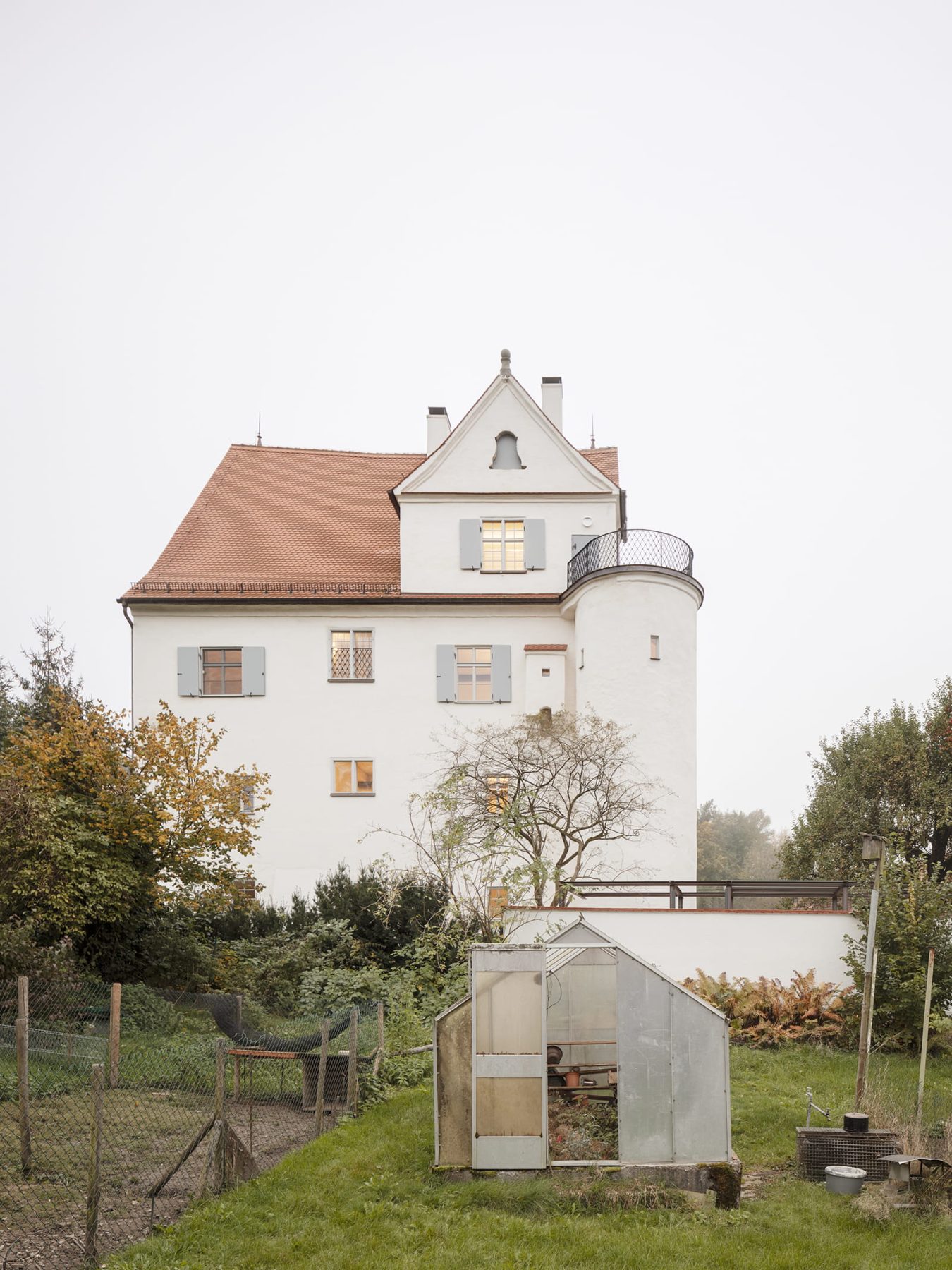
The recent restoration by Kern Architekten has reimagined the listed monument for contemporary living, honouring both its tangible fabric and intangible presence in the village’s collective memory.
At the core of the design is a commitment to minimal intervention: the existing structure and historic surfaces were meticulously conserved, while new architectural additions were calibrated to be legible yet respectful, allowing the building’s palimpsest of eras to remain legible.
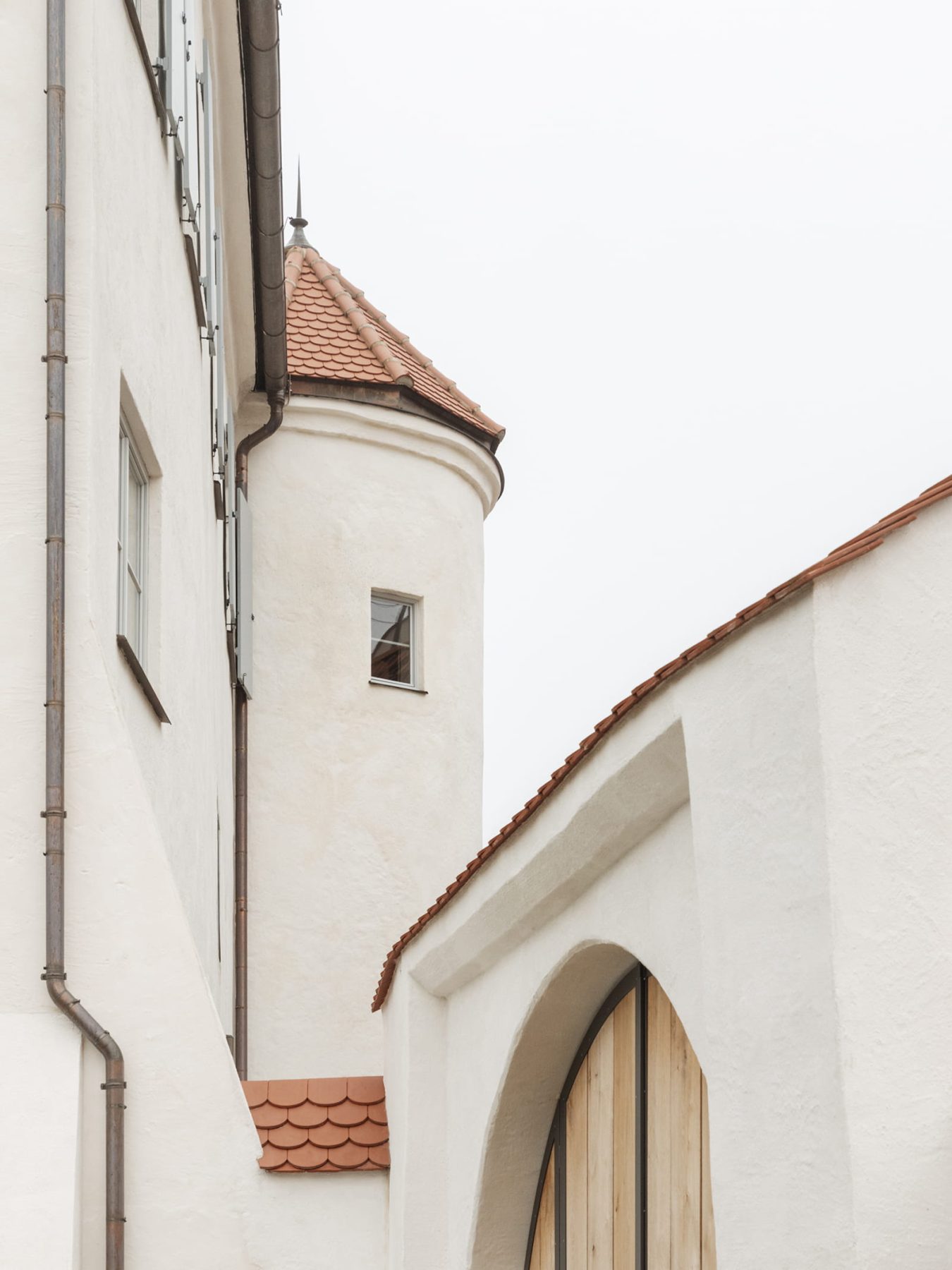
Extensive preliminary research, including dendrochronological analysis and detailed survey work, informed an approach that prioritized traditional craft methods and natural, regional materials.
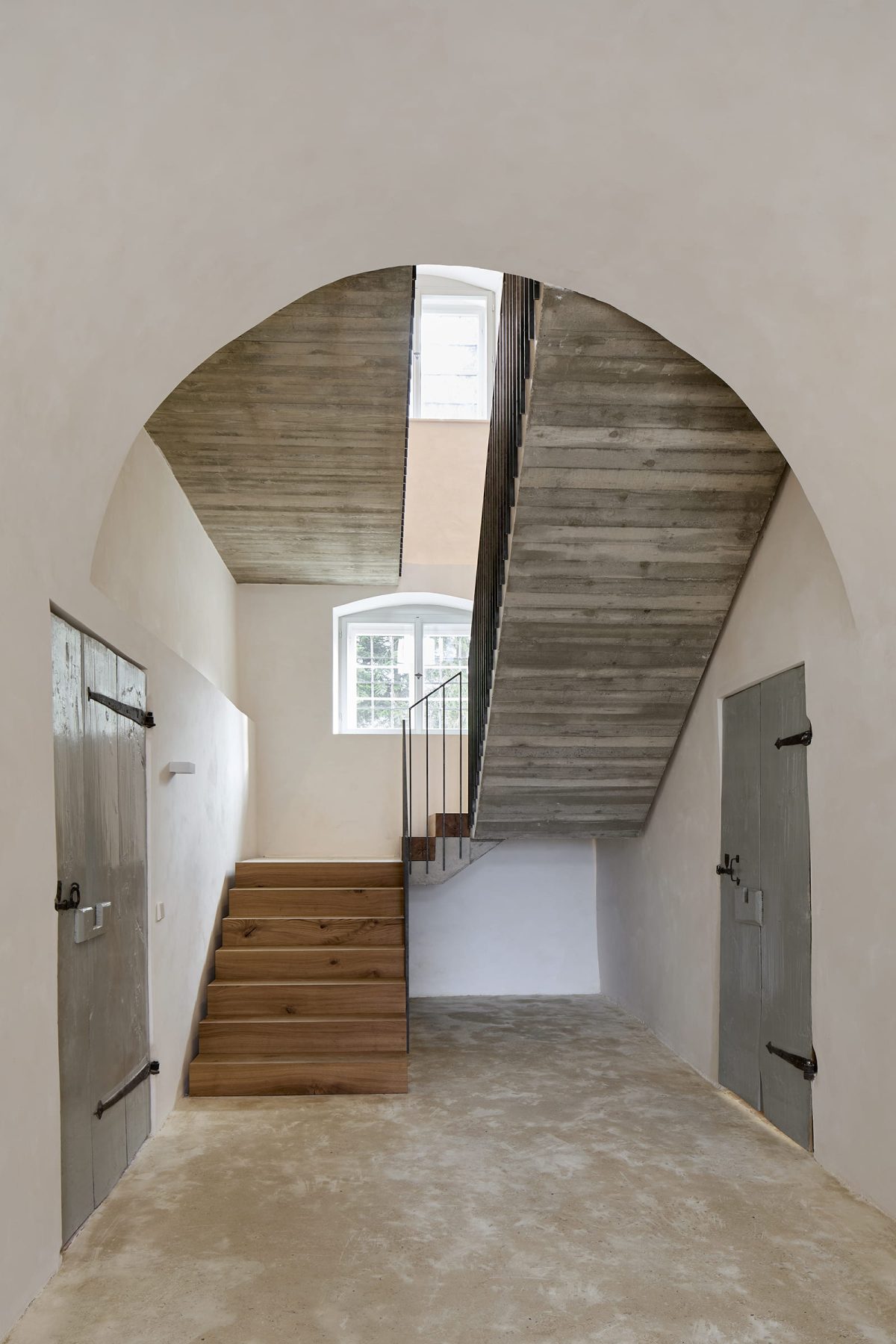
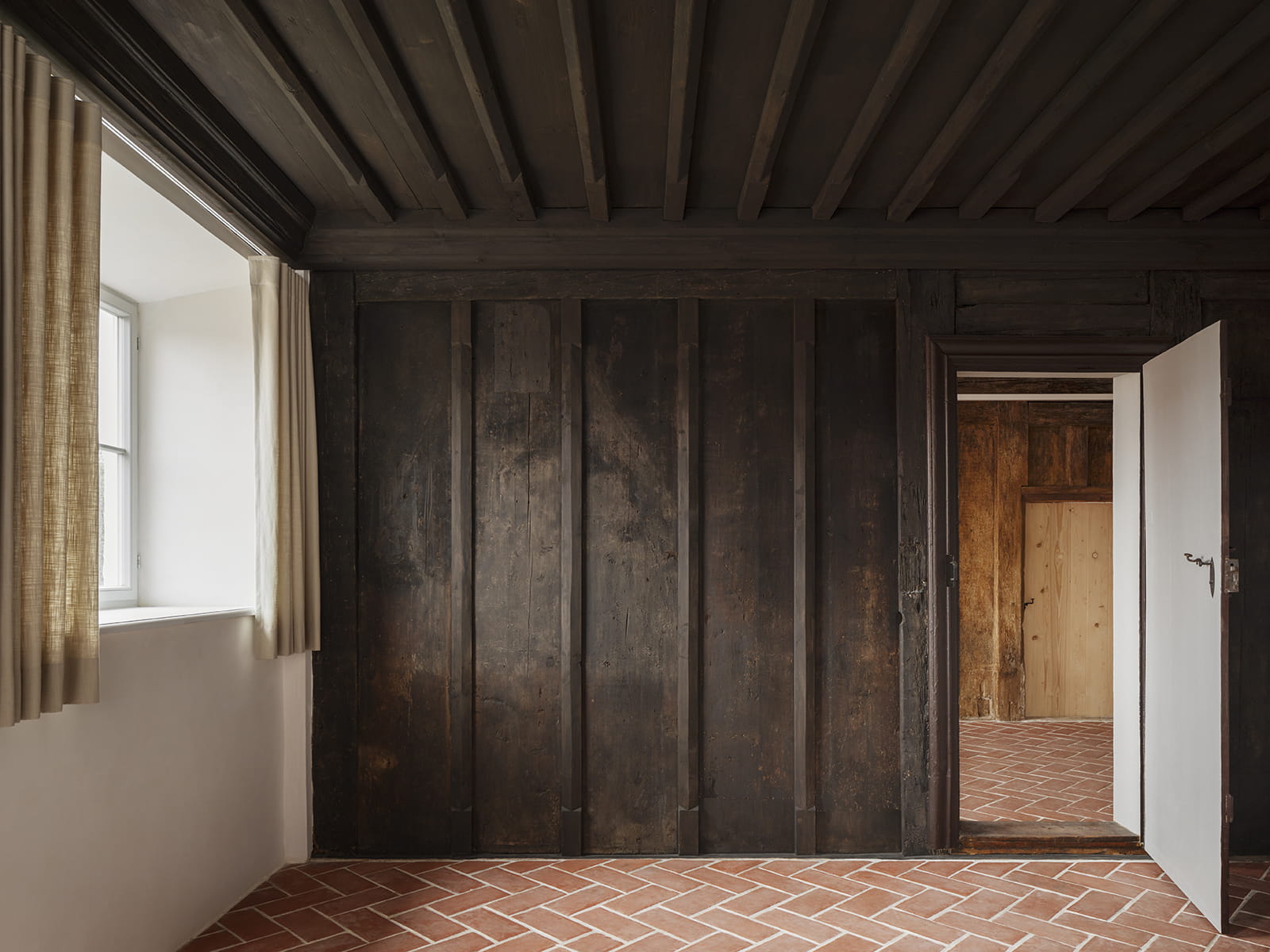
Sand from Frickenhausen, limestone from Altmannstein and spruce from the Sachsenrieder forest were employed throughout; hand-made bricks were used to articulate new floors that complement the medieval and baroque strata of the interior.
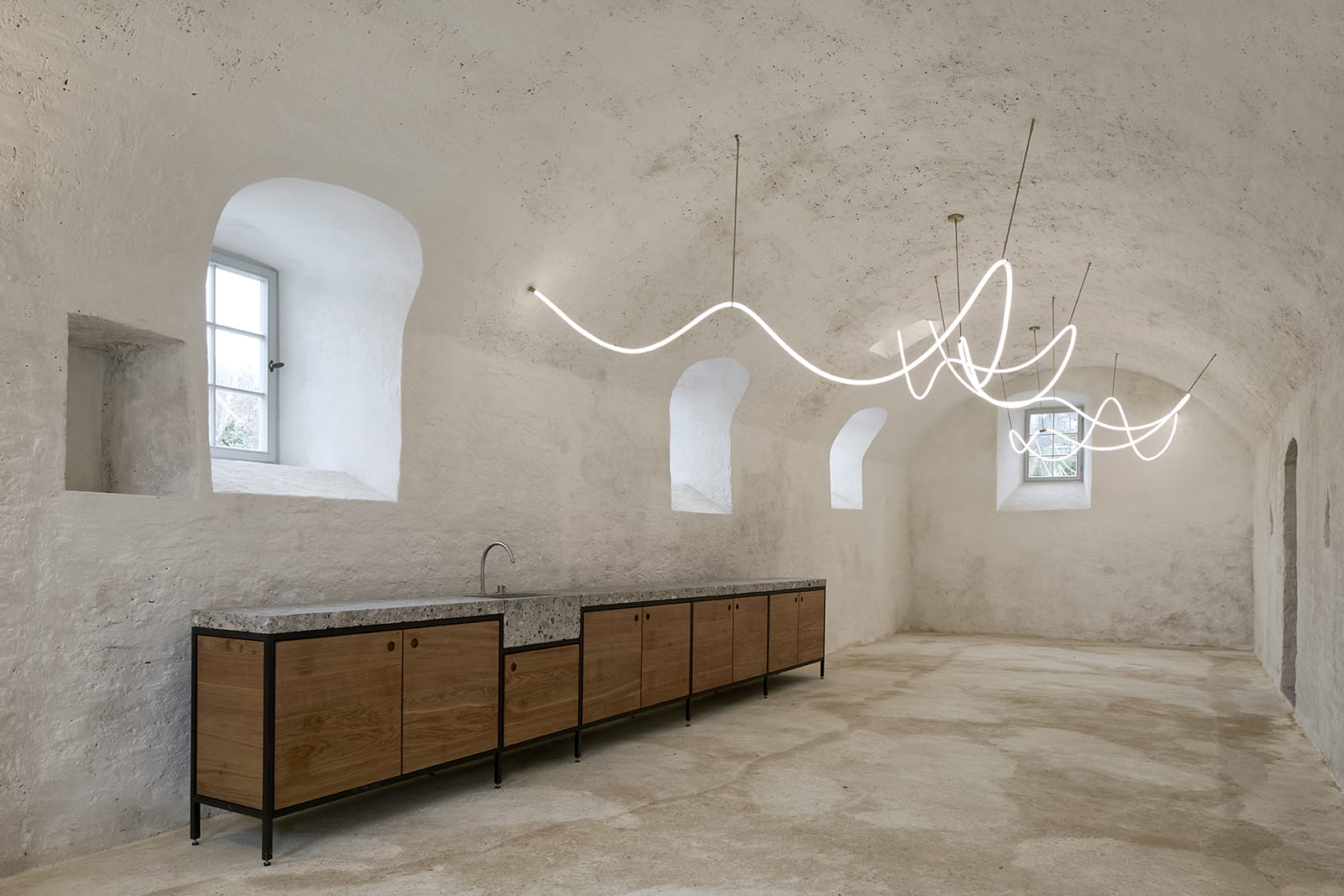
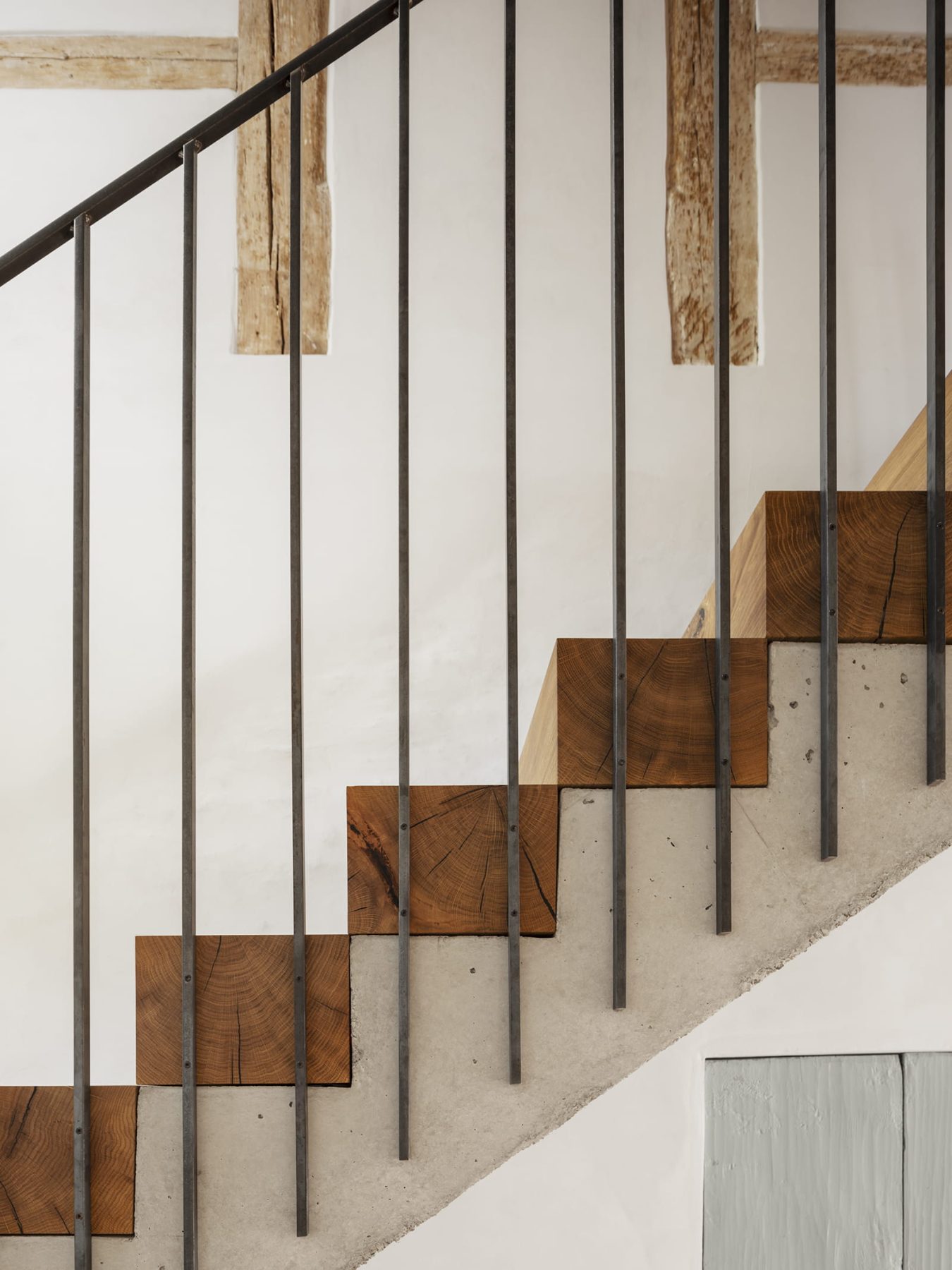
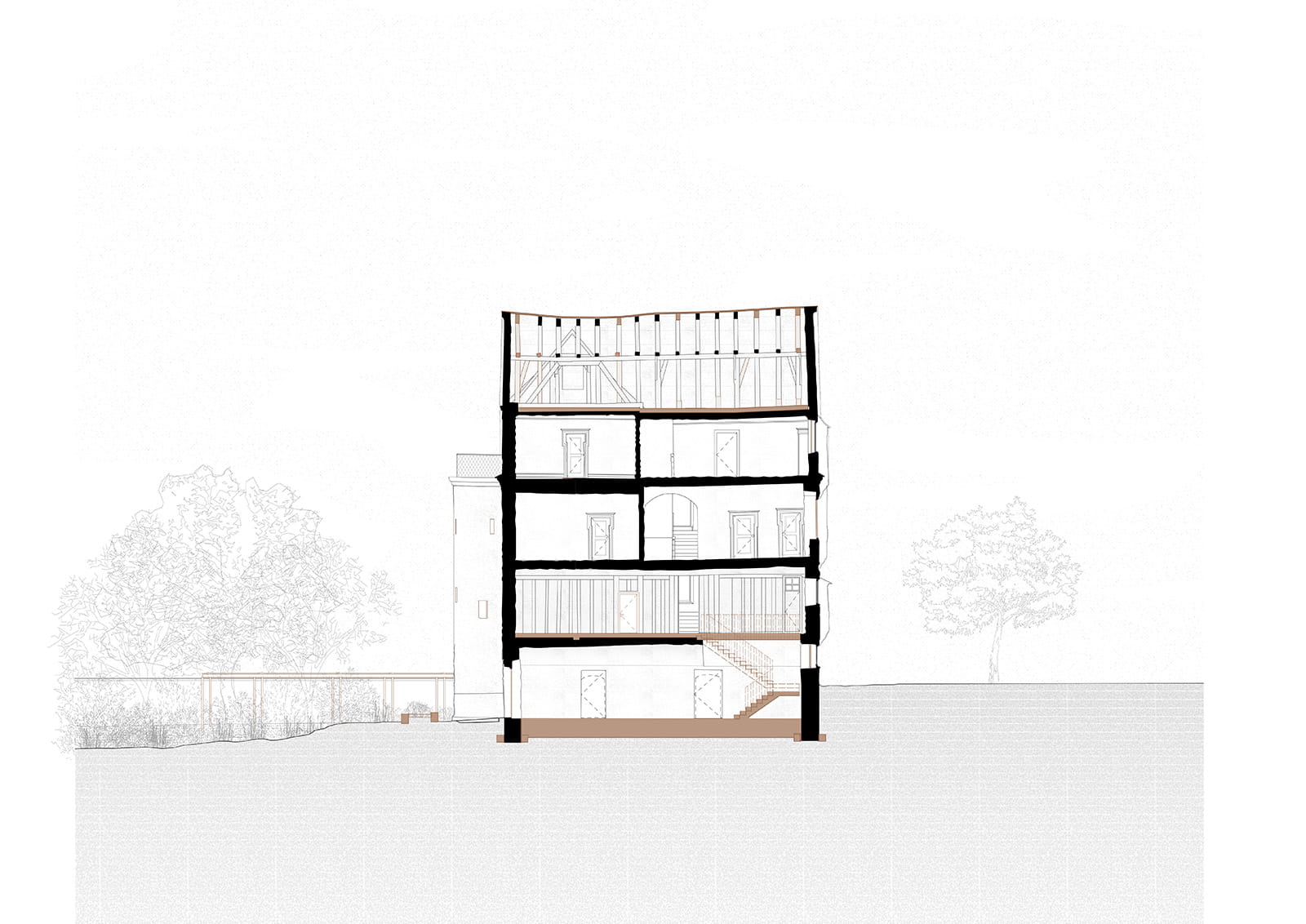
Structural upgrades were executed with a delicate balance of precision and restraint: foundations were underpinned and reinforced, and a secondary steel frame was integrated to meet modern standards without obscuring historic fabric.
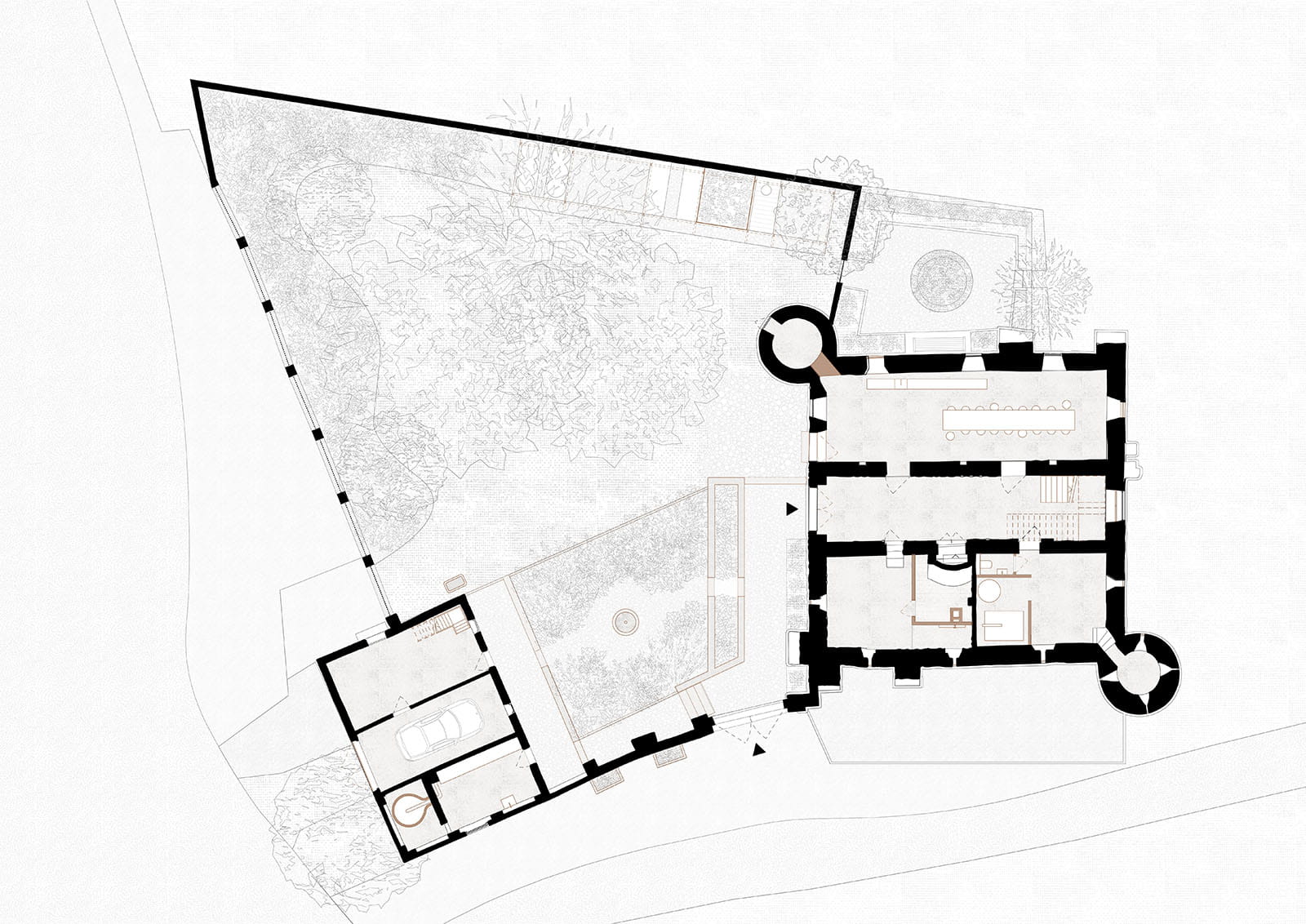
Inside, the ground floor now accommodates a semi-public cultural space — a gesture towards community engagement that situates the castle as both a dwelling and a locus for local life.
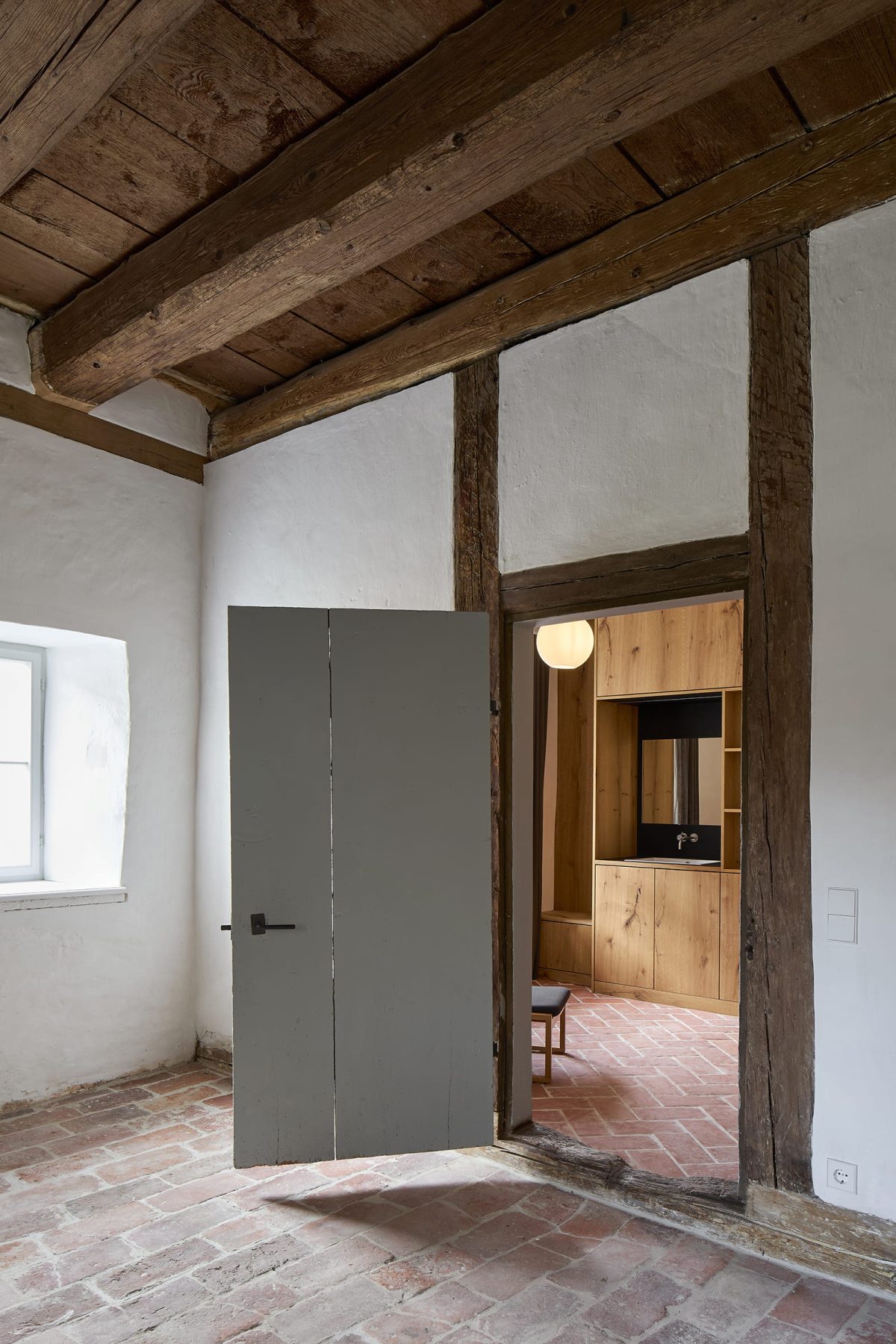
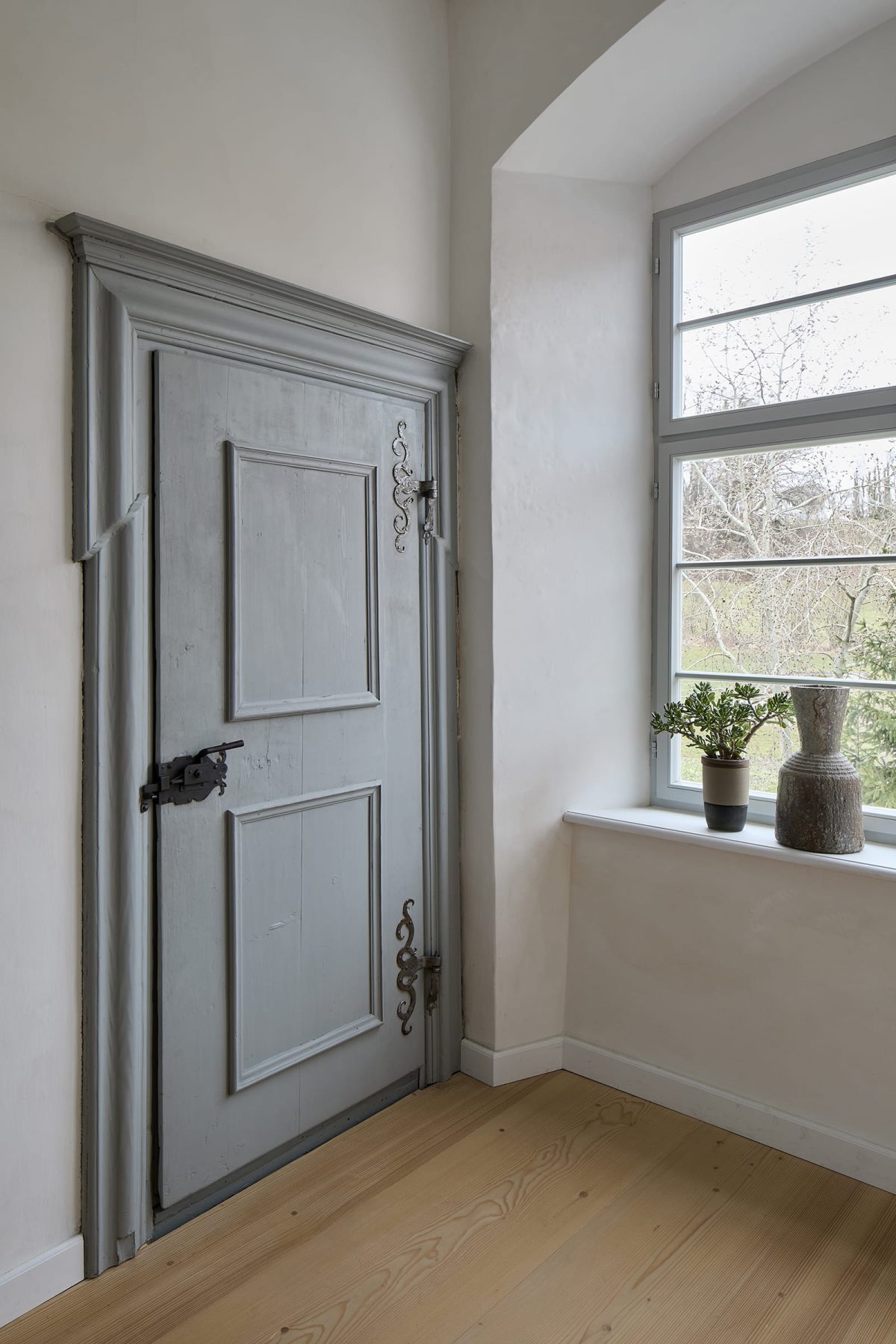
Throughout the upper floors, the restoration celebrates original elements such as a timber Bohlen-Ständerwand and exposed historic framing, juxtaposed with new, craft-driven details that clearly express their contemporary date. Surfaces such as the traditionally formulated dry-slaked lime plaster and a Kalkstampfboden (rammed lime floor) not only resonate with the castle’s material history but also contribute to refined environmental comfort within the residence.
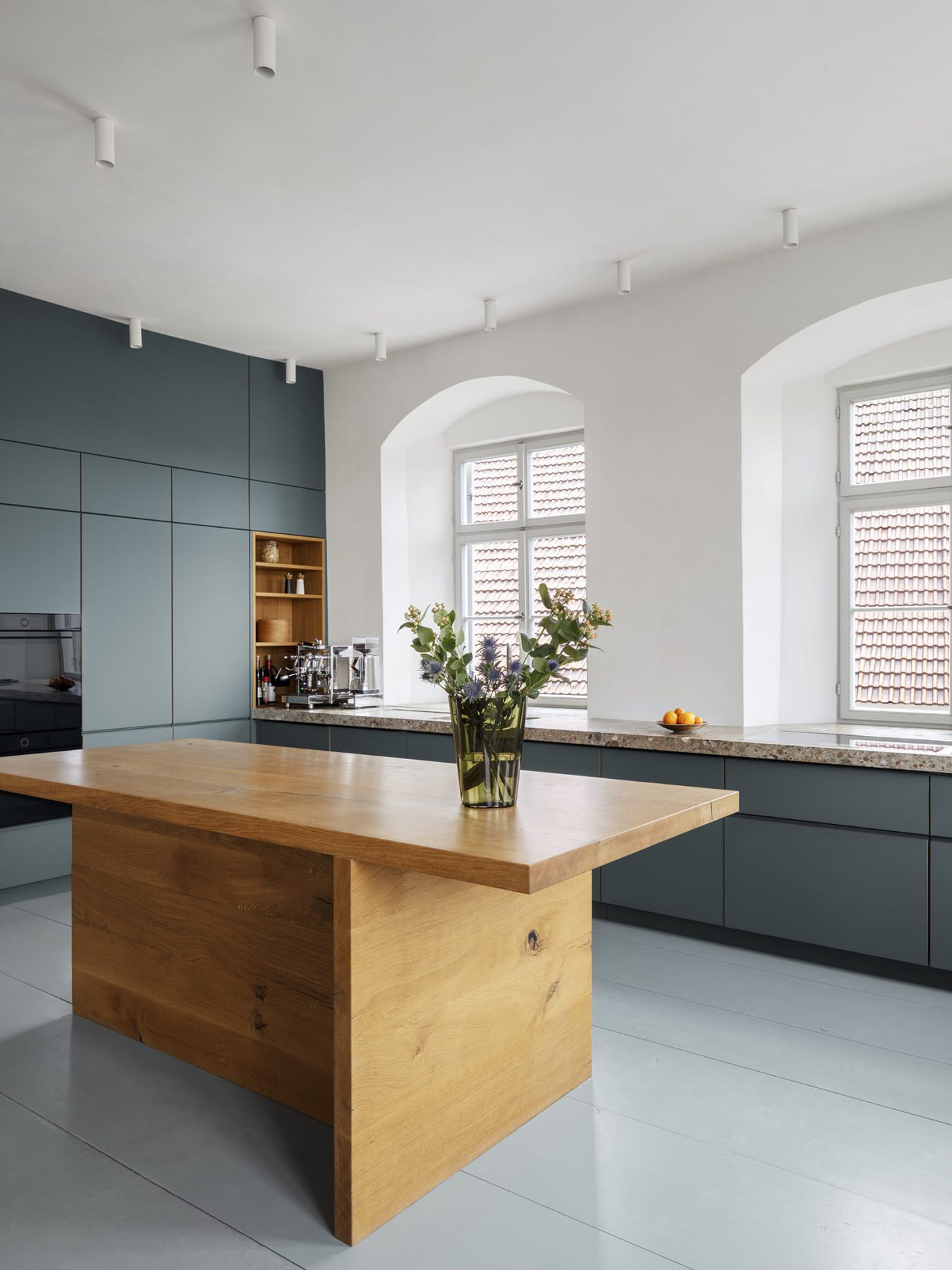
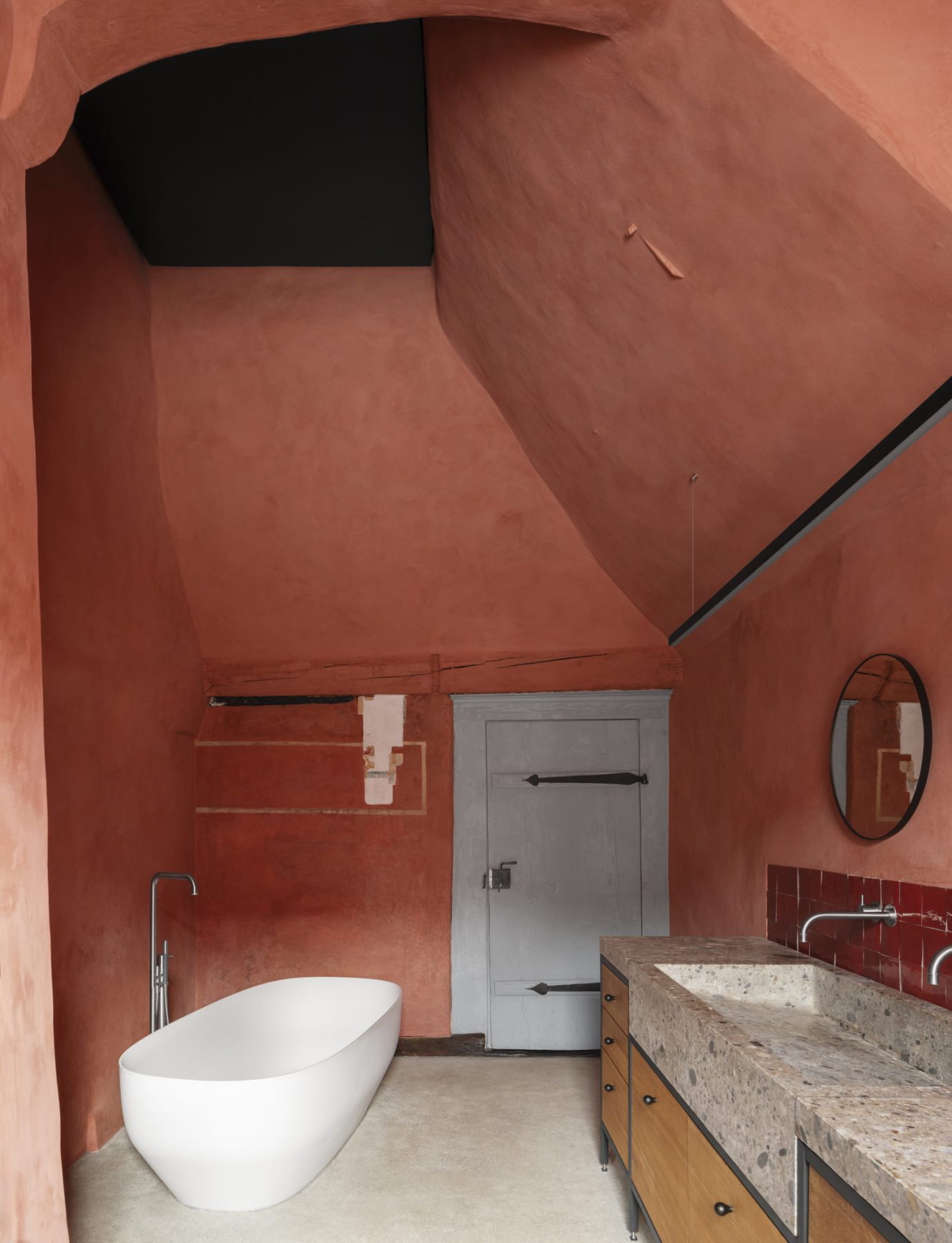
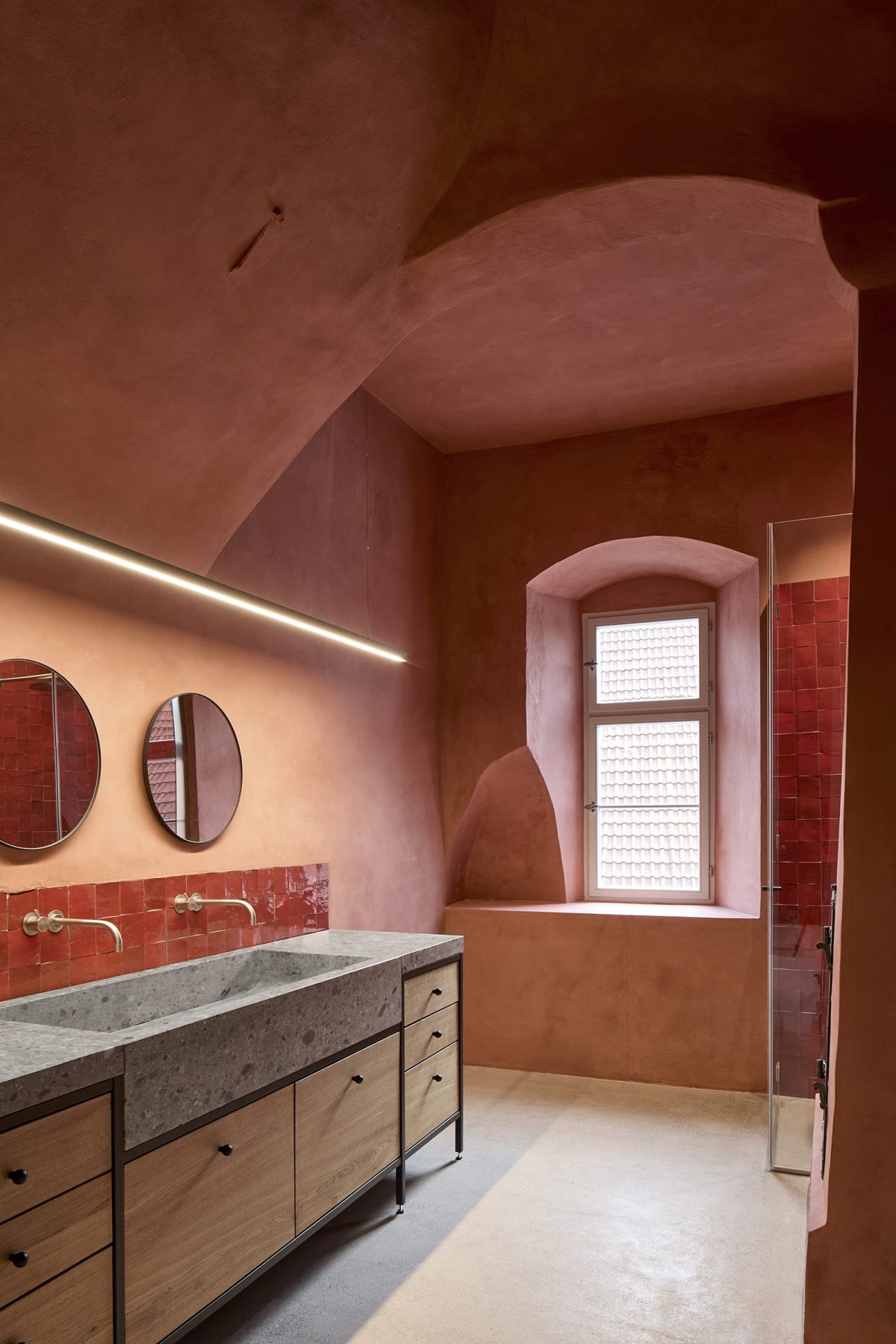
The result is a living environment that offers a calibrated dialogue between past and present.
In bringing the Vöhlinschloss into the 21st century, the architects have demonstrated how sensitive restoration and thoughtful adaptation can craft a home that respects its historic identity while accommodating contemporary life.
Drawings
Facts & Credits
Title Living in a Monument – Renovation of Vöhlinschloss in Frickenhausen
Typology Architecture, Restoration
Location Frickenhausen, Germany
Status Completed, 2023
Architecture Kern Architekten
Photography Célia Uhalde, Nicolas Felder
Text by the authors