This diploma thesis by Marina Kokkinou and Konstantina Myrianthousi, explores architecture as a dynamic and continuously evolving framework through which complex spatial, social, and political relationships within the city can be interpreted and renegotiated.
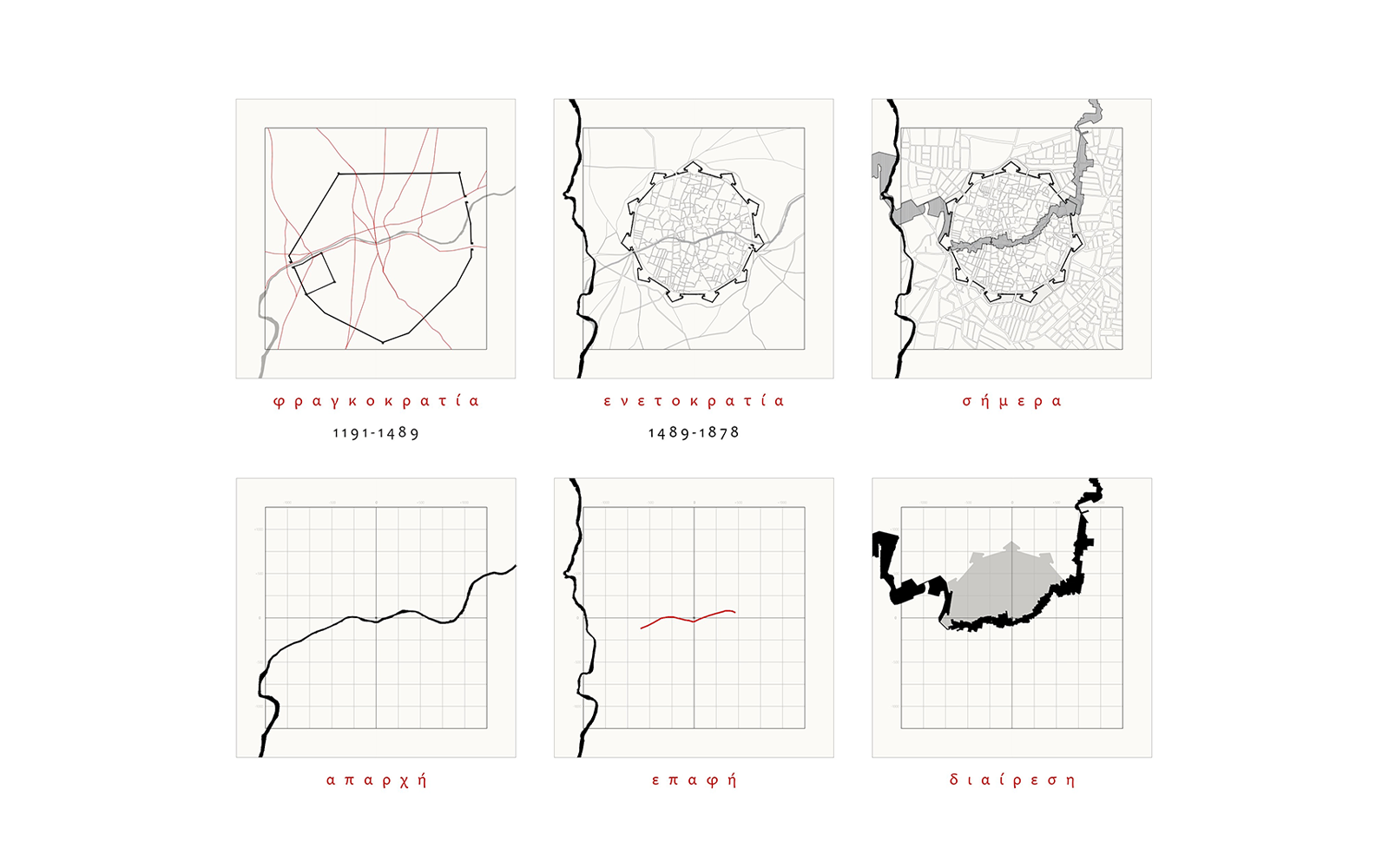
The study focuses on the Buffer Zone of Nicosia, a uniquely charged urban condition that embodies historical trauma, cultural stratification, and political division.
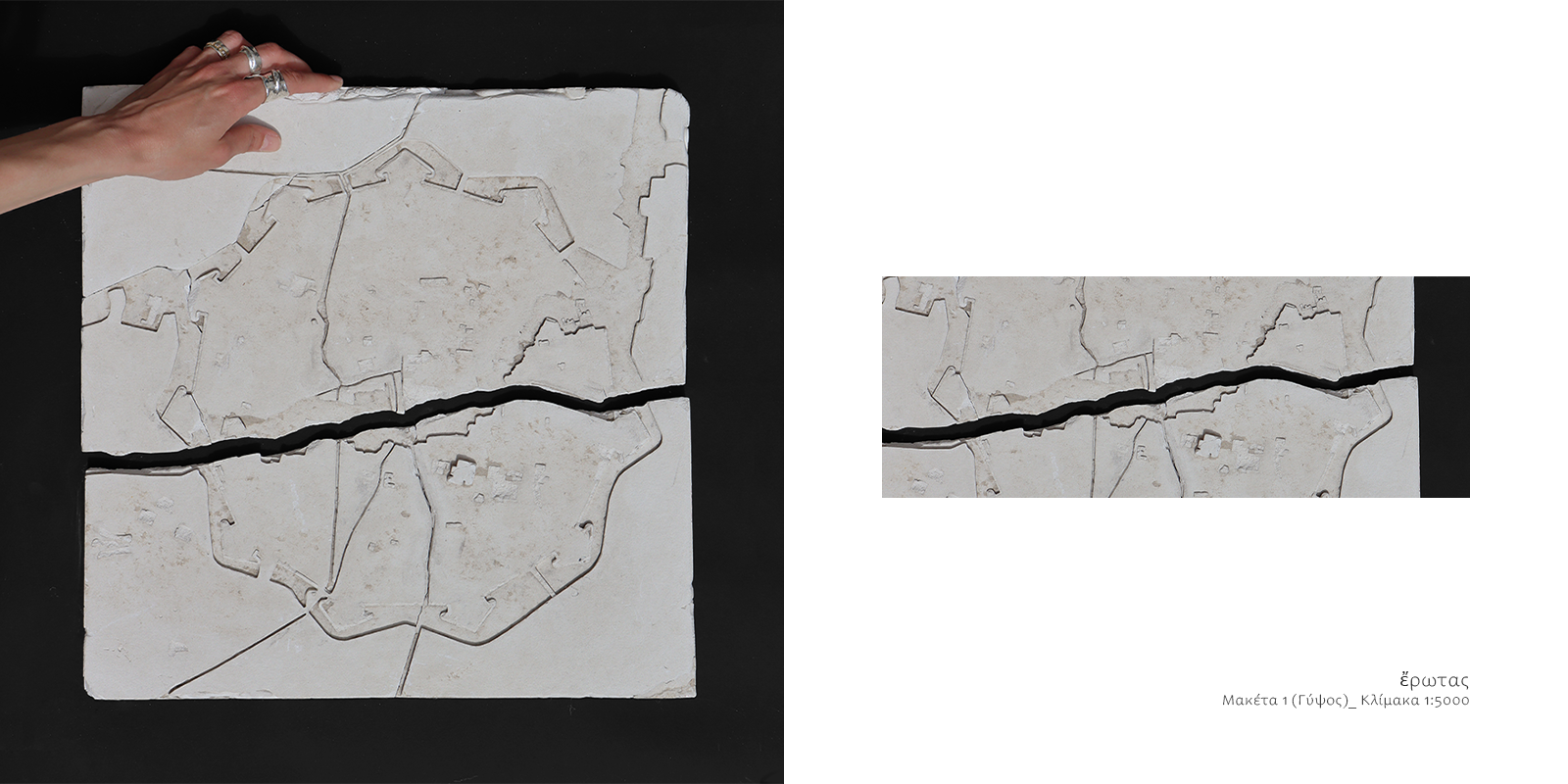
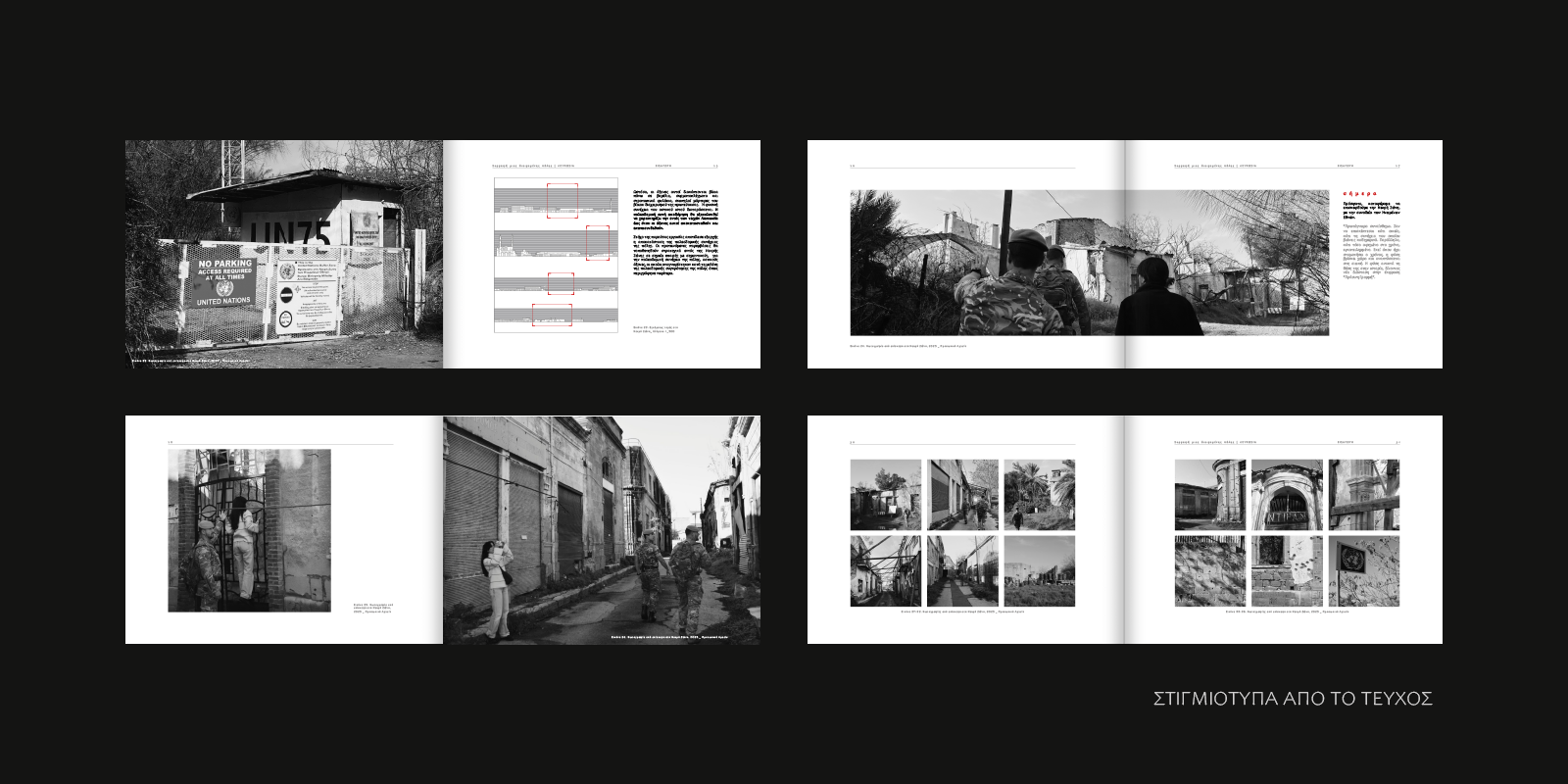
As the last divided capital in Europe, Nicosia offers a critical ground for examining how architecture may operate as a spatial medium for coexistence, memory, and dialogue.
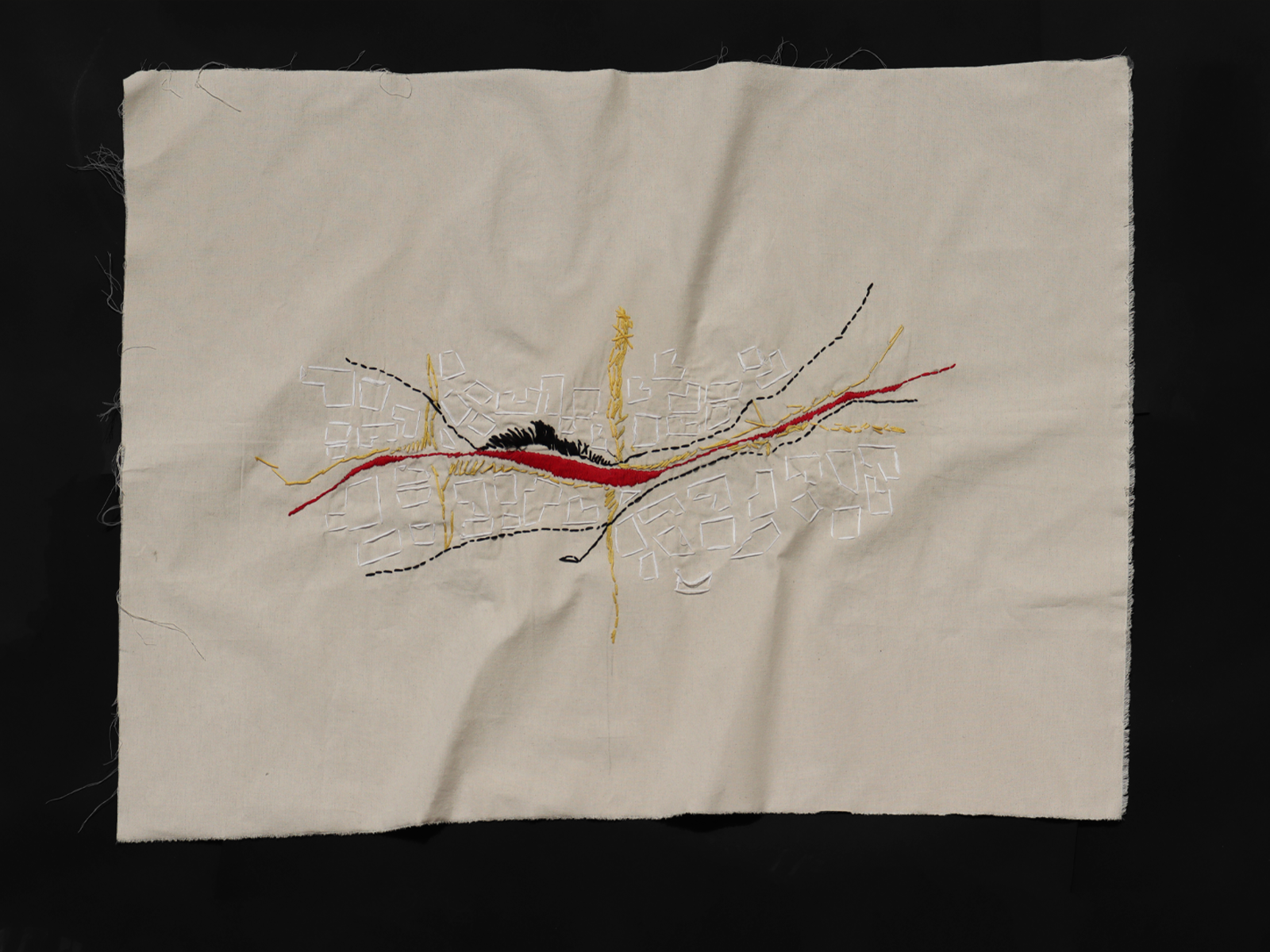
The Green Line, which today physically and symbolically divides the historic walled city, coincides with the former course of the Pedieos River—a natural element that shaped the city’s development from antiquity through the medieval period.
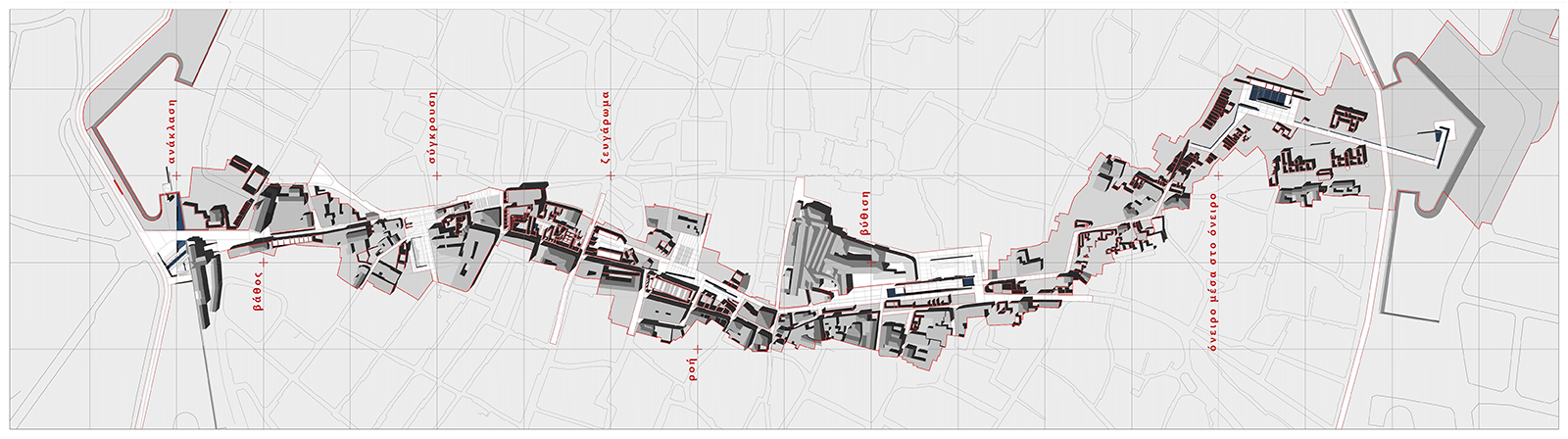
This historical overlap between natural infrastructure and imposed political boundary becomes a central conceptual and compositional tool of the project. Rather than proposing the literal reappearance of the river, the design reinterprets its symbolic properties as mechanisms for reconnecting fragmented urban space.
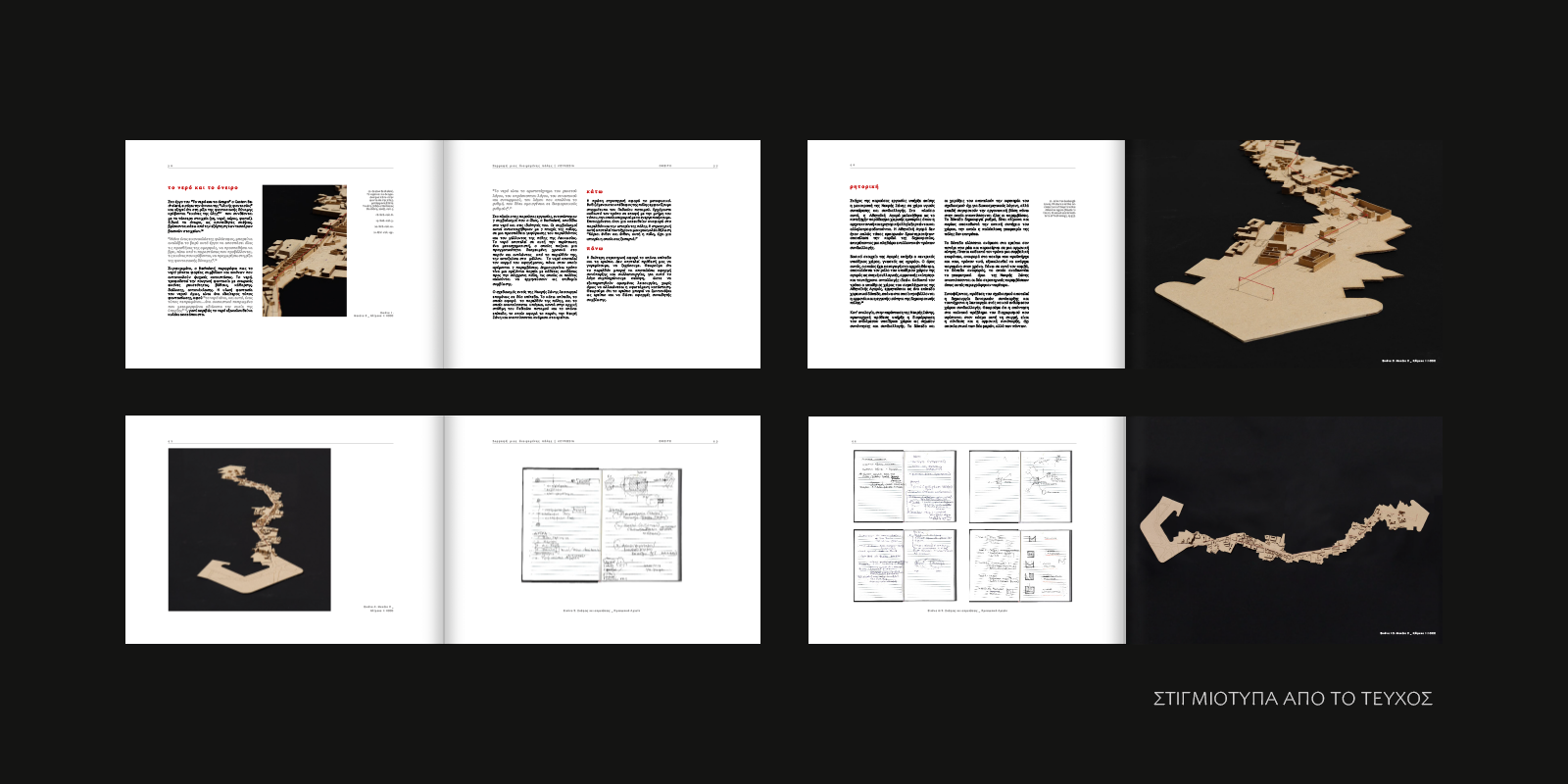
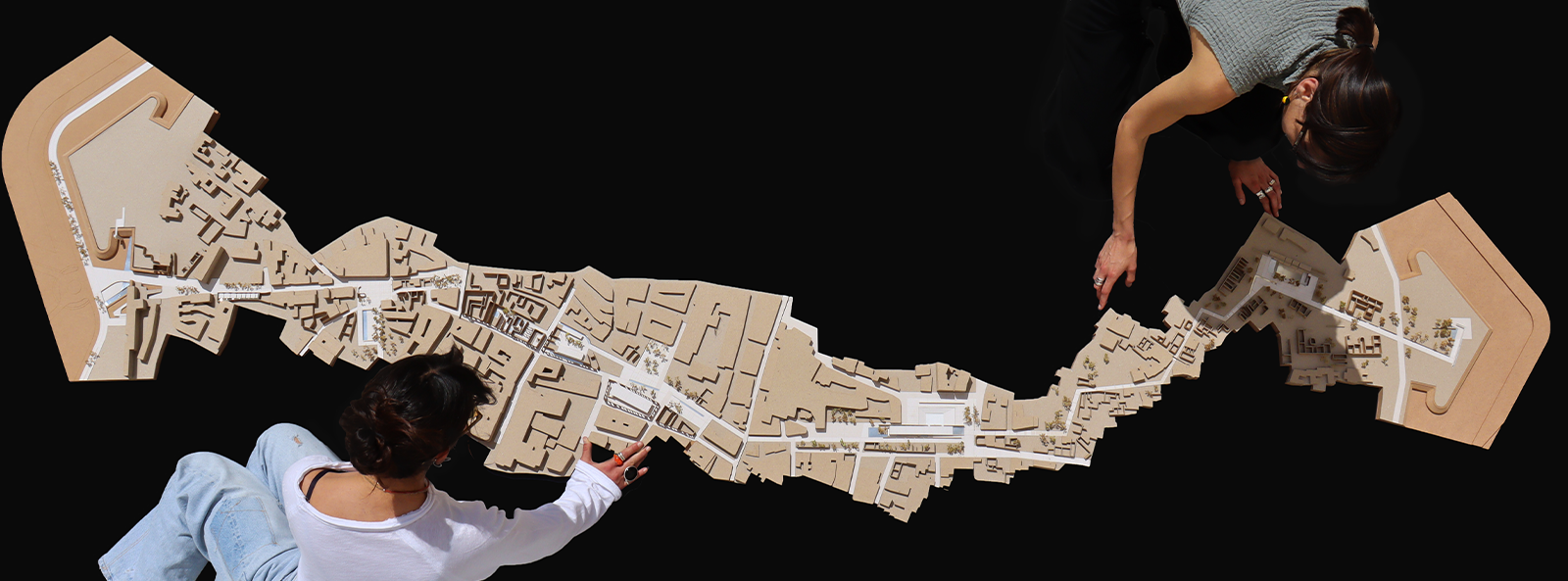
The thesis proposes the redesign of the inaccessible Buffer Zone as a shared intermediate territory, informed by collective memory.
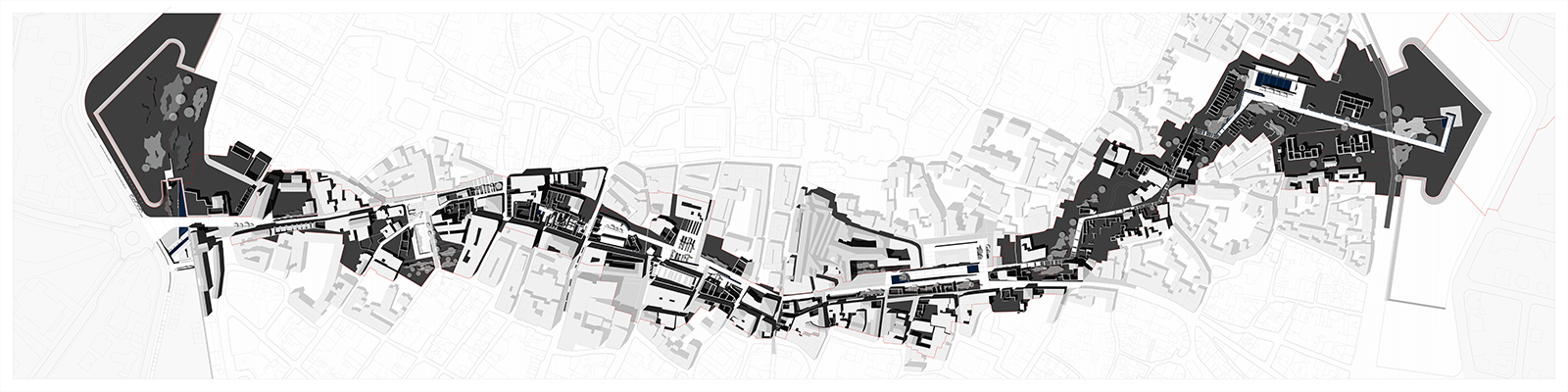
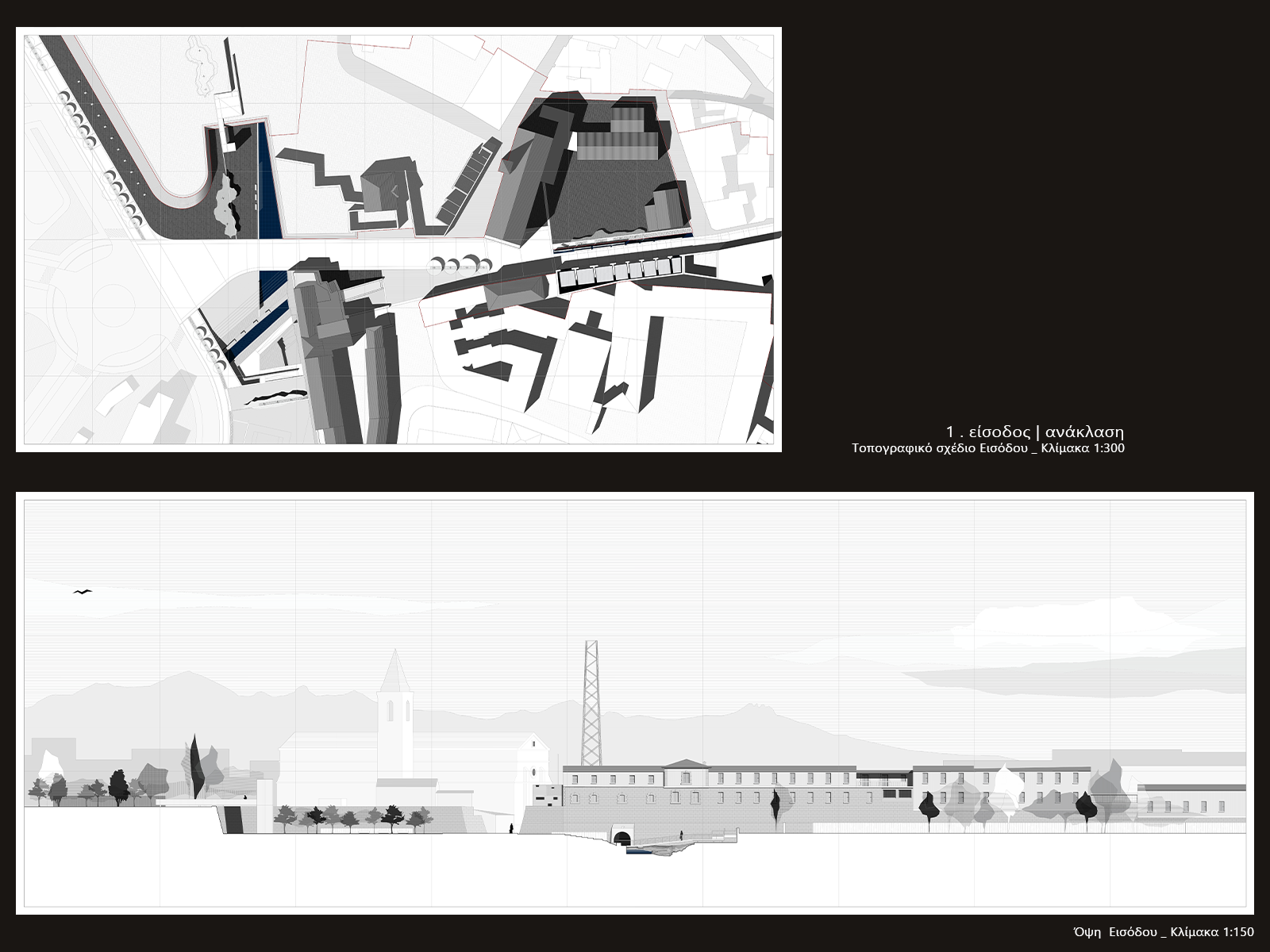
Drawing from Gaston Bachelard’s theory of water as a carrier of poetic and existential meaning, water is employed as a spatial and symbolic mediator between past, present, and future. It functions as a transformative element that activates memory, enables reflection, and suggests continuity beyond fixed political narratives. Seven spatial interventions are developed along a linear sequence that follows the historic riverbed, each corresponding to a specific symbolic quality of water—reflection, depth, violence, pairing of images, flow, immersion, and dreaming.
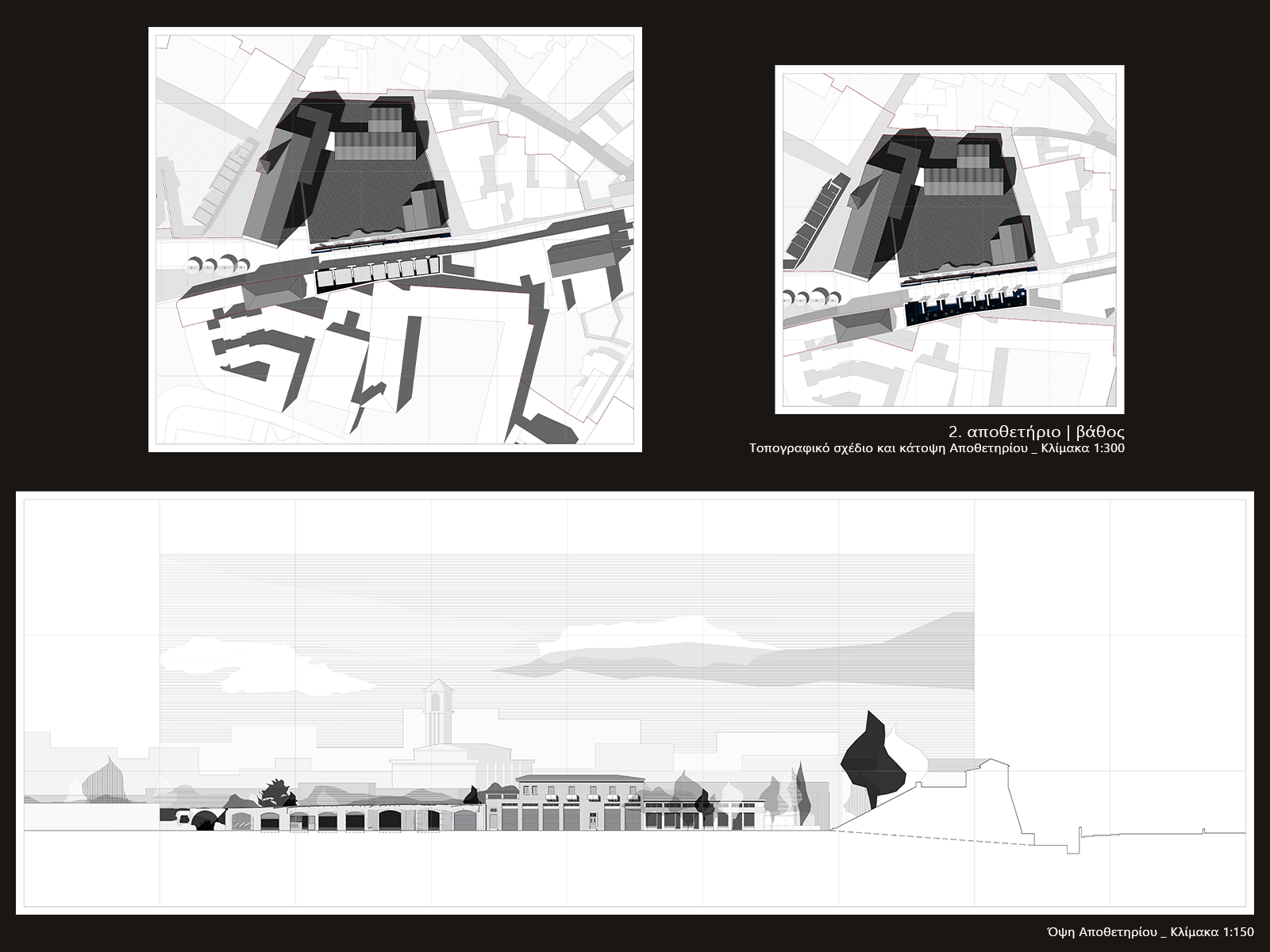
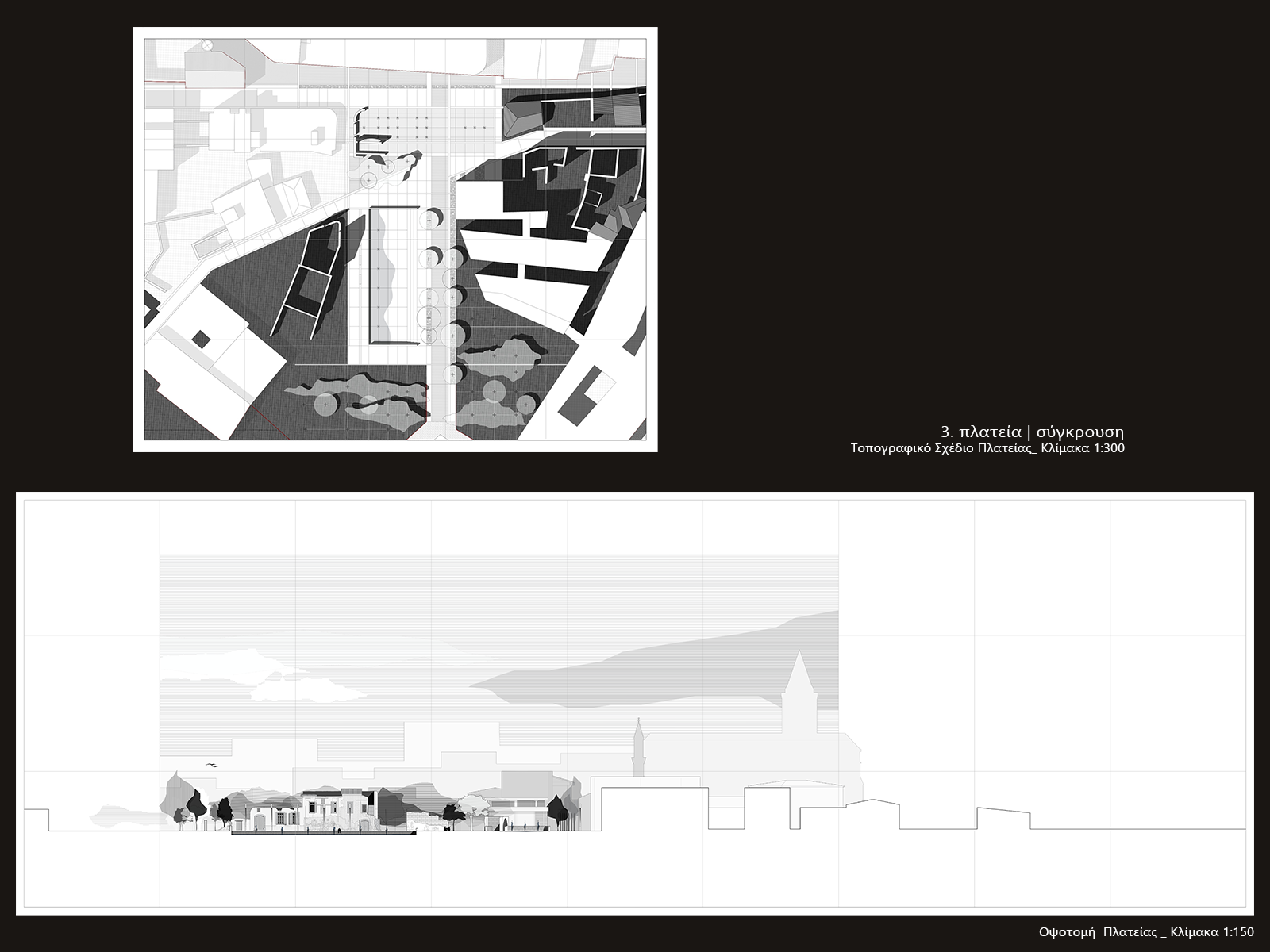
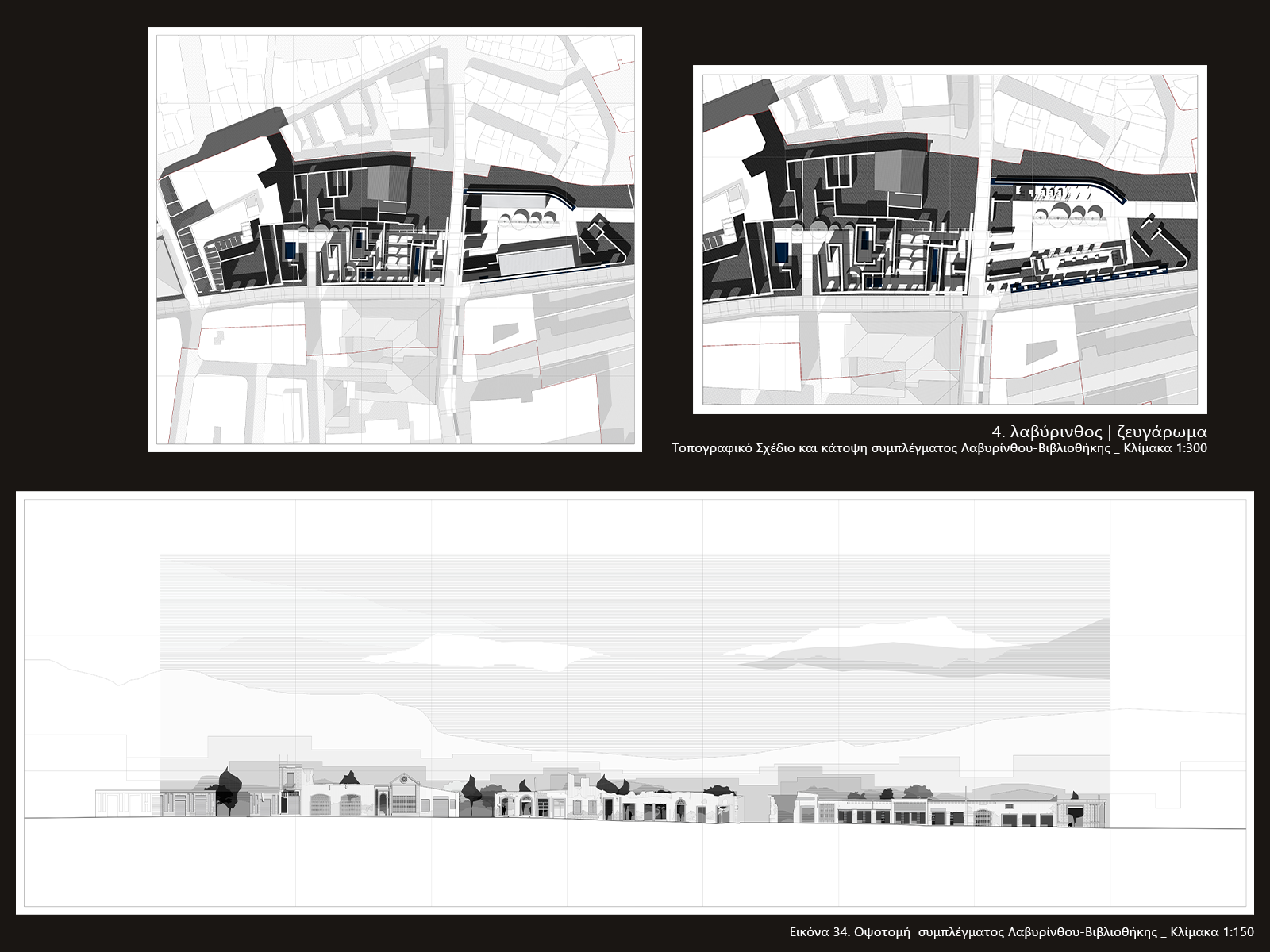
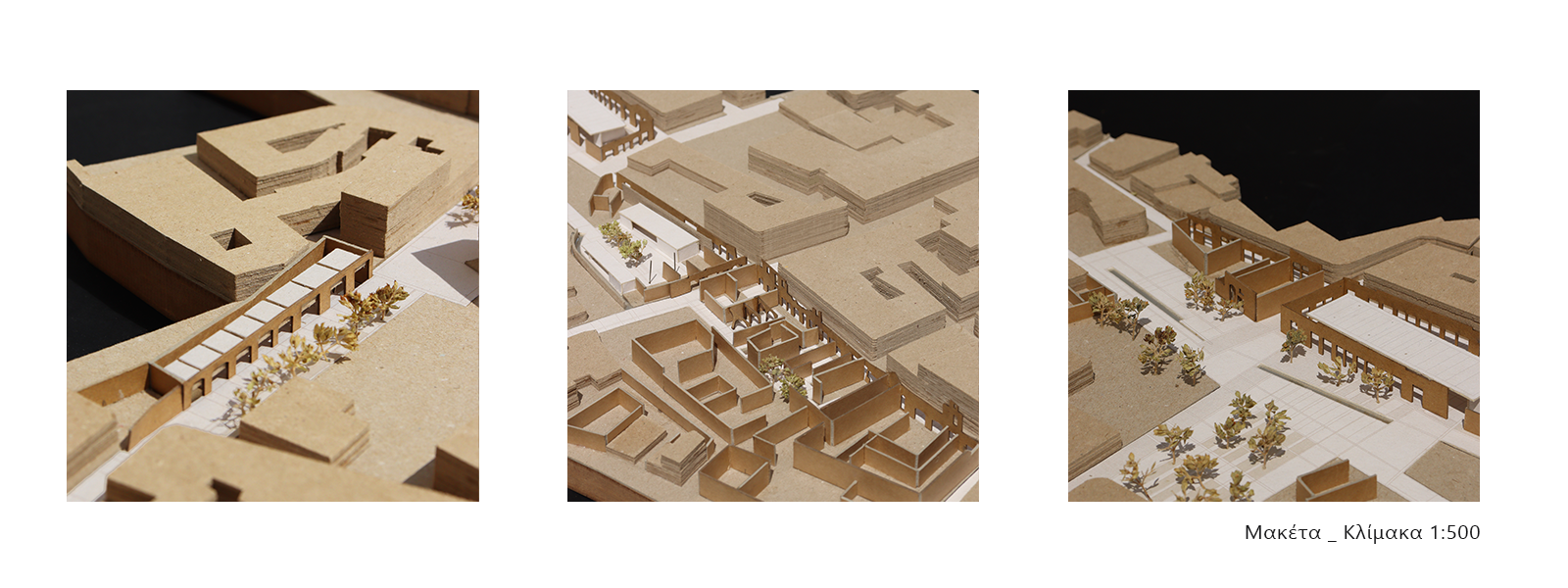
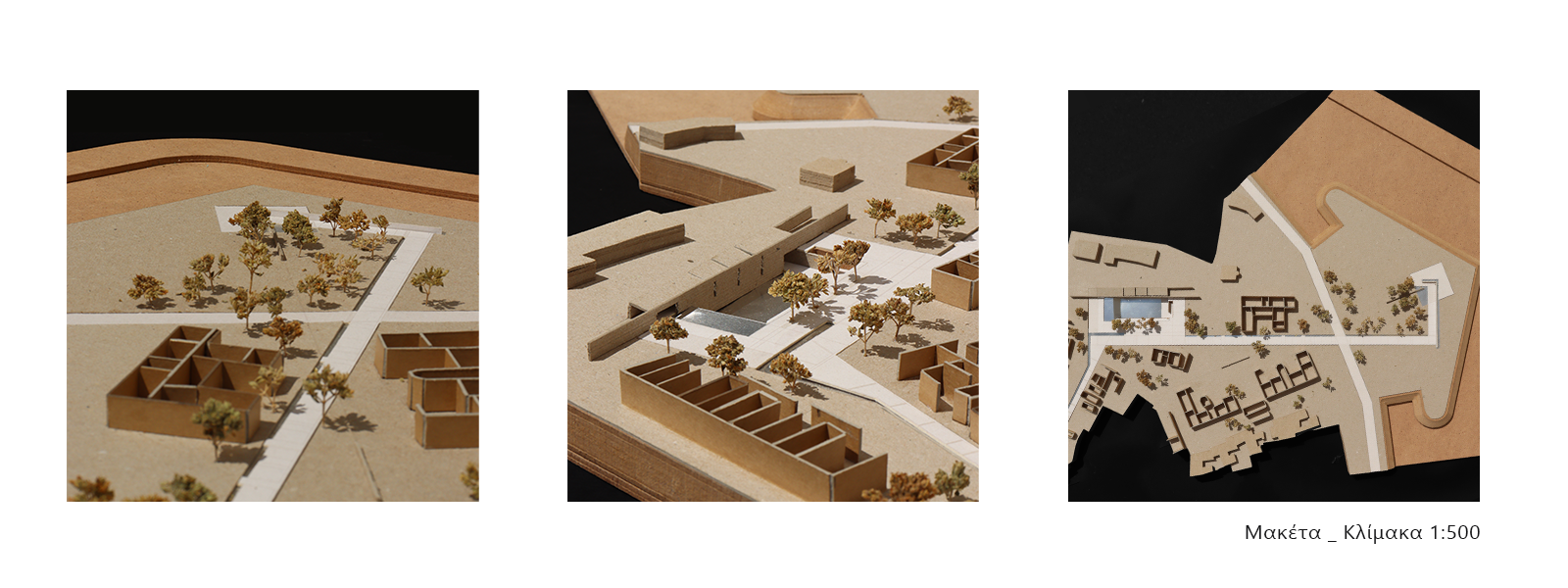
The project operates on two interrelated levels. The subterranean level reconnects the city with its buried past, tracing the original riverbed and reintroducing water as an experiential and mnemonic presence. This descent becomes an encounter with historical depth and collective memory. The upper level engages directly with the existing ruins of the Buffer Zone, proposing architectural interventions that preserve their fragmentary condition while enabling new uses.
Ruins are not erased but activated, allowing the past to coexist with contemporary life.
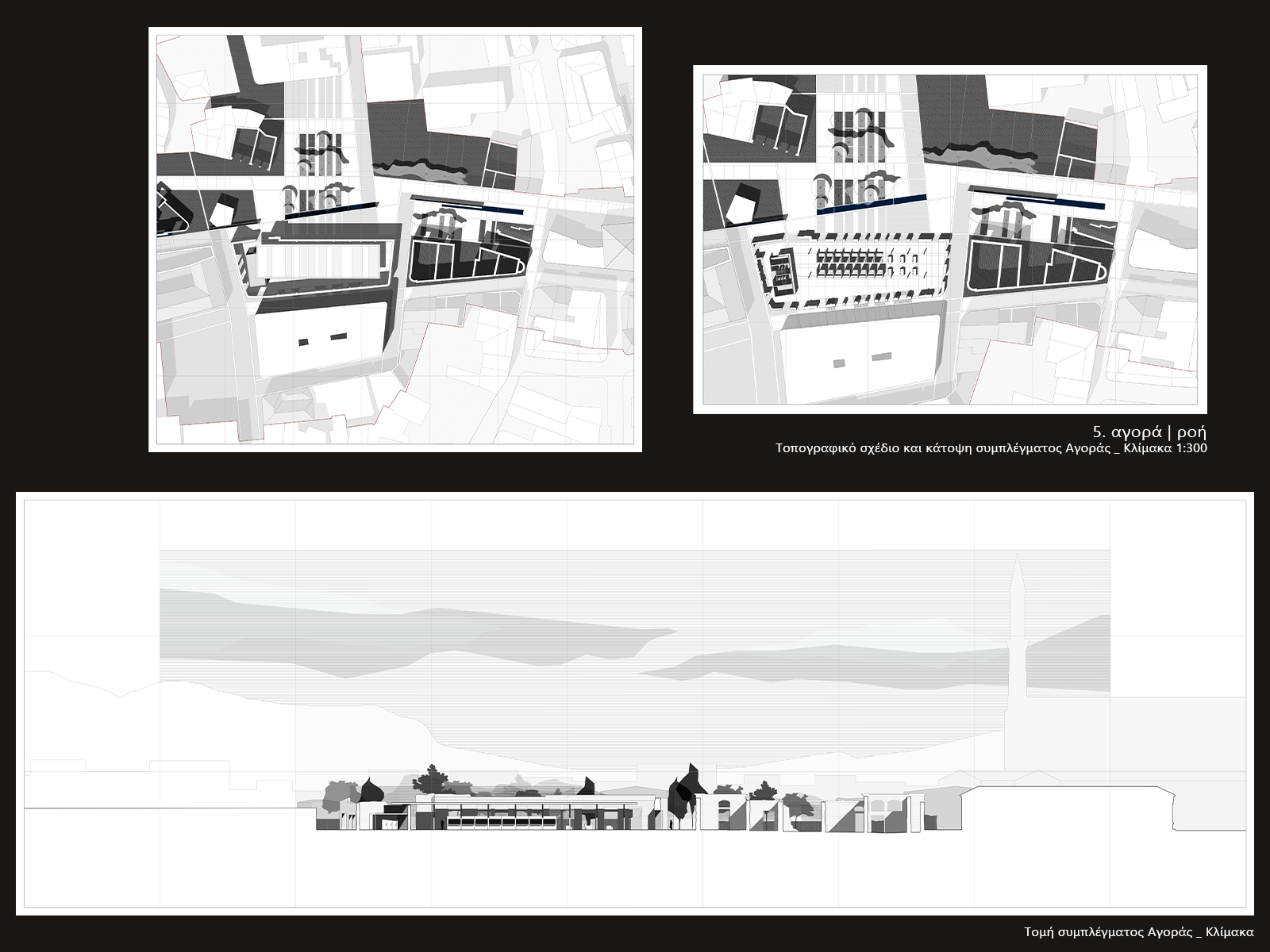
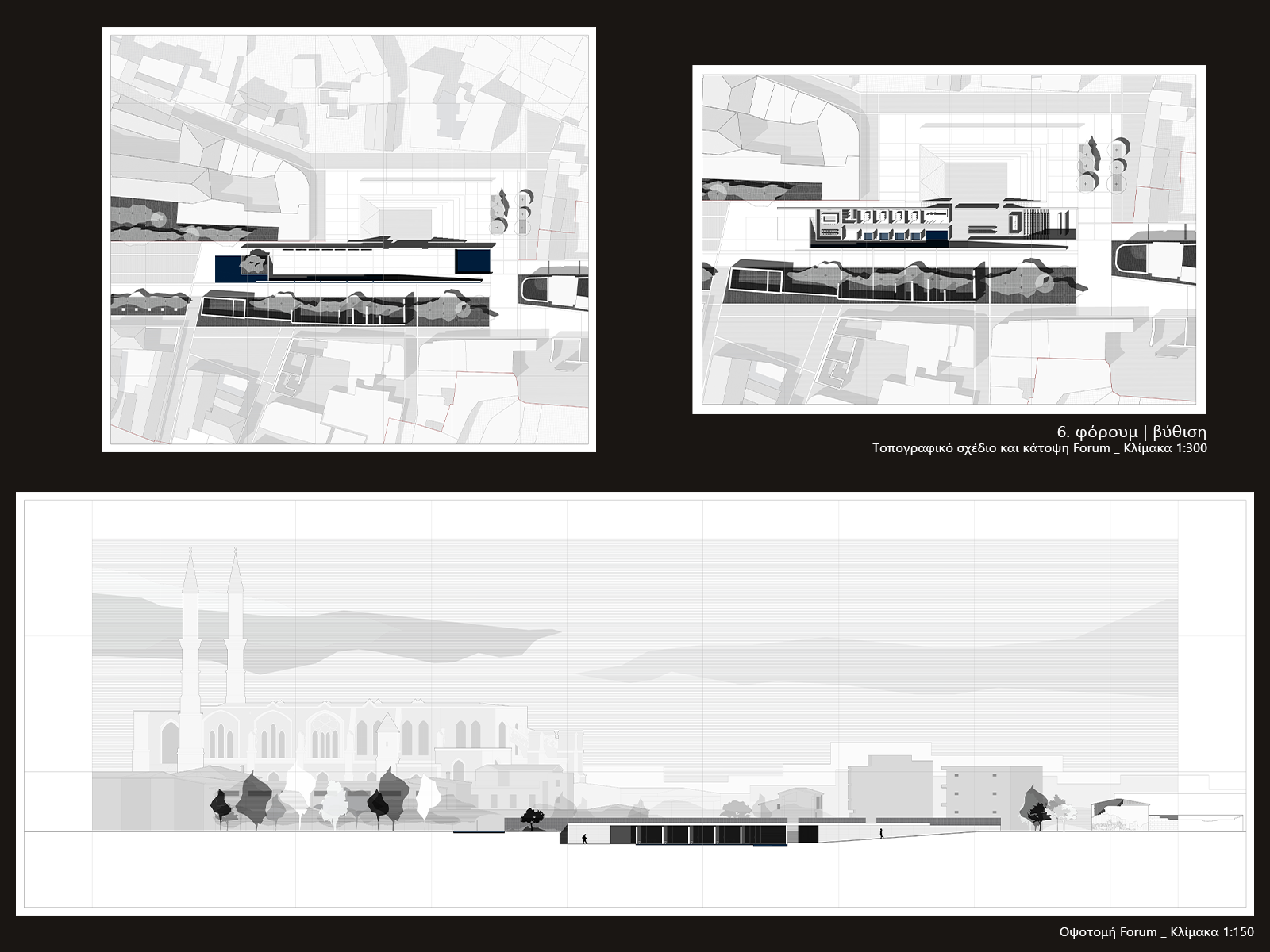
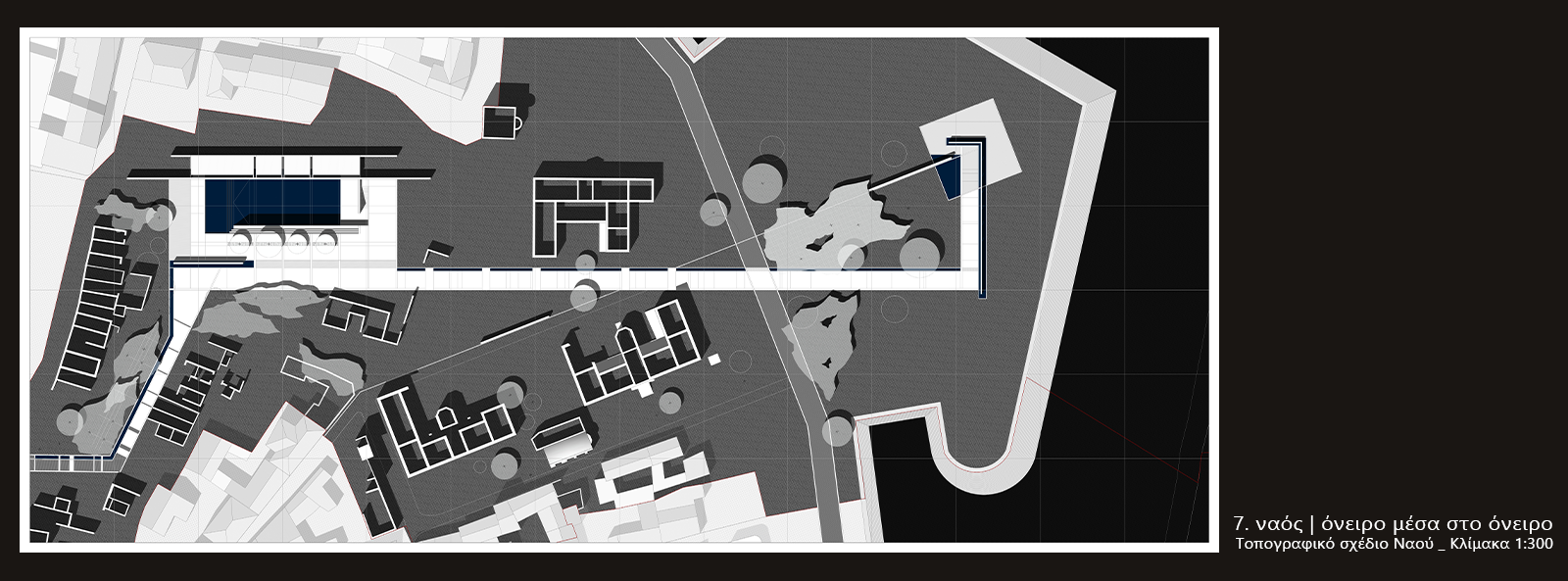
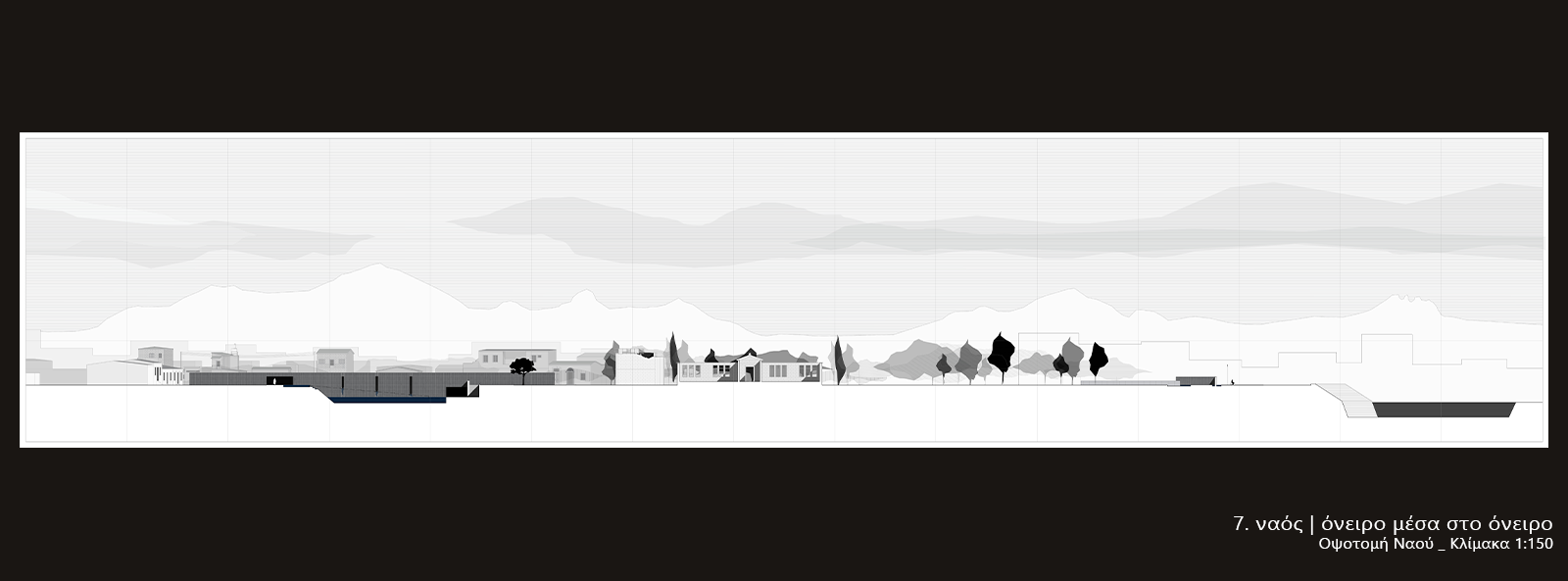
Urban continuity is further addressed through the strategic restoration of interrupted axes and flows, reconnecting significant urban landmarks on both sides of the divide. Inspired by the Athenian Agora, the project emphasizes the importance of the public space as a democratic field of encounter, rhetoric, and movement. The designed surfaces and paths operate as a unifying choreography, guiding citizens through a shared spatial narrative.
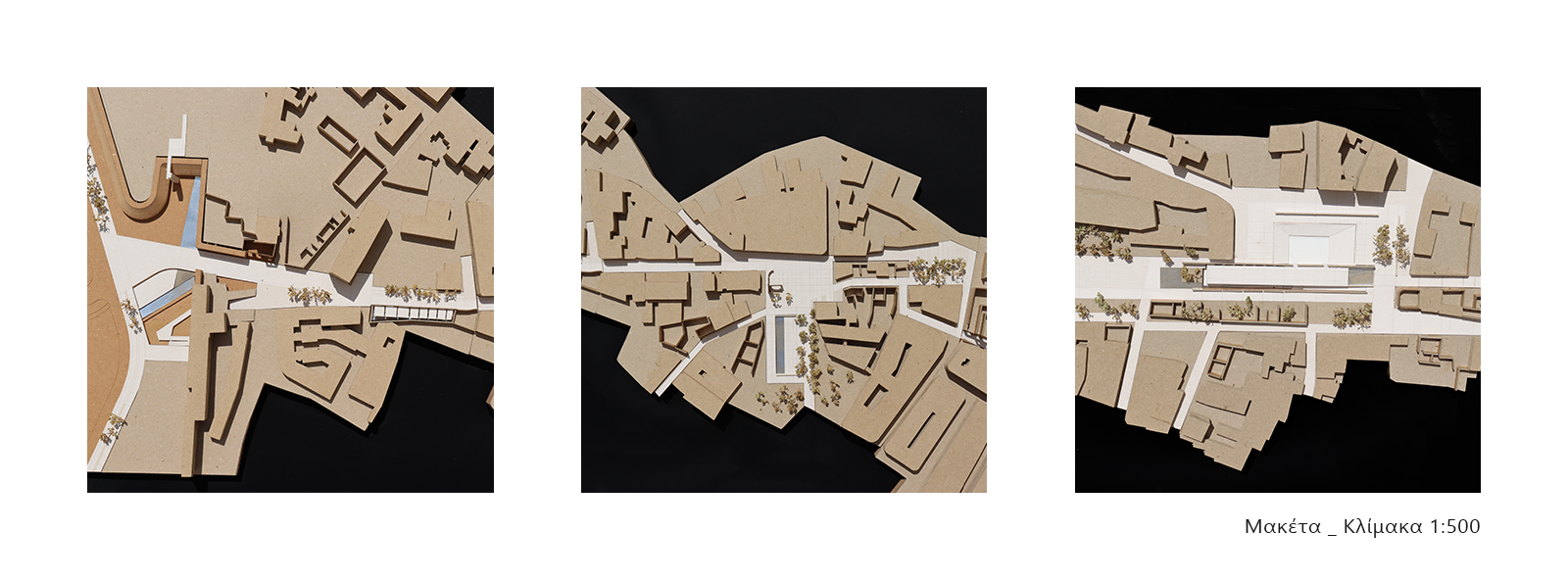
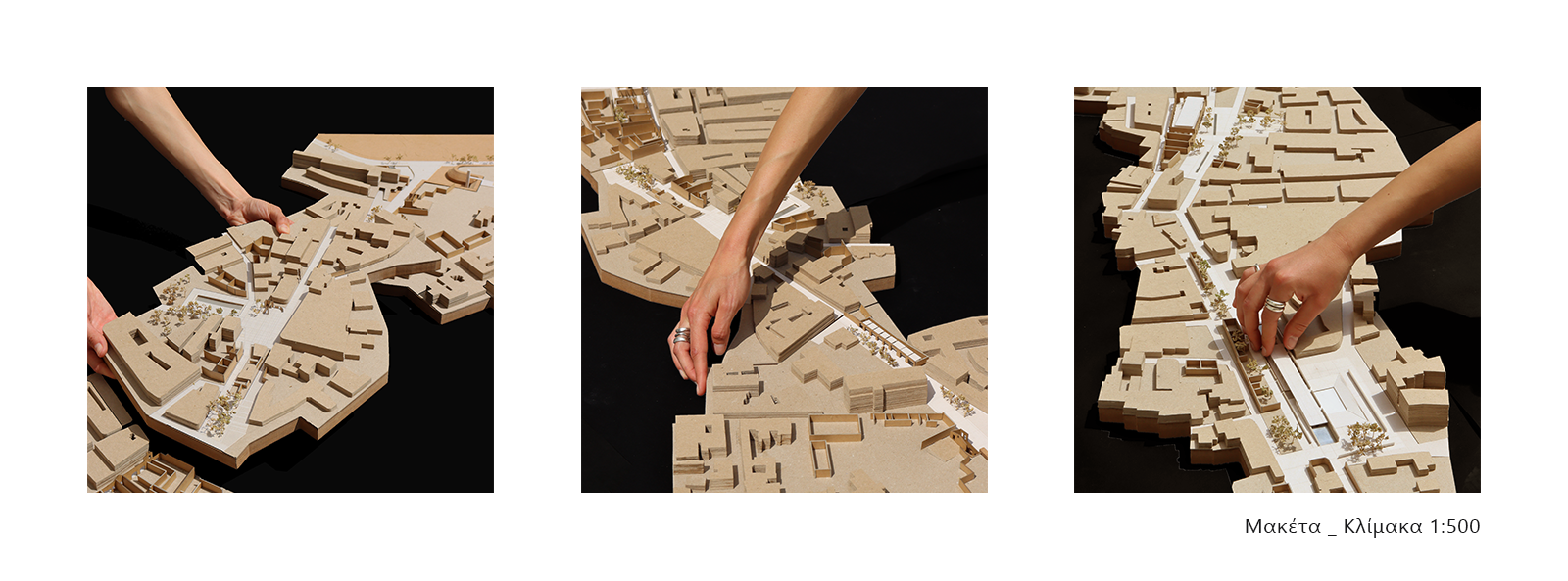
Ultimately, the thesis argues that the response to division—both in Nicosia and in contemporary cities globally—lies not in separation or erasure, but in synthesis and coexistence.
Architecture is proposed as a poetic and political act capable of cultivating shared spaces where difference is acknowledged and collective futures may emerge.
Facts & Credits
Project title Stitching a divided city: Nicosia
Typology Diploma Thesis
Presentation Date February 2025
Students Marina Kokkinou, Konstantina Myrianthousi
Supervisors Miltiades Katsaros, Emmanouil Stavrakakis
Institution Architecture School, NTUA