The ‘Rural Living’ series explores how architecture intersects with rural landscapes and agricultural ways of life, questioning how we inhabit territories beyond the city.
Set within the Swiss countryside, La Cret Farmhouse by Bard Yersin reinterprets an 18th-century agricultural dwelling through a precise act of subtraction. The project strips away later accretions to recover the spatial clarity of the original barn, reinstating the fourragère—once a linear feeding aisle—as the core of domestic life. Exposed structures and raw materials align contemporary living with the rhythms, heritage, and material honesty of rural architecture.
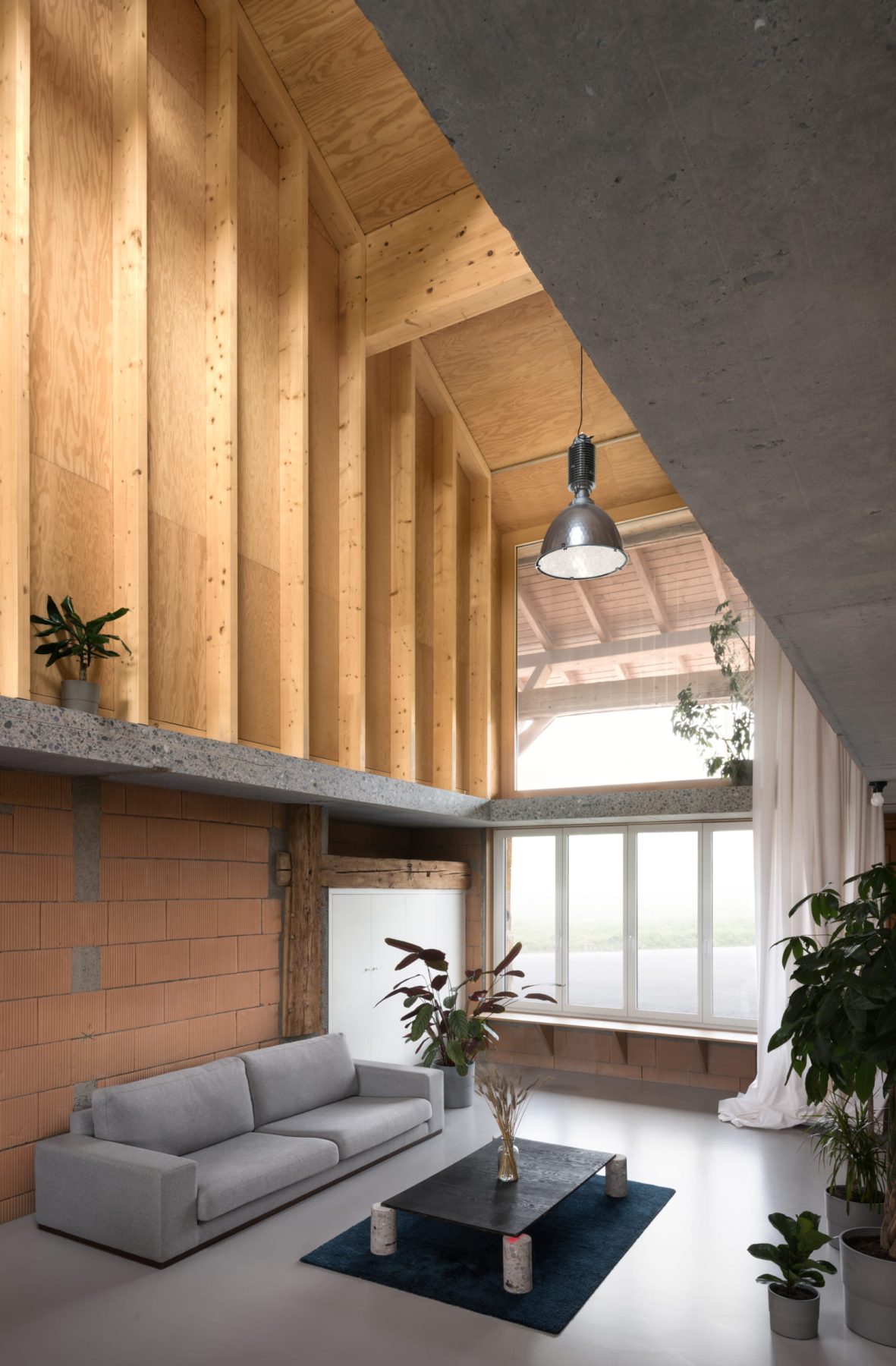
The project revisits an 18th-century farmhouse through an architectural approach that engages directly with its agricultural origins.
The architectural proposal explores how domestic life can once again align with the spatial logic, material honesty, and agricultural heritage of the countryside.
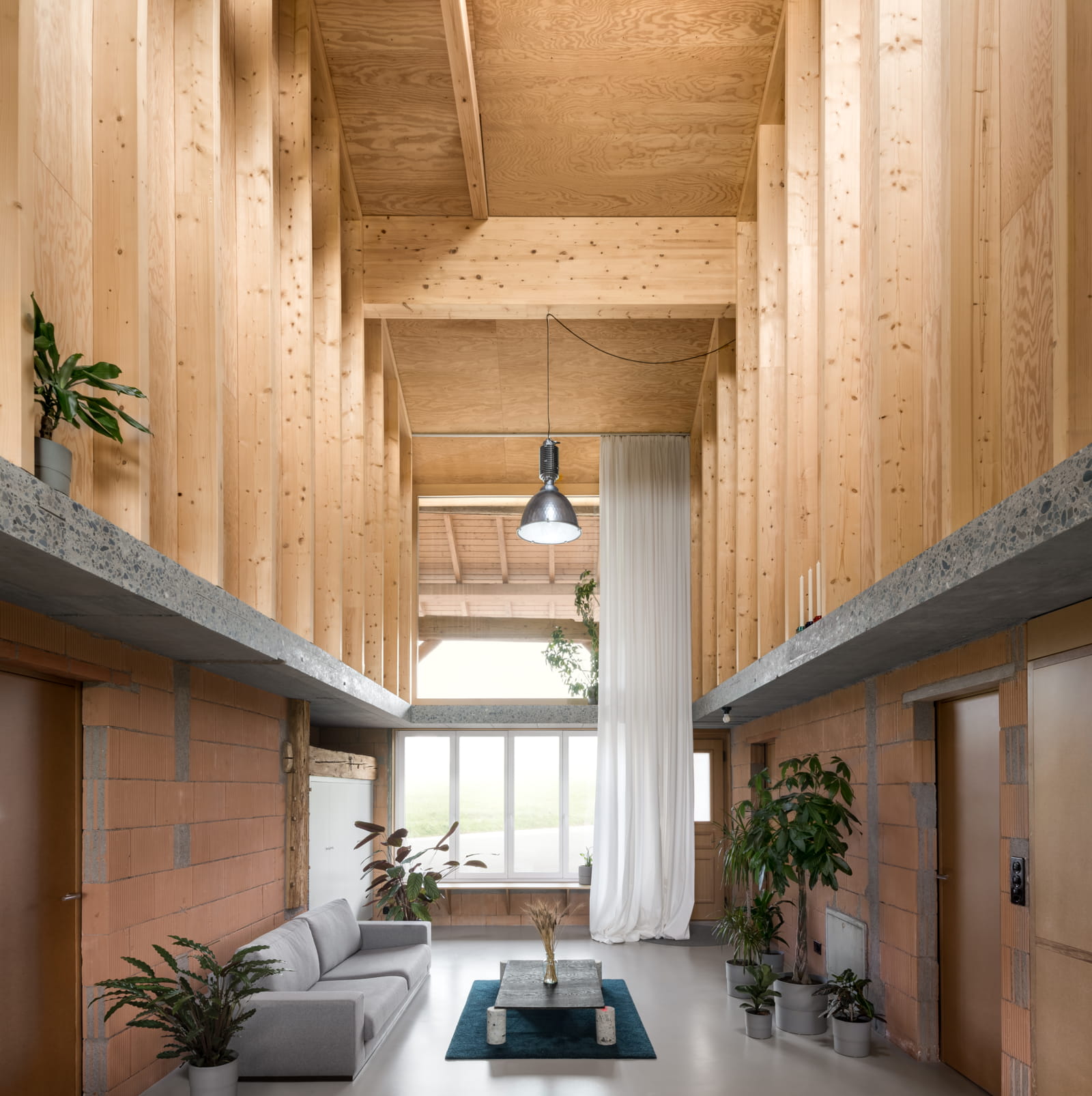
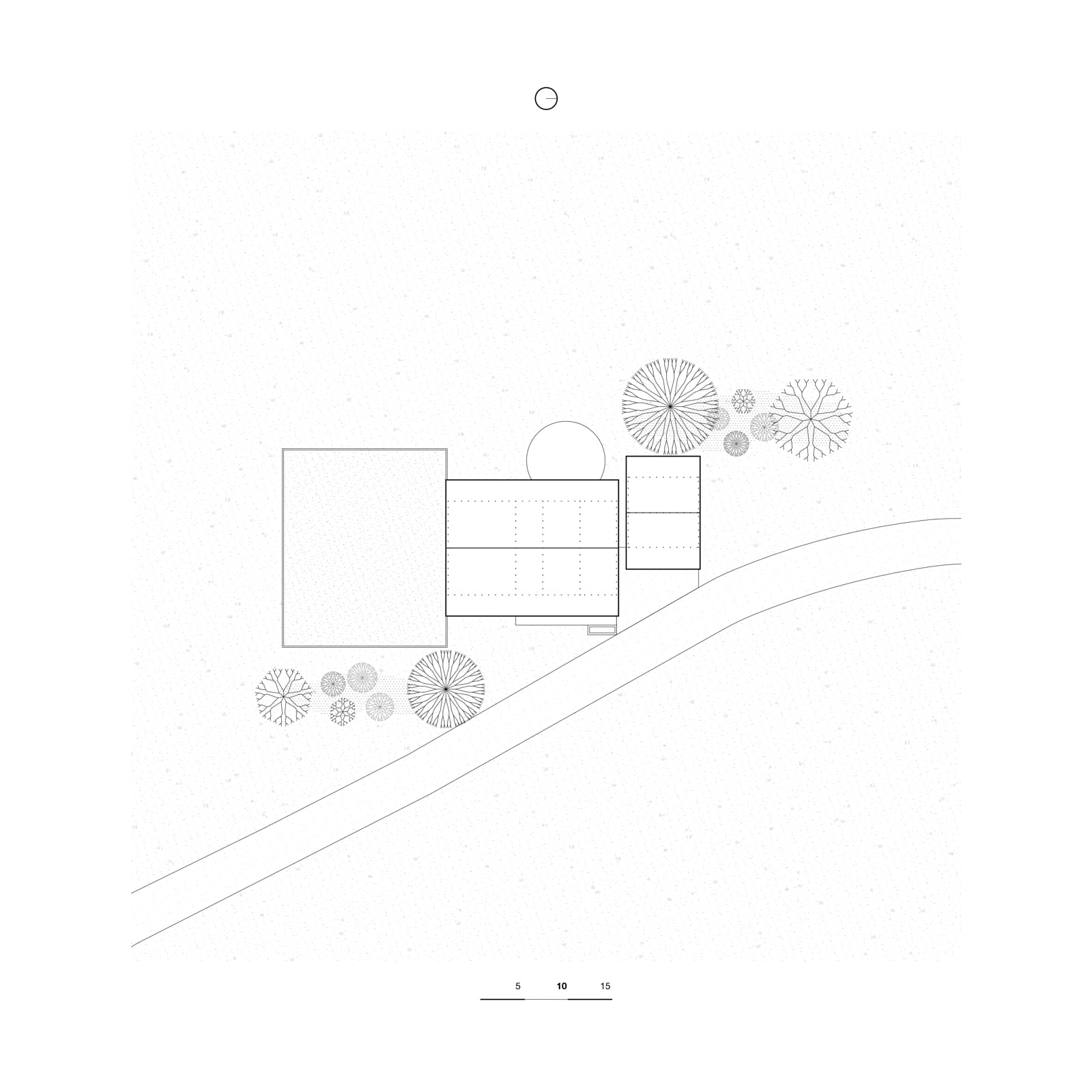
The intervention concerns the transformation of an apartment located in the rural portion of a historic farmhouse typical of the Fribourg region, where living quarters and farm functions traditionally coexisted under a single roof.
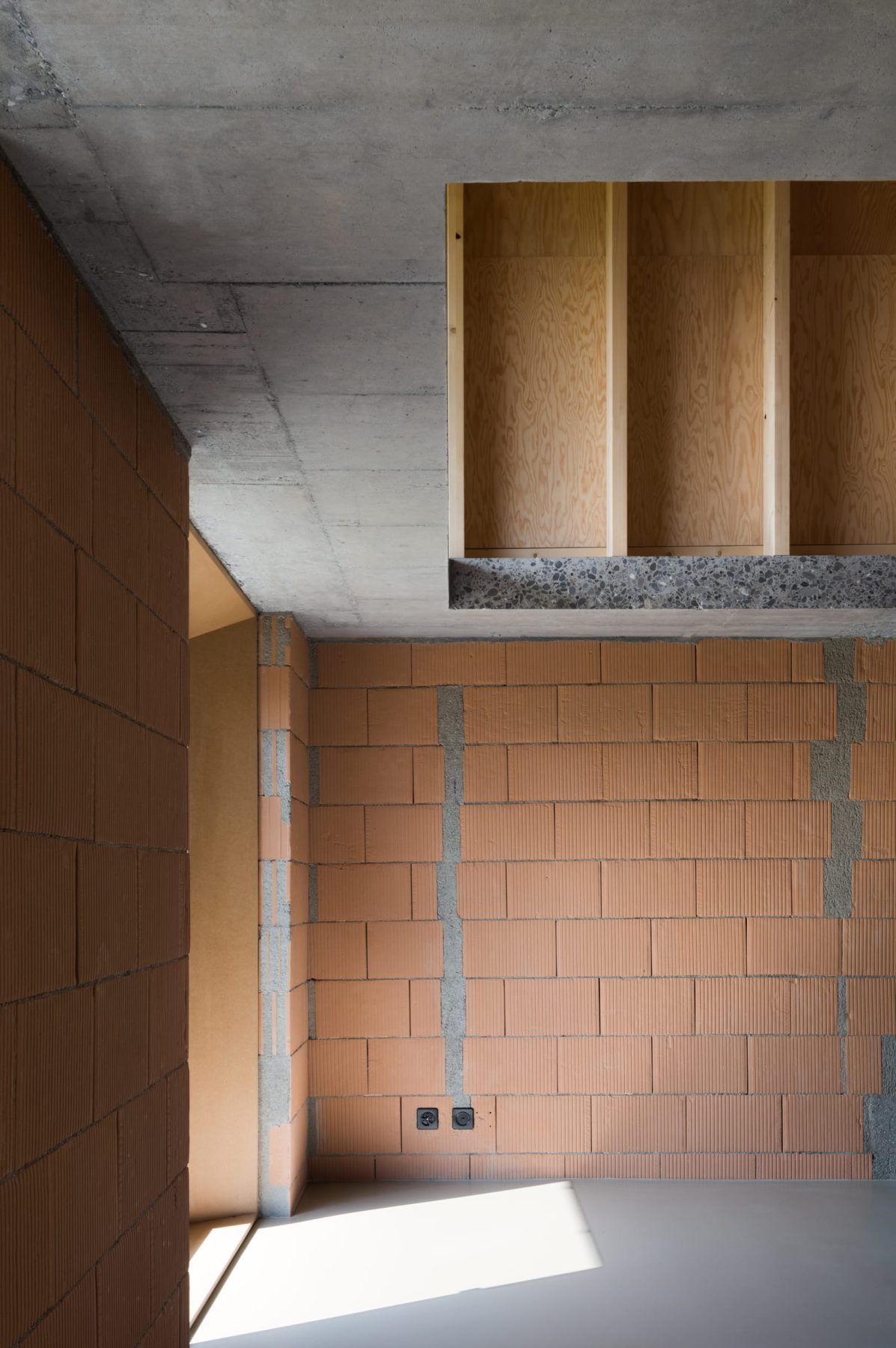
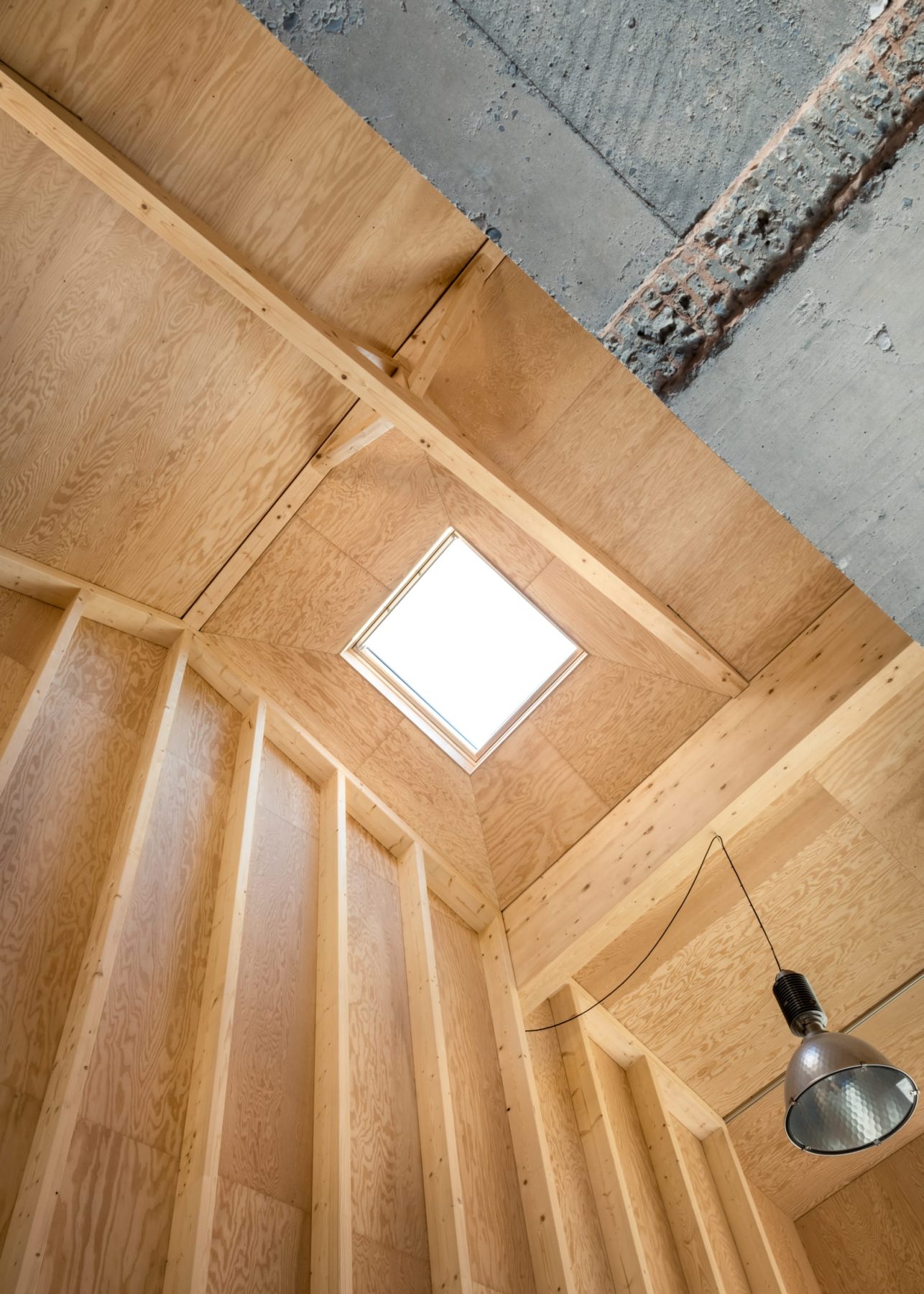
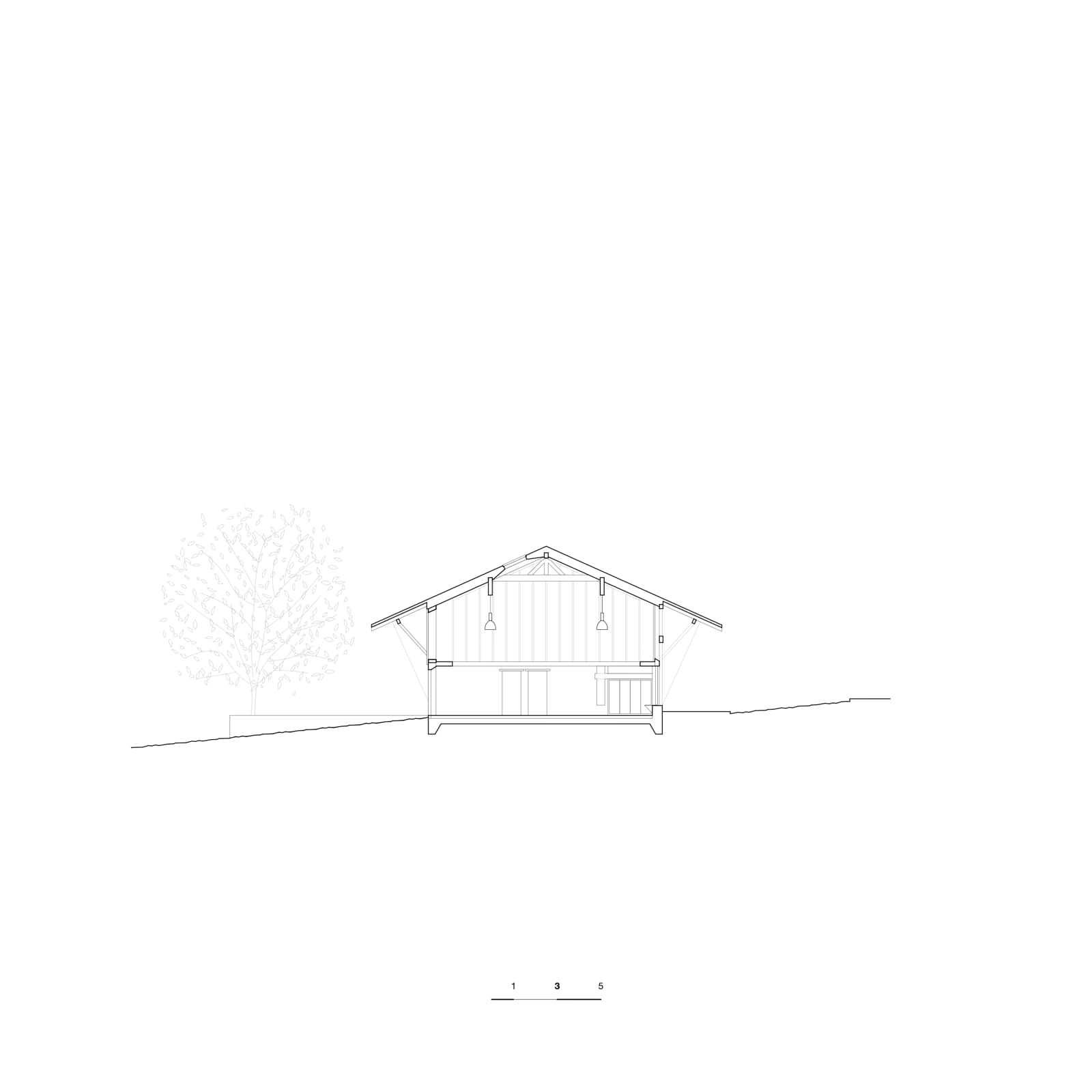
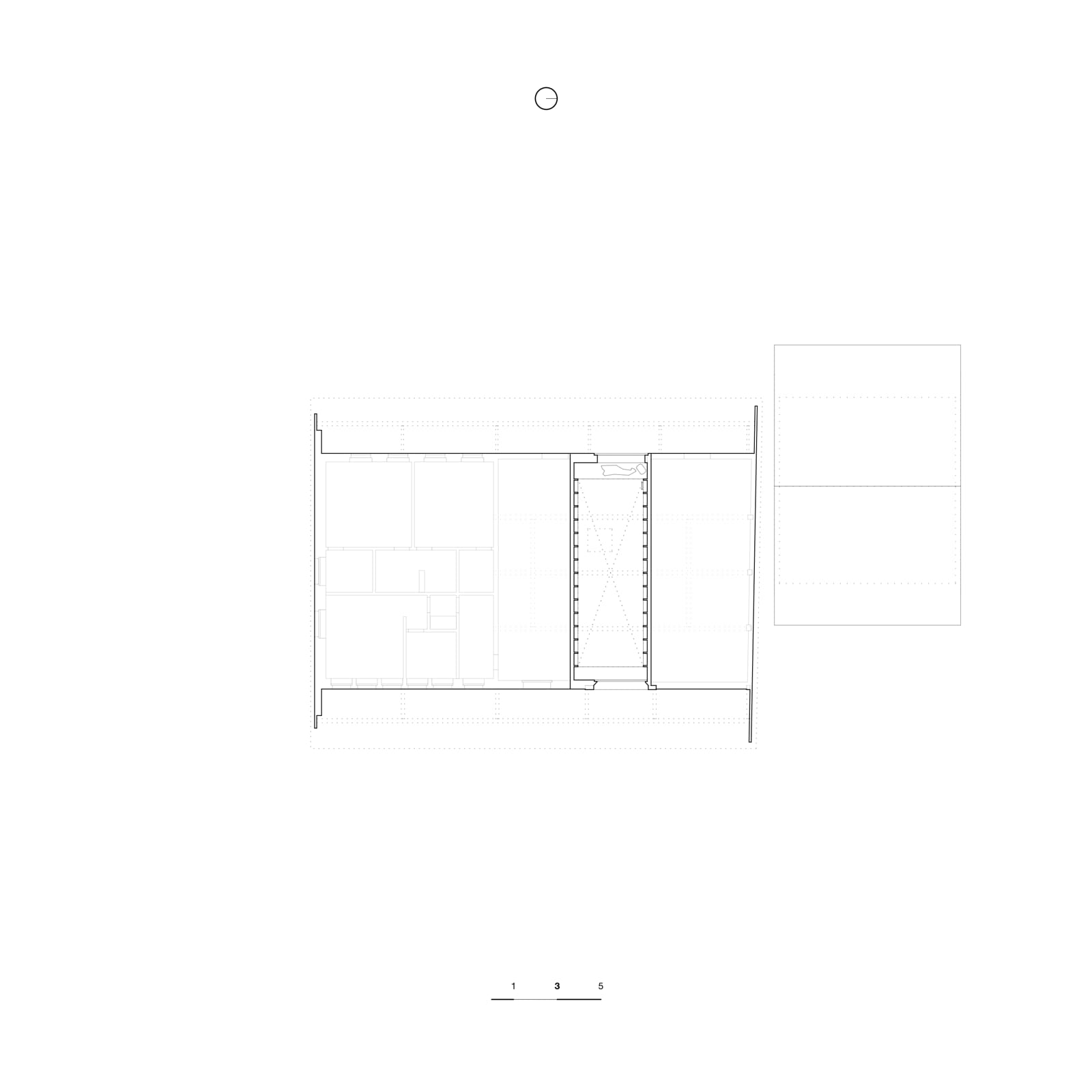
This rural section originally comprised two stables arranged around a central passage—the fourragère—a linear space used for feeding livestock, characterized by its generous height that allowed hay storage above the stables.
A renovation carried out in 2011 significantly altered the nature of this volume, prioritizing conventional domestic design over spatial continuity. Original timber joists were replaced by a concrete slab, the wooden structural system gave way to masonry walls, and the roof structure was substituted with glulam beams, resulting in the loss of the barn’s verticality and spatial clarity.
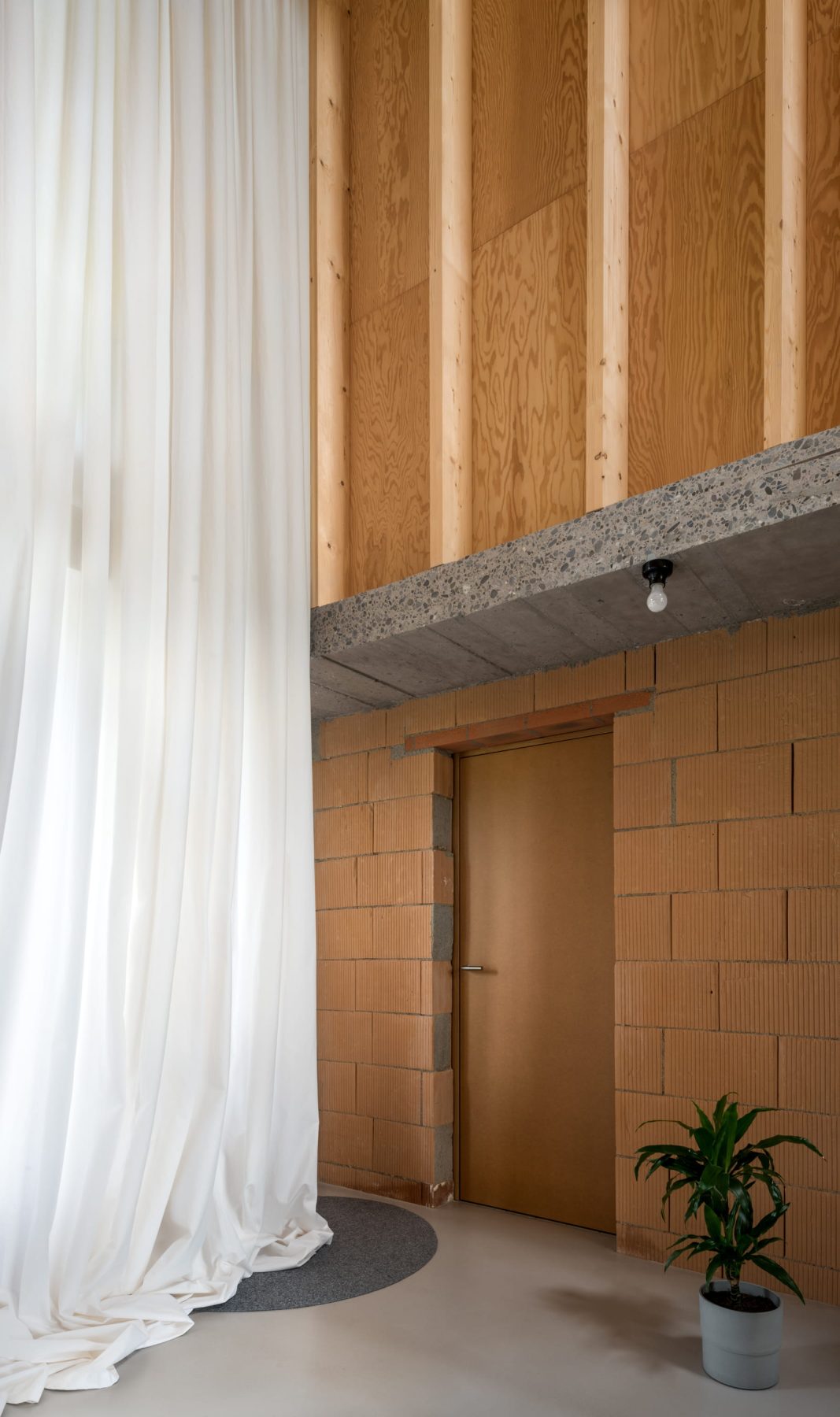
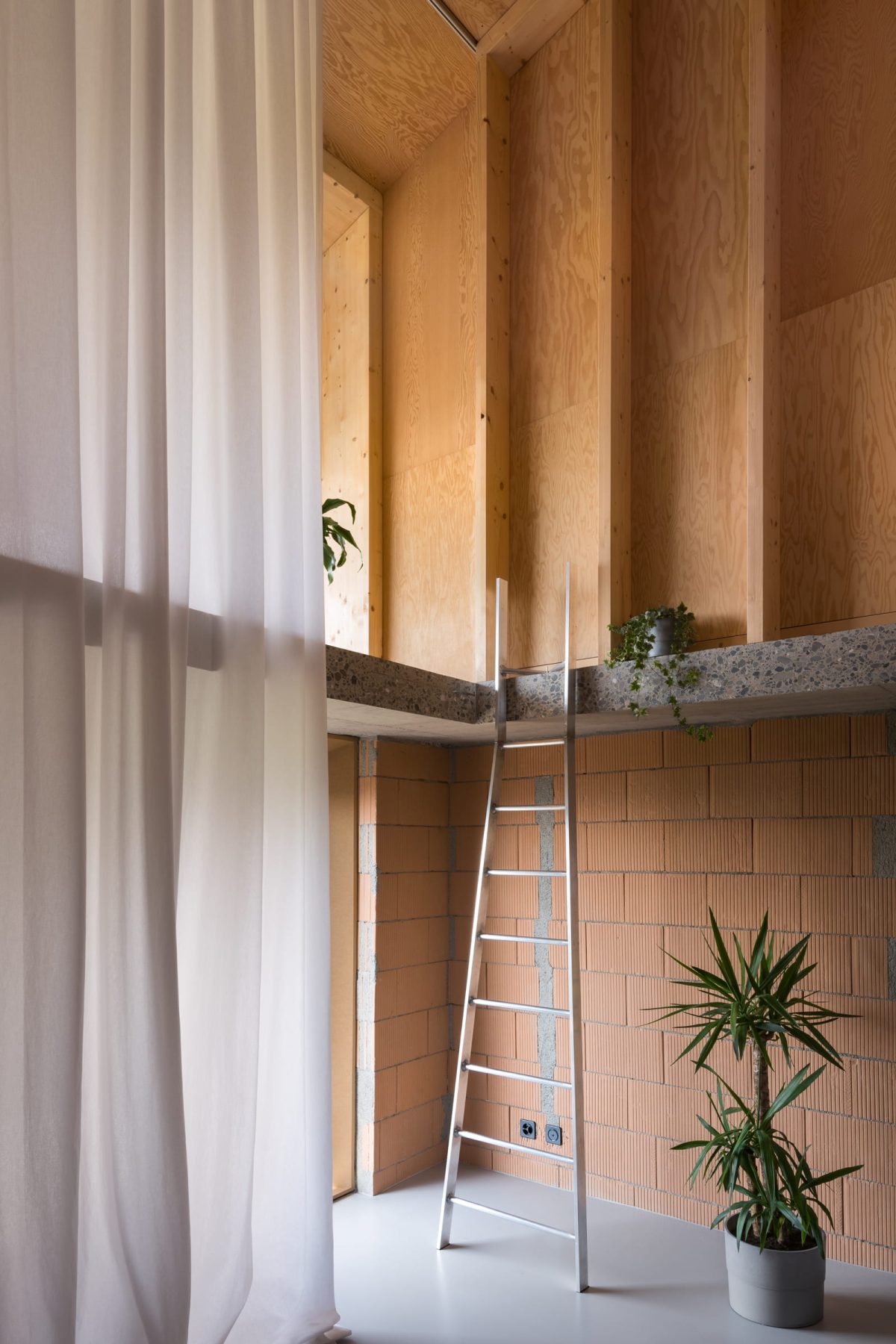
The current project positions itself as a deliberate “re-transformation” through subtraction. Rather than adding new layers, the design strategy focuses on removing later interventions to reveal the inherent qualities of the agricultural structure.
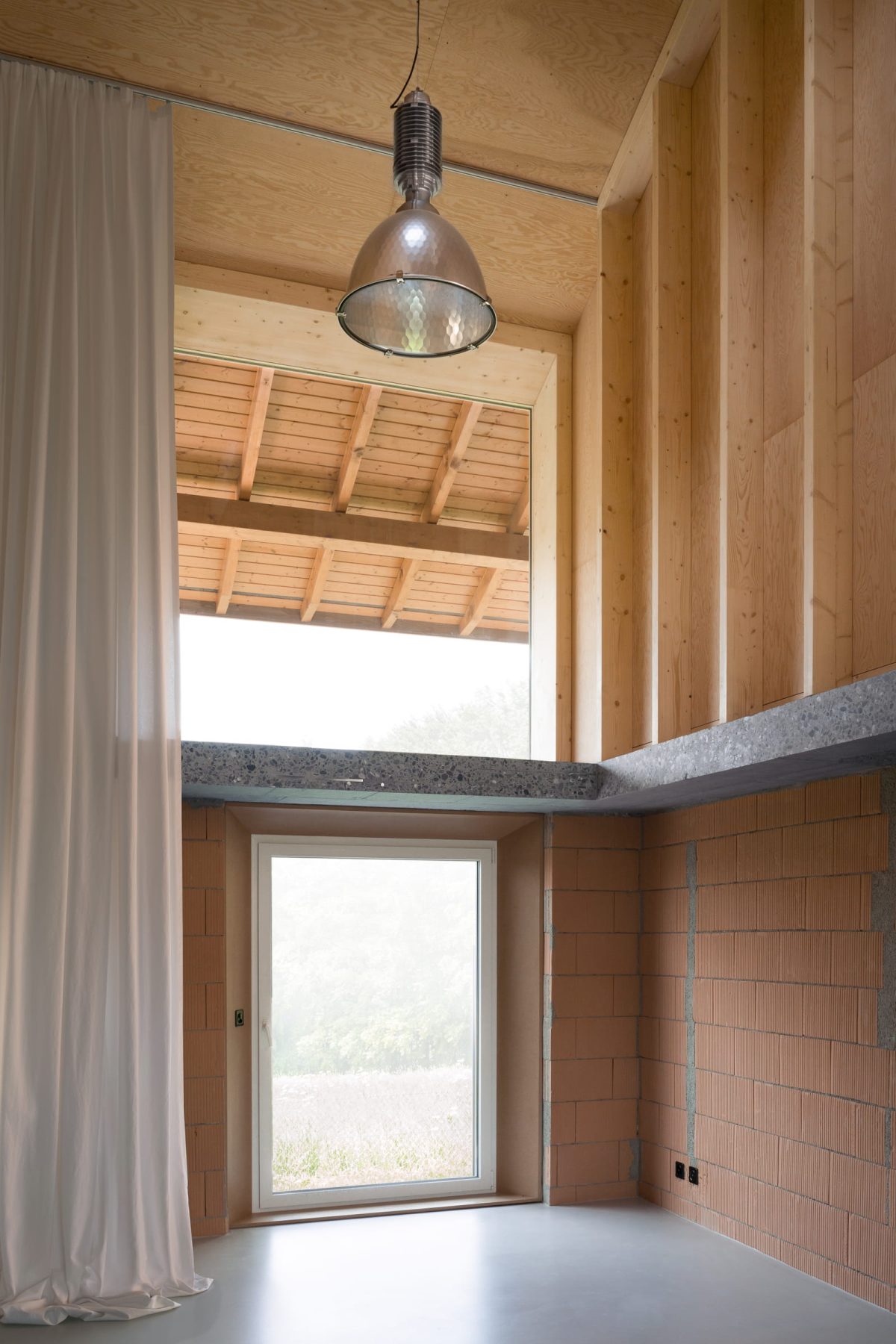
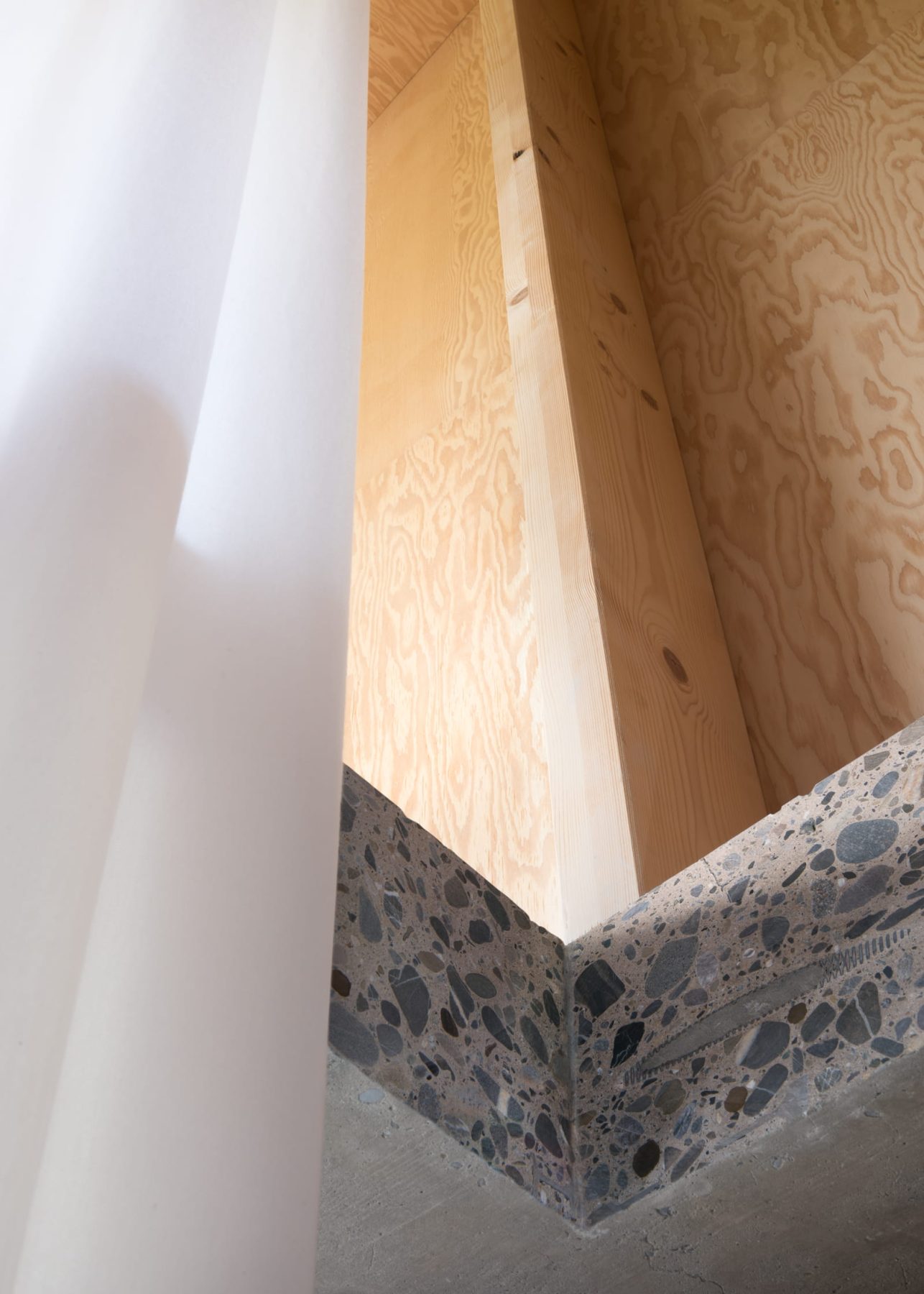
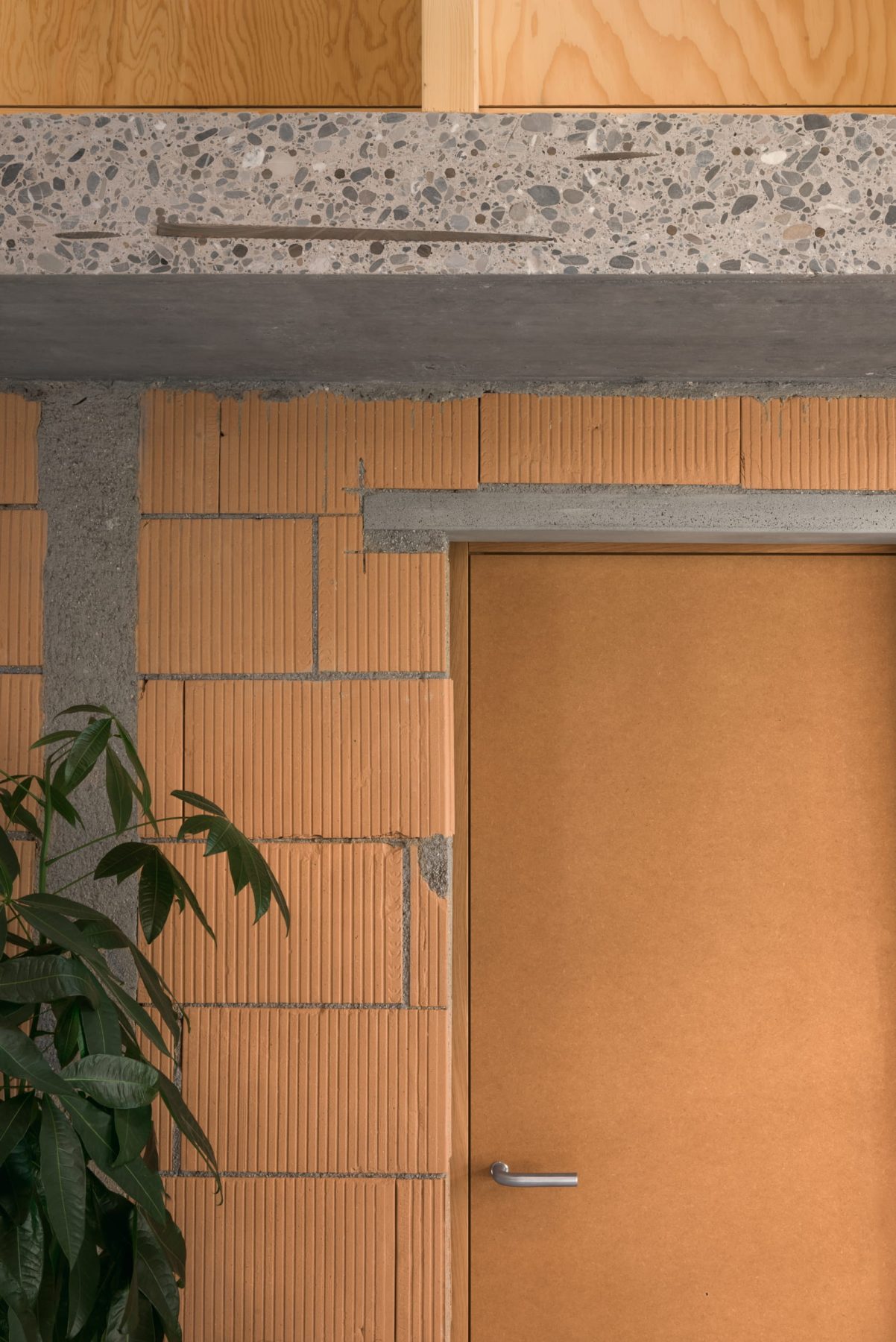
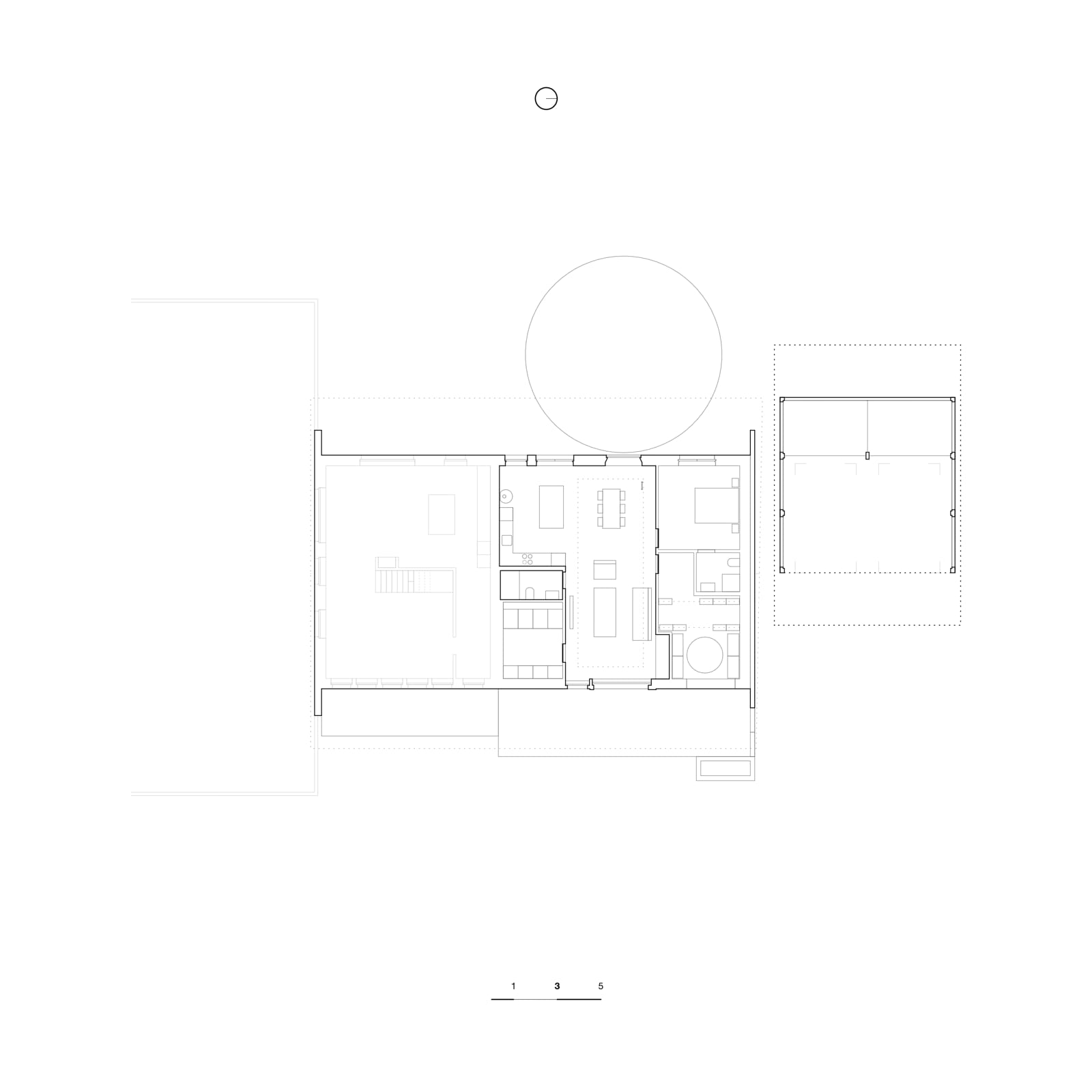
Partitions were dismantled to restore the through-configuration of the fourragère, while the concrete slab was cut back across its full depth, re-establishing the original vertical dimension and spatial hierarchy.
The new layout follows a clear tripartite organization rooted in the building’s rural logic.
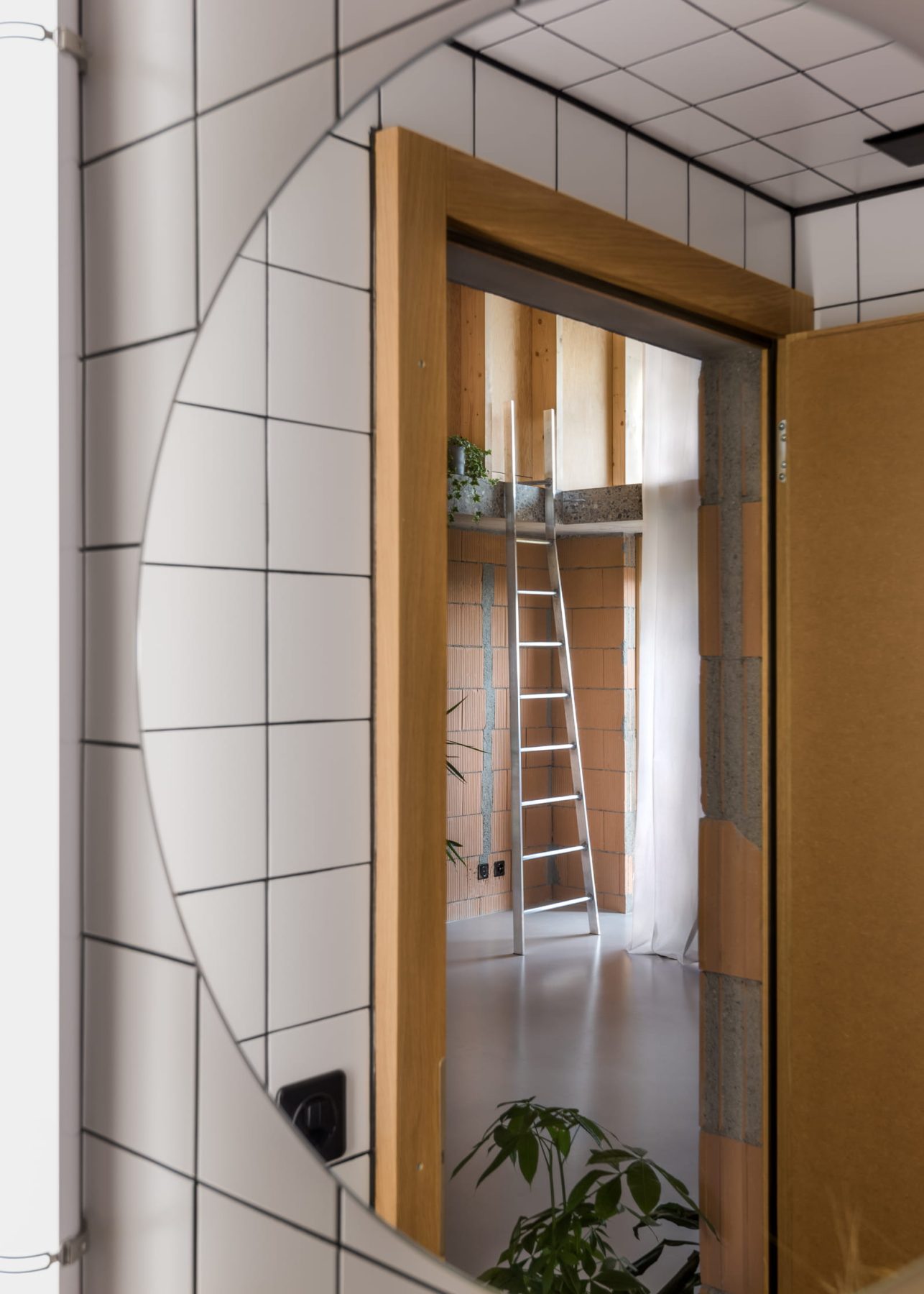
The central living space occupies the former fourragère, reaffirming its role as the heart of the dwelling, while service spaces and bedrooms are accommodated within the structural bays on either side. Material decisions reinforce this conceptual return to agricultural origins: decorative, pseudo-Tuscan finishes were replaced with white tiles referencing traditional milking rooms, and layers of plaster were removed to expose original textures and construction traces.
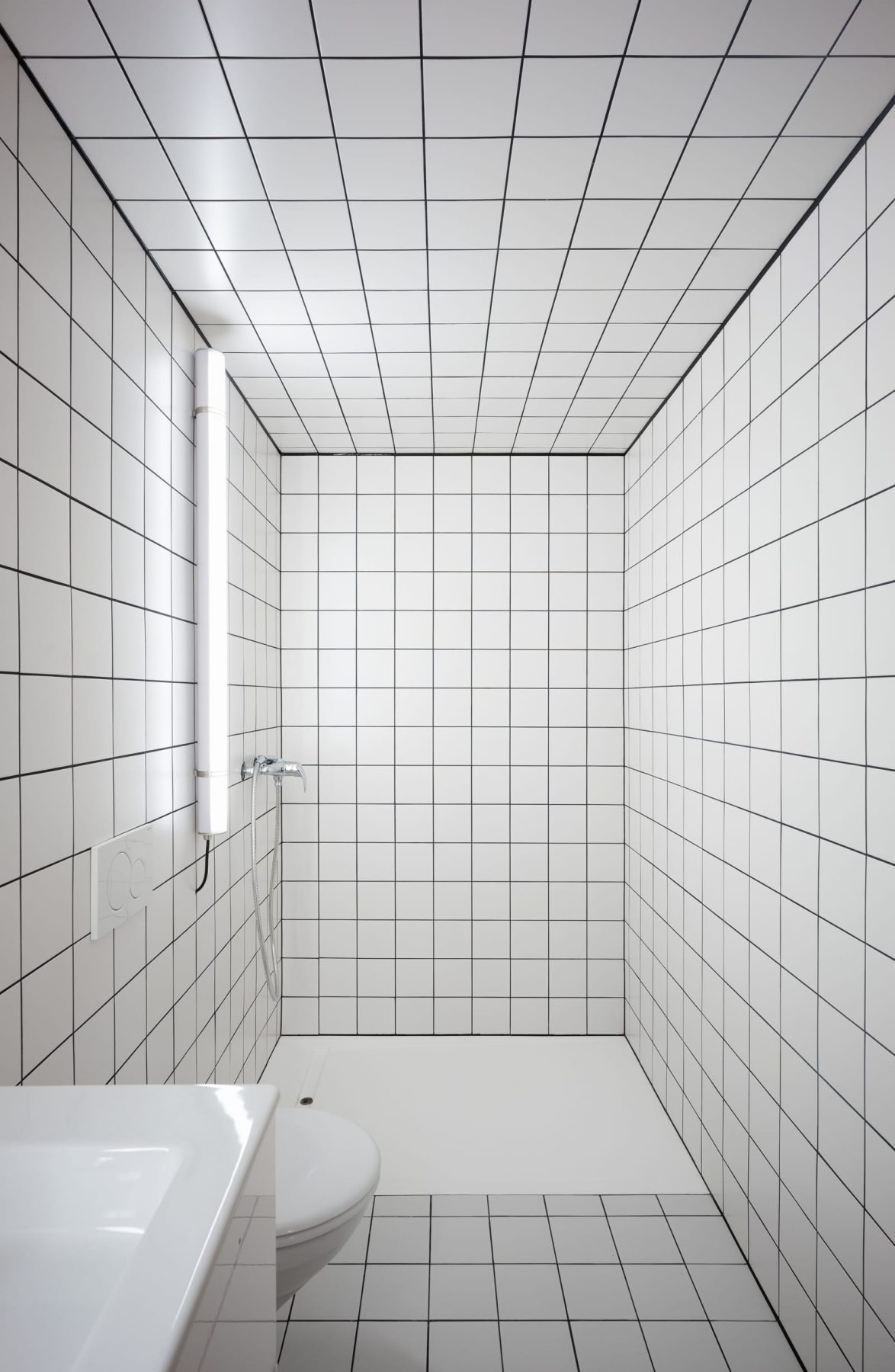
Through restraint, subtraction, and careful re-reading of the existing fabric, La Cret Farmhouse reconnects domestic inhabitation with its rural context. The project exemplifies Rural Living as an architectural attitude—one that acknowledges agricultural heritage, respects existing structures, and redefines contemporary life within the rhythms and spaces of the countryside.
Drawings
Facts & Credits
Title La Cret Farmhouse
Typology Architecture, Residence
Location Mézières, Switzerland
Status Completed, 2022
Architecture Bard Yersin
Photography David Bard, Jean-Marc Yersin
Text by the authors