This proposal by Aimilia Karapostoli, Alexandros Mpantogias and Dimitris Giouzepas, explores the possibilities of learning environments that potentially connect nature with humans, based on the complexity of children’s minds. The proposal was made for the International Architecture Competition “Kinderspace – Architecture for Children’s Development “ by BUILDNER.
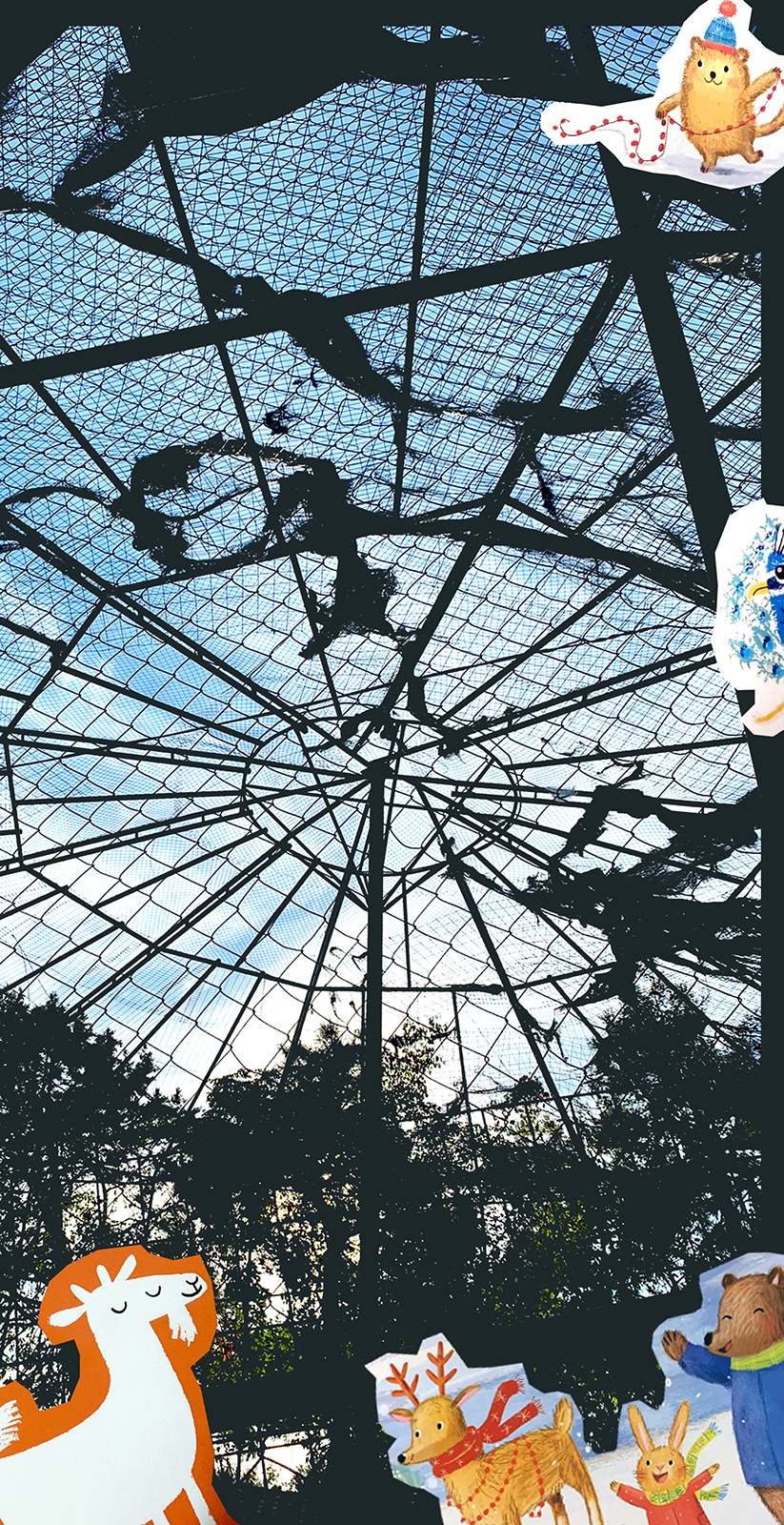
The abandoned zoo in Thessaloniki, is the selected site that could benefit from a new kindergarten facility. The old city zoo is located in the East Suburbs, near the Seyh Su (meaning The Sheich’s Water) hilltop forest just to the norm northeast of the city that rises to the west of Mount Choriatis. The heavily congested Thessaloniki Inner king Road borders the southern side of the forest, and the traffic noise gets noticeable when walking in the zoo.
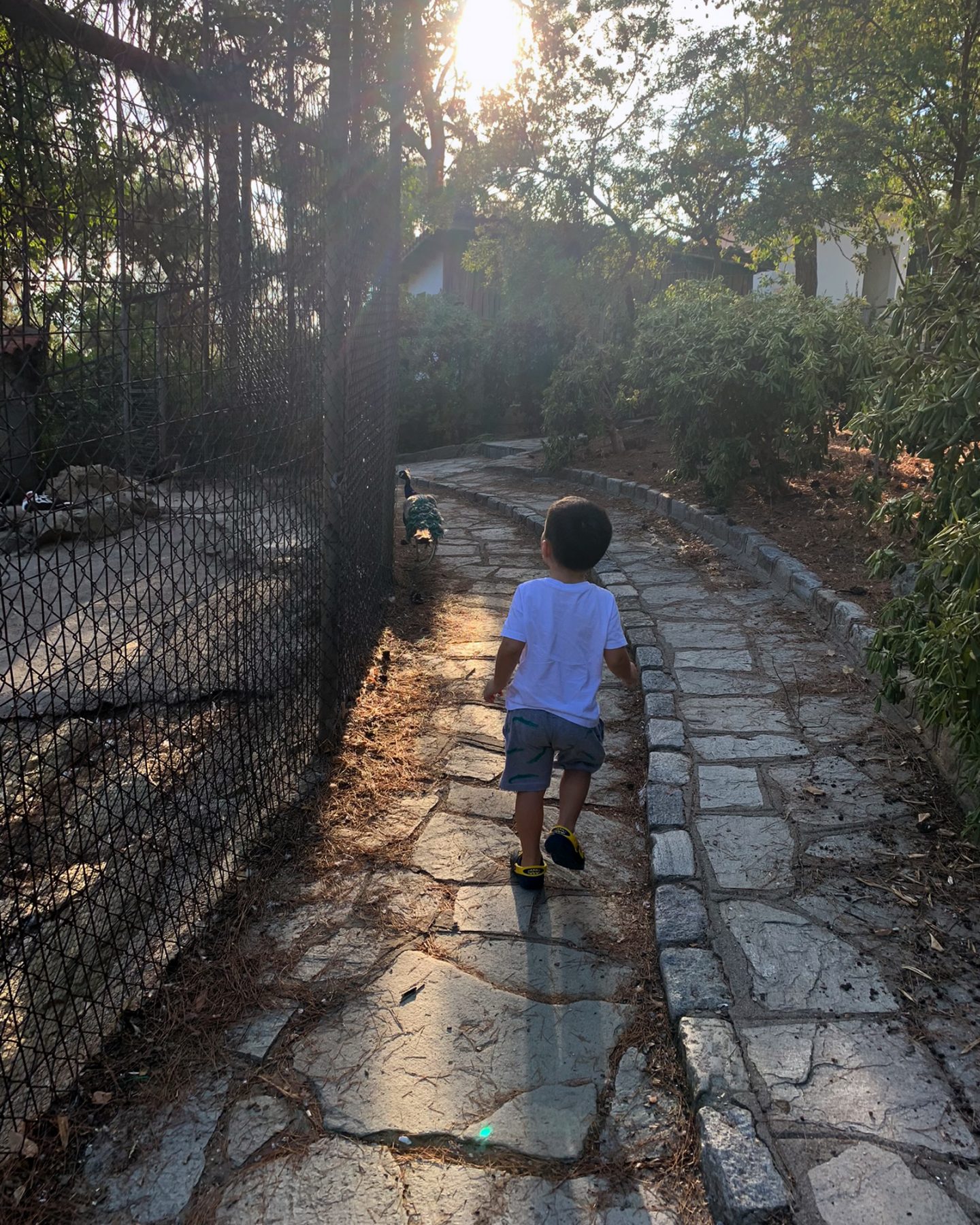
The zoo covers 58 acres, reaches an elevation of 563 meters (1.847 feet) and consists mainly of pine trees. For our purpose we will use only a fragment of the area, approximately 1600 square meters indoor space and 800 square meters outdoor play area, but the concept is that the whole zoo should be freely accessed by people and animals.
Our design proposal promotes learning environments connecting nature with humans.
Among the remaining animals in the zoo you will notice birds and mammals, deer, wild boars, goats, squirrels, wild sheep, rabbits and peacocks. It is a place for recreation and education as children come into contact with various animals and birds in a pleasant and cool environment. The cages are open, free from animal suffering and the domesticated animals (and me wild ones that cannot be free in the wild) are able to wonder and interact with the children.
Tre proposed design is based on Piaget schema theory. Piaget believed that schemas are important in the process of cognitive development.
As children have an experience, they develop a schema to explain it and organize it within the brain. The more experiences they have, the more complex and numerous their schemas become.
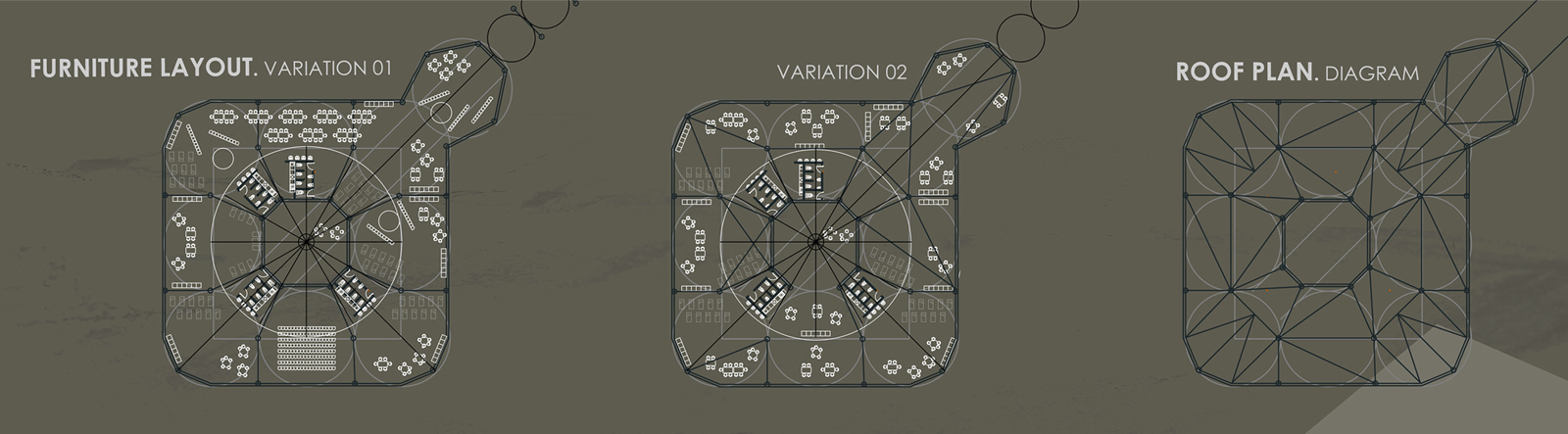
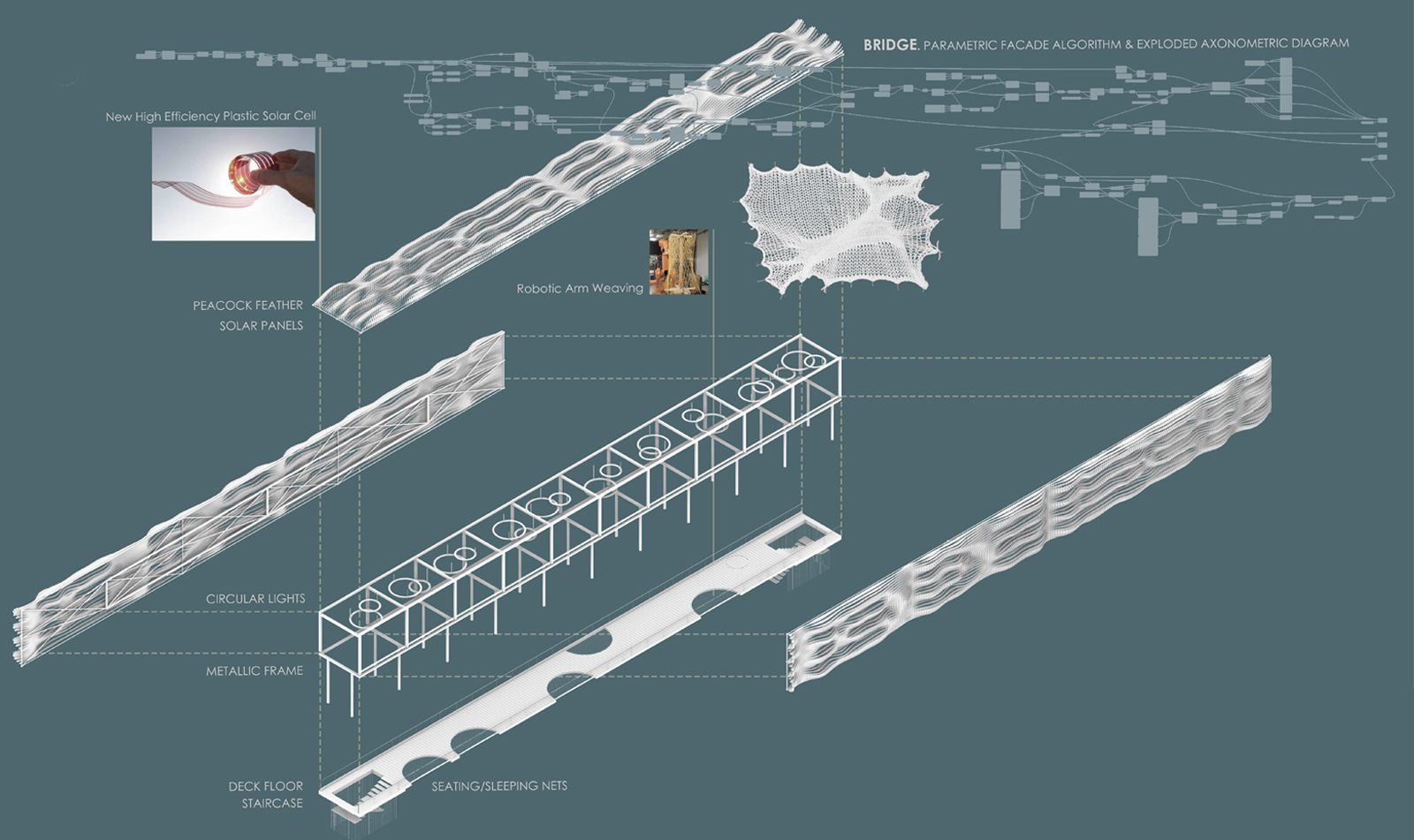
The use of a robotic arm that knits all short of fabrics to change the plan of each class and build new furniture or playgrounds is vital so as to construct different types of educational architectural space.
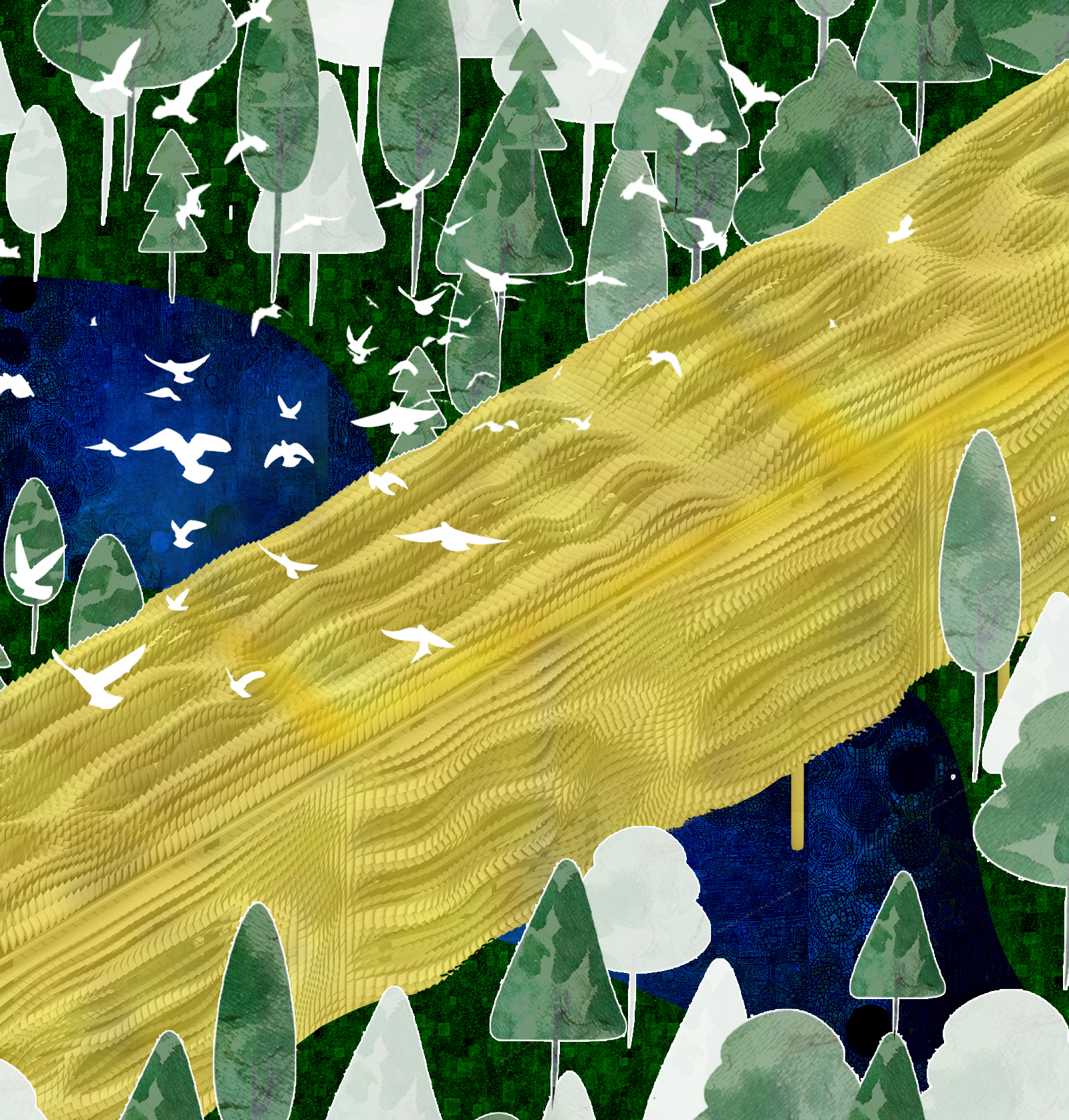
COMMUNITY-ECOLOGY
The proposed kindergarten facility will revitalize the abandoned area and establish a connection to the forest and the animas for all the residents of the area it will be a new kind of educational facility shaping on ecological way of living.
ACCESS
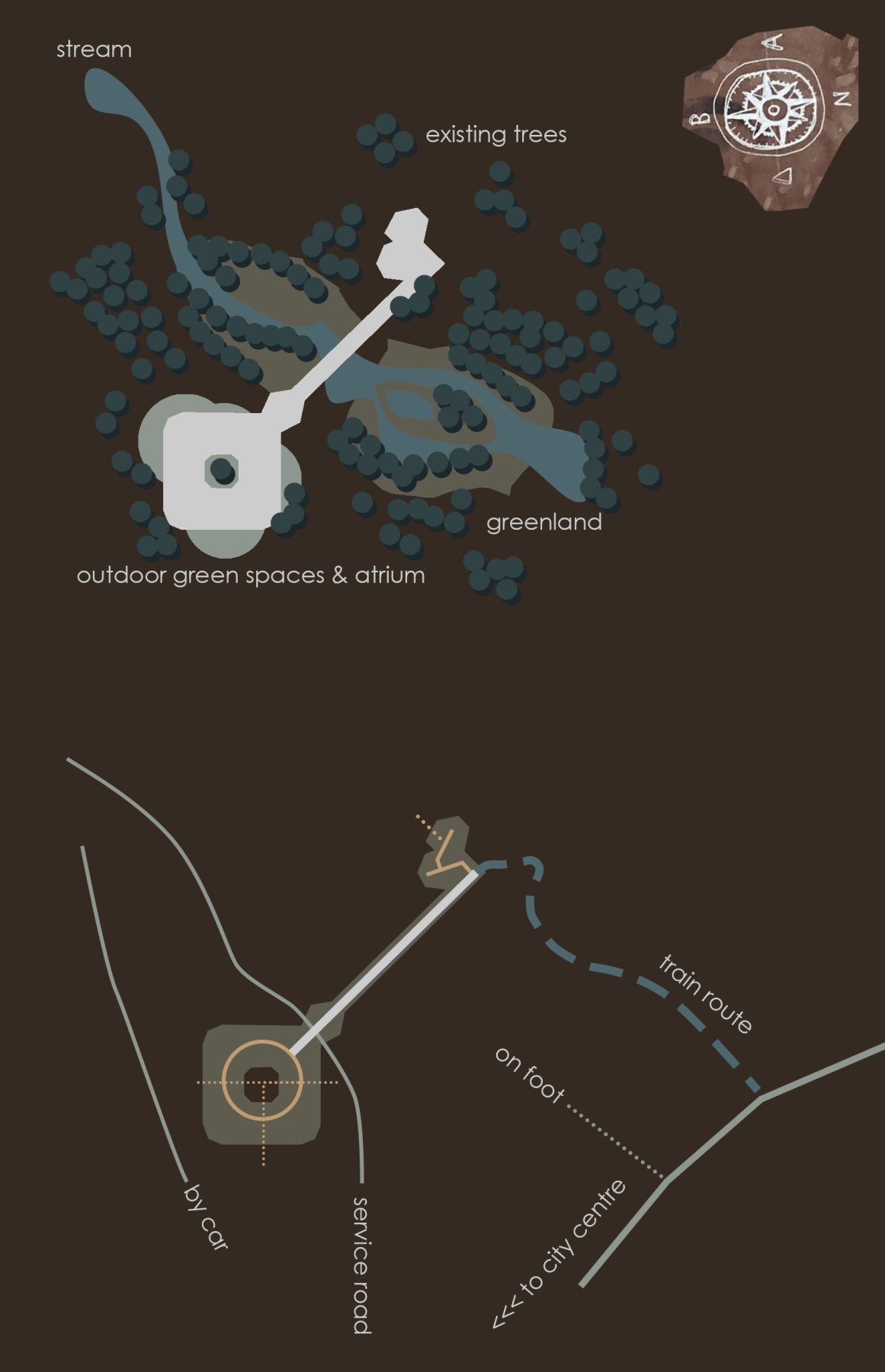
The kindergarten at the old zoo is accessible by public transport, but also by private car. There is a big public parking space near the entrance but you can also use the small roads next to the facility. The physical space of the kindergarten extends to a single level accessible by children and grownups with physical disabilities. The use of the small train so as to visit the school and the zoo is functional and entertaining!
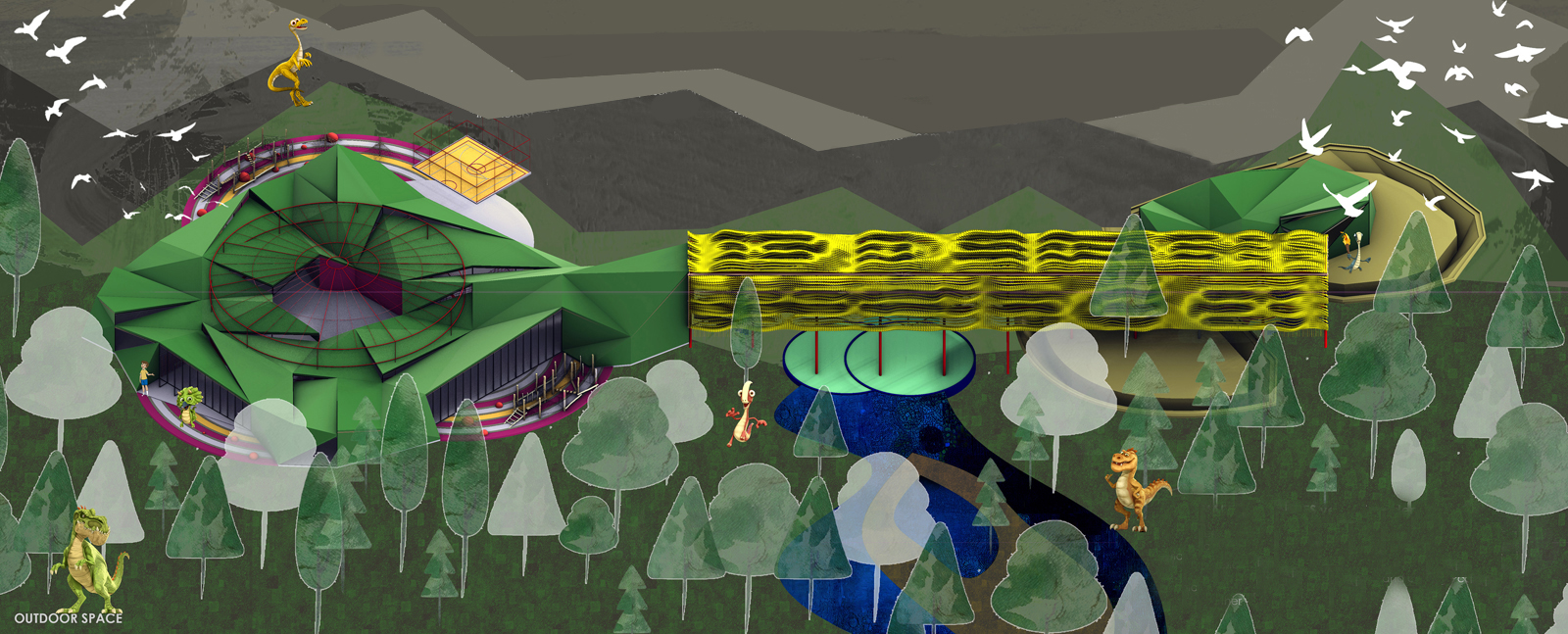
EDUCATIONAL AND PLAY SPACES
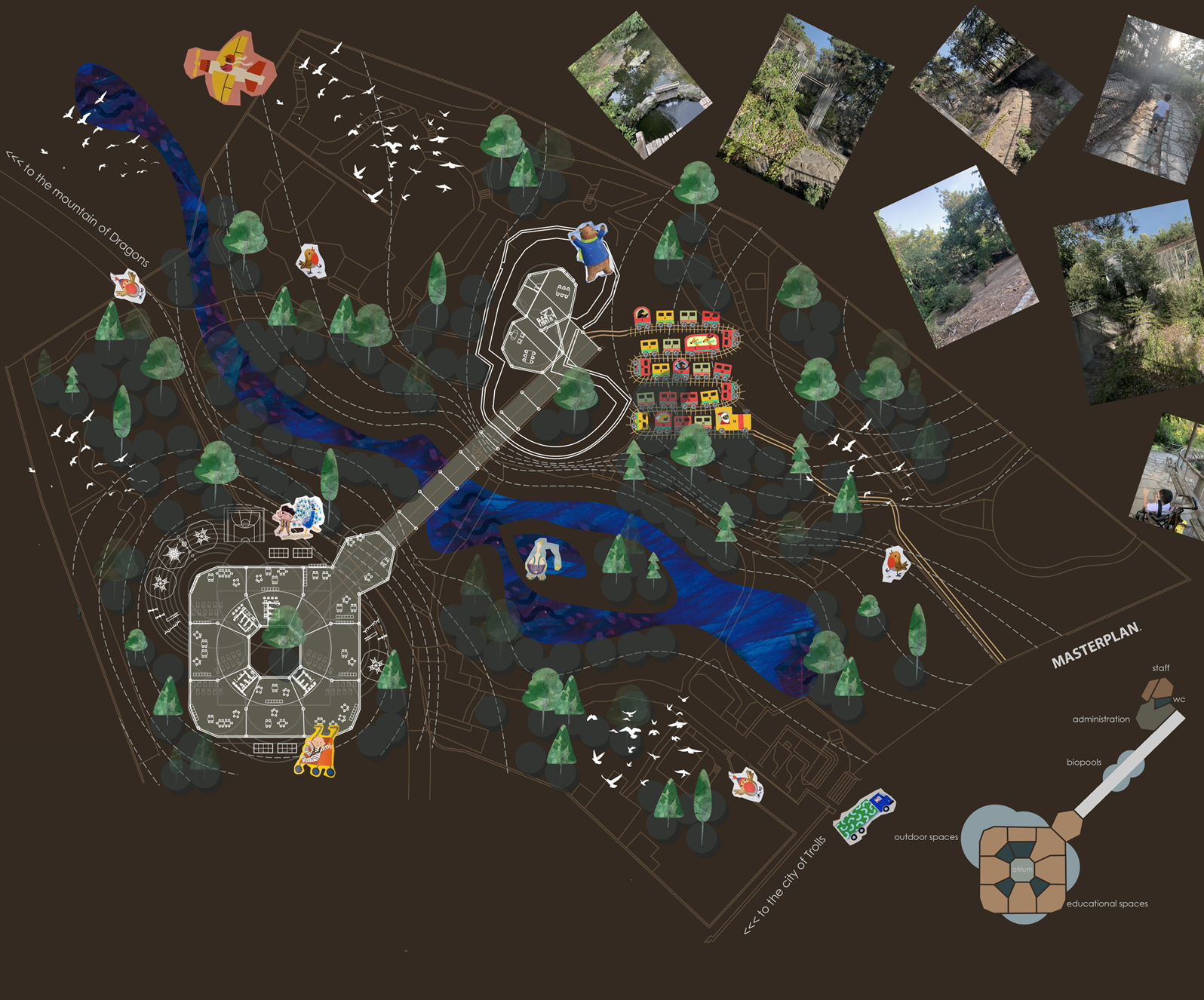
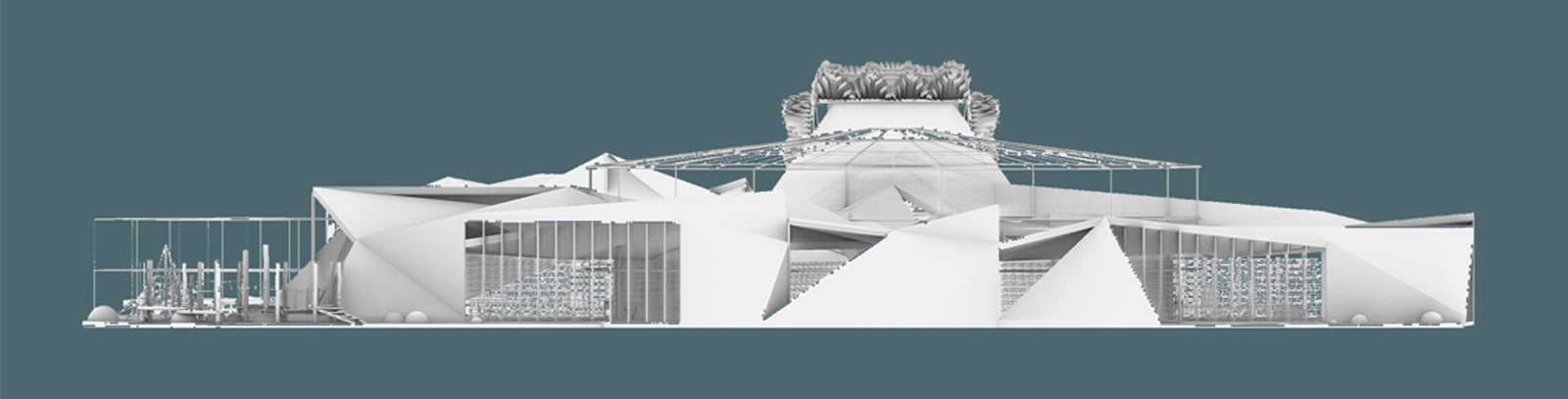
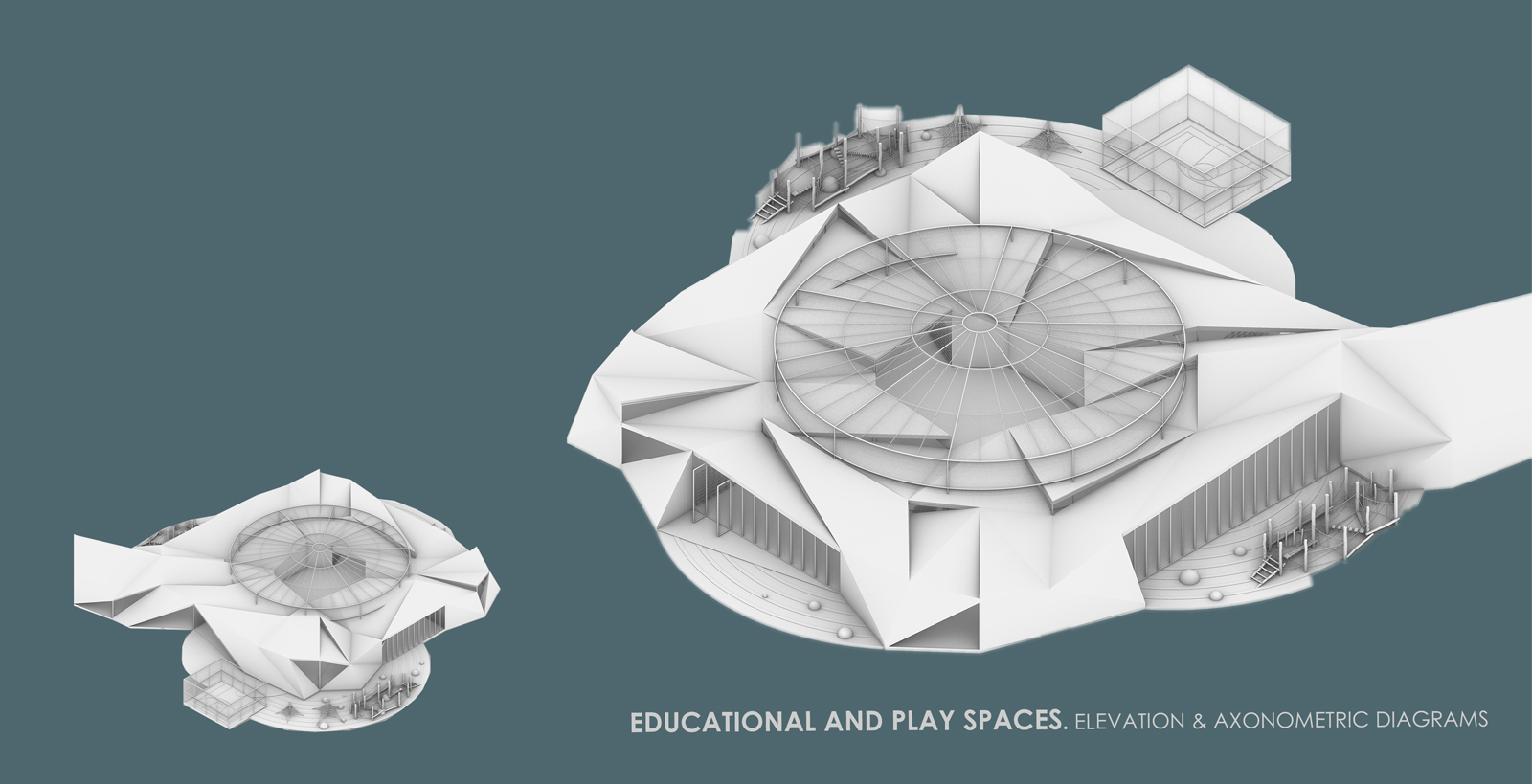
The new architectural educational space is at least 1400 square meters and is located in the old bird (peacock) cage or the top of a small hill (+12,00m), which is visible from everywhere. There are 10 classrooms [Age 3-4: 40 children (4 groups of 10 children), Age 4-5: 30 children (3 groups of 10 children), Age 5-6: 30 children (3 groups of 10 children)]. The area is approximately 110 square meters each class that repeats each self, a bridge (300 square meters) that can be used as multipurposed area covered by feather – solar panels. Kitchen, dining areas, changing rooms and rest rooms are included in each class. The education spaces do not have solid separation walls so as to be divided permanently, but with the use of the robotic arm weaving process the layout changes all the time.
SUSTAINABILITY FEATURES vertical gardens
The proposed materials are ecofriendly, non-toxic and safe. There is a network of vertical gardens and green roofs in every proposed building.
OUTDOOR SPACE
There are two basic playgrounds, a big one (300 square meters) for older kids and a small one for younger ones (130 square meters). Both structures include rope and knit elements that can be manufactured with the robotic arm. The floor is an undulating colorful rubber surface with scientific fun facts about our solar system, mathematical statements and whatever the children want to paint. There are numerous vegetable gardens (4×20= 80 square meters) for kids to interact with the natural environments and learn how to grow plants. The two sport courts include a swimming pool (200 square meters) and a half court – (8×8 = 64 square meters).
SUPPORT AND ADMINISTRATIVE AREAS
The space for the staff are at least 200 square meters, located in the old bear cave at the top of the small hill, there are: first aid room, staff room, restroom and changing facilities.
Facts & Credits
Project title Proposal for Kinderspace Architecture for Children’s Development
Typology International Architecture Competition “Kinderspace – Architecture for Children’s Development”
Organisation BUILDNER
Architectural study Aimilia Karapostoli, Alexandros Mpantogias, Dimitris Giouzepas
Location Thessaloniki (location was to be defined by the participants)
Year 2024-2025
Text provided by the architects