Studio Modijefsky has restored a historic building in Amsterdam to create a multifunctional space that feels both familiar and complex. The proposal for the architectural and cultural revival of the site draws inspiration from cinematic narratives and tensions, shaping the multiple spatial experiences of Café Vertigo.
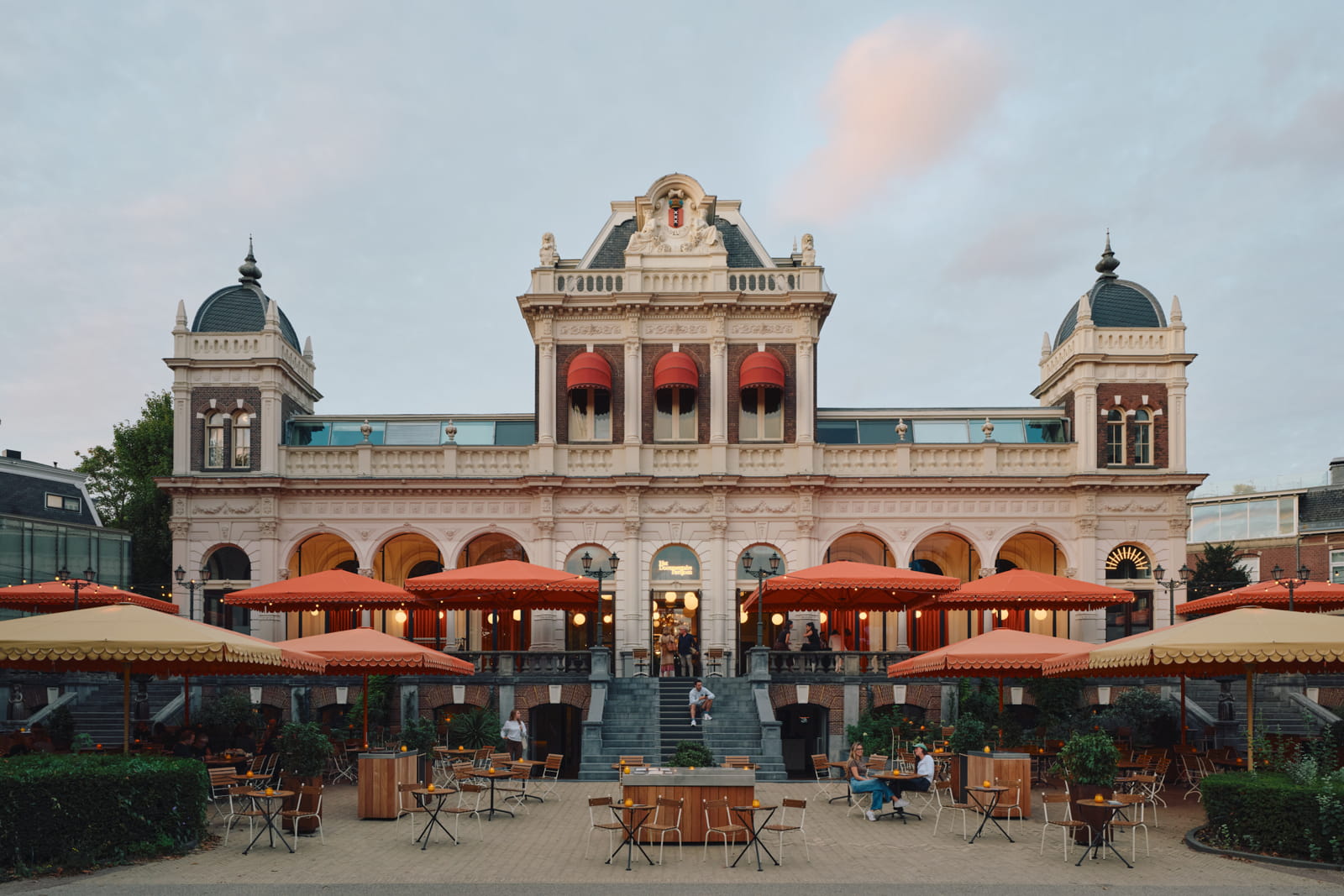
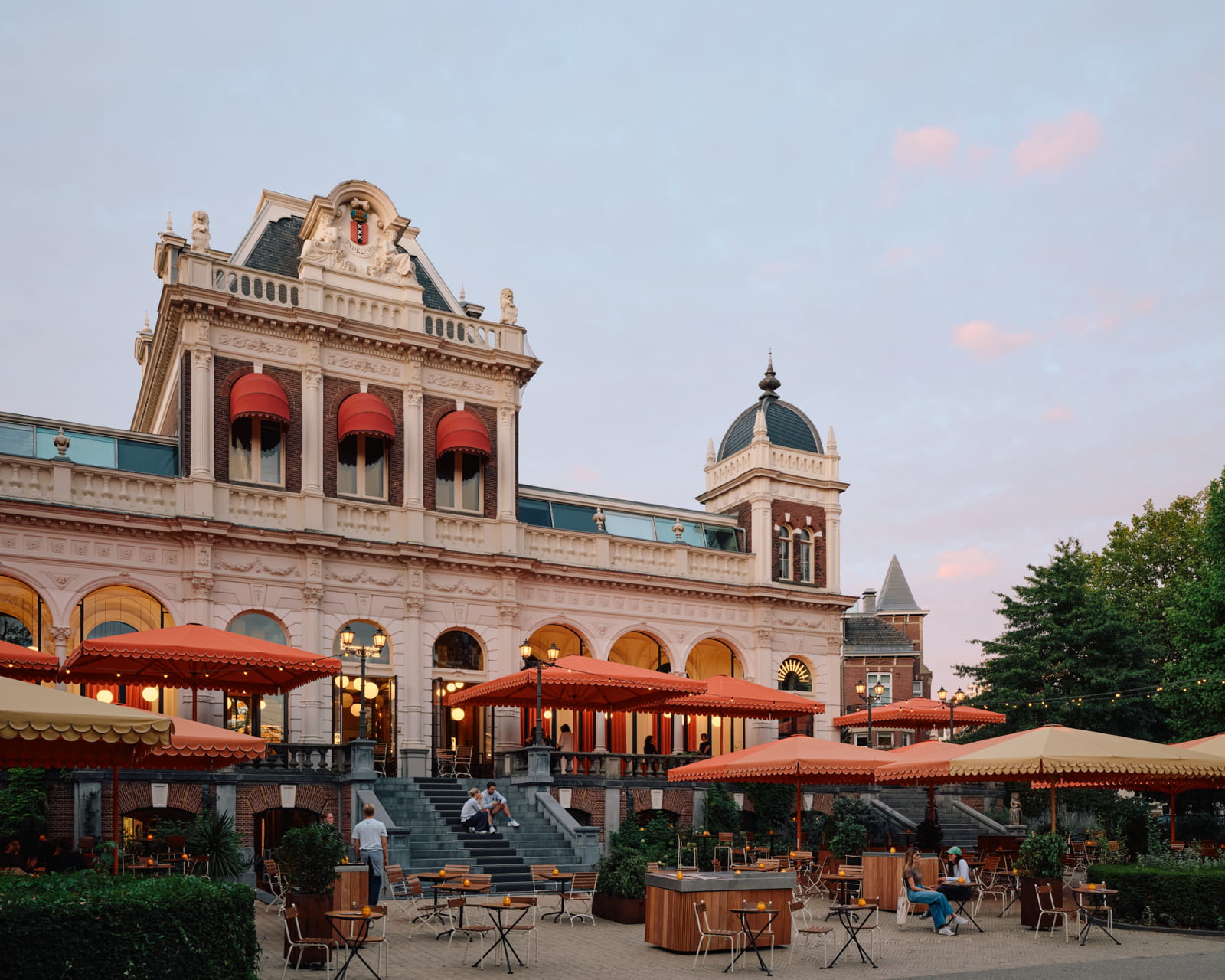
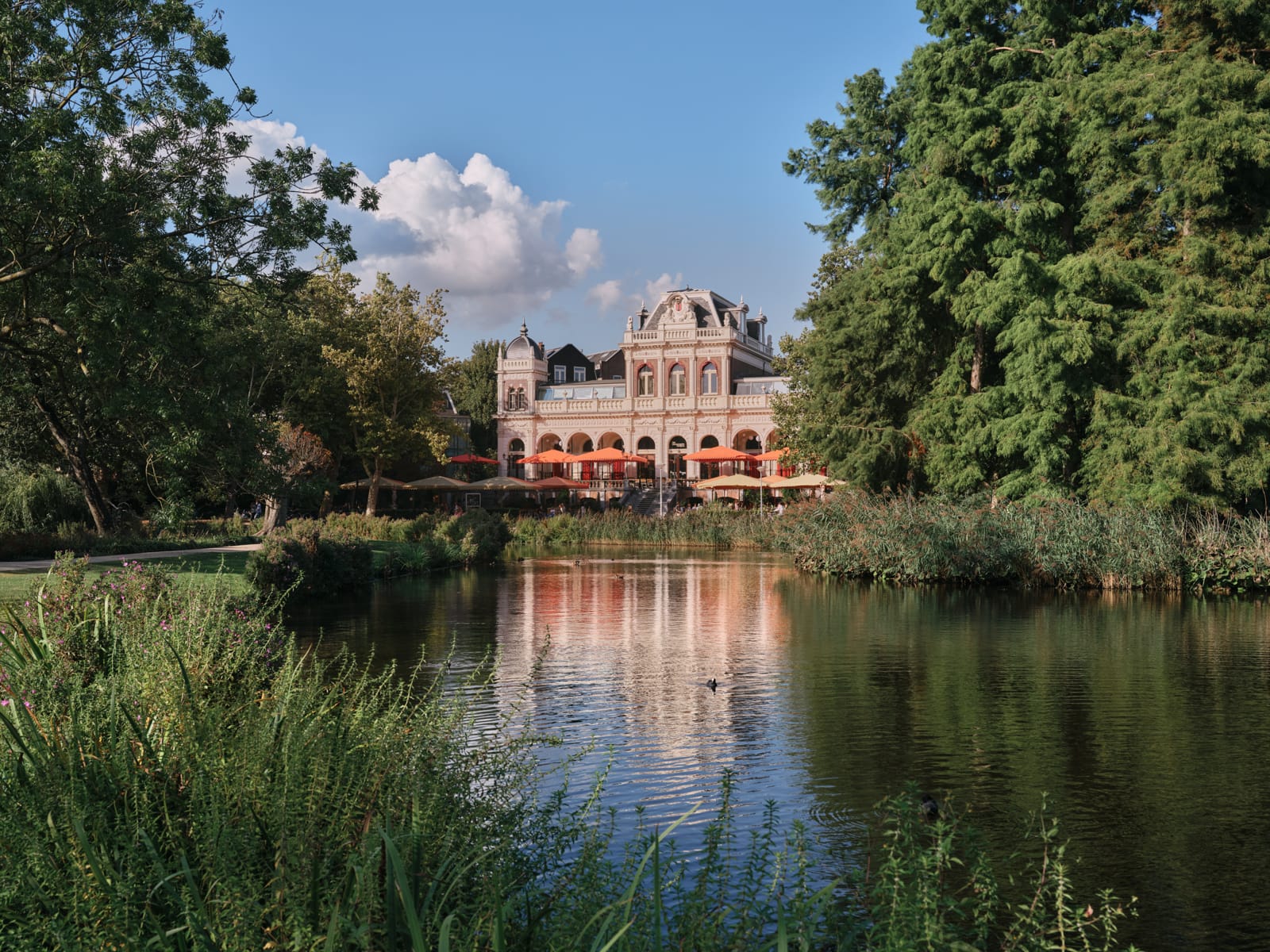
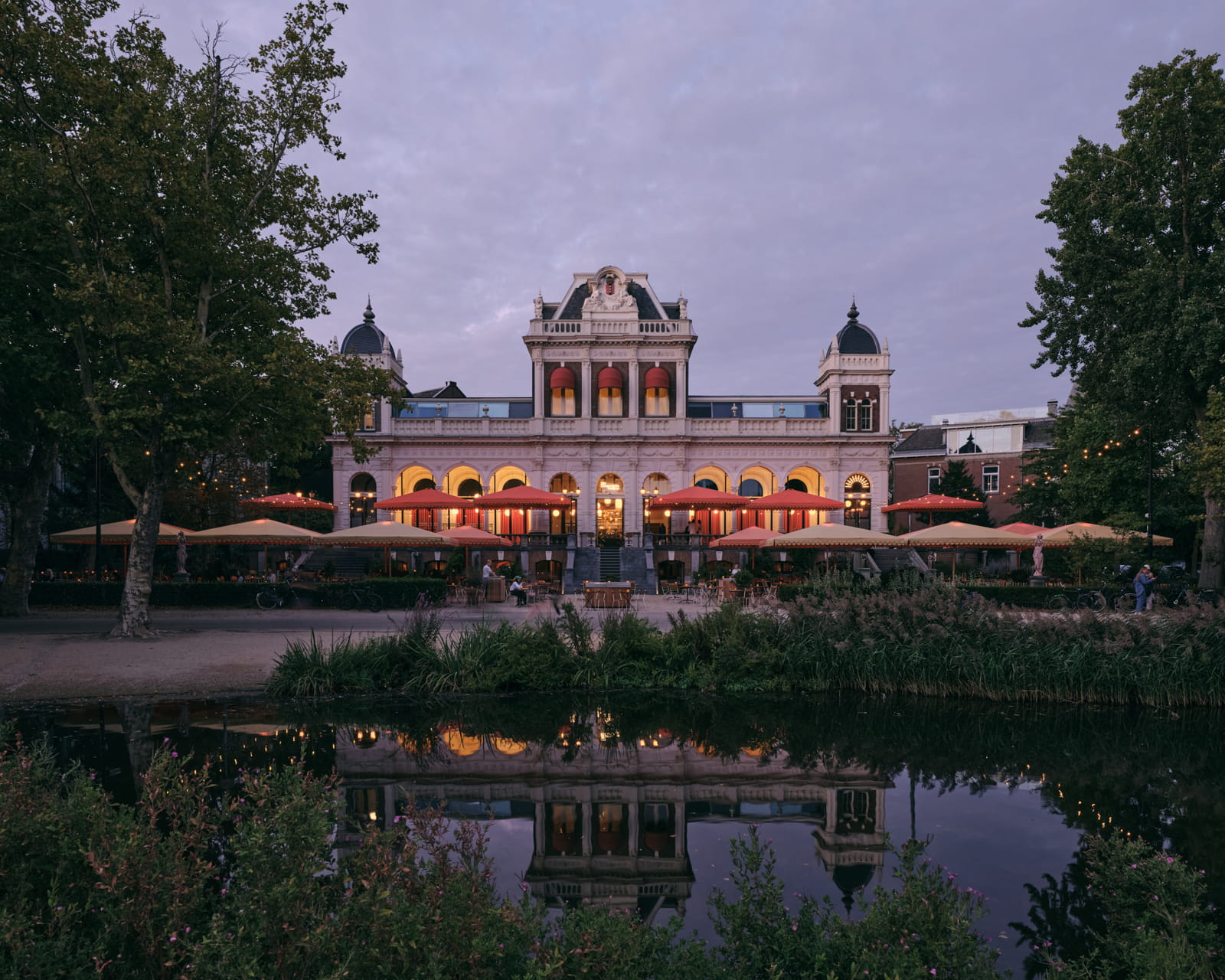
Tucked beneath the grand arches of the historic Vondelpark Pavilion and surrounded by Amsterdam’s lushest scenery, Café Vertigo takes center stage in a bold new cultural revival. Long loved by film buffs, creatives, and casual park-goers alike, this iconic spot has always been more than just a café, it’s a meeting place, a mood, a scene.
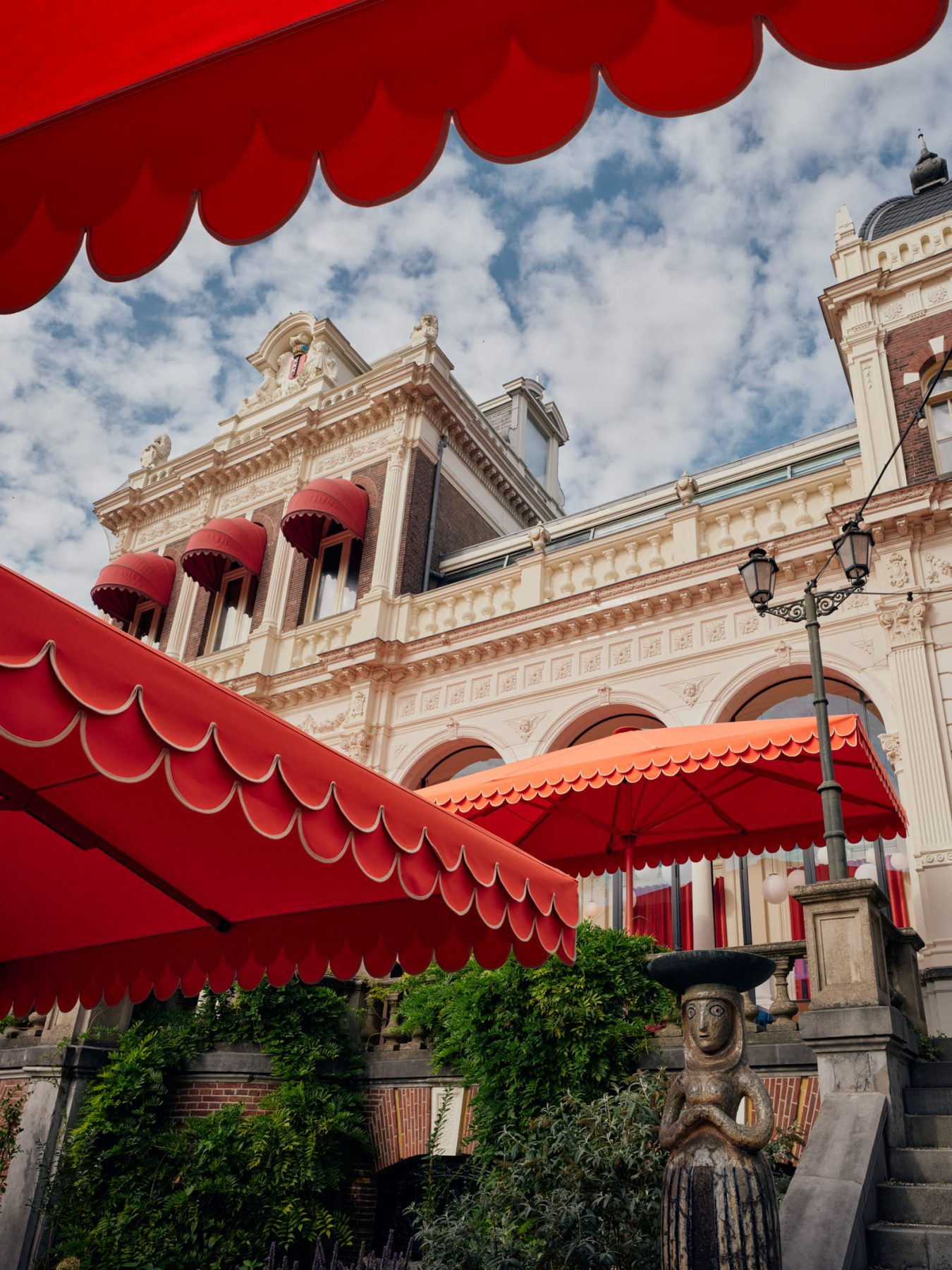
When it came time to reinvigorate the space, Studio Modijefsky took on the challenge: to create a place that would be both rooted in the building’s grandeur and irresistibly contemporary.
The result is a cinematic experience that redefines the Vondelpark dining experience; intimate yet open, sophisticated yet playful, nostalgic yet thrillingly new.
Concept & Visual Narrative
Café Vertigo is a study in cinematic disorientation, inspired by the psychological complexity and visual tension of Hitchcock’s Vertigo.
The design plays with perception, layering, and rhythm to create a space that feels at once familiar and surreal. Studio Modijefsky approached the project as a sequence of unfolding scenes, each one shaped by shifts in scale, material, and light.
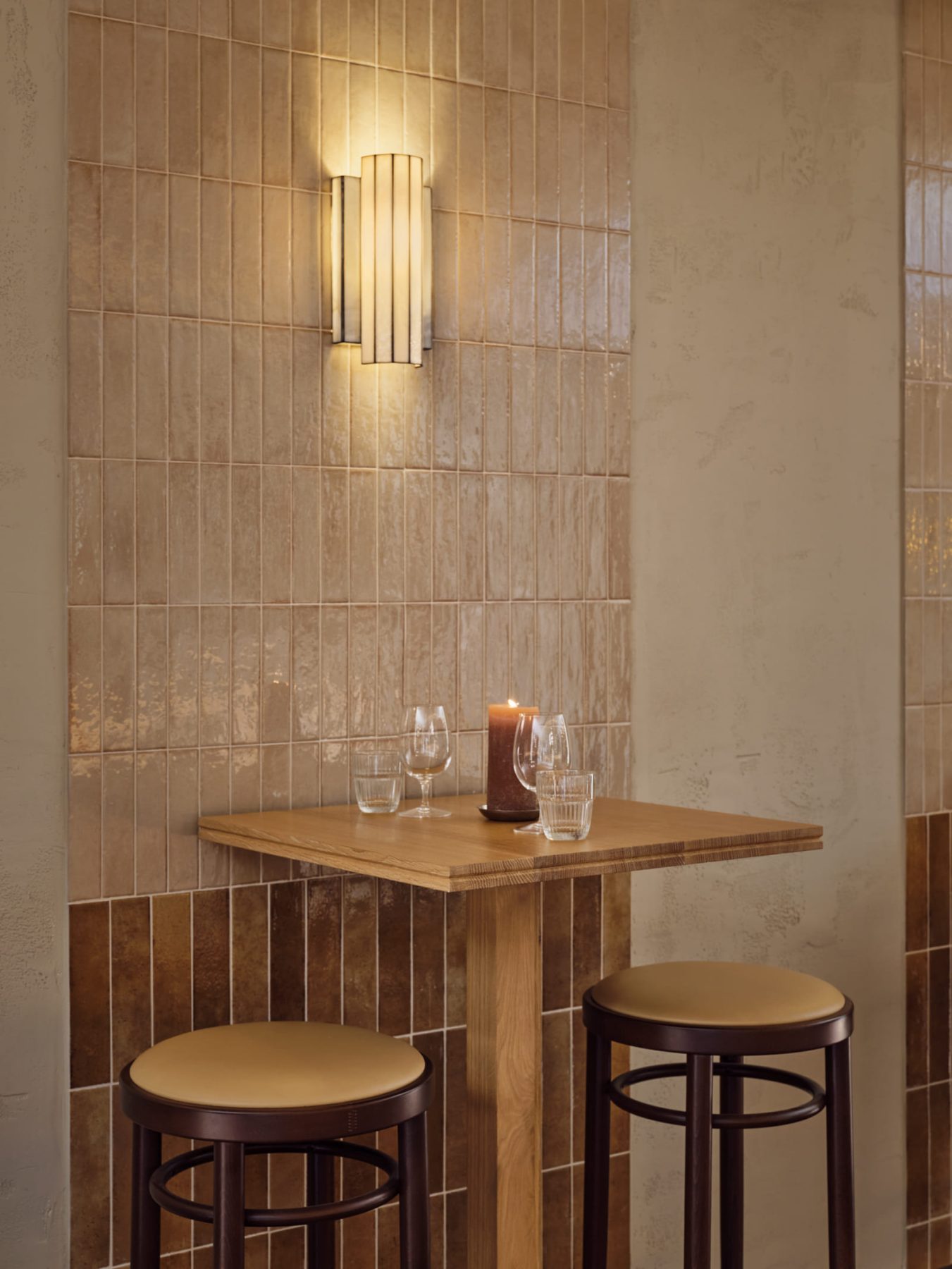
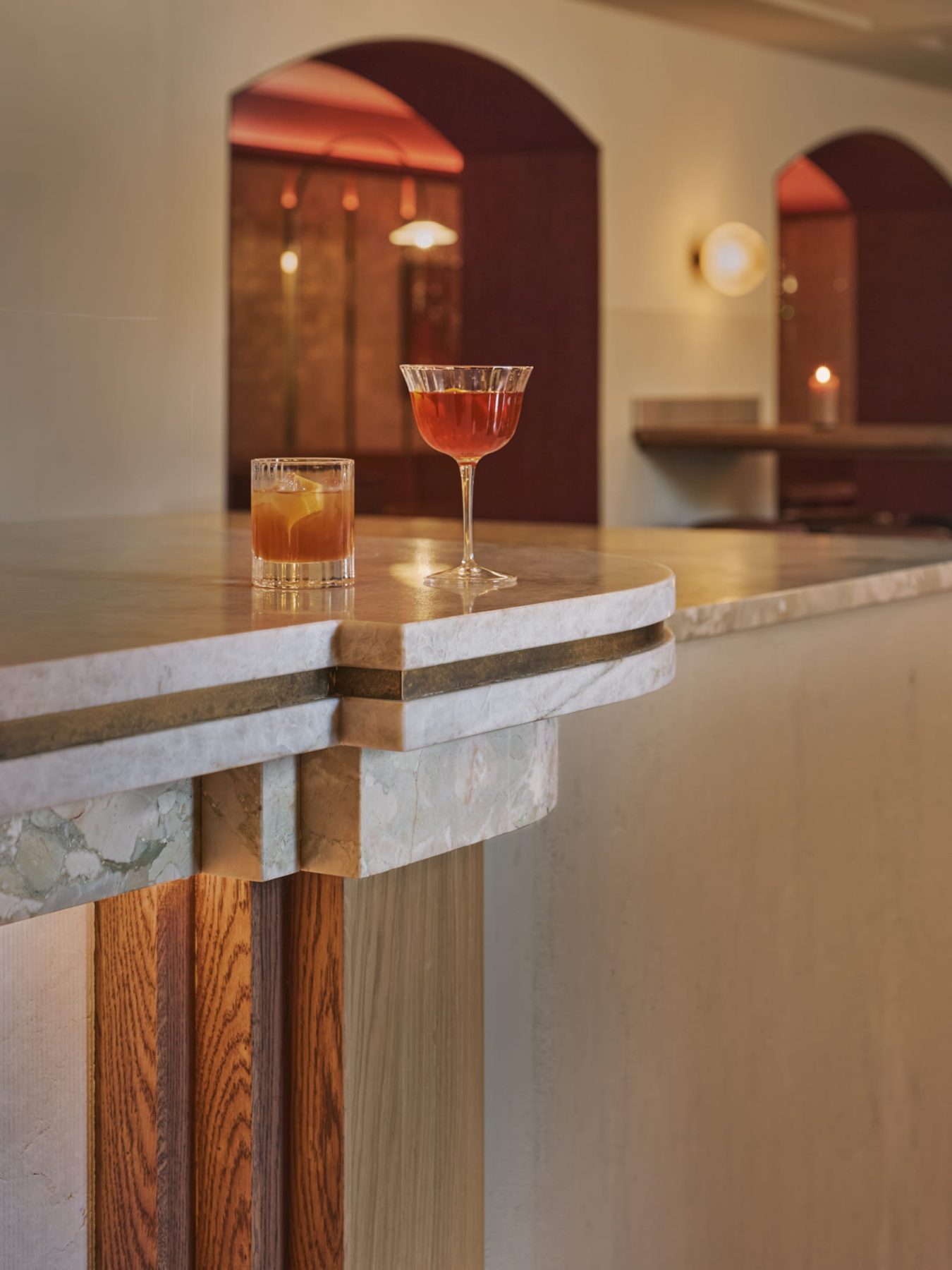
The goal: to transform a historic landmark into a multidimensional experience where the past is reframed.
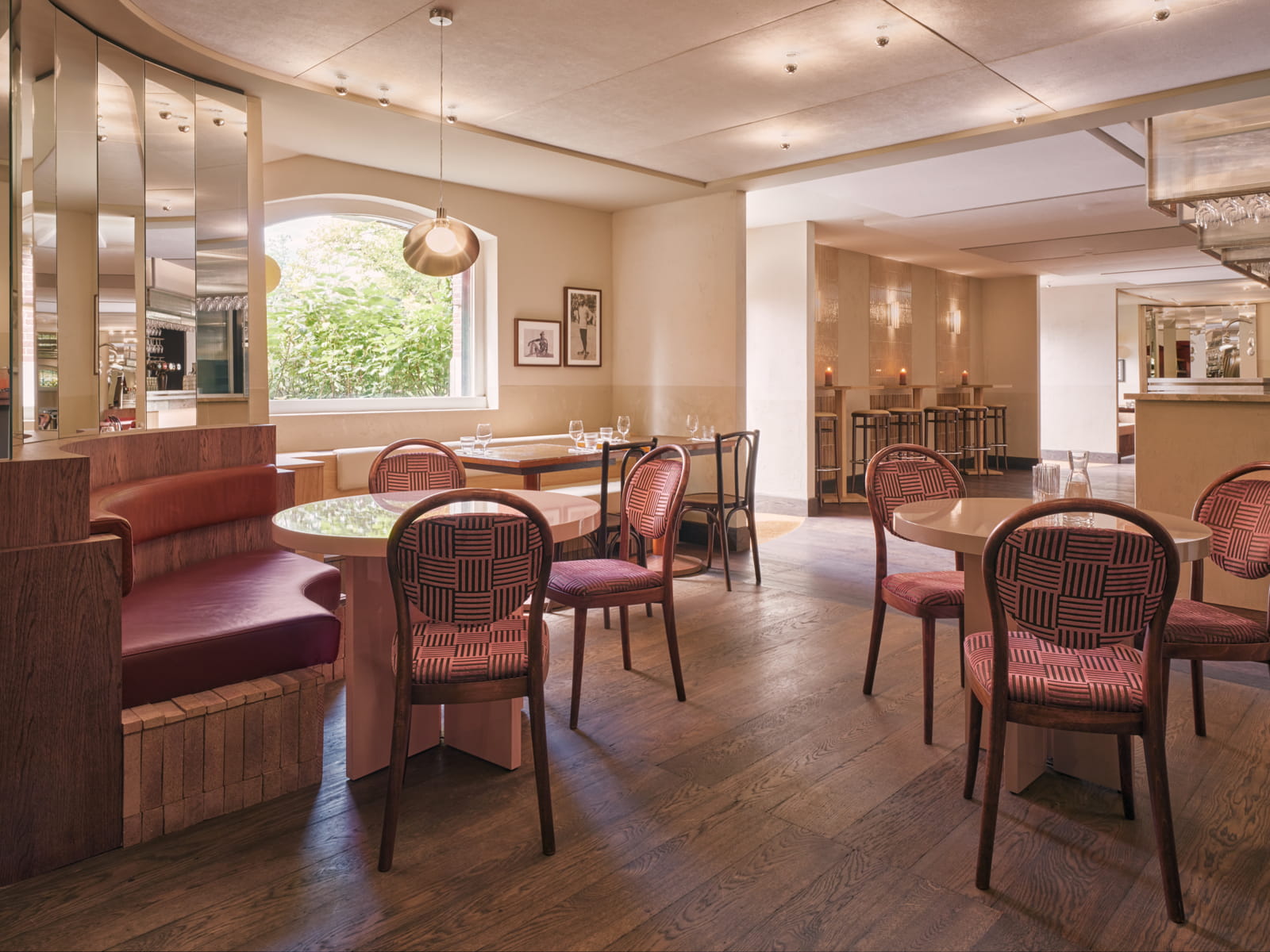
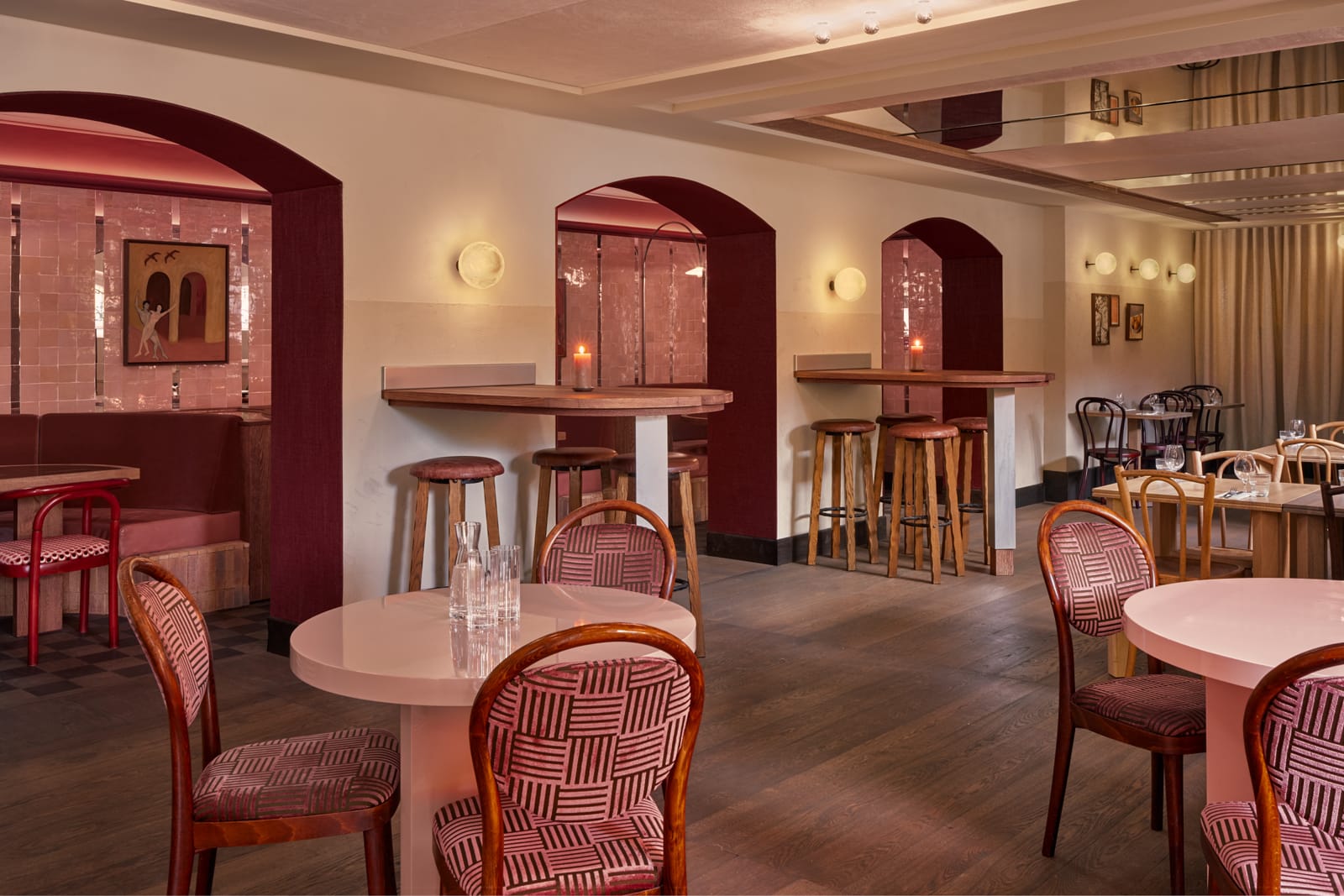
This cinematic narrative plays out across all levels of the café, where perspective is constantly shifting.
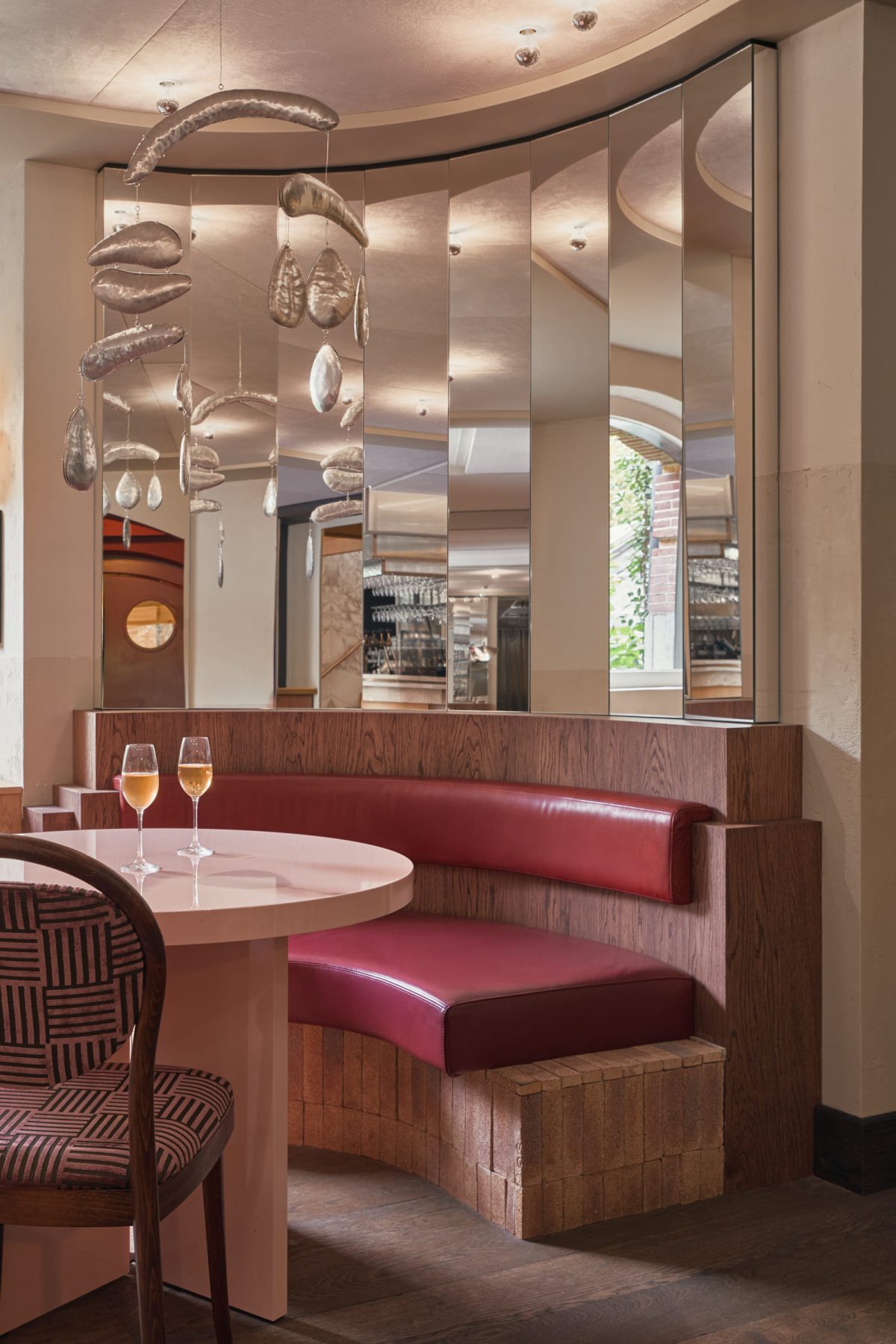
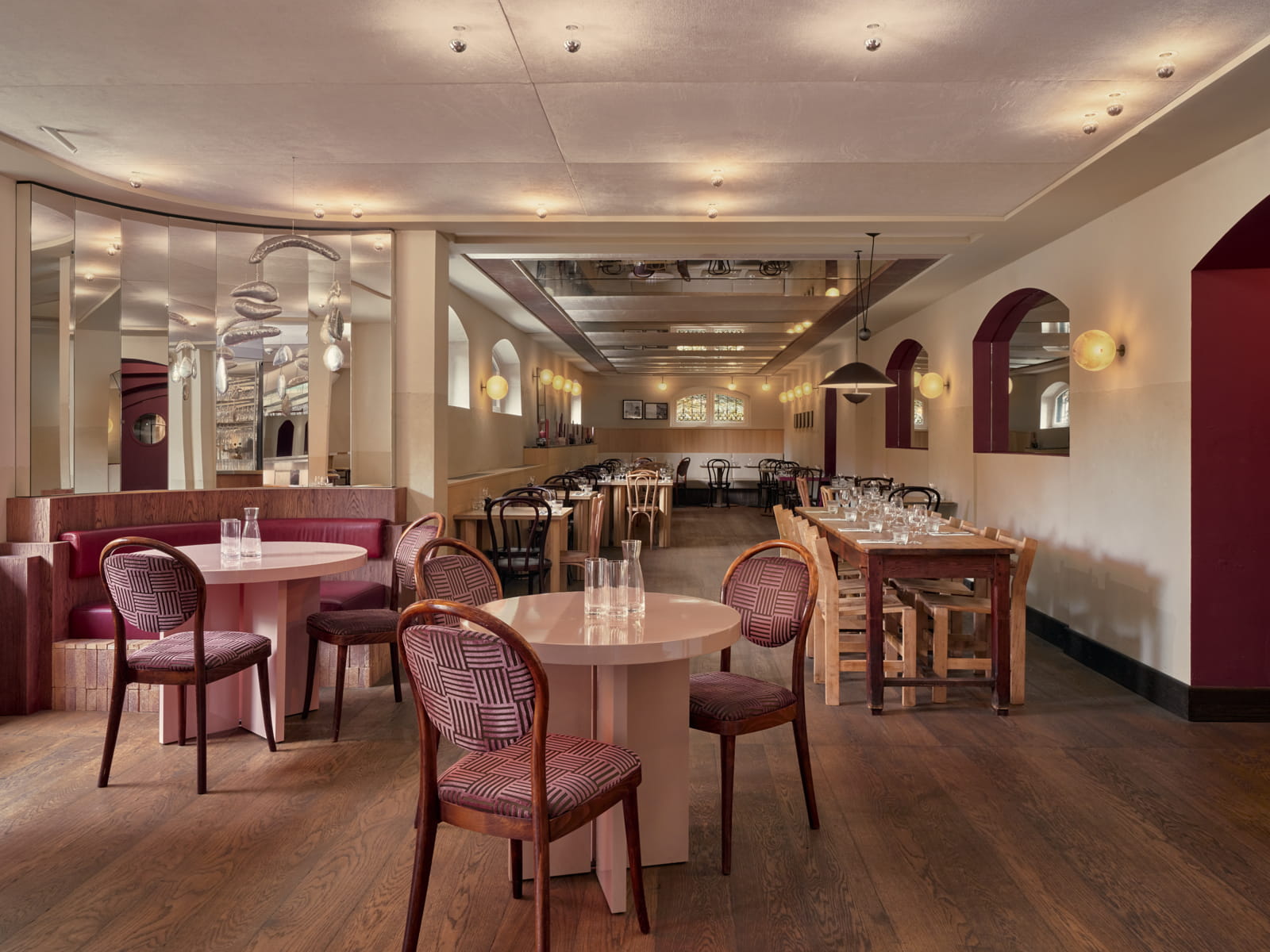
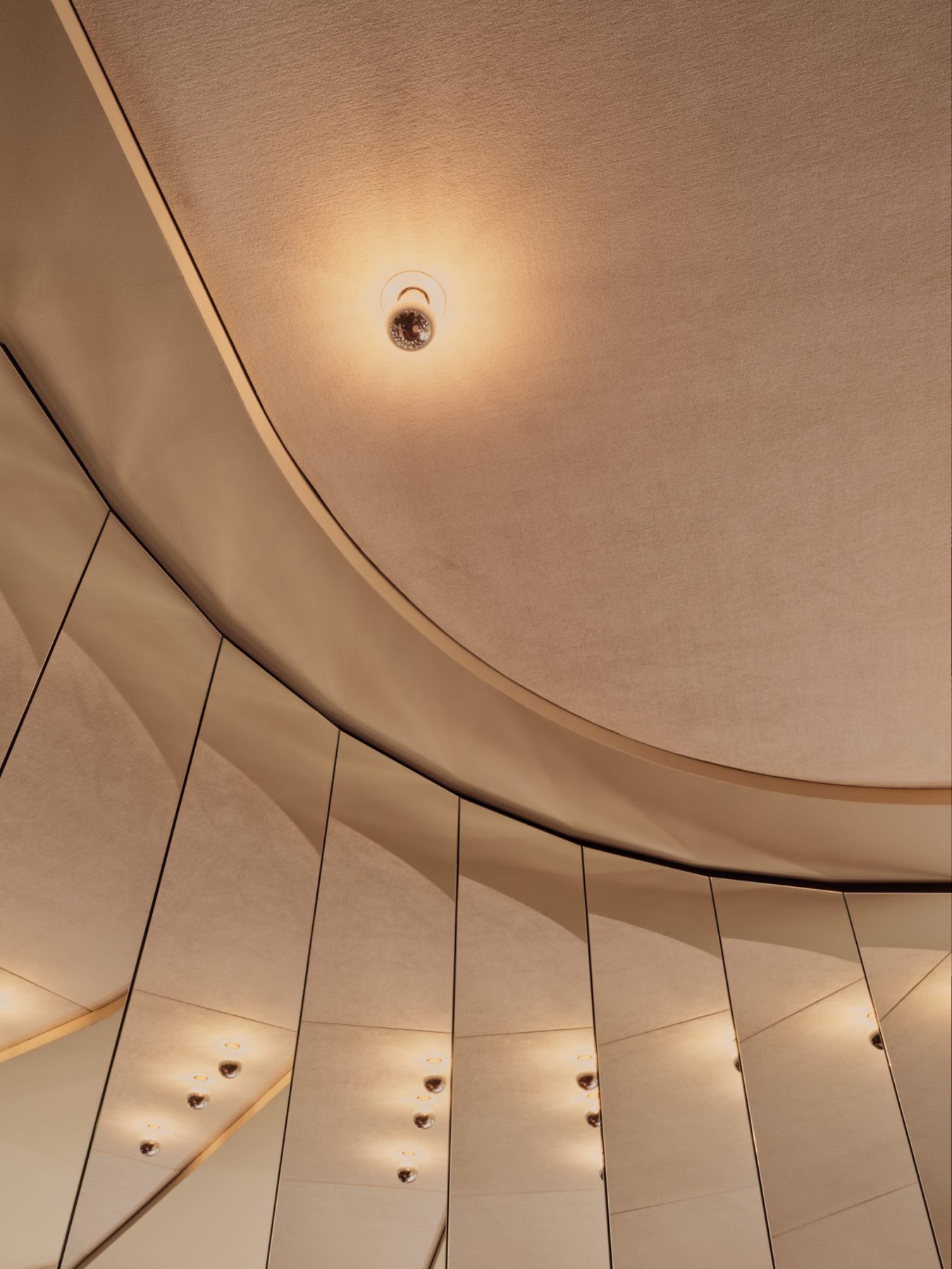
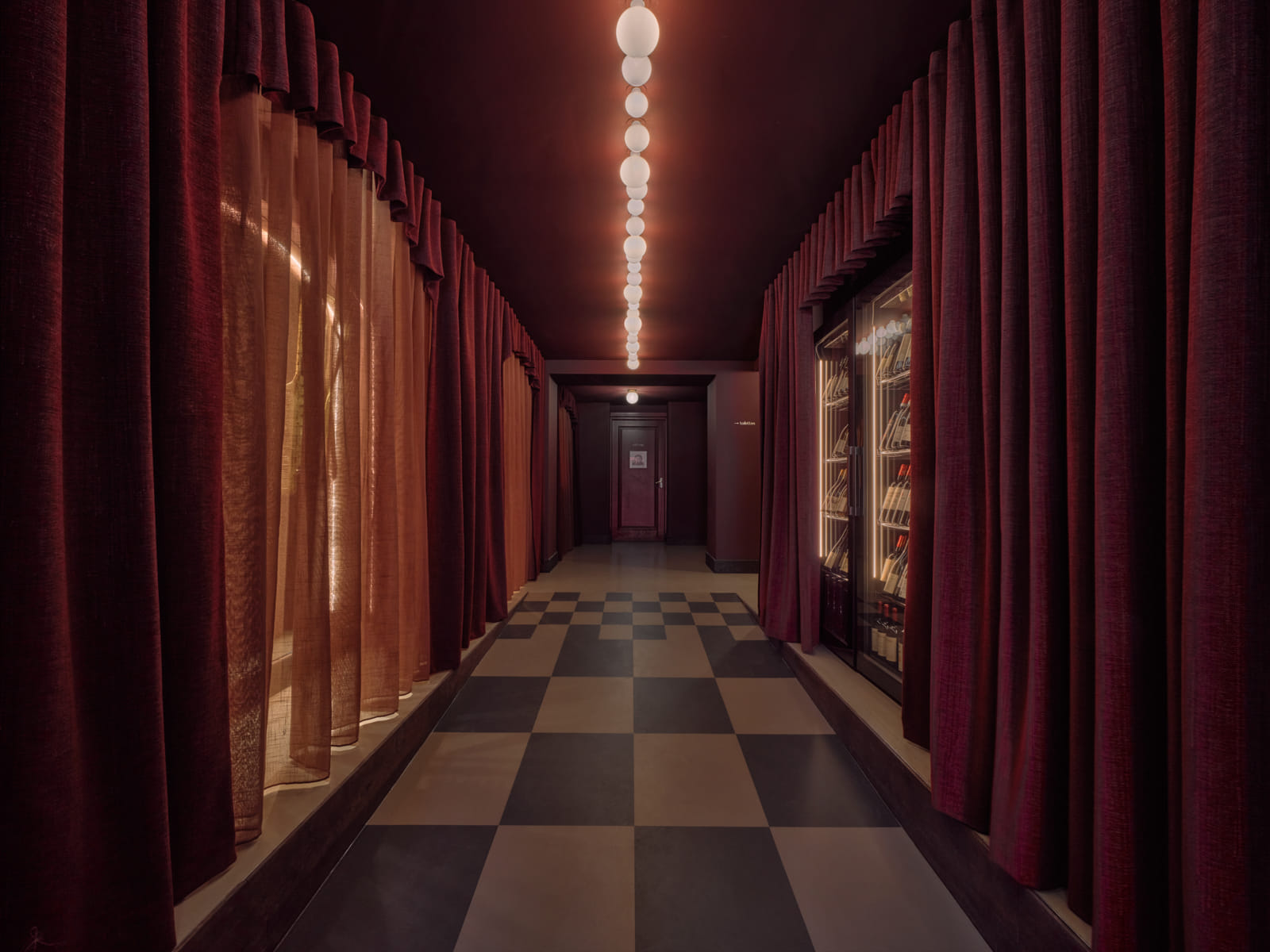
The vertigo effect is echoed in the deliberate use of perspective lines created by the wall, floor, and ceiling finishes, drawing the eye and creating a subtle sense of disorientation and depth throughout the space.
History
The Vondelpark Pavilion has been a landmark in Amsterdam since the late 19th century, originally designed in the Italian Renaissance style by architect Willem Hamer Jr.
Over the decades, it has hosted a range of tenants and identities: a grand restaurant with upstairs lodging, a dance club, a barber, and several cultural spaces including the International Cultural Centre and the Filmmuseum.
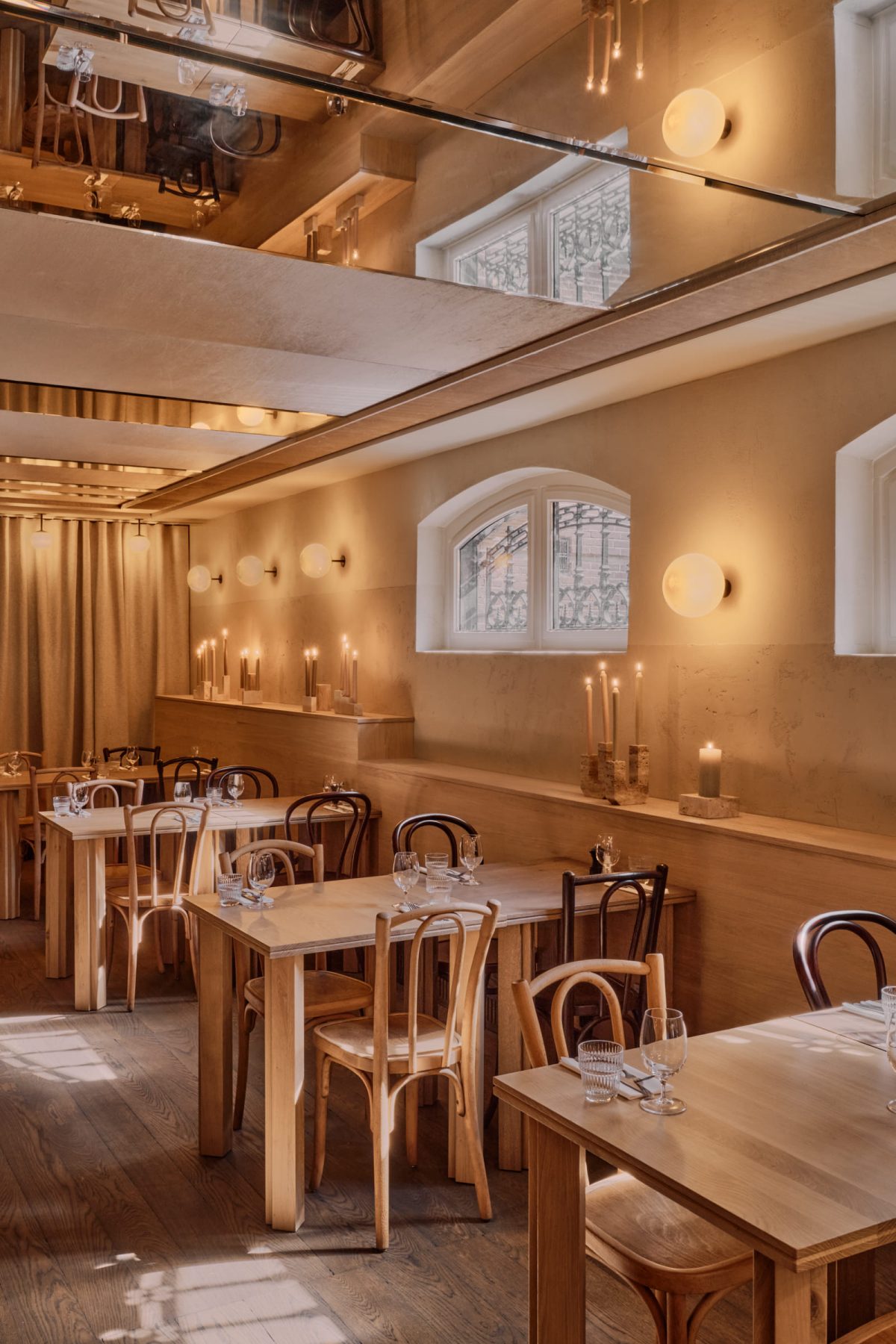
Rather than erasing those layers, Studio Modijefsky chose to engage with them.
These gestures aren’t nostalgic replicas, but deliberate design moves that tie the present to the past; creating an interior that feels grounded in history, yet ready for generations to come.
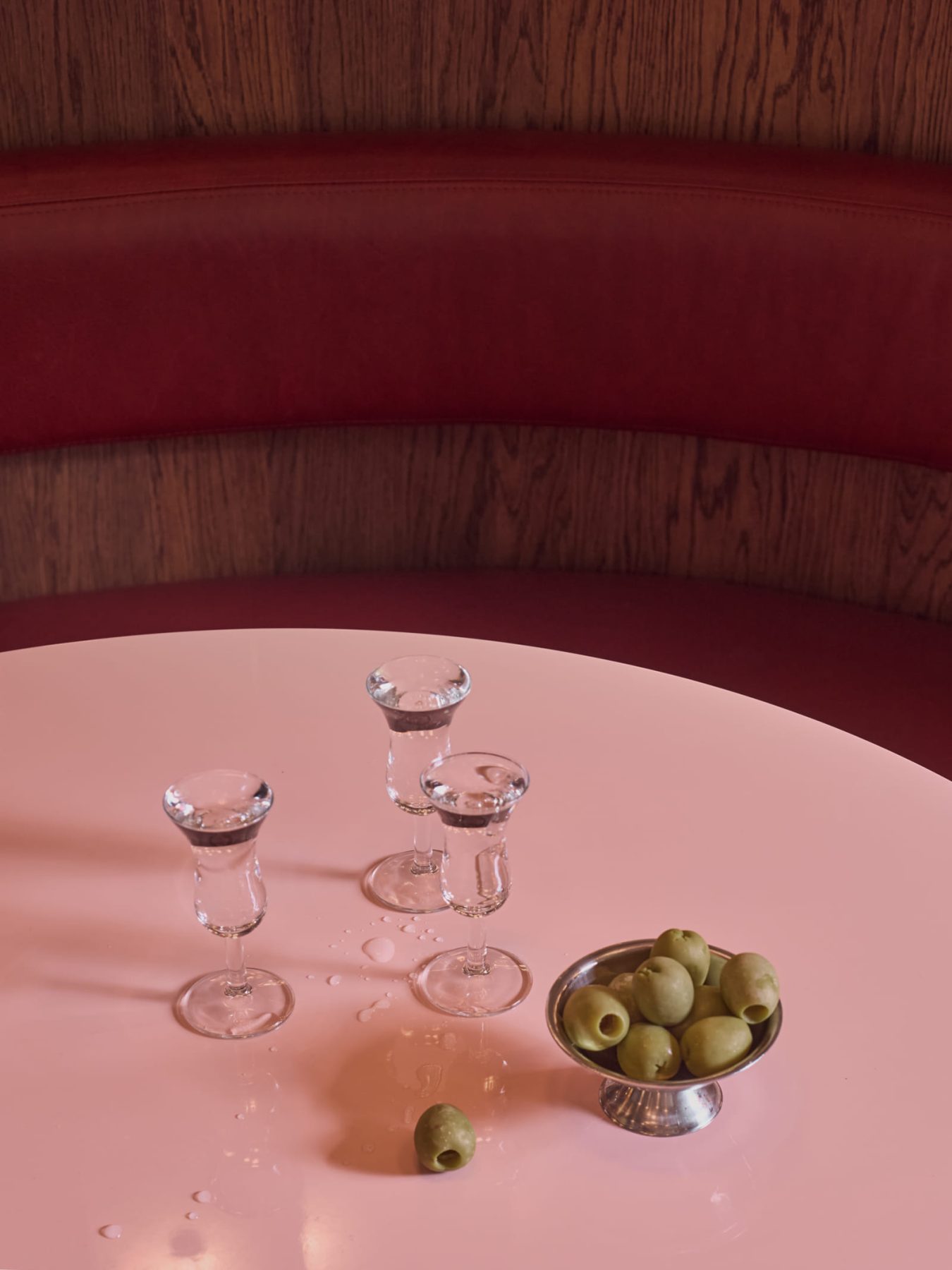
Zones, Atmosphere & Materiality
Café Vertigo is carefully composed as a sequence of spatial experiences, each with its own atmosphere and rhythm.
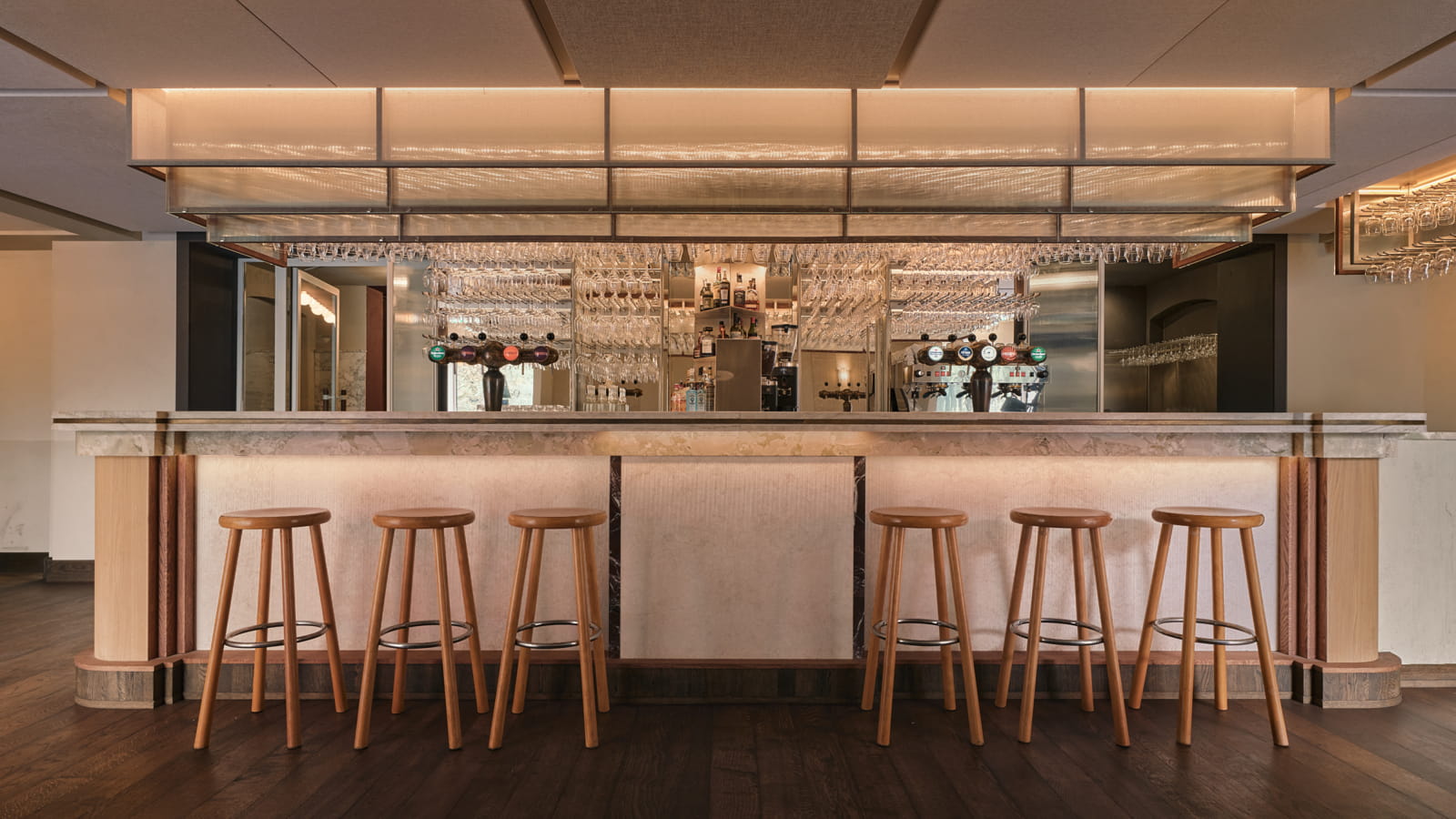
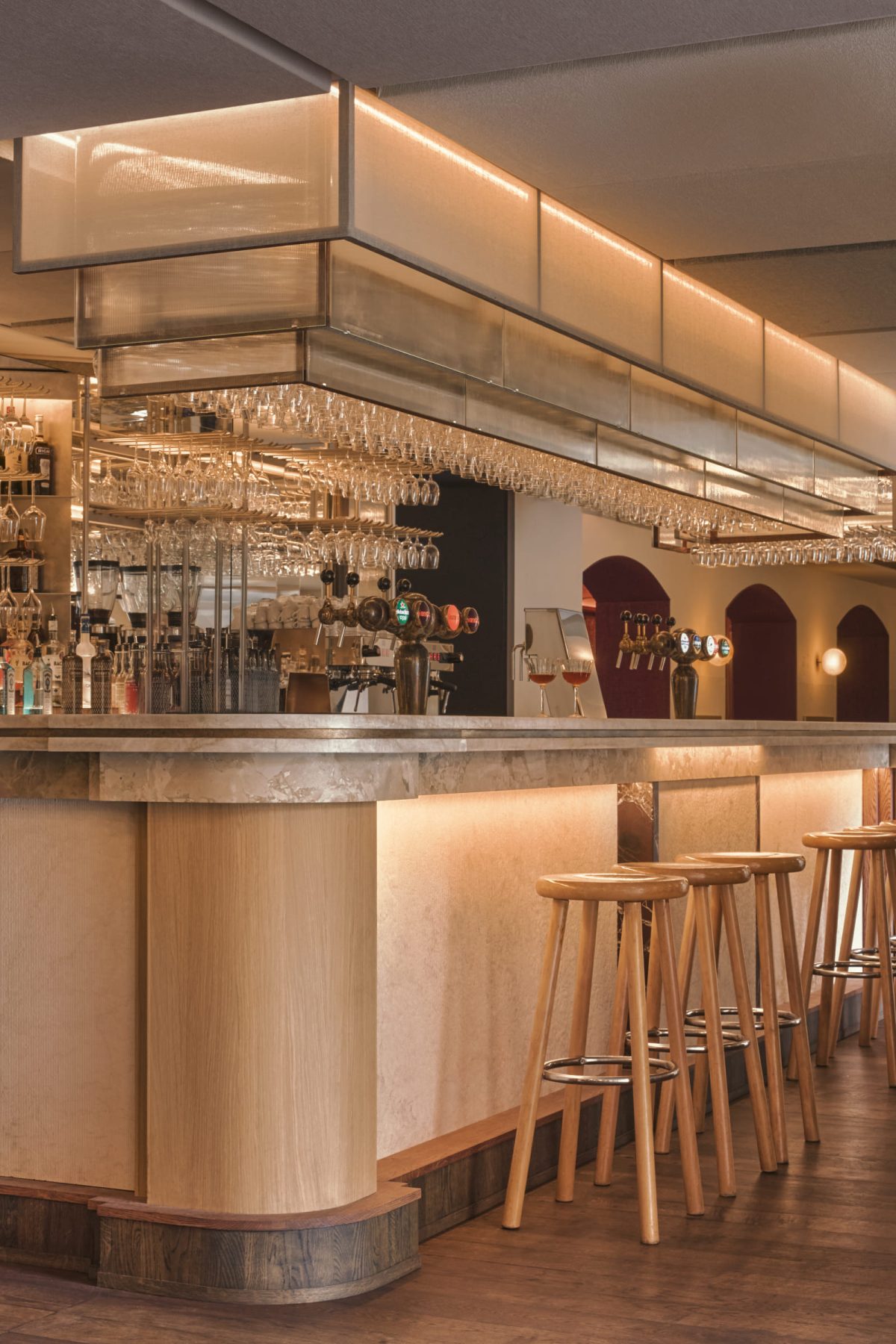
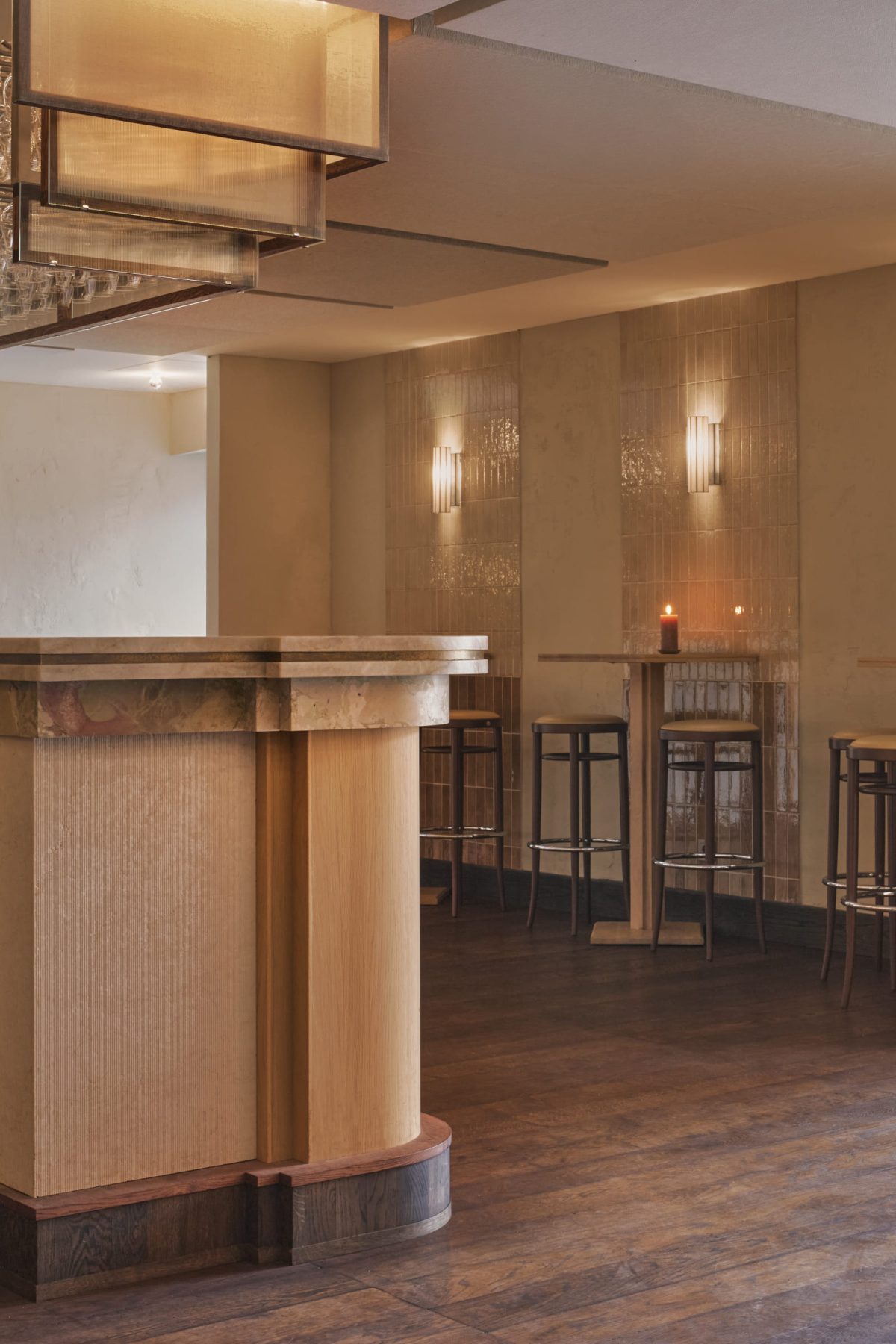
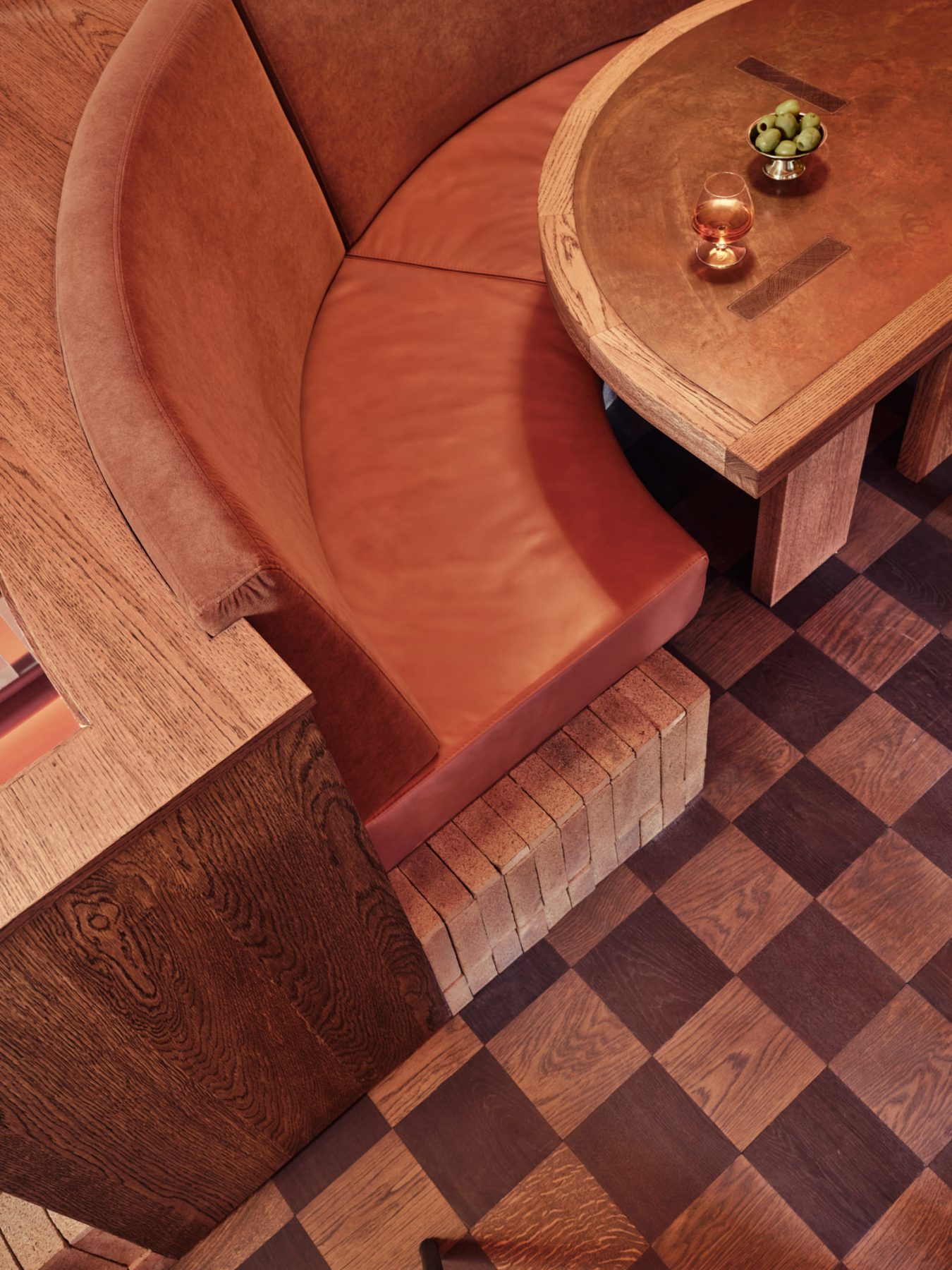
Each zone is defined by its own material language, creating transitions that are both visual and tactile. Zellige tile meets timber, velvet contrasts with structured plaster, and brass accents glint against matte marble.
Throughout the interior, materials evoke the glamour and drama of the building’s cinematic history.
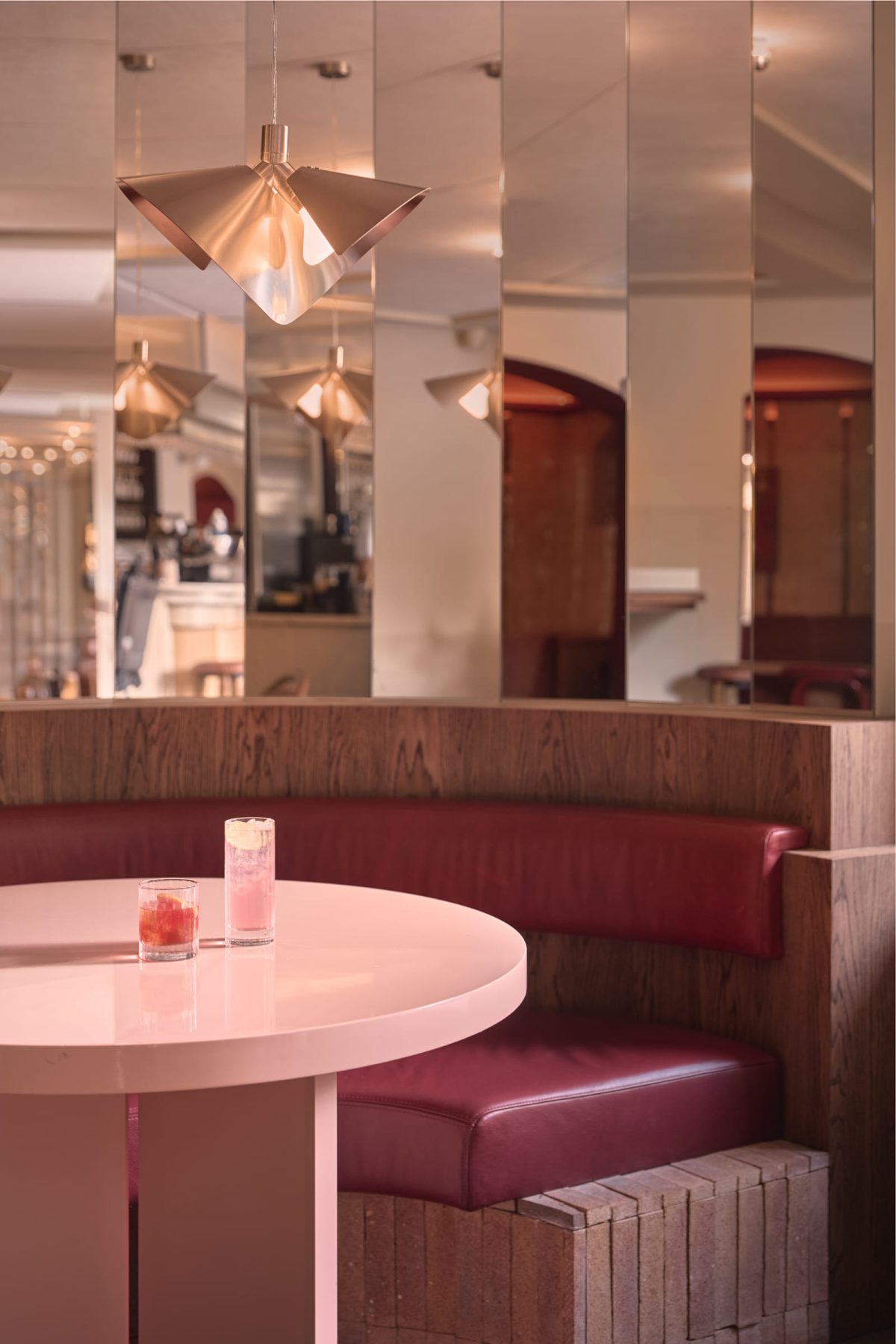
Light & Art
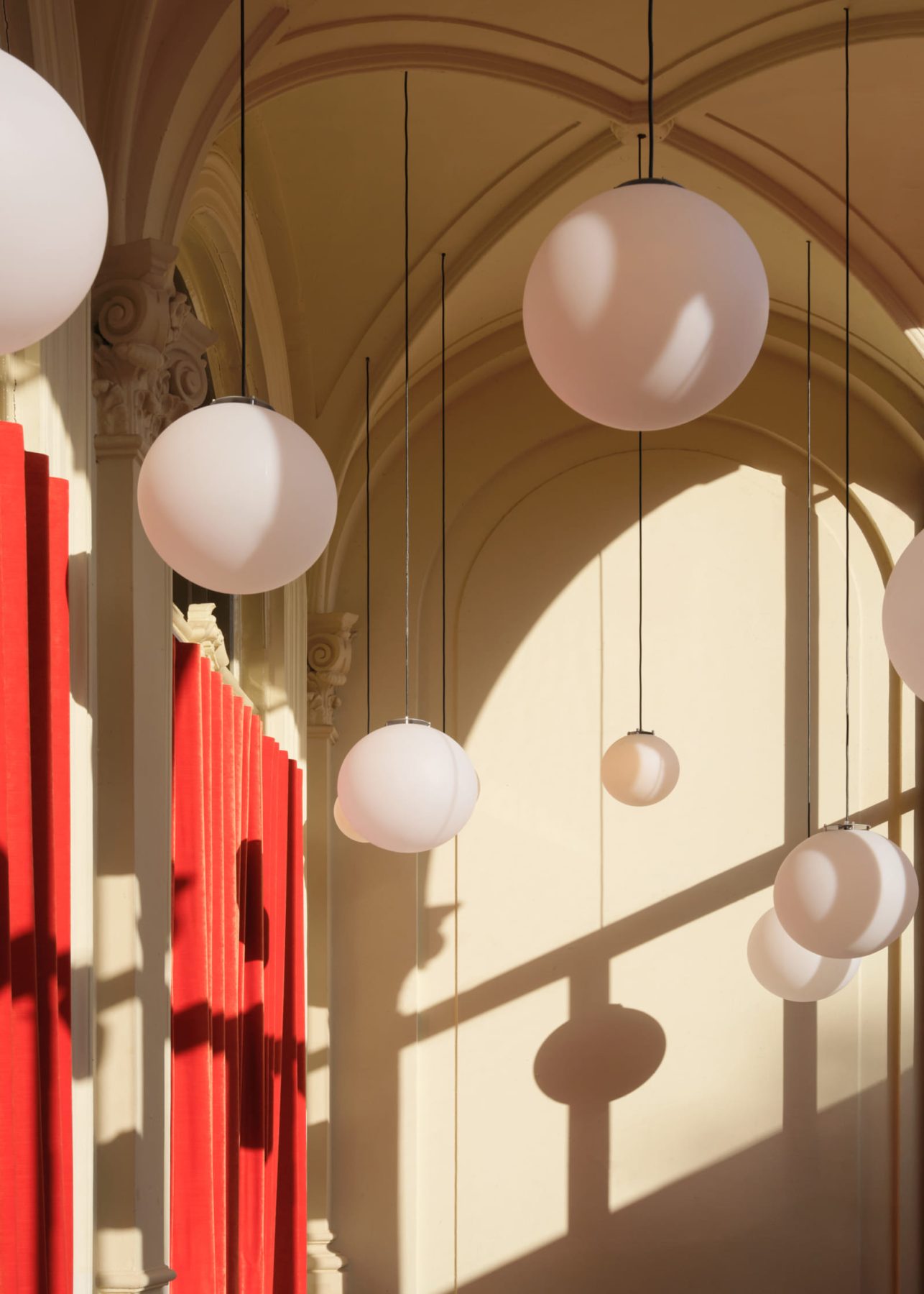
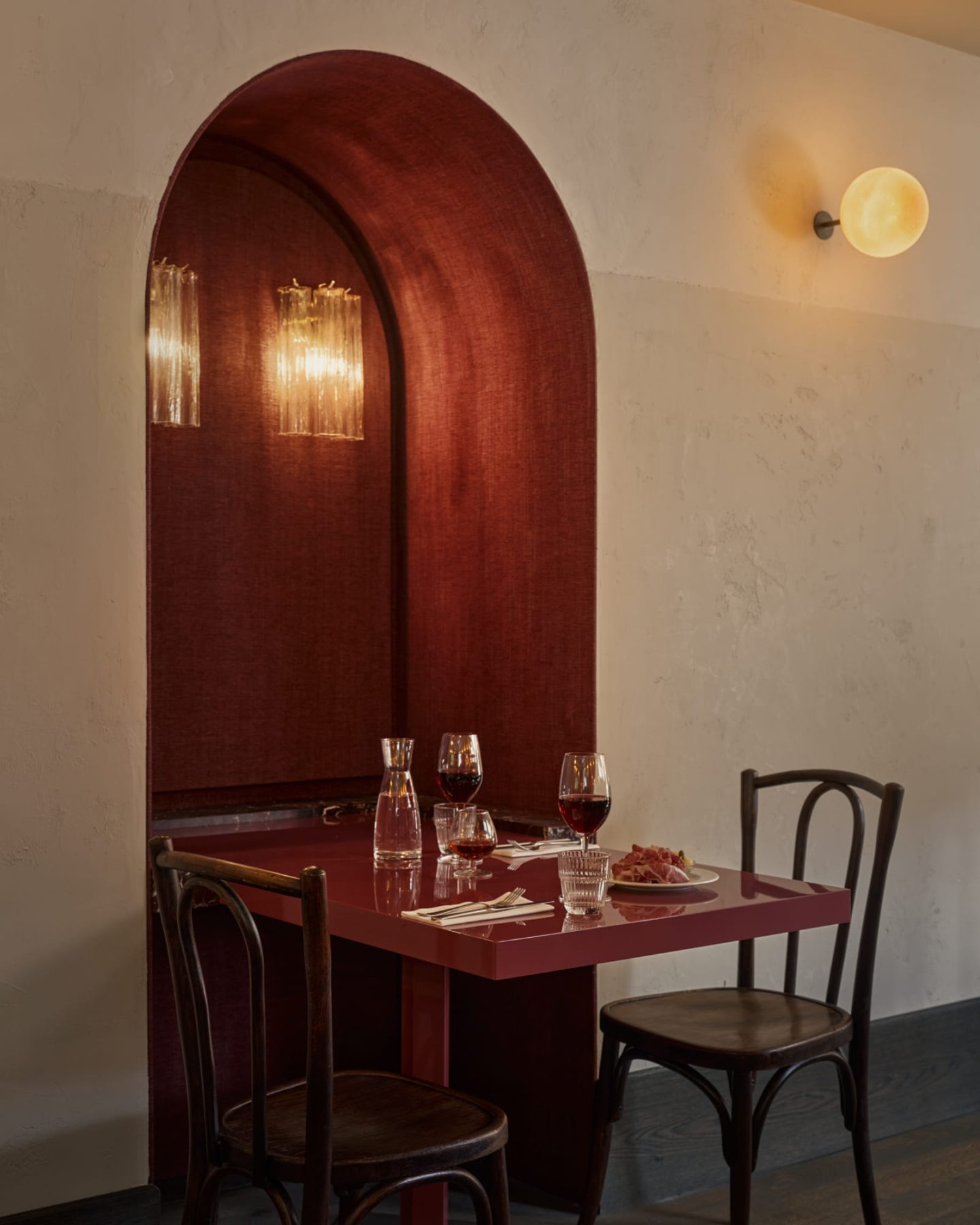
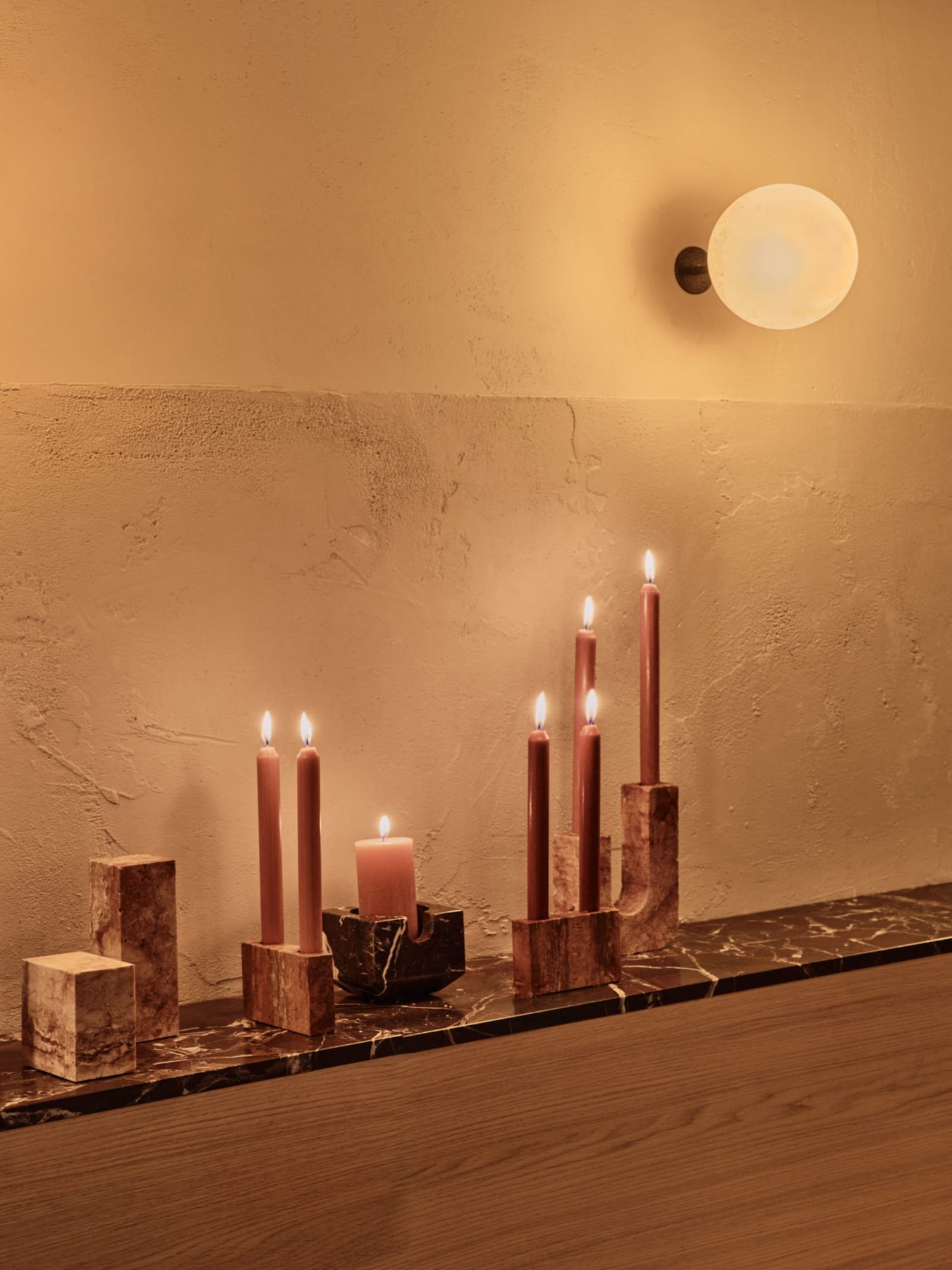
Light in Café Vertigo is more than a practical element; it plays an active role in shaping the atmosphere and guiding the experience. Natural daylight filters through the souterrain windows, creating a moody ambiance below ground. Artificial lighting continues this narrative with a mix of pendants and sconces.
Carefully sourced vintage and artisan-crafted fixtures are combined to create a palette that is both thoughtful and rich, blending old and new with a consistent focus on quality.
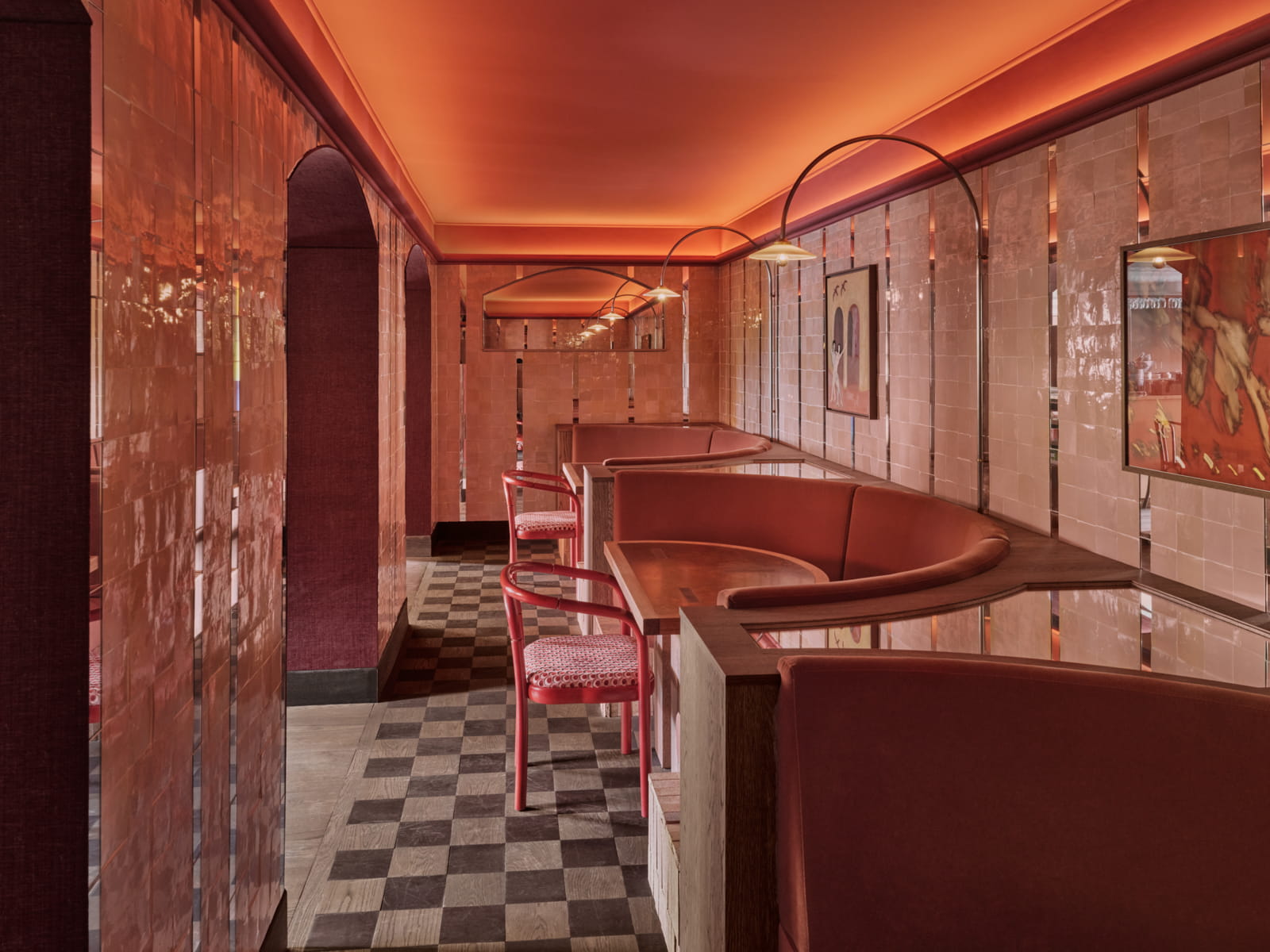
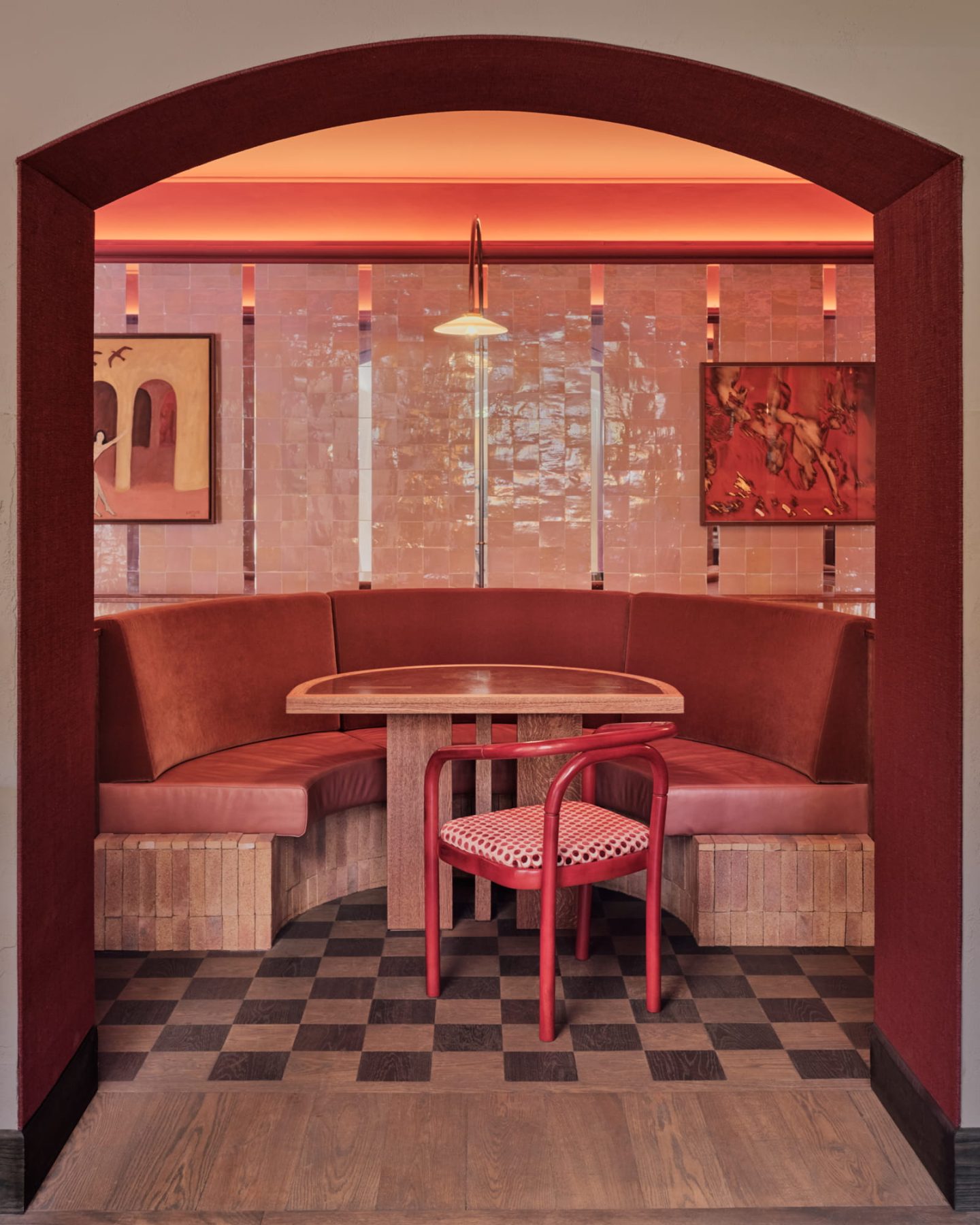
Artworks integrated throughout the interior reinforce the cinematic tone.
The collection reflects the rich cultural history of the Vondelpark Pavilion and the city of Amsterdam. Inspired by iconic cinema and urban storytelling, the art reveals itself as a layered tribute to the indomitable power of creativity.
Terrace
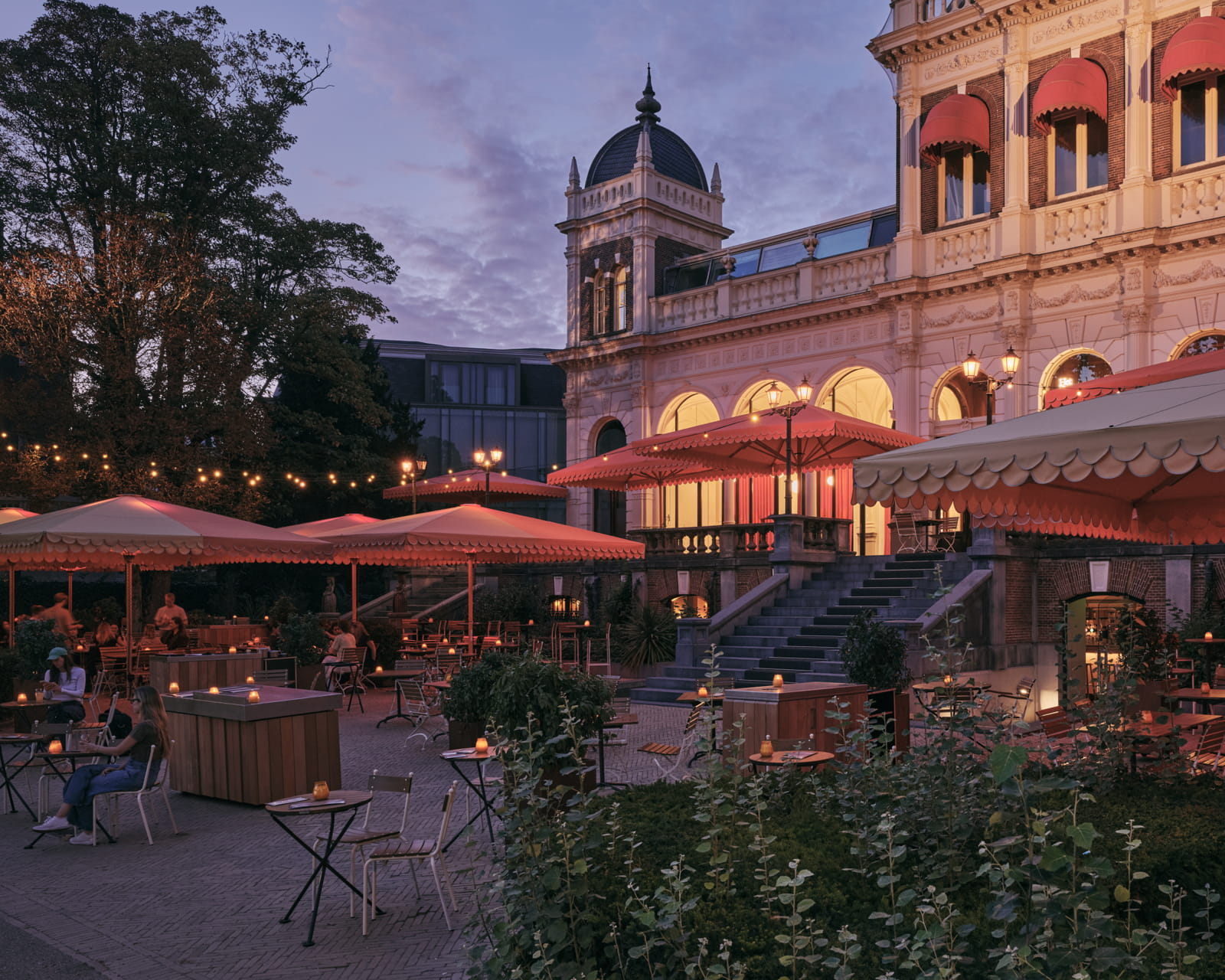
Outside, the transformation continues across one of Amsterdam’s most impressive terraces, stretching from the park edge to the building’s stately bordes. Two levels offer two distinct atmospheres: below, the park terrace hums with energy. Ideal for easy dinners, impromptu meetups, or a slow vermouth in the sun. Above, the elevated balcony offers a more composed bistro setting: crisp linen, a view over the treetops, and a front-row seat to Vondelpark’s shifting seasons.
Cultural Role & Conclusion
Café Vertigo marks the revival of a cultural anchor woven into the heart of Amsterdam.
While its layered interior subtly nods to the city’s legacy of film and nightlife, it’s the people who truly bring it to life: from cinephiles catching screenings upstairs to locals drifting in from the Vondelpark below.
Reimagined as a space for shared moments and new stories, Vertigo feels both familiar and fresh. In shaping this next chapter, Studio Modijfesky hasn’t just restored a building, they’ve given it back to the city. A home for Amsterdammers, once again.
Facts & Credits
Title Café Vertigo
Typology Architecture, Restoration, Bar & Restaurant
Location Amsterdam, Netherlands
Surface 350 m2 interior/ 660 m2 exterior
Status Completed, 2025
Architecture Studio Modijefsky
Design team Esther Stam, Kathryn Mallory, Beau Van der Schoot, Laura de Miranda, Ivana Stella, Moene van Werven, Julia Banaszewska, Christel Willers
Photography Maarten Willemstein
Text by the authors
READ ALSO: RURAL ARCHITECTURE // Monte do Divor: a sensitive integration into the place | by Vasco Burnay Arquitectura